

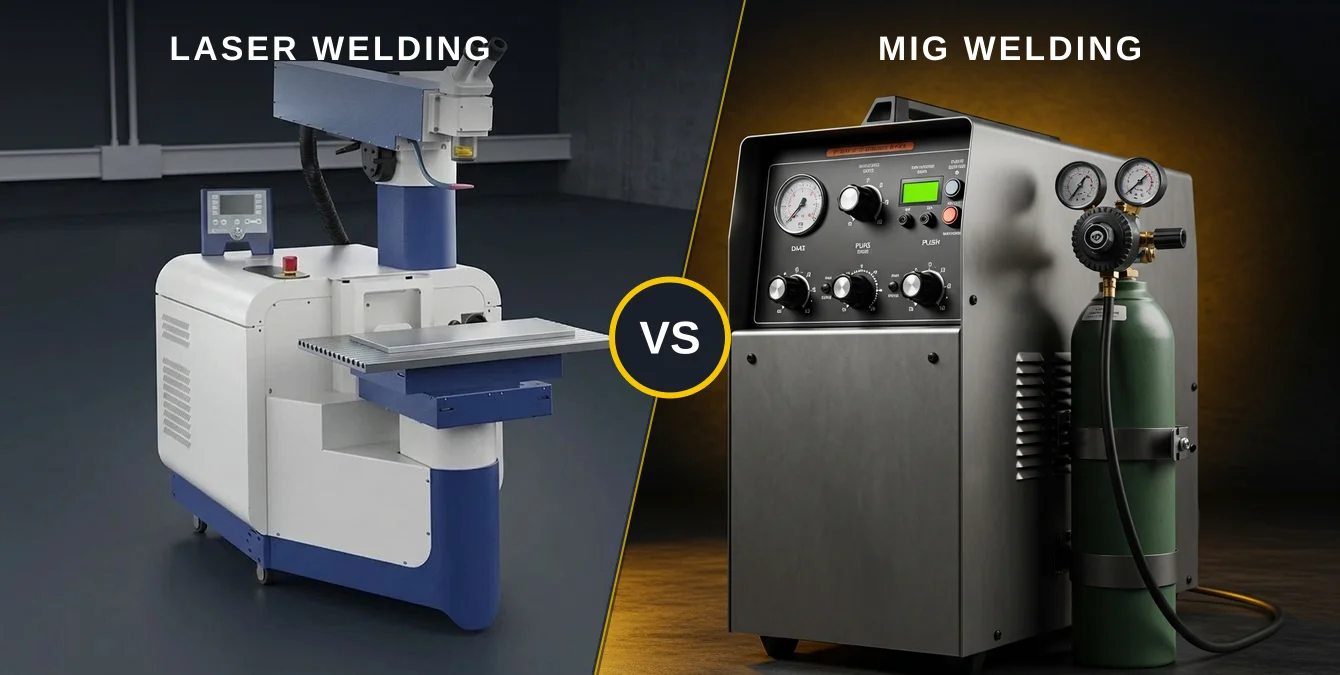
Quick Answer: Laser welding vs MIG welding presents distinct advantages for production managers to consider. Laser welding offers precision, minimal distortion, and high-speed processing, making it ideal for intricate and high-volume tasks. Although the initial investment is higher, the long-term cost…
Laser Welding Fundamentals
Laser Welding Aluminum: Overcoming Key Challenges and Defects
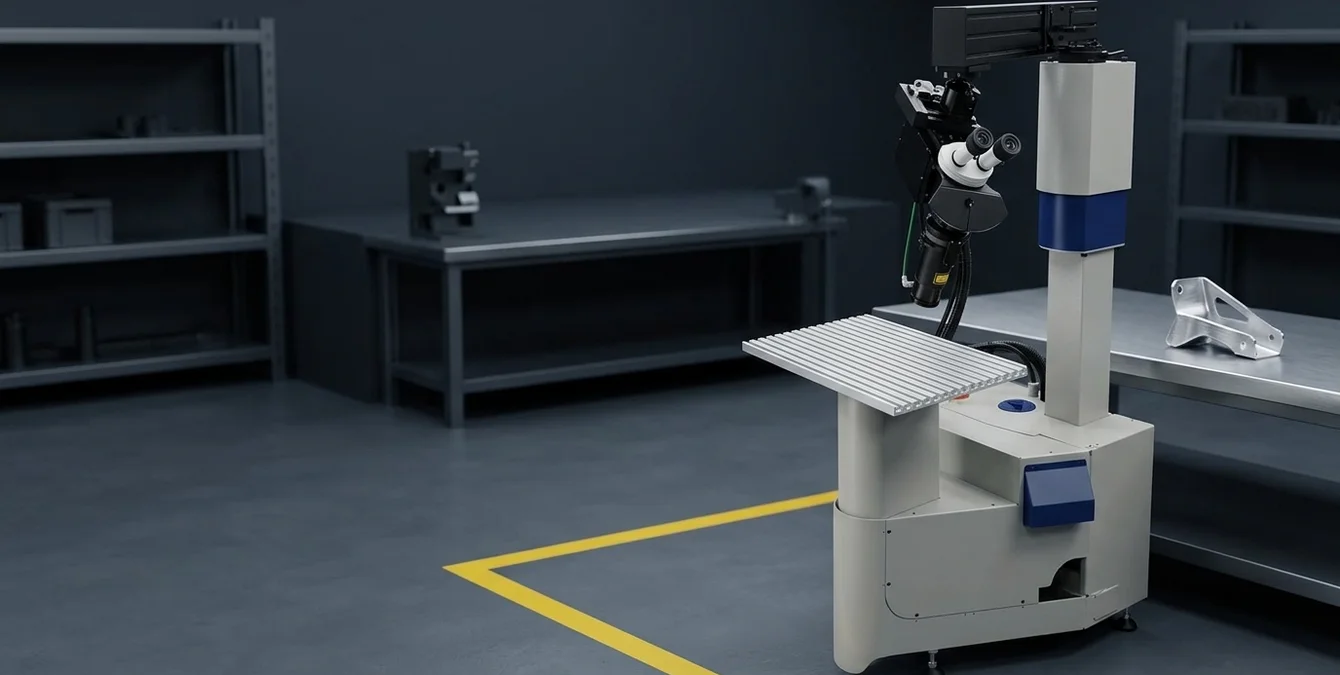
Quick Answer: Laser welding aluminum presents challenges such as high reflectivity and thermal conductivity, which can lead to defects like porosity and cracking. To overcome these, precise control of laser parameters is essential. Using a fiber laser with appropriate beam quality…
Mastering Laser Welding Penetration Depth: Key Techniques
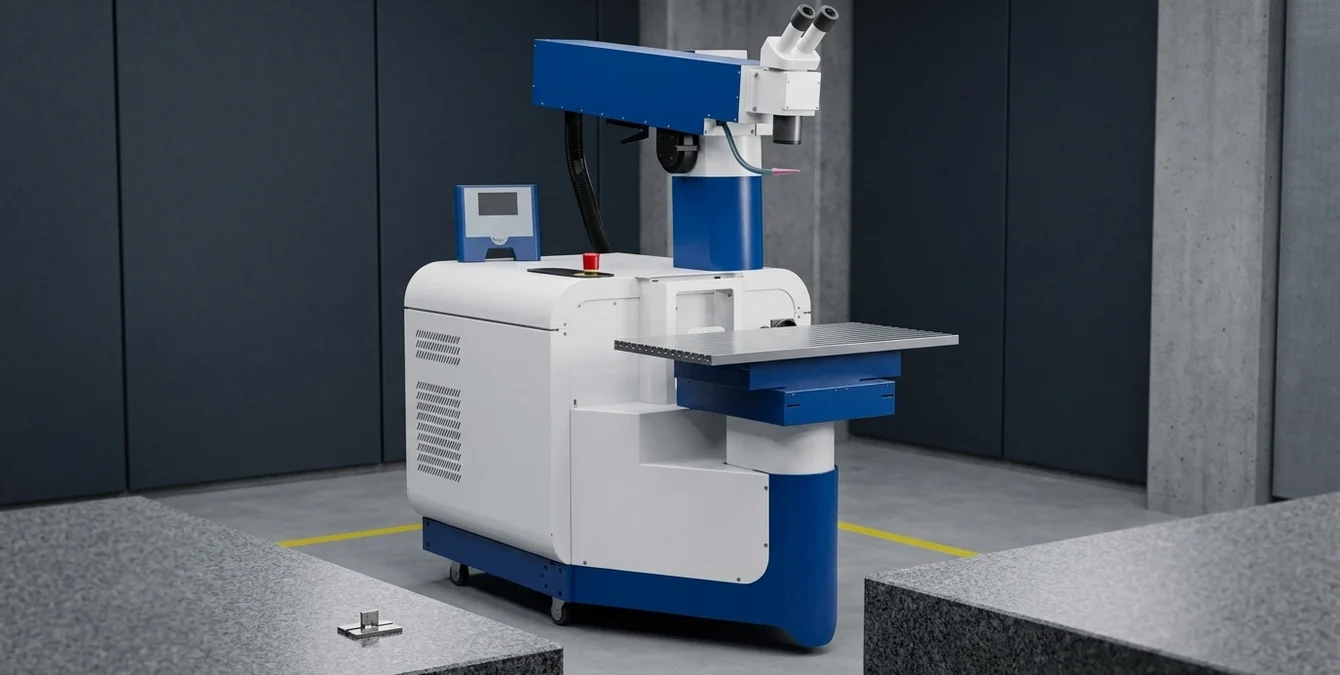
Quick Answer: Laser welding penetration depth is crucial for achieving strong, reliable welds in industrial applications. Key techniques to master this include adjusting laser power, optimizing focus position, and selecting appropriate welding speed. Higher laser power increases penetration, while precise focus…
Laser Welding Dissimilar Metals: Overcoming Challenges
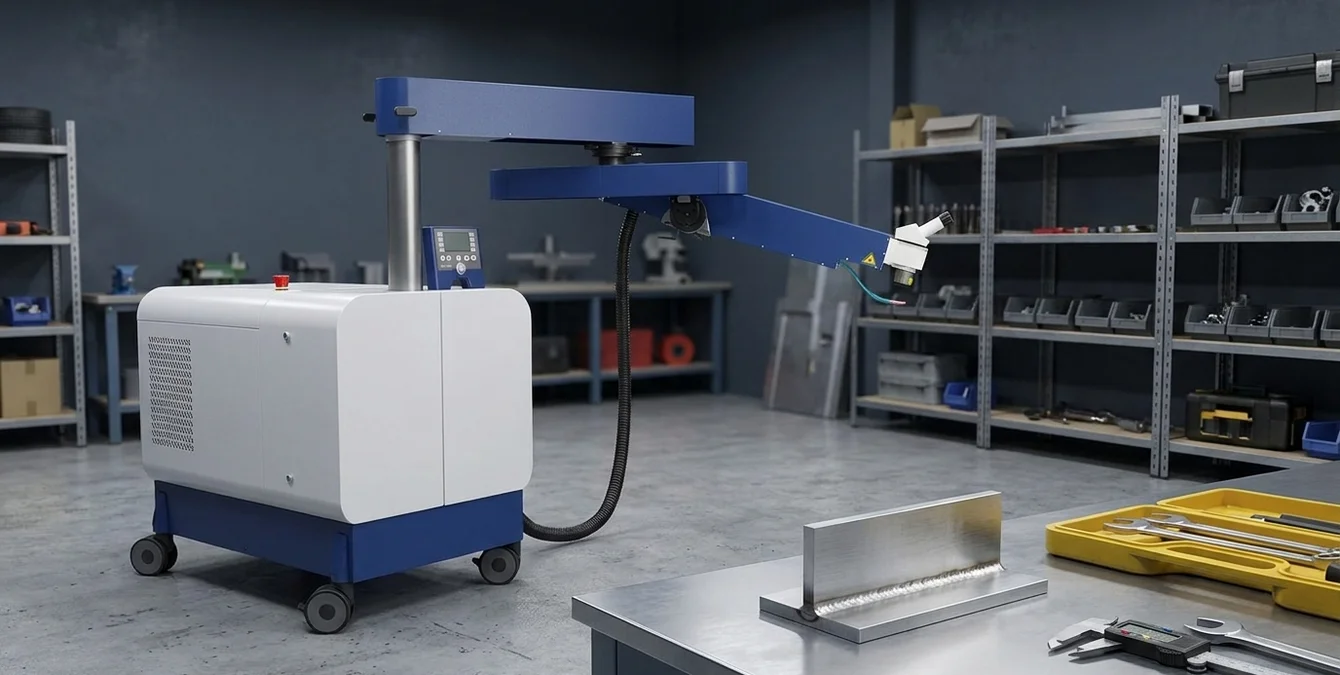
Quick Answer: Laser welding dissimilar metals is a precise technique that addresses the challenges of joining different metal types, such as aluminum to steel. This method uses high-energy laser beams to create a concentrated heat source, allowing for minimal thermal distortion…
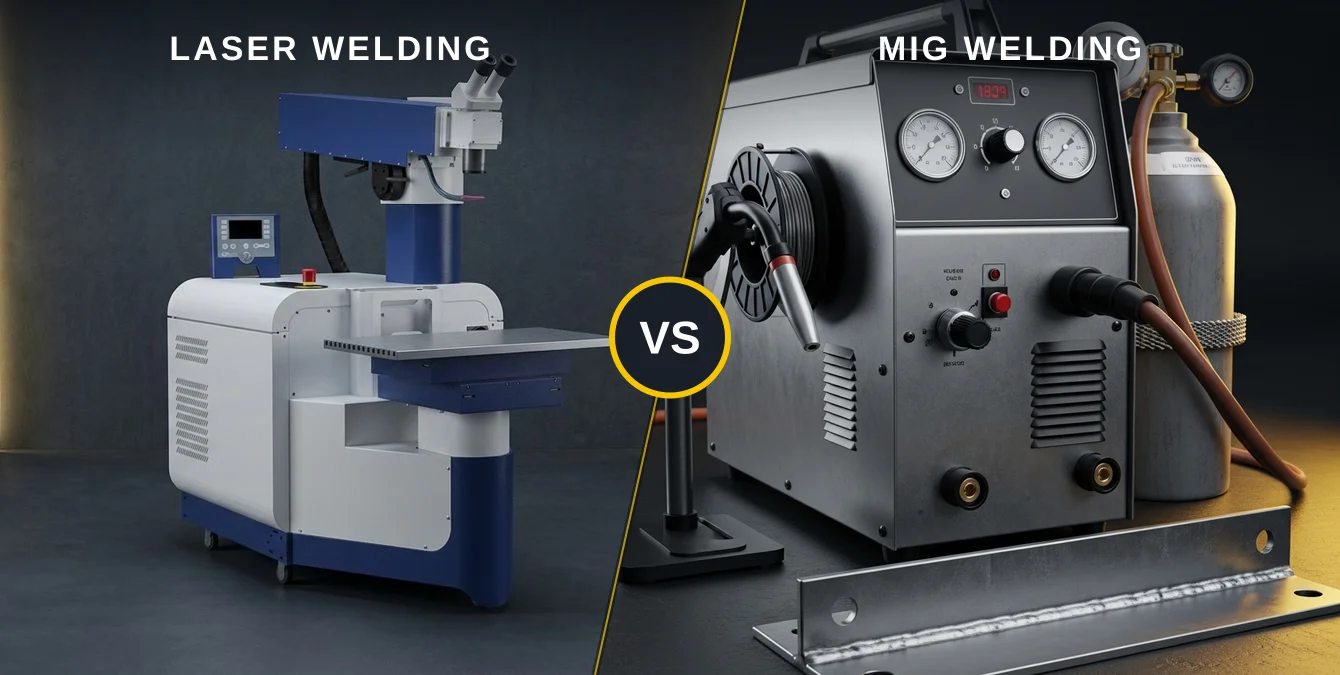
Laser Welding vs MIG Welding: Cost, Speed, Quality Insights
Quick Answer: Laser welding vs MIG welding primarily differ in precision, speed, and cost. Laser welding offers superior precision and is faster, making it ideal for high-volume production with minimal distortion. It is more expensive upfront but can reduce long-term costs…
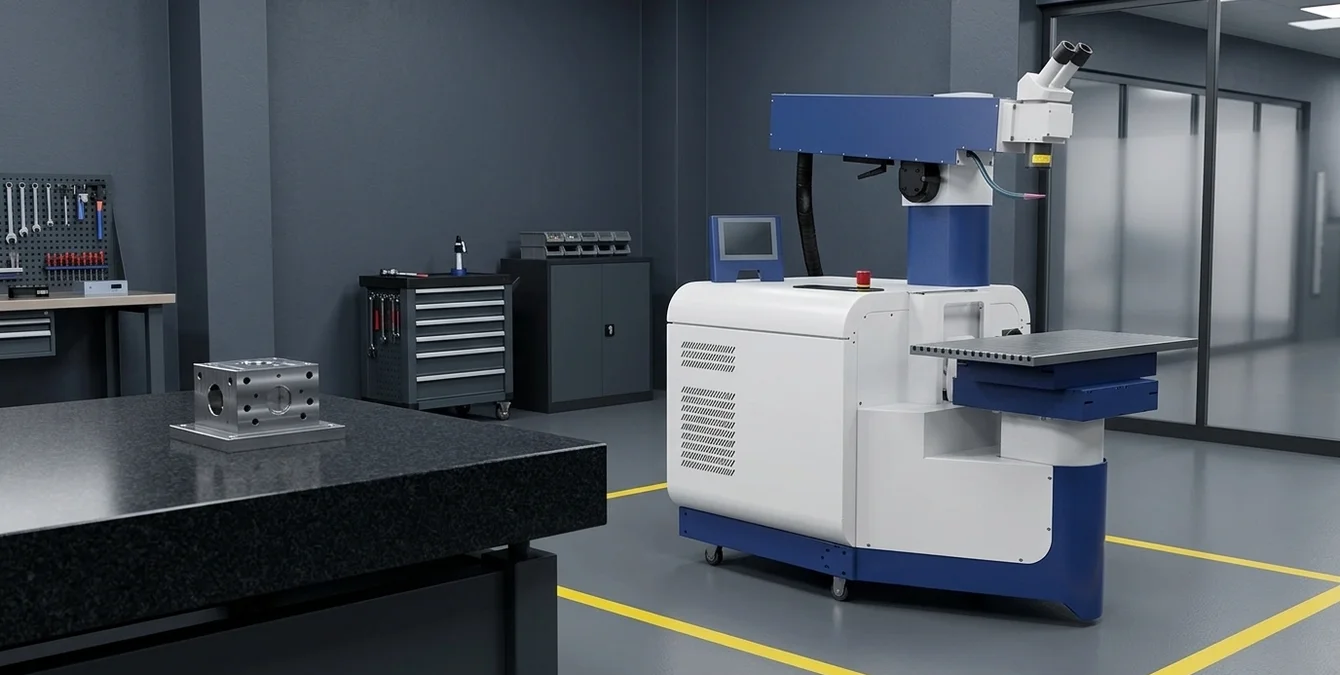
Laser Welding Stainless Steel: Techniques for Precision Welds
Quick Answer: Laser welding stainless steel involves using concentrated laser beams to achieve precision welds with minimal distortion. This technique is ideal for stainless steel due to its ability to produce clean, high-quality joints with excellent mechanical properties. Key methods include…
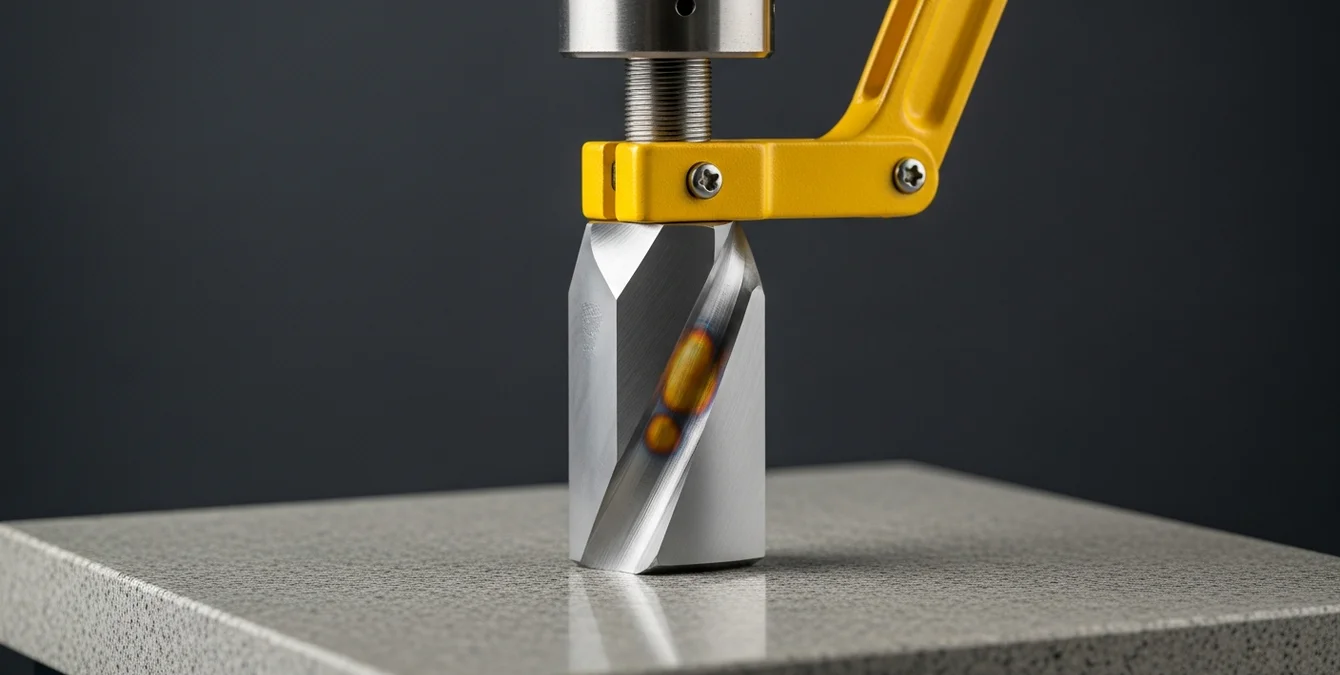
Tool Steel Laser Welding: Prevent Cracks and Manage Heat
Quick Answer: Tool steel laser welding requires careful management of heat input to prevent cracking and distortion. Preheating the tool steel before welding and controlling the cooling rate are essential techniques. Using a laser with adjustable pulse duration and intensity can…
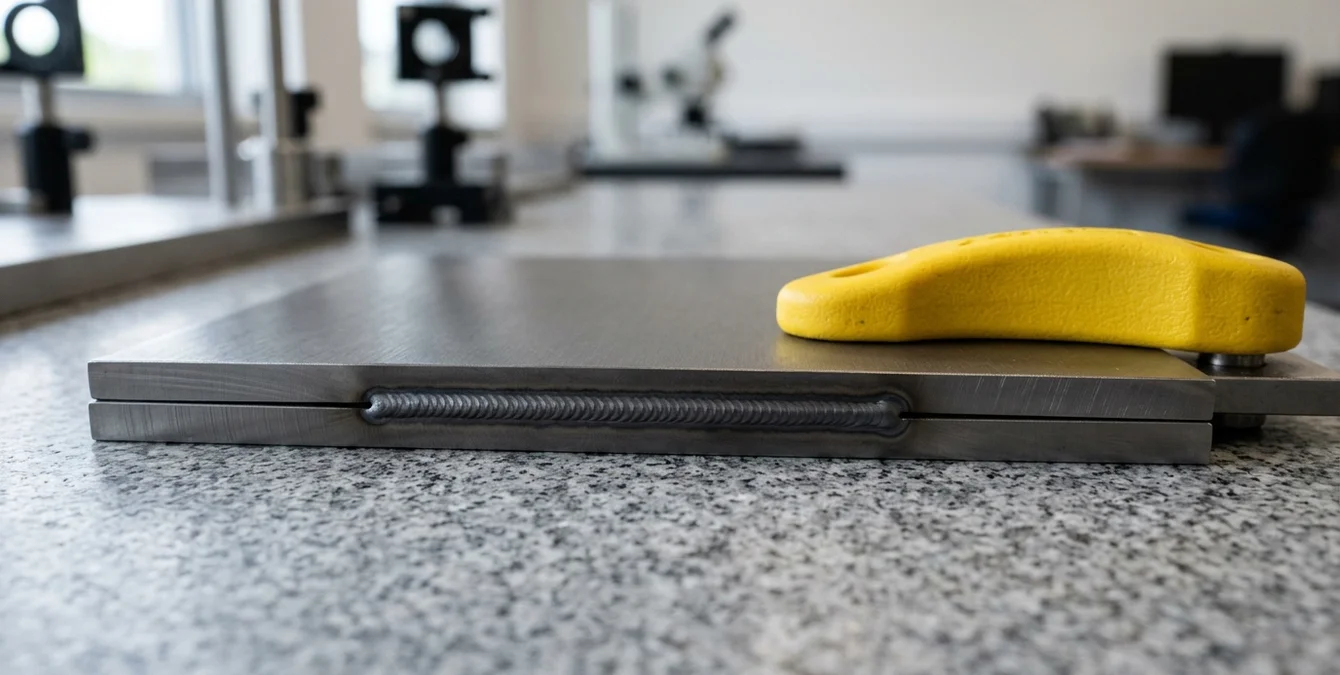
Titanium Laser Welding: Master Oxidation and Parameters
Quick Answer: Titanium laser welding is a precise process that requires careful control of oxidation and parameters to ensure optimal results. Key factors include maintaining a clean, inert gas environment to prevent oxidation, and adjusting laser power, speed, and focus to…
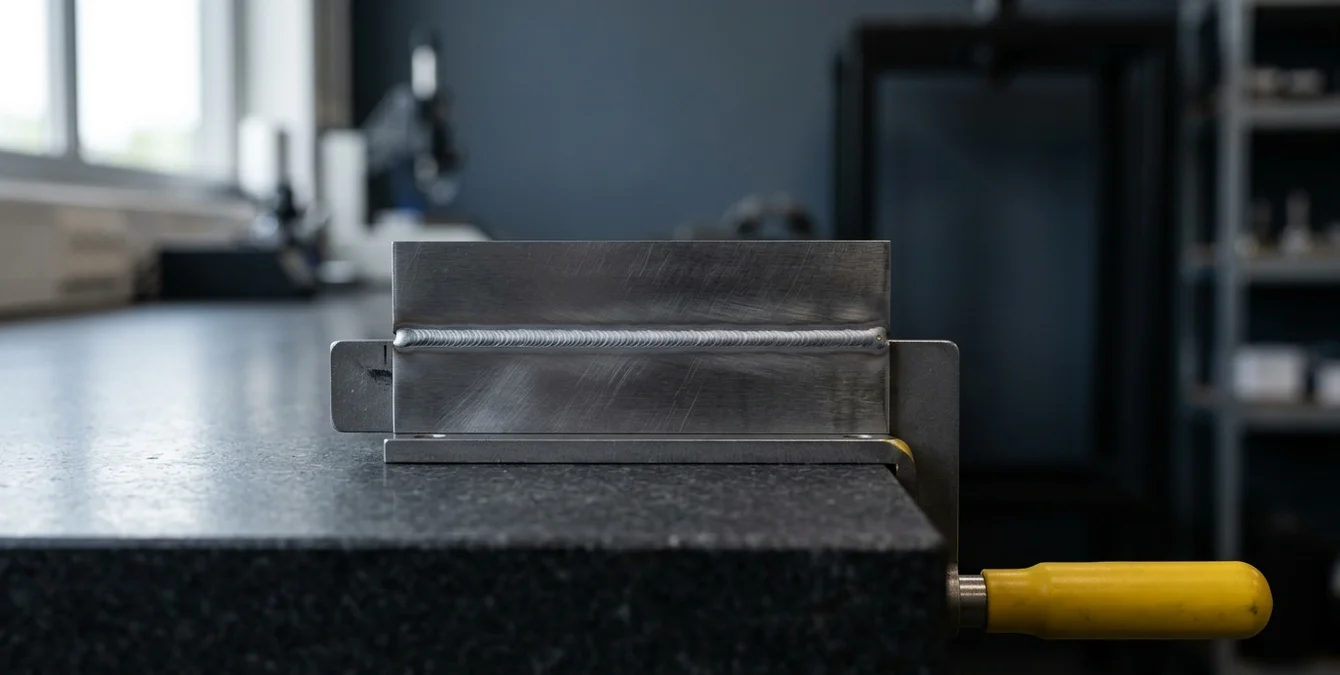
Laser Welding Process Stability: Ensuring Consistent Results
Quick Answer: Laser welding process stability is crucial for achieving consistent and high-quality welds in industrial applications. Stability is maintained by controlling key parameters such as laser power, welding speed, and focus position. Implementing real-time monitoring systems and adaptive control technologies…
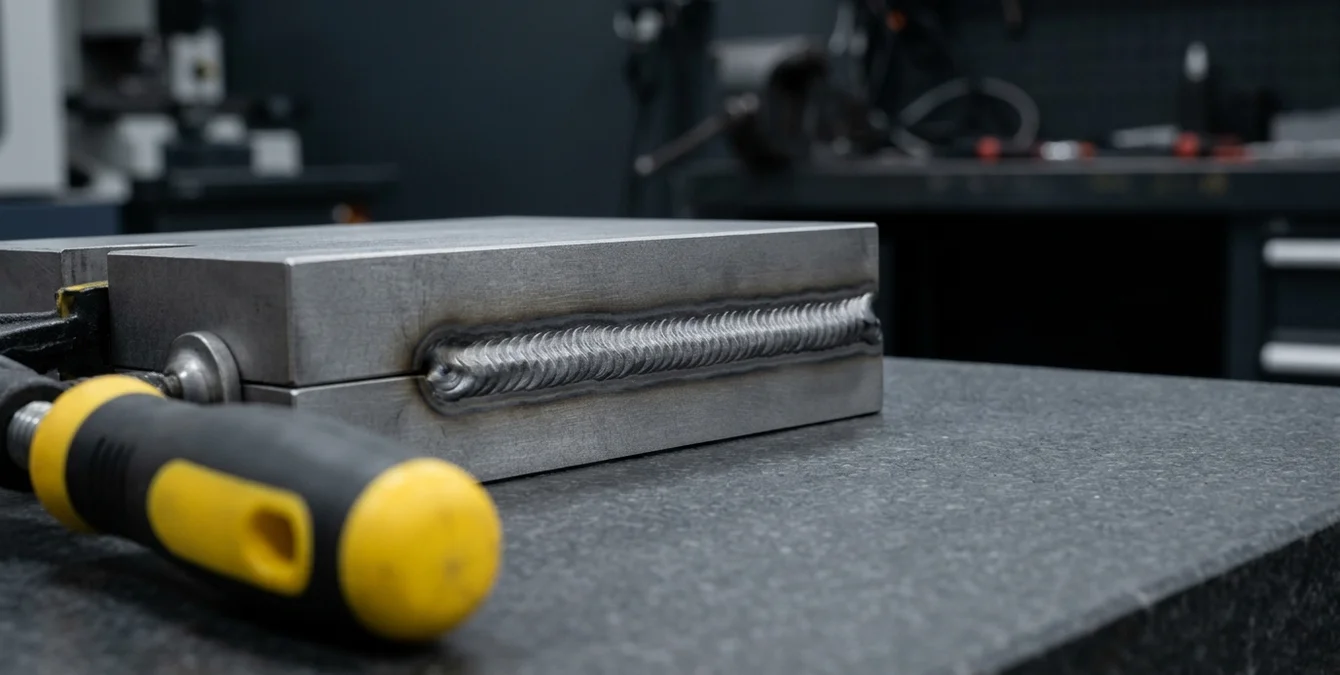
Tool Steel Laser Welding Tips: Prevent Cracks, Manage Heat
Quick Answer: Tool steel laser welding requires precise control to prevent cracks and manage heat effectively. To avoid cracking, preheat the tool steel to a temperature between 300-600°F, depending on the alloy. Maintain a consistent, moderate welding speed to control heat…
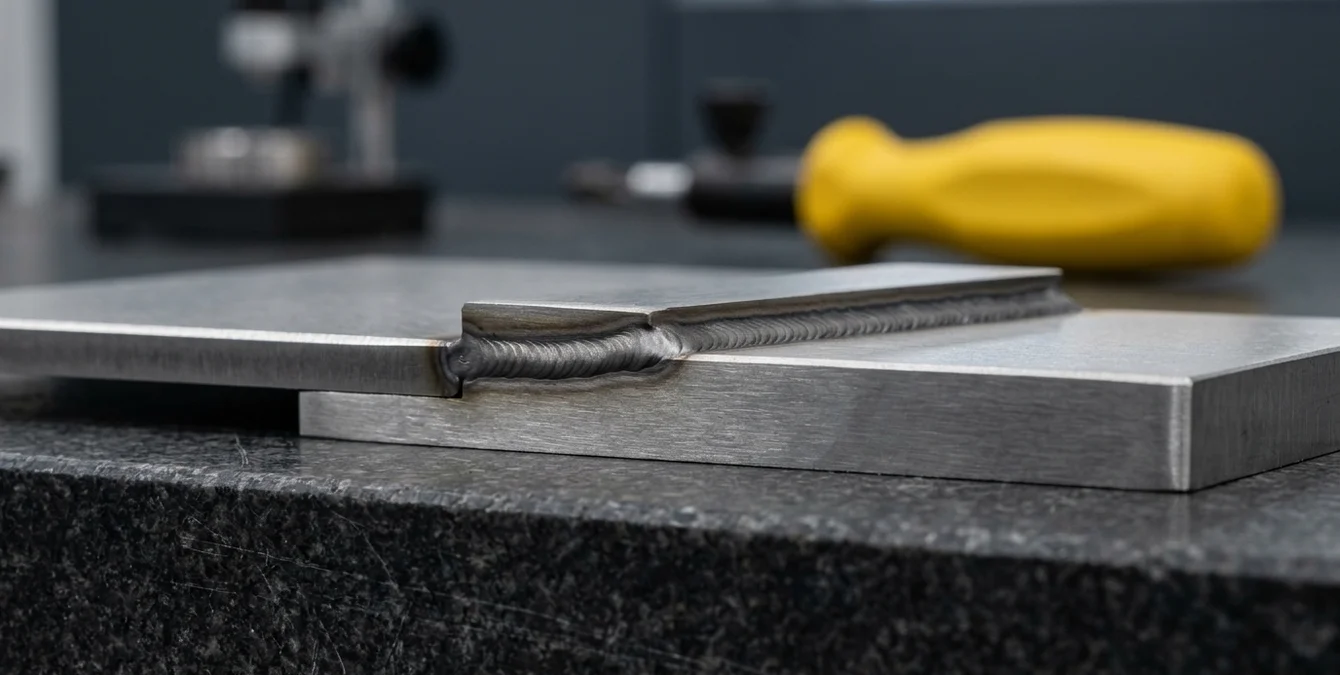
Laser Welding Spot Size: Impact on Depth and Quality
Quick Answer: Laser welding spot size significantly affects the depth and quality of the weld. A smaller spot size increases the power density, allowing for deeper penetration and finer welds, which is ideal for precision applications. Conversely, a larger spot size…
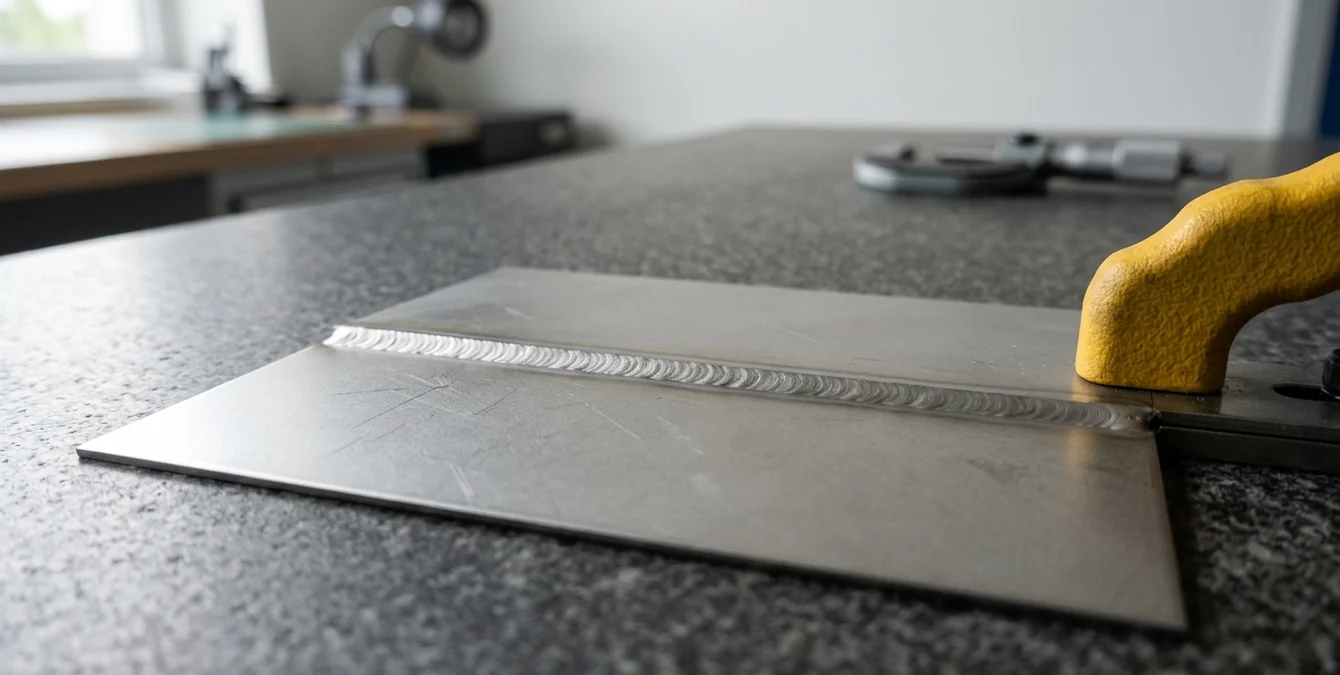
Thin Sheet Laser Welding: Achieve Precision in Metalwork
Quick Answer: Thin sheet laser welding is a precision technique ideal for joining delicate metal sheets with minimal heat distortion. Utilizing a focused laser beam, this method ensures high-quality welds with excellent control over penetration depth and weld width. It is…
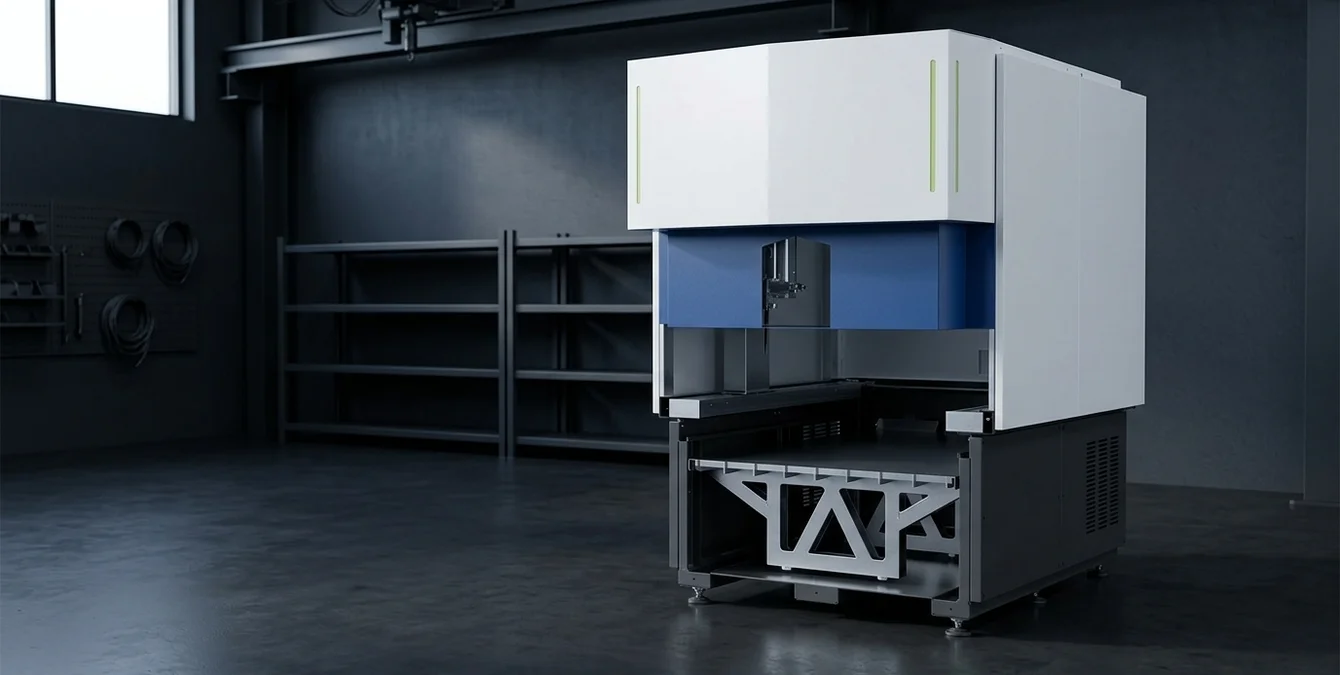
Laser Welding Machine Architecture: Precision Insights
Quick Answer: Laser welding machine architecture encompasses the core components and design principles that ensure precision and efficiency in industrial applications. Key elements include the laser source, beam delivery system, workpiece handling, and control unit. The laser source, often fiber or…
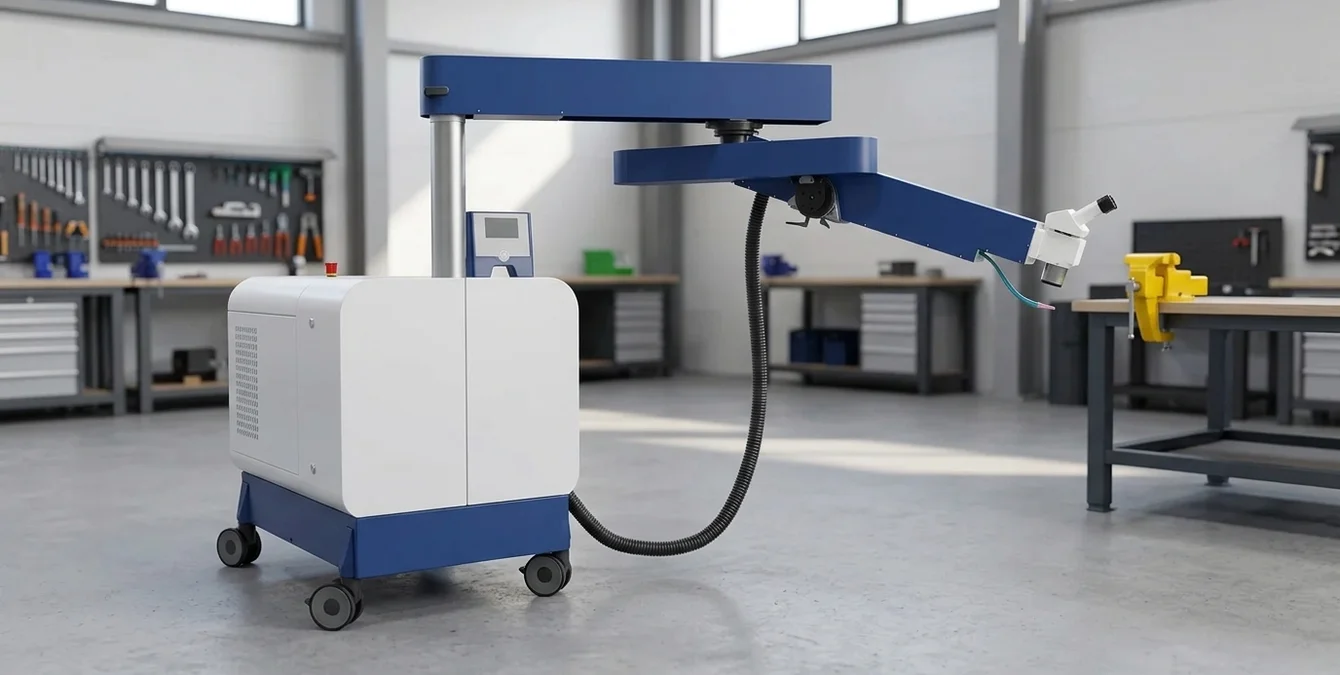
Laser Welding Automation Systems: Boost Performance Now
Quick Answer: Laser welding automation systems significantly enhance manufacturing efficiency by providing precise, consistent welds with minimal human intervention. These systems integrate advanced robotics and software controls, allowing for high-speed production and reduced downtime. They are ideal for factory owners and…
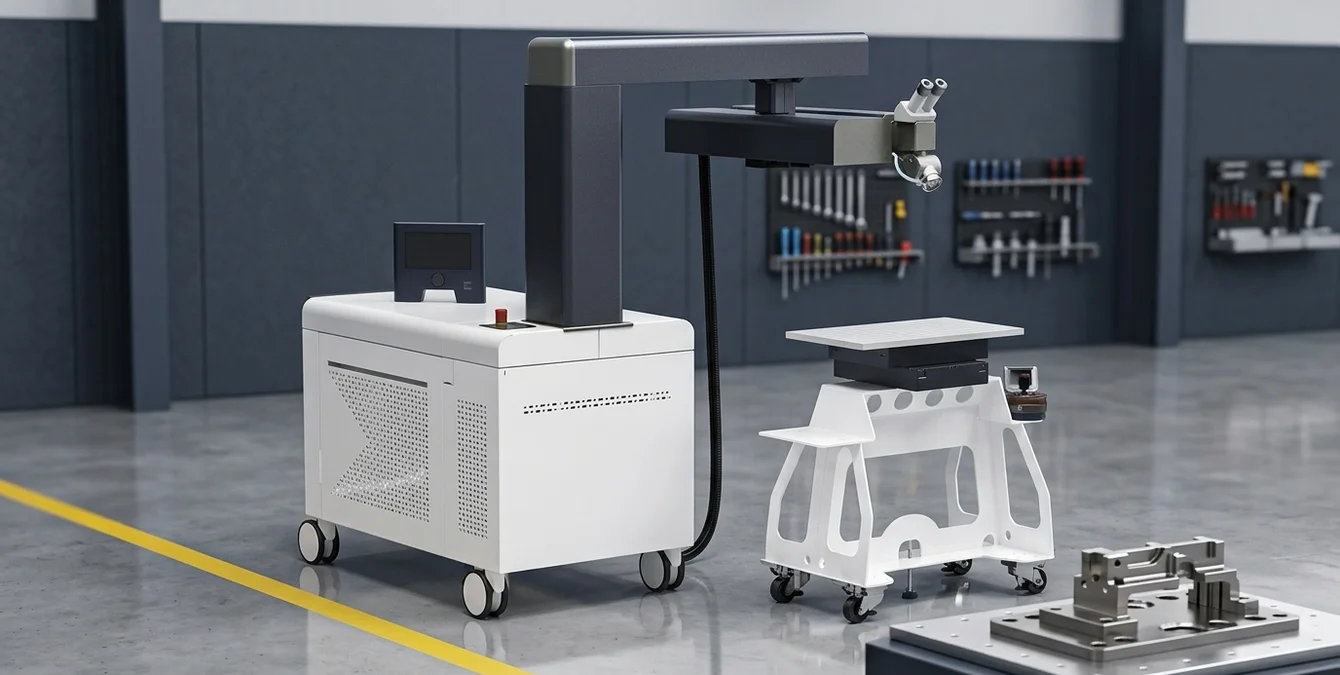
Fiber Laser Source Types: CW, QCW, Pulsed Explained
Quick Answer: Fiber laser source types include Continuous Wave (CW), Quasi-Continuous Wave (QCW), and Pulsed. CW fiber lasers provide a constant laser output, ideal for high-speed welding applications. QCW lasers offer bursts of high peak power while maintaining lower average power,…
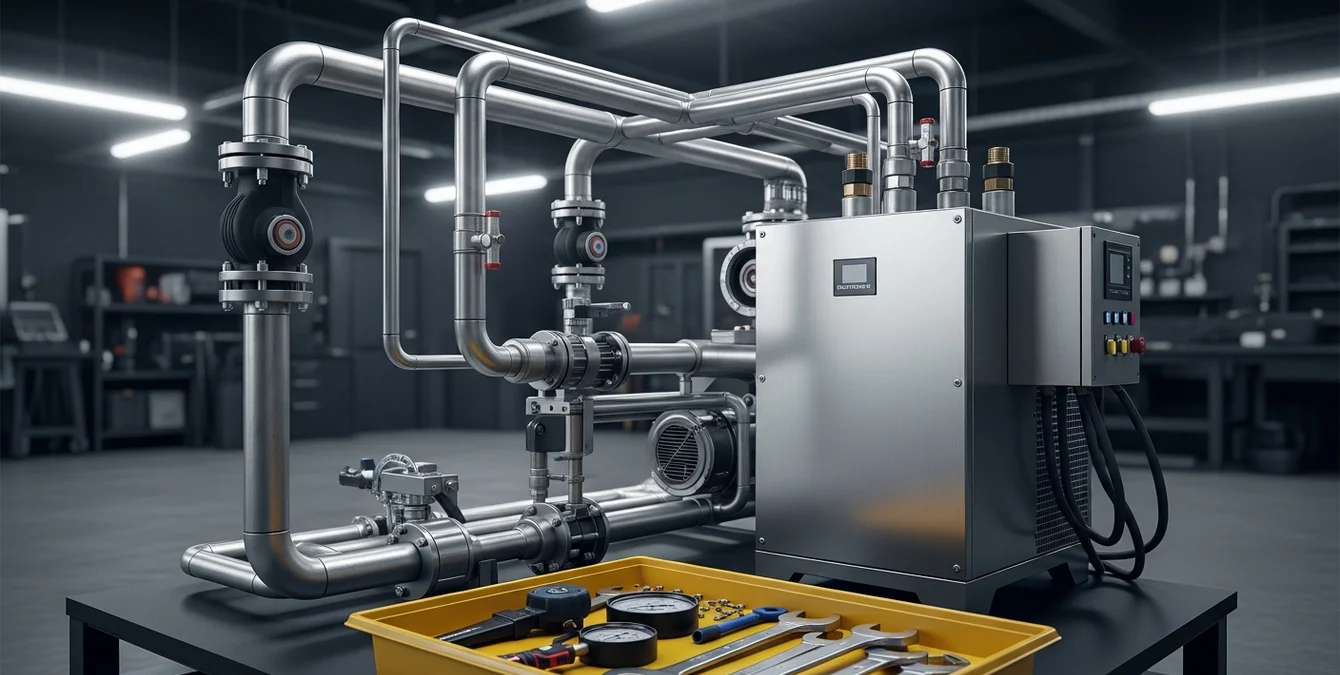
Laser Welding Cooling Systems: Boost Uptime & Efficiency
Quick Answer: Laser welding cooling systems are essential for maintaining optimal performance and preventing overheating during welding operations. These systems enhance uptime and efficiency by regulating the temperature of the laser and surrounding components, ensuring consistent weld quality and reducing downtime….
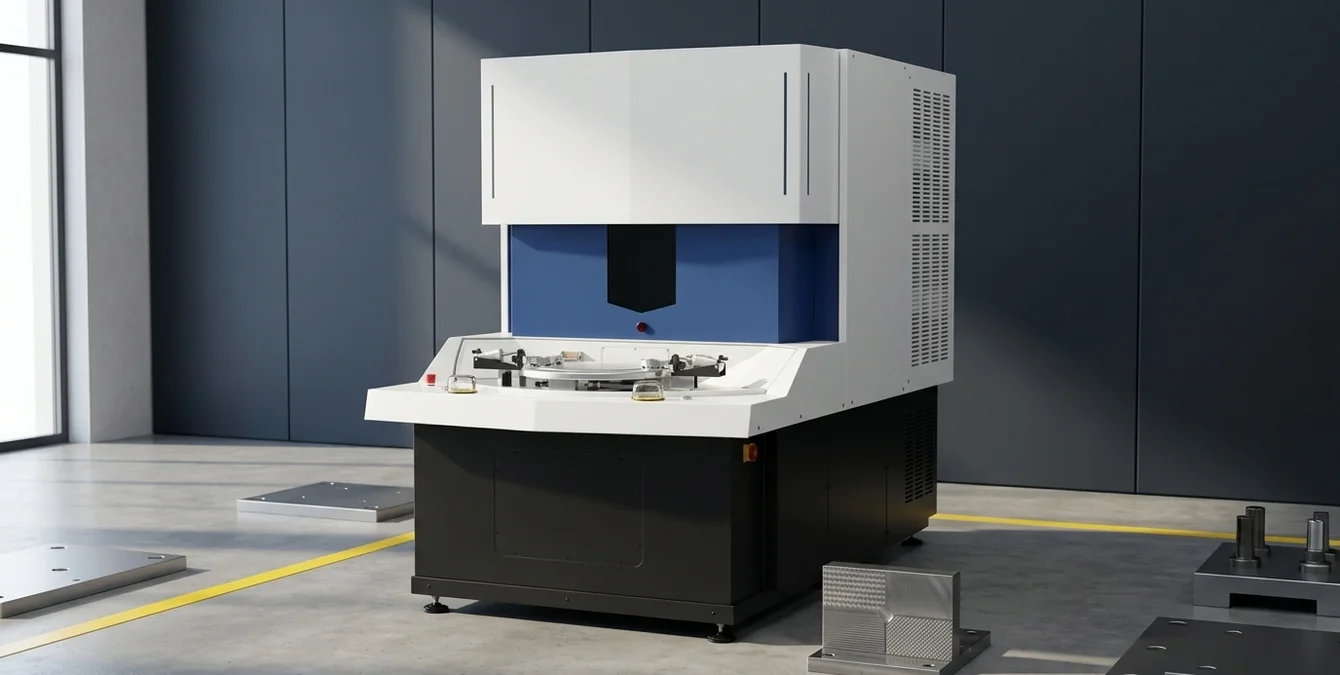
Which Laser Welder for Tool Steel? Matching Machines to H13, 1.2343 & Co.
Quick Answer: For tool steel applications, select a laser welder engineered for precision and robustness, such as Sigma Laser’s 5-axis systems. These machines efficiently handle H13, 1.2343, and similar grades, offering superior control over heat input, minimizing distortion, and ensuring high-quality…
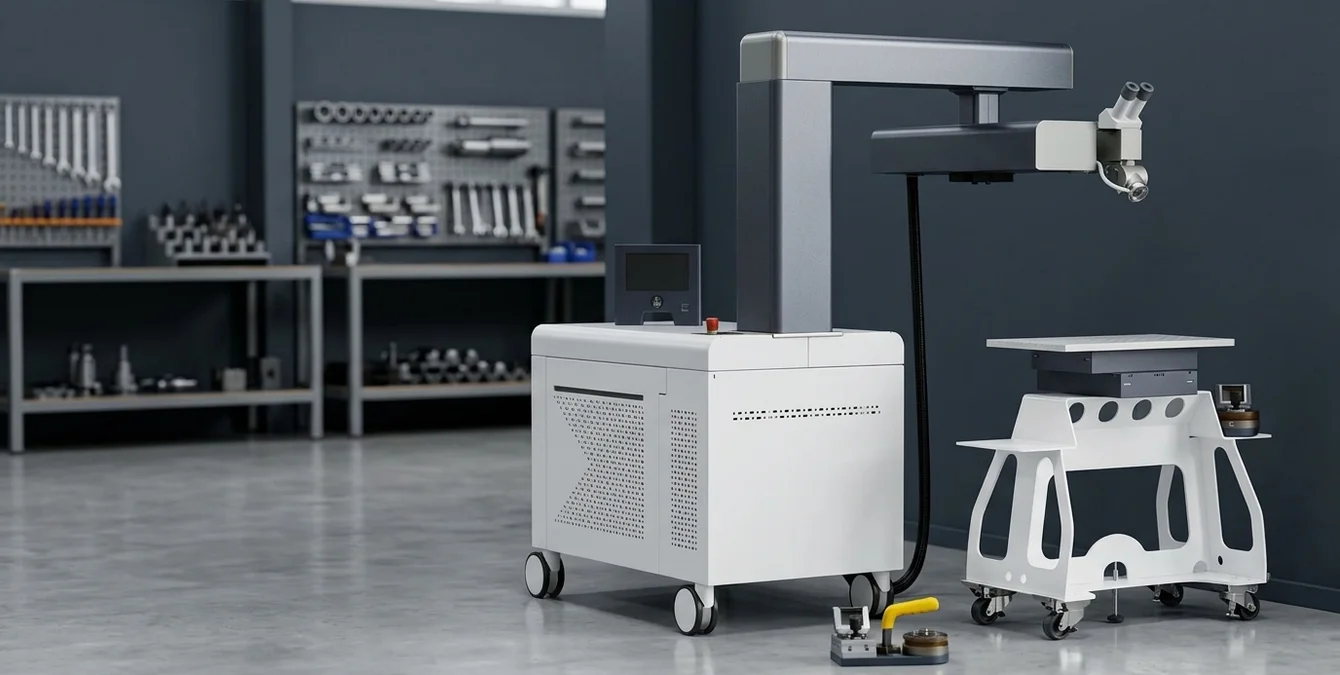
Mobile Laser Welders for Mid-Sized Toolmakers: Selection Criteria That Matter
Quick Answer: When considering a mobile laser welder tool repair solution for mid-sized toolmaking shops, prioritize flexibility, precision, and ease of integration. Sigma Laser’s 5-axis laser welding machines offer advanced mobility without compromising on stability, making them ideal for intricate tool…
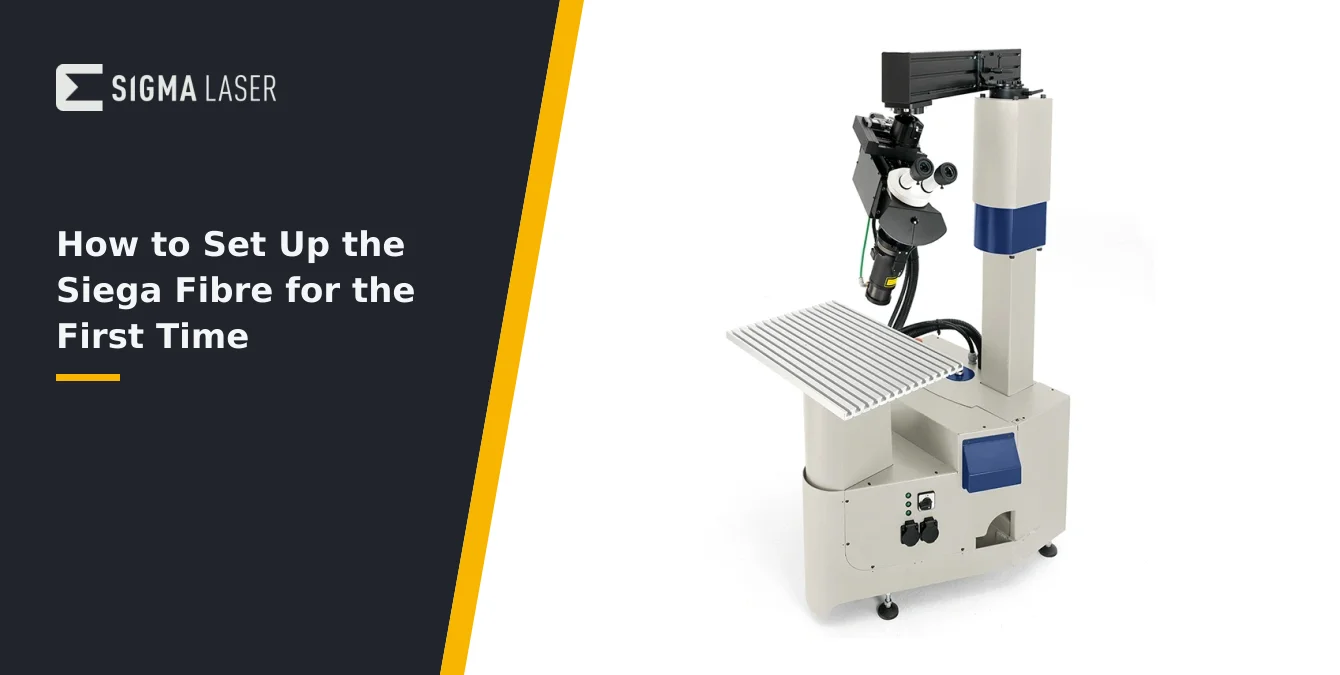
How to Set Up the Siega Fibre for the First Time
Quick Answer: To set up the Siega Fibre for the first time, ensure correct placement in a suitable environment, inspect for transport damage, familiarize yourself with controls, select the appropriate welding mode, and run a documented commissioning weld series. Always follow…
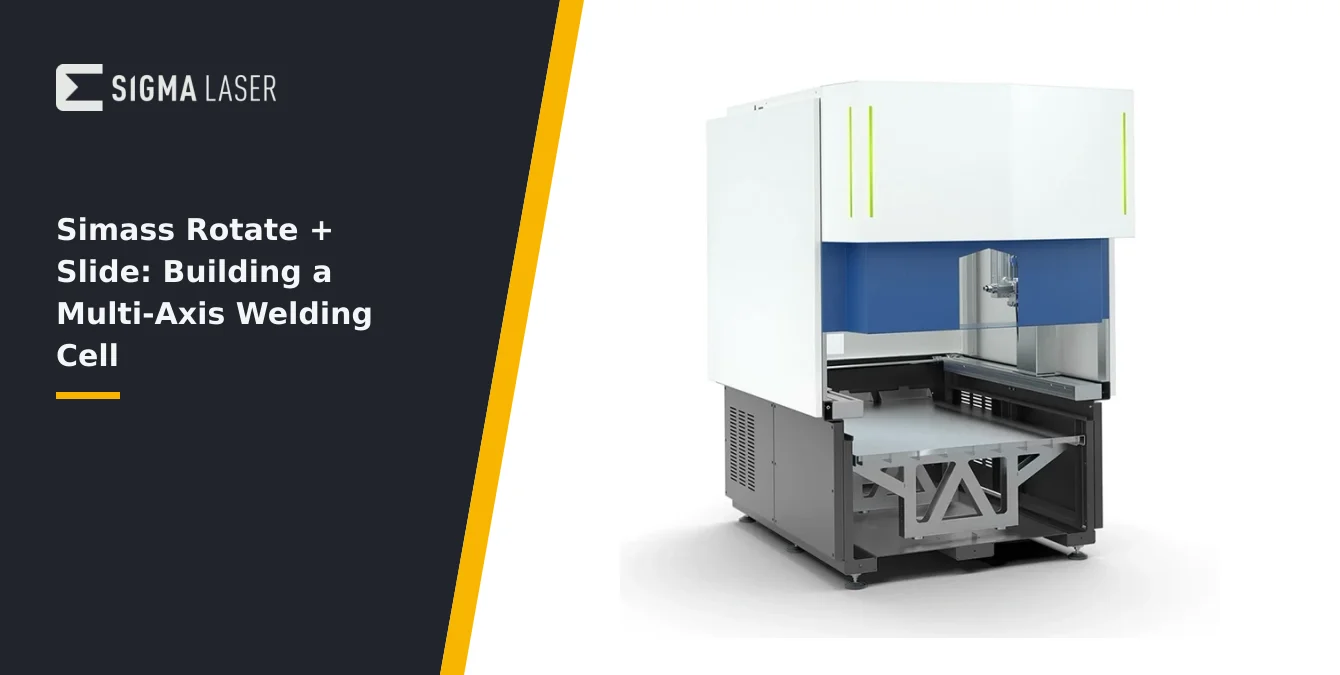
Simass Rotate + Slide: Building a Multi-Axis Welding Cell
Quick Answer: To build a multi-axis welding cell using Simass Rotate and Slide, start by analyzing your part geometry and required motions, then select the right modules. Configure the layout for optimal access and workflow, plan for staged automation, and validate…