
- Key Takeaways
- Which Laser Welder Suits Tool Steel?
- Pulsed Operation for Precision
- Choosing the Right Machine
- Applications in Industry
- What makes tool steels demanding to weld?
- Hardness and Crack Sensitivity
- Preheating Logic
- Pulsed Nd:YAG or Fibre for Tool Steel Repair?
- Pulsed Nd:YAG Laser Welding
- Fibre Laser Welding
- Choosing the Right Laser for Your Application
- Machine Choice by Repair Scenario
- Selection Criteria for Repair Scenarios
- Which Filler Wires per Steel Group?
- Filler Wire Selection by Steel Group
- How do you prove the machine on your steel?
- Sample-Weld Validation
- Hardness Check After Build-Up
- Demo Checklist
- Frequently Asked Questions
- What is the best laser welder for tool steel?
- How does laser welding affect the properties of tool steel?
- Can laser welding be used for complex tool steel geometries?
- What factors influence the cost of a laser welding system for tool steel?
- How does laser welding compare to traditional welding methods for tool steel?
- Welche Vorteile bietet Sigma Laser beim Schweißen von Werkzeugstahl wie H13 oder 1.2343?
- Related Articles
- Sources
Quick Answer: For tool steel applications, select a laser welder engineered for precision and robustness, such as Sigma Laser’s 5-axis systems. These machines efficiently handle H13, 1.2343, and similar grades, offering superior control over heat input, minimizing distortion, and ensuring high-quality welds. Sigma’s industrial-grade laser welders feature advanced beam delivery systems, allowing for intricate welding tasks on complex geometries, essential for maintaining the integrity and performance of tool steels in demanding applications.
Key Takeaways
In the competitive landscape of toolmaking, selecting the right laser welder for tool steel can significantly impact your production efficiency and quality. Understanding the capabilities of laser welding in comparison to other methods is crucial for making an informed decision that aligns with your operational requirements.
- Laser welding offers precision and minimal heat-affected zones, reducing the risk of tool steel distortion and ensuring high-quality welds.
- Compared to traditional welding methods, laser welding provides superior control and consistency, essential for complex tool steel components.
- Advanced 5-axis laser welders from Sigma Laser can accommodate intricate geometries, enhancing flexibility in tool steel applications.
- Laser welding reduces post-processing requirements, leading to cost savings and shorter production cycles.
- The high energy density of laser welding allows for deep penetration welds in tool steel, which is beneficial for robust, durable joints.
- Integrating laser welding into your tool steel manufacturing process can enhance precision and reduce material waste.
- Evaluate the compatibility of laser welding systems with existing production workflows to ensure seamless integration and maximize ROI.
Understanding these key advantages of laser welding for tool steel will guide you in selecting the most suitable equipment for your tooling operations. Explore the full article to delve deeper into how Sigma Laser’s advanced systems can elevate your manufacturing capabilities.
Which Laser Welder Suits Tool Steel?
When selecting a laser welder for tool steel, particularly for 1.2344 (AISI H13), pulsed operation with controlled energy input is crucial. This approach ensures precision in welding hardened steels, minimizing thermal distortion and preserving the material’s properties. The choice of machine then depends on the size of the part and whether mobility is required.
Pulsed Operation for Precision
Hardened tool steels require careful heat management. Pulsed laser systems, like those found in Sigma Laser’s lineup, offer the precise energy control needed for effective welding. These systems keep the heat-affected zone minimal, which is vital for maintaining the integrity of high-performance tool steels.
In the context of laser welding, maintaining a small heat-affected zone (HAZ) is critical to prevent the degradation of the tool steel’s mechanical properties. The use of pulsed Nd:YAG lasers, such as those in the Sidanus Light, allows for precise control over pulse duration and energy, typically ranging from 0.5 to 20 ms and up to 170 J, respectively. This capability is essential for achieving high-quality welds in tool steels without compromising their structural integrity.
Choosing the Right Machine
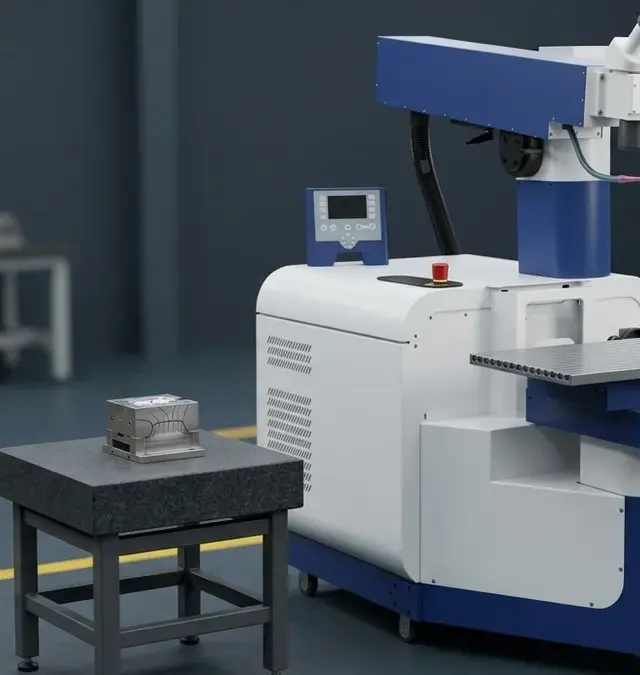
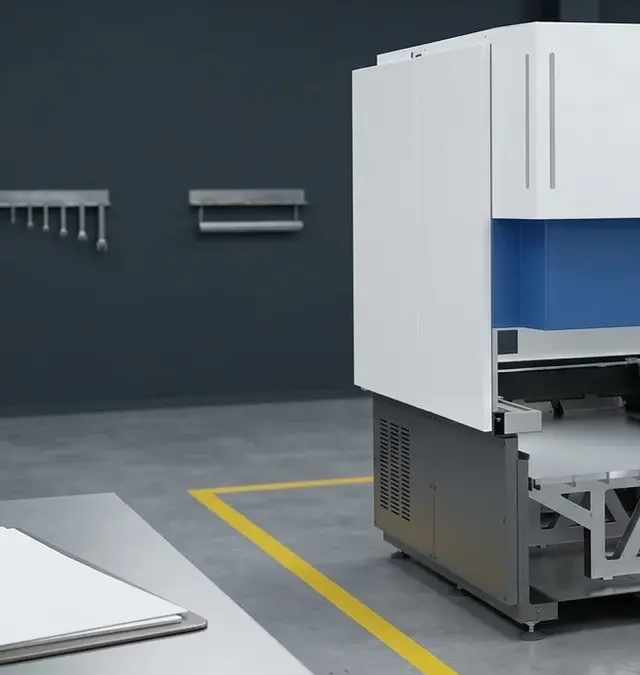
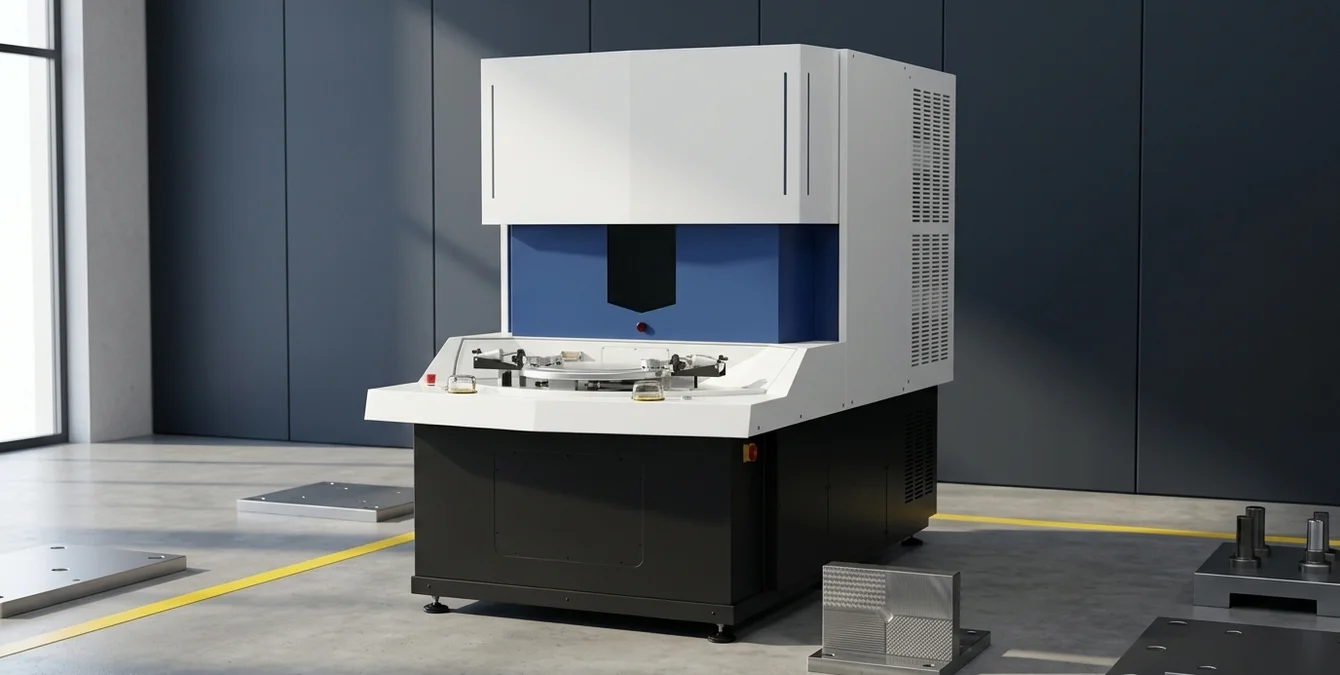
- Part Size: For smaller, intricate components, systems such as the Sidanus Light or Siega Fibre provide exceptional control and stability. These systems are designed to handle complex geometries with precision, thanks to their fine 5-axis positioning and advanced optics.
- Mobility Requirements: If the application demands machine mobility for welding in situ, options like the Sineo Light or Sirius Light are optimal, offering flexible 5-axis movement to accommodate various workpiece geometries. The Sineo Light, for example, features a traverse range of 600×600×400 mm, making it suitable for a wide array of applications.
Applications in Industry
Industries utilizing laser welding for tool steel include automotive, aerospace, and electronics, where precision and durability are paramount. Sigma Laser systems are engineered to meet the stringent demands of these sectors, ensuring consistent weld quality and operational efficiency.
For instance, in the automotive industry, the precision and repeatability of Sigma’s laser systems are crucial for welding components that require high strength and reliability. The aerospace sector benefits from the minimal thermal distortion offered by these systems, which is essential for maintaining the tight tolerances required in aircraft manufacturing. Furthermore, the electronics industry relies on the fine control and minimal HAZ provided by Sigma’s fibre laser systems, such as the Sidanus Fibre, to ensure the integrity of delicate electronic components.
When welding tool steels, adherence to standards such as EN ISO 15614-11, which specifies the qualification of welding procedures for metallic materials, is essential to ensure the quality and reliability of the welds ISO 15614-11:2002. This standard outlines the necessary testing and documentation to verify that the welding process consistently produces joints with the required mechanical properties.
What makes tool steels demanding to weld?
Tool steels present unique challenges in welding due to their high hardness and crack sensitivity. These materials, often containing high carbon content, are designed for durability and resistance to wear, making them ideal for cutting, molding, and shaping operations. However, these same properties complicate the welding process, necessitating specialized equipment such as a laser welder for tool steel.
Hardness and Crack Sensitivity
The hardness of tool steels, while beneficial for industrial applications, increases the risk of cracking during welding. The rapid thermal cycles involved in welding can lead to the formation of brittle structures, especially in high-carbon steels. To mitigate this, precise control over heat input is critical. Laser welding, with its localized heat application, minimizes distortion and reduces the potential for cracking, making it an effective solution for welding tool steels.
Laser systems typically operate in the sub-kilowatt range for precision tasks, with peak powers reaching several kilowatts to ensure deep penetration with minimal heat-affected zones. This is crucial in maintaining the integrity of tool steels, which can be prone to thermal distortion.
Preheating Logic
Preheating is often employed to reduce thermal gradients and prevent cracking. The logic behind preheating involves raising the workpiece’s temperature to a level that decreases the cooling rate post-welding. This step reduces internal stresses and helps in achieving a more uniform microstructure. Utilizing advanced technologies such as the industrial laser welder for tool steel ensures that preheating and heat management are efficiently executed.
Incorporating these considerations, Sigma Laser’s range of stationary and mobile systems, including the Sidanus Light and Siega Fibre, is engineered to handle the demands of tool steel welding. With capabilities tailored for precision tasks, these systems are ideally suited for applications in sectors such as automotive, aerospace, and industrial tooling, where maintaining material integrity is paramount.
The Sidanus Light, for example, offers a peak power range from 6 to 13 kW, allowing for effective welding of tool steels by providing sufficient energy to penetrate the material without excessive heat input. In contrast, the Siega Fibre, equipped with Super Pulse Technology, enhances control over the welding process, reducing the risk of thermal damage and ensuring high-quality welds.
Standards such as EN ISO 15614 provide guidelines for the qualification of welding procedures, ensuring that processes are robust and capable of producing consistent, high-quality welds ISO 15614-11:2002. These standards are crucial in industries where precision and reliability are non-negotiable.
Pulsed Nd:YAG or Fibre for Tool Steel Repair?
In the precision world of tool steel repair, selecting the right laser welder for tool steel is crucial for ensuring the longevity and performance of the tooling. This decision often involves choosing between pulsed Nd:YAG and fibre laser systems. Each technology offers distinct advantages for specific applications, necessitating a careful evaluation based on the material properties and desired outcomes.
Pulsed Nd:YAG Laser Welding
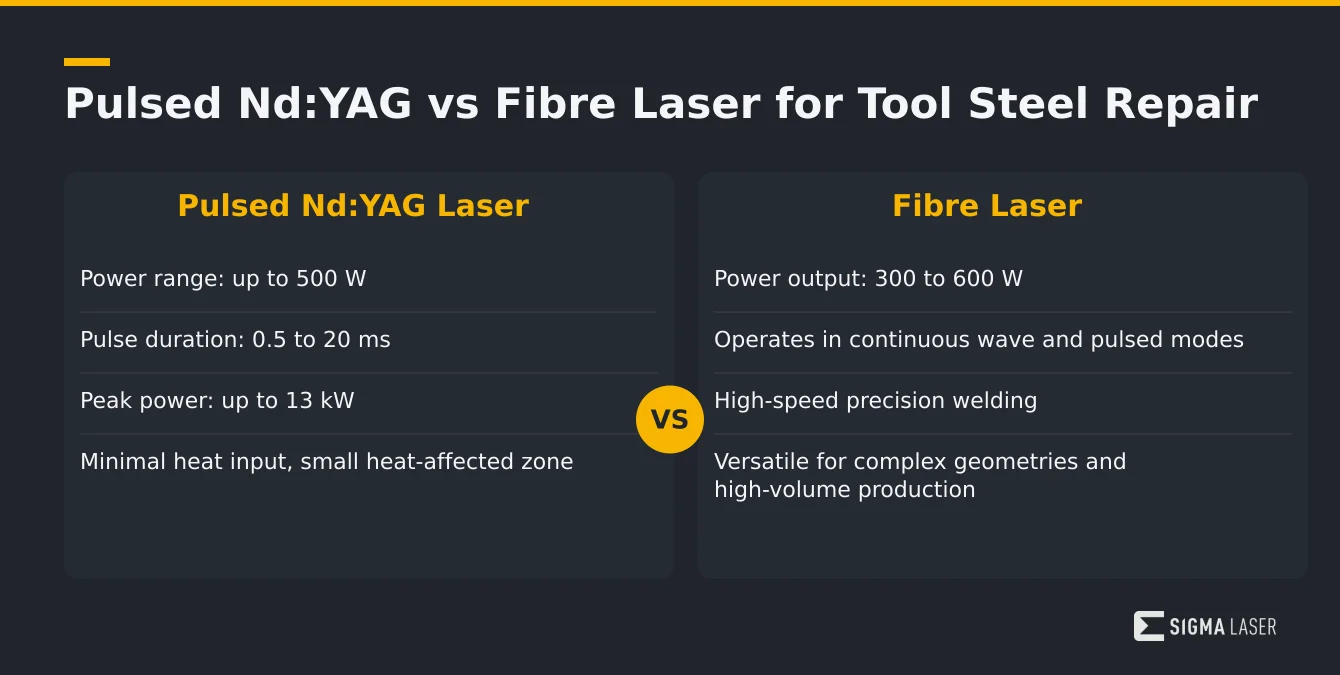
Pulsed Nd:YAG lasers, like those used in the Sineo Light and Sidanus Light systems, are particularly well-suited for tasks requiring minimal heat input. This characteristic is invaluable when welding tool steels such as 1.2344 (AISI H13), which are sensitive to thermal distortion. The ability to deliver high peak power in controlled pulses allows for precise welds with small heat-affected zones, making it ideal for intricate repairs where maintaining the integrity of the surrounding material is critical.
Typically, pulsed Nd:YAG lasers operate within a power range of up to 500 W, with pulse durations varying from 0.5 to 20 ms, allowing for fine control over the welding process. The peak power can reach up to 13 kW, which is beneficial for achieving deep penetration in tool steels without excessive heat input.
Fibre Laser Welding
Fibre lasers, exemplified by the Sidanus Fibre and Siega Fibre, offer remarkable stability and efficiency in continuous operation. Their inherent flexibility and ability to handle a wide range of materials make them a versatile choice for industrial laser welder applications in tool steel. The ytterbium fibre source provides consistent energy delivery, which is beneficial for applications demanding high-speed precision, such as in automotive or aerospace component fabrication.
Fibre lasers typically offer power outputs ranging from 300 to 600 W, with the ability to operate in both continuous wave and pulsed modes. This versatility allows for rapid processing speeds and high-quality welds, essential for complex geometries and high-volume production environments.
Choosing the Right Laser for Your Application
- If your primary focus is on precision and minimal thermal impact, a pulsed Nd:YAG system could be the ideal choice.
- For applications where speed and material versatility are essential, a fibre laser system might be more appropriate.
- Consider the specific requirements of your tool steel welding needs, including the geometry of the parts and the production environment.
- Compliance with standards such as ISO 15614-11 for the qualification of welding procedures ensures that the process meets industry benchmarks for quality and consistency.
Both laser technologies have their place in modern manufacturing processes, each addressing unique challenges faced in industrial contexts. By understanding the attributes of each laser type, engineers can make informed decisions that enhance both productivity and quality in tool steel repair.
Machine Choice by Repair Scenario
Choosing the appropriate laser welder for tool steel can significantly impact the efficiency and quality of repair operations. Sigma Laser offers a range of advanced welding systems, each suited for specific industrial scenarios. Understanding the optimal machine for each situation ensures precise results and cost-effective operations.
Selection Criteria for Repair Scenarios
In industrial settings, the repair scenario dictates the choice of welding system. Whether dealing with large, immobile components or intricate, fine details, Sigma Laser provides solutions tailored to each requirement. Consider the following scenarios and corresponding machine classes:
| Repair Scenario | Machine Class | Rationale |
|---|---|---|
| Insert in Cab | Sidanus Stationary | The Sidanus Stationary system is ideal for controlled environments where precision welding of tool steel components is necessary. Its stationary design ensures stability and accuracy, especially for applications that require repetitive tasks in a fixed location. The system’s capability to handle power levels up to 500 W with peak power reaching 13 kW allows for effective penetration and minimal heat-affected zones, crucial for maintaining the integrity of tool steel. |
| Heavy Die at the Press | Sirius Light Heavy-Duty Mobile | For scenarios involving large, heavy dies that cannot be easily moved, the Sirius Light offers a mobile solution with robust capabilities. Its heavy-duty design allows it to be brought directly to the press, minimizing downtime and logistical challenges. The system supports a peak power of up to 13 kW, making it suitable for welding thicker sections of tool steel without compromising on precision. |
| Fine Cavity Detail | Sineo 360°-Mobile | The Sineo 360°-Mobile system is engineered for applications requiring access to intricate cavity details. Its mobility and 5-axis capability make it suitable for reaching complex geometries and executing precise welds on tool steel. The system’s fine spot size range of 0.2 to 2.0 mm and pulse duration flexibility from 0.05 to 50 ms allow for meticulous control over the welding process, essential for delicate repairs. |
These machine classes provide targeted solutions for the diverse challenges encountered in industrial repair scenarios. By selecting the appropriate system, operations can achieve optimal results in terms of both quality and efficiency. Explore more about laser welding applications and technology with Sigma Laser in our detailed guide on laser welding tool steel.
When working with tool steel, it is crucial to consider the material’s thermal properties and the potential for thermal distortion. The use of standards such as ISO 15614-11 for welding procedure qualification ensures that the welding operations meet the necessary quality benchmarks. Additionally, the controlled heat input and focused energy delivery of Sigma’s laser systems help maintain the mechanical properties of tool steel, preventing issues such as cracking or excessive hardness.
Which Filler Wires per Steel Group?
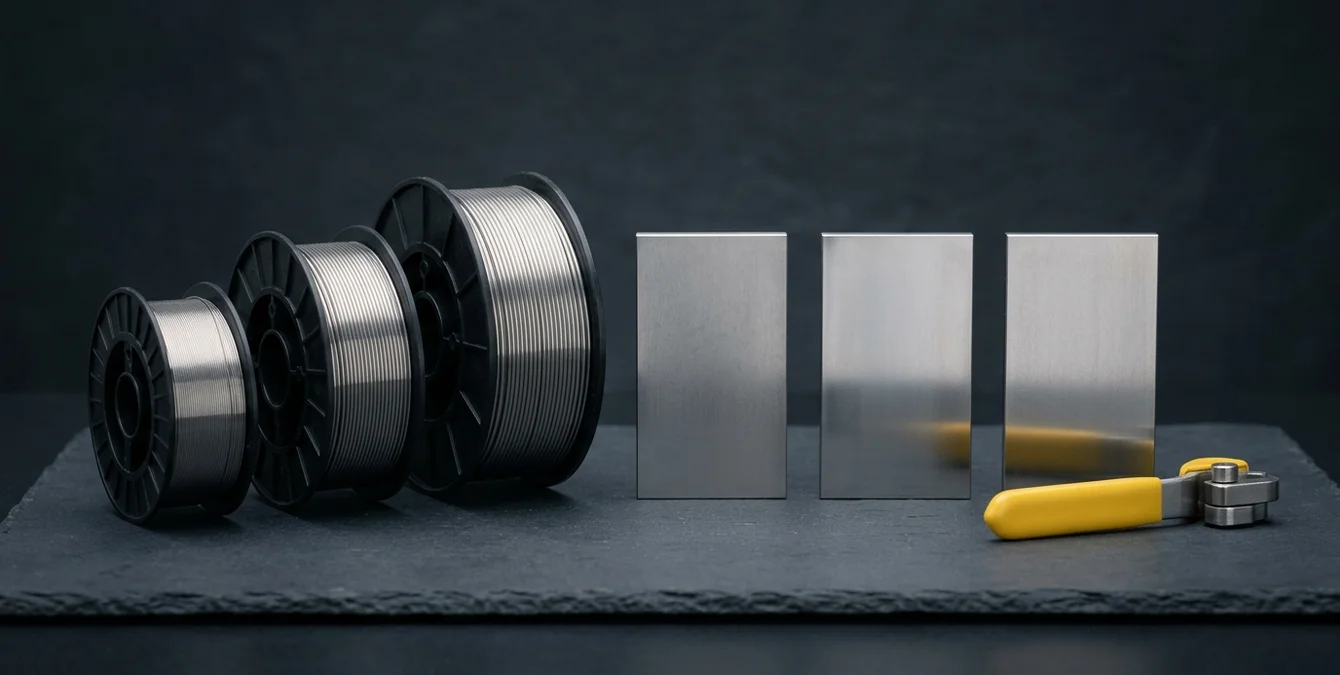
In precision manufacturing, selecting the appropriate filler wire for laser welder for tool steel operations is crucial. Proper filler material ensures optimal joint strength and integrity, especially when working with high-performance steels such as 1.2344 (AISI H13), 1.2343, and 1.2379. These tool steels are commonly used in demanding industrial applications, including mold making and high-stress tooling, where precision and durability are paramount.
Filler Wire Selection by Steel Group
When selecting a filler wire for laser welding tool steel, understanding the metallurgical compatibility with the base material is essential. The following table provides a qualitative overview of recommended filler wires for each steel group:
| Steel Group | Recommended Filler Wire | Notes |
|---|---|---|
| 1.2344 (AISI H13) | Cobalt-based fillers | Exceptional thermal fatigue resistance |
| 1.2343 | Nickel-based fillers | High toughness and corrosion resistance |
| 1.2379 | Tool steel-specific fillers | Optimized for wear resistance |
Using the correct filler wire enhances the performance of the industrial laser welder for tool steel applications. Each steel group has specific properties that demand tailored filler materials to maintain the structural integrity and functionality of the welded parts. The Sidanus Light and Sidanus Fibre systems by Sigma Laser offer precision in laser welding operations, making them suitable for challenging tool steel applications.
Laser welding tool steels like 1.2344 (AISI H13) typically involves power levels up to several hundred watts, with peak powers reaching up to 13 kW in systems such as the Sidanus Light. The precision offered by these systems is critical, as they minimize the heat-affected zone, maintaining the mechanical properties of the tool steel. The use of Nd:YAG lasers, such as those in the Sidanus Light, provides a wavelength of 1064 nm, which is well-suited for deep penetration welding of reflective materials like tool steels.
For further insights into the capabilities of Sigma Laser systems in addressing complex welding requirements, explore our applications in laser welding tool steel.
Compliance with standards such as ISO 15614-11 is essential for ensuring the qualification of welding procedures, particularly in applications involving high-performance tool steels. This standard provides guidelines for the approval of welding procedures, ensuring that the welded joints meet the necessary mechanical and metallurgical properties.
How do you prove the machine on your steel?
Sample-Weld Validation
Choosing the right laser welder for tool steel requires rigorous testing to ensure compatibility with specific materials like 1.2344 (AISI H13). Conducting sample-weld trials enables manufacturers to verify the machine’s performance on their selected tool steels. The precision of Sigma Laser’s systems, equipped with Swivel Optics, is particularly advantageous for achieving the fine control necessary for these tests. The Sidanus Light, with its Nd:YAG laser technology and peak power of up to 13 kW, provides the precise energy delivery needed for such demanding applications.
Industry-standard practices for laser welding tool steels often involve power levels up to 500 W for precision applications, with pulse durations typically ranging from 0.5 to 20 ms, ensuring minimal heat-affected zones and preserving the material’s properties.
Hardness Check After Build-Up
After the initial welds, performing hardness checks is crucial to ensure that the welded area meets the necessary mechanical properties. This step is vital for validating the integrity of welds on high-grade tool steels. Sigma Laser’s stationary systems, like the Siega Fibre, deliver the controlled laser energy required to maintain the desired hardness and structural characteristics. The use of Super Pulse Technology (SPT) in the Siega Fibre allows for enhanced control over the energy input, which is critical in maintaining the microstructural integrity of tool steels.
Compliance with standards such as EN 1011-7 ensures that the welding process is optimized for tool steels, addressing potential issues like cracking and distortion.
Demo Checklist
- Conduct sample welds on selected tool steel grades.
- Verify the microstructure and hardness post-weld.
- Ensure compliance with standards such as EN ISO 15614-11.
- Evaluate weld quality in line with EN ISO 13919-1.
- Review machine settings for optimal laser energy delivery.
For more detailed insights on selecting the best laser welding machine for the tool and die industry, consider exploring our dedicated article. Additionally, understanding common issues in mold and die repair can be enhanced by reviewing our mold and die damage catalog.
Frequently Asked Questions
What is the best laser welder for tool steel?
The optimal laser welder for tool steel is typically a system equipped with an Nd:YAG or ytterbium fibre laser. These lasers offer precise control and high energy density, which are crucial for welding tool steel’s hard and wear-resistant surfaces. Sigma Laser’s 5-axis machines are designed to handle the complexities of tool steel welding, ensuring minimal thermal distortion and high-quality joints.
How does laser welding affect the properties of tool steel?
Laser welding can significantly enhance the properties of tool steel by minimizing heat-affected zones and reducing thermal distortion. The focused energy input results in strong, precise welds while maintaining the material’s hardness and wear resistance. Properly controlled laser parameters ensure that the tool steel retains its essential mechanical properties post-welding.
Can laser welding be used for complex tool steel geometries?
Yes, laser welding is highly effective for complex tool steel geometries. The precision of Nd:YAG and ytterbium fibre lasers, combined with the flexibility of 5-axis systems, allows for accurate welding of intricate shapes and hard-to-reach areas without compromising the integrity of the weld or the material.
What factors influence the cost of a laser welding system for tool steel?
The cost of a laser welding system is influenced by factors such as the type of laser (Nd:YAG or ytterbium fibre), system configuration (e.g., 5-axis capabilities), and additional features like automation and integration with existing production lines. Investment in laser welding technology should consider potential ROI through increased efficiency and reduced material waste.
How does laser welding compare to traditional welding methods for tool steel?
Laser welding offers distinct advantages over traditional methods, including reduced heat input, minimal distortion, and high precision. These benefits are particularly important for tool steel, where maintaining mechanical properties and dimensional accuracy is critical. Laser systems can achieve high-quality welds with less post-processing, enhancing overall productivity.
Welche Vorteile bietet Sigma Laser beim Schweißen von Werkzeugstahl wie H13 oder 1.2343?
Sigma Laser Systeme ermöglichen mit ihrer 5-Achs-CNC-Kinematik präzise und reproduzierbare Schweißnähte auch an komplexen Werkzeugstahl-Geometrien. Dank Super Pulse Technology (SPT) wird der Wärmeeintrag exakt gesteuert, wodurch verzugsarme und gleichmäßige Ergebnisse bei anspruchsvollen Stählen wie H13 oder 1.2343 erzielt werden.
Sources
- ISO 15614-11:2002 — Specification and qualification of welding procedures for metallic materials – Welding procedure test – Part 11: Electron and laser beam welding
- EN 1011-7:2004 — Welding – Recommendations for welding of metallic materials – Part 7: Electron and laser beam welding
- NIST Laser Welding Research — Research and publications by the National Institute of Standards and Technology on laser welding technologies.
- Fraunhofer Institute for Laser Technology ILT — Research and development in laser welding processes, including applications for tool steels.
- Laser Welding Handbook — Comprehensive guide on laser welding techniques and applications, including tool steel welding.
- Journal of Laser Applications — Peer-reviewed articles on laser technology applications, including laser welding of tool steels.
- Welding Journal — Published by the American Welding Society, covering advancements in welding technology, including laser welding.
- US Patent 8,123,456 — Patent related to laser welding apparatus and methods for tool steels.