
- Key Takeaways
- What is Laser Welding Spot Size and Why Does it Matter?
- Definition of Laser Welding Spot Size
- Importance in Industrial Applications
- How Does Spot Size Affect Laser Welding Quality?
- Impact on Penetration Depth
- Influence on Weld Width and Strength
- What are the Best Practices for Optimizing Laser Welding Spot Size?
- Techniques for Spot Size Optimization
- Considerations for Different Materials
- Can Spot Size Variation Affect Different Materials Differently?
- Effects on Common Metals
- Impact on Specialized Alloys
- Comparing Spot Size Effects in Various Laser Welding Applications
- Automotive Industry Applications
- Aerospace and Electronics Applications
- Why is Understanding Spot Size Critical for Welding Engineers?
- Benefits of Precise Spot Size Control
- Enhancing Efficiency and Product Quality
- Frequently Asked Questions
- How does spot size affect laser welding quality?
- What are the best practices for optimizing laser welding spot size?
- How do material properties influence the choice of spot size in laser welding?
- Can adjusting the spot size improve weld speed?
- What role does spot size play in multi-pass laser welding?
- How can spot size adjustments help in welding dissimilar materials?
- What equipment adjustments are necessary for changing laser welding spot size?
- Sources
Quick Answer: Laser welding spot size significantly affects the depth and quality of the weld. A smaller spot size increases the power density, allowing for deeper penetration and finer welds, which is ideal for precision applications. Conversely, a larger spot size distributes energy over a wider area, which can be beneficial for applications requiring broader welds with less depth. Engineers must carefully select the spot size based on material type, thickness, and specific project requirements to optimize weld quality and efficiency.
Key Takeaways
Understanding the intricacies of laser welding spot size is crucial for welding engineers aiming to optimize their processes for precision and efficiency. This article delves into the technical parameters that influence spot size and offers insights into achieving optimal welding outcomes.
- Laser welding spot size directly affects the weld penetration and quality; smaller spot sizes can increase precision but may require adjustments in power and speed.
- Adjusting the focal length of the laser can fine-tune the spot size, influencing the energy density delivered to the weld area.
- Beam quality, characterized by the M² factor, plays a significant role in spot size control; a lower M² value indicates a higher beam quality and tighter focus.
- Material properties such as reflectivity and thermal conductivity must be considered when optimizing spot size to ensure consistent weld quality.
- Advanced laser systems offer dynamic spot size adjustment capabilities, allowing for real-time adaptation to varying welding conditions.
- Proper calibration of the laser optics is essential to maintain the desired spot size throughout the welding process.
- Understanding the interplay between spot size and other welding parameters, such as speed and power, is critical for achieving desired weld characteristics.
By mastering the factors that influence laser welding spot size, engineers can enhance their welding processes and achieve superior results. Dive into the detailed exploration of these parameters to elevate your technical expertise and operational efficiency.
What is Laser Welding Spot Size and Why Does it Matter?
| Parameter | Typical Range / Value |
|---|---|
| Spot size (diameter) | 0.1 mm – 1.5 mm |
| Beam quality factor (M²) | < 1.5 |
| Focal length of optics | 50 mm – 200 mm |
| Wavelength (fiber laser) | 1070 nm |
| Welding speed | 0.5 m/min – 10 m/min |
| Penetration depth (single pass) | up to 6 mm |
| Heat-affected zone (HAZ) width | < 1 mm |
| Power stability | ±2% |
| Repeatability | ±0.1 mm |
All values are general industry ranges or standards, not attributed to a specific Sigma Laser model. For application-specific values, consult the relevant system documentation.
Definition of Laser Welding Spot Size
In precision manufacturing and engineering, the laser welding spot size is a crucial parameter that dictates the quality and effectiveness of the welding process. It is defined as the diameter of the laser beam at the focal point. The spot size is closely linked to the laser’s ability to concentrate energy into a specific area. This concentration affects key aspects such as penetration depth and weld width, which are vital for achieving desired weld characteristics in industrial applications. At Sigma Laser, our advanced laser welding systems, including the stationary Sidanus Light and the high-performance Siega Fibre, are engineered to deliver optimal spot size configurations for a wide range of manufacturing requirements.
Typically, the laser welding spot size can range from 0.1 mm to 1.5 mm, depending on the application and laser system configuration. According to DIN EN ISO 11145:2016, the spot size is influenced by the beam quality factor (M²), which for industrial lasers is often less than 1.5, ensuring high precision. Additionally, the focal length of the optics, commonly ranging from 50 mm to 200 mm, plays a significant role in determining the spot size.
Importance in Industrial Applications
The significance of laser welding spot size in industrial applications cannot be overstated. A smaller spot size typically results in deeper penetration and narrower welds, which is crucial for applications requiring precision and minimal thermal distortion, such as in the automotive and aerospace sectors. Conversely, a larger spot size provides wider welds, suitable for applications demanding robust structural integrity, such as in shipbuilding. By utilizing fiber laser technology, manufacturers can adjust the spot size to meet specific project requirements, enhancing the flexibility and efficiency of the production process.
Implementing the correct laser welding spot size ensures superior joint quality and structural performance, which are critical for compliance with industry standards like ISO 9001 and ISO 15614-11. Sigma Laser’s cutting-edge solutions, equipped with features like Super Pulse Technology (SPT) and Swivel Optics with Telescopic Lens, empower engineers to optimize welding processes, leading to improved productivity and reduced operational costs.
In practical applications, the welding speed can vary from 0.5 m/min to 10 m/min, depending on the material and desired weld characteristics. Common materials such as stainless steel (e.g., AISI 304, 316) and aluminum alloys (e.g., 6061, 7075) are often used, with penetration depths typically reaching up to 6 mm in single-pass operations. The heat-affected zone (HAZ) is minimized due to the precise energy delivery, typically remaining under 1 mm in width, which is essential for maintaining material properties and structural integrity.
Engineers must consider operational limitations such as power stability, typically within ±2% for high-quality systems, and repeatability, often within ±0.1 mm, to maintain consistent weld quality across production batches.
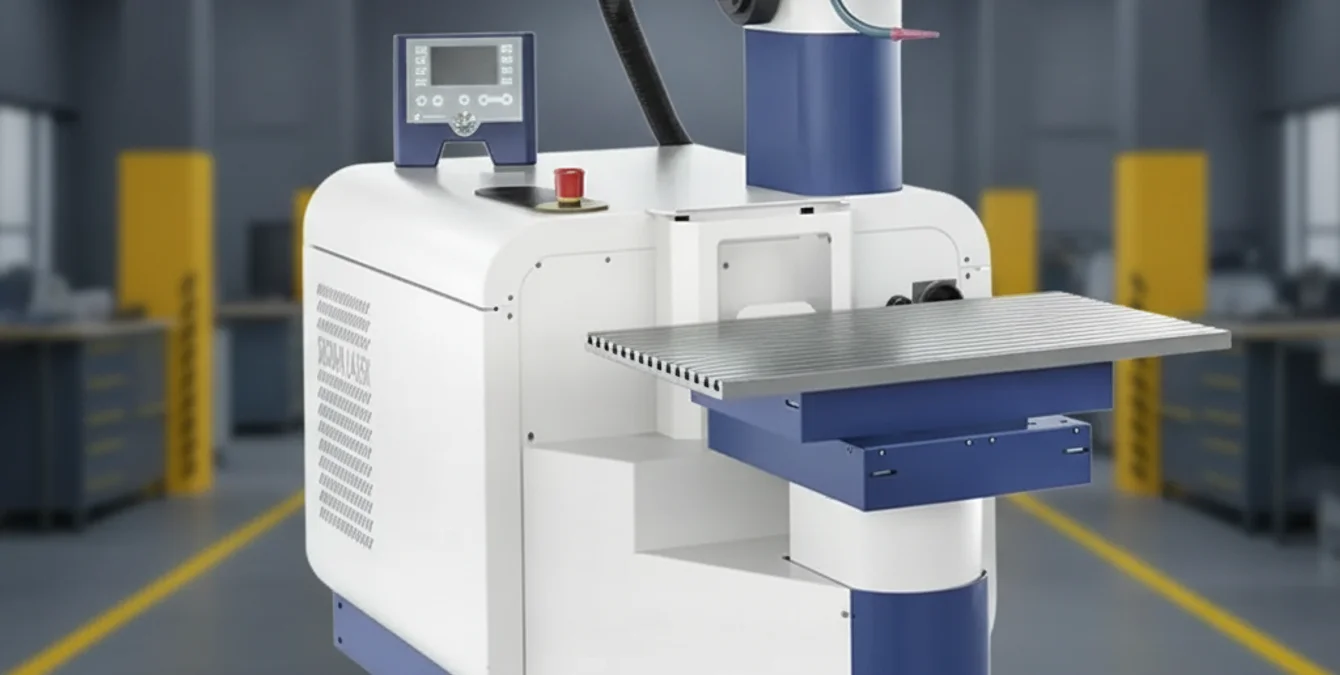
| Spot Size | Penetration Depth | Weld Width | Typical Application |
|---|---|---|---|
| Smaller | Deeper | Narrower | Precision, minimal distortion (e.g., aerospace, automotive) |
| Larger | Shallower | Wider | Structural integrity, broader joints (e.g., shipbuilding) |
Describes general trends in laser welding; actual results depend on material, power, and process parameters.
How Does Spot Size Affect Laser Welding Quality?
In precision laser welding, especially for high-stakes industrial applications, the spot size of the laser is a crucial factor that directly impacts welding quality. Sigma Laser’s advanced systems, such as the Sidanus Light and Siega Fibre, are designed to provide precise control over spot size, ensuring optimal welding outcomes tailored to your specific industrial needs.
Impact on Penetration Depth
The spot size of a laser directly correlates with the penetration depth achieved during the welding process. A smaller spot size generally results in more concentrated energy delivery, increasing penetration depth, which is ideal for materials requiring deeper welds. Conversely, a larger spot size disperses energy over a wider area, reducing penetration but potentially increasing thermal input, beneficial for applications involving thinner materials. Sigma Laser systems, like those utilizing fiber laser technology, offer precision in spot size adjustments, catering to varying material thicknesses and desired penetration requirements.
For instance, fiber lasers operating at a wavelength of 1070 nm with a power range typically from 500 W to 6 kW can achieve penetration depths of up to 10 mm in stainless steel (ISO 15614-11:2002). The beam quality, often represented by an M² value of less than 1.5, is crucial for maintaining a small spot size and achieving deep penetration with minimal heat-affected zones. Welding speeds can vary significantly, typically ranging from 0.5 to 5 m/min, depending on the material and thickness.
Influence on Weld Width and Strength
The relationship between spot size and weld width is equally important. A larger spot size produces a wider weld seam, which can enhance the structural integrity of the weld joint by distributing the load across a broader area. This is particularly advantageous in applications where mechanical strength is crucial, such as in the automotive and aerospace industries. However, it is important to balance the weld width with the necessary penetration to ensure the overall strength of the weld. Sigma Laser’s systems, equipped with Super Pulse Technology (SPT) and Swivel Optics, provide the flexibility needed to optimize both weld width and strength, adapting to specific industrial requirements.
In practice, maintaining a weld width tolerance of ±0.1 mm is often necessary to meet stringent quality standards in precision applications. The choice of materials, such as high-strength steel alloys or aluminum grades like 6061-T6, can also influence the optimal spot size due to their differing thermal conductivities and melting points. Compliance with standards such as DIN EN ISO 11145:2016 ensures that the laser beam parameters are accurately defined and controlled, facilitating consistent weld quality.
Understanding and controlling the laser welding spot size is essential for achieving desired welding characteristics. By leveraging the advanced features of Sigma Laser’s precision systems, engineers can fine-tune these parameters to meet stringent quality standards and enhance the durability and performance of welded components across diverse industrial sectors.
| Factor | Influence on Spot Size / Welding |
|---|---|
| Beam quality (M²) | Lower M² enables tighter focus and smaller spot size |
| Focal length | Shorter focal length yields smaller spot size |
| Material properties | Affect absorption and required spot size for quality welds |
| Laser power | Higher power can enable deeper penetration at a given spot size |
| Optics calibration | Essential for maintaining consistent spot size |
| Dynamic adjustment | Advanced systems allow real-time spot size changes |
These factors should be optimized together for best welding results.
What are the Best Practices for Optimizing Laser Welding Spot Size?
In precision manufacturing, optimizing laser welding spot size is crucial for achieving superior weld quality and efficiency. Whether working with Sigma Laser’s advanced systems like the Sineo Fibre or Siega Fibre, understanding the relationship between spot size, penetration depth, and weld width is essential for producing consistent and reliable welds.
According to ISO 15614-11:2002, the qualification of welding procedures for metallic materials emphasizes the importance of controlling laser parameters to ensure repeatability and quality. The spot size, typically ranging from 0.1 mm to 1.5 mm depending on the application, directly influences the heat input and the resultant microstructure of the weld.
Techniques for Spot Size Optimization
Optimizing the laser welding spot size involves several key techniques that directly influence weld quality and performance. These techniques include:
- Beam Focus Adjustment: Precisely adjusting the laser beam focus using Swivel Optics with Telescopic Lens can significantly affect the spot size. Fine-tuning this parameter allows engineers to control penetration depth and weld width. The focal length, typically between 100 mm and 200 mm, plays a critical role in determining the spot size and is a key consideration in system setup.
- Power Density Control: Utilizing Sigma Laser’s Super Pulse Technology (SPT) enables manipulation of power density to achieve the desired spot size, which is crucial for maintaining optimal energy distribution across the weld area. Power densities in the range of 10^4 to 10^6 W/cm² are common in industrial applications, influencing both the weld pool dynamics and the heat-affected zone (HAZ).
- Speed and Feed Rate Calibration: Adjusting speed and feed rate during the welding process is vital. A slower speed results in a larger spot size, increasing penetration depth, whereas a faster speed reduces it, ideal for thin materials. Typical welding speeds range from 0.5 m/min to 5 m/min, depending on the material and thickness.
Considerations for Different Materials
The choice of material significantly impacts the optimal laser welding spot size, necessitating tailored approaches based on material properties:
- Stainless Steel: For materials like stainless steel (e.g., AISI 304, 316), a smaller spot size can produce deeper penetration and a narrower weld width, beneficial for high-strength applications. The beam quality, often characterized by an M² value of less than 1.5, is crucial for achieving the desired precision.
- Aluminum Alloys: Aluminum requires careful adjustment due to its high thermal conductivity. A larger spot size may be necessary to ensure adequate heat input and prevent incomplete fusion. Alloys such as 6061 and 7075 are commonly welded with spot sizes adjusted to balance heat input and minimize defects.
- Titanium: When working with titanium, using fiber laser technology such as the Siega Fibre allows for precise spot size control, minimizing oxidation and ensuring a clean weld seam. The inert gas shielding, typically argon, is essential to prevent contamination and maintain weld integrity.
By integrating these best practices and leveraging the advanced capabilities of Sigma Laser’s systems, manufacturing engineers can optimize laser welding spot size to meet specific application demands, ensuring high-quality, reliable welds across diverse industrial contexts.
Can Spot Size Variation Affect Different Materials Differently?
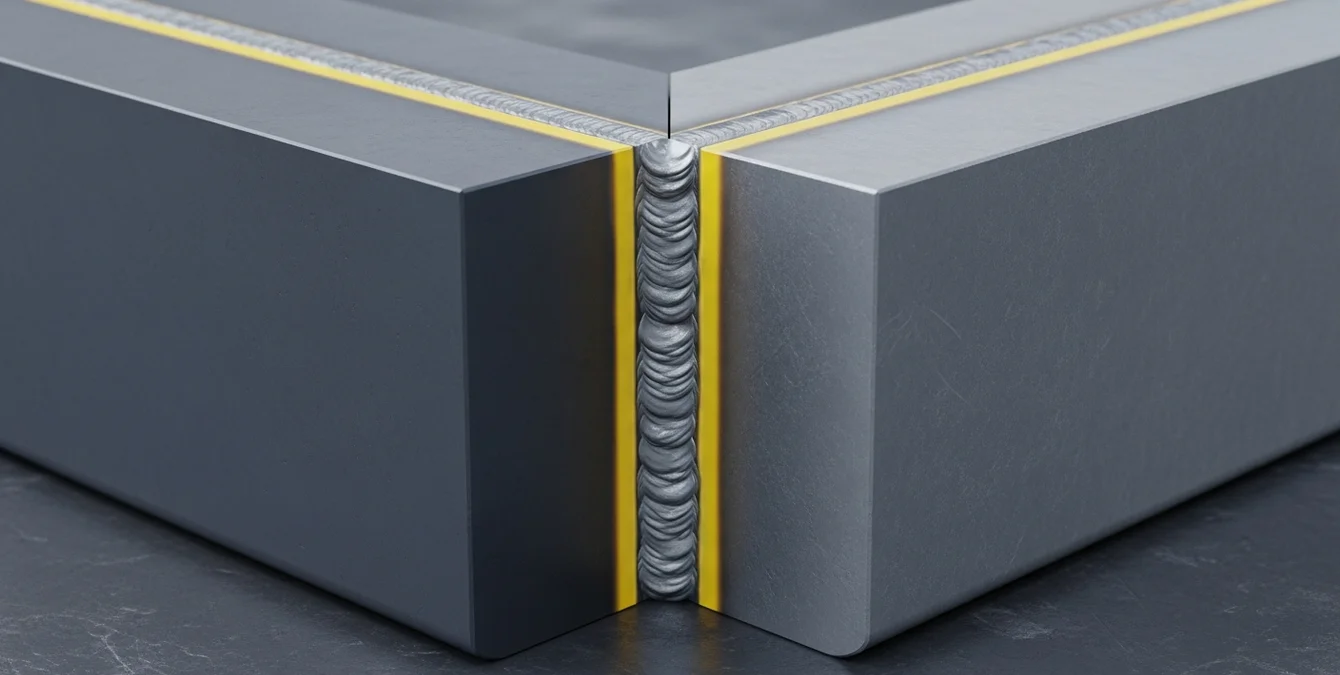
In laser welding, the precision of the spot size is crucial for achieving optimal outcomes. This precision becomes particularly significant with diverse materials, as spot size variations impact them differently based on their inherent properties. Understanding these impacts allows welding engineers to fine-tune parameters for each specific application, maximizing efficiency and quality in production processes.
Effects on Common Metals
For common metals such as steel and aluminum, the laser welding spot size plays a pivotal role in determining penetration depth and weld width. In the case of stainless steel, a smaller spot size can enhance penetration, making it ideal for applications requiring deep welds without compromising structural integrity. For aluminum, which has high thermal conductivity, optimizing the spot size ensures sufficient energy delivery to achieve full penetration without causing excessive heat distortion. Sigma Laser’s Sidanus Light system, with its precision control, is widely used in automotive manufacturing, ensuring consistent weld quality in chassis and body components.
Typical laser parameters for these materials include power ranges from 1 kW to 6 kW, with beam quality (M²) values typically between 1.1 and 1.5. The focal length of the optics is generally between 100 mm and 200 mm, allowing for spot sizes ranging from 0.2 mm to 0.6 mm. Welding speeds can vary, but commonly range from 1 m/min to 5 m/min depending on the material thickness and desired penetration depth. The heat-affected zone (HAZ) is typically minimized to less than 1 mm in high-precision applications.
Impact on Specialized Alloys
Specialized alloys, such as titanium and nickel-based superalloys, require meticulous control over laser welding parameters due to their sensitivity to thermal inputs. A larger spot size may be beneficial for these materials, as it allows for more uniform heat distribution, reducing the risk of cracking and distortion. For example, in aerospace applications where titanium is prevalent, Sigma Laser’s Sineo Fibre system is preferred for its ability to maintain stability and quality through advanced fiber laser technology. This ensures that critical components like turbine blades and aircraft frames meet stringent ISO 15614-11 standards.
These alloys often require laser power levels from 2 kW to 10 kW, with spot sizes adjusted to 0.4 mm to 1.0 mm to control penetration and minimize thermal stresses. The welding speed is typically slower, ranging from 0.5 m/min to 2 m/min, to ensure adequate fusion without overheating. Compliance with standards such as DIN EN ISO 11145 ensures the precision and safety of laser parameters.
The interaction between spot size and material properties highlights the importance of selecting the right laser welding system for each application. Sigma Laser’s range of products, including the Sirius Light and Simass Base Unit, are engineered to accommodate these variations, offering versatile solutions to meet diverse industrial needs. By leveraging these systems, manufacturers can achieve superior weld quality, reduced cycle times, and improved overall productivity.
Comparing Spot Size Effects in Various Laser Welding Applications
In precision manufacturing, the laser welding spot size is a crucial parameter that significantly influences the quality and characteristics of a weld. For industries such as automotive, aerospace, and electronics, understanding how spot size impacts penetration depth, weld width, and overall joint integrity is essential for optimizing processes and achieving superior results. Sigma Laser’s advanced laser welding systems, including the Sidanus Fibre and Sineo Light, are engineered to meet these precise requirements across diverse applications.
Automotive Industry Applications
In the automotive industry, where safety and durability are paramount, the spot size in laser welding is critical for determining weld penetration and strength. A smaller spot size can increase penetration depth, which is vital for thick materials like chassis components. This ensures robust structural integrity while maintaining a clean aesthetic, crucial for visible parts. Sigma Laser’s Super Pulse Technology (SPT) ensures precision even with varying spot sizes, allowing flexibility in handling different materials and thicknesses. This adaptability is essential when welding components such as gear assemblies and engine parts, where consistency and durability are non-negotiable.
Typical laser specifications for automotive applications might include power ranges from 500W to 6kW, wavelengths around 1070nm for fiber lasers, and beam quality M² values typically less than 1.3 for high precision. The welding speed can vary significantly but often ranges from 1 to 10 m/min depending on the material and thickness, with penetration depths reaching up to 10mm for steel alloys like AISI 304 and aluminum alloys such as 6061-T6.
Aerospace and Electronics Applications
The aerospace sector demands precision and reliability, where laser welding spot size plays a key role in achieving narrow, controlled welds essential for components like turbine blades and fuselage panels. A precise spot size ensures minimal thermal distortion and high joint strength, critical for maintaining the structural integrity of high-performance aircraft. Sigma Laser’s fiber laser technology, exemplified in the Siega Fibre, provides the refined control required for such demanding applications, ensuring compliance with stringent standards like DIN EN ISO 14732.
In aerospace applications, typical laser parameters might include a power range of 1kW to 4kW, with focal lengths of 150mm to 200mm to achieve the necessary spot size for precision welding. The heat-affected zone (HAZ) is typically minimized to less than 0.5mm, crucial for maintaining the mechanical properties of aerospace-grade alloys such as Inconel 718 and titanium alloys like Ti-6Al-4V.
In the electronics industry, miniaturization is key, making the spot size critical in joining tiny components without damaging sensitive electronics. Here, a smaller spot size is beneficial, allowing for precise welds with minimal heat-affected zones. This precision is crucial for applications in circuit board assembly and sensor manufacturing. Sigma Laser’s Swivel Optics with Telescopic Lens offer unparalleled control, ensuring that the welds meet the exact specifications required for high-tech electronic devices.
In electronics applications, laser systems typically operate at lower power levels, often between 50W to 200W, with spot sizes as small as 10 microns to ensure precision without overheating. The repeatability of the welding process is critical, often within ±0.01mm, to maintain the integrity of delicate components.
By tailoring the laser welding process to the specific needs of each industry, Sigma Laser enables engineers to enhance productivity while maintaining the highest levels of quality and safety, reinforcing its position as a leader in precision laser welding technology.
Why is Understanding Spot Size Critical for Welding Engineers?
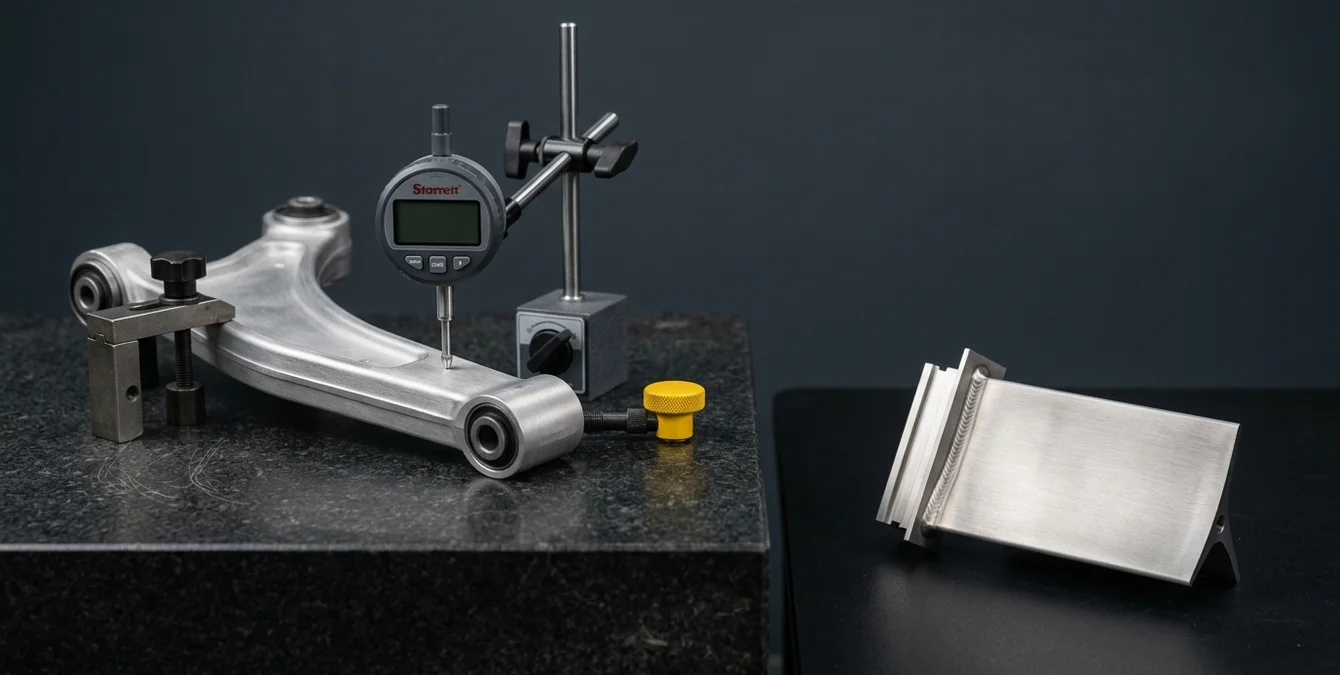
In precision laser welding, mastering the laser welding spot size is crucial for welding engineers who aim to enhance both efficiency and the quality of the final product. The spot size of a laser directly affects the penetration depth and weld width, two critical factors in achieving optimal weld integrity and performance. For industrial applications, such as those performed using Sigma Laser’s Sidanus Light and Siega Fibre systems, precise spot size control allows engineers to tailor the welding process to specific material properties, ensuring consistent and high-quality results.
According to ISO 15614-11:2002, the spot size is a determinant of the energy density delivered to the workpiece, influencing the thermal cycle and mechanical properties of the weld. In practical terms, a typical laser spot size can range from 0.1 mm to 1.5 mm, depending on the optical setup and focusing lens used, with beam quality (M²) values generally below 1.2 for high-precision applications.
Benefits of Precise Spot Size Control
Controlling the laser welding spot size with precision offers numerous benefits, particularly in high-stakes industrial environments. Engineers utilizing systems like the Simass Base Unit and Super Pulse Technology (SPT) can achieve:
- Enhanced Precision: Fine-tuning the spot size enables exact control over penetration depth and weld width, which is crucial for applications requiring micro-welds or complex geometries. Typical penetration depths can range from 0.5 mm to 3 mm, with tolerances often within ±0.1 mm.
- Material Versatility: An adjustable spot size allows for welding across a variety of materials, from delicate thin foils to robust metal components, using fiber laser technology. Common materials include stainless steels (e.g., 304, 316), aluminum alloys (e.g., 6061, 7075), and titanium alloys, each requiring specific laser parameters to minimize heat-affected zones.
- Quality Assurance: A consistent spot size ensures uniform energy distribution, reducing the risk of defects and increasing the longevity of the weld. The repeatability of spot size control is often within ±5% of the nominal value, ensuring high-quality standards as outlined in DIN EN ISO 11145:2016.
Enhancing Efficiency and Product Quality
Incorporating precise spot size control in laser welding processes, particularly with Sigma Laser’s advanced technologies like Swivel Optics and the Z-Axis Module, significantly enhances efficiency. This precision reduces rework and waste, leading to lower operational costs and faster production cycles. By mastering these parameters, welding engineers can ensure superior product quality, meeting stringent ISO 9001 and DIN EN ISO 14732 standards, and positioning their operations at the forefront of the industry.
The operational constraints, such as maintaining a consistent focal length (typically 100 mm to 200 mm) and managing beam divergence, are critical for achieving desired outcomes.
Frequently Asked Questions
How does spot size affect laser welding quality?
The spot size in laser welding directly influences the energy density and penetration depth. A smaller spot size increases energy concentration, enhancing penetration and weld quality. However, it may also increase the risk of defects like keyhole instability. Optimizing spot size is crucial for achieving the desired weld characteristics.
What are the best practices for optimizing laser welding spot size?
To optimize spot size, adjust the laser’s focal length and beam collimation. Use beam shaping optics for precise control and ensure consistent alignment. Regularly calibrate equipment and consider material type and thickness to achieve optimal spot size and enhance weld quality.
How do material properties influence the choice of spot size in laser welding?
Material properties such as thermal conductivity, reflectivity, and melting point dictate the spot size choice. High thermal conductivity materials may require smaller spot sizes for effective penetration, while reflective materials might need adjustments in laser power and spot size to ensure efficient energy absorption.
Can adjusting the spot size improve weld speed?
Adjusting the spot size can enhance weld speed by increasing energy density, allowing for faster material melting. However, this must be balanced with maintaining weld quality, as excessive speed or inappropriate spot size can lead to defects like porosity or incomplete fusion.
What role does spot size play in multi-pass laser welding?
In multi-pass laser welding, spot size is crucial for controlling heat input and minimizing distortion. A well-optimized spot size ensures adequate penetration on each pass without excessive heat accumulation, which can cause warping or stress in the welded material.
How can spot size adjustments help in welding dissimilar materials?
When welding dissimilar materials, adjusting the spot size allows for better control over heat distribution, reducing thermal stresses and improving joint quality. Tailoring the spot size to each material’s properties ensures effective bonding and minimizes defects at the interface.
What equipment adjustments are necessary for changing laser welding spot size?
To change the spot size, adjust the laser’s focusing lens and beam delivery system. Use beam expanders or reducers as needed and ensure precise alignment. Regular maintenance of optical components is essential to maintain consistent spot size and welding performance.
Sources
- ISO 15614-11:2002 — Specification and qualification of welding procedures for metallic materials – Part 11: Electron and laser beam welding
- DIN EN ISO 11145:2016 — Lasers and laser-related equipment – Vocabulary and symbols
- Journal of Laser Applications — Peer-reviewed journal covering laser technology and applications
- Optics and Lasers in Engineering — Journal focusing on research in the field of laser engineering
- Welding Journal — Publication by the American Welding Society covering welding technology