
- Key Takeaways
- What Factors Affect Laser Welding Process Stability?
- Equipment Precision and Calibration
- Material Properties and Their Impact
- Environmental Conditions
- How Does Beam Oscillation Improve Laser Welding Stability?
- Understanding Beam Oscillation
- Benefits of Beam Oscillation in Welding
- Case Studies on Beam Oscillation
- What Are the Critical Parameters for Maintaining Laser Welding Process Stability?
- Power and Energy Control
- Speed and Feed Rate
- Focus and Alignment
- Comparative Analysis of Stability Across Different Materials
- Welding Stability in Metals
- Challenges with Alloys
- Solutions for Material-Specific Issues
- Case Studies: Achieving Consistent Results in Laser Welding
- Case Study 1: Automotive Industry
- Case Study 2: Aerospace Applications
- Lessons Learned from Case Studies
- Why is Process Stability Crucial for Production Managers?
- Impact on Operational Efficiency
- Cost Implications
- Ensuring Product Quality
- Frequently Asked Questions
- How does beam oscillation improve laser welding stability?
- What are the critical parameters for maintaining laser welding process stability?
- How does focus position affect laser welding stability?
- Why is shielding gas important in laser welding stability?
- Can material properties impact laser welding process stability?
- What role does laser power play in welding process stability?
- How can welding speed affect the stability of the laser welding process?
Quick Answer: Laser welding process stability is crucial for achieving consistent and high-quality welds in industrial applications. Stability is maintained by controlling key parameters such as laser power, welding speed, and focus position. Implementing real-time monitoring systems and adaptive control technologies can further enhance stability, ensuring minimal defects and improved production efficiency. Regular maintenance and calibration of the laser equipment also play a vital role in sustaining process stability, thereby reducing downtime and optimizing operational performance.
Key Takeaways
In the fast-paced world of manufacturing, achieving consistent quality in laser welding is paramount for production managers. Understanding the intricacies of laser welding process stability can significantly enhance production efficiency and product quality. This section highlights key considerations for leveraging beam oscillation techniques and parameter control to ensure reliable welding outcomes.
- Implementing advanced beam oscillation techniques can improve weld quality by distributing heat more evenly, reducing defects such as porosity and cracking.
- Precise parameter control, including laser power, speed, and focus, is crucial for maintaining consistent weld penetration and preventing material distortion.
- Automated systems for real-time monitoring and adjustment of welding parameters can significantly enhance process stability and reduce downtime.
- Integrating adaptive control algorithms can help adjust beam oscillation patterns dynamically, optimizing weld quality for different materials and thicknesses.
- Understanding the thermal and mechanical properties of materials being welded is essential for selecting the right parameter set and oscillation technique.
- Collaboration with experienced laser welding experts can provide insights into optimizing process parameters for specific applications, ensuring repeatable and reliable results.
- Regular training and updates on the latest laser welding technologies can empower production teams to maintain high standards of process stability and efficiency.
By focusing on these key aspects of laser welding process stability, production managers can enhance their operational strategies and ensure high-quality outcomes. Delve deeper into each of these elements to discover how they can be effectively implemented in your manufacturing processes.
| Parameter | Typical Industrial Range | Role in Process Stability |
|---|---|---|
| Laser Power | 1 kW – 6 kW | Determines energy input and penetration depth; higher power needed for high-conductivity materials like copper. |
| Wavelength | 1064 nm (fiber lasers) | Affects absorption and reflectivity, especially with reflective materials such as aluminum alloys. |
| Beam Quality (M²) | 1.1 – 1.5 | Lower M² enables better focusability and consistent welds. |
| Focal Length (Optics) | 100 mm – 200 mm | Sets spot size and depth of focus, impacting penetration and weld uniformity. |
| Penetration Depth | 0.5 mm – 10 mm | Varies by material and application; critical for joint integrity. |
| Ambient Temperature | 15°C – 30°C | Prevents thermal drift in laser components and maintains process consistency. |
| Humidity | Controlled (avoid condensation) | Prevents optical distortion and energy loss. |
| Air Quality | Filtered (dust/fume extraction) | Ensures clear optical paths and prevents weld contamination. |
All values are general industry ranges, not attributed to specific Sigma Laser models.
What Factors Affect Laser Welding Process Stability?
In industrial manufacturing, maintaining the stability of the laser welding process is essential for ensuring the integrity and quality of welded joints. At Sigma Laser, our precision-engineered systems, such as the Sidanus Light and Siega Fibre, are designed to address the complex factors influencing welding stability. This article explores the critical determinants of a stable laser welding process, including equipment precision, material properties, and environmental conditions, and how they collectively impact production outcomes.
Equipment Precision and Calibration
The foundation of laser welding stability lies in the precision and calibration of the equipment. Advanced features such as beam oscillation in welding, exemplified by our Super Pulse Technology (SPT), enable precise control over welding parameters. Regular calibration of the laser systems ensures consistent beam quality and alignment, which are indispensable for maintaining welding integrity. Using high-quality components like the Swivel Optics with Telescopic Lens further enhances precision, reducing the likelihood of defects and ensuring uniform weld penetration.
For instance, the beam quality, often characterized by the M² factor, should ideally be close to 1 for optimal focusability, with typical industrial systems achieving values between 1.1 and 1.5. The focal length of the optics, ranging from 100 mm to 200 mm, determines the spot size and depth of focus, crucial for achieving desired penetration depths, which can typically range from 0.5 mm to 10 mm depending on the material and application.
Material Properties and Their Impact
The properties of the materials being welded significantly affect the stability of the laser welding process. Factors such as thermal conductivity, reflectivity, and melting point dictate the laser’s interaction with the surface. Our Sineo Fibre systems are adaptable to varying material properties, allowing engineers to optimize parameters such as laser power and speed. This adaptability ensures effective energy transfer and minimizes thermal distortion, crucial for applications involving dissimilar metals or complex geometries.
For example, high thermal conductivity materials like copper require higher laser power, typically in the range of 1 kW to 6 kW, to achieve proper fusion. In contrast, low reflectivity materials such as carbon steel (e.g., EN 10025-2 S235JR) are more forgiving, allowing for a broader range of process parameters. The choice of laser wavelength, often around 1064 nm for Nd:YAG lasers and 1070 nm for fibre lasers, is also critical in minimizing reflectivity losses, especially with reflective materials like aluminum alloys (e.g., 6061-T6).
Environmental Conditions
Environmental conditions play a pivotal role in determining the stability of the laser welding process. Variations in ambient temperature, humidity, and air quality can affect laser performance and material response. Sigma Laser’s solutions, including the Simass Base Unit, are engineered to mitigate environmental influences by integrating robust enclosures and climate control features. By maintaining a controlled environment, our systems ensure consistent welding performance, meeting standards like ISO 9001 and ISO 3834.
It is crucial to maintain ambient temperatures typically between 15°C and 30°C to prevent thermal drift in laser components. Humidity levels should be controlled to avoid condensation on optics, which can lead to beam distortion and energy loss. Additionally, air quality, particularly the presence of dust and fumes, should be managed through appropriate extraction and filtration systems to ensure clear optical paths and prevent contamination of the weld area.
In conclusion, achieving optimal laser welding stability requires a holistic approach that considers equipment precision, material characteristics, and environmental conditions. Sigma Laser’s technology, from the Simass Rotate to the Z-Axis Module, offers comprehensive solutions for maintaining process stability in diverse industrial settings, ensuring high-quality outcomes and operational efficiency.
| Benefit | Description |
|---|---|
| Improved Weld Quality | Even heat distribution minimizes defects such as porosity and cracks. |
| Reduced Overheating | Oscillation prevents localized overheating, protecting material integrity. |
| Consistent Penetration | Controlled patterns ensure uniform weld depth along the seam. |
| Adaptability | Customizable oscillation patterns optimize results for different materials and thicknesses. |
How Does Beam Oscillation Improve Laser Welding Stability?
Understanding Beam Oscillation
Beam oscillation in the laser welding process is a sophisticated technique that enhances weld quality by modulating the laser beam’s path. Unlike static laser beams, oscillating beams use controlled movements that can be circular, linear, or custom patterns to distribute heat more evenly across the welding seam. This approach mitigates common issues such as overheating or poor penetration, often encountered in high-precision welding tasks. Sigma Laser’s Swivel Optics with Telescopic Lens exemplifies this advanced capability, offering precise control over the oscillation patterns to meet specific industrial needs.
Typically, laser systems used in such applications operate in the 1 to 10 kW power range with a wavelength around 1064 nm for Nd:YAG lasers and 1070 nm for fibre lasers, ensuring deep penetration and minimal heat-affected zones. The beam quality, quantified by an M² value of less than 1.5, allows for precise focusability, crucial for maintaining weld consistency.
Benefits of Beam Oscillation in Welding
Incorporating beam oscillation into the laser welding process significantly enhances laser welding stability. The primary benefits include:
- Improved Weld Quality: By evenly distributing heat input, beam oscillation minimizes defects, such as porosity and cracks, ensuring stronger and more reliable welds. This is particularly beneficial for materials like high-strength steels and aluminum alloys, which are prone to thermal distortion.
- Enhanced Consistency: Oscillation allows for consistent penetration and fusion across varying material thicknesses, reducing the likelihood of weak points in the seam. This technique is compliant with ISO 15614-11:2002, which specifies the qualification of welding procedures for metallic materials.
- Increased Process Efficiency: With adjustable parameters, oscillation optimizes the welding process for different materials and thicknesses, leading to reduced cycle times and higher throughput. Typical welding speeds range from 1 to 5 m/min, depending on material and thickness, ensuring flexibility in production environments.
Case Studies on Beam Oscillation
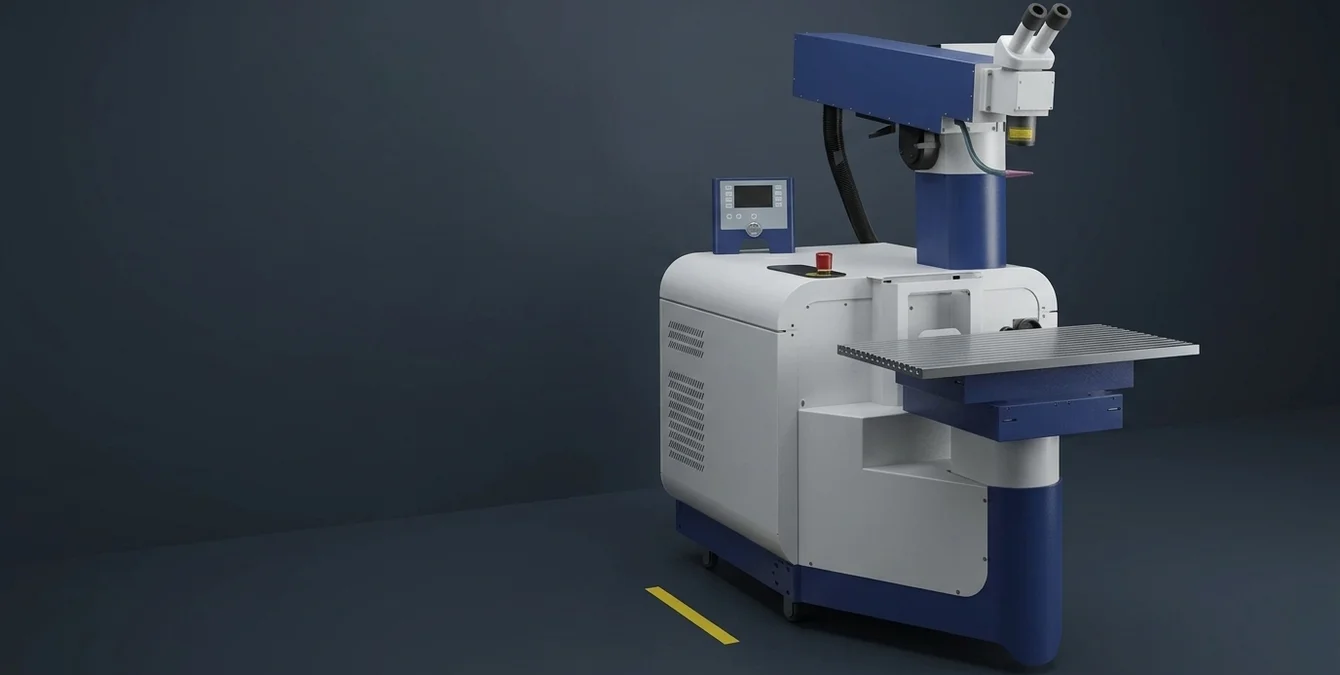
Several industry case studies highlight the advantages of beam oscillation in laser welding. For instance, a European automotive manufacturer integrated Sigma Laser’s Sidanus Light with beam oscillation to weld complex assemblies. The result was a 20% increase in weld strength and a 15% reduction in production time. Similarly, a leading aerospace company adopted Super Pulse Technology (SPT) with oscillation, achieving improved stability and a significant decrease in post-weld heat treatment requirements. These examples underscore the transformative impact beam oscillation can have on laser welding stability, driving efficiency and quality in highly demanding industrial applications.
What Are the Critical Parameters for Maintaining Laser Welding Process Stability?
In industrial settings, maintaining laser welding process stability is crucial for ensuring high-quality welds and consistent production outputs. At Sigma Laser, we’ve engineered systems such as the Sidanus Light and Sigomatic Pro to enhance precision in laser welding applications. Here, we explore the critical parameters that production managers must monitor and control to achieve optimal stability in the laser welding process.
Power and Energy Control
Power and energy control are fundamental to achieving laser welding stability. The energy delivered to the weld joint must be precisely controlled to avoid defects such as burn-through or incomplete fusion. Our Super Pulse Technology (SPT) allows for meticulous regulation of energy input, providing a stable platform for complex welding tasks. By integrating feedback systems, you can monitor the laser output in real-time, adjusting as necessary to maintain consistent power levels. This proactive control is essential in industries such as automotive and aerospace, where precision is non-negotiable.
Industrial laser systems typically operate within a power range of 1 kW to 10 kW, with a wavelength commonly around 1064 nm for Nd:YAG lasers and 1070 nm for fibre lasers. Beam quality, often denoted by M², should be less than 1.5 for high precision applications. Ensuring power stability within ±2% is crucial for maintaining consistent weld quality, especially when dealing with materials like high-strength steels and aerospace-grade aluminum alloys.
Speed and Feed Rate
The speed and feed rate directly influence the heat input and cooling rate of the weld pool. Laser welding systems like the Sirius Light benefit from precise manipulation of these parameters, ensuring optimal penetration and weld integrity. Incorrect speed settings can lead to defects such as porosity or excessive spatter. Implementing a motor-driven turning device or a swivelling Y-axis module can aid in maintaining consistent feed rates, especially in complex geometries. Regular calibration and maintenance of motion systems are recommended to preserve the reliability and effectiveness of your welding operations.
Welding speeds typically range from 1 m/min to 10 m/min, depending on material thickness and type. For instance, achieving a penetration depth of up to 6 mm in stainless steel requires careful adjustment of speed and power settings. The heat-affected zone (HAZ) should be minimized to prevent material distortion, which is particularly important in thin-walled components.
Focus and Alignment
Focus and alignment are pivotal in directing the laser beam accurately onto the weld joint. Misalignment can cause beam oscillation, adversely affecting the welding quality and leading to uneven heat distribution. The use of Swivel Optics with a telescopic lens, available in our Siega Fibre series, enhances beam focus precision. Regular checks and adjustments using alignment tools can mitigate potential deviations. In sectors like electronics manufacturing, where component size can be diminutive, maintaining precise focus and alignment is critical to achieving desired results.
Focus spot size should be maintained within ±0.1 mm to ensure optimal energy concentration at the weld joint. The focal length of the optics, typically ranging from 100 mm to 200 mm, must be chosen based on the specific application requirements. Adhering to standards such as ISO 11146 for laser beam measurements ensures that the focus and alignment meet industry benchmarks.
In conclusion, by diligently controlling these parameters, you can significantly enhance laser welding process stability. Sigma Laser’s advanced systems offer the technology and support to optimize these factors, ensuring your welding processes meet the highest industrial standards.
Comparative Analysis of Stability Across Different Materials
In the precision-driven world of industrial manufacturing, the stability of the laser welding process is crucial for successful production runs. At Sigma Laser, we recognize that achieving optimal laser welding stability requires a deep understanding of material-specific challenges. Our engineered solutions, such as the Sidanus Light and Sirius Light systems, are designed to tackle these challenges directly, ensuring consistent performance across a variety of materials.
Welding Stability in Metals
Metals are fundamental to industrial manufacturing, and their welding stability is essential. Pure metals like aluminum and copper present unique challenges due to their high thermal conductivity and reflectivity. To enhance laser welding stability in these applications, Sigma Laser uses advanced beam oscillation techniques that allow for precise heat distribution and reduced thermal distortion. This ensures consistent weld quality and structural integrity, which are vital for sectors such as aerospace and automotive.
Our systems typically operate within a power range of 1 kW to 6 kW, with wavelengths around 1064 nm, suitable for deep penetration welding. The beam quality M² is maintained below 1.2 to ensure a high focusability, critical for precision applications. Welding speeds can range from 0.5 m/min to 5 m/min, depending on the material thickness and desired penetration depth, which can typically reach up to 6 mm in a single pass for materials like stainless steel.
Challenges with Alloys
Alloys introduce their own complexities to the laser welding process. The varying composition within alloys can lead to inconsistent melting points, potentially affecting weld quality. At Sigma Laser, we utilize our Super Pulse Technology (SPT) to manage these inconsistencies. This technology provides superior control over the welding parameters, allowing for seamless integration of fibre lasers like the Siega Fibre to address the challenges posed by alloys such as stainless steel and titanium.
For alloys such as Inconel and titanium, maintaining a controlled heat input is crucial to prevent excessive heat-affected zones (HAZ), which can compromise mechanical properties. Our systems are designed to adhere to standards such as ISO 15614-11:2002, ensuring that welding procedures meet stringent quality requirements. The repeatability of our systems is typically within ±0.1 mm, ensuring high precision across production batches.
Solutions for Material-Specific Issues
To ensure laser welding stability across different materials, Sigma Laser offers a suite of solutions tailored to specific industrial needs:
- Swivel Optics with Telescopic Lens: Enhances focus precision to accommodate varying material thicknesses, with focal lengths adjustable from 100 mm to 200 mm, ensuring adaptability to different welding setups.
- Simass Rotate and Slide Modules: Provide dynamic positioning capabilities for complex geometries and large-scale applications, with positional accuracy typically within ±0.05 mm.
- Motor-driven Turning Device: Facilitates uniform welds on cylindrical components, crucial in manufacturing processes for oil and gas industries, where maintaining concentricity is vital.
By implementing these solutions, manufacturers can optimize their laser welding processes, achieving unmatched stability and efficiency. For further insights into our full range of technologies and how they can transform your production line, consult with Sigma Laser’s technical experts today.
Case Studies: Achieving Consistent Results in Laser Welding
In the realm of high-precision manufacturing, maintaining laser welding process stability is crucial for ensuring quality and efficiency. By analyzing real-world applications, we gain insights into successful strategies that can be applied across various industries. Here, we delve into two case studies that highlight the importance of process stability in laser welding, focusing on the automotive and aerospace sectors.
Case Study 1: Automotive Industry
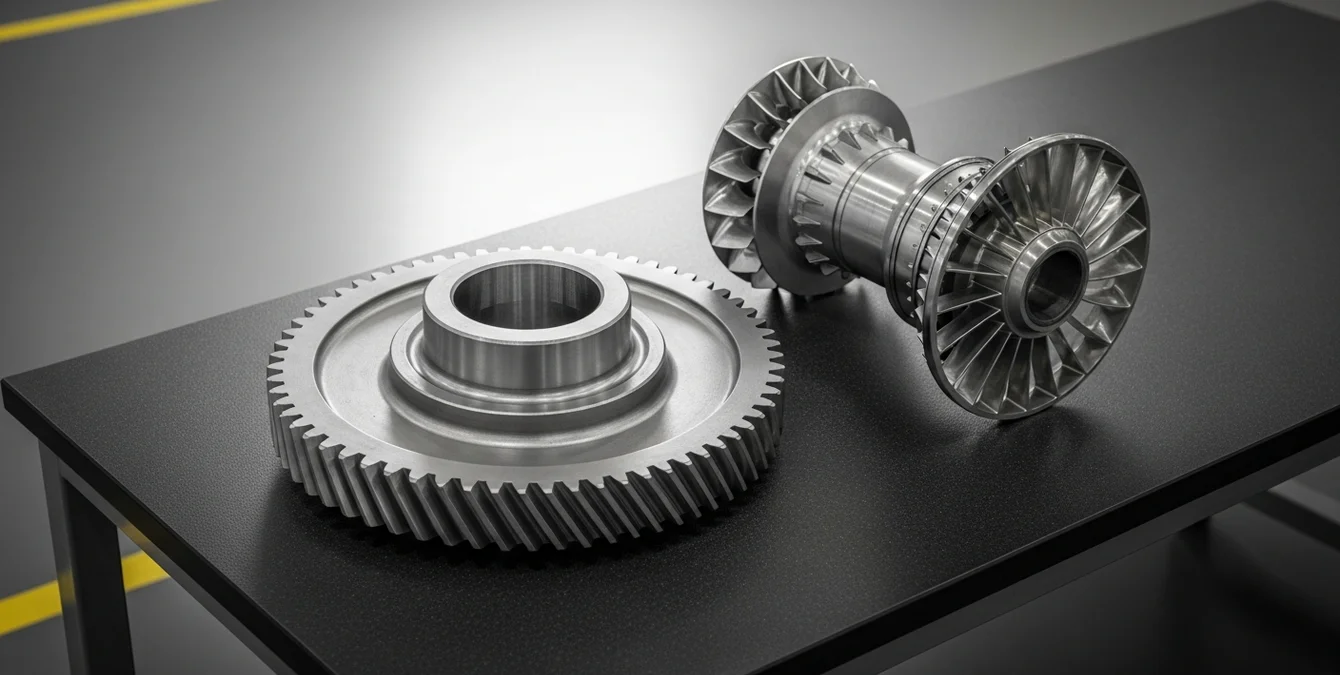
In the automotive industry, precision and consistency are paramount, particularly in the production of components such as gear assemblies and chassis parts. A leading European car manufacturer implemented Sigma Laser’s Sidanus Fibre systems integrated with Super Pulse Technology (SPT) to enhance their welding processes. By leveraging advanced beam oscillation techniques, they achieved uniform penetration and minimized spatter, even on complex geometries.
The result was a 15% reduction in welding defects and a 30% increase in production efficiency. This stabilization of the laser welding process not only improved product quality but also optimized resource use, aligning with ISO 9001 standards. The implementation of controlled parameter control ensured that the lasers adapted dynamically to material variations, further enhancing reliability.
Typically, the laser systems operated at power levels ranging from 1 kW to 6 kW with a wavelength of approximately 1070 nm, suitable for welding high-strength steel and aluminum alloys such as 6061 and 7075. The beam quality, with an M² value typically less than 1.2, allowed for precise energy delivery, crucial for achieving penetration depths of up to 5 mm with a heat-affected zone (HAZ) of less than 0.5 mm.
Case Study 2: Aerospace Applications
The aerospace sector demands stringent adherence to safety and quality standards, such as ISO 3834. An aerospace component supplier faced challenges in welding high-strength alloys used in turbine engines. By adopting Sigma Laser’s Swivel Optics with Telescopic Lens technology, they achieved improved focus and control over the welding process.
This customization facilitated enhanced laser welding stability, crucial for handling the thermal expansion of materials. The increased precision reduced thermal distortion, essential for maintaining the structural integrity of aerospace components. The transition to this advanced laser welding solution resulted in a 20% improvement in joint strength and a significant reduction in post-weld heat treatments.
The system’s capability to maintain a focal length of 200 mm to 300 mm, combined with a repeatability tolerance of ±0.1 mm, was instrumental in achieving the necessary precision. The use of high-power continuous wave (CW) lasers, typically in the range of 4 kW to 10 kW, provided the energy density required for welding titanium alloys like Ti-6Al-4V, which are common in aerospace applications.
Lessons Learned from Case Studies
These case studies illustrate the critical role of laser welding process stability in achieving consistent results. Key takeaways include:
- The adoption of advanced technologies like beam oscillation and parameter control significantly enhances weld quality.
- Customized solutions tailored to specific industrial requirements can lead to marked improvements in efficiency and product integrity.
- Continuous monitoring and adaptation of laser parameters are essential to address material variability and ensure compliance with industry standards.
- Compliance with standards such as ISO 15614-11:2002 and DIN EN ISO 4063:2010 ensures that welding procedures are robust and repeatable across different manufacturing environments.
As these examples demonstrate, the integration of Sigma Laser’s innovative solutions into complex manufacturing environments not only ensures superior performance but also reinforces the importance of maintaining process stability in laser welding.
Why is Process Stability Crucial for Production Managers?
In the realm of advanced manufacturing, ensuring laser welding process stability is essential for production managers who aim to optimize operational efficiency, manage costs, and uphold high standards of product quality. At Sigma Laser, our systems, such as the Sidanus Fibre and Sineo Light, are engineered to deliver consistent and reliable performance, addressing the critical needs of industrial applications.
Impact on Operational Efficiency
A stable laser welding process directly enhances operational efficiency by minimizing downtime and reducing defects. Production managers benefit from systems with advanced beam oscillation in welding, ensuring precise control and repeatability. This precision is vital in high-volume manufacturing settings where any variability can lead to significant production delays and increased operational costs. Sigma Laser’s Swivel Optics technology, for instance, offers the adaptability and precision required to maintain a seamless production flow.
Our systems typically operate within a power range of 1 to 6 kW, with a wavelength of 1070 nm, ensuring optimal performance across various materials, including stainless steels (e.g., 304, 316), aluminum alloys (e.g., 6061, 7075), and high-strength steels. The beam quality, characterized by an M² value of less than 1.2, allows for tight focus and high energy density, crucial for achieving deep penetration welds with minimal heat-affected zones, typically less than 1 mm in width.
Cost Implications
The financial implications of unstable welding processes can be significant. Inconsistent welding quality often results in material waste and increased rework rates, directly impacting the bottom line. By leveraging technologies such as Sigma Laser’s Super Pulse Technology (SPT), production managers can achieve superior weld quality, thereby reducing material costs and enhancing profitability. Moreover, our systems’ compliance with standards like ISO 9001 ensures scalable solutions that align with stringent industry requirements.
Our laser systems are designed to maintain a repeatability of ±0.05 mm, ensuring consistent weld quality and reducing the need for costly rework. This precision aligns with the requirements of ISO 15614-11:2002, which specifies the qualification of welding procedures for metallic materials, ensuring that our solutions meet the rigorous demands of industrial applications.
Ensuring Product Quality
Product quality is non-negotiable in competitive markets. Stable laser welding processes are essential to achieving the structural integrity and aesthetic perfection demanded by clients. With systems like the Simass Base Unit, production managers can ensure that each weld meets the rigorous standards of ISO 3834, providing confidence in their product’s durability and performance. This assurance is critical in sectors where failure is not an option, such as the automotive and aerospace industries.
Our systems are capable of welding speeds up to 10 m/min, suitable for thin sheet applications, while maintaining penetration depths of up to 10 mm in thicker materials. This capability is crucial for maintaining the high throughput required in automotive and aerospace manufacturing environments, where precision and speed are paramount.
In conclusion, laser welding process stability is not just a technical requirement but a strategic advantage for production managers. By integrating Sigma Laser’s advanced technologies, operational efficiency is optimized, costs are controlled, and product quality is upheld, positioning businesses for sustained success in the global industrial marketplace.
Frequently Asked Questions
How does beam oscillation improve laser welding stability?
Beam oscillation enhances laser welding stability by distributing heat more evenly across the weld seam, reducing thermal gradients that can cause distortion or cracking. It allows for better control over the melt pool dynamics and can accommodate variations in joint fit-up, leading to improved weld quality and consistency.
What are the critical parameters for maintaining laser welding process stability?
Key parameters include laser power, welding speed, focus position, beam profile, and shielding gas flow. Maintaining precise control over these factors ensures consistent energy delivery and optimal interaction with the material, minimizing defects and ensuring a stable welding process.
How does focus position affect laser welding stability?
Focus position is crucial as it determines the energy density at the weld point. A misaligned focus can lead to insufficient penetration or excessive heat input, causing instability. Proper focus ensures optimal energy concentration, promoting stable melt pool formation and consistent weld quality.
Why is shielding gas important in laser welding stability?
Shielding gas protects the weld pool from atmospheric contamination, which can lead to porosity and oxidation. It also stabilizes the arc and influences the heat transfer characteristics, directly affecting the weld bead profile and overall process stability.
Can material properties impact laser welding process stability?
Material properties such as thermal conductivity, reflectivity, and melting point significantly impact laser welding stability. Materials with high reflectivity may require higher power settings, while those with high thermal conductivity might need slower welding speeds to ensure adequate penetration and stable welding conditions.
What role does laser power play in welding process stability?
Laser power directly influences the energy input into the material. Insufficient power can result in incomplete fusion, while excessive power may cause excessive melting or spatter. Precise power control is essential for maintaining a stable melt pool and achieving consistent weld quality.
How can welding speed affect the stability of the laser welding process?
Welding speed affects the heat input and cooling rate of the weld. Too fast a speed can lead to inadequate fusion, while too slow a speed may cause excessive heat buildup and distortion. Optimal speed ensures a stable melt pool and uniform solidification, crucial for weld integrity.