


Quick Answer: Laser welding system components are critical for efficient and precise operations. Key components include the laser source, which generates the laser beam; beam delivery system, which guides the laser to the workpiece; and the workpiece handling system, ensuring precise…
Laser Welding Machines, Power & Optics
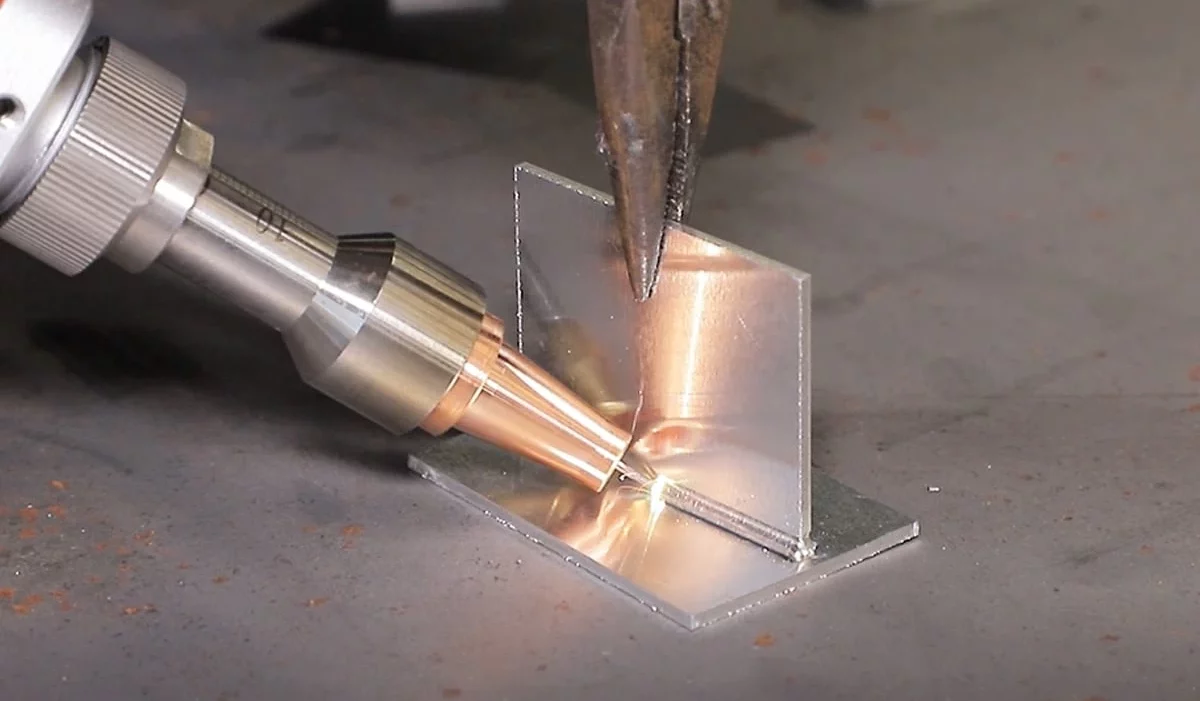
Nickel Alloy Laser Welding: Key Parameters & Challenges
Quick Answer: Nickel alloy laser welding requires precise control over key parameters such as laser power, welding speed, and shielding gas flow to ensure optimal results. Challenges include managing the high reflectivity and thermal conductivity of nickel alloys, which can lead…
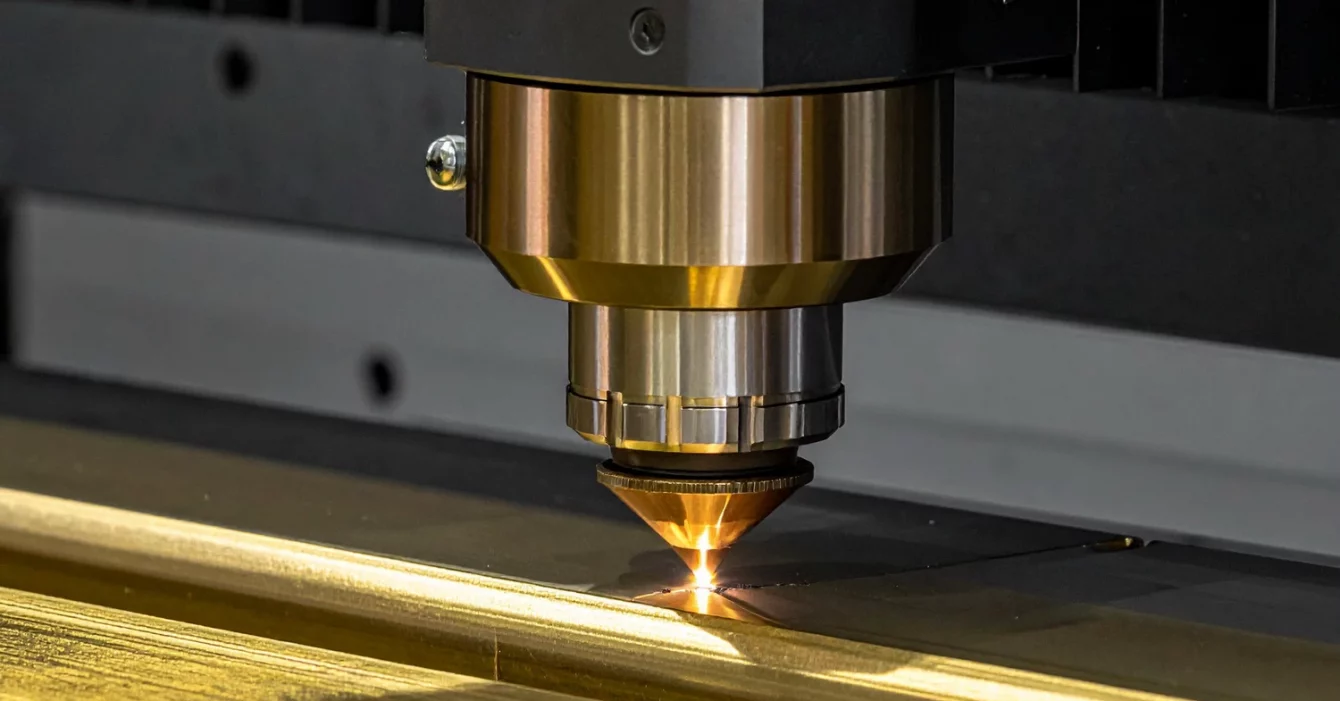
Laser Welding Precious Metals: Guide for Welding Engineers
Quick Answer: Laser welding precious metals involves using concentrated laser beams to join metals like gold, silver, and platinum with precision and minimal thermal distortion. This technique is ideal for welding engineers due to its ability to produce high-quality welds with…
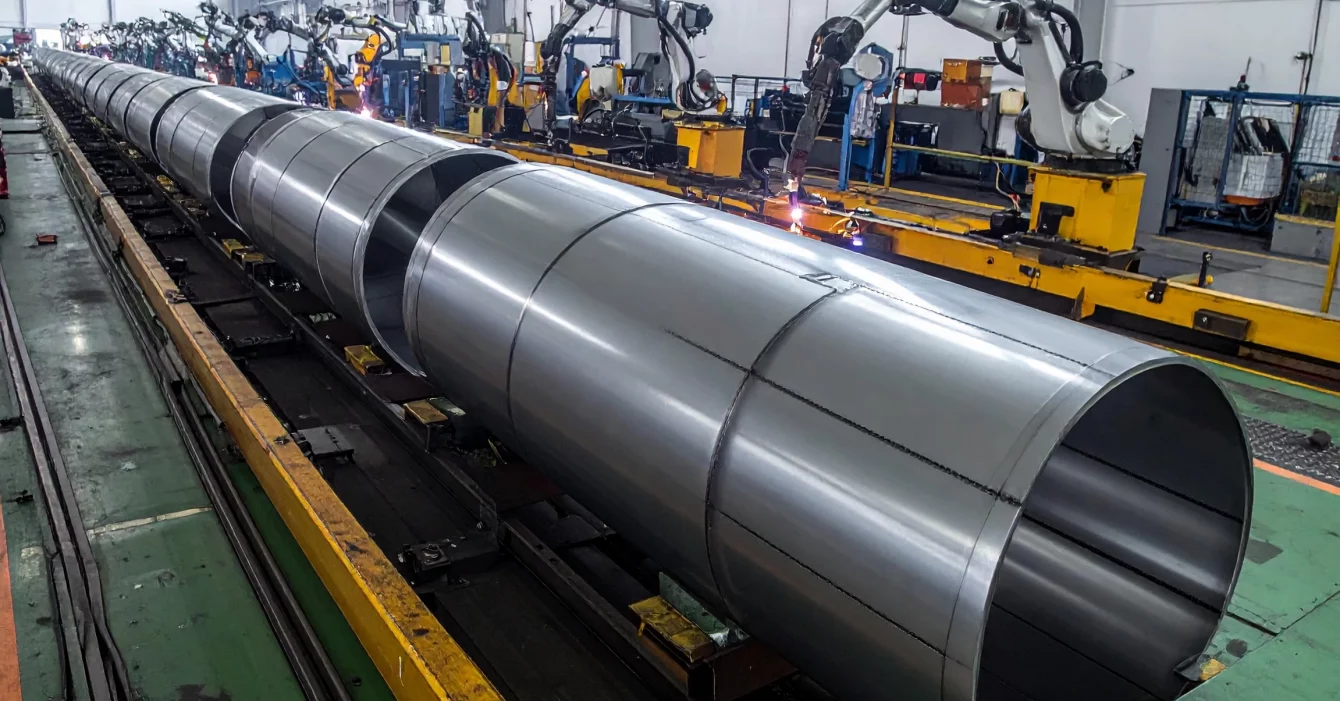
Galvanized Steel Laser Welding: Risks, Solutions & Quality
Quick Answer: Galvanized steel laser welding presents challenges due to zinc vaporization, which can cause porosity and weak welds. To mitigate these risks, employ techniques like pre-heating, using pulsed laser settings, or applying a zinc-removal process before welding. These solutions help…
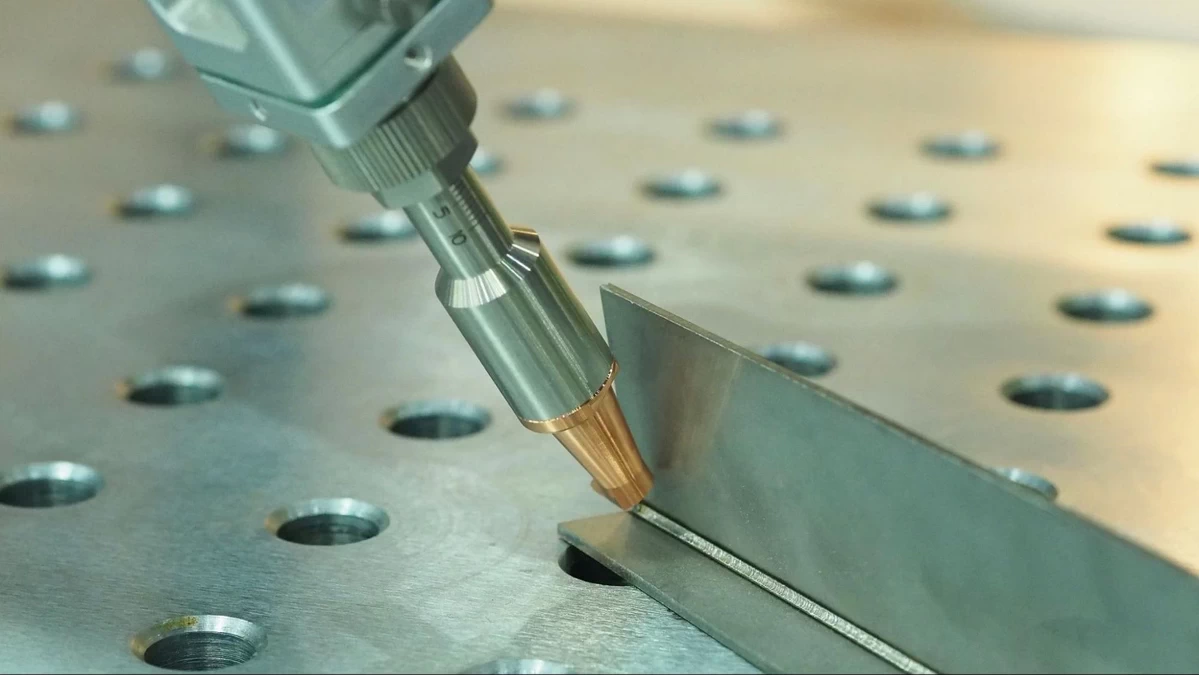
Laser Welding Materials: Guide to Optimal Metal Choices
Quick Answer: Laser welding materials are critical to achieving optimal weld quality and efficiency. Common metals used include stainless steel, carbon steel, aluminum, and titanium, each offering unique properties. Stainless steel is favored for its corrosion resistance and strength, while aluminum…
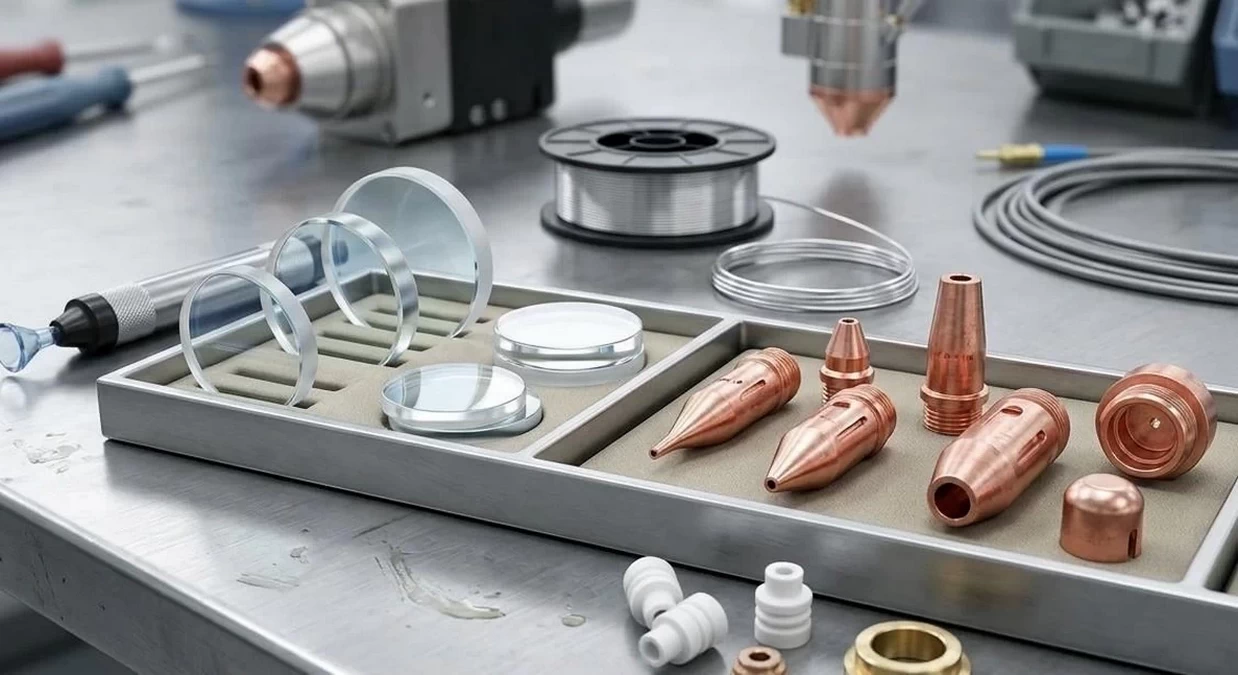
Best Materials for Laser Welding: A Procurement Guide
Quick Answer: The best materials for laser welding include stainless steel, carbon steel, aluminum, and titanium. These metals offer excellent weld quality due to their thermal conductivity and reflectivity properties. Stainless steel and carbon steel are commonly used for their strength…
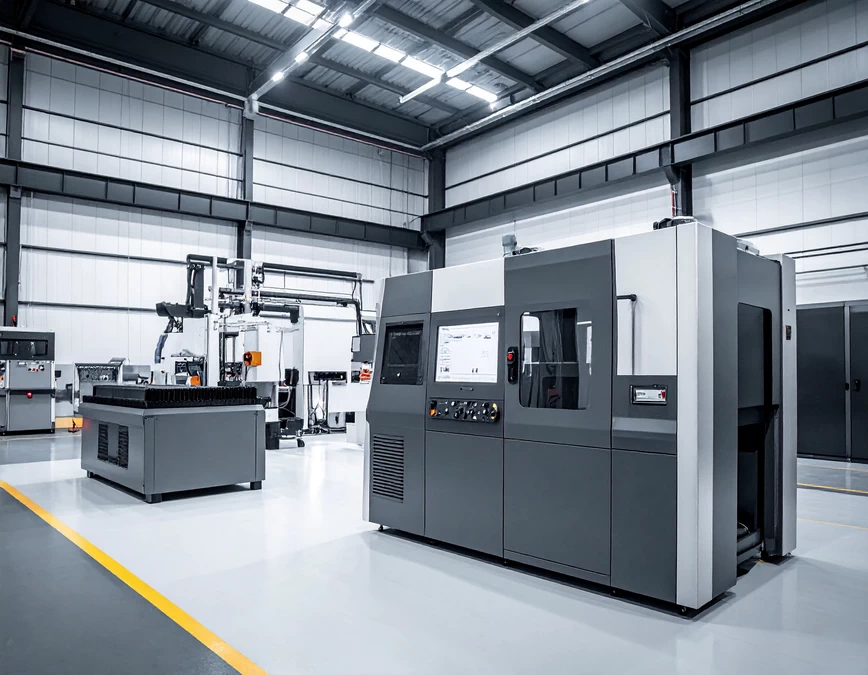
Laser Welding Machine Buying Guide: Costs, ROI, Selection
Quick Answer: A laser welding machine buying guide is essential for understanding costs, ROI, and selection criteria. When selecting a machine, consider factors like material compatibility, power requirements, and precision needs. Assess the total cost of ownership, including maintenance and energy…
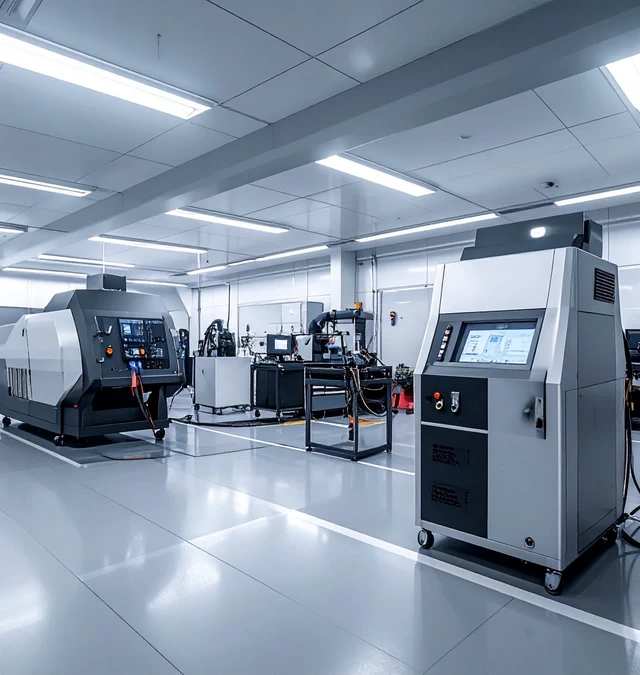
Laser Welding Machine Maintenance Cost: Budget Insights
Quick Answer: The maintenance cost of a laser welding machine typically ranges from 5% to 10% of the machine’s purchase price annually. This includes routine inspections, replacement of consumables like lenses and nozzles, and software updates. Regular maintenance ensures optimal performance…
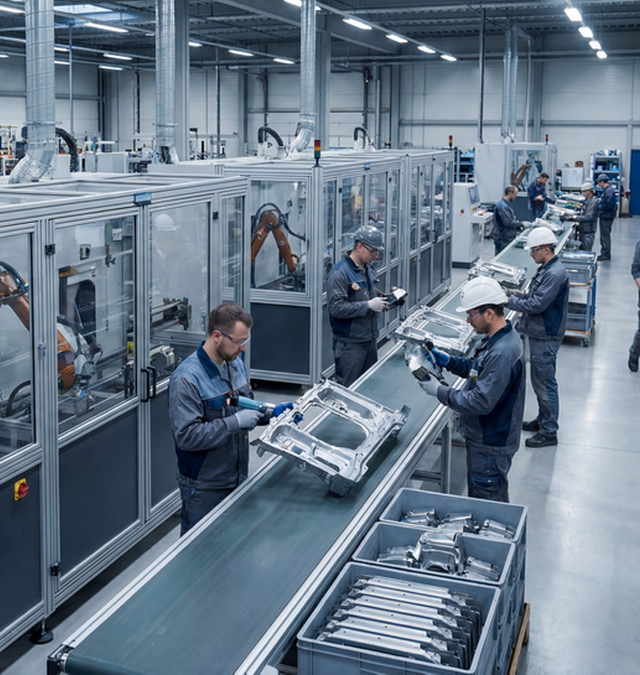
Laser Welding Machine Operating Costs: Energy & ROI Guide
Quick Answer: The operating cost of a laser welding machine primarily involves energy consumption and maintenance expenses. Typically, energy costs range from $0.10 to $0.20 per kWh, depending on the laser type and power settings. Maintenance, including regular servicing and part…
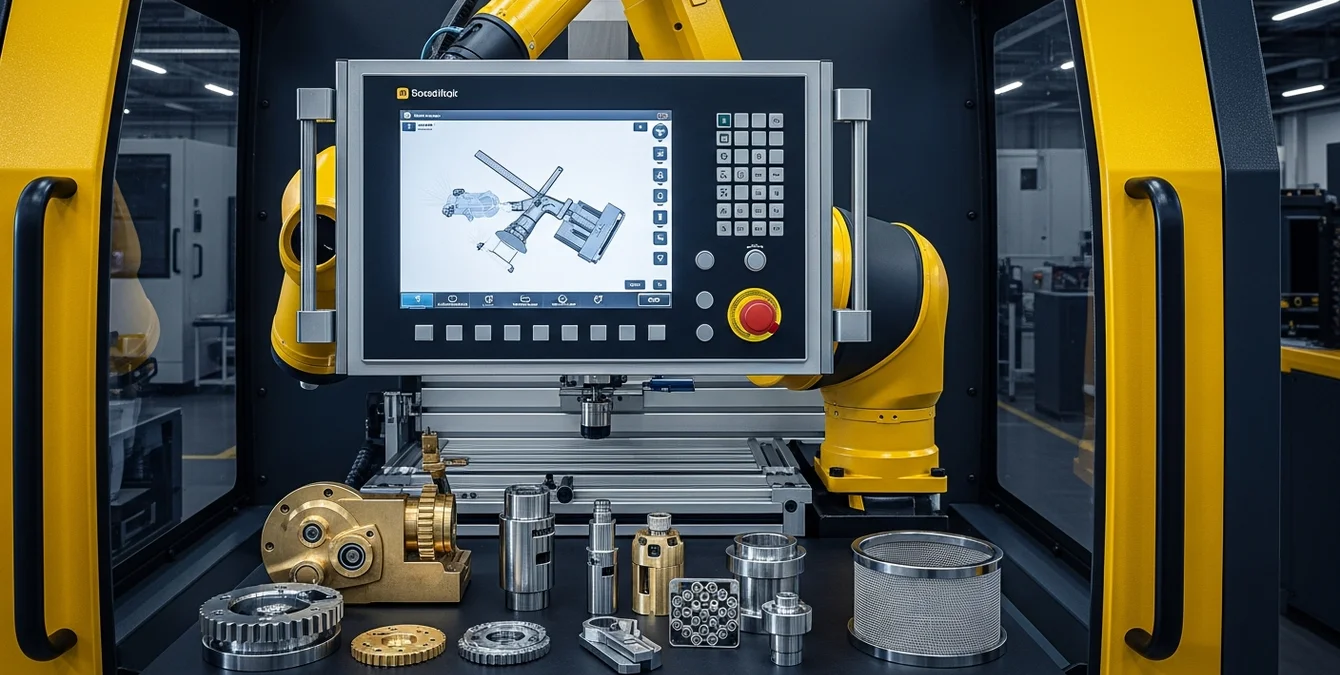
Top Criteria for Choosing a Laser Welding Machine Supplier
Quick Answer: When selecting a laser welding machine supplier, prioritize those with a proven track record in delivering high-quality, reliable equipment. Evaluate their technical support and after-sales service capabilities, as these are crucial for minimizing downtime. Consider suppliers who offer customization…
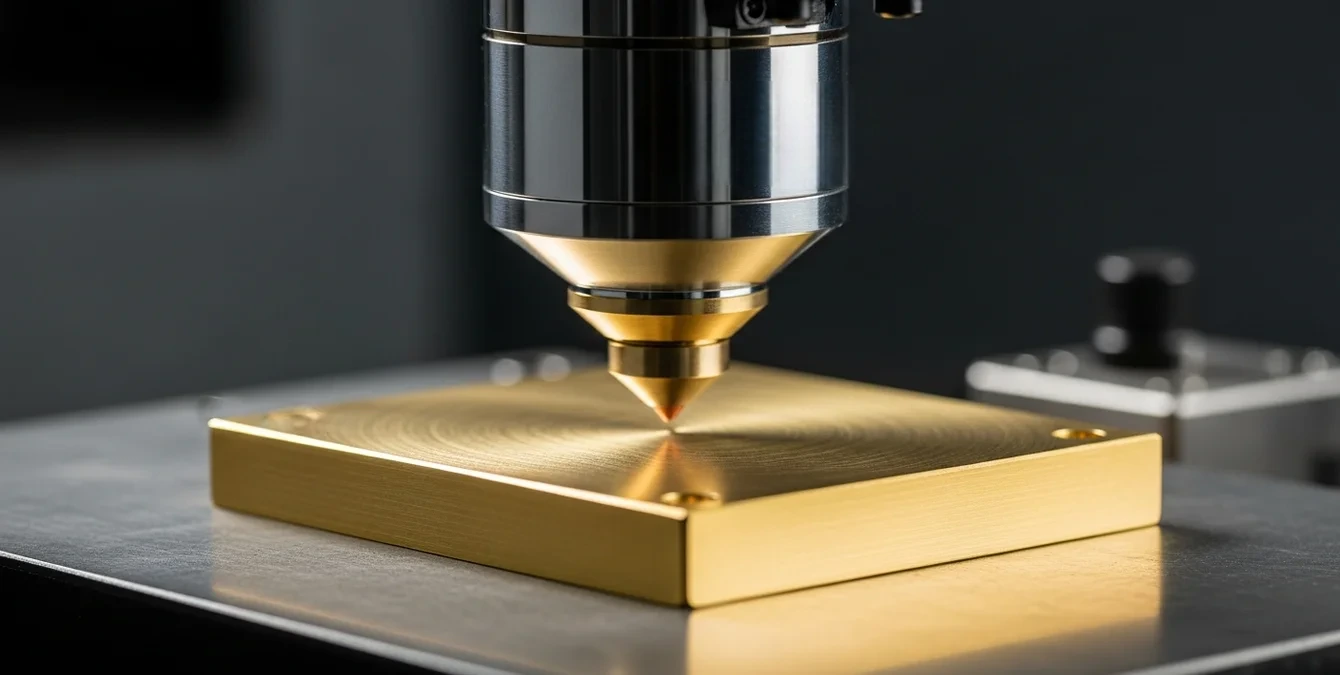
Laser Welding Brass: Solve Zinc Issues & Boost Efficiency
Quick Answer: Laser welding brass effectively addresses zinc vaporization challenges by employing pulsed laser systems that minimize heat input and reduce porosity. This technique enhances joint quality and efficiency, as the precision of laser welding allows for controlled energy delivery, mitigating…
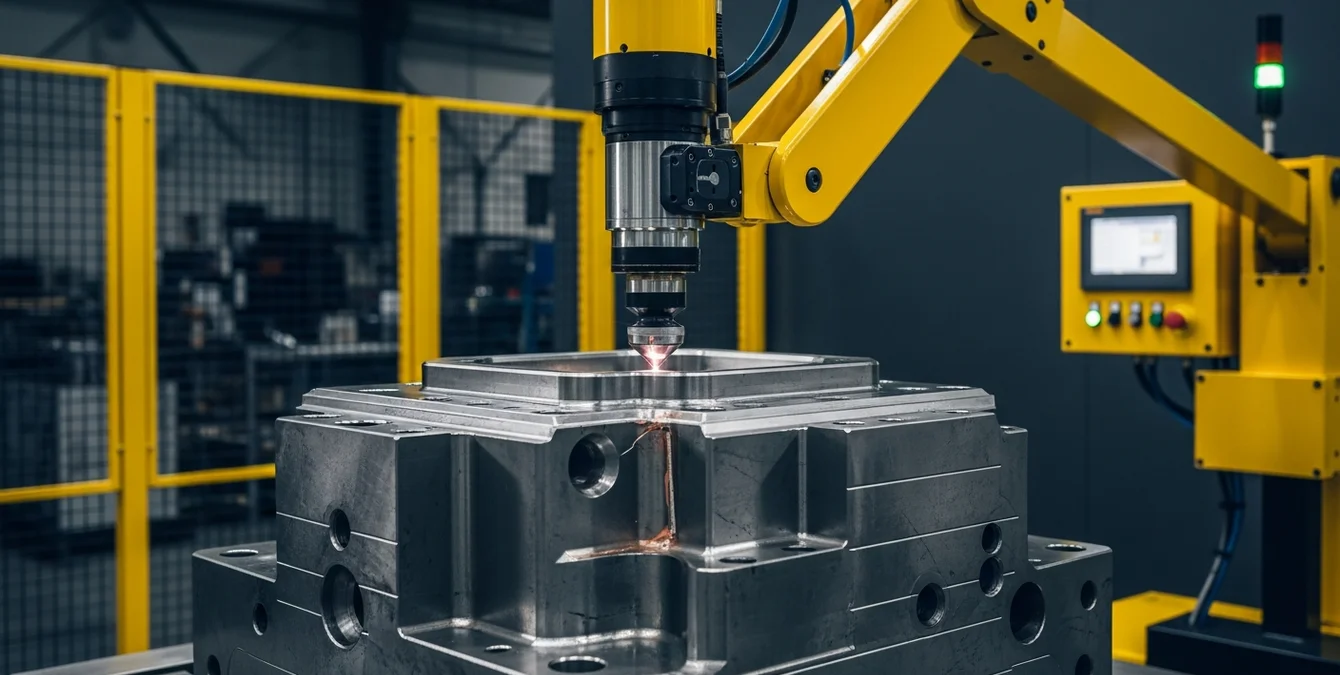
Mold Repair Laser Welding: Precision Techniques Explained
Quick Answer: Mold repair laser welding is a precision technique used to restore damaged molds by utilizing concentrated laser beams to melt and fuse metals. This method offers superior accuracy, minimal thermal distortion, and a high-quality finish, making it ideal for…
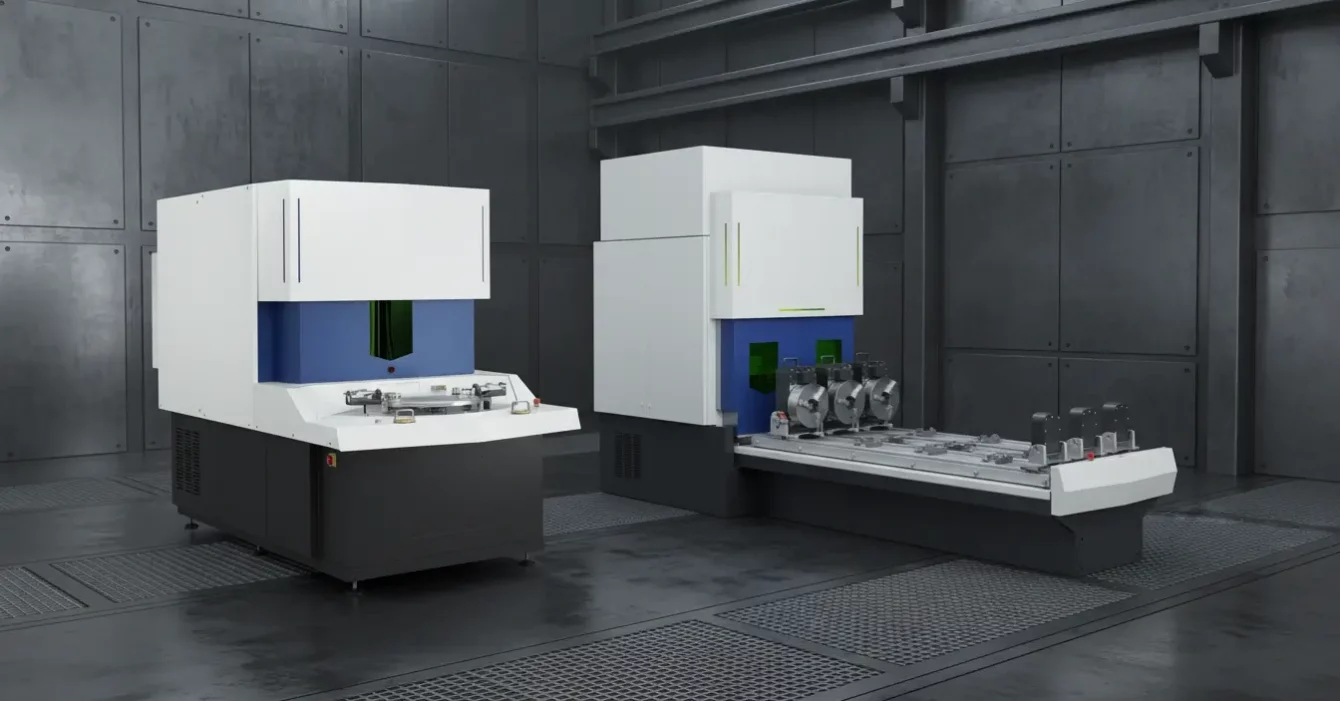
Custom Laser Welding Machines: Tailored for Your Needs
Quick Answer: Laser welding machine customization allows factory owners and CTOs to tailor systems to specific industrial needs, enhancing efficiency and precision. Custom options may include specialized beam configurations, automation integration, and tailored software solutions. By adapting machines to unique production…
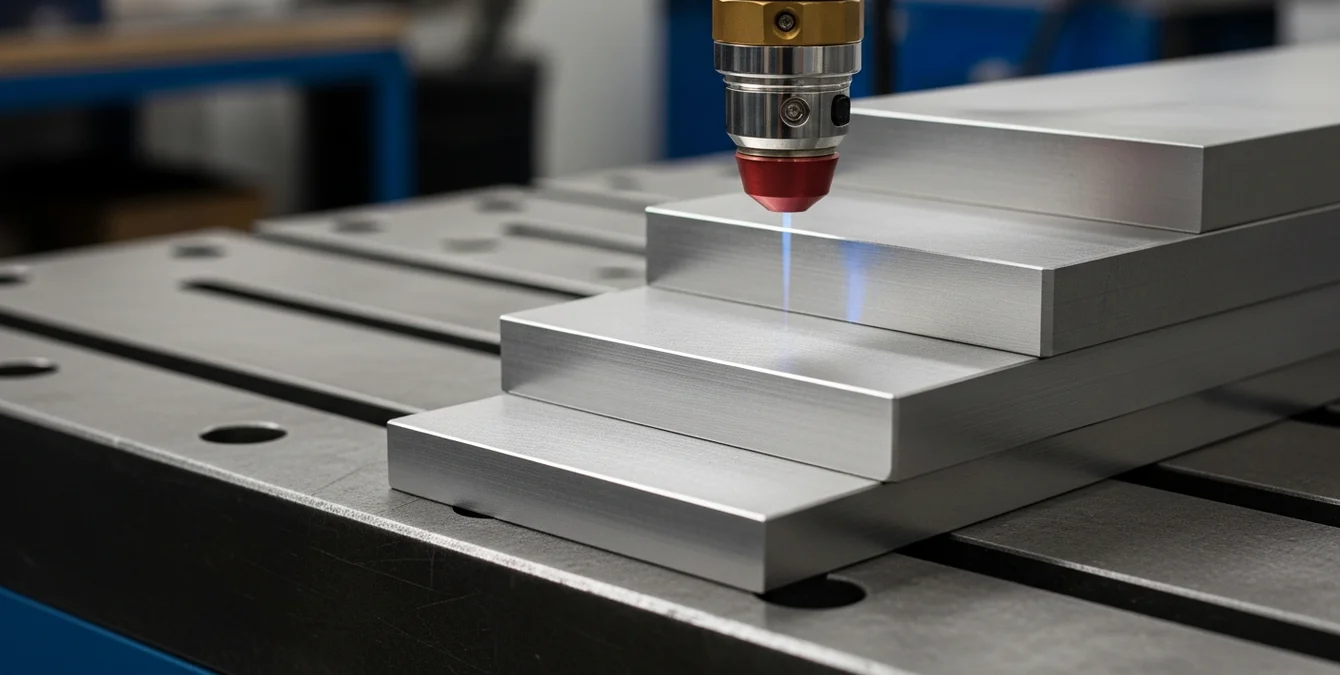
Laser Welding Material Thickness: Key Impact on Parameters
Quick Answer: Laser welding material thickness significantly impacts welding parameters, including laser power, focal position, and welding speed. Thicker materials generally require higher laser power and slower welding speeds to ensure full penetration and optimal joint quality. Conversely, thinner materials benefit…
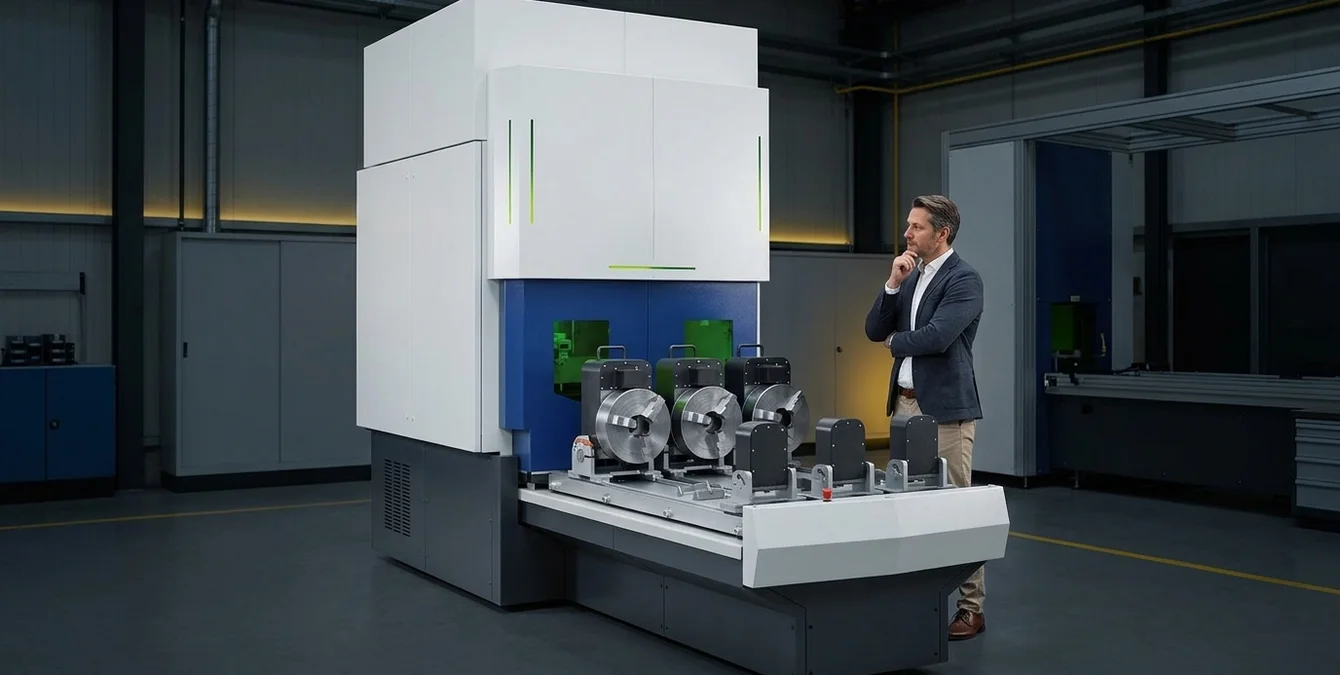
Laser Welding Machine Financing: Lease or Buy Guide
Quick Answer: Laser welding machine financing offers factory owners and CTOs flexible options to lease or buy, depending on budget and operational needs. Leasing allows for lower upfront costs and access to the latest technology, while buying provides long-term savings and…
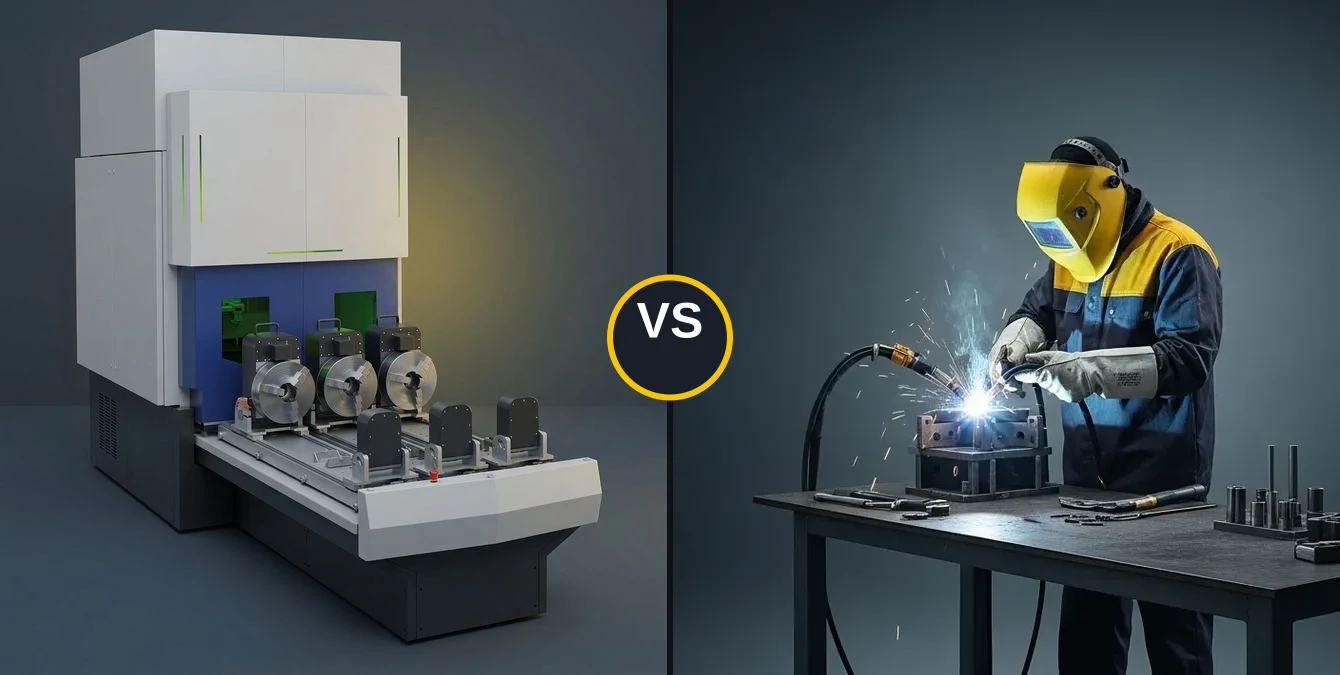
Automated vs Manual Welding: Boosting Productivity Insight
Quick Answer: Automated vs manual welding presents a critical decision for production managers aiming to boost productivity. Automated welding offers enhanced precision, consistency, and speed, reducing human error and labor costs. It’s ideal for high-volume production and complex, repetitive tasks. Conversely,…
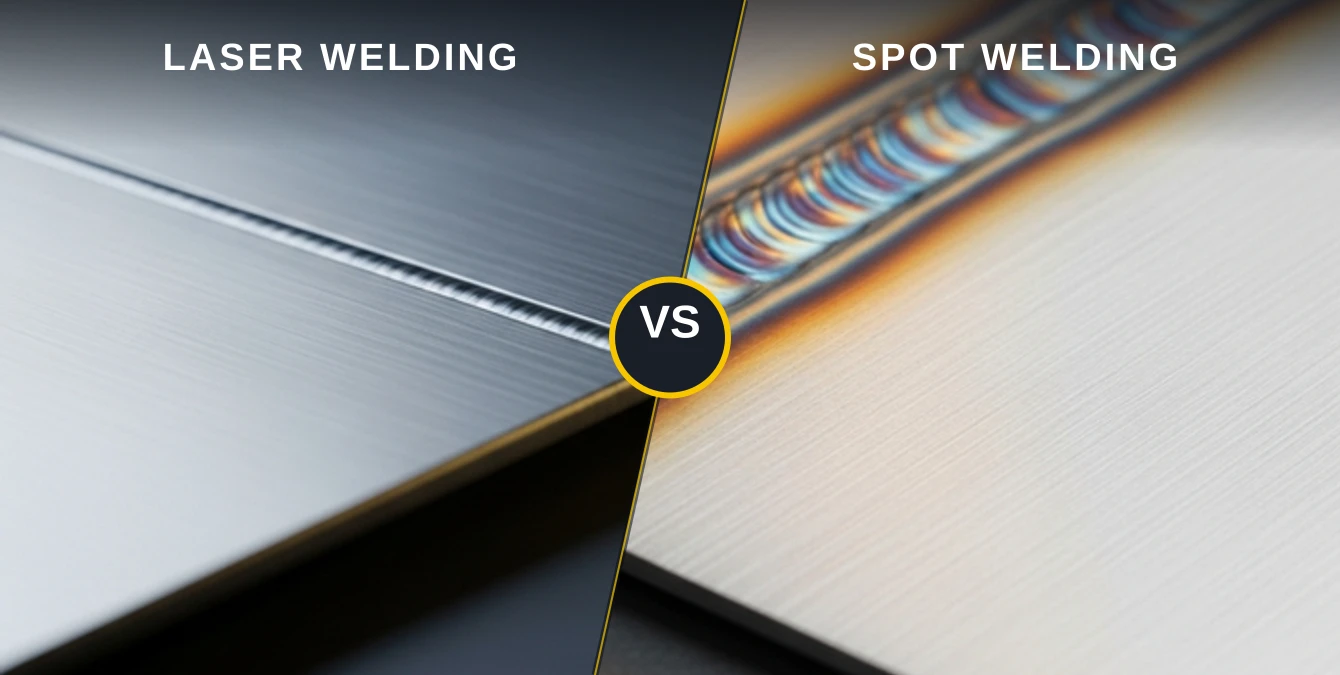
Laser Welding vs Spot Welding: Best for Sheet Metal?
Quick Answer: Laser welding vs spot welding for sheet metal primarily hinges on precision, speed, and material thickness. Laser welding offers high precision and minimal distortion, ideal for thin metals and complex geometries. It provides clean, strong welds with minimal heat-affected…
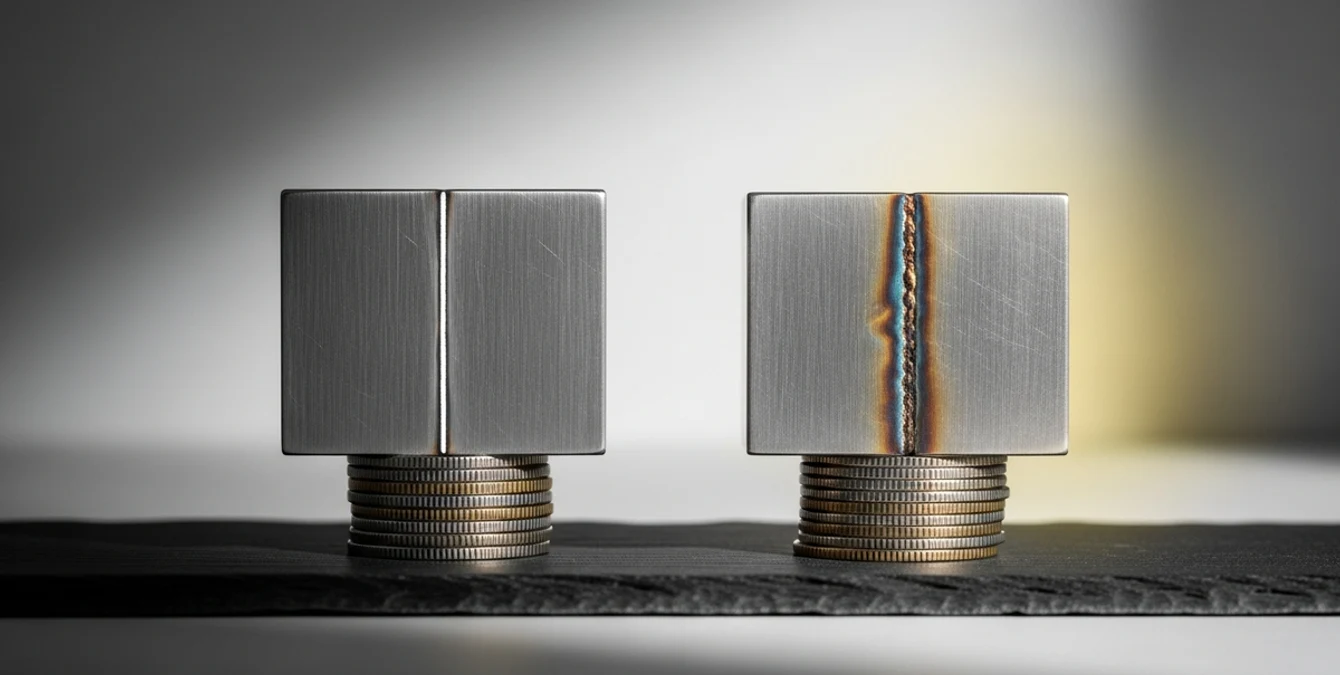
Laser vs Traditional Welding Cost: Investment Analysis
Quick Answer: Laser welding typically involves higher initial costs compared to traditional welding due to advanced technology and equipment. However, it often results in lower long-term expenses by increasing production speed, reducing material waste, and minimizing labor costs. Traditional welding may…

Laser Welding ROI: Maximize Investment Payback Period
Quick Answer: Laser welding ROI can be maximized by reducing production downtime and increasing precision, leading to fewer defects and lower material waste. By investing in advanced laser systems, factory owners can enhance productivity and cut operational costs. The initial investment…
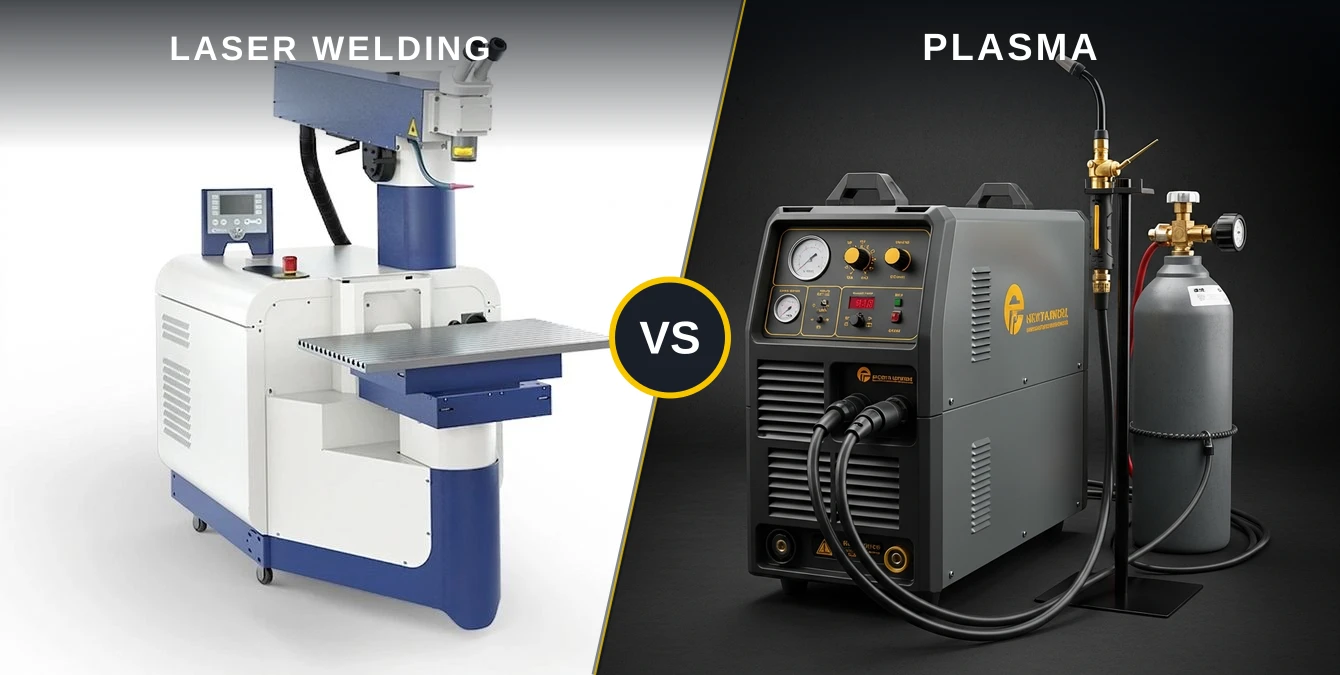
Laser Welding vs Plasma: Precision & Versatility Compared
Quick Answer: Laser welding vs plasma welding highlights distinct advantages in precision and versatility. Laser welding offers superior precision, minimal distortion, and high-speed processing, making it ideal for intricate and delicate tasks. It excels in applications requiring tight tolerances and clean…