
- Key Takeaways
- What are the Challenges of Laser Welding Brass?
- Zinc Vaporization and Its Effects
- Cracking Issues in Brass Welding
- How Can Zinc Management Improve Brass Welding Efficiency?
- Techniques for Controlling Zinc Vaporization
- Improving Welding Efficiency with Zinc Management
- Which Types of Lasers are Best for Welding Brass?
- Fiber Lasers vs. CO2 Lasers
- Advantages of Fiber Laser Welding for Brass
- Case Studies: Laser Welding Brass in Various Industries
- Automotive Industry Applications
- Electronics Industry Success Stories
- Why is Fiber Laser Welding Preferred for Brass?
- Efficiency and Precision of Fiber Lasers
- Handling Zinc Challenges with Fiber Lasers
- Frequently Asked Questions
- What are the challenges of laser welding brass?
- What types of lasers are best for welding brass?
- How can laser welding parameters be optimized for brass?
- What are the benefits of using laser welding for brass applications?
- Can laser welding be automated for brass materials?
- What safety precautions should be taken when laser welding brass?
- Related Articles
- Sources
Key Takeaways
Laser welding of brass presents unique challenges and opportunities in the field of non-ferrous metal joining. Understanding the specific techniques and advantages of laser welding can enhance the quality and efficiency of brass welding projects.
- Optimize laser parameters such as power, speed, and focus to effectively manage brass’s high reflectivity and thermal conductivity.
- Utilize pulsed laser systems to minimize heat-affected zones and reduce porosity in the weld seam.
- Consider using fiber lasers for improved absorption and efficient energy transfer in brass materials.
- Implement shielding gases like nitrogen or argon to prevent oxidation and ensure a clean weld environment.
- Take advantage of laser welding’s precision to achieve minimal distortion and superior aesthetic quality in brass components.
- Leverage the high-speed capability of laser welding to increase production rates and reduce overall manufacturing costs.
- Address safety concerns by ensuring proper ventilation and protective equipment due to potential fume emissions during the process.
By mastering these techniques and understanding the benefits, welding engineers can significantly improve their brass welding operations. Dive deeper into the article to explore detailed methodologies and case studies that illustrate successful laser welding applications in brass.
What are the Challenges of Laser Welding Brass?
In the realm of advanced manufacturing, laser welding brass presents unique challenges that require precise handling and specialized equipment. Brass, a copper-zinc alloy, is frequently used in applications demanding high electrical and thermal conductivity. However, the welding process is complicated by factors such as zinc vaporization and cracking issues, which can compromise joint integrity and overall performance.
Zinc Vaporization and Its Effects
Zinc vaporization is a primary challenge in laser welding brass. During the welding process, the high-energy laser beam vaporizes zinc, which has a lower boiling point than copper. This vaporization creates a high-pressure environment within the weld pool, leading to instability and potential defects.
- Porosity: The rapid expansion of zinc vapor can cause porosity in the weld, leading to weak spots and reduced mechanical strength. Typical porosity levels in laser-welded brass can range from 1% to 5% by volume, depending on the welding parameters and alloy composition.
- Spatter: As zinc vaporizes, it can also cause spatter, resulting in surface imperfections and requiring additional post-processing. Spatter can increase surface roughness to Ra values of 10-20 µm, necessitating further machining or polishing.
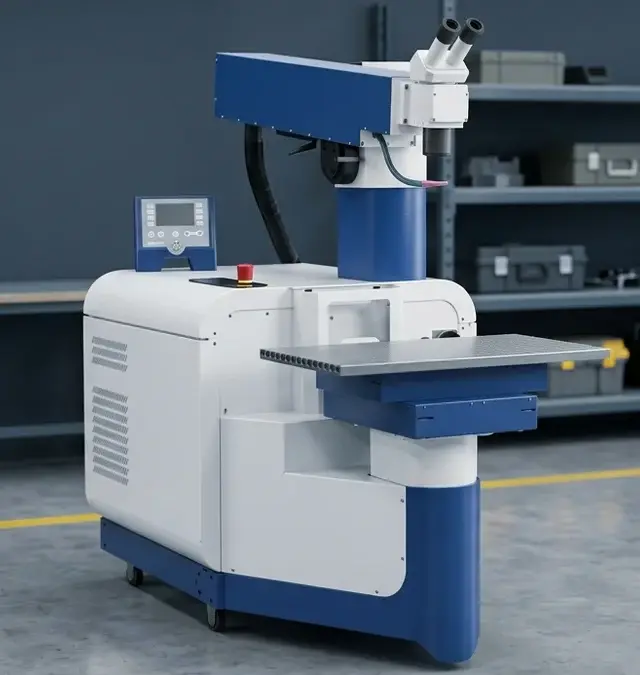
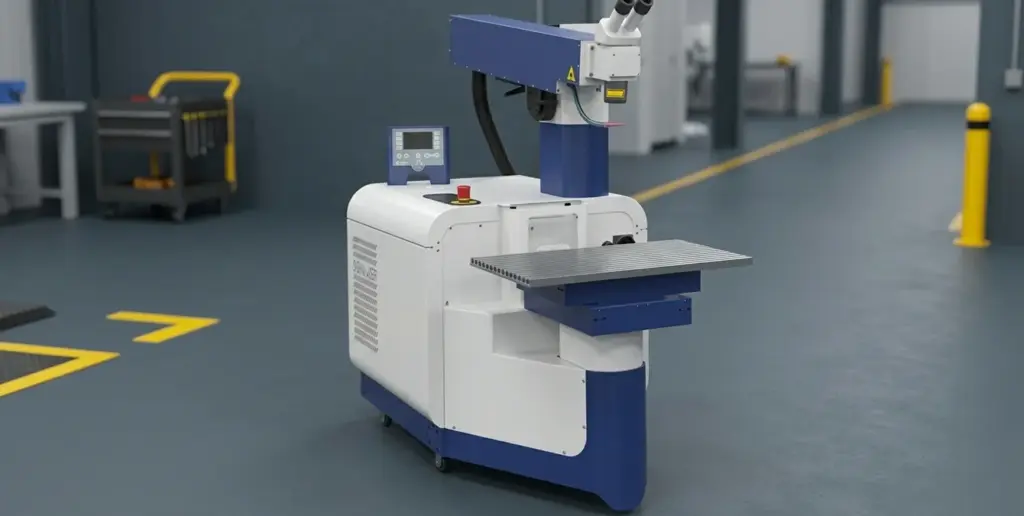
To combat these issues, Sigma Laser’s advanced fiber laser welding systems, like the Sidanus Fibre, leverage precise control over laser parameters, allowing for optimized heat input and reduced vaporization risks. This ensures higher quality welds and enhanced brass welding efficiency, even in challenging industrial environments. Typical laser parameters for brass welding include power levels ranging from 100 W to 1 kW, with a wavelength of 1070 nm and a beam quality M² of less than 1.2, ensuring minimal heat-affected zones (HAZ) typically less than 0.5 mm.
Cracking Issues in Brass Welding
Cracking is another significant challenge faced during the laser welding of brass. The thermal expansion and contraction associated with the welding process can induce residual stresses, leading to cracking.
- Thermal Expansion: The differential thermal expansion between copper and zinc can cause stress concentrations, enhancing the risk of cracking. The coefficient of thermal expansion for brass is typically around 19-21 µm/m°C, which needs to be managed carefully.
- Alloy Composition: Variations in the alloy composition can also influence the propensity for cracking, necessitating careful selection of welding parameters. For instance, alloys with higher zinc content may require slower welding speeds, typically 0.5 to 2 m/min, to reduce thermal gradients.
To mitigate cracking, Sigma Laser employs technologies such as Super Pulse Technology (SPT), which provides fine control over pulse duration and energy. This allows for precise thermal management and minimizes the risk of cracking. Our Sidanus Fibre laser welding machine for brass is engineered to handle such complexities, offering robust solutions tailored to the specific needs of manufacturing engineers. Compliance with standards such as ISO 15614-11:2002 ensures that welding procedures are qualified to deliver consistent quality.
By understanding and addressing these challenges, manufacturers can achieve superior joining results in brass components, enhancing both performance and reliability in demanding industrial applications.
How Can Zinc Management Improve Brass Welding Efficiency?
In the realm of industrial laser welding, particularly with materials such as brass, managing the zinc content is crucial for optimizing welding efficiency. Brass, an alloy primarily composed of copper and zinc, presents unique challenges during the laser welding process due to zinc’s relatively low boiling point of approximately 907°C. This can lead to vaporization, affecting weld quality and efficiency. At Sigma Laser, we understand the intricacies of laser welding brass and offer state-of-the-art solutions like the Sidanus Fibre to enhance your welding outcomes.
Techniques for Controlling Zinc Vaporization
Controlling zinc vaporization is vital for maintaining the integrity of brass welds. Here are some effective techniques:
- Optimized Laser Parameters: Adjusting laser parameters such as power, speed (typically 1 to 5 m/min), and focus can minimize zinc evaporation. Fiber laser welding systems, like those provided by Sigma Laser, enable precise control over these parameters with beam quality, ensuring high precision and deep penetration.
- Use of Protective Atmospheres: Implementing inert gas environments, such as argon or nitrogen, can reduce the risk of oxidation and zinc loss during the welding process. The use of argon is preferred due to its inert nature and ability to maintain a stable arc, as per ISO 15614-11:2002 standards.
- Pre-heating Techniques: Pre-heating the brass workpiece to temperatures around 150°C can help reduce thermal gradients, thus controlling zinc vaporization effectively. This technique helps in minimizing the heat-affected zone (HAZ) and reduces the risk of cracking.
Improving Welding Efficiency with Zinc Management
Enhancing brass welding efficiency involves not only controlling zinc vaporization but also optimizing the entire welding process. By leveraging advanced laser welding machines for brass, such as those equipped with Sigma Laser’s Super Pulse Technology (SPT), manufacturers can achieve higher precision and consistency. Here are some strategies to increase efficiency:
- This ensures that the weld penetration depth remains within the desired range, typically up to 3mm for thin brass sheets.
- Integration with Automation: Incorporating automated systems, such as the Simass Rotate and Simass Slide, ensures consistent weld quality, reduces human error, and enhances productivity. Automation also facilitates adherence to tight tolerances, with repeatability often within ±0.1mm.
- Regular Maintenance and Calibration: Ensuring that laser welding equipment is regularly maintained and calibrated in compliance with standards like ISO 9001 and DIN EN ISO 4063 can greatly improve operational efficiency. Regular calibration helps maintain the beam focus and alignment, critical for achieving consistent weld quality.
By implementing these strategies, welding engineers can significantly improve brass welding efficiency, reducing defects and increasing the lifespan of welded components. At Sigma Laser, we are committed to providing cutting-edge laser welding solutions tailored to meet the rigorous demands of European industrial markets.
Which Types of Lasers are Best for Welding Brass?
Welding brass, a copper and zinc alloy known for its excellent machinability and thermal conductivity, requires precision and the right technology. At Sigma Laser, our precision laser welding systems, engineered in Germany, offer advanced solutions to meet the specific demands of brass welding. Two prominent laser types used in this process are fiber lasers and CO2 lasers. In this article, we will compare these two technologies, focusing on their suitability for laser welding brass.
Fiber Lasers vs. CO2 Lasers
Fiber lasers and CO2 lasers both have distinct characteristics that make them suitable for different industrial applications, including brass welding. Understanding these differences is crucial for welding engineers seeking effective solutions.
- Fiber Lasers: Fiber lasers, such as those in Sigma Laser’s Siega Fibre and Sidanus Fibre series, utilize optical fibers doped with rare-earth elements. They deliver high power and precision, making them ideal for intricate brass welding tasks. Fiber laser welding offers superior energy efficiency and requires minimal maintenance, which is beneficial for high-volume production environments. Typically, fiber lasers operate at wavelengths around 1070 nm, with power outputs ranging from 500 watts to several kilowatts, and beam quality M² values generally below 1.5, ensuring high precision.
- CO2 Lasers: CO2 lasers, while historically popular, operate by electrically stimulating a gas mixture to produce a laser beam. These lasers are effective for non-metal materials but may struggle with the reflectivity and thermal properties of brass. However, they can still be employed for thicker brass sections where high power is required, albeit with less efficiency compared to fiber lasers. CO2 lasers typically emit at a wavelength of 10.6 µm and can achieve power levels up to 20 kW, though their beam quality is generally lower, with M² values around 2 to 3.
Advantages of Fiber Laser Welding for Brass
Fiber laser welding provides numerous advantages when working with brass, particularly in industrial settings where precision and efficiency are paramount.
- Precision and Control: The high beam quality of fiber lasers allows for precise control, essential for creating clean welds on brass components. This precision is crucial in industries such as electronics and automotive, where component integrity is critical. Typical tolerances for fiber laser welding can be within ±0.1 mm, ensuring repeatability and consistency in production.
- Brass Welding Efficiency: Fiber lasers’ ability to deliver high energy density results in faster welding speeds and reduced heat input, minimizing the risk of thermal distortion in brass workpieces. Welding speeds can typically range from 1 to 10 meters per minute, depending on the thickness and configuration of the brass components.
- Reduced Maintenance: With fewer moving parts and no need for gas mixtures, fiber laser welding machines require significantly less maintenance, reducing downtime and operational costs in manufacturing settings. The absence of optical components like mirrors and lenses in the beam path enhances system reliability.
- Compatibility with Automation: The integration of fiber lasers with advanced automation technologies, such as Sigma Laser’s Swivel Optics and Z-Axis Module, enhances production capabilities, allowing for seamless operation in automated welding cells. This compatibility is critical for applications adhering to standards such as ISO 15614-11:2002, which governs the qualification of welding procedures for metallic materials.
In conclusion, while both fiber and CO2 lasers have their place in industrial applications, fiber lasers are particularly advantageous for laser welding brass. Their precision, speed, and low maintenance make them the preferred choice for manufacturers seeking high-quality, efficient welding solutions. For more information on our laser welding systems, including the Sidanus Fibre and Sineo Fibre, contact Sigma Laser today.
Case Studies: Laser Welding Brass in Various Industries
Laser welding brass, known for its precision and minimal heat distortion, is a vital process in many industries where metallurgical integrity and aesthetic quality are essential. The following case studies highlight how industries utilize Sigma Laser’s advanced laser welding solutions to meet demanding production requirements while maintaining efficiency and quality.
Automotive Industry Applications
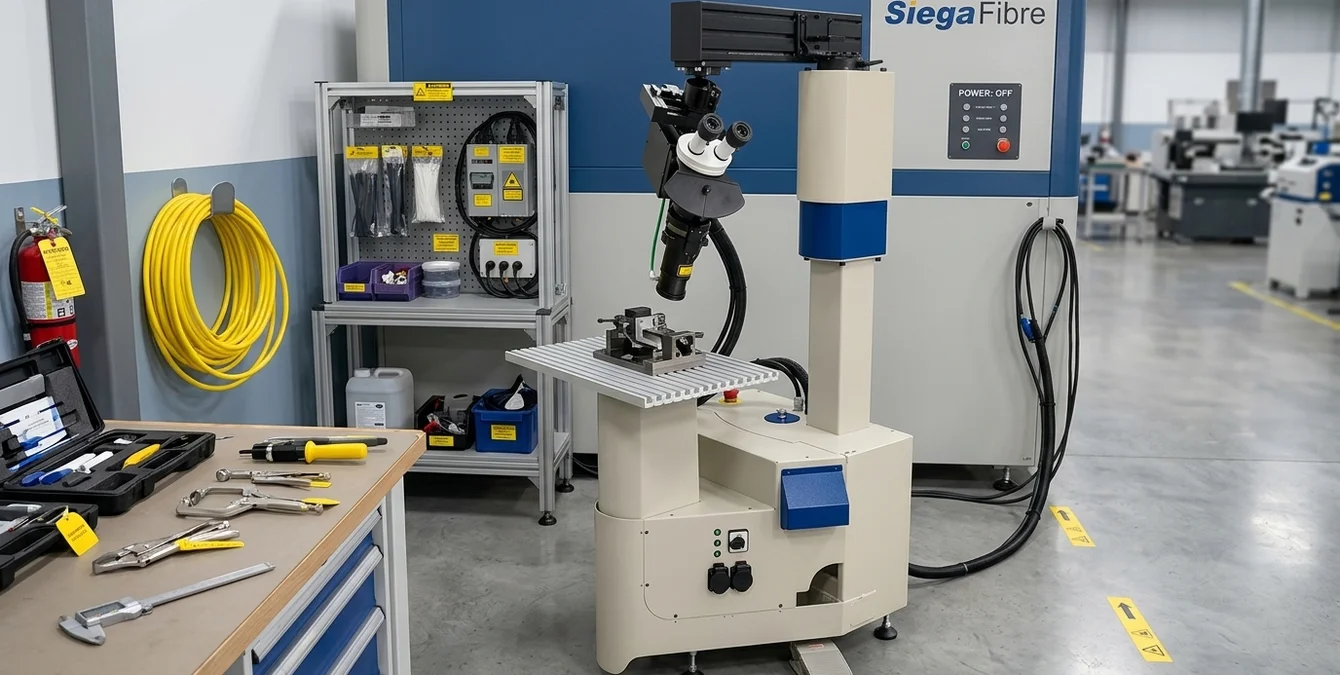
In the automotive sector, the need for robust and conductive components is critical. A leading European car manufacturer encountered challenges with traditional welding methods that caused thermal distortion and component misalignment when joining brass connectors. By integrating Sigma Laser’s Siega Fibre system, they achieved superior joint quality while reducing cycle times by 30%.
- Outcome: Enhanced brass welding efficiency, resulting in a 15% reduction in material wastage and improved electrical conductivity of the components.
- Challenges: Initial resistance from operators accustomed to conventional welding techniques, and the need for precise control over welding parameters.
- Solutions Implemented: Operator training programs on the nuances of fiber laser welding and installation of Super Pulse Technology (SPT) to effectively manage heat input.
- Technical Specifications: The Siega Fibre system operates at a wavelength of 1070 nm, with power outputs typically ranging from 3 kW to 4.5 kW, ensuring optimal penetration depth and minimal heat-affected zone (HAZ).
- Process Parameters: Welding speeds were optimized between 1.5 to 3.5 m/min, with penetration depths controlled to within ±0.1 mm, ensuring repeatability and precision in line with ISO 15614-11:2002 standards.
Electronics Industry Success Stories
The electronics industry demands precision in joining small, delicate components. A European electronics giant faced recurring issues with brass connector assemblies, where high heat from traditional welding methods led to component failure. By adopting Sigma Laser’s Sidanus Fibre machine for brass, they successfully minimized thermal impact.
- Outcome: Achieved consistent, high-quality welds with a reduction in defect rates by 40%, ensuring longer component lifespan.
- Challenges: Managing the reflectivity of brass, which often leads to energy loss in laser welding applications.
- Solutions Implemented: Utilization of Swivel Optics with Telescopic Lens to accurately focus the laser beam and control reflectivity issues.
- Technical Specifications: The Sidanus Fibre system utilizes beam quality, providing a focused spot size that enhances precision and reduces thermal distortion.
- Process Parameters: Welding operations were conducted with a focal length of 150 mm, maintaining a tolerance of ±0.05 mm in joint alignment, crucial for high-density electronic assemblies.
These case studies illustrate Sigma Laser’s commitment to advancing laser welding technology and enhancing industrial manufacturing processes. By fostering innovation and addressing specific industrial challenges, Sigma Laser continues to set benchmarks in laser welding brass applications.
Why is Fiber Laser Welding Preferred for Brass?
In the realm of industrial manufacturing, laser welding brass has become a focal area of interest, especially with the rise of fiber laser technology. This method is praised for its unmatched efficiency and precision, which are crucial for industries needing intricate brass components, such as electrical connectors, plumbing fixtures, and musical instrument parts. Sigma Laser’s advanced systems, including the Siega Fibre and Sidanus Fibre, showcase the capabilities of fiber lasers in challenging brass welding applications.
Efficiency and Precision of Fiber Lasers
Fiber laser welding excels in brass applications due to its high efficiency and precision. The technology enables focused heat input, minimizing thermal distortion and ensuring high-quality welds. This is particularly advantageous in producing components where dimensional accuracy is vital. The Super Pulse Technology (SPT) integrated within Sigma Laser’s machines like the Simass Base Unit enhances control over weld penetration and bead quality, leading to superior brass welding efficiency.
Typically, fiber lasers used in brass welding operate within power ranges of 500W to 3kW, with beam quality M² values often below 1.2, ensuring a high degree of focusability. Wavelengths around 1070 nm are common, providing optimal absorption for brass materials. Welding speeds can range from 1 to 10 meters per minute, depending on the thickness and specific requirements of the brass component. The heat-affected zone (HAZ) is minimized, typically less than 0.5 mm, allowing for superior mechanical properties and reducing post-weld processing.
Handling Zinc Challenges with Fiber Lasers
Brass, being an alloy primarily composed of copper and zinc, presents specific challenges due to zinc’s low boiling point, which can result in issues such as porosity and spatter during welding. Fiber lasers, with their adaptable wavelength and energy density, effectively address these issues. The use of Swivel Optics with Telescopic Lens in our systems allows for precise energy delivery, reducing the risk of zinc evaporation and ensuring a consistent weld seam. This capability distinguishes fiber laser welding from traditional methods, making it the preferred choice for industries adhering to standards like DIN EN ISO 4063.
Moreover, the precise control over laser parameters allows for maintaining tight tolerances, typically within ±0.1 mm, ensuring repeatability and consistency in mass production environments.
Frequently Asked Questions
What are the challenges of laser welding brass?
Laser welding brass poses challenges due to its high reflectivity and thermal conductivity. The high reflectivity can lead to inefficient energy absorption, while the thermal conductivity can cause rapid heat dissipation, leading to incomplete fusion or distortion. Proper laser parameter settings and the use of appropriate laser types can mitigate these issues.
What types of lasers are best for welding brass?
Fiber lasers and Nd:YAG lasers are typically best for welding brass due to their ability to deliver high peak power and precise control. These lasers can effectively overcome the reflectivity and thermal conductivity challenges associated with brass, ensuring better weld quality.
How can laser welding parameters be optimized for brass?
Optimization involves adjusting power levels, pulse duration, and focus position. Lower power settings with shorter pulse durations can reduce heat input and minimize reflection issues. Additionally, using a beam with a smaller spot size can enhance energy absorption and improve weld penetration.
What are the benefits of using laser welding for brass applications?
Laser welding offers precision, minimal thermal distortion, and high-speed processing, making it ideal for brass applications. It allows for clean and strong welds, even in complex geometries, which is beneficial in industries like electronics and plumbing where brass is commonly used.
Can laser welding be automated for brass materials?
Automation of laser welding for brass is feasible and often implemented to enhance consistency and efficiency. Advanced CNC systems and robotics can be integrated to handle complex welding paths and repeatable tasks, ensuring high-quality production in industrial settings.
What safety precautions should be taken when laser welding brass?
Operators should use appropriate personal protective equipment (PPE) such as laser safety goggles, gloves, and protective clothing. Proper ventilation is also crucial to avoid inhalation of fumes. Additionally, ensuring the laser system is equipped with safety interlocks and emergency stops is essential for safe operation.
Sources
- ISO 15614-11:2002 — Specification and qualification of welding procedures for metallic materials – Part 11: Electron and laser beam welding.
- DIN EN ISO 4063:2011 — Welding and allied processes – Nomenclature of processes and reference numbers.
- Journal of Laser Applications — Publishes peer-reviewed papers on the latest developments in laser technology and applications.
- Welding Journal — A publication by the American Welding Society covering advancements in welding technology.
- Optics and Lasers in Engineering — Journal focusing on research and developments in laser engineering and applications.