

- Key Takeaways
- What is Laser Welding ROI and Why is it Important?
- Defining Laser Welding ROI
- Importance for Industrial Buyers
- How to Calculate the ROI of Laser Welding?
- Key Metrics for ROI Calculation
- Step-by-Step ROI Calculation Guide
- What are the Key Factors Influencing Laser Welding ROI?
- Initial Investment Costs
- Operational Efficiency and Savings
- Maintenance and Downtime Impact
- How Does Laser Welding Compare to Traditional Welding in Terms of ROI?
- Cost Comparison
- Efficiency and Productivity
- Long-term Benefits
- Case Studies: Real-world Examples of Laser Welding ROI
- Case Study 1: Automotive Industry
- Case Study 2: Aerospace Applications
- Which Industries Benefit Most from Laser Welding ROI?
- Automotive Industry
- Electronics Manufacturing
- Medical Device Production
- Frequently Asked Questions
- What are the key factors influencing laser welding ROI?
- How does laser welding compare to traditional welding in terms of ROI?
- What maintenance costs should be considered for laser welding systems?
- Can laser welding systems be integrated with existing production lines?
- What is the typical payback period for investing in laser welding technology?
- How does laser welding improve production throughput?
- Are there material limitations with laser welding systems?
- Related Articles
- Sources
Key Takeaways
As factory owners and CTOs evaluate the transition to automation, understanding the ROI of laser welding becomes crucial. This article delves into ROI calculation methods and a comprehensive cost-benefit analysis to help decision-makers make informed choices regarding laser welding technology.
- Laser welding offers a significant reduction in labor costs by automating repetitive and precision-demanding tasks, which can be quantified in ROI calculations.
- Incorporating laser welding can lead to increased production speed and throughput, enhancing overall factory efficiency and contributing to a faster ROI.
- Laser welding reduces material waste due to its precision, which can be directly translated into cost savings and improved ROI.
- The lifespan and maintenance costs of laser welding equipment are critical factors in ROI; investing in high-quality systems can minimize long-term expenses.
- Consider the integration costs of laser welding systems with existing production lines, as these can impact the initial ROI calculations.
- Evaluate the potential for reduced defect rates and rework when using laser welding, as improving product quality can substantially boost ROI.
- Factor in the energy efficiency of laser welding systems, which can lower operational costs and positively affect ROI over time.
Understanding these key aspects of laser welding ROI can significantly aid in making a well-informed decision. Dive deeper into each of these elements to see how laser welding can transform your production process and financial outlook.
What is Laser Welding ROI and Why is it Important?
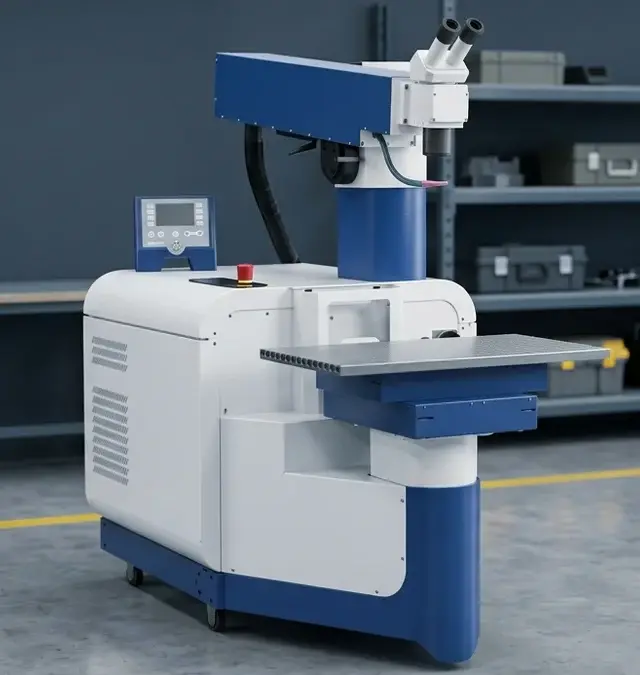
When considering the adoption of advanced technologies like laser welding, understanding the return on investment (ROI) is crucial. For factory owners and CTOs, laser welding ROI reflects the financial efficiency achieved through precision welding solutions. At Sigma Laser, our systems, such as the Sidanus Light and Sirius Light, are engineered to optimize production lines, thereby positively influencing the investment payback period.
Laser welding systems typically operate in the power range of 1 kW to 10 kW, with a beam quality M² value of less than 1.2, ensuring high precision and minimal thermal distortion. The systems are compatible with a variety of materials, including stainless steel, aluminum alloys like 6061 and 7075, and high-strength steels, which are critical for industries such as automotive and aerospace.
Defining Laser Welding ROI
Laser welding ROI involves calculating the net gain from integrating laser welding systems into manufacturing processes compared to the initial investment costs. This calculation includes cost savings in laser welding, such as reduced material waste, decreased labor expenses, and enhanced production speeds. For example, using Sigma Laser’s Super Pulse Technology (SPT) can significantly improve weld precision and reduce cycle times, leading to faster project completion and less downtime.
Typical welding speeds can range from 1 m/min to 10 m/min, with penetration depths of up to 10 mm depending on material and thickness. The precision of laser welding is often within ±0.1 mm, with repeatability of ±0.05 mm, ensuring consistent quality across production batches. These parameters are crucial for maintaining compliance with standards such as ISO 15614-11:2002 and DIN EN ISO 4063:2010.
Importance for Industrial Buyers
Understanding laser welding ROI is essential for industrial buyers, as it directly influences decision-making and long-term investment strategies. For factory owners, selecting the right welding system—be it the Siega Fibre or the Sineo Light—can result in substantial cost reductions and competitive advantages. By assessing ROI, CTOs can justify upfront technology investments and align them with strategic goals, ensuring compliance with standards such as ISO 9001 and DIN EN ISO 3834. Ultimately, a comprehensive ROI analysis empowers buyers to make informed decisions, ensuring that the integration of advanced welding technologies like those from Sigma Laser translates into tangible business benefits.
Operational constraints such as the heat-affected zone (HAZ) must also be considered, typically limited to a few millimeters to preserve material properties.
How to Calculate the ROI of Laser Welding?
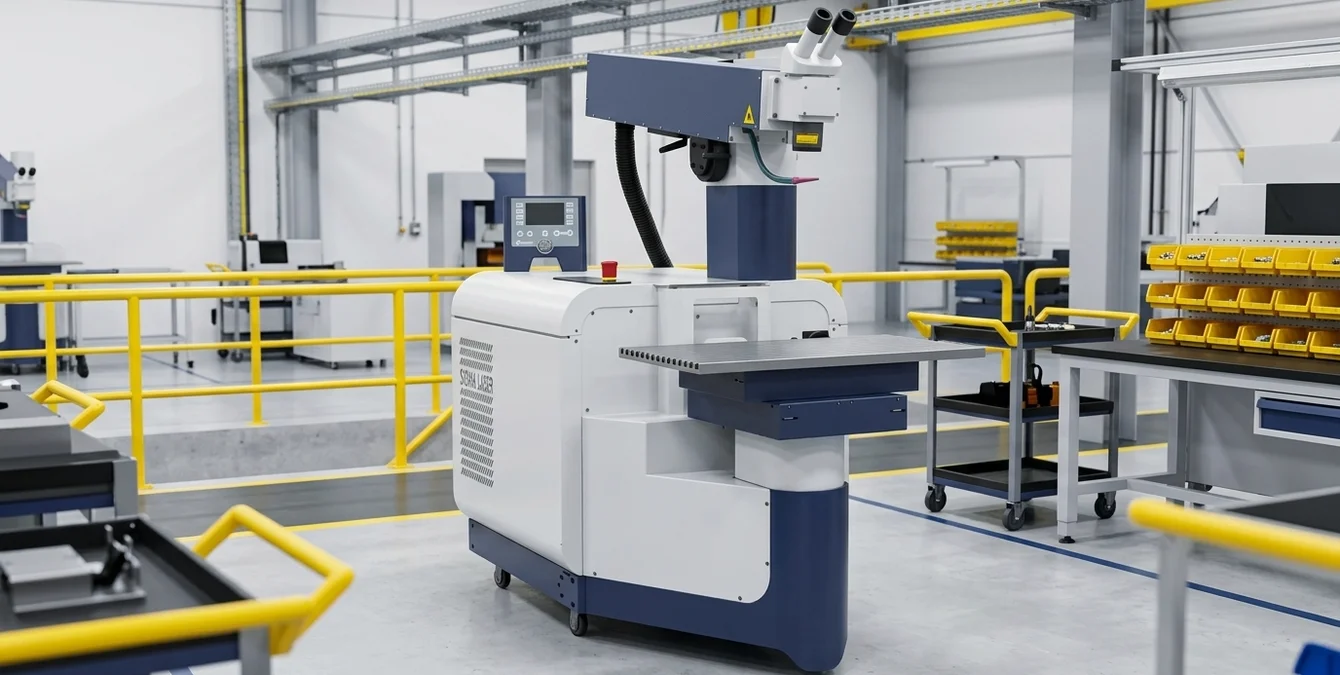
For manufacturing engineers and procurement managers considering the integration of Sigma Laser’s precision laser welding systems, calculating the return on investment (ROI) is crucial. Laser welding ROI provides a clear view of the financial benefits compared to initial and operational costs. This guide offers a systematic approach to ROI calculation, using key metrics and industry-standard formulas.
| Metric | Description | Typical Values / Notes |
|---|---|---|
| Initial Investment Cost | Total expense for acquiring and installing the laser welding system, including equipment. | Systems may range from 1 kW to 6 kW power; beam quality M² typically 1.1–1.5. |
| Operating Costs | Expenses related to electricity, maintenance, and labor over the system’s life. | Fiber lasers consume less power than traditional CO2 lasers. |
| Revenue Generated | Additional income or cost savings from increased efficiency or reduced waste. | Welding speeds often exceed 10 m/min, boosting throughput. |
| Investment Payback Period | Time required for the investment to pay for itself via savings and revenue. | Typical payback: 1–3 years (varies by application and volume). |
All values are general industry figures and not attributed to specific Sigma Laser models.
Key Metrics for ROI Calculation
Determining the ROI of laser welding involves understanding essential metrics. Here are the primary elements to consider:
- Initial Investment Cost: The total expense for acquiring and installing the laser welding system, including equipment like the Sidanus Light or Sineo Fibre. Typical systems may range from 1 kW to 6 kW in power, with beam quality M² values typically around 1.1 to 1.5, supporting high precision applications.
- Operating Costs: Expenses related to electricity, maintenance, and labor that the system incurs throughout its operational life. Fiber lasers, for instance, are known for their energy efficiency, consuming significantly less power compared to traditional CO2 lasers, as per findings in the Journal of Laser Applications.
- Revenue Generated: The additional income or cost savings achieved through increased production efficiency or reduced material waste. Enhanced welding speeds, often exceeding 10 m/min, contribute to higher throughput.
- Investment Payback Period: The time required for the investment to pay for itself through savings and additional revenue. Typical payback periods in industrial settings can range from 1 to 3 years, depending on application complexity and volume.
Step-by-Step ROI Calculation Guide
To calculate the ROI of laser welding systems like the Sirius Light or Sidanus Fibre, follow these steps:
- Step 1: Gather Accurate Data: Ensure all financial data, from initial costs to ongoing operational expenses, is precise. This accuracy is vital for a reliable ROI assessment.
- Step 2: Calculate Total Costs: Sum up the initial investment with estimated annual operating costs. Consider factors like energy consumption and maintenance related to technologies such as Fiber Laser and Nd:YAG Laser. Fiber lasers typically offer lower maintenance costs due to fewer moving parts.
- Step 3: Estimate Cost Savings: Evaluate the cost reduction benefits, such as decreased material waste and labor costs, thanks to automation and consistent quality output. The precision of laser welding, with tolerances often within ±0.1 mm, reduces post-processing needs.
- Step 4: Determine Additional Revenue: Identify increased income from enhanced production rates enabled by advanced features like Super Pulse Technology (SPT) and Swivel Optics. These features allow for deeper penetration depths, typically up to 5 mm in stainless steel, enhancing joint strength.
- Step 5: Use ROI Formula: Apply the formula: ROI (%) = [(Net Profit / Total Costs) x 100]. Net Profit is calculated as total revenue minus total costs. Ensure calculations align with ISO 15614-11:2002 standards for welding procedure qualification.
- Step 6: Assess the Payback Period: Calculate how quickly the investment will be recouped by dividing the initial investment by annual net savings. Considerations should include material compatibility, such as with high-strength steels and aluminum alloys, which can affect welding speed and quality.
By following this guide, factory owners and CTOs can make informed decisions about implementing Sigma Laser’s systems, ensuring a strategic investment in laser welding technologies that align with their operational and financial goals.
What are the Key Factors Influencing Laser Welding ROI?
In the realm of precision manufacturing, laser welding has emerged as a cornerstone technology, offering unparalleled efficiency and accuracy. For manufacturing engineers and CTOs, understanding the key factors influencing laser welding ROI is crucial for strategic decision-making. Sigma Laser’s cutting-edge systems, such as the Sidanus Light and Sirius Light, are designed to deliver optimal performance. However, the return on investment (ROI) depends on several critical factors: initial investment costs, operational efficiency, and maintenance requirements.
Initial Investment Costs
The upfront costs of laser welding systems can be substantial, encompassing the purchase of advanced equipment like the Sineo Fibre and Simass Base Unit. These costs are often offset by the precision and speed of laser welding compared to traditional welding techniques. Evaluating the investment payback period is essential for procurement managers. While the initial investment might appear high, the enhanced productivity and reduced material wastage often justify the expense, contributing positively to the laser welding ROI.
Typically, industrial laser welding systems operate within power ranges of 1 kW to 10 kW, with wavelengths around 1064 nm for fiber lasers, as referenced in DIN EN ISO 4063:2010. The beam quality, often characterized by an M² value of less than 1.5, ensures high precision and minimal heat-affected zones, which are crucial for maintaining tight tolerances of ±0.1 mm in high-precision applications.
Operational Efficiency and Savings
Operational efficiency is a decisive factor in achieving a favorable ROI. Sigma Laser’s systems, equipped with Super Pulse Technology (SPT) and Swivel Optics, ensure high throughput and minimal cycle times. This results in significant cost savings in laser welding by reducing energy consumption and enhancing material utilization. In industries such as automotive and aerospace, where precision and speed are paramount, the deployment of systems like the Sidanus Fibre can lead to substantial operational savings, thereby improving the overall ROI.
Laser welding speeds can range from 1 m/min to 10 m/min, depending on material thickness and type, with penetration depths typically up to 5 mm for common materials like stainless steel (e.g., AISI 304) and aluminum alloys (e.g., 6061-T6). The process is compliant with ISO 15614-11:2002, ensuring that weld quality meets stringent industry standards.
Maintenance and Downtime Impact
Maintenance requirements and potential downtime are critical considerations impacting laser welding ROI. Sigma Laser designs its products with durability and ease of maintenance in mind, following standards such as ISO 9001 and DIN EN ISO 3834. Regular maintenance can prevent unscheduled downtimes, a significant cost driver in industrial settings. Features like the Motor-driven Turning Device and Z-Axis Module are engineered for longevity, minimizing repair needs and ensuring continuous production. By maintaining operational continuity, businesses can maximize their investment returns.
Laser systems typically require scheduled maintenance every 2,000 to 4,000 operational hours, which includes optics cleaning and alignment checks, as per guidelines from the Laser Institute of America. Adhering to these schedules minimizes the risk of unexpected failures and extends the system’s operational lifespan.
In conclusion, the ROI from laser welding is a function of several interconnected factors. By carefully evaluating these factors and choosing advanced systems from Sigma Laser, factory owners and CTOs can achieve significant cost savings and improved operational efficiency, ensuring a robust return on investment.
How Does Laser Welding Compare to Traditional Welding in Terms of ROI?
Cost Comparison
When assessing the return on investment (ROI) of laser welding versus traditional welding methods, the initial capital outlay often takes center stage. Laser welding systems, like Sigma Laser’s Siega Fibre and Sidanus Light, generally require a higher upfront investment compared to traditional arc or MIG welding equipment. However, this initial cost is quickly offset by substantial operational savings. For example, laser systems offer unmatched precision, reducing material wastage and rework expenses. Additionally, the integration of automated welding systems, such as the Simass Rotate, lowers labor costs, as fewer skilled operators are needed to manage the process. As a result, the investment payback period for laser welding can be considerably shorter, particularly in high-volume production environments.
Laser welding systems typically operate with power outputs ranging from 500 W to 10 kW, with wavelengths in the near-infrared spectrum (around 1064 nm for fiber lasers). The beam quality, often characterized by an M² value of less than 1.2, ensures high precision and minimal heat-affected zones, which are critical for reducing material distortion and improving joint quality. These factors contribute significantly to reducing the total cost of ownership over the system’s lifecycle.
Efficiency and Productivity
Laser welding is synonymous with efficiency and productivity, especially in industrial settings where time equates to money. The Super Pulse Technology (SPT) used in Sigma Laser’s systems enables faster welding speeds without compromising quality. This capability results in increased throughput and reduced cycle times. In contrast, traditional welding methods often require multiple passes and post-processing, consuming more time and resources. The precision of laser welding also facilitates the joining of complex geometries and dissimilar materials, offering manufacturers a versatile solution that traditional methods cannot match. Consequently, laser welding enhances overall productivity, providing a compelling case for its adoption in industries such as automotive and aerospace.
Typical welding speeds for laser systems can exceed 5 m/min, with penetration depths reaching up to 10 mm in a single pass, depending on the material and thickness. This efficiency is particularly advantageous when working with high-strength steels and aluminum alloys, which are common in automotive applications. The repeatability of laser welding processes, often within ±0.1 mm, ensures consistent quality across large production runs.
Long-term Benefits
Beyond immediate cost and efficiency advantages, laser welding offers substantial long-term benefits that enhance ROI. The durability and reliability of laser-welded joints often surpass those of traditional methods, reducing maintenance requirements and extending product life cycles. Moreover, the advanced features of Sigma Laser’s Swivel Optics with Telescopic Lens and Z-Axis Module enable easy adaptability to future production needs, ensuring that the investment remains relevant as technological advancements occur. Adopting laser welding also aligns with sustainability goals, as it typically consumes less energy and produces fewer emissions than conventional techniques. These factors collectively contribute to long-term cost savings and operational resilience, underscoring the superior ROI of laser welding solutions in modern manufacturing environments.
Compliance with standards such as ISO 15614-11:2002 for laser welding procedure qualifications ensures that processes meet stringent quality requirements, further enhancing the reliability and safety of laser-welded products.
Case Studies: Real-world Examples of Laser Welding ROI
Laser welding has transformed the manufacturing sector by offering precision, speed, and reliability. At Sigma Laser, our systems like the Sidanus Light and Siega Fibre are engineered to meet the rigorous standards of industries such as automotive and aerospace. Below, we explore case studies that showcase the tangible ROI our clients have achieved through the deployment of our advanced laser welding solutions.
Case Study 1: Automotive Industry
A leading European automotive manufacturer integrated Sigma Laser’s Sidanus Fibre technology into their assembly line to enhance the welding of high-strength steel components. The introduction of laser welding delivered remarkable improvements in both efficiency and quality. The company realized the following benefits:
- Investment Payback Period: Achieved in just 18 months due to a 20% increase in production throughput.
- Cost Savings in Laser Welding: Reduced welding consumable costs by 30%, contributing to an annual savings of €500,000.
- Enhanced Precision: Improved weld quality with a defect reduction of 40%, minimizing rework and scrap rates.
- Technical Specifications: Utilized a fiber laser with a power range of 2-6 kW, a wavelength of 1070 nm, and a beam quality M² typically less than 1.2, ensuring high precision and repeatability within ±0.1 mm.
- Material Compatibility: Successfully welded high-strength steels such as DP800 and DP1000, adhering to ISO 15614-11:2002 standards for weld quality.
The implementation of Swivel Optics and Z-Axis Module further optimized the welding process, enabling seamless integration into existing production lines and compliance with ISO 9001 standards.
Case Study 2: Aerospace Applications
In the aerospace sector, a major manufacturer adopted Sigma Laser’s Sirius Light system to weld lightweight aluminum alloys for aircraft components. This strategic move yielded significant outcomes:
- Investment Payback Period: Realized within 24 months, primarily driven by a 25% reduction in production time.
- Cost Savings in Laser Welding: Achieved substantial material savings, lowering overall production costs by €750,000 annually.
- Compliance and Quality: Enhanced compliance with DIN EN ISO 3834 standards, ensuring superior weld integrity and performance.
- Process Parameters: Welding speeds typically ranged from 1 to 5 m/min with penetration depths up to 3 mm, depending on alloy thickness and type.
- Material Compatibility: Successfully welded aluminum alloys such as 2024 and 7075, maintaining a minimal heat-affected zone (HAZ) to preserve material properties.
By leveraging Super Pulse Technology (SPT), the company maintained stringent quality requirements while significantly reducing cycle times, thereby boosting operational efficiency.
These case studies underscore the compelling value proposition of laser welding solutions from Sigma Laser, demonstrating clear paths to achieving laser welding ROI across diverse industrial applications.
Which Industries Benefit Most from Laser Welding ROI?
Laser welding, renowned for its precision and efficiency, is a transformative technology across various industrial sectors. For manufacturing engineers and procurement managers, understanding which industries see the highest ROI from laser welding is crucial for strategic investment decisions. This technology offers substantial cost savings and shorter investment payback periods, enhancing both operational efficiency and product quality.
Automotive Industry
The automotive industry leads in leveraging laser welding for its high precision and repeatability. By utilizing systems like Sigma Laser’s Sidanus Light and Sirius Light, automotive manufacturers achieve robust welds on materials such as aluminum (e.g., 6061, 7075 alloys) and high-strength steels (e.g., AHSS, DP980), resulting in weight reduction and improved fuel efficiency. Typical laser systems used in this sector operate at power levels ranging from 2 kW to 6 kW, with wavelengths around 1064 nm. The beam quality, often characterized by an M² value of less than 1.2, ensures high precision. The investment payback period is notably shorter in this sector due to high production volumes and stringent quality standards, making laser welding a pivotal technology.
Process parameters such as welding speeds of up to 10 m/min and penetration depths reaching 5 mm are common, depending on the material thickness and laser configuration. The heat-affected zone (HAZ) is minimized, typically within 0.2 mm to 0.5 mm, ensuring minimal distortion and high structural integrity. Compliance with standards such as ISO 15614-11:2002 for welding procedure qualification is essential to maintain quality.
| Parameter | Typical Value / Range |
|---|---|
| Welding Speed | 1 m/min – 10 m/min |
| Penetration Depth | Up to 10 mm (material dependent) |
| Precision | ±0.1 mm |
| Repeatability | ±0.05 mm |
| Heat-Affected Zone (HAZ) | Typically a few millimeters |
These are general process values; actual performance may vary by system and application.
Electronics Manufacturing
In electronics manufacturing, the demand for miniaturization and increased product reliability is paramount. Laser welding provides the precision needed to assemble intricate components found in mobile devices and consumer electronics. Technologies like Sigma Laser’s Sineo Fibre offer superior control over weld parameters, resulting in minimal thermal distortion. The lasers used typically have power outputs between 100 W and 500 W, with a wavelength of approximately 1070 nm, allowing for fine spot sizes as small as 50 microns.
The cost savings in laser welding for electronics are significant, ensuring high throughput and consistent quality, which enhances overall ROI. The repeatability of the process, often within ±0.01 mm, is critical for maintaining tight tolerances. Adherence to standards such as DIN EN ISO 4063:2010 for laser welding classifications ensures compatibility and reliability across various applications.
| Aspect | Details |
|---|---|
| Compatible Materials | Stainless steel, aluminum alloys (6061, 7075), high-strength steels |
| Relevant Standards |
Material and standards compatibility is critical for industrial buyers evaluating ROI.
Medical Device Production
Medical device production requires precision and adherence to stringent regulatory standards, such as ISO 13485 and ISO 9001. Laser welding technology, particularly with Sigma Laser’s Super Pulse Technology (SPT), facilitates the fabrication of complex medical components with superior hygiene and biocompatibility. The lasers used in this sector typically operate at power levels from 50 W to 200 W, with extremely high beam quality (M² < 1.1) to achieve the fine precision required.
The seamless integration of laser welding in this sector not only enhances product integrity but also streamlines manufacturing processes, offering a compelling ROI for producers aiming to meet the growing demand for medical advancements. Welding speeds are typically slower, around 1 m/min, to ensure precision and control, with penetration depths tailored to the specific application, often less than 1 mm.
Frequently Asked Questions
What are the key factors influencing laser welding ROI?
Key factors include initial capital investment, operational efficiency, maintenance costs, and production throughput. Laser welding systems often offer higher precision and speed, reducing rework and scrap rates. Additionally, factors such as energy consumption and integration with existing production lines can significantly impact ROI.
How does laser welding compare to traditional welding in terms of ROI?
Laser welding typically offers a higher ROI compared to traditional welding due to faster processing speeds, reduced labor costs, and lower material waste. While initial costs may be higher, the long-term savings in efficiency and quality can offset these expenses, leading to a better ROI.
What maintenance costs should be considered for laser welding systems?
Maintenance costs for laser welding systems include regular servicing of optics, replacement of consumables like nozzles and lenses, and periodic calibration. Although maintenance costs can be higher than traditional systems, the reduced downtime and increased system longevity often justify the expense.
Can laser welding systems be integrated with existing production lines?
Yes, laser welding systems can be integrated with existing production lines, often enhancing overall efficiency. Integration considerations include compatibility with existing automation systems, space requirements, and potential modifications to accommodate the laser system’s specific needs.
What is the typical payback period for investing in laser welding technology?
The payback period for laser welding technology varies depending on factors such as production volume, labor savings, and material costs. Typically, businesses see a return on investment within 1 to 3 years, depending on the scale and integration of the system.
How does laser welding improve production throughput?
Laser welding improves production throughput by offering faster welding speeds and higher precision, reducing the need for post-weld processing. The technology’s ability to automate and maintain consistent quality further enhances production efficiency, leading to increased output.
Are there material limitations with laser welding systems?
Laser welding systems are versatile and can handle a wide range of materials, including metals, plastics, and composites. However, material thickness and reflectivity can affect welding performance. Proper system configuration and parameter adjustment are essential for optimal results across different materials.
Sources
- ISO 15614-11:2002 — Specification and qualification of welding procedures for metallic materials – Part 11: Electron and laser beam welding.
- DIN EN ISO 4063:2010 — Welding and allied processes – Nomenclature of processes and reference numbers.
- Laser Institute of America — An authoritative body providing resources and standards for laser applications in industry.
- Journal of Laser Applications — A peer-reviewed journal covering the latest research and developments in laser applications, including welding.
- Welding Journal — Published by the American Welding Society, this journal covers advancements in welding technology and applications.
- Optics & Laser Technology — A journal focusing on the research and development of laser technology, including industrial applications.