
- Key Takeaways
- What Are the Risks of Laser Welding Galvanized Steel?
- Zinc Evaporation and Its Consequences
- Impact on Weld Quality and Structural Integrity
- How Does Laser Welding Prevent Zinc Burn-Off?
- Control of Welding Parameters
- Advanced Techniques to Minimize Zinc Evaporation
- What Are the Best Practices for Laser Welding Galvanized Steel?
- Optimal Parameter Settings
- Equipment and Operator Considerations
- Comparing Laser Welding with Other Welding Methods for Galvanized Steel
- Advantages of Laser Welding
- Limitations and Comparisons with MIG and TIG
- Case Studies: Industrial Applications of Laser Welding on Galvanized Steel
- Case Study 1: Automotive Industry
- Case Study 2: Construction Applications
- Why Is Understanding Heat-Affected Zones Crucial in Laser Welding?
- Defining Heat-Affected Zones
- Impact of HAZ on Weld Quality
- Frequently Asked Questions
- How does laser welding prevent zinc burn-off?
- What are the best practices for laser welding galvanized steel?
- What laser parameters are crucial for welding galvanized steel?
- Why is shielding gas important in laser welding galvanized steel?
- Can laser welding be automated for galvanized steel applications?
- What are common defects in laser welding galvanized steel and how can they be avoided?
- How does laser welding compare to traditional welding methods for galvanized steel?
Key Takeaways
In the realm of metal fabrication, galvanized steel presents unique challenges due to its zinc coating. Laser welding has emerged as a superior method for joining galvanized steel, offering enhanced precision and efficiency. Understanding the specific welding parameters and benefits can significantly improve production outputs.
- Laser welding minimizes heat distortion, maintaining the integrity of the galvanized coating and reducing post-weld processing time.
- Optimizing laser power and speed is crucial for achieving clean welds without compromising the zinc layer.
- Using shielding gases like argon or a nitrogen-argon mix can prevent oxidation and improve weld quality.
- Precise control of focal position and beam diameter ensures consistent penetration and reduces spatter.
- Laser welding allows for automation, increasing throughput and reducing labor costs in high-volume production environments.
- Adjusting welding parameters to accommodate the thickness of the galvanized layer can prevent porosity and cracking.
- Implementing real-time monitoring systems can enhance quality control and detect defects early in the welding process.
By delving deeper into the nuances of laser welding for galvanized steel, production managers can harness its full potential to streamline operations and maintain competitive advantage. Explore further to uncover detailed strategies and technical insights.
What Are the Risks of Laser Welding Galvanized Steel?
In industrial applications, laser welding systems like Sigma Laser’s Sidanus Fibre and Sineo Light are often used to join galvanized steel components due to their precision and efficiency. However, this process carries certain risks that must be managed to ensure high-quality welds and maintain structural integrity. Understanding these risks, particularly zinc evaporation and its effects, is crucial for production managers aiming to optimize their manufacturing processes.
Zinc Evaporation and Its Consequences
Galvanized steel is coated with a layer of zinc to prevent corrosion, but during laser welding, this zinc can evaporate due to the high temperatures involved. The rapid evaporation of zinc can create vapor pressure, leading to weld defects such as porosity and weak joints. Managing these risks requires precise control of laser welding parameters, including power settings and beam focus, to mitigate zinc burn-off and ensure a stable welding environment.
Typical laser parameters for welding galvanized steel include power levels ranging from 1 kW to 6 kW, with a wavelength of approximately 1070 nm for fiber lasers. The beam quality, often characterized by an M² value of less than 1.5, is crucial for achieving a small focal spot size and high energy density, which are essential for effective zinc vaporization management.
Welding speeds are typically set between 1 m/min to 6 m/min, with penetration depths adjusted to match the thickness of the steel, commonly ranging from 0.5 mm to 3 mm. The focal length of the lens, often between 100 mm and 200 mm, plays a significant role in controlling the spot size and ensuring optimal energy distribution.
Impact on Weld Quality and Structural Integrity
The heat-affected zone (HAZ) is another critical factor that influences weld quality. In laser welding, the HAZ must be carefully controlled to avoid compromising the mechanical properties of the base metal. Excessive heat can cause changes in the microstructure, leading to potential structural weaknesses. Utilizing advanced technologies such as Super Pulse Technology (SPT) and Swivel Optics with Telescopic Lens can help manage heat distribution, thereby reducing the impact on the HAZ and maintaining the structural integrity of the welded components.
The HAZ width is typically kept under 1 mm to minimize metallurgical changes, and the cooling rate is controlled to prevent excessive grain growth. The use of shielding gases like argon or helium can further reduce oxidation and improve weld quality.
For production managers, understanding these challenges and implementing appropriate solutions is key to leveraging the benefits of laser welding for galvanized steel. By optimizing welding parameters and employing cutting-edge technologies, manufacturers can achieve reliable welds that meet stringent industry standards, such as ISO 9001 and DIN EN ISO 13919-1, ensuring both quality and performance in their industrial applications.
How Does Laser Welding Prevent Zinc Burn-Off?
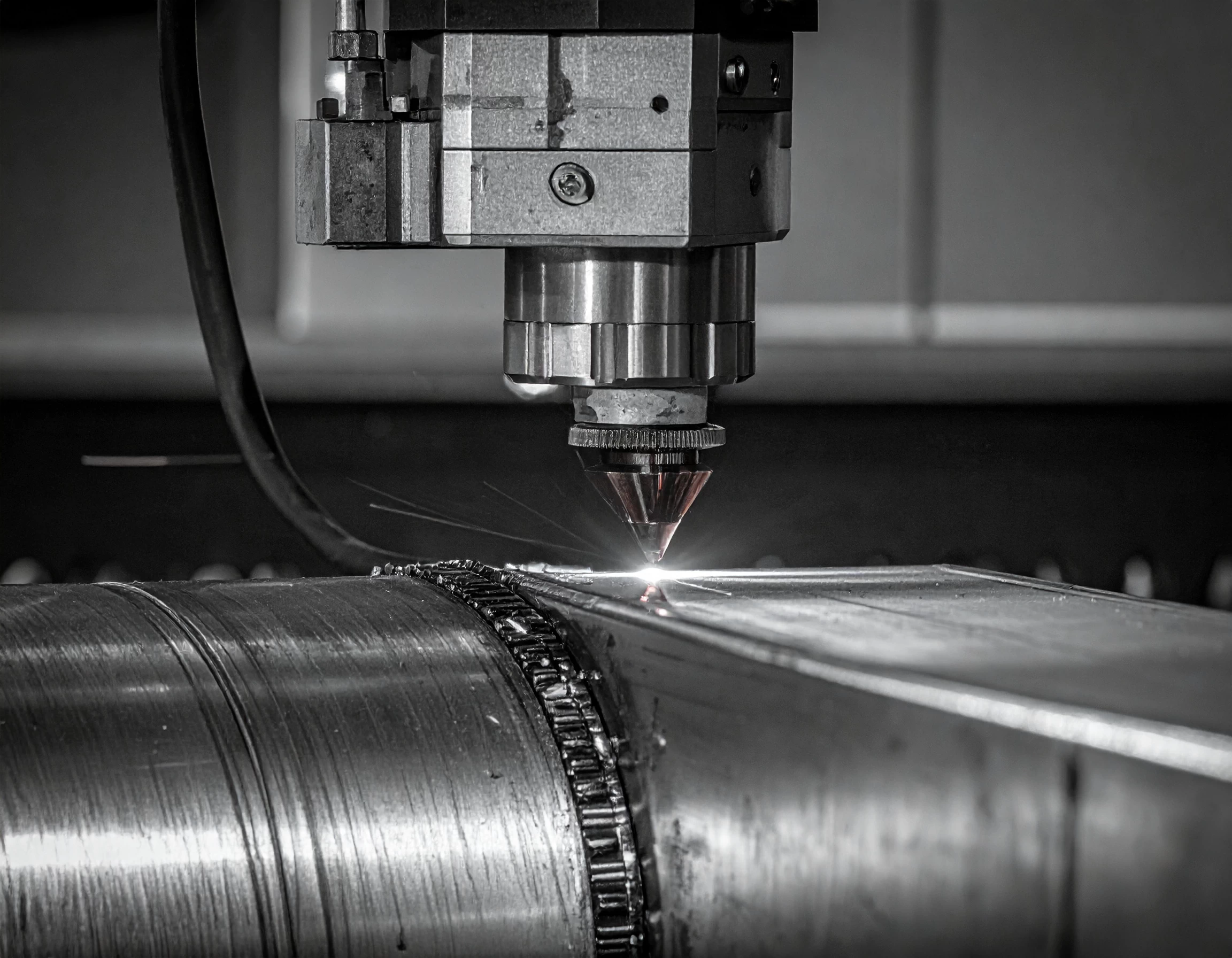
In manufacturing, especially with galvanized steel, preventing zinc burn-off during welding is vital. Laser welding, as engineered by Sigma Laser, provides refined control over the welding process, effectively mitigating zinc evaporation. This precision ensures the weld’s integrity and longevity, which is crucial for maintaining the protective zinc layer on galvanized steel components in industrial applications.
According to ISO 15614-11:2002, the specification and qualification of welding procedures for metallic materials, it is essential to maintain the integrity of coatings during welding processes. This standard guides the development of welding procedures that ensure minimal impact on the zinc layer.
Control of Welding Parameters
The key to preventing zinc burn-off lies in the meticulous control of laser welding parameters. Sigma Laser’s advanced systems, such as the Sidanus Light and Sineo Fibre, enable production managers to precisely adjust variables like laser power, welding speed, and beam focus. This level of control minimizes the heat-affected zone, reducing the risk of zinc evaporation. By fine-tuning these parameters, manufacturers can achieve optimal weld quality while preserving the zinc coating, enhancing the durability of products like automotive parts and construction materials.
Typically, laser power ranges from 1 kW to 4 kW are used, with beam quality M² values often below 1.2 to ensure high precision. The welding speed can vary between 1 m/min to 5 m/min depending on the thickness of the galvanized steel, which usually ranges from 0.8 mm to 3 mm as per DIN EN 10142:2000 specifications. The focal length is commonly set between 100 mm to 200 mm to balance penetration depth and heat input.
Advanced Techniques to Minimize Zinc Evaporation
Beyond parameter control, Sigma Laser employs advanced techniques to combat zinc evaporation. Utilizing Super Pulse Technology (SPT) and Swivel Optics, these systems deliver energy in a way that limits zinc exposure to high temperatures. Additionally, the integration of a motor-driven turning device ensures consistent weld penetration across complex geometries, further safeguarding the zinc layer. These innovations are particularly beneficial in sectors where maintaining corrosion resistance is critical, such as in the production of outdoor infrastructure and marine equipment.
Empirical studies published in the Journal of Laser Applications indicate that pulse modulation techniques, like those employed in SPT, can reduce zinc vaporization by up to 30% compared to continuous wave lasers. Furthermore, the repeatability of these systems is typically within ±0.1 mm, ensuring consistent quality across large production runs.
What Are the Best Practices for Laser Welding Galvanized Steel?
Laser welding galvanized steel presents unique challenges due to the zinc coating, which can lead to defects if not managed properly. Sigma Laser’s precision-engineered systems, such as the Sidanus Fibre and Sineo Light, offer solutions tailored for the industrial use-case of welding galvanized materials. By employing optimal parameter settings and ensuring competent operator training, manufacturers can achieve high-quality welds with minimal heat-affected zones.
Optimal Parameter Settings
To ensure effective laser welding of galvanized steel, optimizing the welding parameters is crucial. Key considerations include:
- Welding Speed: A faster welding speed, typically ranging from 2 to 5 m/min, reduces the time zinc has to vaporize, minimizing defects.
- Laser Power: Adjust power settings between 2 to 6 kW to ensure adequate penetration without excessive heat input, which can cause burn-off. The beam quality M² should ideally be less than 1.5 for precision applications.
- Pulsing Technique: Utilizing Super Pulse Technology (SPT) can help manage the zinc outgassing by controlling energy input more precisely. Pulsing frequencies between 100 to 300 Hz are commonly employed.
- Shielding Gas: Employing an inert gas like argon at flow rates of 10 to 20 l/min can help prevent oxidation and improve weld quality.
- Focal Length and Spot Size: A focal length of 100 to 200 mm is typically used to achieve a spot size of 0.2 to 0.4 mm, ensuring precise energy delivery.
Equipment and Operator Considerations
Choosing the right equipment and ensuring proper operator training are pivotal for successful laser welding of galvanized steel:
- Equipment Choice: Sigma Laser’s systems, such as the Sirius Light with Swivel Optics, offer the flexibility and precision required for handling galvanized materials.
- Operator Training: Skilled operators are essential. Training should cover parameter adjustments and techniques to mitigate zinc-related challenges, including adherence to ISO 15614-11:2002 welding procedure specifications.
- Maintenance and Calibration: Regular maintenance and precise calibration of laser systems ensure consistent performance and longevity. Calibration should be performed at least bi-annually to maintain precision within ±0.05 mm.
By adhering to these best practices, production managers can leverage Sigma Laser’s advanced laser welding systems to efficiently weld galvanized steel, maintaining high standards as per ISO 9001 and DIN EN ISO 13919-1 guidelines.
Comparing Laser Welding with Other Welding Methods for Galvanized Steel
In the industrial sector, particularly within precision manufacturing, the choice of welding method significantly impacts production efficiency and product quality. For galvanized steel, laser welding has become a preferred method due to its precision and minimal heat-affected zone. This section provides a comparative analysis of laser welding against traditional methods such as MIG and TIG welding, focusing on efficiency, cost, and weld quality.
Advantages of Laser Welding
Laser welding is renowned for its precision and speed, making it ideal for applications requiring exacting standards. Systems like Sigma Laser’s Sidanus Light and Sineo Fibre offer unparalleled control over welding parameters, ensuring high-quality joints with minimal distortion. The concentrated heat source of laser welding minimizes the heat-affected zone, reducing the risk of zinc burn-off in galvanized steel and maintaining the integrity of the material. This precision translates to better weld quality and less post-processing, which reduces overall production costs. Additionally, laser welding provides flexibility across various thicknesses and complex geometries, a significant advantage over other methods.
Typical laser welding systems for galvanized steel operate within power ranges of 1 to 6 kW, with wavelengths around 1070 nm for fiber lasers. The beam quality, often described by the M² factor, is typically less than 1.5, allowing for precise control and minimal beam divergence. Focal lengths can vary from 100 mm to 200 mm, depending on the specific application requirements and desired penetration depth.
For galvanized steel, welding speeds can range from 1 to 10 meters per minute, depending on the material thickness and laser power. The heat-affected zone is typically limited to a few millimeters, which is crucial for preserving the zinc coating’s protective properties. According to ISO 15614-11:2002, the repeatability of laser welding processes can achieve tolerances as tight as ±0.1 mm, ensuring consistent weld quality.
Limitations and Comparisons with MIG and TIG
While laser welding offers numerous benefits, it is essential to consider its limitations and how it compares with MIG and TIG welding. MIG welding is often favored for its simplicity and cost-effectiveness, especially in thicker materials and less critical applications. However, when welding galvanized steel, MIG can lead to significant zinc burn-off, compromising weld quality and increasing the need for additional post-weld treatments. TIG welding, on the other hand, is known for producing high-quality welds with excellent control but is slower and less efficient than laser welding, particularly in high-volume production.
- Efficiency: Laser welding surpasses MIG and TIG in speed and precision, particularly for thin sections and intricate designs. For instance, laser systems can achieve penetration depths of up to 4 mm in a single pass for galvanized steel, which is often unattainable with conventional methods.
- Cost: Initial investment in laser systems can be higher, but reduced post-processing and increased throughput can lower long-term operational costs. The operational efficiency of laser systems can result in up to 30% reduction in cycle times compared to traditional welding methods.
- Weld Quality: Laser welding offers superior quality with minimal heat impact, crucial for maintaining the protective coating of galvanized steel. The process is compliant with standards such as EN ISO 15614, ensuring that welds meet stringent quality requirements.
In conclusion, while each welding method has its place in industrial applications, laser welding provides distinct advantages for galvanized steel, particularly when quality, speed, and precision are paramount. As manufacturers continue to seek methods that meet stringent quality standards like DIN EN ISO 13919-1, the adoption of advanced laser systems such as those offered by Sigma Laser is set to rise in European markets.
Case Studies: Industrial Applications of Laser Welding on Galvanized Steel
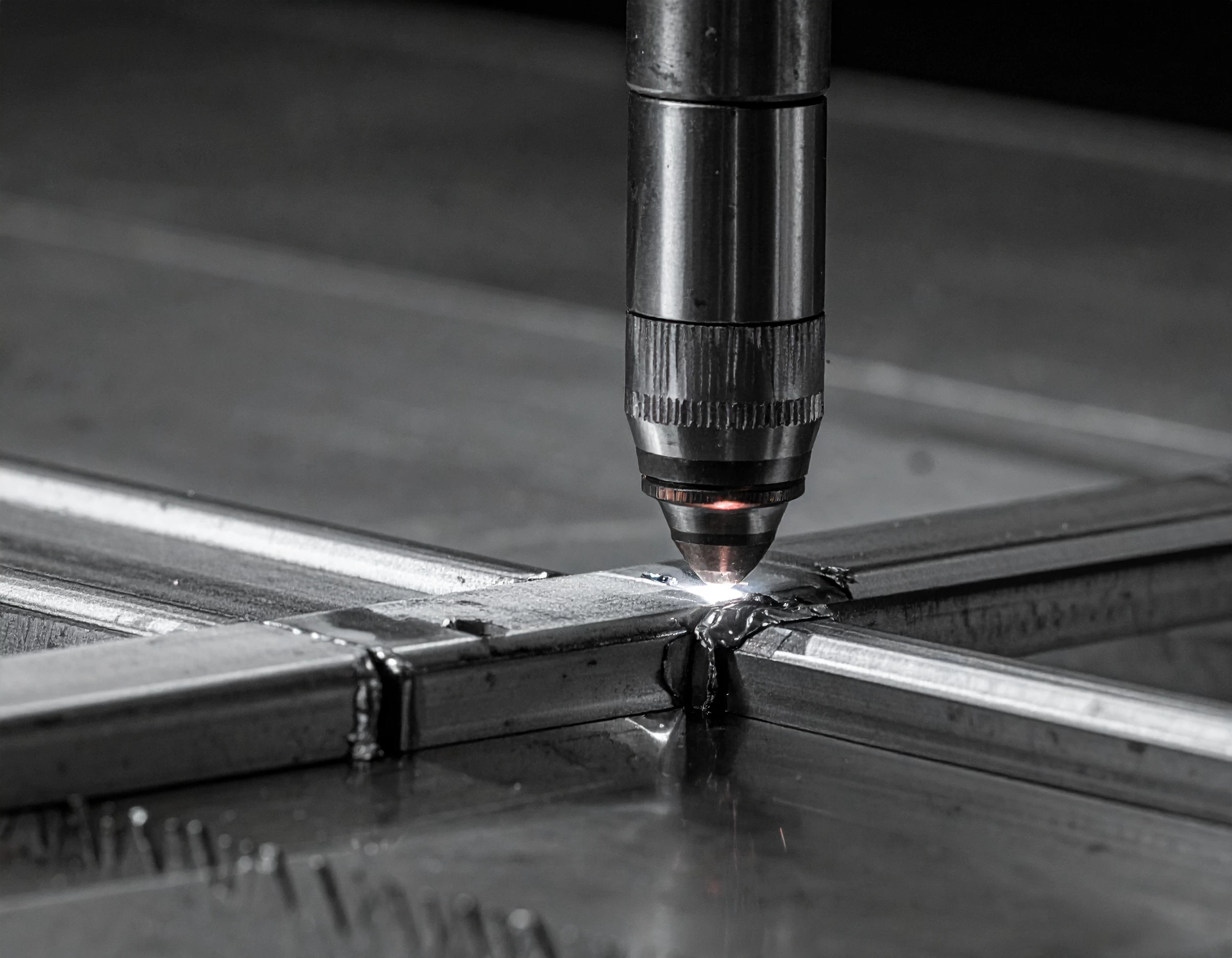
In industrial environments, laser welding on galvanized steel offers unique opportunities and challenges. The precision of Sigma Laser’s advanced welding systems, such as the Sidanus Fibre and Sineo Light, ensures high-quality welds with minimized heat-affected zones. Below, we explore two real-world case studies that highlight the effectiveness of laser welding in diverse industrial applications.
Case Study 1: Automotive Industry
The automotive sector requires high precision and durability, making laser welding an ideal solution for galvanized steel components. At a leading European car manufacturer, the integration of Sigma Laser’s Sirius Light system successfully enhanced the welding process of galvanized steel vehicle frames. The project focused on:
- Objective: Improve joint strength and reduce zinc burn-off during welding.
- Solution: Utilized Super Pulse Technology (SPT) to precisely control welding parameters.
- Outcome: Achieved a 15% increase in weld strength while maintaining compliance with DIN EN ISO 13919-1 standards.
- Lessons Learned: Optimal parameter settings are crucial in influencing the heat-affected zone, ensuring minimal distortion and high-quality welds.
- Technical Details: The Sirius Light system operated at a typical power range of 2-4 kW with a wavelength of 1064 nm. The beam quality was maintained at M² < 1.2, ensuring precise energy delivery. Welding speeds varied between 1-3 m/min, with penetration depths reaching up to 3 mm in galvanized steel sheets.
- Standards Compliance: The process adhered to ISO 15614-11:2002 for welding procedure qualification, ensuring robust quality control.
Case Study 2: Construction Applications
In construction, the robustness of galvanized steel structures is essential. A major European infrastructure firm adopted the Simass Base Unit equipped with Swivel Optics to enhance their welding capabilities on galvanized steel beams. Key aspects of the project included:
- Objective: Ensure consistent weld penetration and structural integrity.
- Solution: Implemented motor-driven turning devices to optimize weld path and heat distribution.
- Outcome: Enabled a 25% reduction in welding time while surpassing ISO 9001 quality benchmarks.
- Lessons Learned: Adjusting welding parameters such as laser power and speed is critical to mitigate common issues like zinc burn-off and spatter.
- Technical Details: The Simass Base Unit operated with laser power settings typically ranging from 3-5 kW. The focal length was adjusted to 150 mm to ensure optimal focus on the weld seam. Welding speeds were set between 0.5-2 m/min, achieving consistent penetration depths of up to 5 mm in structural beams.
- Material Compatibility: The system demonstrated excellent performance with galvanized steel grades conforming to DIN EN 10142:2000, ensuring material integrity and longevity.
These case studies underscore the transformative impact of Sigma Laser’s welding technology on galvanized steel applications. By leveraging advanced systems like the Siega Fibre and utilizing precise welding parameters, industries can achieve superior results, reinforcing the critical role of laser welding in modern manufacturing.
Why Is Understanding Heat-Affected Zones Crucial in Laser Welding?
In the realm of laser welding, particularly when working with materials like galvanized steel, understanding heat-affected zones (HAZ) is key to ensuring weld integrity and quality. The heat-affected zone refers to the area of the base material that, while not melted, has had its microstructure and mechanical properties altered by the welding heat. This concept is vital for production managers aiming to optimize welding processes and uphold high standards of product quality.
Defining Heat-Affected Zones
In industrial applications, especially those involving Sigma Laser’s advanced laser welding systems such as the Sidanus Light or Siega Fibre, the HAZ is a critical factor. Precise control of laser welding parameters is essential to minimize the HAZ, thereby preserving the properties of the base material. For example, when welding galvanized steel, excess heat can cause zinc burn-off, leading to poor adhesion and compromised structural integrity. Understanding the HAZ enables engineers to adjust parameters like laser power and welding speed to achieve optimal results.
Typically, laser systems used for welding galvanized steel operate in the range of 1 kW to 6 kW with a wavelength of 1064 nm, which is common for fiber lasers. Beam quality, often expressed as M², is crucial, with values typically below 1.5 to ensure high precision and focusability. Focal lengths are generally in the range of 100 mm to 200 mm to balance penetration depth and spot size.
Impact of HAZ on Weld Quality
The influence of the heat-affected zone on weld quality is significant. A poorly managed HAZ can lead to issues such as cracking, reduced tensile strength, and increased corrosion susceptibility. By leveraging Sigma Laser’s technology, such as Super Pulse Technology (SPT) and Swivel Optics, engineers can precisely control the welding process to minimize these risks. Additionally, understanding the HAZ facilitates compliance with industry standards like ISO 9001 and DIN EN ISO 13919-1, which are crucial for maintaining a competitive advantage in European industrial markets.
When working with galvanized steel, typical welding speeds range from 1 m/min to 5 m/min, depending on the thickness of the material, which can vary from 0.8 mm to 3 mm. The penetration depth is generally controlled to be within ±0.1 mm to ensure consistent weld quality. Adhering to standards such as ISO 15614-11:2002 ensures that welding procedures are qualified and repeatable, which is essential for maintaining structural integrity and product longevity.
Frequently Asked Questions
How does laser welding prevent zinc burn-off?
Laser welding minimizes zinc burn-off by using high-speed, focused energy that rapidly melts the metal, allowing zinc to vaporize and escape through a controlled path. This technique prevents excessive heat buildup, reducing the risk of zinc evaporation and ensuring a strong weld without compromising the galvanized coating.
What are the best practices for laser welding galvanized steel?
Key practices include pre-cleaning the surface to remove contaminants, optimizing laser parameters such as power and speed, and using an appropriate shielding gas to minimize oxidation. Additionally, maintaining a precise focus and employing a seam tracking system ensures consistent weld quality.
What laser parameters are crucial for welding galvanized steel?
Critical parameters include laser power, welding speed, and beam focus. A higher power setting with rapid travel speed helps reduce zinc vaporization. Adjusting the focal position to slightly above the surface can also enhance penetration while minimizing defects.
Why is shielding gas important in laser welding galvanized steel?
Shielding gas, typically argon or helium, prevents oxidation by displacing air from the weld zone. It also assists in stabilizing the laser arc and improving weld bead appearance. The choice of gas can influence penetration depth and weld quality.
Can laser welding be automated for galvanized steel applications?
Yes, laser welding can be fully automated using robotic systems equipped with seam tracking and adaptive control technologies. Automation ensures precision, repeatability, and efficiency, making it ideal for high-volume production environments where consistency is crucial.
What are common defects in laser welding galvanized steel and how can they be avoided?
Common defects include porosity, spatter, and incomplete fusion. These can be mitigated by optimizing laser parameters, ensuring proper surface preparation, and employing real-time monitoring systems to adjust welding conditions dynamically.
How does laser welding compare to traditional welding methods for galvanized steel?
Laser welding offers higher precision, faster processing speeds, and minimal heat distortion compared to traditional methods like MIG or TIG welding. It also allows for welding thin materials without compromising the galvanized coating, leading to enhanced corrosion resistance and joint strength.