
- Key Takeaways
- Why Is Laser Welding a Special Process in Medical Device Manufacturing?
- Understanding Process Validation
- Contextual Compliance with MDR (EU 2017/745)
- Applications in the Medical Industry
- Process Validation: IQ, OQ and PQ for the Welding Process
- Installation Qualification (IQ)
- Operational Qualification (OQ)
- Performance Qualification (PQ)
- Which Standards Apply to Welds on Medical Devices?
- ISO 13919: Assessment Groups
- ISO 15609-4: Welding Procedure Specification (WPS)
- ISO 15614-11: Qualification
- Traceability: Documenting Parameters, Batches, and Equipment Data
- Batch and UDI Logic in Laser Welding Medical Devices
- Welding Protocols and Stored Validated Programs
- Practical Example of Traceability
- How Do Reproducible Systems Ensure Process Quality?
- CNC-Guided 5-Axis Kinematics
- Defined Shielding Gas Management
- Environmental Factors and Cleanliness
- Qualitative Repeatability
- Typical Medical Device Applications at a Glance
- Surgical Instruments
- Active Implants
- Endoscopy Components
- Cannulas and Housings
- Next Steps for Quality Managers: System and Supplier Qualification
- Criteria for Equipment Procurement
- Frequently Asked Questions
- What are the benefits of laser welding for medical devices?
- How does laser welding ensure biocompatibility in medical devices?
- What types of lasers are used in Sigma’s welding systems for medical devices?
- Can Sigma Laser systems handle varying sizes of medical device components?
- What is Super Pulse Technology, and how does it benefit medical device welding?
- Are Sigma Laser systems suitable for on-site repairs of medical devices?
- How does Sigma ensure the quality and reliability of its laser welding systems?
- Sources
Quick Answer: Laser welding medical devices demands precision, compliance with stringent industry standards, and robust validation processes. Sigma Laser’s 5-axis systems deliver unparalleled accuracy and repeatability, essential for producing high-quality medical components. Our advanced traceability features ensure complete process documentation, supporting regulatory compliance. With options in Nd:YAG and fibre sources, and precision Leica 10× optics, our systems are developed in Hanau and trusted by industry leaders like Siemens and Continental. Sigma offers certified operator trainings to enhance operational proficiency, ensuring your team can maximize the potential of our laser welding technology.
Key Takeaways
In the realm of medical device manufacturing, precision, compliance, and traceability are paramount. Laser welding provides an advanced solution that meets these stringent requirements, making it an ideal choice for the industry. Sigma Laser’s systems offer cutting-edge technology to ensure high-quality welds for medical devices.
- Achieve unparalleled precision with Sigma’s 5-axis kinematics, enabling complex geometries and intricate welds on medical components.
- Utilize our Super Pulse Technology to control heat input, minimizing thermal impact and preserving the integrity of sensitive medical materials.
- Benefit from the versatility of choosing between Nd:YAG and fibre laser sources, tailored to specific material properties and application needs.
- Ensure compliance with industry standards through Sigma’s advanced process validation capabilities, facilitating seamless integration into regulated environments.
- Leverage Leica 10× optics for superior weld seam quality, crucial for the demanding standards of medical device manufacturing.
- Trust in Sigma’s development expertise from Hanau and our reference partnerships with industry leaders such as Airbus, Siemens, and Continental.
- Enhance operational efficiency with Sigma’s mobile systems, allowing for on-site repairs and maintenance without compromising precision.
As you explore laser welding solutions for medical devices, consider how Sigma Laser’s advanced technologies and industry expertise can meet your exacting requirements. Dive deeper into the article to understand the full potential of our systems in enhancing your manufacturing processes.
| Parameter | Typical Range / Value |
|---|---|
| Power | 100 W – 500 W |
| Wavelength (Nd:YAG) | 1064 nm |
| Wavelength (fibre) | 1070 nm |
| Materials | Stainless steel 316L, Titanium Ti-6Al-4V |
| Precision | Micrometer range (tight tolerances) |
These values represent general industry ranges for medical device laser welding, not specific Sigma Laser product specifications.
Why Is Laser Welding a Special Process in Medical Device Manufacturing?
In medical device manufacturing, laser welding medical devices has become a critical process due to its precision and reliability. This technique is essential for assembling sensitive components, such as surgical instruments and active implants, where minimal heat input is crucial. The outcomes of laser welding cannot be fully verified through post-process inspection alone, necessitating comprehensive process validation to ensure compliance with ISO 13485 standards.
Typical laser welding parameters for medical devices involve power levels ranging from 100 W to 500 W, with wavelengths commonly around 1064 nm for Nd:YAG lasers and 1070 nm for fibre lasers. The process allows for precise control over the heat-affected zone, which is critical in maintaining the integrity of delicate medical components.
Understanding Process Validation
Process validation is a requirement under ISO 13485, which mandates that manufacturing processes, such as laser welding, are validated to consistently produce results meeting predetermined specifications. This is particularly important in medical device production, where the integrity of welds on materials like stainless steel 316L and titanium Ti-6Al-4V is critical. The validation process involves detailed documentation and testing to confirm that the welding parameters achieve the desired outcomes without compromising the device’s performance or safety.
In the context of laser welding, validation ensures that parameters such as pulse duration, repetition rate, and focal spot size are optimized to achieve high-quality welds. For example, the Sidanus Fibre laser welding system offers pulse and continuous wave (CW) modes, allowing for flexibility in process optimization.
Contextual Compliance with MDR (EU 2017/745)
The Medical Device Regulation (MDR) EU 2017/745 adds another layer of compliance, emphasizing the need for robust quality management systems. Manufacturers are responsible for ensuring that their laser welding processes meet these stringent requirements, often in consultation with notified bodies. For further insights into the stability of the laser welding process, refer to the laser welding process stability blog post.
Compliance with MDR requires that manufacturers demonstrate the capability of their welding processes to produce consistent and reliable results. This often involves statistical process control and adherence to standards such as EN ISO 15614, which outlines the qualification of welding procedures.
Applications in the Medical Industry
Laser welding is particularly suited for medical applications due to its capability to create strong, precise joints with minimal thermal distortion. This is essential for devices that require high precision and reliability, such as catheters and pacemaker components. The technology also supports complex geometries and small-scale assemblies, which are common in medical implants.
For more detailed information on laser welding applications in the medical sector, visit our medical device welding applications page.
In medical device manufacturing, the use of laser welding systems like the Sineo Light, with its 360° mobility and peak power up to 13 kW (at maximum configuration), enables the precise assembly of intricate components while maintaining the structural integrity of sensitive materials.
| Validation Step | Purpose | Key Activities |
|---|---|---|
| Installation Qualification (IQ) | Verify correct installation | Inspect equipment, confirm integration of modules (e.g., Swivelling Y Axis, Z-Axis Module) |
| Operational Qualification (OQ) | Test operation within parameters | Validate outputs and tolerances, define parameter windows, use features like Super Pulse Technology (SPT) |
| Performance Qualification (PQ) | Demonstrate consistent production | Confirm system produces reliable welds on actual medical components |
These steps are required for compliance with ISO 13485 in medical device manufacturing.
Process Validation: IQ, OQ and PQ for the Welding Process
In the realm of laser welding medical devices, the process validation steps of Installation Qualification (IQ), Operational Qualification (OQ), and Performance Qualification (PQ) are crucial for ensuring consistent quality and compliance with industry standards. These validation stages provide a structured approach to verify that welding systems such as Sigma Laser’s Sidanus Fibre and Siega Fibre perform as expected in producing reliable medical implants.
Installation Qualification (IQ)
IQ involves a comprehensive inspection of the laser welding equipment to ensure it is installed according to the manufacturer’s specifications. This step verifies that components like the Swivelling Y Axis and Z-Axis Module are correctly integrated, confirming the system’s readiness for operation. Proper installation is pivotal for maintaining the integrity of processes involving materials such as stainless steel 316L and titanium Ti-6Al-4V.
Ensuring the correct integration of components is essential to maintain the precision required in medical device manufacturing, where tolerances are often extremely tight, typically in the range of micrometers. This aligns with standards such as ISO 13485, which governs quality management systems for medical devices.
Operational Qualification (OQ)
OQ tests the laser welding system under controlled conditions to confirm it operates within specified parameters. Utilizing features like Super Pulse Technology (SPT), this phase validates that the equipment meets required outputs and tolerances. The operational range is defined through validated parameter windows, accounting for variations that could arise from worst-case scenarios. This ensures processes remain stable and controlled during production.
For instance, the Sidanus Fibre operates with a power range of 300 to 600 W, providing flexibility for different material thicknesses and types, ensuring consistent weld quality. Operational parameters are typically validated against standards such as EN ISO 15614, which specifies the qualification of welding procedures.
Performance Qualification (PQ)
During PQ, the laser welding process is evaluated under actual production conditions to demonstrate consistent performance. This qualification step is critical for applications such as laser welding medical implants, ensuring the repeatability and reliability of welds over extended production runs. Revalidation may be necessary following equipment upgrades or significant process changes to maintain compliance with standards like ISO 13485 and EN ISO 10993.
In medical device manufacturing, maintaining a minimal heat-affected zone (HAZ) is crucial to preserve the mechanical properties of sensitive materials like titanium alloys. The precision offered by Sigma’s systems, enabled by their advanced optics and control, supports the achievement of these stringent requirements.
For successful process validation, it is essential to coordinate with notified bodies and adhere to the manufacturer’s quality management responsibilities. Sigma Laser offers certified operator trainings to facilitate optimal use of their systems, enhancing the precision and reliability of laser welding operations in the medical device industry.
Which Standards Apply to Welds on Medical Devices?
In the field of laser welding medical devices, compliance with international standards ensures both quality and safety. These standards provide guidelines for welding processes, which are crucial when dealing with sensitive applications such as medical devices. Understanding the relevant ISO standards helps align production practices with industry expectations.
ISO 13919: Assessment Groups
ISO 13919 outlines the assessment criteria for weld imperfections in metallic materials, providing a framework for categorizing weld quality. This is particularly important in precision laser welding medical devices, where the integrity of welds directly impacts device performance and patient safety. Compliance with ISO 13919 ensures that weld quality meets the necessary thresholds for medical applications.
Typical laser welding parameters in medical device manufacturing include power levels ranging from tens to several hundred watts, with penetration depths that can be precisely controlled to suit thin-walled components. The heat-affected zone (HAZ) is minimized, ensuring that the mechanical properties of the base materials, such as stainless steel 316L and titanium Ti-6Al-4V, remain intact. This is critical for maintaining the biocompatibility and structural integrity of medical devices.
ISO 15609-4: Welding Procedure Specification (WPS)
The ISO 15609-4 standard specifies the requirements for developing a Welding Procedure Specification, which is essential for documenting the parameters and methodologies used in the welding process. In the context of medical devices, this standard supports the consistency and traceability of welding processes, ensuring that each weld is executed under controlled conditions. This is crucial for complex components made from materials like stainless steel 316L and titanium Ti-6Al-4V.
ISO 15614-11: Qualification
ISO 15614-11 outlines the qualification requirements for welding procedures used in the fabrication of medical devices. It ensures that procedures are validated to produce welds with the required properties. This standard is integral to maintaining high-quality welds, especially when using advanced technologies such as Sigma Laser’s systems equipped with Super Pulse Technology (SPT).
Incorporating these standards into the manufacturing process of medical devices aligns with the quality management systems recognized by international bodies, supporting compliance and market acceptance. As always, follow the safety guidelines supplied with your system; Sigma offers certified operator trainings to ensure optimal results.
For medical device manufacturers, adherence to ISO 13485:2016 is essential, as it specifies requirements for a quality management system where an organization needs to demonstrate its ability to provide medical devices and related services that consistently meet customer and applicable regulatory requirements. This standard complements the technical standards by ensuring a comprehensive approach to quality assurance.
Traceability: Documenting Parameters, Batches, and Equipment Data
Batch and UDI Logic in Laser Welding Medical Devices
In the manufacturing of laser welding medical devices, traceability is fundamental for quality assurance and regulatory compliance. The integration of batch processing and Unique Device Identification (UDI) systems ensures each product can be traced back through its entire production cycle. This process involves recording every laser welding parameter and machine setting used during production, providing a comprehensive trail that supports both quality management systems and regulatory audits.
Typical laser welding parameters in the industry include power levels ranging from a few watts to several hundred watts, with penetration depths commonly up to a few millimeters, depending on the material and joint configuration. The heat-affected zone is generally minimized in precision applications, which is critical for maintaining the integrity of medical devices.
Welding Protocols and Stored Validated Programs
Each laser welding batch follows a specific protocol, meticulously documented to align with standards such as ISO 13485. Sigma Laser systems such as Sidanus Light and Sidanus Fibre offer program memory capable of storing 50 distinct welding programs, with the option for expansion. This capability allows for the consistent application of validated welding programs across different batches, enhancing process repeatability and product reliability.
These systems are designed to handle a variety of materials commonly used in medical device manufacturing, including stainless steels, titanium alloys such as Ti-6Al-4V, and other biocompatible metals. The precision of these machines ensures minimal distortion and high-quality welds, which are crucial for medical applications.
Practical Example of Traceability
Consider a scenario where a batch of titanium Ti-6Al-4V implants is produced using a Sineo Light system. Each implant is assigned a UDI, linking it to its specific welding parameters and equipment data. These parameters are stored within the machine’s memory, allowing for easy retrieval and review during audits. Such traceability not only fulfills regulatory requirements but also empowers manufacturers to quickly identify and address any deviations in the production process.
In conclusion, the traceability framework in laser welding medical implants is integral to ensuring compliance and maintaining high standards in device manufacturing. With Sigma Laser’s advanced systems, companies can efficiently manage their documentation chain, from program execution to parameter release.
How Do Reproducible Systems Ensure Process Quality?
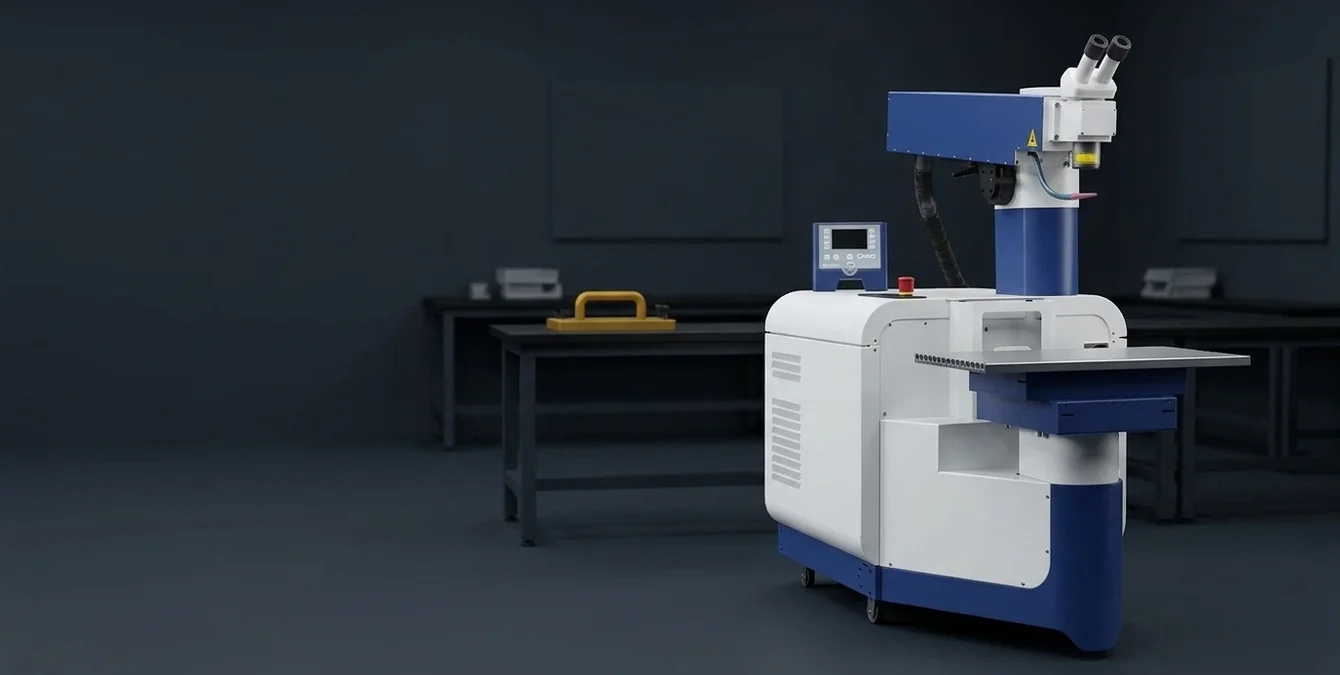
In the realm of laser welding medical devices, precision and repeatability are crucial for maintaining consistent quality and meeting stringent industry standards. The use of CNC-guided 5-axis kinematics in systems like the Sigma Laser Sidanus Fibre and Siega Fibre offers unparalleled control over the welding process, minimizing operator influence and enhancing reproducibility. By utilizing closed and monitored systems, these machines ensure that parameters remain within defined thresholds throughout the welding cycle.
For medical device manufacturing, adherence to quality management systems such as ISO 13485:2016 is essential to ensure that the processes meet regulatory requirements and maintain high standards of quality.
CNC-Guided 5-Axis Kinematics
Advanced 5-axis kinematics enable precise positioning and movement along the X, Y, Z, C, and D axes, which is essential for achieving the intricate welds required in medical applications. This level of control reduces human error and ensures the repeatability of welds, which is vital for laser welding process stability in medical implants.
Typical industry standards for laser welding precision include maintaining a heat-affected zone (HAZ) that is minimal to preserve material properties, especially in sensitive medical alloys such as 316L stainless steel and titanium Ti-6Al-4V.
Defined Shielding Gas Management
Consistent and controlled delivery of shielding gas is essential to protect the weld pool from contamination. Sigma Laser systems incorporate defined shielding gas management, which is critical for maintaining the integrity of welds on materials like stainless steel 316L and titanium Ti-6Al-4V used in medical devices.
Shielding gases such as argon or helium are commonly used in the industry to prevent oxidation and ensure high-quality welds, particularly in the precise environments required for medical components.
Environmental Factors and Cleanliness
Maintaining a clean and controlled environment is crucial to avoid impurities that could compromise weld quality. Sigma Laser’s closed systems ensure minimal exposure to environmental contaminants, thereby enhancing the reliability of precision laser welding medical devices.
Compliance with standards such as ISO 11135:2014 for sterilization processes ensures that the manufacturing environment supports the stringent cleanliness required for medical device production.
Qualitative Repeatability
The qualitative repeatability of Sigma Laser systems is demonstrated by their ability to consistently achieve minimal heat input and fine positioning, factors critical in medical device manufacturing. By employing technologies like Super Pulse Technology (SPT), these systems ensure precision without compromising the material properties of sensitive components.
Such precision is particularly important when welding small and intricate parts, where even slight deviations can affect the functionality and safety of medical devices. The use of advanced laser technologies helps maintain tight tolerances and consistent weld quality.
| Feature | Benefit |
|---|---|
| 5-axis kinematics | Enables complex geometries and intricate welds |
| Super Pulse Technology (SPT) | Minimizes thermal impact, preserves material integrity |
| Leica 10× optics | Superior weld seam quality |
| Advanced traceability | Complete process documentation for regulatory compliance |
| Mobile and stationary options | On-site repairs and flexible integration |
| Certified operator trainings | Enhances operational proficiency |
Features listed are directly referenced in the article as advantages of Sigma Laser systems for medical device manufacturing.
Typical Medical Device Applications at a Glance
Surgical Instruments
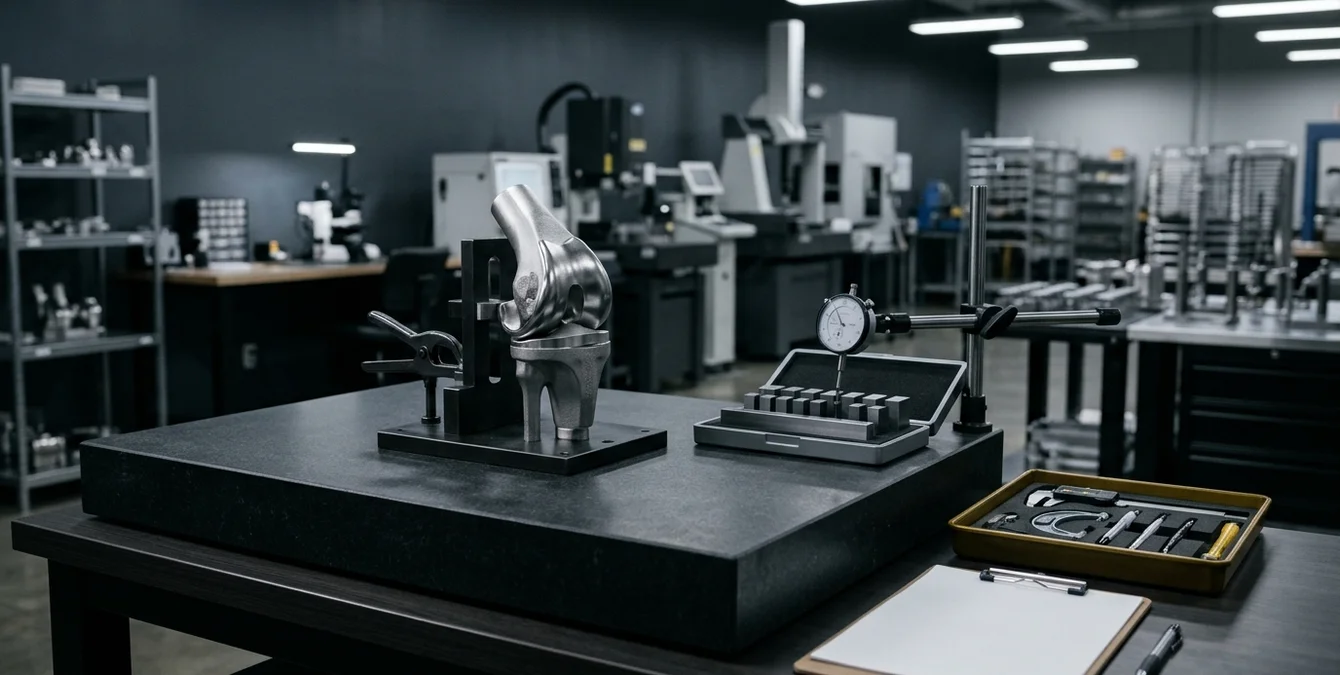
Surgical instruments require exceptional precision and reliability. Laser welding is extensively utilized for joining components made from stainless steel 316L, as it creates strong, precise joints with minimal thermal distortion. This process is crucial for upholding the stringent quality standards demanded in the medical sector. For detailed insights into welding these materials, refer to our dedicated article on stainless steel welding techniques.
In the context of surgical instruments, the use of Nd:YAG lasers, such as those found in the Sidanus Light, provides a precise control of heat input, minimizing the heat-affected zone (HAZ) and ensuring the mechanical properties of the material remain intact. The spot size, ranging from 0.2 to 2.0 mm, allows for high precision in welding intricate components, which is essential for maintaining the functionality and longevity of surgical tools.
Active Implants
Active implants, such as pacemakers and neurostimulators, require hermetic sealing to protect sensitive electronics. Laser welding is ideal for this application, ensuring a contamination-free environment and structural integrity. Titanium Ti-6Al-4V is often preferred for its biocompatibility and strength. Detailed information on welding titanium implants can be found in our article on titanium welding parameters.
The precision offered by Ytterbium fibre lasers, such as those in the Sidanus Fibre, is particularly beneficial for welding titanium alloys in active implants. The ability to operate in both continuous wave (CW) and pulsed modes allows for flexibility in managing weld penetration and heat control, crucial for maintaining the integrity of sensitive electronic components within implants.
Endoscopy Components
Endoscopic equipment features intricate designs that necessitate precision joining techniques. Laser welding allows for the assembly of tiny, complex parts without compromising quality. The ability to precisely control the heat input ensures that the delicate materials used in these devices maintain their integrity.
For endoscopic components, the capability of the Sineo Light to deliver peak powers up to 13 kW (at the highest power configuration) with precise pulse durations ranging from 0.05 to 50 ms ensures that even the most delicate assemblies can be welded without distortion. This precision is critical to maintaining the optical clarity and mechanical function of endoscopic devices.
Cannulas and Housings
Cannulas and medical housings often incorporate various metals and require robust, leak-proof joints. Laser welding provides the necessary precision and strength, enabling the production of components that meet rigorous medical standards. The versatility of laser welding in handling different metal types makes it a preferred method for these applications.
The Simass Base Unit, with its flexible modules and numerically controlled axes, is ideally suited for high-volume production of cannulas and housings. Its ability to integrate with both pulsed and CW fibre lasers allows for precise control over weld characteristics, ensuring that joints are both strong and leak-proof. This adaptability is essential for meeting the diverse material requirements and stringent quality standards of the medical industry.
For all these applications, compliance with standards such as ISO 13485 is crucial to ensure the quality management systems are in place to support the manufacturing of medical devices.
Next Steps for Quality Managers: System and Supplier Qualification
For quality managers in the medical device manufacturing sector, ensuring compliance with ISO 13485 is crucial. Selecting the right equipment, such as precision laser welding systems, plays a vital role in maintaining quality and compliance. Sigma Laser offers advanced solutions for laser welding medical devices, with systems engineered to meet stringent industry standards.
Criteria for Equipment Procurement
- Documentation Capability: Ensure the system provides comprehensive documentation features, which are essential for maintaining traceability and compliance with ISO 13485.
- Program Management: Evaluate the system’s ability to integrate with existing program management tools, facilitating seamless operations and quality control.
- Service and Support: Choose a supplier offering robust service agreements, certified operator trainings, and responsive technical support to ensure ongoing operational efficiency.
For systems like the Sidanus Fibre or Sidanus Light, leveraging technologies such as Super Pulse Technology (SPT) and Swivel Optics enhances the precision and reliability necessary for laser welding medical implants. These technologies contribute to achieving minimal heat-affected zones and high-quality welds, which are critical in medical device manufacturing where component integrity is paramount.
Consulting with standards-compliant experts is crucial. Sigma Laser provides tailored guidance to align your procurement with ISO 13485, ensuring that your production processes remain at the forefront of technology and compliance. For more insights, explore our stationary laser welding machine buying guide.
In the context of medical device manufacturing, laser welding offers precise control over heat input, which is essential to avoid thermal damage to sensitive components. Typical industry parameters for precision laser welding include power levels up to several hundred watts and spot sizes as small as 0.1 mm, allowing for fine control and minimal distortion. The use of materials such as 1.2344 (AISI H13) and various stainless steels is common, given their favorable welding characteristics and corrosion resistance, aligning with stringent medical standards.
Standards such as EN ISO 15614 are relevant for the qualification of welding procedures, ensuring that the processes used in manufacturing are consistent and meet the necessary quality requirements.
Frequently Asked Questions
What are the benefits of laser welding for medical devices?
Laser welding offers precision and consistency essential for medical devices, ensuring minimal thermal distortion and high-quality welds. The process is highly repeatable, allowing for stringent quality control. With 5-axis kinematics, Sigma Laser systems accommodate complex geometries and intricate designs, enhancing production efficiency and reducing lead times.
How does laser welding ensure biocompatibility in medical devices?
Laser welding minimizes contamination risks by providing a clean, controlled process that reduces the need for additional materials or adhesives. The precision of Nd:YAG and ytterbium fibre lasers ensures minimal alteration to the base materials, maintaining their biocompatibility. Follow the safety guidelines supplied with your system; Sigma offers certified operator trainings.
What types of lasers are used in Sigma’s welding systems for medical devices?
Sigma Laser systems utilize Nd:YAG and ytterbium fibre lasers, both known for their precision and ability to produce high-quality welds. These lasers are particularly effective for the delicate and precise requirements of medical device manufacturing, ensuring reliable and repeatable results.
Can Sigma Laser systems handle varying sizes of medical device components?
Sigma’s 5-axis laser welding systems are designed to accommodate unlimited workpiece sizes, making them ideal for a wide range of medical device components. The flexibility of the system allows for the welding of both small and large components without compromising precision or quality.
What is Super Pulse Technology, and how does it benefit medical device welding?
Super Pulse Technology enhances the control and precision of the laser welding process, allowing for high peak power with minimal thermal input. This is crucial for medical devices, where maintaining the integrity of delicate materials is essential. It ensures precise welds with minimal heat-affected zones.
Are Sigma Laser systems suitable for on-site repairs of medical devices?
Yes, Sigma Laser offers mobile systems that are capable of performing on-site repairs, providing flexibility and reducing downtime. This capability is particularly beneficial for maintenance and repair operations in the medical device industry, ensuring quick and efficient service.
How does Sigma ensure the quality and reliability of its laser welding systems?
Sigma Laser systems are developed in Hanau, integrating advanced technology like Leica 10× optics for superior precision. The systems are backed by an extended warranty and certified training programs, ensuring operators are well-equipped to maintain high standards of quality and reliability in medical device manufacturing.
Sources
- ISO 13485:2016 – Medical devices – Quality management systems — Specifies requirements for a quality management system for medical devices.
- ISO 11135:2014 – Sterilization of health care products — Specifies requirements for the development, validation, and routine control of an ethylene oxide sterilization process for medical devices.
- NIST – Laser Welding Research — Research projects by NIST focusing on laser welding technologies and their applications in various industries.
- Fraunhofer ILT – Laser Welding in Medical Technology — Fraunhofer Institute’s research and development in laser welding applications for medical technology.
- Journal of Manufacturing Processes — Peer-reviewed journal covering research on manufacturing processes, including laser welding.
- Journal of Laser Applications — Covers the latest developments in laser technology and applications, including medical device manufacturing.