
- HAZ 101
- Energy in Time: Conventional Pulses vs SPT
- Who Benefits Most
- Seeing Thermal Effects
- Practical Levers
- Frequently Asked Questions
- How does SPT reduce the heat-affected zone compared to conventional pulsed welding?
- What materials show the greatest benefit from SPT-controlled welding?
- What visual cues indicate excessive heat input during welding?
- How can fixtures help control thermal effects in laser welding?
- Related Articles
Quick Answer: SPT (Super Pulse Technology, microsecond pulse modulation) in metal welding enables precise thermal management, minimizing the heat-affected zone (HAZ) and reducing unwanted changes to material properties. This approach is especially valuable for sensitive, high-performance metals where conventional pulsed welding risks excessive heat input and distortion.
HAZ 101
The heat-affected zone (HAZ) is the region of base material surrounding a weld that experiences thermal cycles significant enough to alter its microstructure, but not to the point of melting. The size and characteristics of the HAZ are determined by the amount of heat introduced, the duration of exposure, and the material’s thermal conductivity. In metal welding, a larger HAZ can lead to undesirable changes in hardness, grain structure, and residual stresses.
Excessive heat input, prolonged dwell times, and high pulse energies all contribute to HAZ growth. When the HAZ expands, it can cause a loss of hardness (softening) or, in some cases, hardening and embrittlement, depending on the alloy and its heat treatment. For example, in tool steels, uncontrolled HAZ can result in cracking or loss of wear resistance, while in aluminum, it may cause grain coarsening and reduced mechanical strength.
Distortion is another common consequence of a large HAZ. As the heated area cools, uneven contraction can warp or misalign precision parts, especially in thin sections or complex assemblies. Operators must be vigilant about these risks, as even minor dimensional changes can compromise the fit and function of critical components such as molds, dies, or medical devices.
Understanding the factors that influence HAZ growth is essential for controlling the thermal behavior during welding. Material thickness, joint geometry, and fixturing all play a role, but the most direct lever is the control of heat input through pulse energy and duration. The goal is to achieve strong, reliable welds while keeping the HAZ as narrow as possible to preserve the base material’s properties.
| Parameter | Conventional Pulsed Laser Welding | SPT (Microsecond Pulse Control) |
|---|---|---|
| Pulse Control | Discrete bursts; limited minimum pulse width | Microsecond-scale modulation; highly precise |
| Energy Profile | Fixed shape; less flexible | Tailored to joint/material; operator-adjustable |
| HAZ (Heat-Affected Zone) | Larger; more risk of thermal damage | Minimized; sharply reduced size and severity |
| Material Impact | Greater risk of distortion, hardness changes, or cracking | Less thermal damage; better retention of properties |
| Application Suitability | Sensitive alloys at risk; less control for thin/complex parts | Ideal for sensitive, thin, or multi-material assemblies |
Table summarizes differences as described in the article; no numeric specs are attributed to Sigma machines.
Energy in Time: Conventional Pulses vs SPT
Traditional pulsed laser welding delivers energy in discrete bursts, with each pulse defined by its energy, duration, and repetition rate. While this approach allows for some control over heat input, the minimum achievable pulse width and the shape of the energy profile can limit the operator’s ability to fine-tune the thermal impact. This is particularly problematic when working with sensitive or high-performance alloys, where even small deviations in heat input can produce outsized effects on the HAZ.
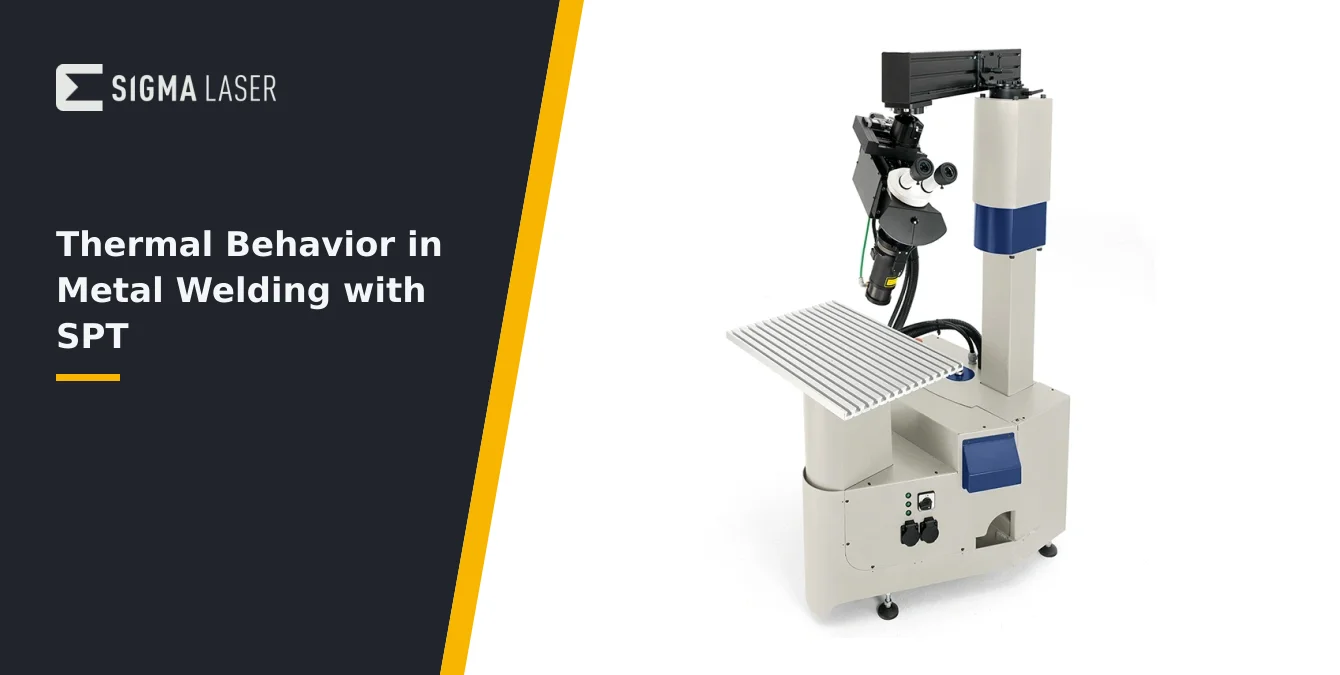
SPT (Super Pulse Technology, microsecond pulse modulation) technology, available on all six Sigma welding machines, fundamentally changes this equation. By modulating the laser output at the microsecond scale, SPT enables operators to shape the energy delivery with unprecedented precision. This allows for the creation of strong, consistent welds while sharply reducing the size and severity of the HAZ. The result is less thermal damage to adjacent material, better retention of mechanical properties, and reduced risk of distortion or cracking.
For assemblies such as modules, drive units, and heat exchangers—where multiple materials, thin walls, or sensitive structures are common—SPT’s fine control is especially advantageous. Operators can adjust pulse profiles to match the thermal characteristics of each joint, ensuring optimal fusion without overheating the surroundings. This is a key differentiator for applications demanding both strength and minimal thermal impact.
In practical terms, SPT’s microsecond modulation allows for tailored energy input that matches the specific requirements of each weld. Operators can achieve high-quality results even on challenging geometries or materials that would otherwise be at risk with conventional pulsed welding. This flexibility is a significant step forward in thermal management for advanced manufacturing environments.
| Material / Application | SPT Benefit |
|---|---|
| Thin-walled or heat-sensitive parts (e.g., medical devices, electronics housings) | Minimized HAZ, reduced risk of warping/distortion |
| High-carbon and tool steels | Controlled hardness, reduced cracking and residual stress |
| Biocompatible metals (titanium, medical stainless steel) | Preserved biocompatibility, minimal surface chemistry change |
| Complex assemblies with tight tolerances | Dimensional accuracy, less post-weld processing |
| Modules, drive units, heat exchangers (multi-material joints) | Reliable joining, consistent weld quality |
Applications and benefits are described in the article; no Sigma machine specs are stated.
Who Benefits Most
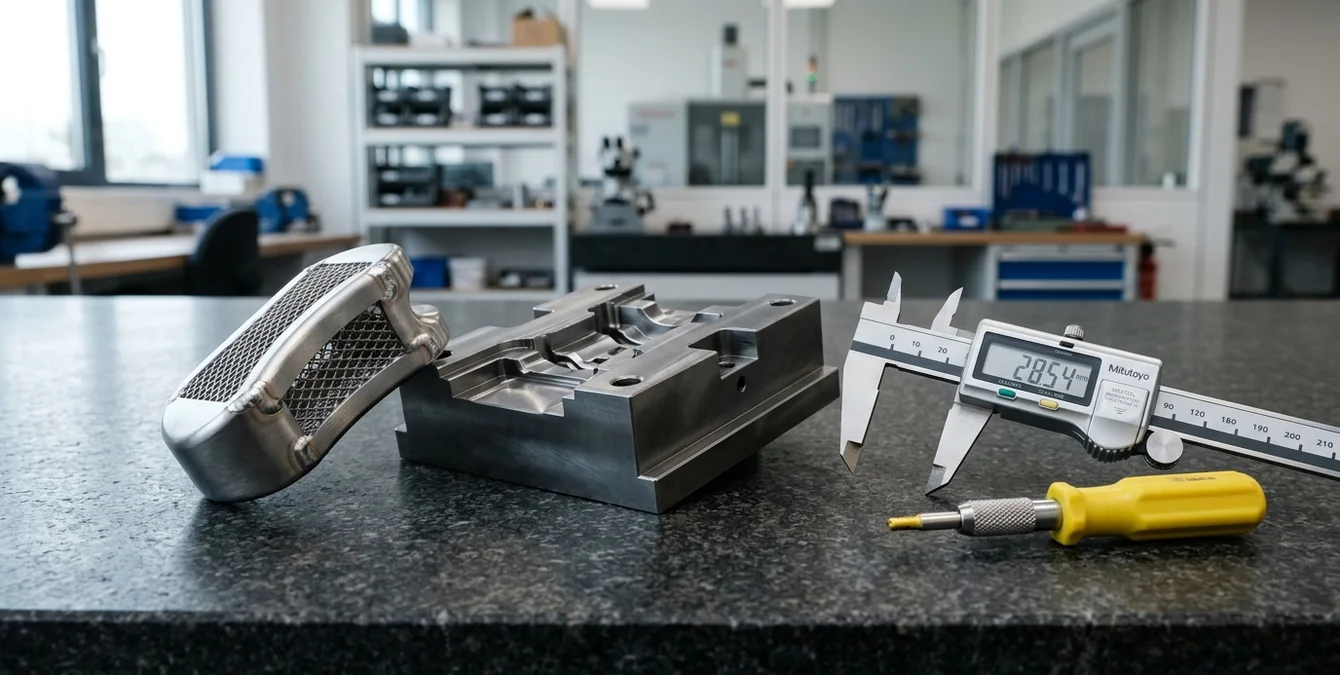
SPT’s advanced thermal control is particularly beneficial for operators and engineers working with materials or components that are highly sensitive to heat input. Thin sections, high-carbon steels, and biocompatible metals such as titanium and medical-grade stainless steel all present unique challenges in conventional laser welding. Excessive heat can lead to warping, cracking, or changes in surface chemistry that compromise performance or regulatory compliance.
For the tooling and mold repair sector, SPT enables precise restoration of high-carbon and alloy steels without inducing excessive hardness gradients or residual stresses. This is crucial for maintaining the dimensional accuracy and service life of expensive molds and dies. In the medical device field, SPT’s ability to minimize HAZ is essential for preserving the biocompatibility of titanium and stainless steel, ensuring that welded joints meet stringent quality and safety standards.
Manufacturers of modules, drive units, and heat exchangers—where thin walls and multi-material joints are common—also gain significant advantages. SPT allows for reliable joining of dissimilar metals and delicate assemblies, reducing the risk of distortion and ensuring consistent weld quality across production runs. The technology is equally valuable for aerospace and food industry applications, where material integrity and cleanliness are paramount.
- Thin-walled or heat-sensitive parts (e.g., medical devices, electronics housings)
- High-carbon and tool steels requiring controlled hardness
- Biocompatible metals (titanium, medical stainless steel)
- Complex assemblies with tight dimensional tolerances
- Applications where post-weld processing must be minimized
In summary, any application where thermal management is critical stands to benefit from SPT’s microsecond-level control, enabling high-quality welds with minimal impact on the base material.
| Indicator | What It Shows |
|---|---|
| Discoloration zone (straw, blue, purple tint) | Extent of thermal exposure; practical cue for HAZ width |
| Hardness testing (near-seam vs base material) | Quantitative measure of heat input and HAZ effect |
| Microstructural examination | Reveals HAZ extent, phase transformations, grain growth |
| Cross-sectional hardness mapping | Detailed profile of thermal impact across weld |
Table reflects qualitative evaluation methods as described in the article.
Seeing Thermal Effects
Evaluating the thermal behavior of a weld involves more than just inspecting the seam itself. Operators should closely observe the surrounding material for signs of heat input, such as discoloration, hardness changes, and microstructural alterations. The visible discoloration zone—often a straw, blue, or purple tint—indicates the extent of thermal exposure and can serve as a practical cue for HAZ width in materials like stainless steel and titanium.
In production environments, near-seam hardness testing provides a quantitative measure of thermal effects. Operators can use portable hardness testers to compare the as-welded zone with unaffected base material. A significant drop in hardness may signal excessive heat input, while localized hardening could indicate rapid cooling or alloy segregation. Both outcomes can compromise part performance if not properly managed.
For critical applications, laboratory analysis such as microstructural examination or cross-sectional hardness mapping may be warranted. These methods reveal the true extent of the HAZ and the nature of any phase transformations or grain growth. Such data is invaluable for validating process parameters and ensuring repeatable, high-quality results—especially in regulated industries or when qualifying new materials.
Operators should document and track visual and hardness indicators as part of routine quality assurance. Over time, this builds a knowledge base that supports process optimization and early detection of issues. SPT’s reduced HAZ footprint will typically manifest as a narrower discoloration band and more consistent hardness values adjacent to the weld, confirming the benefits of microsecond pulse control in real-world production.
Practical Levers
Controlling thermal behavior in metal welding with SPT begins with careful adjustment of pulse energy, duration, and overlap. Operators should start by referencing the recommended parameters for the specific material and joint geometry, then fine-tune based on observed results. Lowering pulse energy or shortening pulse duration reduces heat input, while increasing overlap or adding pauses between pulses can help manage cumulative heating.
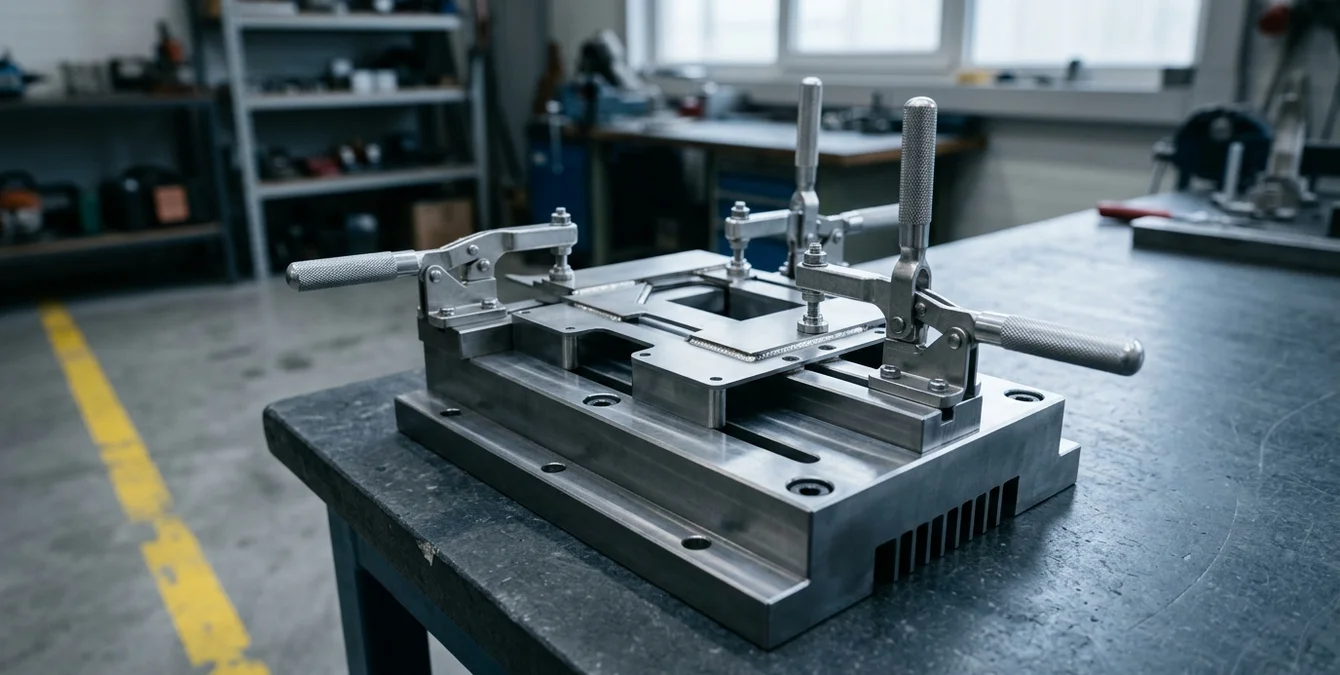
Fixtures play a critical role as heat sinks, absorbing and dissipating excess energy away from the weld zone. Well-designed fixturing not only stabilizes the workpiece but also helps prevent distortion and limits HAZ growth. For thin or delicate components, consider using fixtures with high thermal conductivity and mass to draw heat away quickly.
Distortion control is an ongoing concern, especially in assemblies with tight tolerances. Operators should monitor for signs of warping during and after welding, adjusting pulse parameters or fixturing as needed. In some cases, sequencing welds to balance heat input across the part can further reduce cumulative distortion.
Verification is key: regularly inspect welds for discoloration, check near-seam hardness, and measure critical dimensions to ensure that thermal effects remain within acceptable limits. Documenting parameter changes and their outcomes supports continuous improvement and helps build a robust process database for future reference.
Frequently Asked Questions
How does SPT reduce the heat-affected zone compared to conventional pulsed welding?
SPT enables microsecond-level modulation of laser pulses, allowing operators to deliver energy more precisely. This reduces the peak and total heat input to the base material, resulting in a narrower HAZ and less risk of distortion or property changes compared to standard pulsed welding.
What materials show the greatest benefit from SPT-controlled welding?
Materials sensitive to heat, such as high-carbon steels, titanium, and medical-grade stainless steel, benefit most. SPT’s fine control helps prevent cracking, distortion, and loss of biocompatibility, making it ideal for tooling, medical, and precision engineering applications.
What visual cues indicate excessive heat input during welding?
A wide discoloration band around the weld, pronounced bluing or straw colors, and visible warping are signs of excessive heat input. Monitoring these cues helps operators adjust parameters to minimize the HAZ and maintain material properties.
How can fixtures help control thermal effects in laser welding?
Fixtures act as heat sinks, drawing excess energy away from the weld area. Proper fixturing stabilizes the workpiece, reduces distortion, and limits HAZ growth, especially in thin or heat-sensitive components. Use materials with high thermal conductivity for best results.