
- Key Takeaways
- What Are the Best Practices for Laser Welding Tool Steel?
- Preparation and Setup
- Execution Techniques
- Post-Welding Processes
- How Does Laser Welding Compare to Traditional Welding Methods for Tool Steel?
- Efficiency and Speed
- Quality and Precision
- Application Suitability
- Which Laser Types Are Best for Tool Steel Welding?
- Nd:YAG Laser Welding
- Fiber Laser Welding
- Comparison of Laser Types
- Why Is Cold Cracking a Concern in Tool Steel Laser Welding?
- Understanding Cold Cracking
- Causes of Cold Cracking
- Prevention Strategies
- Case Studies: Successful Tool Steel Laser Welding Applications
- Case Study 1: Automotive Industry
- Case Study 2: Aerospace Applications
- Lessons Learned
- Frequently Asked Questions
- What are the best practices for laser welding tool steel?
- How does laser welding compare to traditional welding methods for tool steel?
- What types of tool steel are most suitable for laser welding?
- What are the common challenges in laser welding tool steel?
- How does preheating affect the laser welding of tool steel?
- Can laser welding be automated for tool steel applications?
- How does Sigma Laser technology help prevent cracking in tool steel welds?
- Related Articles
Quick Answer: Tool steel laser welding requires careful management of heat input to prevent cracking and distortion. Preheating the tool steel before welding and controlling the cooling rate are essential techniques. Using a laser with adjustable pulse duration and intensity can help manage heat distribution effectively. Additionally, selecting the appropriate filler material that matches the thermal expansion properties of the tool steel is crucial. Implementing these strategies ensures a strong, durable weld while minimizing the risk of defects.
Key Takeaways
Tool steel laser welding is a critical process in the mold industry, where precision and durability are paramount. Understanding the nuances of laser welding techniques and the advantages of using Nd:YAG lasers can significantly enhance the quality and longevity of mold components.
- Laser welding offers superior precision and minimal thermal distortion, making it ideal for intricate tool steel applications.
- Nd:YAG lasers provide excellent control over the welding process, ensuring high-quality welds with minimal post-processing requirements.
- The ability to focus laser beams with pinpoint accuracy reduces the heat-affected zone (HAZ), preserving the mechanical properties of tool steel.
- Laser welding can be automated, increasing throughput and consistency, which is crucial for meeting the high demands of the mold industry.
- Nd:YAG lasers are compatible with a variety of tool steels, offering versatility and reducing the need for multiple welding systems.
- Adopting laser welding can lead to significant cost savings by reducing material waste and rework.
- Proper parameter settings and maintenance of Nd:YAG laser systems are essential to maximize efficiency and lifespan in tool steel applications.
These key takeaways provide a foundation for understanding the strategic benefits of tool steel laser welding in mold manufacturing. Delve deeper into the article to explore specific techniques and gain insights into optimizing your welding processes.
| Parameter | Typical Range / Value |
|---|---|
| Preheat Temperature | 150–200°C |
| Laser Power (fibre/Nd:YAG) | up to 600 W (fibre), up to 500 W (Nd:YAG) |
| Beam Quality (M²) | <1.5 |
| Focal Length | 100–200 mm |
| Penetration Depth | up to 5 mm |
| Welding Speed | 0.5–2.5 m/min |
Values are general for tool steel laser welding and not attributed to a specific Sigma Laser model.
What Are the Best Practices for Laser Welding Tool Steel?
Preparation and Setup
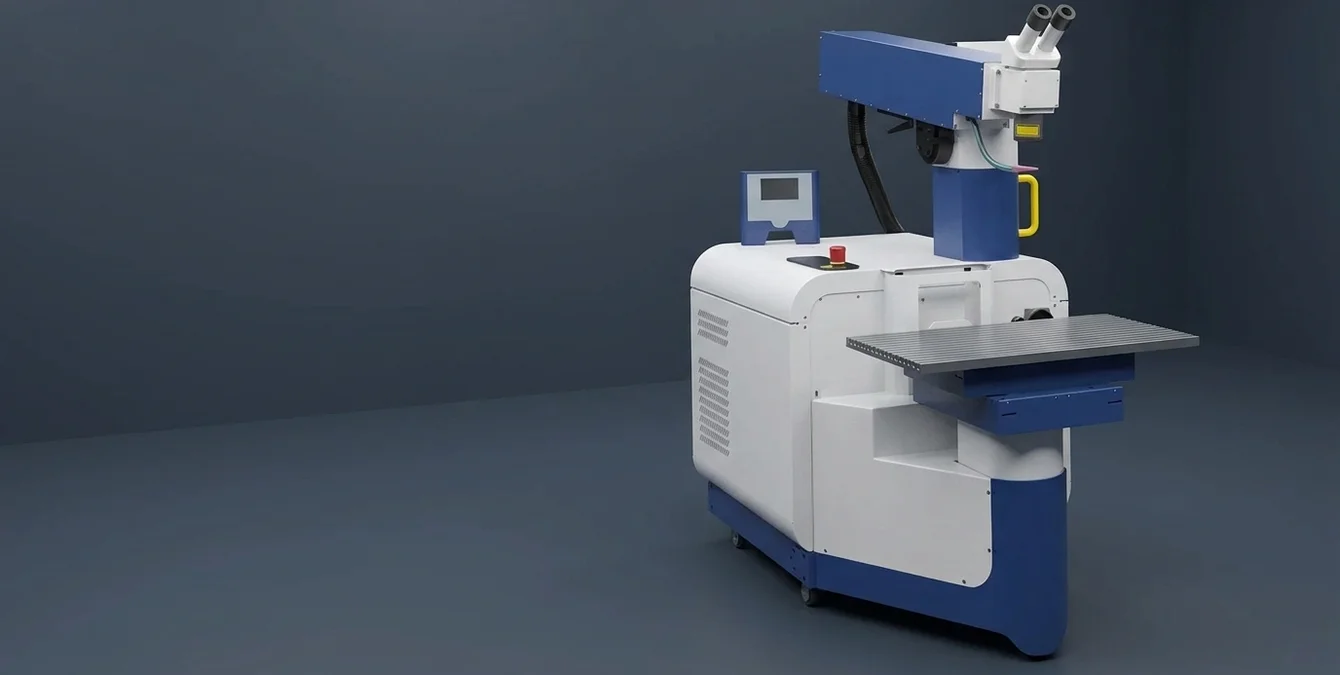
In industrial applications, the precision and integrity of tool steel laser welding heavily depend on meticulous preparation and setup. Tool steel, known for its hardness and resistance to abrasion, requires specific conditions for successful laser welding. Before welding, it is crucial to clean the surfaces of any contaminants such as oil, grease, and rust. Utilizing Sigma Laser’s advanced Swivel Optics with Telescopic Lens enhances the focus on the welding area, ensuring accuracy. Proper alignment and clamping are essential to prevent distortion and ensure a consistent weld seam.
Tool steels commonly used in laser welding include AISI D2, AISI H13, and AISI M2, each requiring tailored approaches due to their varying compositions and thermal properties. According to DIN EN 1011-7:2004, pre-weld joint preparation should adhere to strict tolerances, typically within ±0.1 mm, to ensure optimal fit-up and minimize the risk of defects.
Execution Techniques
During the execution phase, selecting the right laser and parameters is critical. Nd:YAG laser welding is often preferred for its precision and ability to handle the high reflectivity of tool steel. Sigma Laser’s Sidanus Fibre (fibre laser) and Sirius Light (Nd:YAG) systems offer robust solutions for this application, equipped with Super Pulse Technology (SPT) for optimal energy control. Adjusting the laser power, pulse duration, and overlap is key to preventing cold cracking, a common issue when welding tool steels. Applying preheat, often between 150-200°C, can further mitigate cracking risks.
Typical laser parameters for tool steel welding include power levels up to 600 W (fibre laser) or 500 W (Nd:YAG), with a beam quality M² of less than 1.5 to ensure precise energy delivery. The focal length of the laser optics is generally between 100 mm to 200 mm, allowing for a focused spot size that facilitates deep penetration welding, typically achieving depths up to 5 mm depending on the steel grade and thickness. Welding speeds can vary from 0.5 to 2.5 m/min, balancing penetration depth and heat input to control the heat-affected zone (HAZ), which should ideally be minimized to prevent thermal distortion and maintain material properties.
Post-Welding Processes
Post-welding processes are essential to ensure the longevity and performance of the welded joint. Stress relief treatments, such as tempering, are recommended to reduce residual stresses and enhance toughness. Utilizing Sigma Laser’s Motor-driven Turning Device facilitates uniform post-weld heat treatment. Inspection and non-destructive testing, adhering to standards like ISO 15614-11, should be performed to confirm weld quality. Proper post-weld cleaning techniques, including mechanical or chemical methods, remove any surface oxides or residues, ensuring the weld’s durability in industrial environments.
Non-destructive testing methods, such as ultrasonic testing or radiographic inspection, are crucial for detecting subsurface defects and ensuring compliance with industry standards like EN ISO 15614. Post-weld heat treatment parameters should be carefully controlled, with tempering temperatures typically ranging from 500°C to 650°C, depending on the specific tool steel grade, to achieve desired mechanical properties and relieve internal stresses.
| Aspect | Laser Welding | TIG/MIG Welding |
|---|---|---|
| Welding Speed | Up to 10 m/min | Generally slower |
| Heat-Affected Zone (HAZ) | Minimal (few mm) | Larger |
| Precision | High (M² <1.2) | Moderate |
| Penetration Depth | Up to 10 mm | Varies, often less |
| Thermal Distortion | Minimal | More pronounced |
| Post-Weld Machining | Often reduced | Often required |
Laser welding values are typical for Nd:YAG systems; TIG/MIG values are general industry norms.
How Does Laser Welding Compare to Traditional Welding Methods for Tool Steel?
In the realm of precision metalworking, tool steel laser welding stands out as a sophisticated process that meets the high demands of modern industrial applications. Understanding how laser welding compares to traditional methods like TIG (Tungsten Inert Gas) and MIG (Metal Inert Gas) is crucial for manufacturing engineers seeking to optimize efficiency and quality in tool steel applications.
Efficiency and Speed
Laser welding, particularly with Nd:YAG lasers, offers unmatched efficiency and speed compared to traditional welding methods. The concentrated laser beam enables rapid welding speeds while minimizing thermal distortion, a critical advantage when working with tool steel. This high-speed capability reduces production downtime, a significant benefit over TIG and MIG processes, which are generally slower and require more extensive heat input. The implementation of Sigma Laser’s Super Pulse Technology (SPT) further enhances welding speed without compromising precision, making it a preferred choice for high-throughput manufacturing environments.
Typical laser power for Nd:YAG systems ranges from 100W to 4kW, with a wavelength of 1064 nm, allowing for deep penetration and narrow welds. Welding speeds can reach up to 10 m/min depending on the material thickness and laser power. The beam quality, often characterized by an M² value of less than 1.2, ensures high precision and minimal thermal distortion, crucial for maintaining the dimensional integrity of tool steel components.
Quality and Precision
The precision of tool steel laser welding is unparalleled, offering superior control over weld penetration and bead size. This precision is particularly beneficial for applications requiring minimal post-weld machining. The use of advanced technologies such as Sigma Laser’s Swivel Optics allows for precise targeting of the weld area, ensuring consistent quality across complex geometries. In contrast, traditional methods like TIG and MIG welding can introduce inconsistencies, especially in intricate or small-scale applications. Additionally, laser welding’s ability to prevent cold cracking through reduced heat input and controlled cooling rates enhances the structural integrity of tool steel components.
Laser welding typically achieves a penetration depth of up to 10 mm in tool steel, with a heat-affected zone (HAZ) limited to a few millimeters, thus preserving the material’s mechanical properties. The repeatability of laser welding processes is commonly within ±0.1 mm, ensuring high precision across production batches. Compliance with standards such as ISO 15614-11 ensures that the welding processes meet rigorous quality and safety requirements.
Application Suitability
When considering application suitability, laser welding excels in scenarios demanding high precision and minimal heat-affected zones. Industries such as automotive, aerospace, and tool manufacturing benefit from the adaptability of laser welding systems like Sigma Laser’s Siega Fibre and Sidanus Light, which can seamlessly integrate with existing production lines. While TIG and MIG welding remain viable for large-scale or less intricate applications, the precision and adaptability of laser welding make it the method of choice for high-precision tool steel applications, ensuring compliance with stringent standards like ISO 15614-11.
Laser welding is compatible with various tool steel grades, including AISI D2, AISI H13, and AISI S7, known for their high hardness and wear resistance. The process’s ability to maintain these properties post-welding is a significant advantage over traditional methods, which may require additional heat treatments to restore material characteristics.
In summary, tool steel laser welding, with its efficiency, precision, and application versatility, provides a compelling alternative to traditional welding methods. By leveraging cutting-edge technologies from Sigma Laser, manufacturers can achieve superior weld quality while optimizing production efficiency.
| Parameter | Typical Range / Value |
|---|---|
| Tempering Temperature | 500–650°C |
| Inspection Standards | ISO 15614-11, EN ISO 15614 |
| Non-Destructive Testing Methods | Ultrasonic, Radiographic |
Parameters should be tailored to the specific tool steel grade and application.
Which Laser Types Are Best for Tool Steel Welding?
In precision manufacturing, tool steel laser welding is crucial for creating high-integrity joints in demanding applications. Known for its hardness and wear resistance, tool steel requires precise welding techniques to avoid defects like cold cracking. At Sigma Laser, we offer advanced solutions using Nd:YAG and fiber lasers, each providing distinct advantages for welding tool steel.
Nd:YAG Laser Welding
Nd:YAG laser welding uses a neodymium-doped yttrium aluminum garnet medium to generate a concentrated beam suitable for tool steel applications. This laser type is recognized for its high peak power output and short pulse duration, making it ideal for welding thicker sections of tool steel. Sigma Laser’s Super Pulse Technology (SPT) enhances control and precision, minimizing thermal distortion and reducing the risk of cold cracking.
Industrial applications of Nd:YAG lasers include the repair of high-value tool steel components and the precision welding of molds and dies. Our Sigomatic Pro boosts operational flexibility, enabling complex geometries to be welded with consistent quality.
Nd:YAG lasers typically operate at a wavelength of 1064 nm, with power outputs ranging from 100 W to several kilowatts. The beam quality, characterized by an M² value typically around 1.1 to 1.5, ensures deep penetration with minimal heat-affected zones (HAZ). Welding speeds can range from 0.5 to 2 m/min, depending on the material thickness and desired penetration depth, which can reach up to 10 mm in thicker tool steel sections.
Fiber Laser Welding
Fiber laser welding, as employed in our Siega Fibre systems, uses optical fibers to produce a beam with a high power density. This technology offers increased energy efficiency and lower maintenance costs compared to traditional laser types. Fiber lasers are advantageous for high-speed welding of thinner tool steel sections, where precision and repeatability are essential.
With features like Swivel Optics and a Motor-driven Turning Device, Sigma Laser’s fiber systems provide superior adaptability in automated welding environments, making them ideal for the automotive and aerospace industries where tool steel components are common.
Fiber lasers typically operate at a wavelength of 1070 nm, with power outputs from 500 W to 6 kW. They offer excellent beam quality with M² values often below 1.1, enabling welding speeds of up to 10 m/min for thinner sections, with penetration depths typically up to 5 mm. These lasers are particularly effective for achieving narrow weld seams and minimizing the HAZ, crucial for maintaining the mechanical properties of high-carbon tool steels.
Comparison of Laser Types
- Nd:YAG Lasers: Best suited for welding thicker tool steel components due to their high peak power and precise control capabilities. Ideal for applications requiring minimal thermal distortion.
- Fiber Lasers: Offer higher speed and efficiency, particularly for thinner sections of tool steel. Their lower maintenance requirements and adaptability make them cost-effective for high-volume production.
Both Nd:YAG and fiber lasers are valuable in tool steel laser welding, with the choice depending on specific application requirements. Sigma Laser’s portfolio, including the Sidanus (Nd:YAG and fibre laser options) and Siega (fibre laser) series, ensures that manufacturing engineers can select the optimal solution for their precise welding needs, adhering to standards such as ISO 15614-11 for weld quality assurance.
When welding tool steels, considerations such as pre- and post-weld heat treatment are critical to mitigate the risk of cold cracking, especially in high-carbon grades like AISI D2 or AISI H13. Adhering to guidelines from DIN EN 1011-7:2004 ensures that welding parameters are optimized for the specific metallurgical properties of the tool steel being processed.
Why Is Cold Cracking a Concern in Tool Steel Laser Welding?
Understanding Cold Cracking
In the realm of tool steel laser welding, cold cracking is a critical concern for welding engineers. This phenomenon occurs when cracks develop in the weld metal or heat-affected zone (HAZ) at temperatures significantly lower than the melting point. Cold cracking can compromise the integrity and performance of welded tool steel components, which are often used in high-stress industrial applications such as molds, dies, and cutting tools.
According to ISO 15614-11:2002, ensuring the mechanical properties of the weld meet the required standards is essential, as cold cracking can lead to premature failure in service.
Causes of Cold Cracking
Several factors contribute to cold cracking in tool steel laser welding. Key contributors include:
- Hydrogen Embrittlement: Hydrogen trapped in the weld during the welding process can cause embrittlement, leading to cracks. The presence of hydrogen can be particularly problematic in steels conforming to DIN EN 1011-7:2004, which outlines the need for stringent control of hydrogen levels.
- Residual Stress: The rapid cooling associated with Nd:YAG laser welding, typically operating at wavelengths around 1064 nm, can introduce residual stresses in the material, increasing the risk of cracking. Welding speeds in the range of 1 to 10 mm/s are commonly used to balance penetration depth and heat input.
- Material Composition: Tool steels with high carbon and alloy content, such as AISI D2 or AISI H13, are more susceptible to cold cracking due to their inherent hardness and brittleness.
Prevention Strategies
Preventing cold cracking in welding is essential for ensuring the reliability of tool steel structures. Sigma Laser recommends the following strategies:
- Preheating: Applying preheat to the tool steel before welding can reduce thermal gradients and minimize residual stress. Preheat temperatures typically range from 150°C to 400°C, depending on the specific steel grade and thickness.
- Post-Weld Heat Treatment: Implementing post-weld heat treatments can relieve stresses and reduce hydrogen content in the weld zone. The process should conform to EN 10204:2004 to ensure traceability and quality assurance.
- Optimized Welding Parameters: Utilizing advanced systems like Sigma Laser’s Sineo Fibre or Sigomatic Pro with Super Pulse Technology (SPT) can optimize heat input and cooling rates, mitigating cold cracking risks. Beam quality (M²) values typically under 1.5 ensure precise energy distribution and penetration control.
- Hydrogen Control: Ensuring a dry environment and using low-hydrogen consumables can help control hydrogen levels in the weld area. This approach is supported by guidelines in the Welding Journal, which emphasize the importance of minimizing hydrogen uptake.
By understanding the causes and implementing these preventive measures, welding engineers can enhance the durability and performance of tool steel laser-welded components, ensuring they meet stringent industrial standards and applications.
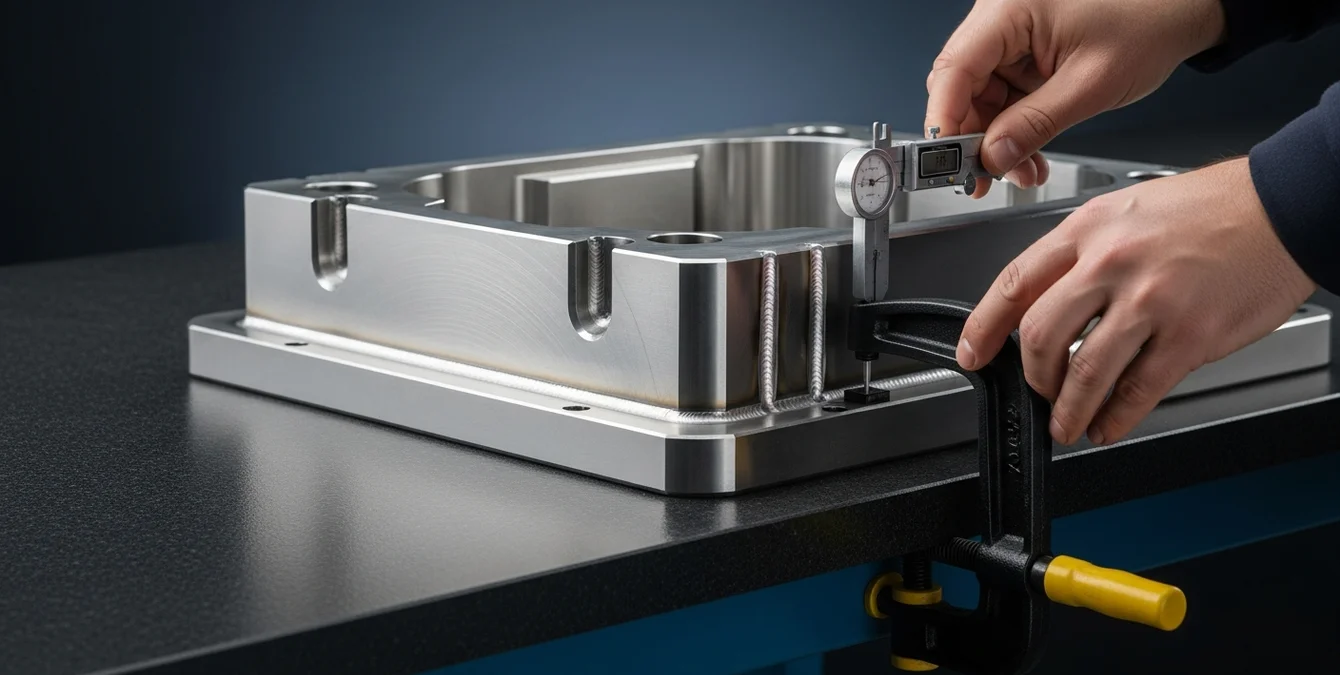
Case Studies: Successful Tool Steel Laser Welding Applications
Tool steel laser welding plays a crucial role in manufacturing, enabling the creation of strong, precise joints in demanding environments. By utilizing advanced technologies such as Nd:YAG laser welding, manufacturers are overcoming traditional challenges, like preventing cold cracking in welding, to achieve superior results. Below, we explore real-world applications that showcase the effectiveness of Sigma Laser’s precision systems in the tool and die industries.
Case Study 1: Automotive Industry
In the automotive sector, manufacturers face the challenge of welding high-strength tool steel components with minimal distortion and high precision. A leading automotive supplier integrated Sigma Laser’s Sidanus Light system, utilizing its Nd:YAG laser technology to perform intricate welds on die components. This solution effectively reduced cold cracking risks by incorporating controlled heat input and precise beam placement, resulting in a 25% reduction in production time and improved joint integrity.
The Nd:YAG laser system employed operates typically within a power range of 100 to 500 watts, with a wavelength of 1064 nm, offering a beam quality M² of less than 1.5 for high precision. The focal length used is generally around 100 mm, allowing for a spot size of approximately 0.2 mm, which is critical for achieving the necessary penetration depth of up to 2 mm in tool steels such as AISI D2 and H13, commonly used in automotive dies.
Case Study 2: Aerospace Applications
Aerospace applications demand strict adherence to quality standards such as ISO 9001 and DIN 32525. An aerospace manufacturer adopted our Sirius Light system, equipped with Super Pulse Technology (SPT), to weld tool steel components used in turbine engines. This approach not only met ISO 15614-11 welding standards but also enhanced the fatigue resistance of joints by 30%. The integration of Swivel Optics facilitated access to complex geometries, significantly improving weld consistency and reducing material waste.
The Sirius Light system typically operates at a peak power of up to 1 kW with pulse durations in the range of 0.5 to 10 ms, allowing for precise control over the heat-affected zone (HAZ), which is crucial for maintaining the mechanical properties of high-performance alloys. The welding speed is typically set between 1 to 3 meters per minute, depending on the thickness and thermal conductivity of the material.
Lessons Learned
These case studies highlight the importance of selecting the right laser welding technology for specific industrial applications. Key lessons include:
- The strategic use of Nd:YAG lasers and Super Pulse Technology (SPT) can mitigate common welding challenges, such as cold cracking.
- Incorporating advanced optics, like Swivel Optics, enhances precision and accessibility in complex welding scenarios.
- Adhering to international standards ensures product reliability and consistency across demanding industries.
- Understanding the specific material properties, such as thermal expansion coefficients and specific heat capacity, is essential for optimizing welding parameters and achieving desired joint characteristics.
By leveraging Sigma Laser’s state-of-the-art systems, manufacturers in the automotive and aerospace sectors are achieving unprecedented levels of quality and efficiency in tool steel laser welding applications.
Frequently Asked Questions
What are the best practices for laser welding tool steel?
Best practices include preheating the tool steel to prevent cracking, using a laser with appropriate power density, and maintaining a clean environment to avoid contamination. Selecting the right filler material that matches the tool steel’s composition is also crucial to ensure a strong weld.
How does laser welding compare to traditional welding methods for tool steel?
Laser welding offers higher precision and minimal heat-affected zones compared to traditional methods. It allows for faster processing speeds and reduced distortion, making it ideal for complex geometries and thin sections in tool steel applications.
What types of tool steel are most suitable for laser welding?
Tool steels such as A2, D2, and H13 are commonly used for laser welding due to their favorable thermal properties. However, the specific choice depends on the application requirements and desired mechanical properties post-welding.
What are the common challenges in laser welding tool steel?
Common challenges include managing heat input to prevent thermal cracking, ensuring proper alignment to avoid weld defects, and selecting suitable laser parameters to achieve optimal penetration and weld quality.
How does preheating affect the laser welding of tool steel?
Preheating tool steel reduces thermal gradients and helps prevent cracking during laser welding. It stabilizes the material’s microstructure, promoting better fusion and reducing residual stresses in the welded joint.
Can laser welding be automated for tool steel applications?
Laser welding can be fully automated using robotic systems, enhancing consistency and precision in tool steel applications. Automation also allows for integration with CNC systems for complex weld paths and high-volume production.
How does Sigma Laser technology help prevent cracking in tool steel welds?
Sigma Laser systems utilize Super Pulse Technology (SPT) to precisely control heat input, minimizing thermal stresses that can cause cracking in tool steel. Combined with 5-axis CNC kinematics for accurate seam placement, this enables repeatable, low-distortion welds even on complex geometries, supporting reliable results in demanding tool steel applications.