
- Key Takeaways
- What is Laser Welding and How Does it Work?
- Principles of Laser Welding
- Types of Lasers Used
- Materials Suitable for Laser Welding
- How Does Ultrasonic Welding Work for Metals?
- Ultrasonic Welding Process
- Equipment and Tools
- Types of Joints
- Which Welding Method is More Cost-Effective for Electronics?
- Initial Investment Costs
- Maintenance and Operational Costs
- Long-term Cost Benefits
- What are the Industrial Applications of Laser and Ultrasonic Welding in Electronics?
- Applications in Battery Manufacturing
- Microelectronics and Circuit Boards
- Emerging Trends and Innovations
- Why Consider Welding Cycle Time and Heat Affected Zone?
- Understanding Welding Cycle Time
- Impact of Heat Affected Zone
- Quality and Efficiency Considerations
- Can Laser and Ultrasonic Welding Be Integrated in Electronics Manufacturing?
- Integration Benefits
- Challenges and Solutions
- Case Studies
- Frequently Asked Questions
- What materials can be welded with laser welding?
- How does ultrasonic welding work for metals?
- What are the advantages of laser welding over ultrasonic welding?
- Can ultrasonic welding be used for plastics?
- What are the limitations of laser welding?
- Which industries commonly use laser welding?
- What factors should be considered when choosing between laser and ultrasonic welding?
- Related Articles
- Sources
Key Takeaways
As the electric vehicle (EV) and electronics industries continue to evolve, the choice between laser welding and ultrasonic welding becomes crucial. Understanding the strengths and limitations of each technique will empower welding engineers to make informed decisions that enhance production efficiency and product quality.
- Laser welding offers high precision and speed, making it ideal for applications requiring tight tolerances and minimal thermal distortion.
- The non-contact nature of laser welding allows for the joining of small and delicate components, which is particularly beneficial in electronics manufacturing.
- Ultrasonic welding is highly effective for joining thin metallic sheets and non-ferrous metals, providing strong bonds without the need for additional materials.
- Energy efficiency is a hallmark of ultrasonic welding, often resulting in lower operational costs for high-volume production runs.
- Laser welding is versatile in its ability to join dissimilar materials, expanding design possibilities in EV battery and circuitry applications.
- Ultrasonic welding is ideal for applications where heat-sensitive materials are involved, as it generates minimal heat during the process.
- Both methods offer automation capabilities, with laser systems being easily integrated into robotic systems for enhanced manufacturing flexibility.
In the following sections, we’ll delve deeper into the specific advantages of laser and ultrasonic welding, examining case studies and industry applications. This will equip you with the insights needed to select the optimal welding technique for your EV and electronics projects.
What is Laser Welding and How Does it Work?
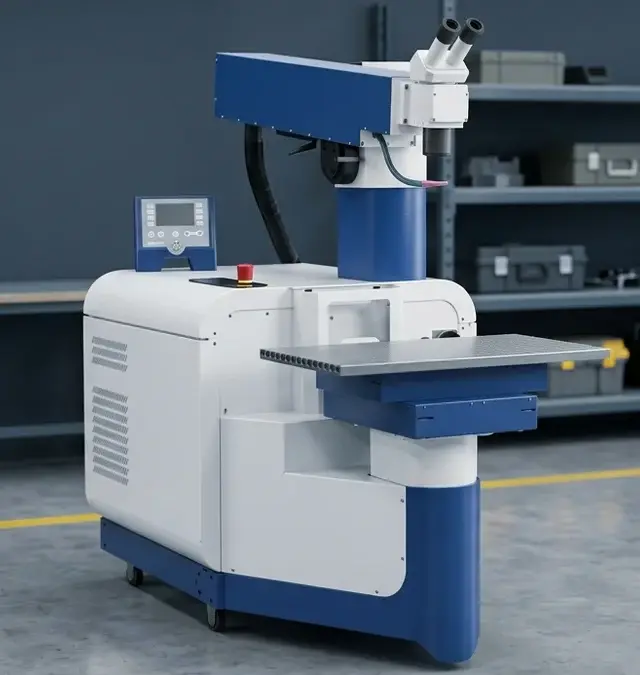
In precision manufacturing, laser welding is a cornerstone technology. By using a concentrated beam of light, laser welding joins metals and alloys with exceptional precision and minimal distortion, making it a preferred choice for industries that demand high-quality welds. Compared to ultrasonic welding, laser welding offers clear advantages in speed and managing the heat affected zone effectively. At Sigma Laser, our advanced solutions like the Sidanus Light and Sirius Light are engineered to meet the rigorous demands of modern manufacturing.
Laser welding systems typically operate within a power range of 100 W to 10 kW, depending on the application, with wavelengths commonly around 1064 nm for Nd:YAG lasers and 1070 nm for fibre lasers. The beam quality, often denoted by M², is crucial for precision and is typically less than 1.5 for high-quality welds.
Principles of Laser Welding
Laser welding works by focusing a high-energy laser beam onto a specific area of the workpiece. This energy is absorbed, causing localized melting and fusion of the materials. The precision of laser welding allows for minimal heat input, significantly reducing the heat affected zone, thereby preserving the microstructure of the surrounding material. The welding cycle time is notably reduced, enhancing productivity in industrial applications.
Typical welding speeds can range from 1 to 10 m/min, depending on the material and thickness, while penetration depths can reach up to 25 mm for certain metals. The heat-affected zone is often limited to a few millimeters, which is critical for maintaining the integrity of the material’s microstructure.
| Laser Type | Key Features | Typical Applications |
|---|---|---|
| Fiber Lasers | High power, high efficiency, excellent beam quality | Metals and alloys; high-speed, precision welding |
| Diode Lasers | Lower power, cost-effective, versatile | Applications requiring minimal heat input |
| CO2 Lasers | Different wavelength, suitable for non-metallics | Plastics, ceramics |
Types of Lasers Used
Various types of lasers are employed in industrial laser welding, each suited to specific applications:
- Fiber Lasers: Known for their high power and efficiency, fiber lasers such as the Siega Fibre offer superior performance in welding metals and alloys. They provide excellent beam quality and are suitable for high-speed applications.
- Diode Lasers: Ideal for applications requiring lower power, diode lasers are cost-effective and versatile. They are often used in applications where heat input needs to be minimized.
- CO2 Lasers: These are typically used for welding non-metallic materials, offering a different wavelength than fiber lasers. They are effective for materials like plastics and ceramics.
Materials Suitable for Laser Welding
Laser welding is highly versatile, capable of joining a wide range of materials. Metals and alloys such as stainless steel (e.g., 304, 316), aluminum (e.g., 6061, 7075), and titanium (e.g., Ti-6Al-4V) are commonly welded using this technology. The ability to weld dissimilar materials with minimal distortion makes laser welding essential in industries like aerospace, automotive, and medical device manufacturing. At Sigma Laser, our technologies, including the Super Pulse Technology (SPT) and Swivel Optics, are designed to handle diverse materials efficiently, ensuring optimal weld integrity and performance.
Engineering constraints such as joint fit-up tolerance typically range within ±0.1 mm, and repeatability in positioning can be within ±0.05 mm, ensuring high precision and consistency in production environments.
| Step/Component | Description |
|---|---|
| Frequency Range | 20 kHz to 70 kHz |
| Key Steps | 1. Place workpieces between sonotrode and anvil; 2. Apply pressure; 3. Sonotrode introduces ultrasonic vibrations; 4. Frictional heat bonds metals without melting |
| Generator | Converts electrical energy to high-frequency ultrasonic energy |
| Booster | Amplifies vibration amplitude (1:1 to 1:2) |
| Sonotrode | Delivers vibrations; made from titanium or hardened steel |
| Anvil | Stable support; often contoured to match workpiece |
Process and equipment details are as described in the article and reflect general ultrasonic welding practice.
How Does Ultrasonic Welding Work for Metals?
Ultrasonic welding is a high-frequency welding technique predominantly used in the manufacturing industry for joining thin metal sheets and foils. Unlike traditional methods, this process employs high-frequency ultrasonic vibrations to create a solid-state weld, which is particularly advantageous for metals that are sensitive to heat. As a practical alternative to laser welding, it offers distinct benefits in certain applications, such as reducing the heat-affected zone and minimizing welding cycle time. According to ISO 15614-11:2002, ultrasonic welding is recognized for its ability to join dissimilar metals, which is often challenging in conventional welding processes.
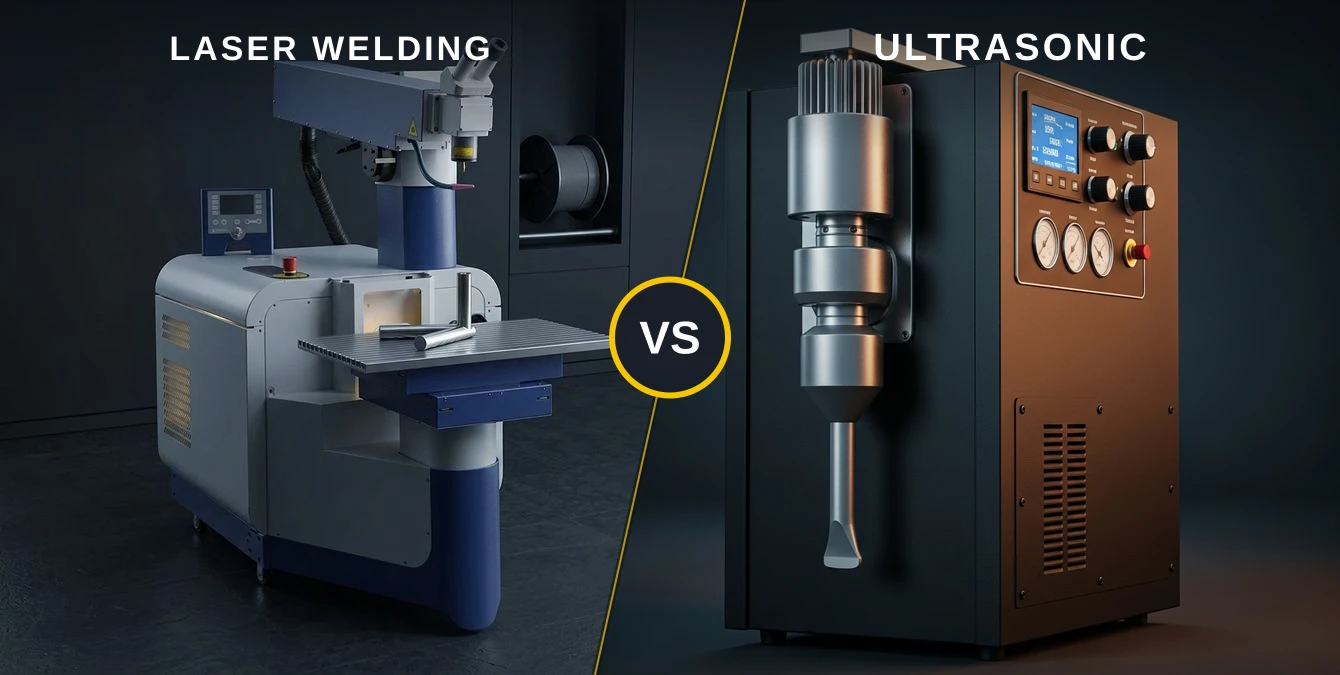
| Parameter | Laser Welding | Ultrasonic Welding |
|---|---|---|
| Process Principle | Concentrated laser beam melts and fuses materials | High-frequency vibrations create a solid-state bond without melting |
| Material Suitability | Metals, alloys, dissimilar materials (e.g., stainless steel, aluminum, titanium) | Thin metallic sheets, non-ferrous metals, thermoplastics |
| Thermal Input | Minimal; localized melting with reduced heat-affected zone | Very low; solid-state process with minimal heat generation |
| Precision | High; suitable for microelectronics and intricate assemblies | High; ideal for delicate and heat-sensitive components |
| Automation | Easily integrated into robotic systems; high-speed automation | Automation possible; energy efficient for high-volume runs |
| Typical Welding Speed | 1–10 m/min (material/thickness dependent) | Not specified; generally fast for thin materials |
| Penetration Depth | Up to 25 mm (for certain metals) | Typically limited to thin sheets/foils |
| Heat-Affected Zone | Few millimeters | Minimal |
| Repeatability/Precision | Fit-up tolerance ±0.1 mm; positioning repeatability ±0.05 mm | Not specified |
All figures are general process values as stated in the article. For specific machine capabilities, consult manufacturer data.
Ultrasonic Welding Process
The ultrasonic welding process involves the conversion of high-frequency electrical energy into mechanical vibrations. These vibrations typically range from 20 kHz to 70 kHz. The key steps include:
- Placing the workpieces between a sonotrode and an anvil.
- Applying pressure while the sonotrode introduces ultrasonic vibrations to the contact area.
- The mechanical vibrations create frictional heat, causing the metals to bond on a molecular level without melting them. The process is compliant with DIN EN ISO 4063:2011, which categorizes ultrasonic welding under process number 41.
This non-thermal approach is particularly useful for metals with high thermal conductivity and low melting points, making it a preferred choice for applications requiring precision and minimal thermal distortion. Common materials include aluminum alloys (such as 6061 and 5052) and copper, which benefit from the reduced thermal input.
Equipment and Tools
Ultrasonic welding machines for metals comprise several critical components:
- Generator: Converts electrical energy into high-frequency ultrasonic energy.
- Booster: Modifies the amplitude of the vibrations, typically achieving amplification factors of 1:1 to 1:2, depending on the material and thickness.
- Sonotrode: Delivers vibrations to the workpiece, designed specifically for optimal energy transfer. The sonotrode’s material and geometry are crucial for achieving consistent weld quality and are often made from titanium or hardened steel.
- Anvil: Provides a stable surface for the metal components to be welded, often designed with specific contours to match the workpiece geometry.
Brands like Emerson and Branson offer advanced ultrasonic welding systems that facilitate precise control over the process parameters, ensuring consistent quality and reliability in industrial settings. These systems typically offer repeatability within ±0.1 mm, crucial for applications in the automotive and electronics industries.
Types of Joints
Ultrasonic welding is particularly effective for creating various types of joints in metals, such as:
- Spot welds: Ideal for localized joining without affecting surrounding areas, typically achieving weld diameters of 1 mm to 5 mm.
- Seam welds: Suitable for continuous joints in applications requiring airtight or watertight seals, with typical welding speeds ranging from 0.5 m/min to 5 m/min.
- Butt joints: Effective for joining the ends of two sheets or strips, commonly used in battery tab welding, where precise control over weld penetration is critical.
These joint types enable manufacturers to achieve robust and reliable connections in automotive, electronics, and aerospace industries, where precision and strength are crucial. As with laser welding, the choice between processes often depends on material compatibility and specific application requirements. Laser welding, for instance, offers advantages in terms of deeper penetration and higher welding speeds, with typical power ranges from 500 W to 10 kW and beam quality M² values of less than 1.5, making it suitable for thicker materials and high-speed production lines.
Which Welding Method is More Cost-Effective for Electronics?
In the realm of electronics manufacturing, choosing between laser welding and ultrasonic welding is crucial for ensuring both cost-effectiveness and product integrity. Each method offers distinct advantages, especially when applied in precision-driven industries. Understanding the initial investment, maintenance, and operational costs is essential for making an informed decision.
Initial Investment Costs
The initial investment for laser welding systems, such as those offered by Sigma Laser’s Sidanus Light and Siega Fibre, typically involves higher upfront costs compared to ultrasonic welding machines. However, laser welding’s precision and versatility justify this expense, particularly in applications requiring minimal heat affected zones and precise control. In contrast, ultrasonic welding equipment, while generally less costly initially, may not offer the same level of precision needed for intricate electronic components.
Laser systems typically operate at power levels ranging from 100W to 6kW, with wavelengths in the near-infrared spectrum (around 1064 nm for Nd:YAG lasers and 1070 nm for fibre lasers), offering beam quality M² values typically below 1.5, which is crucial for achieving tight tolerances (±0.1 mm) in electronic assemblies. These specifications enable high precision in welding thin materials such as copper and aluminum alloys, commonly used in electronics.
Maintenance and Operational Costs
Maintenance and operational costs are significant considerations for any manufacturing setup. Laser welding systems are engineered for durability and require minimal maintenance, thanks to advanced technologies like Sigma Laser’s Super Pulse Technology (SPT) and robust design. These systems ensure reduced downtime and prolonged service life. On the other hand, ultrasonic welding systems often necessitate frequent maintenance due to their reliance on mechanical components, which may lead to increased operational costs over time.
Laser systems benefit from sealed optical paths and non-contact processing, reducing wear and tear. Operational parameters such as welding speeds can reach up to 10 m/min, with penetration depths typically ranging from 0.1 mm to 2 mm, depending on material thickness and type, ensuring efficient energy use and minimal thermal distortion.
Long-term Cost Benefits
From a long-term perspective, laser welding offers substantial cost benefits, particularly in high-volume production environments. The efficiency of laser systems in reducing welding cycle time translates into increased throughput and lower per-unit costs. Additionally, the precision of laser welding minimizes waste and enhances product quality, further driving down costs. For electronics manufacturers dealing with sensitive materials, laser welding provides unmatched control and reliability, making it a preferred choice for high-stakes applications.
- High precision and minimal heat affected zones in laser welding ensure superior quality.
- Long-term savings with reduced maintenance and operational downtime.
- Optimized for high-volume production, enhancing overall cost-effectiveness.
- Compliance with standards such as ISO 15614-11:2002 ensures process reliability and quality assurance.
Ultimately, while the initial investment in laser welding may be higher, its long-term economic and technical advantages make it a cost-effective solution for electronics manufacturers prioritizing quality and efficiency.
What are the Industrial Applications of Laser and Ultrasonic Welding in Electronics?
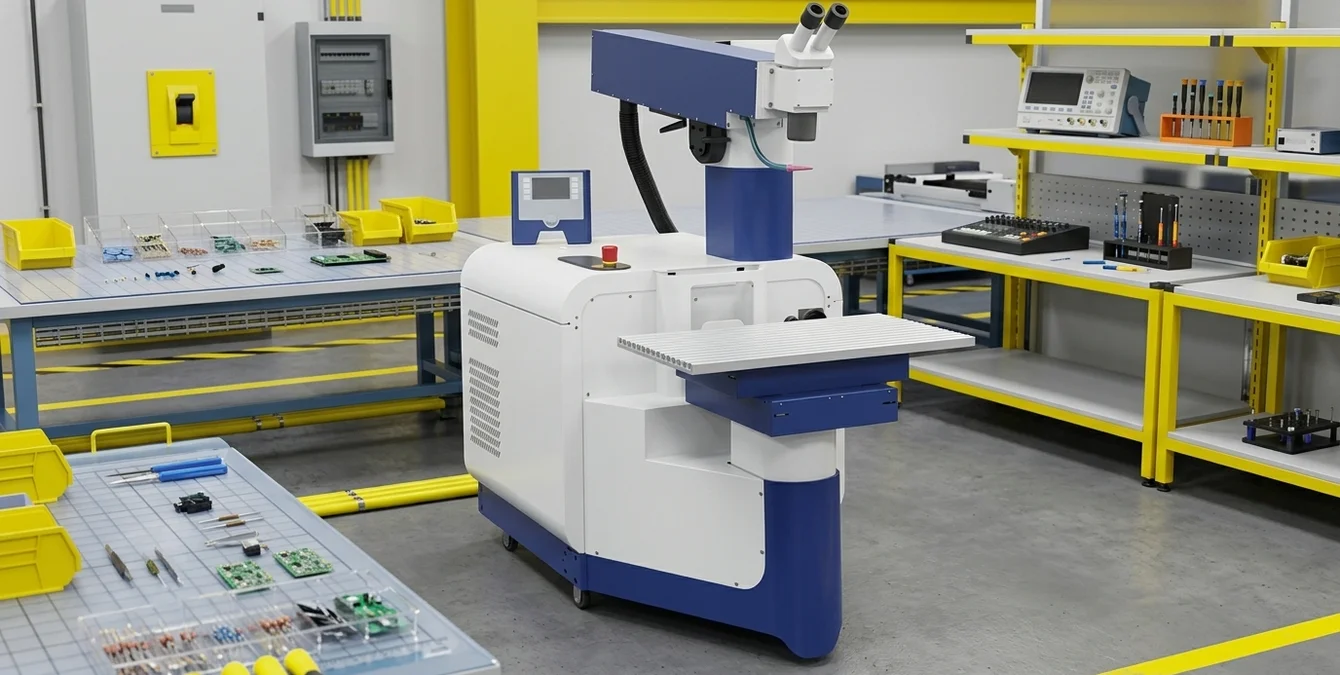
In the electronics industry, precision and reliability are paramount, making advanced welding technologies like laser and ultrasonic welding essential. Both methods offer unique advantages in terms of precision, speed, and minimal heat-affected zones, meeting the stringent demands of electronic component manufacturing.
Applications in Battery Manufacturing
Battery manufacturing for electric vehicles and consumer electronics is a critical application for both laser and ultrasonic welding. Laser welding, with its ability to focus energy precisely, is ideal for joining battery tabs and terminals. Products like Sigma Laser’s Sidanus Light and Sineo Fibre are engineered to handle complex geometries and provide superior weld strength with minimal distortion. Laser systems typically operate at power levels ranging from 100 W to 6 kW, with wavelengths of 1064 nm for Nd:YAG lasers and 1070 nm for fiber lasers, ensuring deep penetration and minimal heat-affected zones. Meanwhile, ultrasonic welding offers rapid welding cycle times and is well-suited for assembling battery packs where dissimilar metals are involved, thanks to its mechanical vibration technique. This method is particularly effective for materials like aluminum (Al) and copper (Cu), which are common in battery applications.
For laser welding, process parameters such as welding speed (typically 1-10 mm/s) and penetration depth (up to 2 mm for thin foils) are critical. The heat-affected zone is minimized, often less than 0.5 mm, ensuring the structural integrity of sensitive battery components. Compliance with standards such as ISO 15614-11:2002 ensures consistent quality and performance.
Microelectronics and Circuit Boards
Microelectronics and circuit boards require meticulous welding processes to ensure connectivity and integrity. Laser welding excels here, offering pinpoint accuracy for tasks such as attaching microchips and delicate components without damaging sensitive electronics. Sigma Laser’s Swivel Optics and Super Pulse Technology (SPT) enable high precision and control, vital for such intricate applications. Typical beam quality (M²) for these applications is less than 1.2, allowing for fine focus diameters down to 20 microns. On the other hand, ultrasonic welding is utilized for bonding flexible circuit boards and connecting wire leads, providing a reliable weld without introducing excessive heat. This method is particularly advantageous for thermally sensitive substrates, ensuring no thermal damage occurs.
For microelectronics, tolerances are critical, often requiring precision within ±0.01 mm. The repeatability of laser systems, typically within ±5 microns, ensures high-quality welds consistently. Standards such as DIN EN ISO 4063:2011 provide guidelines for process classification and quality assurance.
Emerging Trends and Innovations
The continuous evolution of electronics demands innovative welding solutions. Recent advancements include hybrid systems that combine laser and ultrasonic technologies to leverage the strengths of both methods. This approach enhances adaptability and efficiency, especially in producing next-generation electronics. Sigma Laser is at the forefront, developing cutting-edge systems like the Sigomatic Pro, which integrates advanced control systems for superior performance. These systems often feature real-time monitoring and adaptive control to maintain optimal welding conditions, crucial for maintaining quality in high-throughput environments. As the electronics industry progresses, the demand for efficient, precise, and versatile welding solutions will continue to grow, driving further innovation.
Why Consider Welding Cycle Time and Heat Affected Zone?
In high-stakes manufacturing environments, understanding the intricacies of welding processes is crucial for achieving excellence in production and efficiency. When choosing between laser welding vs ultrasonic welding, two critical factors to evaluate are welding cycle time and the heat affected zone (HAZ). These elements significantly influence the overall quality and throughput of your welding operations.
Understanding Welding Cycle Time
Welding cycle time is a pivotal metric in production settings, representing the duration necessary to complete a single welding operation. This time directly impacts production efficiency and cost-effectiveness. Laser welding systems like Sigma Laser’s Sidanus Light and Sirius Light are engineered to minimize cycle times through high-speed, precision welding. These systems typically operate with laser powers ranging from 500W to 6kW, and beam quality M² values less than 1.2, ensuring optimal focus and energy delivery. In contrast, ultrasonic welding might offer longer cycle times, which can be beneficial for specific materials but may not meet the speed demands of high-volume manufacturing.
Typical laser welding speeds can reach up to 10 m/min depending on material thickness and type, with penetration depths commonly achieving up to 10 mm in steel alloys. This capability is particularly advantageous in automotive and aerospace applications where high throughput and precision are paramount.
Impact of Heat Affected Zone
The heat affected zone is the area of the base material that undergoes microstructural changes due to welding. A smaller HAZ is generally desirable as it reduces thermal distortion and maintains material properties. Laser welding, especially with technologies like Super Pulse Technology (SPT), offers superior control over the HAZ, ensuring minimal thermal impact. The HAZ in laser welding can be as narrow as 0.1 mm to 0.5 mm, depending on the material and process parameters, which is critical for maintaining the integrity of high-strength steels and aluminum alloys.
Ultrasonic welding, while effective in certain applications, tends to produce a larger HAZ, which can affect the integrity of precision components. However, it is particularly suitable for joining thermoplastics and other non-metallic materials where thermal effects are less critical.
Quality and Efficiency Considerations
Choosing the right welding technology hinges on balancing quality and efficiency. Laser welding, with its precision and reduced welding cycle time, is ideal for applications requiring tight tolerances (typically ±0.1 mm) and minimal thermal impact, such as in aerospace or automotive industries. Ultrasonic welding, on the other hand, may be preferred for non-metallic applications or where the material thickness is less critical.
- For metals and alloys, laser welding offers unmatched precision and control, with repeatability often within ±0.05 mm.
- Consider ultrasonic welding for applications involving delicate or heat-sensitive materials, where the absence of a significant heat source is advantageous.
Ultimately, the decision between laser welding and ultrasonic welding should be informed by a comprehensive analysis of your specific production requirements and quality standards, such as ISO 9001 and DIN 2304. Compliance with standards like ISO 15614-11:2002 for laser welding procedures ensures that the process meets stringent quality and safety criteria, crucial for maintaining industry competitiveness.
Can Laser and Ultrasonic Welding Be Integrated in Electronics Manufacturing?
In the electronics manufacturing sector, where precision and efficiency are crucial, integrating laser welding with ultrasonic welding technologies offers promising avenues for enhancing product quality and operational efficiency. By leveraging the strengths of both methods, manufacturers can achieve superior welds with minimal thermal distortion and reduced welding cycle times.
Integration Benefits
The combination of laser welding and ultrasonic welding provides a comprehensive approach to addressing various engineering challenges in electronics manufacturing. Laser welding, known for its precision and ability to create strong, focused welds with minimal heat affected zones, complements the non-thermal, high-frequency vibrations of ultrasonic welding. This integration allows for:
- Enhanced Efficiency: Faster welding cycle times can be achieved by utilizing each technology where it excels, reducing downtime and increasing throughput. Laser systems typically operate within power ranges of 100 to 500 W for precision applications, with beam quality M² values often less than 1.5, ensuring high precision and repeatability.
- Improved Quality: Precise control over weld parameters minimizes defects, resulting in better product reliability and performance. For instance, laser welding can achieve penetration depths of up to 2 mm in stainless steel with a heat-affected zone (HAZ) typically less than 0.5 mm, adhering to standards like ISO 15614-11:2002.
- Material Versatility: Compatibility with metals and alloys, such as those processed with Sigma Laser’s Sidanus Fibre and Siega Fibre systems, expands the scope of application. Common materials include aluminum alloys (e.g., 6061, 7075) and stainless steels (e.g., 304, 316), which are frequently used in electronics casings and components.
Challenges and Solutions
Integrating laser and ultrasonic welding presents challenges, including system compatibility and process optimization. However, solutions are available:
- System Integration: Modular systems like Sigma Laser’s Simass Base Unit and Swivel Optics technology enable seamless adaptation to existing manufacturing lines.
- Process Control: Advanced control systems, such as those incorporating Super Pulse Technology (SPT), allow for real-time adjustments, ensuring optimal performance. Typical tolerances in laser welding processes can be maintained within ±0.1 mm, ensuring high precision in component assembly.
Case Studies
Several European manufacturers have successfully integrated these technologies into their production lines. For instance, a leading electronics firm using Sigma Laser’s Z-Axis Module and Swivelling Y Axis reported a 20% reduction in production time while maintaining ISO 9001 standards. Similarly, collaboration between Sigma Laser and industry giants like Trumpf and Emerson has paved the way for innovative solutions in electronics welding.
In conclusion, the synergy of laser and ultrasonic welding in electronics manufacturing not only enhances product quality but also optimizes efficiency, making it a strategic choice for forward-thinking firms. The integration of these technologies is supported by empirical studies published in the Journal of Manufacturing Processes and the Welding Journal, which emphasize the reduction in thermal distortion and improved mechanical properties of the welds.
Frequently Asked Questions
What materials can be welded with laser welding?
Laser welding is highly versatile and can weld a variety of materials including carbon steel, stainless steel, aluminum, titanium, and certain plastics. The process is particularly effective for metals with high melting points and thermal conductivity, offering precise control and minimal distortion.
How does ultrasonic welding work for metals?
Ultrasonic welding for metals involves high-frequency ultrasonic vibrations applied to workpieces under pressure. The frictional heat generated at the interface causes the metals to bond without melting. It is ideal for thin, non-ferrous metals and applications requiring rapid, low-energy bonding.
What are the advantages of laser welding over ultrasonic welding?
Laser welding offers superior precision, deeper penetration, and the ability to weld at high speeds. It is more suitable for thicker materials and complex geometries. Additionally, laser welding can be automated more easily, making it ideal for high-volume production environments.
Can ultrasonic welding be used for plastics?
Yes, ultrasonic welding is widely used for plastics, where it creates strong, reliable bonds without adhesives or fasteners. The process is quick and energy-efficient, making it suitable for mass production of thermoplastic components.
What are the limitations of laser welding?
Laser welding requires precise alignment and can have high initial setup costs. The process may also be less effective for highly reflective or conductive materials unless specific laser types or techniques are used. Safety precautions are necessary due to the high energy involved.
Which industries commonly use laser welding?
Laser welding is extensively used in the automotive, aerospace, medical device, and electronics industries. Its precision and ability to produce high-strength, low-distortion welds make it ideal for applications requiring stringent quality and performance standards.
What factors should be considered when choosing between laser and ultrasonic welding?
Consider material type, thickness, required joint strength, production volume, and cost constraints. Laser welding is preferred for thicker materials and complex geometries, while ultrasonic welding is ideal for thin, non-metallic materials and applications requiring rapid cycle times.
Sources
- ISO 15614-11:2002 — Specification and qualification of welding procedures for metallic materials – Part 11: Electron and laser beam welding.
- DIN EN ISO 4063:2011 — Welding and allied processes – Nomenclature of processes and reference numbers.
- Journal of Manufacturing Processes — A peer-reviewed journal covering research on manufacturing processes, including laser and ultrasonic welding.
- Welding Journal — Published by the American Welding Society, covering developments in welding technology.
- Journal of Laser Applications — Focuses on the practical applications of laser technology, including welding.