
- What Swivel Optics Unlock
- Before You Install: Preparation
- Mounting the Module
- Verifying Beam Centering Through the Swivel Range
- Test Welds in Real Positions
- Keeping It Aligned
- Frequently Asked Questions
- Can swivel optics be retrofitted to any Sigma Laser welding system?
- How often should beam alignment be checked after installing swivel optics?
- What should I do if I notice inconsistent weld quality at certain swivel angles?
- Is special training required to install and align swivel optics?
- Related Articles
Quick Answer: Swivel optics installation and alignment enable 360° laser beam deflection on Sigma welding systems, allowing access to challenging geometries. Careful preparation, precise mounting, and thorough alignment checks are essential for optimal welding performance and seam quality in demanding mold or tool repair scenarios.
| Feature | Description / Benefit |
|---|---|
| 360° Beam Deflection | Enables laser welding at any angle, including vertical, overhead, and deep-cavity positions |
| Modular Add-On | Compatible with all Sigma welding systems (stationary and mobile); easy integration |
| Optional Telescopic Lens | Allows further adjustment of working distance and focus for a broader range of part sizes and access depths |
| Enhanced Accessibility | Makes it possible to weld complex geometries and hard-to-reach areas, especially in mold and tool repair |
| Quick Reconfiguration | Reduces downtime by allowing the same station to handle varied tasks |
All features and benefits listed are described in the article body.
What Swivel Optics Unlock
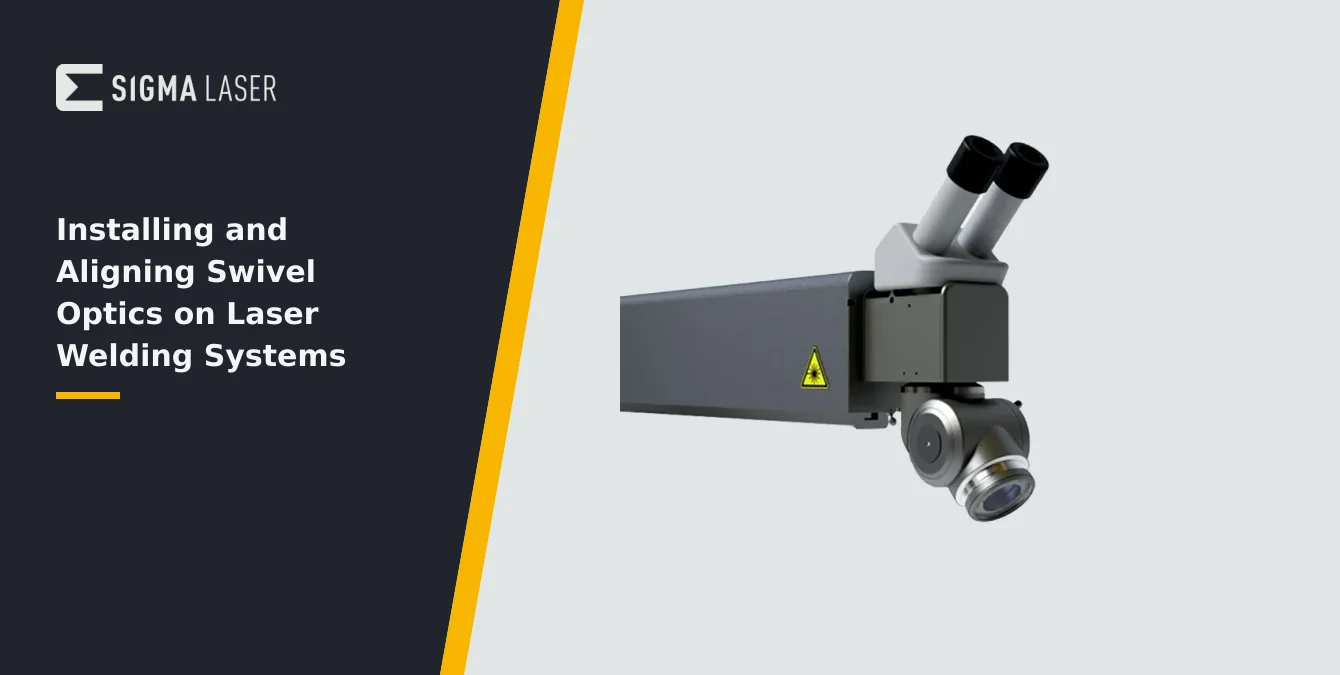
Swivel optics are a modular accessory designed to significantly expand the operational flexibility of Sigma Laser welding systems. By enabling 360° beam deflection, these optics allow operators to direct the laser beam at a wide range of angles, making it possible to weld on vertical walls, overhead surfaces, and even deep or awkwardly positioned cavities that would otherwise be inaccessible with standard optics. This capability is especially valuable in mold and tool repair, where complex geometries and restricted access are the norm.
The modular design of Sigma’s swivel optics means they can be integrated as an add-on to any compatible Sigma system, whether stationary or mobile. This adaptability ensures that the same welding station can be quickly reconfigured to handle a variety of tasks, reducing downtime and increasing overall productivity. The integration process is designed to be straightforward, but it is essential that operators follow best practices for installation and alignment to ensure optimal performance and safety.
For applications requiring even greater flexibility, an optional Telescopic Lens can be paired with the swivel optics. This combination allows for further adjustment of the working distance and focus, accommodating a broader range of part sizes and access depths. The result is a highly versatile welding setup capable of addressing the most demanding production and repair scenarios, from large molds to intricate tooling components.
- 360° beam deflection for maximum access
- Vertical, overhead, and deep-cavity welding
- Modular add-on for all Sigma welding systems
- Optional Telescopic Lens for extended reach and focus
| Step | Purpose / Key Actions |
|---|---|
| Preparation | Power down and isolate system; ensure all personnel are trained and equipped with safety gear; clean mounting and optical surfaces |
| Inspection | Check swivel optics and (if used) Telescopic Lens for damage or contamination |
| Mounting | Align and hand-tighten module; finalize fastening per documentation; test swivel mechanism for smooth operation |
| Beam Centering Verification | Set system to low-power test mode; check beam centering at multiple swivel angles (0°, 90°, 180°, 270°); document results |
| Test Welds | Perform welds at various angles/positions on representative scrap; inspect and document weld quality |
Each step is explicitly described in the article as part of the recommended installation and alignment process.
Before You Install: Preparation
Proper preparation is critical before installing swivel optics on your Sigma Laser system. Begin by ensuring the laser system is fully powered down and isolated from its main electrical supply. This step is essential for operator safety and to prevent accidental exposure to the laser beam during installation. Confirm that all personnel involved are trained and familiar with the safety guidelines supplied with your Sigma system, including the use of laser safety eyewear and protective clothing.
Next, thoroughly clean all mechanical and optical interfaces where the swivel optics will be mounted. Any dust, oil, or debris can compromise the stability of the connection or introduce optical contamination, which may degrade beam quality or cause misalignment. Use lint-free wipes and appropriate cleaning solutions for optical surfaces, taking care not to scratch or damage any components. Inspect the swivel optics themselves for any signs of damage, contamination, or wear before proceeding.
It is also good practice to review the configuration of your welding station and ensure that there is adequate clearance for the full range of motion provided by the swivel optics. Remove any obstacles that could interfere with installation or subsequent operation. For setups involving the optional Telescopic Lens, check that the lens is clean, free of defects, and properly seated in its mount. These preparatory steps help ensure a smooth installation and reliable performance in demanding production environments.
Mounting the Module
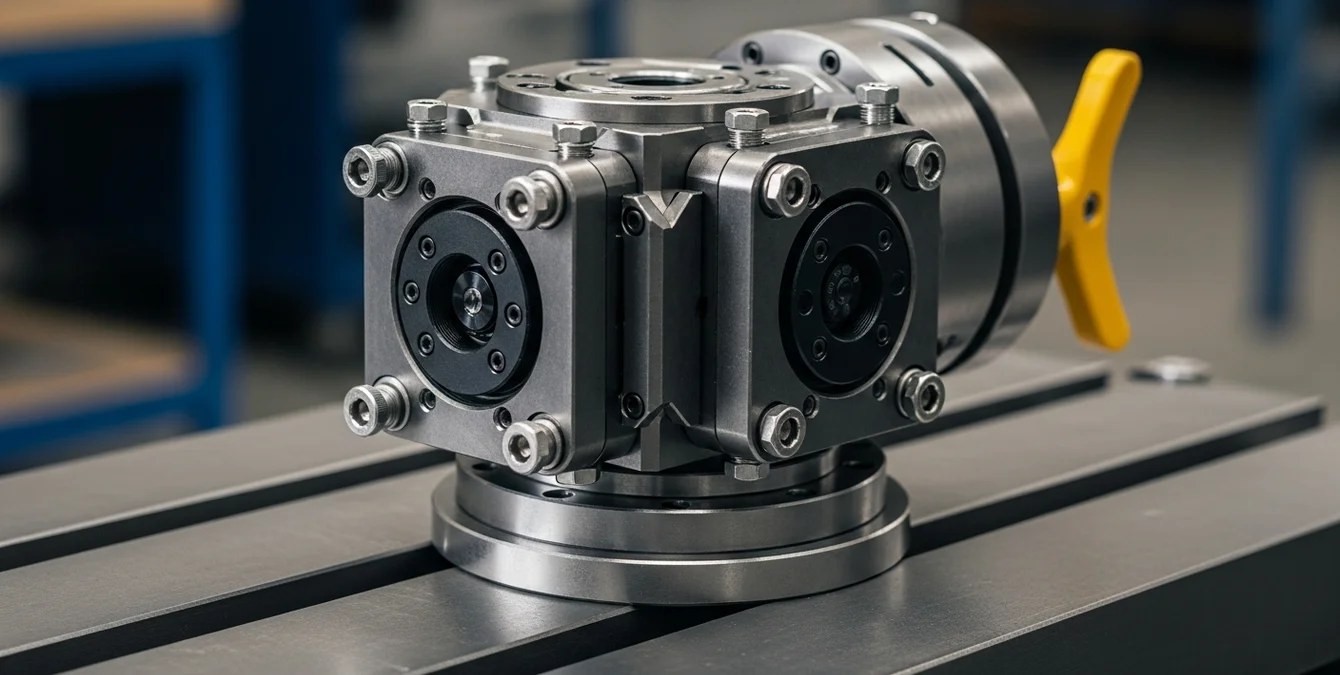
The mounting process for swivel optics on Sigma Laser systems is designed to be straightforward, but attention to detail is essential to achieve stable and repeatable alignment. Begin by positioning the swivel optics module according to the configuration supplied with your system. Carefully align the mounting interfaces, ensuring that all mechanical surfaces are clean and free from debris. This helps prevent misalignment and ensures a secure fit.
Initial fastening should be done by hand, tightening each screw or clamp evenly to seat the module without introducing stress or distortion. Avoid using excessive force at this stage; the goal is to achieve even contact across all mounting points. Once the module is evenly seated, proceed to final fastening using the appropriate tools, following any torque specifications provided in the Sigma documentation. If no torque values are specified, tighten securely but do not over-tighten, as this can damage threads or affect optical alignment.
After mounting, gently test the swivel mechanism through its full range of motion to confirm smooth operation and absence of mechanical interference. If the system includes the optional Telescopic Lens, verify that it is securely attached and that its adjustment mechanism operates freely. Take care not to touch optical surfaces during installation. A methodical approach during mounting reduces the need for later adjustments and supports consistent welding results.
| Accessory | Role | Compatibility |
|---|---|---|
| Swivel Optics | Provides 360° beam deflection for flexible welding access | Modular add-on for all Sigma welding systems |
| Telescopic Lens (optional) | Extends working distance and focus adjustment | Can be paired with Swivel Optics for greater flexibility |
Compatibility and roles are stated in the article; no numeric specs are given.
Verifying Beam Centering Through the Swivel Range
Once the swivel optics are mounted, it is essential to verify that the laser beam remains properly centered and aligned throughout the entire swivel range. This step ensures that the beam will consistently strike the intended spot on the workpiece, regardless of the selected angle. Misalignment can lead to uneven welds, reduced penetration, or even damage to the optics or workpiece.
Begin by setting the laser system to a low-power test mode, following all safety protocols. Using a suitable scrap workpiece or a dedicated alignment target, mark the beam position at several key swivel angles—such as 0°, 90°, 180°, and 270°. Observe whether the beam remains centered relative to the optical axis at each position. Any noticeable deviation indicates the need for realignment or adjustment of the swivel optics module.
This verification process should be conducted systematically, documenting the beam position at each angle for future reference. If the system includes a Telescopic Lens, repeat the centering check at different lens settings to confirm consistent alignment across the full working range. Regularly performing these alignment checks as part of your installation and maintenance routine helps maintain high-quality welds and reduces the risk of process interruptions.
Test Welds in Real Positions
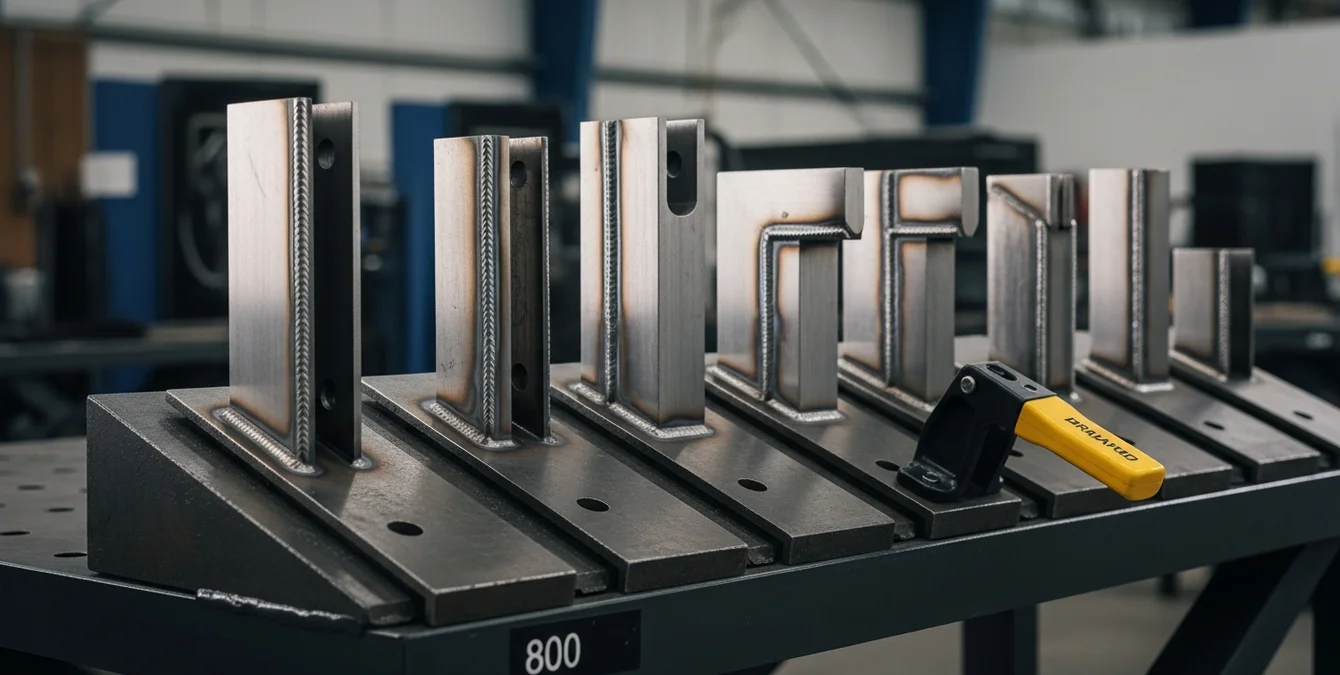
After confirming beam centering, it is important to conduct test welds using the swivel optics at a variety of angles and positions that reflect actual production scenarios. Select representative scrap pieces or sample geometries that mimic the types of molds, tools, or components you typically process. The goal is to evaluate how the optics perform under real-world conditions and to identify any issues with seam quality, penetration, or accessibility.
Perform welds at several swivel angles, including those that are most challenging—such as vertical walls, overhead surfaces, or deep cavities. Carefully inspect each test weld for consistency, bead appearance, and proper fusion. Compare the results across different angles to ensure that the weld quality remains uniform and that there are no signs of misalignment, such as off-center beads or inconsistent penetration.
Document your findings, noting any adjustments made to the optics or process parameters. This information can be invaluable for future reference and for troubleshooting should alignment issues arise during production. Incorporating test welds into your installation and alignment workflow helps ensure that your Sigma system delivers reliable results across the full range of challenging geometries encountered in mold and tool repair.
Keeping It Aligned
Maintaining the alignment and cleanliness of swivel optics is essential for ongoing welding performance. Dust, spatter, or accidental impacts can compromise optical alignment, leading to degraded weld quality or even equipment damage. Establish a routine for cleaning the deflection optics using approved methods and materials, taking care to avoid scratching or contaminating sensitive surfaces.
After any transport, maintenance, or suspected collision, recheck the alignment of the swivel optics by repeating the beam centering and test weld procedures outlined above. This proactive approach allows you to identify and correct alignment issues before they affect production. If the system is used in a high-throughput environment, consider scheduling regular alignment checks as part of your preventive maintenance plan.
In addition to cleaning and alignment verification, periodically inspect all mechanical fastenings and mounting points for signs of loosening or wear. Address any issues promptly to prevent further misalignment or damage. By integrating these practices into your standard operating procedures, you can maximize the service life of your swivel optics and ensure consistent, high-quality welding results on every job.
Frequently Asked Questions
Can swivel optics be retrofitted to any Sigma Laser welding system?
Yes, Sigma’s swivel optics are designed as a modular add-on and can be integrated with all compatible Sigma welding systems, both stationary and mobile. Always follow the installation and alignment procedures for your specific machine and configuration.
How often should beam alignment be checked after installing swivel optics?
It is best practice to verify beam alignment after every installation, transport, or suspected impact. In high-use environments, schedule regular alignment checks as part of your preventive maintenance routine to ensure ongoing weld quality.
What should I do if I notice inconsistent weld quality at certain swivel angles?
If weld quality varies with swivel angle, recheck the beam centering across the full swivel range using low-power test marks. Misalignment or contamination may be present. Clean the optics, verify mechanical fastening, and repeat alignment checks as needed.
Is special training required to install and align swivel optics?
Operators should be trained on the safety and operational procedures for Sigma systems, including accessory installation. Sigma offers certified operator trainings, which cover safe handling, installation, and alignment of modular optics and other system components.