
- Key Takeaways
- What Are the Maintenance Costs of Fiber Lasers vs CO2 Lasers?
- Initial Setup and Maintenance
- Routine Maintenance Requirements
- How Do Fiber Lasers Offer Long-Term Savings?
- Energy Efficiency and Cost Savings
- Reduced Downtime and Increased Productivity
- Which Components of CO2 Lasers Require Frequent Replacement?
- Commonly Replaced Parts
- Impact on Maintenance Costs
- Can Case Studies Demonstrate Cost Savings with Fiber Lasers?
- Case Study 1: Manufacturing Sector
- Case Study 2: Automotive Industry
- Why Is Understanding Maintenance Costs Crucial for Procurement Managers?
- Influence on Purchasing Decisions
- Budget Planning and Forecasting
- Frequently Asked Questions
- What are the long-term savings of fiber lasers?
- How often do CO2 laser components need replacement?
- What maintenance does a fiber laser system require?
- How do energy costs compare between fiber and CO2 lasers?
- Are there differences in consumables between fiber and CO2 lasers?
- What is the typical lifespan of a fiber laser?
- How does the cost of spare parts compare between fiber and CO2 lasers?
- Related Articles
- Sources
Key Takeaways
Understanding the maintenance costs associated with fiber lasers and CO2 lasers is crucial for procurement managers making informed decisions. This comparison highlights key differences in energy consumption and maintenance requirements, providing actionable insights to optimize your laser cutting operations.
- Fiber lasers generally have lower energy consumption compared to CO2 lasers, leading to reduced operational costs over time.
- CO2 lasers require regular maintenance of mirrors and lenses, which can increase downtime and maintenance expenses.
- Fiber lasers have fewer moving parts and no mirrors, resulting in less frequent maintenance needs and lower associated costs.
- The longer lifespan of fiber laser components can further reduce long-term maintenance expenses.
- CO2 lasers often require more frequent gas refills and optical alignment, adding to the overall maintenance burden.
- Consider the total cost of ownership, including both energy and maintenance costs, when comparing fiber and CO2 laser options.
- Evaluate your specific production requirements to determine which laser technology offers the best cost-efficiency for your operations.
By examining these critical factors, procurement managers can make data-driven decisions that align with their company’s operational and financial goals. Dive deeper into the article for a comprehensive analysis of fiber laser and CO2 laser maintenance costs.
| Parameter | Fiber Laser | CO2 Laser |
|---|---|---|
| Typical Wavelength | 1060–1080 nm | 10.6 µm |
| Beam Quality (M²) | <1.3 (often <1.1 for high precision) | Typically higher |
| Optical Alignment | Minimal (no mirrors) | Critical (multiple mirrors, ±0.1 mm tolerance) |
| Energy Efficiency | Up to 30% higher than CO2 | Lower |
Technical values are general and not attributed to specific Sigma Laser models.
What Are the Maintenance Costs of Fiber Lasers vs CO2 Lasers?
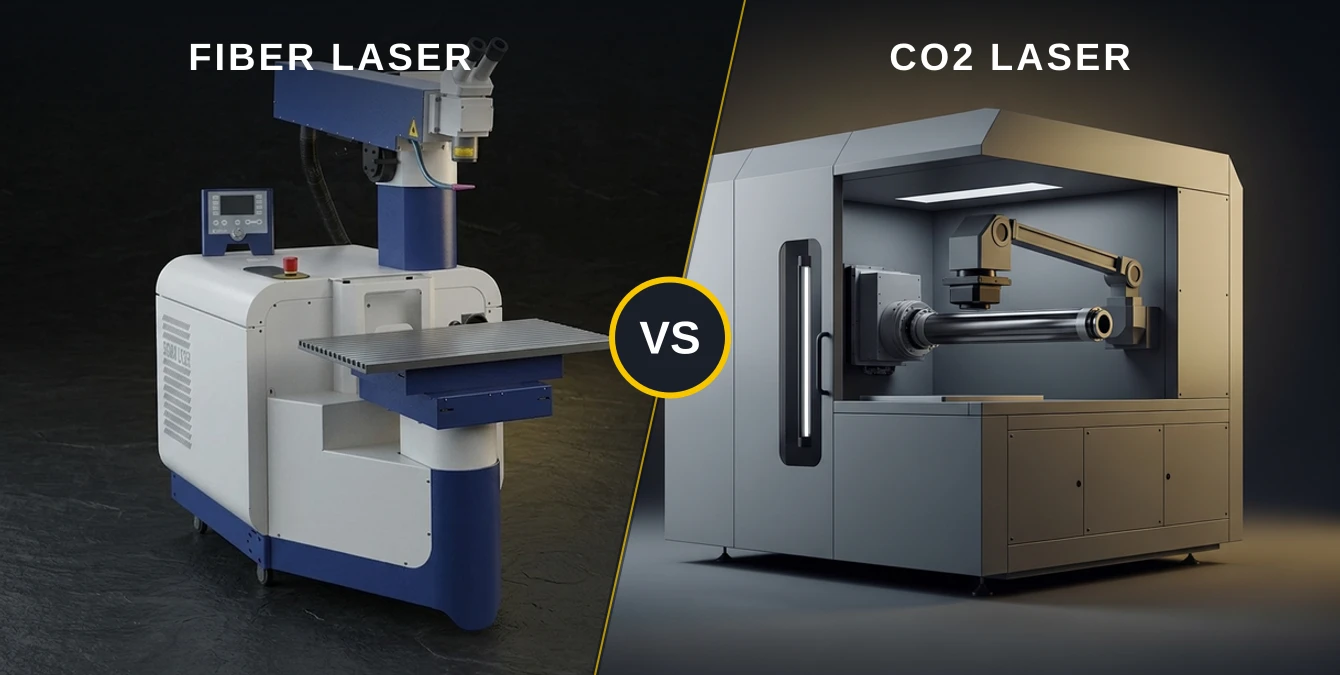
In the industrial manufacturing arena, particularly for procurement managers evaluating high-precision equipment, understanding the fiber laser vs CO2 maintenance cost is crucial for informed decision-making. Fiber lasers and CO2 lasers, both integral to cutting and welding operations, present distinct maintenance profiles influenced by their underlying technologies and operational demands.
Initial Setup and Maintenance
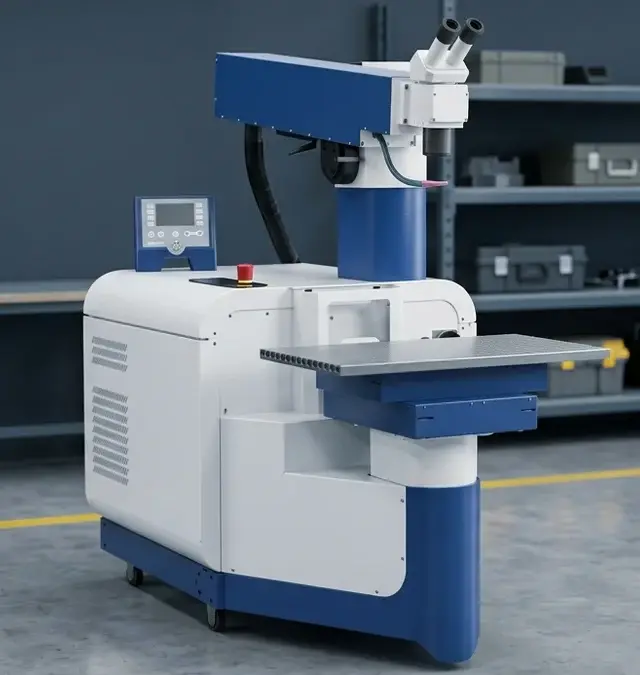
The initial setup and maintenance of fiber lasers, such as Sigma Laser’s Siega Fibre and Sidanus Fibre, involve considerations distinct from those required by CO2 lasers. Fiber lasers are renowned for their robust design, which results in lower initial maintenance requirements. This is largely due to their solid-state technology, which minimizes the need for components like mirrors and lenses that require frequent calibration in CO2 systems.
- Fiber Lasers: Typically demand less frequent initial maintenance due to fewer moving parts and a simpler optical path. This enhances their efficiency and reduces downtime. Fiber lasers often operate within a wavelength range of 1060-1080 nm, with beam quality M² values typically less than 1.3, contributing to their precision and minimal alignment needs.
- CO2 Lasers: Require more meticulous setup involving precise alignment of optical components, which can incur higher initial maintenance costs. These lasers operate at a wavelength of 10.6 µm and often require careful alignment of optical path components, such as mirrors and lenses, with tolerances typically around ±0.1 mm.
| Maintenance Aspect | Fiber Laser | CO2 Laser |
|---|---|---|
| Consumable Parts | Minimal (few consumables, no mirrors or gas) | Frequent (mirrors, lenses, gas refills) |
| Routine Maintenance | Occasional cleaning, software updates | Regular mirror alignment, optics cleaning, gas refills |
| Service Intervals | Can exceed 50,000 hours | Gas refills every 1,000–2,000 hours; frequent alignments |
| Downtime | Low (less frequent maintenance) | Higher (more frequent maintenance required) |
| Operational Lifespan | Long (fewer moving parts, sealed design) | Shorter (more wear on optical/gas components) |
All values reflect general industry trends as described in the article; specific figures may vary by manufacturer and application.
Routine Maintenance Requirements
Routine maintenance is a pivotal factor in evaluating the operational cost-effectiveness of fiber versus CO2 lasers. For CO2 lasers, regular maintenance is crucial to sustain performance, involving periodic replacement of gas and optics cleaning.
- Fiber Lasers: These systems benefit from a largely maintenance-free operation due to their sealed design, significantly reducing service intervals. The energy efficiency of fiber lasers also means less thermal management, translating to lower operational costs. Typical service intervals can extend beyond 50,000 hours of operation, with minimal intervention required.
- CO2 Lasers: They necessitate frequent attention, including gas refills and mirror alignment. This can elevate ongoing maintenance expenses, impacting the total cost of ownership. The gas mixture in CO2 lasers often needs replenishment every 1,000 to 2,000 hours, and mirror cleaning/alignment is required to maintain beam quality, as per standards like ISO 11145:2016.
For European industrial markets, where high uptime and operational efficiency are critical, the fiber laser’s reduced maintenance requirements offer a compelling advantage over CO2 systems. Companies like Sigma Laser, leveraging technologies like Super Pulse Technology (SPT) and Swivel Optics with Telescopic Lens, provide solutions that enhance fiber laser efficiency, further curtailing maintenance costs. When considering the full lifecycle of laser systems, understanding these maintenance nuances is essential for procurement managers aiming to optimize their manufacturing operations.
How Do Fiber Lasers Offer Long-Term Savings?
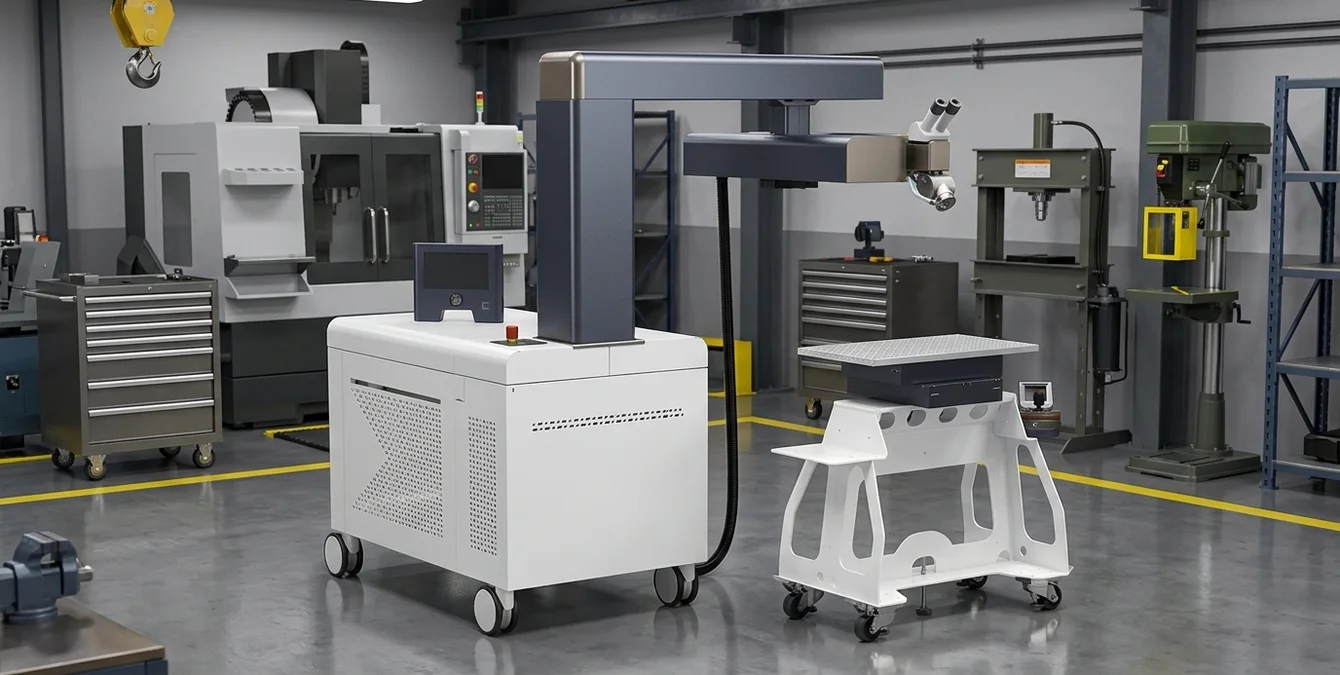
In the realm of precision welding and cutting, fiber lasers have emerged as a revolutionary technology that combines efficiency with cost-effectiveness. For procurement managers evaluating the fiber laser vs CO2 maintenance cost, understanding the long-term financial benefits is crucial. Fiber lasers, such as those in the Sigma Laser range—like the Siega Fibre and Sineo Fibre—offer unparalleled advantages in energy consumption and operational uptime.
Energy Efficiency and Cost Savings
Fiber lasers are renowned for their exceptional energy efficiency. Unlike CO2 lasers, which require high power input and regular gas refills, fiber lasers operate with minimal energy wastage. This translates into significant cost savings over time. In industrial settings, the electrical efficiency of fiber lasers can be up to 30% higher than CO2 variants. This efficiency not only reduces electricity costs but also aligns with sustainability goals, making fiber lasers a preferred choice for eco-conscious companies.
Moreover, the compact design of fiber lasers, as showcased in Sigma Laser’s Siega Fibre and other space-efficient models, further reduces the overall footprint and cooling requirements, resulting in additional savings in both space and operational expenses.
Fiber lasers typically operate at wavelengths around 1070 nm, which is highly efficient for cutting and welding applications involving metals such as stainless steel, aluminum, and copper. The beam quality, often characterized by an M² value of less than 1.1, ensures high precision and minimal heat-affected zones, crucial for maintaining the integrity of the material being processed.
Reduced Downtime and Increased Productivity
Fiber lasers are designed for durability, with fewer moving parts compared to CO2 lasers, thereby decreasing the likelihood of mechanical failures. This leads to reduced downtime, as the maintenance needs of fiber lasers are significantly lower. In high-demand manufacturing environments, such as automotive and aerospace, where Sigma Laser’s systems are frequently deployed, this reliability translates into uninterrupted production cycles and enhanced productivity.
Additionally, the longevity of fiber laser components, including Sigma’s advanced Swivel Optics and Z-Axis Module, minimizes the frequency of component replacements. This not only cuts down on maintenance costs but also ensures that systems remain operational longer, providing a substantial return on investment over the equipment’s lifespan.
Fiber lasers can achieve welding speeds up to 50 mm/s with penetration depths of up to 6 mm in stainless steel, depending on power levels and material thickness. The precision and repeatability of fiber lasers are typically within ±0.1 mm, ensuring consistent quality in high-volume production environments.
In conclusion, when comparing fiber laser vs CO2 maintenance cost, the operational efficiencies and reduced maintenance requirements of fiber lasers offer undeniable long-term savings. For procurement managers in European industrial markets, investing in fiber laser technology, such as that offered by Sigma Laser, represents a strategic decision that enhances both economic and operational outcomes.
Which Components of CO2 Lasers Require Frequent Replacement?
In the realm of industrial laser systems, CO2 lasers are renowned for their ability to cut and weld a variety of materials with precision. However, they come with specific maintenance needs, particularly concerning component replacement. Understanding these requirements is crucial for procurement managers in European industrial markets who are evaluating fiber laser versus CO2 maintenance costs.
Commonly Replaced Parts
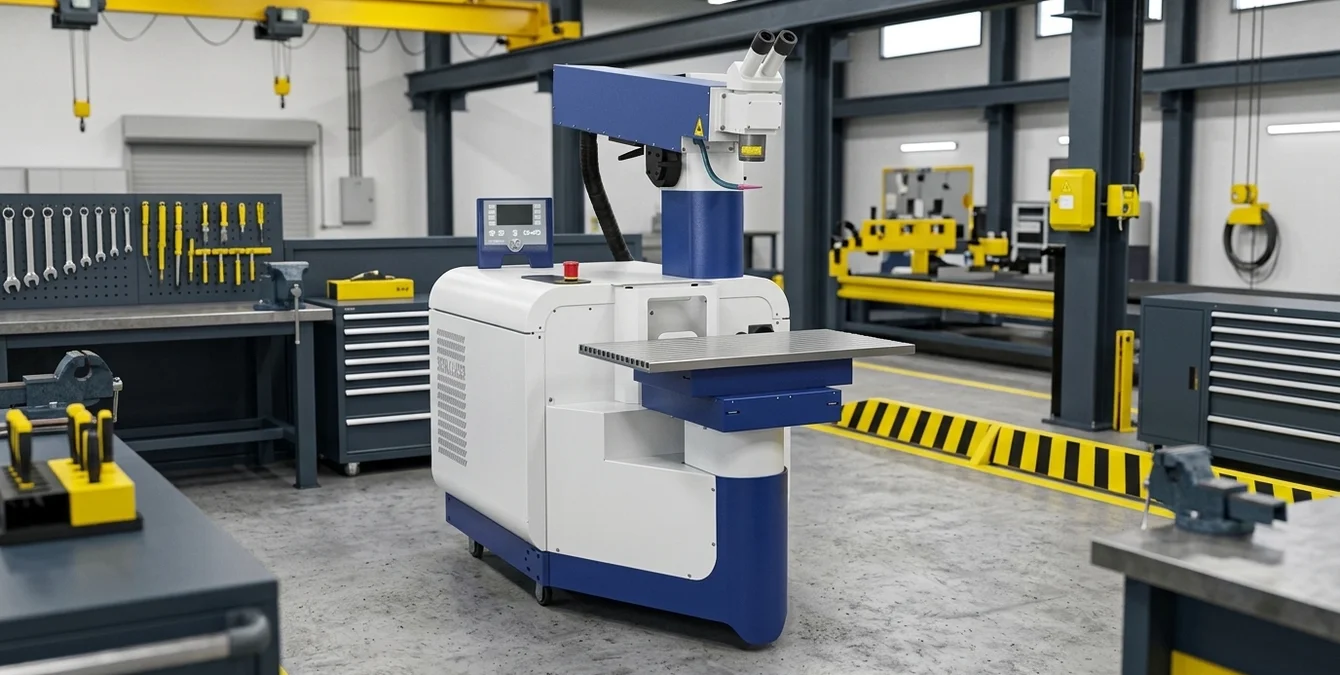
CO2 lasers, such as those produced by Sigma Laser, like the Sidanus Light and Sirius Light, are fitted with components that undergo significant wear and tear. The most commonly replaced parts include:
- Laser Tubes: The heart of the CO2 laser, these tubes have a finite lifespan, typically requiring replacement every 2-3 years depending on usage. The operational power range for industrial CO2 lasers is typically between 1 kW and 20 kW, with a wavelength of 10.6 µm, affecting the longevity of the tubes under continuous operation.
- Optics: Mirrors and lenses are critical for directing the laser beam. These components degrade over time due to debris and need regular replacement to maintain efficiency. Beam quality (M²) typically ranges from 1.1 to 1.3, which necessitates high precision optics to maintain optimal focus and cutting quality.
- Seals and Gaskets: Essential for maintaining the integrity of the laser’s internal environment, these parts often wear out and need periodic replacement to prevent leaks. This is crucial for maintaining the gas mixture purity, which directly impacts the laser’s performance and efficiency.
- Filters: Air and gas filters must be changed regularly to ensure optimal machine performance and prevent contamination. Regular filter maintenance is critical, especially when cutting materials like stainless steel or aluminum alloys, which can produce particulate matter that affects laser optics.
Impact on Maintenance Costs
The frequency of replacing these components directly influences the overall maintenance expenses of CO2 lasers. Procurement managers must consider not only the cost of parts but also the downtime associated with replacements. For instance, replacing a laser tube can lead to several hours of machine downtime, impacting production schedules. In comparison, fiber laser systems, such as the Siega Fibre, offer increased efficiency and reduced maintenance needs, translating to lower long-term operational costs.
Fiber lasers, with wavelengths around 1.06 µm, typically exhibit better beam quality (M² close to 1) and require less frequent maintenance due to their solid-state nature, eliminating the need for gas refills and reducing the frequency of optical component replacements. This can lead to a reduction in maintenance costs by up to 50% over the lifespan of the system, as supported by studies in the Journal of Laser Applications.
Ultimately, understanding these maintenance intricacies allows companies to make informed decisions when choosing between fiber and CO2 laser systems, ensuring optimal investment in their manufacturing processes.
Can Case Studies Demonstrate Cost Savings with Fiber Lasers?
In the competitive landscape of European industrial markets, the shift from traditional CO2 lasers to fiber laser systems has become a crucial decision for procurement managers looking to optimize operational costs. Sigma Laser’s fiber laser solutions, such as the Sidanus Fibre and Siega Fibre, provide enhanced performance and a lower total cost of ownership. This article presents case studies that showcase real-world examples of cost savings achieved by companies that transitioned to fiber lasers, focusing on their financial impact over the lifespan of the machines.
Case Study 1: Manufacturing Sector
A leading manufacturer in Germany, known for its adherence to ISO 9001 standards, strategically decided to replace its aging CO2 laser systems with Sigma Laser’s Sineo Fibre. The transition was driven by the need for improved energy efficiency and reduced maintenance costs. The company reported:
- A 30% reduction in energy consumption, thanks to the inherent efficiency of fiber lasers, resulting in significant annual savings. Fiber lasers typically operate at electrical efficiencies of over 30%, compared to CO2 lasers which are often below 10%.
- Minimized downtime due to the lower maintenance requirements of fiber lasers compared to CO2 systems. Fiber lasers, with no mirrors or gas flow systems, generally require maintenance intervals exceeding 20,000 hours.
- An estimated 25% reduction in operational expenses over five years.
The switch to fiber lasers also enabled cleaner cuts and reduced material wastage, further enhancing cost efficiency. This case underscores the financial wisdom of choosing fiber laser technology for manufacturing applications. The fiber laser systems used typically operate at wavelengths around 1070 nm, providing superior beam quality with M² values often less than 1.1, allowing for precision in cutting and welding applications.
Case Study 2: Automotive Industry
In the automotive industry, where precision and reliability are crucial, a major European car manufacturer chose Sigma Laser’s Sirius Light system to replace their conventional CO2 lasers. This decision was influenced by the need to streamline production processes and improve output quality. Key outcomes included:
- A 40% decrease in maintenance costs, as the fiber laser versus CO2 maintenance cost analysis revealed significantly lower service requirements. CO2 lasers typically require more frequent realignment and gas refills.
- Enhanced production speed and accuracy, leading to a 15% increase in throughput and reduced lead times. Fiber lasers offer high-speed processing capabilities, with cutting speeds for thin sheet metals often exceeding 40 m/min.
- A projected ROI within 18 months, with ongoing savings estimated at €200,000 annually.
This case study exemplifies how fiber laser technology not only meets but exceeds the rigorous demands of the automotive sector, providing a compelling financial justification for investment in advanced laser systems. The automotive applications benefit from the fiber laser’s ability to handle a wide range of materials, including high-strength steels and aluminum alloys, with minimal heat-affected zones, typically less than 0.5 mm in depth.
In conclusion, these case studies highlight the tangible cost benefits of adopting fiber lasers over traditional CO2 systems. Procurement managers and technical buyers are encouraged to consider the long-term financial impact and operational efficiencies offered by Sigma Laser’s cutting-edge solutions.
Why Is Understanding Maintenance Costs Crucial for Procurement Managers?
In the competitive landscape of European industrial markets, procurement managers are tasked with optimizing the total cost of ownership for manufacturing equipment. Understanding maintenance costs is a pivotal factor when selecting between advanced laser technologies, such as fiber lasers and CO2 lasers. This knowledge directly influences purchasing decisions and ensures effective budget planning, ultimately supporting the overarching goals of operational efficiency and financial prudence.
Influence on Purchasing Decisions
Fiber laser vs CO2 maintenance cost analysis is essential for procurement managers who aim to make informed purchasing decisions. Fiber lasers, such as Sigma Laser’s Siega Fibre, are renowned for their high efficiency and lower maintenance requirements compared to traditional CO2 lasers. This translates to reduced downtime and fewer resources allocated to upkeep, which can significantly affect the choice of technology. By understanding these cost variables, procurement managers can align their decisions with the strategic objectives of minimizing operational disruptions and maximizing throughput.
Fiber lasers typically operate at wavelengths around 1.06 µm, offering superior beam quality with an M² value often less than 1.1, which contributes to their high precision in cutting and welding applications. This precision is crucial in industries requiring tight tolerances, such as aerospace and automotive, where welding speeds can reach up to 10 m/min with minimal heat-affected zones, typically less than 0.5 mm. In contrast, CO2 lasers, operating at 10.6 µm, might require more frequent optical alignment and gas refills, increasing maintenance needs.
Budget Planning and Forecasting
Accurate budget planning and forecasting hinge on a comprehensive understanding of maintenance expenses. CO2 laser maintenance typically involves more frequent servicing and part replacements, which can inflate operational budgets. In contrast, fiber lasers offer cost advantages through their robust design and lower energy consumption. For instance, integrating Sigma Laser’s Sidanus Fibre into manufacturing operations can lead to more predictable maintenance schedules and expenditures. By incorporating these insights into financial models, procurement managers can develop more accurate forecasts and allocate resources more effectively, ensuring that capital investments yield the desired return.
Fiber lasers are particularly advantageous when welding materials such as stainless steel (grades 304, 316) and aluminum alloys (series 5000, 6000), providing consistent penetration depths of up to 6 mm with repeatability often within ±0.1 mm. These capabilities align with standards like ISO 11146 for laser beam quality and ISO 15614 for welding procedure qualification, ensuring compliance and reliability in production environments.
Ultimately, by prioritizing a thorough analysis of fiber laser vs CO2 maintenance costs, procurement managers can enhance decision-making processes, optimize budget allocations, and contribute to the long-term success and sustainability of their manufacturing organizations.
Frequently Asked Questions
What are the long-term savings of fiber lasers?
Fiber lasers offer significant long-term savings due to their energy efficiency and minimal maintenance requirements. They typically have fewer consumable parts and longer operational lifespans compared to CO2 lasers, reducing downtime and replacement costs. Additionally, fiber lasers consume less electricity, further decreasing operational expenses.
How often do CO2 laser components need replacement?
CO2 laser components such as mirrors and lenses typically require replacement every 6 to 12 months, depending on usage and environmental conditions. Regular maintenance is essential to ensure optimal performance and prevent costly downtime, as these components are more prone to wear and contamination.
What maintenance does a fiber laser system require?
Fiber laser systems require minimal maintenance compared to CO2 lasers. Routine checks focus on cleaning the optics and ensuring proper cooling. The solid-state design eliminates the need for mirror alignment and gas refills, significantly reducing maintenance time and costs.
How do energy costs compare between fiber and CO2 lasers?
Fiber lasers are generally more energy-efficient than CO2 lasers, often consuming 50% less power for similar output. This efficiency translates into lower electricity bills and a reduced carbon footprint, making fiber lasers a more cost-effective choice over time.
Are there differences in consumables between fiber and CO2 lasers?
CO2 lasers require consumables like gas, mirrors, and lenses, which need regular replacement. Fiber lasers, on the other hand, have fewer consumables due to their solid-state design, resulting in lower ongoing costs and reduced inventory management.
What is the typical lifespan of a fiber laser?
The typical lifespan of a fiber laser is around 100,000 operational hours, far exceeding that of CO2 lasers. This longevity stems from their robust design and fewer moving parts, translating into lower replacement and maintenance expenses over the machine’s lifetime.
How does the cost of spare parts compare between fiber and CO2 lasers?
Spare parts for CO2 lasers, such as mirrors and lenses, generally incur higher costs due to frequent replacements. Fiber lasers have fewer spare part requirements, primarily limited to occasional optics cleaning and cooling system checks, offering substantial savings in spare parts costs.
Sources
- ISO 11145:2016 – Optics and photonics — Lasers and laser-related equipment — Vocabulary and symbols — Provides standardized terminology and symbols for lasers, including fiber and CO2 lasers.
- Journal of Laser Applications — Publishes research on laser technology applications, including maintenance aspects.
- Optics Express — Features peer-reviewed articles on optics and photonics, including laser maintenance.
- Laser Technology Journal — Covers advancements in laser technology, including maintenance and cost analysis.