
- What preventive maintenance actually prevents
- The recommended interval: 1,000 operating hours or two years
- What is inspected and serviced
- Planning maintenance around production
- What maintenance buys over the machine’s life
- Frequently Asked Questions
- What is the preventive maintenance interval for a Sigma laser welding machine?
- Why is preventive maintenance important for laser welding machines?
- How should maintenance be scheduled in relation to production?
- What are the long-term benefits of regular preventive maintenance?
- Related Articles
Quick Answer: The preventive maintenance interval for a Sigma laser welding machine is every 1,000 operating hours or at least every two years, whichever comes first. Regular maintenance identifies wear and potential faults before they cause unexpected downtime, ensuring reliable operation and long-term productivity.
| Area of Focus | Potential Issues Prevented |
|---|---|
| Mechanical wear (bearings, guides, moving assemblies) | Unexpected downtime, performance degradation |
| Contamination of optical components | Reduced weld quality, misalignment |
| Technical irregularities | Sudden breakdowns, costly production interruptions |
Preventive maintenance targets these areas to minimize risk of unplanned failures and maintain reliable operation.
What preventive maintenance actually prevents
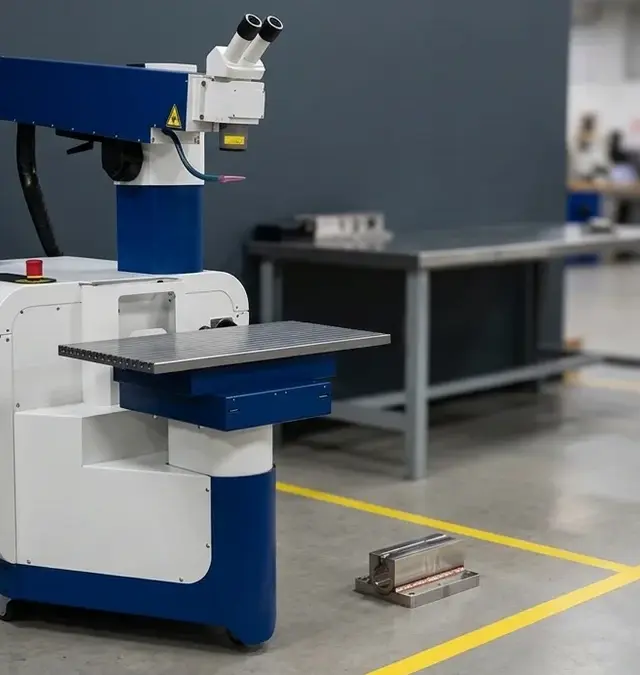
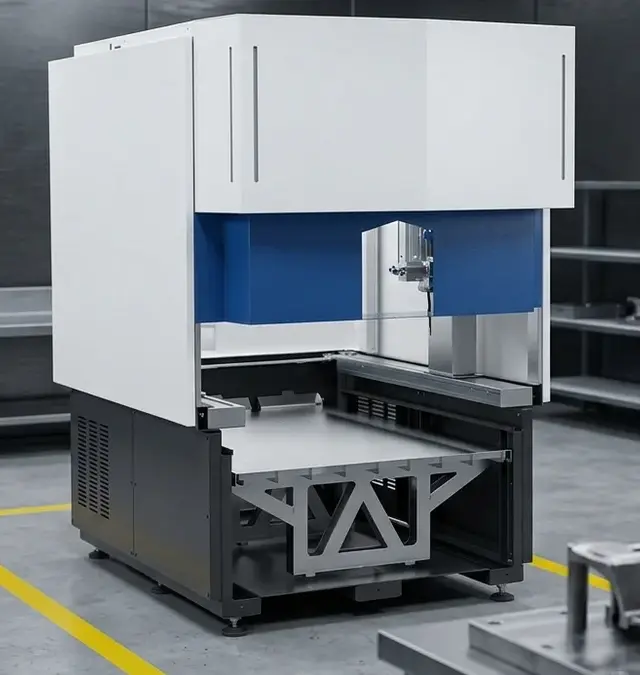
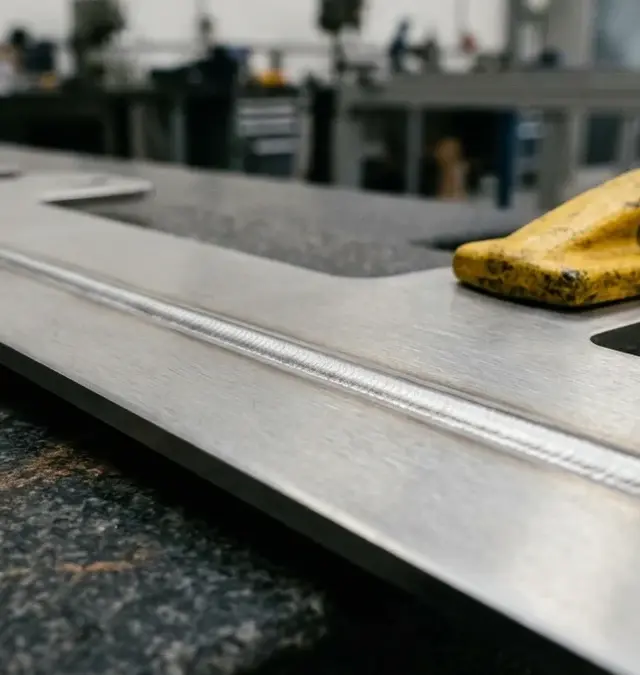
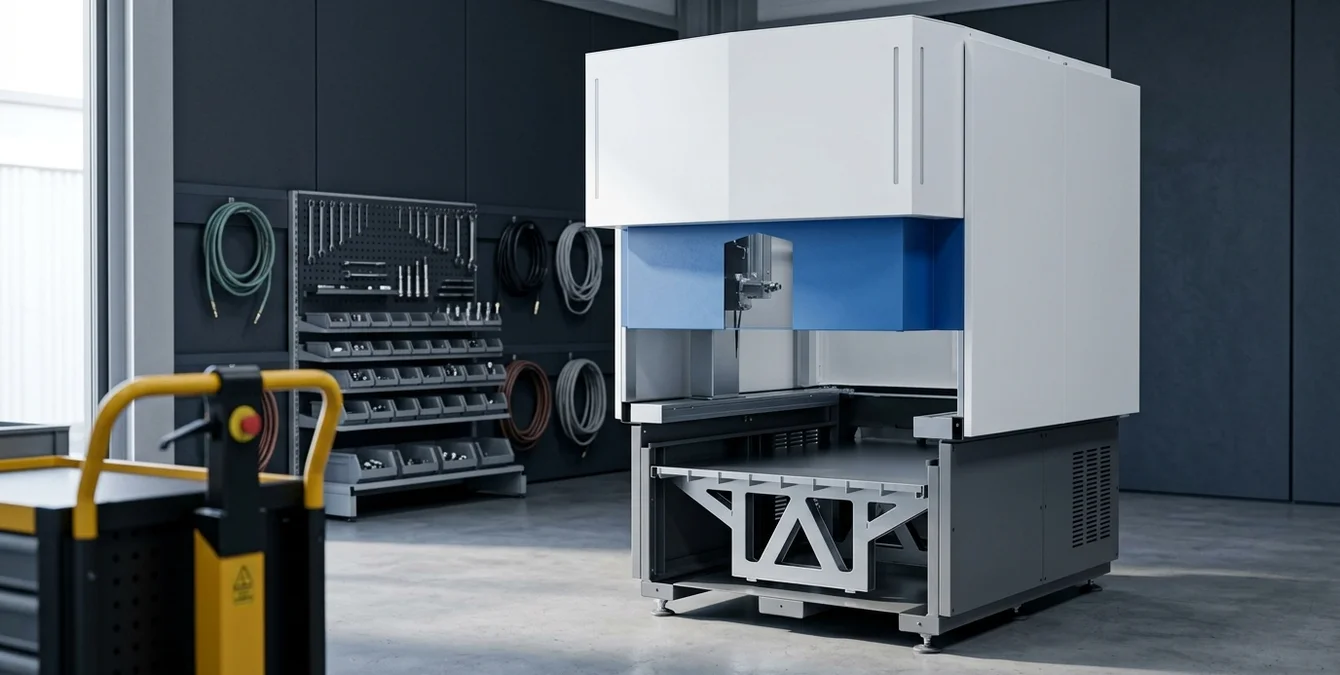
Preventive maintenance for a laser welding machine is not just a routine task—it is a strategic process that directly addresses the primary risks of unplanned downtime and costly production interruptions. By systematically identifying wear, contamination, and developing faults before they escalate, preventive maintenance acts as a safeguard against unexpected failures that can halt production lines and disrupt delivery schedules.
Key areas of focus include mechanical wear (such as bearings, guides, or moving assemblies), contamination of optical components, and the early detection of technical irregularities. These issues, if left unchecked, can lead to gradual performance degradation or sudden breakdowns. Maintenance interventions are designed to catch these problems early, allowing for timely corrective action without the urgency and disruption of an emergency repair.
For maintenance managers and production engineers, this means that preventive maintenance is not simply about following a schedule—it is about proactively managing risk and ensuring that the laser welding machine remains a reliable asset in the production process. By addressing potential issues before they become critical, companies can maintain high equipment availability and avoid the cascading effects of unexpected downtime, such as missed deadlines or compromised product quality.
For a detailed look at the impact of downtime and the speed of recovery, see how fast a laser welding machine is back in operation after a fault.
| Interval Type | Recommended Value |
|---|---|
| Operating Hours | Every 1,000 hours |
| Time-Based | At least every two years (whichever comes first) |
This is the only published preventive maintenance interval for Sigma Laser welding machines and should be used as the reference for scheduling.
The recommended interval: 1,000 operating hours or two years
The preventive maintenance interval for Sigma laser welding machines is clearly defined: every 1,000 operating hours or at least every two years, whichever comes first. This interval is based on both real-world operational experience and the design characteristics of the equipment. It reflects a balance between maximizing machine uptime and ensuring that wear or contamination does not progress to the point of causing failures.
Adhering to this interval is essential for maintaining reliable operation. Operating hours should be tracked systematically, either via the machine’s built-in hour counter or through production records. If the 1,000-hour mark is not reached within two years, maintenance should still be performed to address potential issues that can develop over time, such as environmental contamination or the gradual aging of certain components.
This approach ensures that maintenance is neither neglected nor performed unnecessarily often. It also provides a clear, auditable standard for maintenance managers and service technicians, making it easier to justify downtime for scheduled maintenance and to coordinate with production planning. The interval is the only published guideline and should be the reference point for all preventive maintenance scheduling on Sigma systems.
By following this recommended interval, companies can minimize the risk of unplanned breakdowns and maintain high levels of productivity and equipment availability throughout the machine’s service life.
What is inspected and serviced
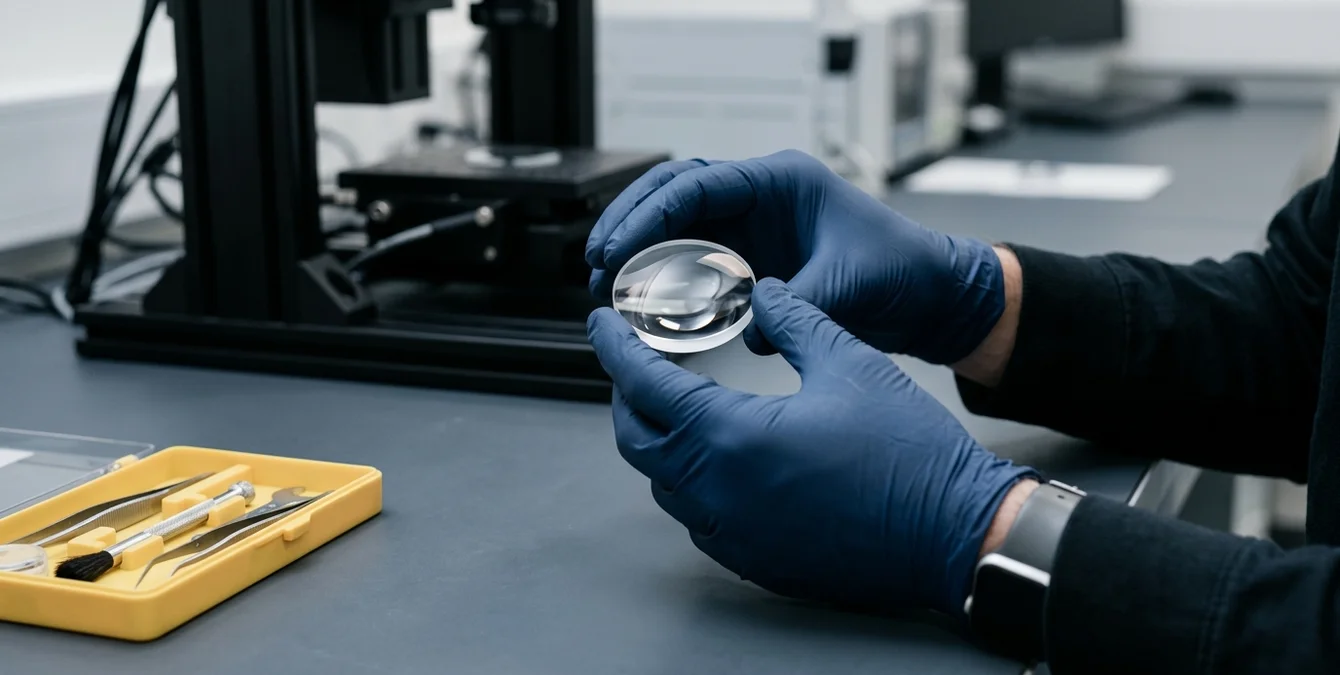
During preventive maintenance, relevant machine components and functions are thoroughly inspected and serviced as required. The focus is on identifying and addressing wear, contamination, and technical issues that could compromise performance or reliability. This includes checking mechanical assemblies for signs of wear, ensuring that optical components remain clean and properly aligned, and verifying that all system functions are operating within specified parameters.
While Sigma does not publish a detailed step-by-step checklist, the maintenance process is designed to be comprehensive and practical. Service technicians rely on established procedures and their experience with the specific machine model to ensure that all critical areas are covered. This approach allows for flexibility in addressing the unique operating conditions and usage patterns of each installation, while still maintaining a consistent standard of care.
For maintenance managers, it is important to ensure that only qualified personnel perform these inspections and service tasks, whether using in-house staff trained by Sigma or authorized external service providers. Keeping accurate records of what was inspected and any corrective actions taken is a best practice, supporting both internal quality management and external audits.
Ultimately, the goal is to maintain optimal machine performance and to catch potential issues before they lead to downtime, without imposing unnecessary complexity or disruption on daily operations.
| Practice | Purpose |
|---|---|
| Schedule maintenance during planned production breaks or low-demand periods | Minimize impact on production workflows |
| Track operating hours via hour counter or production records | Forecast maintenance needs and ensure compliance |
| Communicate upcoming maintenance windows to all teams | Coordinate production and maintenance for optimal timing |
Proactive planning helps reduce unplanned downtime and supports consistent production targets.
Planning maintenance around production
Effective preventive maintenance is not just about the technical tasks—it is also about timing. To minimize the impact on production, maintenance should be scheduled proactively, aligning with planned production breaks, shift changes, or other periods of lower demand. This approach allows maintenance to be completed without disrupting critical workflows or causing avoidable delays in order fulfillment.
Recording operating hours is essential for this planning. By monitoring usage, maintenance managers can forecast when the 1,000-hour threshold will be reached and schedule service in advance. This makes the maintenance interval auditable and ensures compliance with both internal policies and external quality standards. If production patterns are highly variable, it may be necessary to review operating hours more frequently to avoid exceeding the recommended interval.
Coordination between production and maintenance teams is key. Open communication ensures that maintenance is performed at the optimal time, balancing the need for machine availability with the requirement for regular service. In cases where the two-year interval is reached before 1,000 hours, scheduling can be more flexible, but the maintenance should not be deferred beyond this point.
- Integrate maintenance planning into the overall production schedule.
- Use machine hour counters or digital logs to track usage accurately.
- Communicate upcoming maintenance windows to all affected teams.
This proactive approach reduces the risk of unplanned downtime and helps ensure that production targets are met consistently.

What maintenance buys over the machine’s life
Investing in regular preventive maintenance delivers tangible long-term benefits for both machine reliability and overall production efficiency. By systematically addressing wear and contamination before they escalate, companies can avoid the sudden, disruptive failures that lead to costly downtime and missed delivery commitments. The result is a more predictable and stable production environment, with fewer emergency repairs and less overtime spent recovering from unexpected breakdowns.
Over the lifetime of a laser welding machine, this approach helps to preserve the original performance characteristics and extend the useful service life of critical components. It also supports consistent weld quality, as well-maintained machines are less likely to suffer from misalignment, power fluctuations, or other issues that can compromise results. For maintenance managers and production engineers, this translates into higher equipment availability, better planning, and improved cost control.
Maintaining a documented preventive maintenance program also supports compliance with quality management systems and customer audit requirements. It demonstrates a commitment to operational excellence and risk management, both of which are essential in competitive manufacturing environments.
In summary, regular preventive maintenance is not just a technical requirement—it is a strategic investment in the reliability, productivity, and long-term value of your laser welding equipment.
Frequently Asked Questions
What is the preventive maintenance interval for a Sigma laser welding machine?
The recommended preventive maintenance interval is every 1,000 operating hours or at least every two years, whichever comes first. This ensures reliable operation and minimizes the risk of unexpected downtime.
Why is preventive maintenance important for laser welding machines?
Preventive maintenance identifies wear, contamination, and developing faults before they cause failures. This reduces unplanned downtime, supports consistent weld quality, and extends the machine’s service life.
How should maintenance be scheduled in relation to production?
Maintenance should be planned proactively, aligning with production breaks or periods of lower demand. Tracking operating hours helps forecast maintenance needs and minimizes disruption to production schedules.
What are the long-term benefits of regular preventive maintenance?
Regular maintenance maintains machine reliability, supports consistent quality, reduces emergency repairs, and extends equipment service life. It also helps meet quality management and audit requirements.
SYN · Sigma Laser appreciation event
You weld. We say thank you.
For everyone who brings great things together every day – on 17 November 2026 the prize wheel turns for you.
One photo at your laser welding machine, a quick verification – and you’re in. Registration is free and takes two minutes. On 17 November every verified participant gets one spin of the prize wheel.
- 1 spin of the prize wheel
- Gifts in 3 tiers
- Free, no purchase needed
Gifts ship free within DE · AT · CH · EU · verification usually within one business day