
- What actually varies between two operators
- How are welding parameters stored and reused?
- How much does weld quality depend on operator experience?
- Why the combination is the real answer
- Building a parameter library that survives staff changes
- Where stored parameters stop and skill begins
- Frequently Asked Questions
- How can we minimize variation in weld quality between operators?
- Can stored parameters alone guarantee consistent weld quality?
- How should we organize our parameter library for best results?
- What training does Sigma Laser provide for new operators?
- Related Articles
Quick Answer: Consistent laser weld quality between operators is achieved by combining systematic operator training with the ability to store and reuse precise welding parameters. While stored parameters provide a technical foundation, operator skill and practical experience remain essential for repeatable, high-quality results in manual laser welding.
| Operator-Controlled Factor | Impact on Weld Quality |
|---|---|
| Laser beam movement | Affects bead geometry and penetration depth |
| Filler wire positioning and feeding | Influences underfill, overfill, and surface regularity |
| Travel speed | Impacts consistency and appearance of the weld |
| Angle of approach | Affects dimensional accuracy and surface finish |
| Response to material/weld pool changes | Determines adaptability to subtle process variations |
What actually varies between two operators
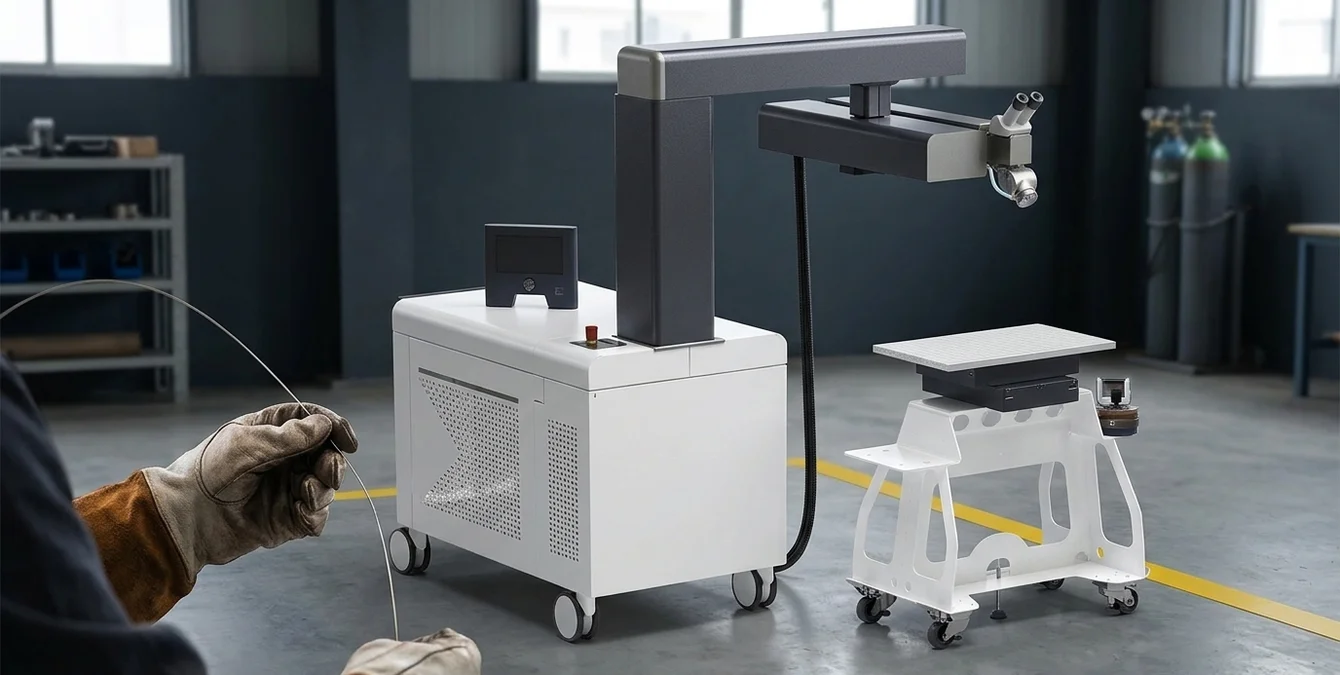
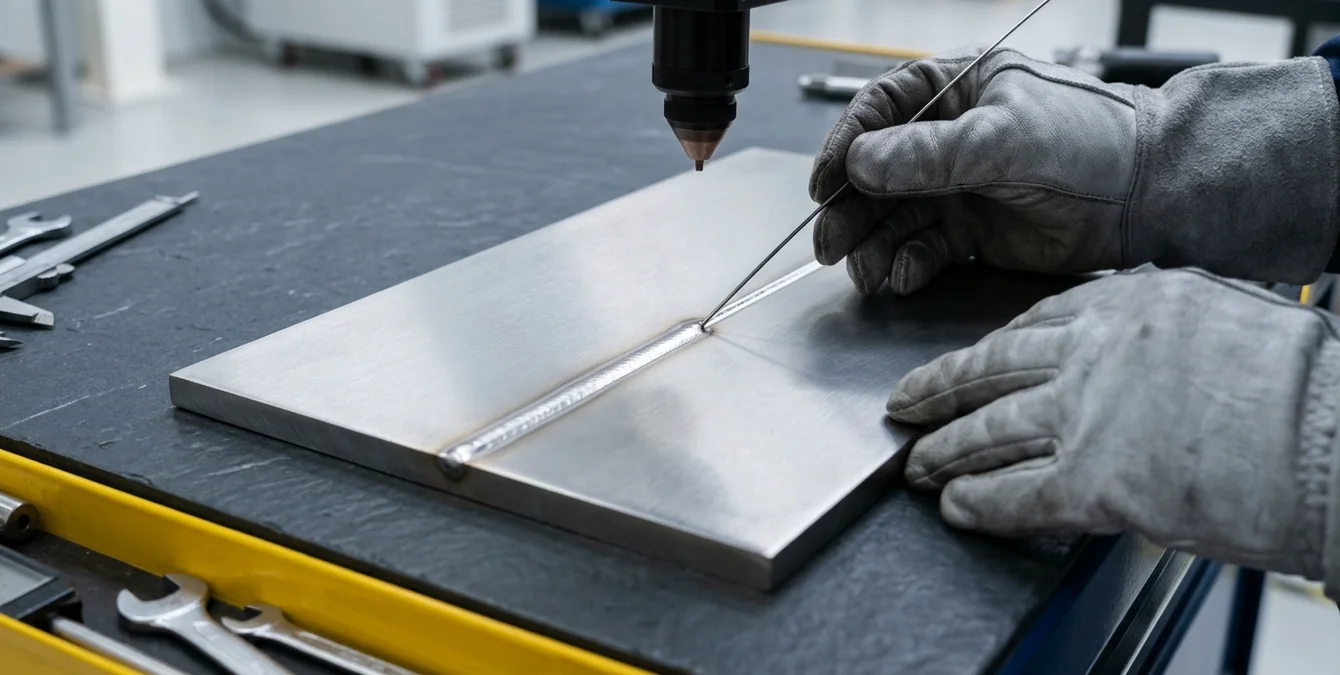
When assessing consistent laser weld quality between operators, it is essential to recognize that manual laser welding is fundamentally a skilled process. The operator directly controls the movement of the laser beam, the positioning and feeding of the filler wire, and the interaction with the workpiece. These actions require a steady hand, precise coordination, and a deep understanding of the welding process.
Even with identical machines and stored parameters, the outcome can vary based on the operator’s technique. Factors such as travel speed, angle of approach, and how the operator responds to subtle changes in the material or weld pool all influence the final weld quality. This is particularly important in tool and mold repair, where dimensional accuracy and surface finish are critical.
Variation between operators often manifests in the consistency of bead geometry, penetration depth, and overall cosmetic appearance. Inconsistent wire feeding or minor deviations in torch movement can lead to underfill, overfill, or surface irregularities. These differences highlight why manual laser welding demands both technical knowledge and practical skill.
For quality managers and toolmakers, understanding these operator-driven variables is crucial. It informs training priorities, process monitoring, and the selection of personnel best suited to high-precision welding tasks. Ultimately, recognizing what varies between operators is the first step toward establishing robust quality assurance protocols for laser welding operations.
How are welding parameters stored and reused?
To support consistent laser weld quality between operators, Sigma machines are equipped with a 10-inch touchscreen that provides central access to all machine functions and welding parameters. Virtually every relevant parameter—such as pulse energy, duration, frequency, and wire feed rate—can be set, stored, and recalled directly from this interface.
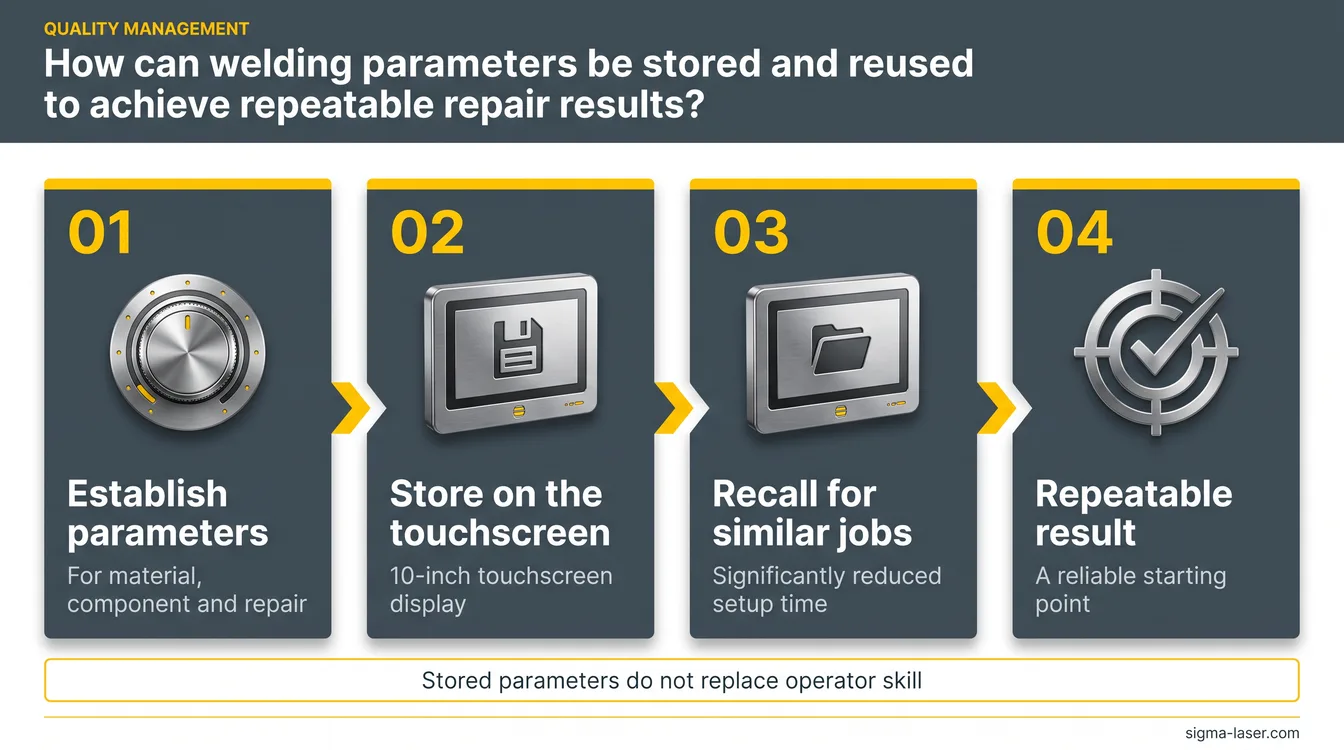
Once optimal parameters have been established for a specific material, component, or repair type, these settings are saved as a program. This allows operators to quickly select and apply proven recipes for recurring applications, significantly reducing setup time and minimizing the risk of parameter drift between shifts or personnel changes.
Stored parameters are particularly valuable in environments with multiple operators or high turnover. They provide a technical baseline, ensuring that each operator starts with the same process conditions. This is especially important in toolmaking and repair, where repeatability and traceability are essential for quality management.
For practical guidance on setting up and managing weld programs, see our step-by-step guide to creating your first weld program on Sigomatic. Leveraging this functionality enables teams to maintain process control and achieve consistent results across operators and shifts.
| Training Day | Focus |
|---|---|
| Day 1 | Machine functions, controls, and welding parameters |
| Day 2 | Hands-on welding of real components and typical repairs |
| Day 3 | Further practical welding and comprehensive laser safety training |
How much does weld quality depend on operator experience?
Weld quality in manual laser welding is significantly influenced by operator experience. Even with precisely defined and stored welding parameters, the operator is responsible for controlling the movement of the laser beam, positioning the filler wire, and managing the interaction with the workpiece. These manual aspects require not only technical understanding but also developed practical skills.
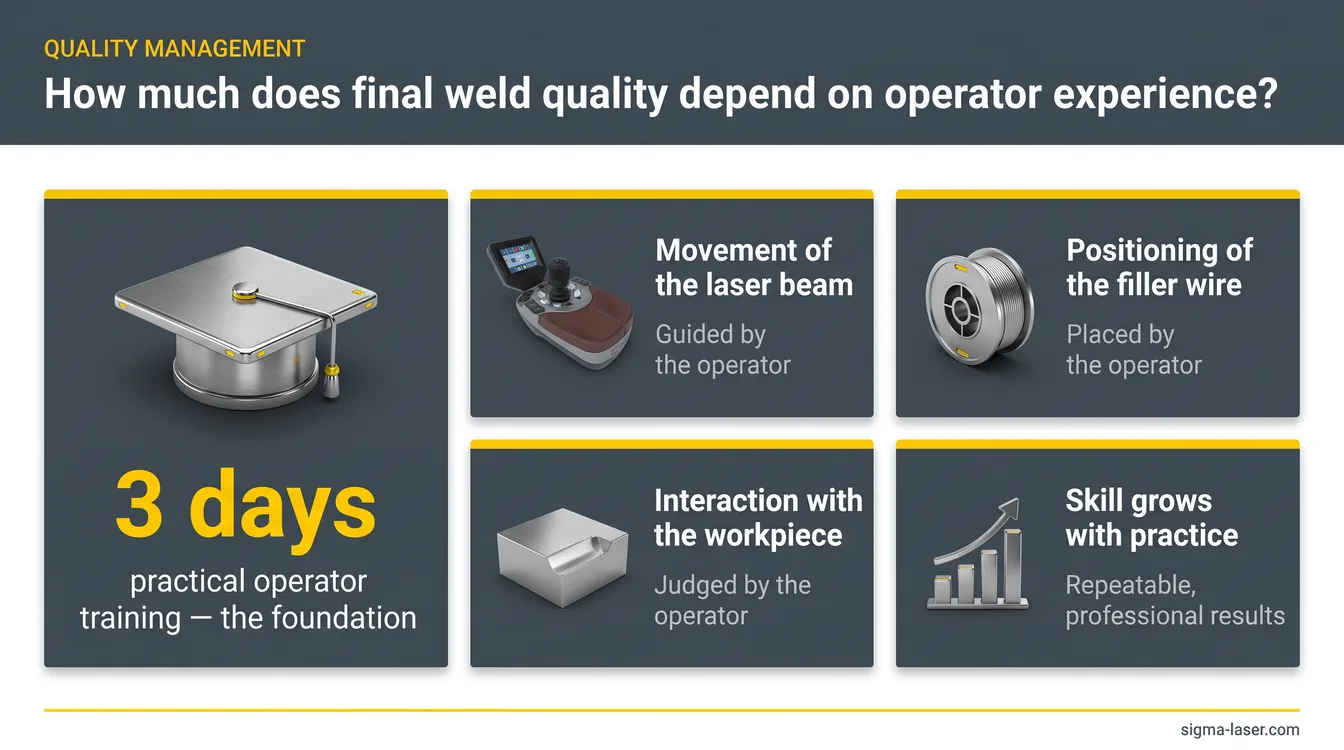
Recognizing this, Sigma Laser provides a three-day practical operator training course. The first day focuses on familiarizing trainees with the laser welding machine, its functions, controls, and welding parameters. The second day is dedicated to hands-on welding of real components and typical repair applications. The third day combines further practical welding with comprehensive laser safety training. This structure ensures that new operators gain a solid foundation for achieving professional and repeatable welding results, while their skills continue to develop with ongoing experience.
It is important to note that not every employee is equally suited to manual laser welding. The process requires patience, concentration, and the ability to work calmly and precisely for extended periods. For this reason, Sigma recommends training several operators to ensure operational backup and to increase the likelihood of developing at least one highly skilled specialist.
Ultimately, while advanced machine features and stored parameters are critical tools, the operator’s practical skill remains a decisive factor in achieving consistent weld quality.
Why the combination is the real answer
Consistent laser weld quality between operators is best achieved by combining two core elements: well-trained operators and the systematic use of stored welding parameters. Neither factor alone can guarantee repeatable high-quality results, but together they form a robust foundation for quality assurance in laser welding.
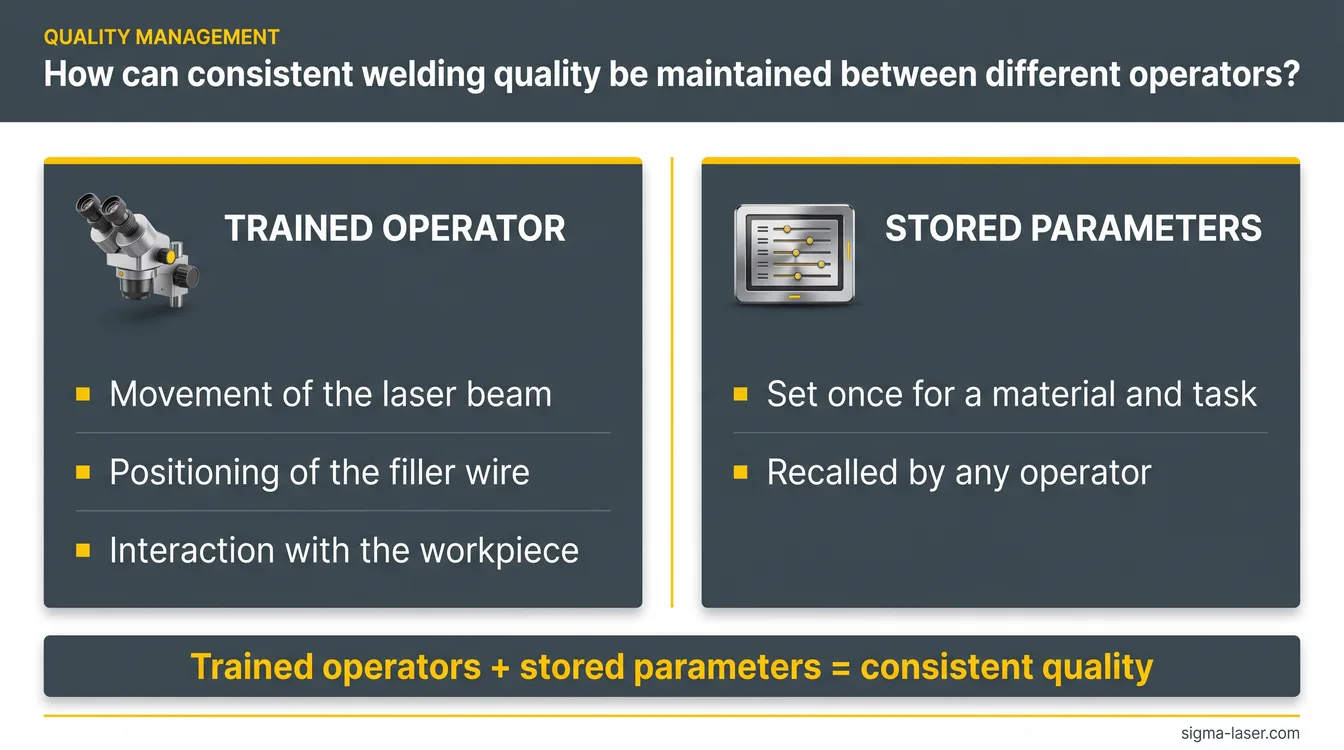
Stored parameters provide a technical baseline, ensuring that each operator starts with the same process conditions for a given material or repair type. This reduces variability caused by manual parameter selection and supports process standardization across shifts and personnel changes.
However, the operator’s role remains central. Even with optimal settings, manual laser welding requires skill in torch movement, wire feeding, and adapting to subtle variations in the workpiece. Proper training ensures that operators understand both the machine and the welding process, empowering them to use stored parameters effectively and to recognize when adjustments are necessary.
For quality managers and toolmakers, investing in both operator training and parameter management delivers the greatest return. This dual approach minimizes process variation, supports traceability, and enables teams to meet demanding cosmetic and functional standards in tool and mold repair.

| Practice | Purpose |
|---|---|
| Organize parameters by material, repair application, and geometry | Enables quick selection for each task |
| Use clear naming conventions (steel grade, repair type, thickness) | Reduces selection errors and confusion |
| Document finishing processes and final surface quality | Supports repeatability and quality tracking |
| Review and adapt parameter sets for new applications | Ensures relevance and accuracy over time |
Building a parameter library that survives staff changes
To ensure long-term consistency in laser weld quality, it is essential to develop a structured parameter library. This library should organize stored welding parameters by material type, repair application, and component geometry. Clear naming conventions—such as including the steel grade, repair type, and thickness—make it easier for operators to select the correct program for each task.
Best practice includes documenting not only the welding parameters but also the finishing processes that follow, such as grinding, milling, or polishing. Recording the final surface quality achieved allows future operators to understand the full repair workflow and anticipate any necessary adjustments.
When a new material or repair application is introduced, review existing parameter sets and adapt them as needed, noting any changes in the library. This approach ensures that valuable process knowledge is retained within the organization, even as staff members change roles or leave.
For quality management teams, maintaining a comprehensive and well-documented parameter library supports process stability, reduces onboarding time for new operators, and helps meet traceability requirements in regulated environments.
Where stored parameters stop and skill begins
While stored parameters are a powerful tool for achieving consistent process conditions, they do not eliminate the need for operator skill. Manual laser welding remains a hands-on process where the operator’s technique, attention to detail, and ability to respond to real-time conditions directly influence the final result.
Stored parameters provide a reliable starting point, but factors such as minor variations in component geometry, material surface condition, or joint fit-up may require the operator to make real-time adjustments. Skilled operators recognize these situations and adapt their technique accordingly, ensuring that weld quality is maintained even when conditions deviate from the norm.
For quality managers, this distinction underscores the importance of both robust process documentation and ongoing operator training. While parameter libraries support repeatability, investing in skill development ensures that operators can deliver high-quality results in both standard and challenging repair scenarios.
Ultimately, the intersection of technology and human expertise is where consistent, high-quality manual laser welding is achieved. Recognizing the limits of automation and the value of skilled craftsmanship is key to sustaining quality over time.
Frequently Asked Questions
How can we minimize variation in weld quality between operators?
Minimize variation by combining systematic operator training with the use of stored welding parameters. Ensure all operators are trained to the same standard and use centrally managed parameter libraries for recurring tasks. Regular reviews and hands-on practice further support consistency.
Can stored parameters alone guarantee consistent weld quality?
No. While stored parameters provide a technical baseline, manual laser welding still relies on the operator’s skill and technique. Proper training and practical experience are essential to achieve repeatable, high-quality results, even when using predefined settings.
How should we organize our parameter library for best results?
Organize parameters by material, repair type, and component geometry. Use clear naming conventions, document any post-weld finishing steps, and review or update parameters when new materials or applications are introduced. This supports traceability and process stability.
What training does Sigma Laser provide for new operators?
Sigma Laser offers a three-day practical training program covering machine operation, hands-on welding of real components, and comprehensive laser safety training. This structured approach gives new operators a solid foundation for consistent, professional welding results.