
- What a laser welding machine actually needs from your workshop
- Power, cooling and ambient conditions
- Footprint and where the machine goes
- Organising the working area around the application
- Securing the working area
- Frequently Asked Questions
- Do I need to modify my workshop to install a Sigma laser welding machine?
- What are the power and cooling requirements for integration?
- How is the working area secured for laser safety?
- Can mobile laser welding machines be used throughout the workshop?
- Related Articles
Quick Answer: Yes, integrating a laser welding machine into an existing workshop is straightforward. Sigma Laser systems are engineered for daily industrial use and typically require no major infrastructure changes—only basic utilities, practical space planning, and suitable laser safety measures tailored to your application.
| Requirement | Details |
|---|---|
| Infrastructure modifications | No major changes needed; designed for standard manufacturing/toolmaking environments |
| Power supply | Standard industrial power supply; confirm compatibility with machine documentation |
| Cooling | Integrated cooling; no external chiller or additional cooling infrastructure required |
| Ambient conditions | Ordinary workshop temperature, humidity, and cleanliness are sufficient |
| Footprint | Compact; fits into existing bays or production cells |
| Safety measures | Follow the safety guidelines supplied with your system; Sigma offers certified operator trainings |
All details are as stated in the article body. No numeric specs are attributed to named Sigma models.
What a laser welding machine actually needs from your workshop
Integrating a laser welding machine into an existing workshop is a practical process that does not demand significant structural changes. Sigma Laser systems are specifically designed for use in standard manufacturing and toolmaking environments, reflecting the realities of daily industrial operation. This means the machines are compatible with the typical layouts, workflows, and utilities found in most production settings.
From a workshop manager’s perspective, the core requirement is to provide a stable, clean, and organized area where the machine can be installed and operated efficiently. There is no need to construct special rooms or undertake major modifications to your facility. The systems are engineered to fit into the production environment as it exists, supporting the repair and maintenance of molds, tools, and components without disrupting established processes.
In practice, this approach minimizes downtime and accelerates the transition from delivery to productive use. The focus is on ensuring the machine is accessible to operators, that parts can be loaded and unloaded safely, and that the workflow around the machine supports your repair and production needs. For most companies, this means the integration process can be completed with standard facility resources and straightforward planning, rather than costly or time-consuming infrastructure projects.
For a comprehensive overview of other operational questions, see the full set of customer questions addressed by Sigma Laser.
Power, cooling and ambient conditions
Laser welding machines from Sigma are built to operate on a standard industrial power supply. This eliminates the need for specialized electrical installations in most workshops. Before installation, confirm that your available power circuits meet the requirements specified in the machine’s documentation, but in general, no exceptional supply is needed beyond what is already standard in manufacturing environments.
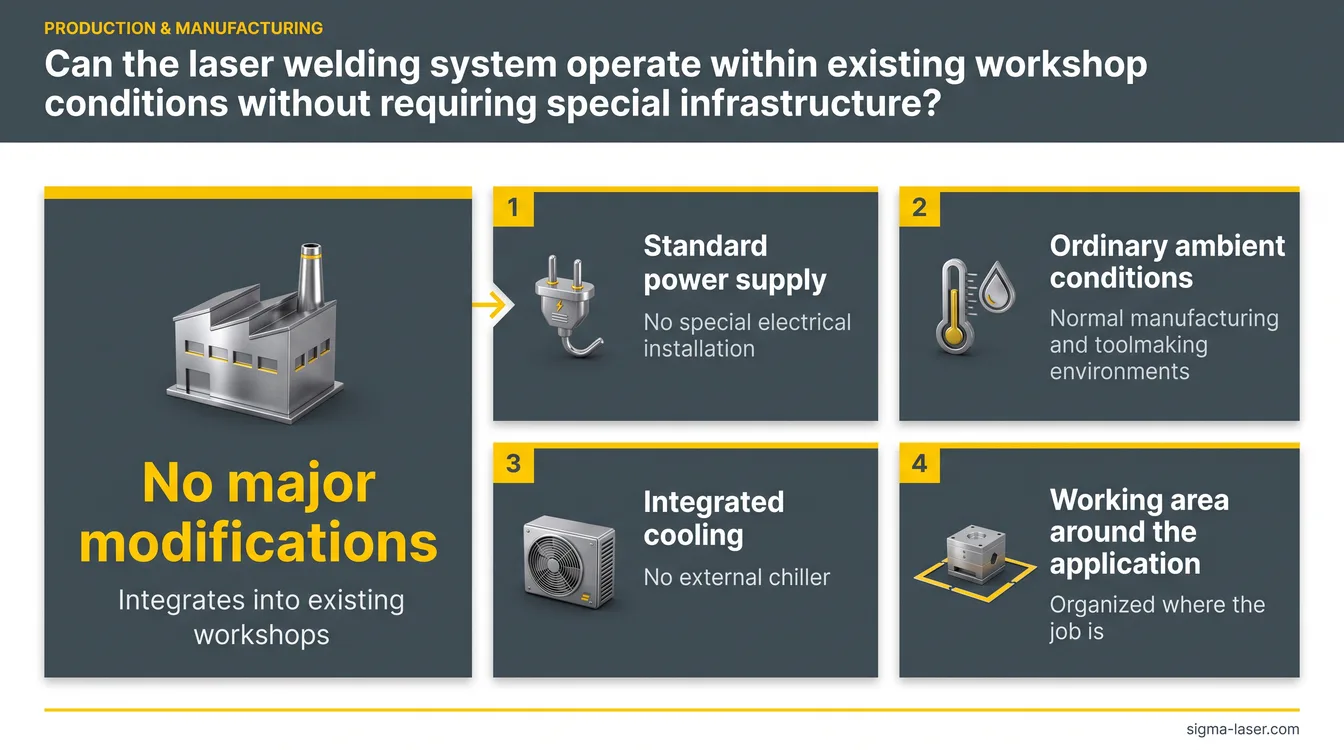
Ambient conditions are equally straightforward. The systems are designed for use in ordinary workshop environments—meaning typical temperature, humidity, and cleanliness levels found in toolmaking and production facilities are sufficient. There is no requirement for climate-controlled rooms or dust-free areas, though maintaining a clean and orderly workspace always supports best practice in precision welding.
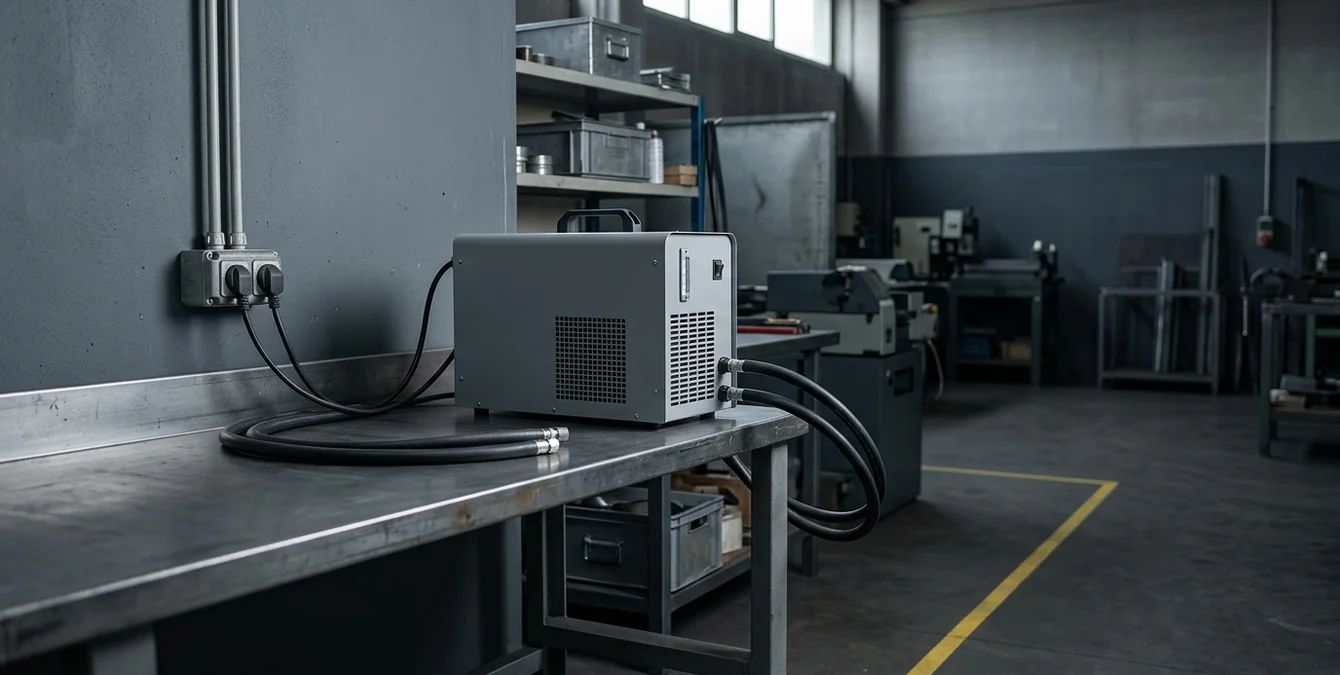
One significant advantage of Sigma’s compact systems is their integrated cooling. Unlike some industrial equipment that requires a separate external chiller—adding complexity, cost, and space requirements—these machines manage their own thermal load internally. This further simplifies integration, as there is no need to allocate space for auxiliary cooling equipment or to install additional plumbing or ventilation for heat management. For specific setup guidance, see How to Set Up the Siega Fibre for the First Time.
Footprint and where the machine goes
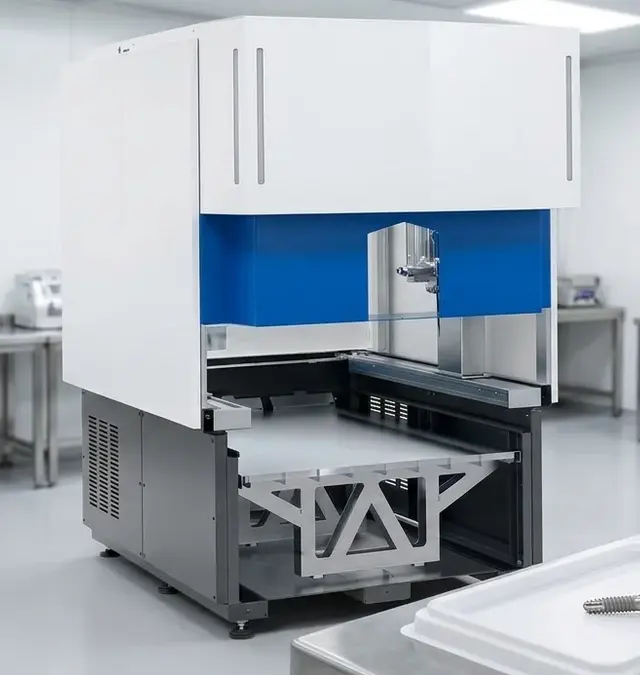
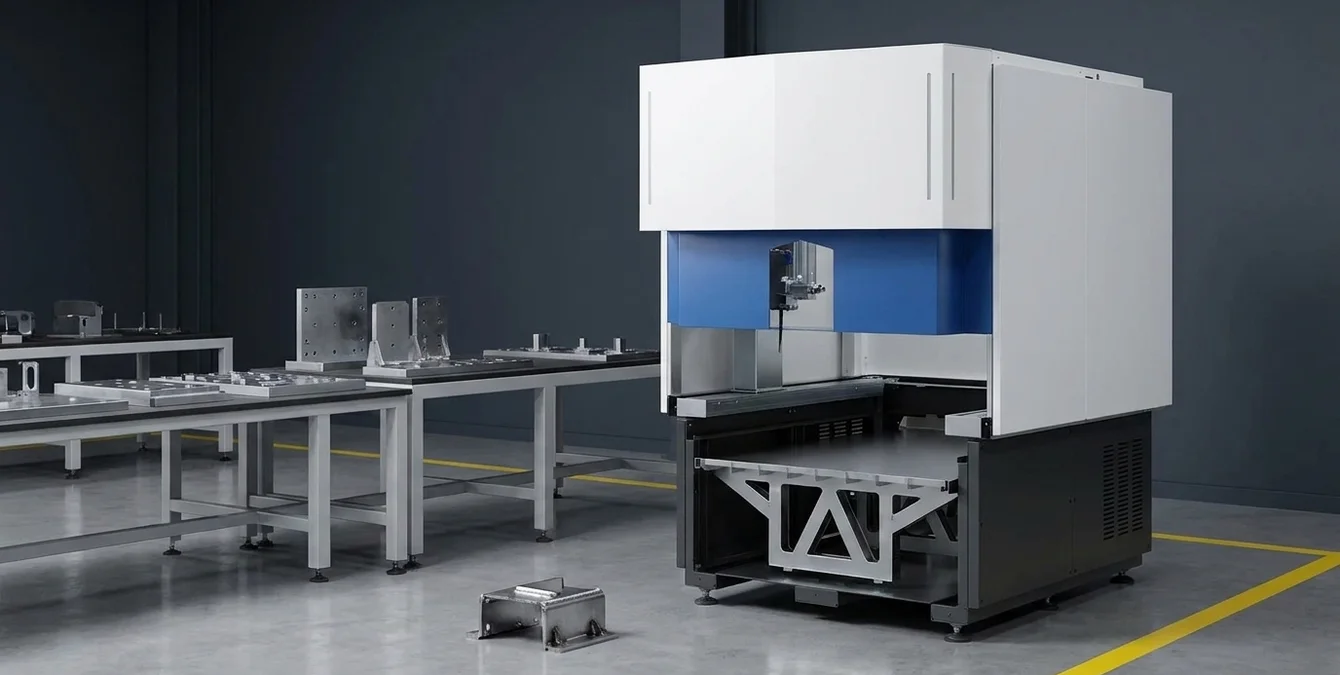
When planning to integrate a laser welding machine, physical footprint is a key consideration. Sigma machines are designed with a compact footprint to fit into existing workshop bays or production cells. This allows you to position the machine where it best supports your workflow, whether that’s near the toolroom, adjacent to machining centers, or in a dedicated repair area.
Beyond the machine’s base dimensions, it’s important to account for the movement range of the welding head and the space required for loading and unloading components. This is especially relevant if you repair a variety of part sizes or occasionally handle larger molds and tools. Providing adequate clearance ensures safe operation and efficient handling, reducing the risk of collisions and facilitating ergonomic work practices.
In practice, most workshops can accommodate a laser welding machine by reallocating an existing bay or reorganizing equipment placement. It is advisable to map out the intended installation area, considering both the machine’s footprint and the practicalities of part movement, operator access, and any ancillary equipment such as workbenches or tool storage. This planning step helps avoid bottlenecks and maximizes the machine’s contribution to your repair and maintenance operations.
| Machine Type | Integration Approach | Typical Use Case |
|---|---|---|
| Stationary | Set up in a central workshop location; area organized for efficient loading/unloading and finishing | Smaller components, frequent repairs in a fixed area |
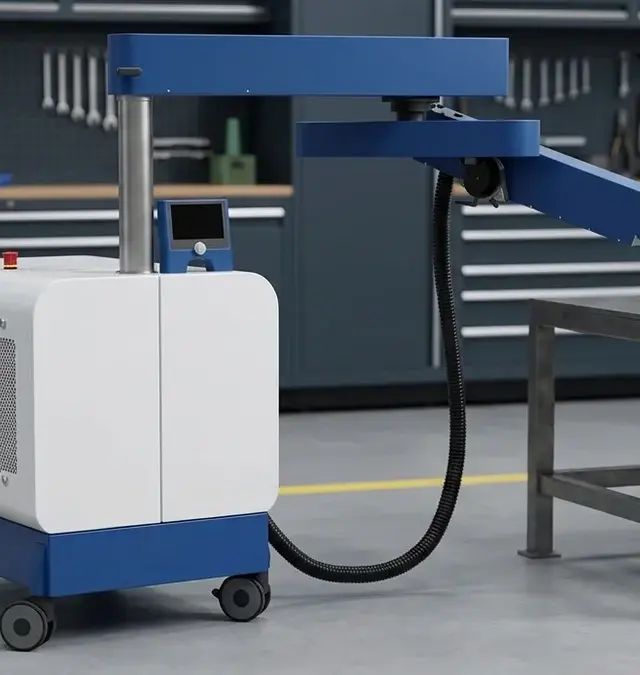
| Mobile | Machine brought directly to the workpiece; working area temporarily organized around the repair task | Large, heavy, or complex molds/tools; in situ repairs |
Table summarizes the integration flexibility described for different Sigma machine types.
Organising the working area around the application
Unlike some processes that require moving workpieces into a dedicated room, laser welding is organized around the application itself. This means the working area is set up where the component is, rather than forcing the component to fit a fixed infrastructure. For many companies, this flexibility is crucial—especially when dealing with large, heavy, or complex molds and tools that are impractical to transport.
With Sigma’s mobile laser welding systems, the machine can be brought directly to the workpiece, whether it is on the shop floor, in a machining cell, or in a maintenance bay. The working area is then temporarily organized around the specific repair task. This approach minimizes unnecessary handling, reduces the risk of damage during transport, and allows repairs to be performed in situ, often saving significant time and effort.
For smaller components, a stationary machine can be set up in a central workshop location, with the working area organized to support efficient loading, unloading, and finishing. The key is to design the workflow so that the laser welding process integrates smoothly with upstream and downstream activities, such as inspection, machining, and quality control. For more on this flexible approach, see Mobile Laser Welding Machines.
| Question | Answer |
|---|---|
| Do I need to modify my workshop to install a Sigma laser welding machine? | No major modifications are needed; designed for standard industrial environments |
| What are the power and cooling requirements for integration? | Standard industrial power supply is sufficient; integrated cooling eliminates need for external chiller |
| How is the working area secured for laser safety? | Follow the safety guidelines supplied with your system; Sigma offers certified operator trainings |
All FAQ content is quoted or closely paraphrased from the article.
Securing the working area
While integrating a laser welding machine is straightforward from an infrastructure perspective, it is essential to implement appropriate laser safety measures. The working area must be secured to protect personnel and ensure compliance with safety requirements. Depending on your installation and application, this can be achieved using certified laser safety curtains, which allow you to establish a suitable laser-safe working area within your existing workshop—without major structural modifications.
This flexible approach to safety is particularly advantageous for mobile laser welding machines. When the machine is brought directly to large molds, tools, or components, the required laser-safe working area can be established around the application, rather than requiring a fixed, purpose-built enclosure. This enables safe operation in a wide range of workshop settings and supports efficient, on-site repairs.
It is important to follow the safety guidelines supplied with your system; Sigma offers certified operator trainings to ensure your team is fully prepared to work safely and effectively. By planning for these safety measures as part of your integration process, you can maintain a productive and compliant workshop environment while benefiting from the flexibility that laser welding technology provides.
Frequently Asked Questions
Do I need to modify my workshop to install a Sigma laser welding machine?
No major modifications are needed. Sigma machines are designed for standard industrial environments and can typically be installed using existing utilities and workshop space, with only routine preparation and planning.
What are the power and cooling requirements for integration?
A standard industrial power supply is sufficient. The machines feature integrated cooling, so there is no need for an external chiller or additional cooling infrastructure—simplifying installation and operation.
How is the working area secured for laser safety?
Appropriate laser safety measures are required. Certified laser safety curtains can be used to create a safe working area within your workshop, eliminating the need for major structural changes or dedicated rooms.
Can mobile laser welding machines be used throughout the workshop?
Yes. Mobile machines can be brought directly to large or fixed components, with the laser-safe area established around the application. This supports flexible, efficient repairs without moving heavy parts.
SYN · Sigma Laser appreciation event
You weld. We say thank you.
For everyone who brings great things together every day – on 17 December 2026 the prize wheel turns for you.
One photo at your laser welding machine, a quick verification – and you’re in. Registration is free and takes two minutes. On 17 December every verified participant gets one spin of the prize wheel.
- 1 spin of the prize wheel
- Gifts in 3 tiers
- Free, no purchase needed
Gifts ship free within DE · AT · CH · EU · verification usually within one business day