
- Key Takeaways
- Can you laser weld cast iron?
- Understanding Cast Iron Welding
- Heat Control in Laser Welding
- Industrial Applications
- Materials and Techniques
- Grey, Ductile, Malleable: Which Iron Welds How?
- Cast Iron Types and Their Weldability
- Key Considerations in Laser Welding
- Which Filler Metals Reduce Cracking?
- Understanding Nickel-Based Fillers
- Controlling Dilution to Prevent Cracks
- Industrial Applications and Best Practices
- How do preheating and pulse control prevent cracks?
- Understanding the Heat-Affected Zone (HAZ)
- Controlled Energy Input with Pulsed Laser Welding
- Applications in High-Carbon Steel and Cast Iron Welding
- Further Insights and Best Practices
- When is Conventional Welding or Brazing the Better Choice?
- Large Structural Joints
- Heavily Contaminated Castings
- Specific Alloy Considerations
- Industrial Applications and Best Practices
- Frequently Asked Questions
- Can laser welding be used for all types of cast iron?
- What are the challenges of laser welding cast iron?
- How does preheating affect the laser welding of cast iron?
- What types of lasers are used for welding cast iron?
- Is post-weld heat treatment necessary for laser-welded cast iron?
- How do Sigma Laser systems address the cracking risk when welding cast iron?
- What are the best practices for laser welding cast iron?
Quick Answer: Laser welding cast iron is feasible but challenging due to its brittle nature and high carbon content. Successful welding requires preheating to reduce thermal stress and selecting appropriate filler metals, such as nickel-based alloys, to improve ductility. Laser parameters must be carefully controlled to minimize cracking. While laser welding offers precision and minimal heat distortion, it is crucial to assess the specific cast iron alloy and application requirements. Sigma Laser’s advanced systems provide the necessary control for such demanding tasks.
Key Takeaways
Laser welding is increasingly recognized as a superior method for repairing cast iron components, particularly in industries where precision and material integrity are paramount. Engineers exploring laser welding for cast iron applications can benefit from understanding the specific methodologies and settings that optimize this process.
- Laser welding of cast iron requires precise control of heat input to prevent cracking and ensure a strong bond between materials.
- Optimal laser settings typically involve a balance between power density and welding speed, often necessitating experimentation to refine parameters for specific cast iron grades.
- Compared to traditional welding techniques, laser welding offers reduced thermal distortion and minimal heat-affected zones, preserving the mechanical properties of the cast iron.
- In automotive applications, laser welding has been successfully applied to repair engine blocks and exhaust manifolds, demonstrating its effectiveness in high-stress environments.
- Advanced laser systems from Sigma Laser provide enhanced automation capabilities, ensuring consistent weld quality and reducing operator dependency.
- Innovative clamping and fixturing solutions are essential to stabilize cast iron components during laser welding, preventing movement and ensuring precision.
- Case studies indicate that laser welding can significantly extend the service life of cast iron components, offering a cost-effective alternative to part replacement.
For engineers considering laser welding for cast iron, understanding the interplay of laser parameters and material properties is crucial. This article delves deeper into the technical aspects and real-world applications, providing a comprehensive guide for optimizing cast iron repairs with laser technology.
Can you laser weld cast iron?
Laser welding of cast iron presents unique challenges due to the material’s inherent properties. The high carbon content and the presence of graphite structures can elevate the risk of cracking during the process. However, with careful heat control and strategic method application, certain types of cast iron, such as ductile iron, can be successfully welded.
Understanding Cast Iron Welding
The key to successful laser welding cast iron lies in understanding the material’s specific characteristics. Ductile iron typically responds better to laser welding techniques than grey iron, which is more prone to cracking. Applications often favor small-scale repairs over structural joints, where the risk of defects is minimized.
In laser welding, the heat-affected zone (HAZ) is typically narrow, which is beneficial for minimizing thermal distortion and reducing the risk of cracking in cast iron. The use of advanced laser systems allows for precise control over the welding parameters, which is crucial for maintaining the integrity of the weld.
Heat Control in Laser Welding
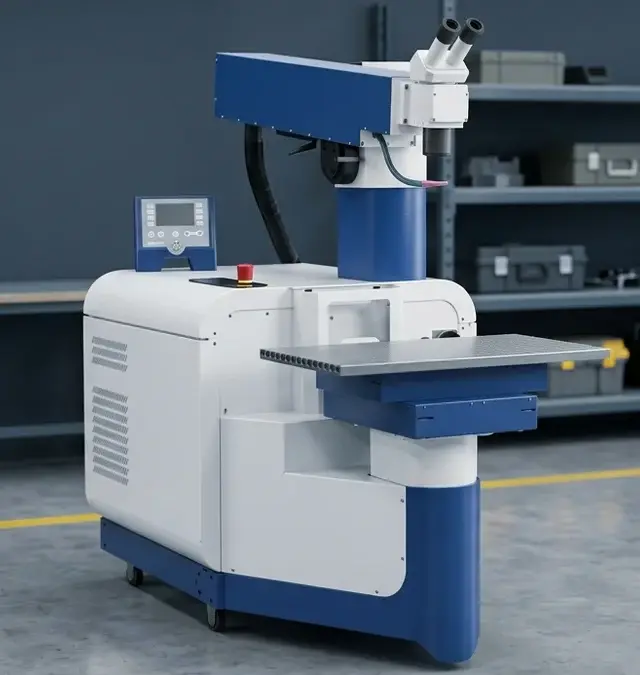
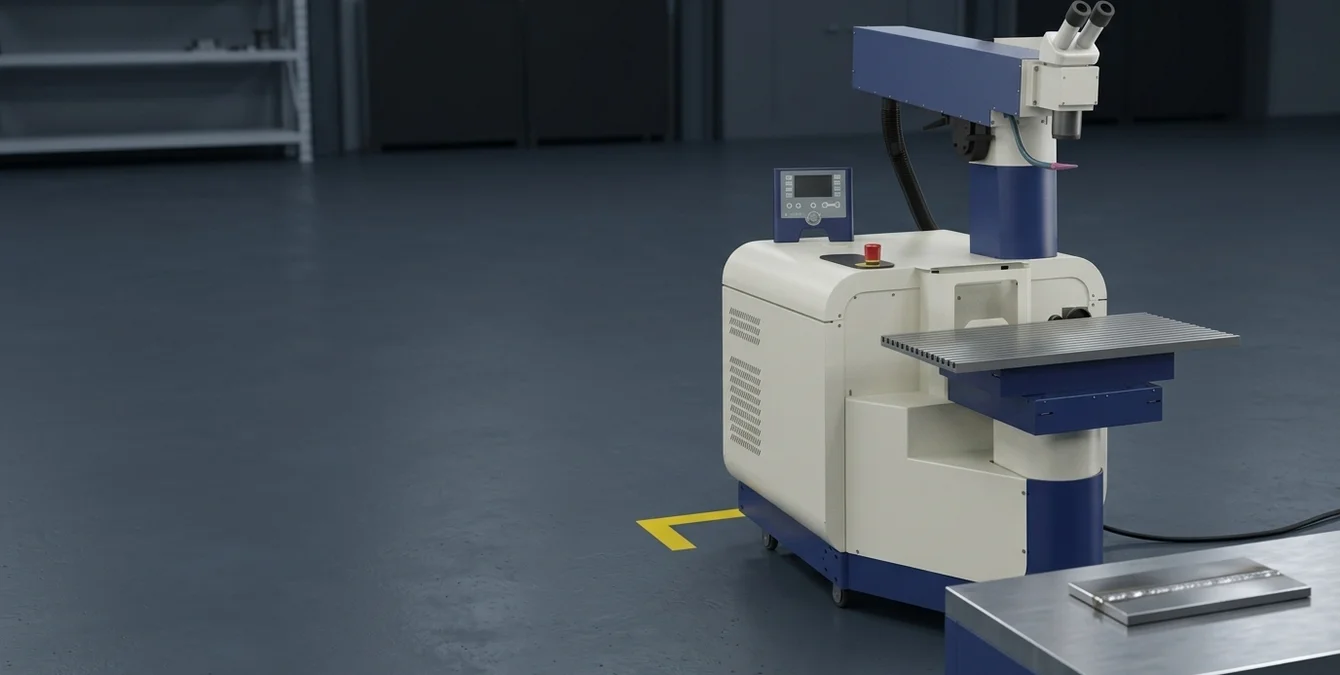
Effective heat control is critical when working with cast iron. Sigma Laser systems, such as the Sidanus Light and Sidanus Fibre, offer precise heat management, which is essential in preventing thermal stress. This control helps in managing the localized heating, reducing the likelihood of cracking.
The Sidanus Light, with its Nd:YAG laser source, provides peak powers ranging from 6 to 13 kW, allowing for precise energy delivery and effective heat control. Similarly, the Sidanus Fibre’s ytterbium fibre laser, with a peak power of up to 6 kW, offers both continuous wave and pulsed operation modes, enhancing flexibility in heat management.
Industrial Applications
- Automotive Industry: Repair of cast iron components in engines and machinery.
- Manufacturing: Maintenance of heavy equipment with ductile iron parts.
- Tooling: Restoration of cast iron molds and dies.
In these applications, the ability to perform precise and localized repairs is crucial, as it minimizes downtime and extends the lifespan of critical components.
Materials and Techniques
When considering materials for laser welding cast iron, using nickel wire can improve weld integrity by accommodating the thermal expansion of cast iron. This technique is particularly beneficial in applications where precision and durability are critical, such as in automotive powertrain components.
Understanding the thermal properties of cast iron and selecting appropriate filler materials are essential for achieving high-quality welds. Additionally, adherence to standards such as EN ISO 15614, which outlines the qualification of welding procedures, can ensure that the welding process meets industry requirements.
While laser welding cast iron requires careful planning and execution, understanding the material properties and using advanced systems like those from Sigma Laser can lead to successful outcomes. This knowledge base is crucial for engineers looking to integrate laser welding into their production capabilities.
Grey, Ductile, Malleable: Which Iron Welds How?
Laser welding cast iron is a precise method used in the industrial repair and maintenance of various iron components. Each type of cast iron—grey, ductile, and malleable—presents unique challenges and opportunities during welding processes. Understanding the distinct properties and weldability of these materials is essential for effective repairs and applications.
Cast Iron Types and Their Weldability
The choice of welding process for cast iron depends significantly on the iron type. Below is a comprehensive table summarizing the weldability of different cast iron varieties and typical repair scenarios.
| Iron Type | Weldability | Typical Repair Scenario |
|---|---|---|
| GJL (Grey Iron) | Moderate | Crack repairs in engine blocks and pump housings |
| GJS (Ductile Iron) | Good | Restoration of automotive suspension components |
| GJM (Malleable Iron) | Challenging | Repair of high-stress fittings and joints |
Key Considerations in Laser Welding
Effective laser welding of cast iron requires precise heat control to minimize the heat-affected zone and reduce the risk of cracking. Utilizing nickel wire for cast iron welding can enhance flexibility and strength at the weld joint. Sigma Laser’s advanced systems, such as the Sidanus Light and Siega Fibre, employ state-of-the-art technology to achieve high-quality welds across different cast iron types.
In industries like automotive, where cast iron components must hold tight tolerances, precision and reliability are paramount. The ability to maintain structural integrity while providing strong, durable repairs is a key advantage of laser welding technologies.
For laser welding of cast iron, typical industry parameters include power levels up to several hundred watts for precision applications, with wavelengths around 1064 nm for Nd:YAG lasers and 1070 nm for fibre lasers. The heat-affected zone is kept minimal to preserve the mechanical properties of the base material. Welding speeds can vary but are generally optimized to ensure adequate penetration and minimize thermal distortion.
For more detailed guidance on laser welding applications and techniques, explore our comprehensive resource on laser welding basics.
Which Filler Metals Reduce Cracking?
Understanding Nickel-Based Fillers
In the context of laser welding cast iron, selecting the appropriate filler metal is crucial to minimizing cracking risks. Nickel-based fillers offer advantageous properties for joining cast iron, primarily due to their ability to accommodate the thermal expansion and contraction that occurs during welding. These fillers reduce the likelihood of stress-induced cracking by closely matching the thermal expansion coefficient of cast iron.
Nickel-based fillers are particularly effective in applications where the weld joint will be subjected to cyclic thermal stresses, as they provide a ductile matrix that can absorb and redistribute stress concentrations. This property is essential in maintaining the structural integrity of cast iron components under varying operational conditions.
Controlling Dilution to Prevent Cracks
Effective dilution control is essential for maintaining the integrity of the weld joint. In laser welding applications, especially when working with cast iron, the precision of the laser beam allows for precise heat control, minimizing the dilution of the base material with the filler metal. This characteristic is particularly beneficial when using nickel wire for cast iron welding, as it ensures a consistent weld composition and reduces the formation of brittle phases.
Laser systems such as the Sidanus Light, with its Nd:YAG laser source and spot size ranging from 0.2 to 2.0 mm, provide the necessary precision to achieve minimal dilution, thereby enhancing the mechanical properties of the weld. This precision is critical in applications where the weld must withstand high mechanical loads without compromising the integrity of the cast iron substrate.
Industrial Applications and Best Practices
For industries such as automotive, where components are often subject to high thermal and mechanical stresses, the choice of filler metal can significantly affect the longevity and durability of the weld. For instance, manufacturers use laser welding with dissimilar-metal filler strategies to repair cast iron components, ensuring that welds can withstand operational demands.
To optimize outcomes, engineers should consider the use of Sigma Laser systems like the Sidanus Light or Siega Fibre, which offer advanced features for precise heat control in laser welding applications. These systems facilitate the effective use of nickel-based fillers, further enhancing weld quality and minimizing the potential for cracking.
In addition, adherence to relevant standards, such as EN ISO 15614 for the qualification of welding procedures, ensures that the processes employed meet industry requirements for quality and reliability. This standard provides guidelines for the development of welding procedures that are robust and repeatable, critical for maintaining consistency across production batches.
- Utilize nickel-based fillers to match the thermal expansion of cast iron.
- Employ laser systems for precise heat control and reduced dilution.
- Apply best practices in industries requiring durable and crack-resistant welds.
How do preheating and pulse control prevent cracks?
Understanding the Heat-Affected Zone (HAZ)
In precision manufacturing, preserving the integrity of materials like cast iron during welding is crucial. The heat-affected zone (HAZ) significantly influences the final properties of the welded joint. When employing laser welding cast iron, the localized heat application can cause hardening and crack formation if not properly managed. Preheating the workpiece effectively mitigates these risks. By increasing the temperature of the cast iron before welding, the thermal gradient between the weld area and surrounding material is reduced, minimizing the potential for hardening that leads to cracking.
Industry standards such as EN ISO 15614, which governs the qualification of welding procedures, emphasize the importance of controlling the HAZ to ensure the mechanical properties of the weld meet the required specifications. Utilizing preheating in line with these standards can significantly enhance the quality of the weld.
Controlled Energy Input with Pulsed Laser Welding
Pulsed laser welding provides an advanced method for managing energy input, essential for preventing crack formation. By delivering precise energy bursts, the process allows meticulous control over heat input, reducing the risk of thermal shock and distortion. This technique is particularly beneficial when joining materials like cast iron, where preserving the material’s intrinsic properties is crucial. The ability to regulate pulse frequency and duration ensures uniform energy distribution, further safeguarding against unwanted stress concentrations that can lead to cracks.
For instance, the Sidanus Light, with its Nd:YAG laser capabilities, offers pulse durations ranging from 0.5 to 20 ms, allowing for fine-tuned control over the energy input. This precision is vital for maintaining the integrity of the weld in cast iron applications.
Applications in High-Carbon Steel and Cast Iron Welding
Laser welding, known for its focused energy delivery and precision, is widely applied across various industries. In the automotive sector, for example, laser welding is applied to cast iron components, demonstrating the method’s reliability in high-performance contexts. Incorporating nickel wire during welding can also enhance joint ductility, serving as an additional measure to prevent cracking. This approach highlights the importance of material compatibility and process control in achieving robust, defect-free welds.
In terms of material compatibility, cast irons such as grey iron and ductile iron benefit from laser welding due to the reduced thermal input and controlled HAZ, which are critical in preventing the formation of brittle phases.
Further Insights and Best Practices
Professionals looking to deepen their understanding of effective welding techniques for high-carbon steels and cast iron can explore our dedicated resources for valuable insights. Detailed methods and case studies are available in our article on high-carbon steel laser welding, which delves into strategies for crack prevention using laser technology.
Adopting best practices such as adhering to ISO 3834, which outlines quality requirements for fusion welding, ensures that the welding processes are conducted under controlled conditions, thereby enhancing the reliability and quality of the welds.
When is Conventional Welding or Brazing the Better Choice?
In the realm of industrial metal joining, selecting the appropriate method for a specific application is crucial. While laser welding offers precision and minimal heat input, certain scenarios necessitate the use of conventional welding or brazing techniques. These cases often involve large structural joints or heavily contaminated surfaces, where traditional methods deliver more reliable outcomes.
Large Structural Joints
Conventional welding methods such as TIG or MIG are often preferred for large structural joints due to their capability to handle substantial material volumes. The heat and material deposition rates achievable with these methods are better suited for building up large weld seams required in heavy-duty applications. For instance, in constructing industrial machinery frames, these techniques offer robustness that laser welding may not achieve efficiently.
Laser welding systems, such as the Sidanus Light with its Nd:YAG laser source, are engineered for precision applications with power capabilities ranging from 60 to 500 W and peak powers up to 13 kW. However, for extensive structural joints, the broader heat input and material deposition from conventional methods can be more effective.
Heavily Contaminated Castings
When dealing with heavily contaminated or rusted castings, the adaptability of traditional welding methods can be advantageous. Laser welding requires clean surfaces for optimal performance, whereas methods like brazing can effectively manage impurities by using fluxes that clean the joint area as the filler material is applied. This is particularly useful in repairing cast iron components where surface contaminants are prevalent.
Laser welding of cast iron, while offering high precision, requires careful surface preparation to avoid defects. The Sineo Light, for example, with its Nd:YAG laser and pulse frequency up to 40 Hz, is designed for fine precision work, demanding clean and well-prepared surfaces.
For more nuanced insights into the comparative advantages of different metal joining methods, explore our detailed analysis in the laser welding vs. brazing article.
Specific Alloy Considerations
In certain cases, the alloy composition of the workpiece can influence the choice of welding technique. For instance, when working with cast iron, the use of nickel wire for cast iron welding in conventional methods can provide better compatibility and joint integrity. While laser welding cast iron offers precision, conventional welding techniques may prove more versatile in accommodating the thermal expansion and contraction characteristics inherent to this material.
Laser welding systems like the Sidanus Fibre, with its ytterbium fibre laser source, are capable of precision welding with minimal heat-affected zones, making them suitable for applications where thermal distortion must be minimized.
Industrial Applications and Best Practices
- Automotive Industry: In sectors such as automotive manufacturing, where large parts like chassis components require joining, conventional methods offer the strength and durability needed.
- Heat Control: Effective heat control in laser welding is critical, yet in some applications, the broader heat input from traditional methods can be beneficial for stress relief in complex assemblies.
- Standards Compliance: When implementing laser welding techniques, adherence to standards such as EN ISO 15614 for welding procedure qualification ensures that the process meets industry requirements for quality and safety.
Understanding the specific requirements of your application is crucial in selecting the most effective welding method. While laser welding provides precision and minimal distortion, conventional welding and brazing remain indispensable for certain structural and material conditions.
Frequently Asked Questions
Can laser welding be used for all types of cast iron?
Laser welding can be applied to various types of cast iron, including gray, ductile, and malleable cast iron. However, the welding parameters must be adjusted according to the specific properties of each type to ensure effective bonding and reduce the risk of cracking.
What are the challenges of laser welding cast iron?
Challenges include managing the high carbon content that can lead to cracking, porosity, and brittleness in the weld zone. Preheating and post-weld heat treatment are often necessary to mitigate these issues. Additionally, precise control of laser parameters is essential to avoid defects.
How does preheating affect the laser welding of cast iron?
Preheating cast iron before laser welding reduces thermal gradients, minimizing the risk of cracking and improving the ductility of the weld. It helps in achieving a more uniform microstructure and reduces residual stresses in the welded joint.
What types of lasers are used for welding cast iron?
For welding cast iron, Sigma Laser employs Nd:YAG and ytterbium fibre lasers. These lasers provide the necessary precision and control required for effective welding of cast iron, accommodating its unique material characteristics and thermal properties.
Is post-weld heat treatment necessary for laser-welded cast iron?
Post-weld heat treatment is often recommended for laser-welded cast iron to relieve residual stresses, improve toughness, and ensure dimensional stability. This step is crucial for applications where mechanical integrity and long-term performance are critical.
How do Sigma Laser systems address the cracking risk when welding cast iron?
Sigma Laser systems use 5-axis CNC kinematics and Super Pulse Technology (SPT) to precisely control heat input, minimizing thermal stresses that can cause cracking in cast iron. This approach enables repeatable, low-distortion seams even on complex geometries, supporting reliable repairs and modifications without excessive preheating or part movement.
What are the best practices for laser welding cast iron?
Best practices for laser welding cast iron include preheating the material to reduce thermal shock and selecting the correct laser parameters for the specific type of cast iron. Ensuring a stable workpiece setup and thoroughly cleaning the surface are also important steps for achieving consistent results.