
- Key Takeaways
- What Factors Influence the Price of a Fiber Laser Welding Machine?
- Technology and Innovation
- Brand Reputation
- Additional Features and Accessories
- How Does Power Output Affect the Cost of a Laser Welding Machine?
- Understanding Power Output Levels
- Cost Implications of High vs. Low Power
- Application-Specific Power Needs
- Detailed Cost Breakdown by Brand
- Top Brands in Fiber Laser Welding
- Pricing Strategies of Leading Brands
- Comparative Cost Analysis
- Which Models Offer the Best Value for Money?
- Evaluating Cost vs. Performance
- Feature Comparison of Popular Models
- Long-term Value and ROI
- Can Handheld Laser Welders Be a Cost-Effective Option?
- Pricing of Handheld Laser Welders
- Advantages of Handheld Options
- Use Cases for Cost Efficiency
- Why is Understanding Fiber Laser Welding Machine Costs Important for Procurement Managers?
- Impact on Budgeting and Planning
- Strategic Investment Insights
- Enhancing Negotiation Leverage
- Frequently Asked Questions
- What factors influence the price of a fiber laser welding machine?
- How does the power output affect the cost of a laser welding machine?
- Are there cost differences between continuous wave and pulsed fiber laser welding machines?
- How do automation features impact the price of a fiber laser welding machine?
- What role does the cooling system play in the cost of a fiber laser welding machine?
- How does the choice of laser source affect the price?
- Related Articles
- Sources
Quick Answer: The price of a fiber laser welding machine can range from $10,000 to over $250,000, influenced by factors like power output, automation level, and brand reputation. High-power machines suitable for industrial applications typically cost more due to advanced features and durability. Additional costs may include installation, maintenance, and training. For precise budgeting, consider your specific application needs and consult with suppliers for detailed quotes tailored to your operational requirements.
Key Takeaways
Fiber laser welding machines are pivotal in modern manufacturing, offering precision and efficiency. As procurement managers, understanding the price dynamics and cost determinants can significantly impact your purchasing decisions.
- Fiber laser welding machines typically range from $50,000 to $500,000, contingent on power output, brand, and additional features.
- Higher power outputs (e.g., 6kW) generally increase costs but provide faster processing speeds and the ability to handle thicker materials.
- Brand reputation and after-sales service packages can affect pricing; established brands often charge a premium for reliability and support.
- Customization options, such as tailored software or specialized optics, can lead to additional costs but may enhance machine functionality for specific applications.
- Operational costs, including maintenance and energy consumption, should be factored into the total cost of ownership beyond the initial purchase price.
- Consider potential tax incentives or grants for investing in energy-efficient technologies, which can offset initial expenditure.
- Volume discounts may be available for bulk purchases, providing an opportunity to reduce per-unit costs when outfitting multiple production lines.
Understanding these cost factors empowers procurement managers to make informed decisions when selecting fiber laser welding machines. Dive deeper into each aspect in the article that follows to optimize your purchasing strategy.
| Cost Factor | Impact on Price |
|---|---|
| Power Output | Higher power increases cost due to advanced components and capabilities. |
| Automation Level | More automation (e.g., the Simass Slide or Simass Rotate automation systems) raises price. |
| Brand Reputation | Established brands (e.g., Sigma Laser) command a premium for reliability and support. |
| Additional Features | Custom software, specialized optics, and accessories add to the base price. |
| Material Compatibility | Versatility for welding diverse metals increases engineering complexity and cost. |
| After-Sales Service | Comprehensive support packages are reflected in higher initial pricing. |
Summarizes qualitative cost drivers discussed in the article.
What Factors Influence the Price of a Fiber Laser Welding Machine?
Understanding the factors that influence the fiber laser welding machine price is crucial for procurement managers tasked with making informed purchasing decisions. These machines, like the ones produced by Sigma Laser, such as the Sidanus Fibre and Sineo Fibre, are pivotal in precision welding applications across various industries. The price of these machines is not arbitrary; it reflects a combination of advanced technology, brand reputation, and additional features that cater to specific industrial needs.
Technology and Innovation
The core technology of a fiber laser welding machine significantly influences its cost. At Sigma Laser, our systems incorporate state-of-the-art Fiber Laser Technology and Super Pulse Technology (SPT) to deliver exceptional precision and efficiency. Innovations like Swivel Optics with Telescopic Lens and the Motor-driven Turning Device enhance welding capabilities, allowing for complex weld geometries. Machines equipped with these cutting-edge technologies generally command a higher price due to their superior performance and versatility in industrial applications, such as automotive manufacturing or aerospace component assembly.
Typical specifications for industrial fiber lasers include power outputs ranging from 500 watts to 6 kilowatts, with wavelengths usually around 1070 nm, and beam quality (M²) values typically less than 1.2 for high-precision applications. These parameters allow for welding speeds of up to 10 meters per minute, depending on material and thickness, with penetration depths reaching up to 10 mm in stainless steel (ISO 11145, ISO 11146). The heat-affected zone is minimized, which is crucial for maintaining the integrity of sensitive materials.
Brand Reputation
The reputation of the manufacturer also plays a significant role in determining the fiber laser welding machine cost. Established brands like Sigma Laser, with a commitment to quality and compliance with standards such as ISO 9001 and DIN EN ISO 14732, often price their products higher. This premium reflects not only the reliability and durability of the machines but also the comprehensive support and service network that comes with them, ensuring minimal downtime in critical operations. In contrast, lesser-known brands may offer lower prices but often at the expense of long-term dependability and support.
Additional Features and Accessories
Additional features and accessories can significantly affect the pricing of fiber laser welding machines. Options like the Simass Rotate, Swivelling Y Axis, and the Z-Axis Module provide enhanced automation and flexibility, which are invaluable for high-volume production lines requiring consistent quality. These features enable integration with existing systems and improve throughput, justifying their impact on the overall cost. The choice of accessories should align with the specific needs of your operations to ensure that the investment yields optimal productivity and efficiency.
Material compatibility is another crucial factor, with fiber lasers typically capable of welding a wide range of metals, including carbon steels, stainless steels, aluminum alloys, and even exotic materials like titanium and nickel-based superalloys. This versatility is often reflected in the price, as machines capable of handling diverse materials are engineered with advanced cooling systems and adaptive optics to maintain precision and quality.
In conclusion, while the initial sticker shock of a high-end fiber laser welding machine might seem substantial, understanding the underlying factors such as advanced technology, reputable brands, and the added functionalities they offer provides a clearer picture of the investment’s value. For procurement managers, these insights are essential in aligning purchase decisions with operational goals and budget constraints.
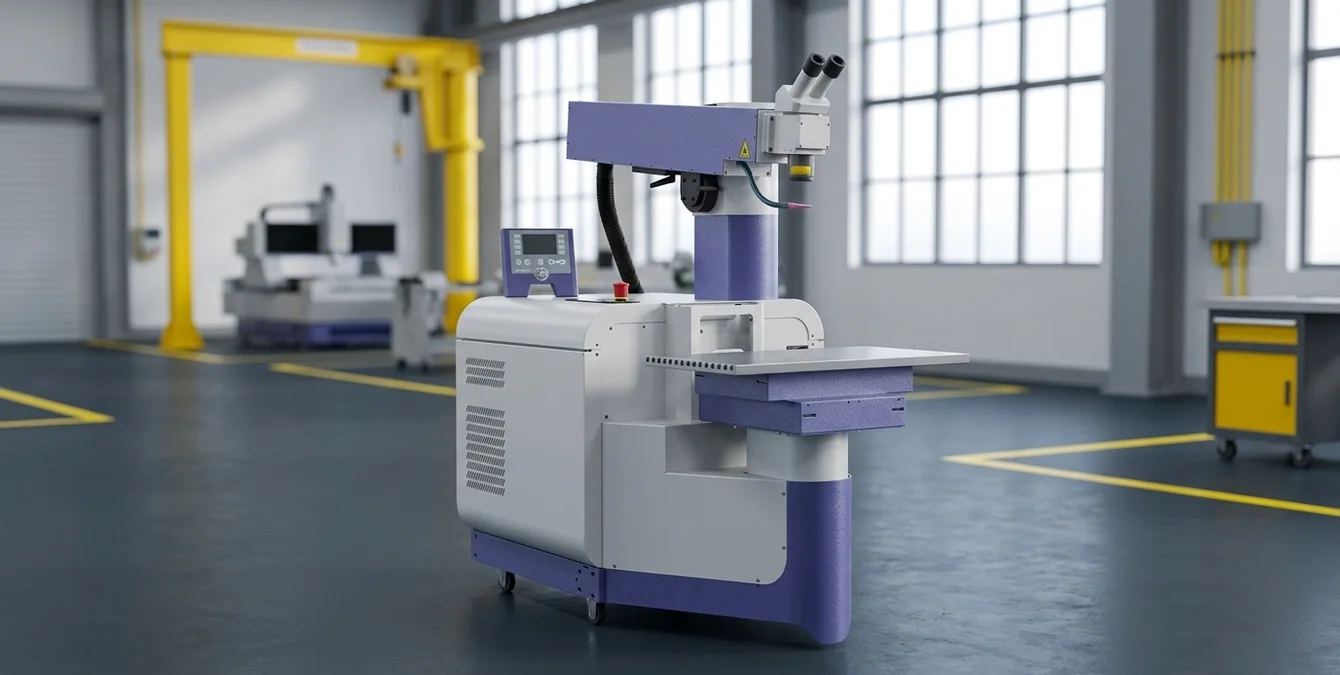
| Application / Machine Type | Typical Price Range (USD) |
|---|---|
| Entry-level / Low Power | $10,000 – $50,000 |
| Industrial / Mid Power | $50,000 – $250,000 |
| High Power / Advanced Automation | $250,000 – $500,000+ |
Ranges are general market estimates; actual prices depend on configuration, brand, and features.
How Does Power Output Affect the Cost of a Laser Welding Machine?
Understanding Power Output Levels
In industrial laser welding, power output is a crucial factor that significantly impacts both performance and cost. Measured in watts, power output determines the laser’s capability to weld materials of different thicknesses and types. At Sigma Laser, our fiber laser welding machines, including the Sidanus Fibre and Siega Fibre, are designed to deliver precise power levels suited for various industrial applications. Understanding the link between power output and the price of a fiber laser welding machine is vital for procurement managers looking to optimize operational efficiency and budget.
Fiber lasers typically operate within a power range of 500 watts to over 10 kilowatts, with wavelengths around 1070 nm, which is ideal for high absorption in metals. The beam quality, often denoted by M², is critical for focusing precision and is typically less than 1.5 for high-quality fiber lasers, ensuring minimal divergence and optimal energy concentration. This precision is essential for achieving repeatable welds with tolerances often within ±0.1 mm, depending on the application.
Cost Implications of High vs. Low Power
Higher power output levels generally lead to higher initial equipment costs due to the advanced technology and components required. However, this investment is often justified by the increased speed, depth, and versatility of the welds. For example, high-power options like our Sidanus Fibre with its 600 W power setting are perfect for industries needing deep penetration welding, offering long-term cost efficiency through reduced cycle times. On the other hand, lower power options, such as the Siega Fibre, provide a cost-effective solution for applications involving thinner materials, offering a more affordable laser welding machine cost. Understanding these dynamics is crucial for making informed purchasing decisions.
High-power lasers can achieve welding speeds up to 10 m/min with penetration depths exceeding 10 mm in materials like stainless steel and aluminum alloys, while maintaining a narrow heat-affected zone (HAZ) to preserve material properties. Conversely, low-power systems are typically used for sheet metal applications with thicknesses up to 3 mm, where precision and minimal thermal distortion are prioritized.
Application-Specific Power Needs
Different industrial applications require varying power output levels, influencing procurement strategies. For instance, the automotive sector may prioritize high-power units to meet the robust demands of chassis and body frame welding. In contrast, the electronics industry might choose handheld laser welders with moderate power to ensure precision without excessive heat, affecting handheld laser welder pricing. By selecting the appropriate power level, companies can ensure that their Sigma Laser systems, equipped with advanced features like Super Pulse Technology (SPT) and Swivel Optics, align with operational goals and financial constraints.
Compliance with standards such as ISO 11145 (Laser and laser-related equipment — Vocabulary and symbols) and EN ISO 15614 (Specification and qualification of welding procedures for metallic materials) is crucial for ensuring that the equipment meets industry benchmarks for safety and performance. This adherence not only guarantees quality but also facilitates integration into existing production lines, minimizing downtime and maximizing throughput.
Detailed Cost Breakdown by Brand
In the competitive landscape of industrial manufacturing, understanding the fiber laser welding machine price is crucial for procurement managers aiming to optimize budget allocations. This section offers an in-depth analysis of the pricing strategies adopted by leading brands in the fiber laser welding market, focusing on the critical factors influencing cost structures and their implications for industrial applications.
Top Brands in Fiber Laser Welding
The fiber laser welding sector is dominated by a few key players, each offering unique value propositions. Sigma Laser, known for its precision-engineered systems like the Sidanus Fibre and Simass Base Unit, emphasizes innovation and advanced features such as Super Pulse Technology (SPT) and Swivel Optics. Alongside specialized precision manufacturers, several international vendors of multi-kilowatt CW systems are also prominent, each bringing different strengths in terms of technology and cost-efficiency.
Typical specifications for fiber laser welding systems include power outputs ranging from 500W to 10kW, with beam quality M² values typically less than 1.5, ensuring high precision and minimal beam divergence. Wavelengths are generally in the 1070-1080 nm range, suitable for a wide variety of materials including stainless steel, carbon steel, aluminum alloys, and certain exotic materials.
Pricing Strategies of Leading Brands
Pricing strategies in the fiber laser welding market are shaped by several factors, including technology innovation, production scale, and operational efficiency. Sigma Laser employs a value-based pricing model that emphasizes high-performance features and robust engineering. This approach ensures that their products, such as the Sirius Light and Siega Fibre, deliver exceptional precision and reliability at competitive prices. Meanwhile, high-volume vendors focus on mass production to offer cost-effective solutions, often prioritizing affordability over niche technological advancements.
Operational parameters such as welding speed (typically 1-10 m/min) and penetration depth (up to 10 mm for steel) are critical considerations that influence machine pricing. The heat-affected zone (HAZ) is minimized due to the fiber laser’s precision, often resulting in a HAZ width of less than 0.5 mm, which is critical for maintaining material integrity.
Comparative Cost Analysis
When comparing the fiber laser welding machine cost across these brands, it is essential to consider both the initial purchase price and long-term operational expenses. Sigma Laser systems, while initially positioned at a premium, often provide superior return on investment due to their durability and low maintenance needs. The inclusion of advanced automation technologies, such as the Motor-driven Turning Device and Swivelling Y Axis, further enhances productivity, reducing overall operational costs.
- Modular multi-kW system vendors: flexible pricing across configurable platforms, with beam quality per ISO 11145 and ISO 11146.
- High-power CW specialists: prices reflect cutting-edge capabilities for high-speed seam welding.
- Budget import lines: streamlined models for cost-sensitive buyers — verify documentation, service coverage and long-term spare-part availability.
- Precision pulsed-system manufacturers such as Sigma Laser: value concentrated in application engineering, 5-axis kinematics and long service life.
For procurement managers, selecting the right fiber laser welding machine involves evaluating the total cost of ownership against the technological benefits and operational efficiencies offered by different brands. Sigma Laser’s commitment to quality and innovation positions its products as ideal solutions for industries seeking precision and reliability in their welding applications.
Which Models Offer the Best Value for Money?
Evaluating Cost vs. Performance
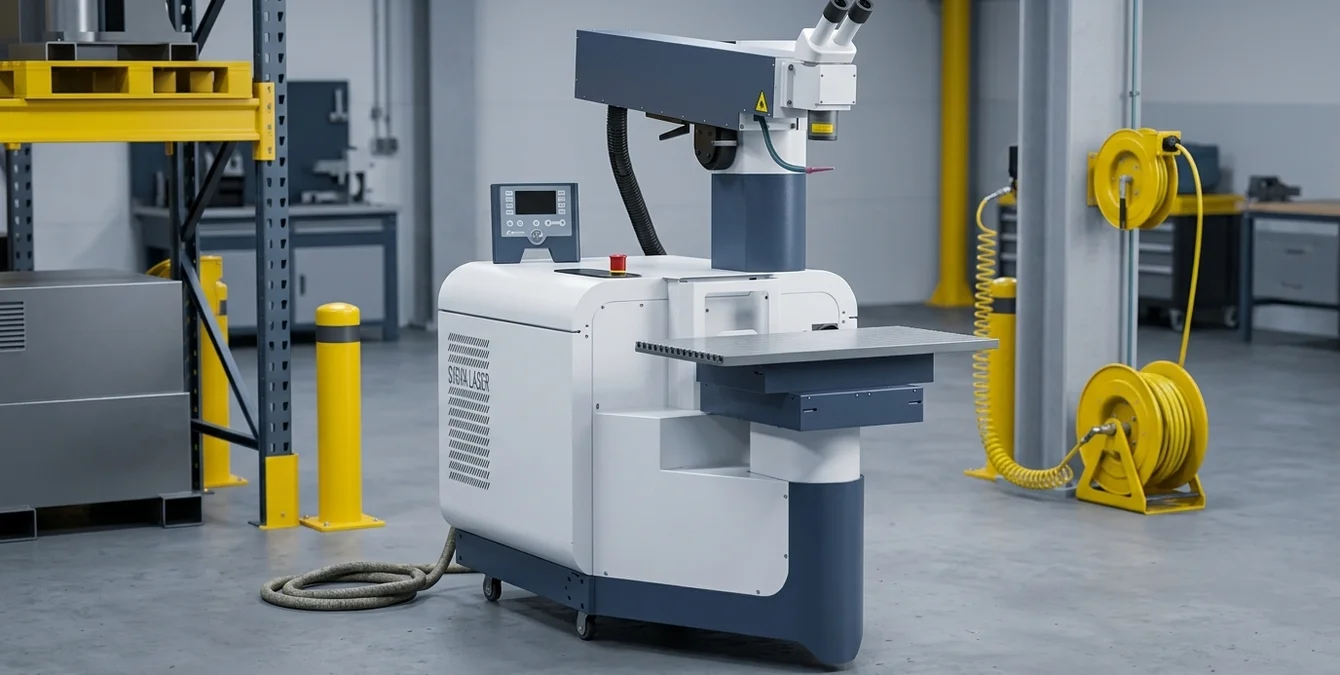
In the realm of industrial laser welding, selecting the right equipment is crucial for optimizing both cost and performance. Laser welding machines from Sigma Laser, such as the Sidanus Fibre and Sineo Fibre, are engineered to meet the rigorous demands of modern manufacturing. These models are designed to provide high precision and efficiency, which are essential for applications ranging from automotive to aerospace. By examining the fiber laser welding machine price alongside the corresponding performance metrics, procurement managers can make informed decisions that align with their operational goals.
Typically, these machines operate with power outputs ranging from 500W to 10kW, allowing for welding speeds up to 10 m/min and penetration depths of up to 25 mm in steel. The beam quality, often characterized by an M² value of less than 1.2, ensures high precision and minimal heat-affected zones, crucial for maintaining structural integrity in sensitive applications.
Feature Comparison of Popular Models
When evaluating fiber laser welding machines, it’s imperative to consider the specific features that enhance functionality and operational efficiency. Sigma Laser’s lineup, including the Siega Fibre and Sineo Fibre, offers distinct advantages:
- Laser Power Output: High power levels in these models ensure faster welding speeds and deeper penetration, making them suitable for thick material welding. These machines typically support a range of materials, including stainless steel (e.g., 304, 316), aluminum alloys (e.g., 6061, 7075), and titanium.
- Super Pulse Technology (SPT): This feature, available in models like the Sigomatic Pro, provides superior control over weld quality, minimizing heat-affected zones. This is particularly beneficial for thin materials where precision is paramount.
- Automation Technology: Integration with automation systems, such as the Motor-driven Turning Device and Swivelling Y Axis, enhances productivity by reducing manual intervention. These systems typically achieve repeatability of ±0.05 mm, adhering to ISO 11145 standards for laser equipment.
- Swivel Optics: The inclusion of Swivel Optics with a Telescopic Lens allows for versatile applications, accommodating varying material geometries and thicknesses. This adaptability is crucial when dealing with complex assemblies or varying part geometries.
Long-term Value and ROI
Investing in a fiber laser welding machine involves considering not just the initial cost but the long-term return on investment. Sigma Laser models, compliant with ISO 9001 and DIN EN ISO 14732 standards, ensure reliability and longevity, reducing the need for frequent replacements and repairs. The efficiency of the Sidanus Fibre and Sineo Fibre models translates to lower operational costs, as they consume less power and require minimal maintenance. Moreover, their adaptability to different industrial applications—from precision electronics to heavy machinery—enhances their utility, offering substantial ROI over time.
In conclusion, while the fiber laser welding machine cost is a critical factor, the comprehensive value derived from features, efficiency, and long-term performance positions Sigma Laser models as the ideal choice for industrial applications. By balancing immediate costs with potential savings and productivity gains, procurement managers can achieve a strategic advantage in their manufacturing processes.
Can Handheld Laser Welders Be a Cost-Effective Option?
In the realm of precision manufacturing, choosing the right welding system can greatly influence operational efficiency and cost management. Handheld laser welders, like those from Sigma Laser, offer a blend of portability and advanced fiber laser technology to deliver precise and reliable welds. This section examines the pricing dynamics and benefits of handheld laser welders compared to traditional models, providing procurement managers with insights into their cost-effectiveness.
Pricing of Handheld Laser Welders
The price of fiber laser welding machines for handheld options is generally lower than that of stationary units. This is largely due to reduced infrastructure needs and ease of integration into existing production lines. While the initial investment might seem significant, the cost of fiber laser welding machines can be quickly recovered through increased productivity and reduced labor expenses. Sigma Laser’s compact fibre systems, such as the Siega Fibre and Sidanus Fibre, offer competitive pricing while maintaining high performance standards — note that all Sigma machines are enclosed stationary or mobile 5-axis systems, not handheld guns.
By comparison, handheld fiber laser welders on the market typically operate within a power range of 500W to 1500W, which is suitable for welding thin to medium-thickness materials. The wavelength for these lasers is often around 1070 nm, which is optimal for high absorption in metals such as stainless steel (e.g., 304, 316 grades), carbon steel, and aluminum alloys (e.g., 6061, 7075). The beam quality, often characterized by an M² value of less than 1.5, ensures precise and consistent welds.
Advantages of Handheld Options
Handheld laser welders offer several advantages that contribute to cost savings. Their compact design and ease of use reduce setup time and labor costs. Additionally, advanced features like Swivel Optics with Telescopic Lens and Super Pulse Technology (SPT) enhance precision and flexibility, enabling them to efficiently handle complex welding tasks. These features not only minimize material waste but also ensure high-quality welds, reducing the need for rework.
In terms of process parameters, handheld laser welders typically achieve welding speeds of up to 120 mm/s, with penetration depths of up to 4 mm depending on material and thickness. The heat-affected zone (HAZ) is minimized, often less than 0.5 mm, which is crucial for maintaining the mechanical properties of the base material. The repeatability of weld quality is generally within ±0.1 mm, ensuring consistent results.
Use Cases for Cost Efficiency
Handheld laser welders are particularly cost-effective in applications where mobility and versatility are essential. Industries such as automotive repair, metal fabrication, and aerospace often benefit from the flexibility of handheld units. These welders are ideal for on-site repairs and small batch production, where moving the welding tool to the workpiece can significantly reduce downtime. By eliminating the need for extensive fixtures and setups, handheld laser welders streamline operations, ultimately leading to reduced overall fiber laser welding machine costs.
Compliance with relevant standards such as ISO 11145 for laser equipment and EN ISO 15614 for welding procedure qualification ensures that these handheld systems meet stringent safety and performance criteria, providing further assurance of their reliability and effectiveness in industrial applications.
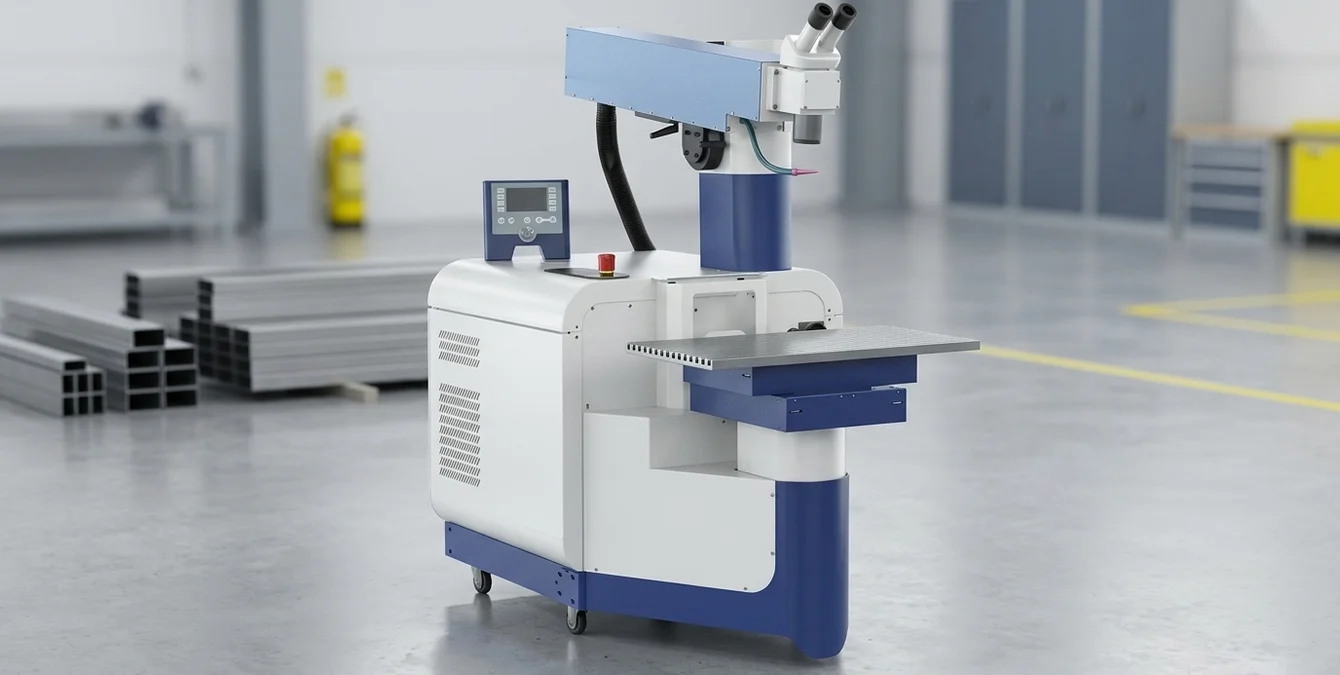
| Parameter | Typical Range / Value |
|---|---|
| Power Output | 500 W – 6 kW |
| Wavelength | ≈1070 nm |
| Beam Quality (M²) | < 1.2 |
| Welding Speed | up to 10 m/min |
| Penetration Depth (Stainless Steel) | up to 10 mm |
All values are general industry figures for fiber laser welding machines, not specific to any Sigma Laser model. Source: ISO 11145, ISO 11146.
Why is Understanding Fiber Laser Welding Machine Costs Important for Procurement Managers?
In the realm of modern manufacturing, procurement managers play a pivotal role in ensuring that investments align with both operational efficiency and financial prudence. Understanding the intricacies of fiber laser welding machine costs is indispensable for making informed decisions that impact the bottom line.
Impact on Budgeting and Planning
For procurement managers, grasping the nuances of fiber laser welding machine pricing is crucial for accurate budgeting and planning. With Sigma Laser’s advanced fibre solutions like the Sidanus Fibre and Sineo Fibre, a comprehensive understanding of cost structures helps allocate resources effectively across various departments, ensuring that capital is utilized where it can generate the most value.
Fiber laser systems, typically operating in the 1-10 kW power range, offer high beam quality with M² values often less than 1.2, enabling precise welding applications. Understanding these specifications is essential for evaluating the potential return on investment, especially when considering the welding of materials such as stainless steel (e.g., 304, 316 grades) and aluminum alloys (e.g., 6061, 7075).
Strategic Investment Insights
Fiber laser technology, exemplified by Sigma Laser’s Super Pulse Technology (SPT) and Swivel Optics, offers significant advantages in precision and efficiency. By understanding the investment required for these advanced systems, procurement managers can strategically plan for future upgrades and expansions. This foresight aids in maintaining a competitive edge, ensuring the company remains at the forefront of technological advancements.
Advanced fiber lasers can achieve welding speeds up to 10 m/min with penetration depths typically reaching 6 mm in steel, depending on the power and material thickness. Compliance with standards such as ISO 15614 for welding procedure qualification is vital for ensuring process reliability and quality control.
Enhancing Negotiation Leverage
Knowledge of handheld laser welder pricing and overall fiber laser welding machine costs provides a strategic advantage during vendor negotiations. Armed with this information, procurement managers can effectively engage with suppliers, ensuring favorable terms that align with the organization’s financial objectives. This competence not only strengthens supplier relationships but also contributes to long-term cost savings.
Understanding the operational limitations, such as the heat-affected zone (HAZ) typically minimized in fiber laser welding, allows procurement managers to negotiate better warranties and service agreements, ensuring equipment longevity and reduced downtime.
Frequently Asked Questions
What factors influence the price of a fiber laser welding machine?
The price of a fiber laser welding machine is influenced by several factors including power output, brand reputation, build quality, automation capabilities, and additional features such as cooling systems and software integration. The choice of components like laser source and optics also significantly impacts cost, as does the level of after-sales support and warranty offered.
How does the power output affect the cost of a laser welding machine?
Higher power output generally increases the cost of a laser welding machine. Machines with greater power can weld thicker materials and operate at faster speeds, which requires more advanced components and cooling systems. These factors contribute to a higher initial investment but can offer greater efficiency and productivity.
Are there cost differences between continuous wave and pulsed fiber laser welding machines?
Yes, continuous wave (CW) fiber laser welding machines typically cost more than pulsed models due to their ability to deliver consistent energy over time, making them suitable for high-speed and high-volume applications. Pulsed lasers, while less expensive, are ideal for precise, controlled welding tasks with minimal heat input.
How do automation features impact the price of a fiber laser welding machine?
Automation features such as robotic arms, CNC controls, and advanced software can significantly increase the price of a fiber laser welding machine. These features enhance precision, repeatability, and efficiency, reducing labor costs and increasing throughput, which can justify the higher initial investment in the long term.
What role does the cooling system play in the cost of a fiber laser welding machine?
The cooling system is crucial for maintaining optimal operating temperatures and ensuring the longevity of the laser source. High-performance cooling systems, such as water chillers, add to the cost but are essential for high-power machines to prevent overheating and ensure consistent performance.
How does the choice of laser source affect the price?
The choice of laser source, whether it’s a domestic or imported brand, can significantly impact the price. High-quality laser sources from reputable manufacturers offer better performance, reliability, and longer lifespan, but they come at a premium. This choice directly affects the machine’s operational efficiency and maintenance costs.
Sources
- ISO – International Organization for Standardization — ISO 15614-11: Specification and qualification of welding procedures for metallic materials – Welding procedure test – Part 11: Electron and laser beam welding
- DIN – Deutsches Institut für Normung — DIN standards related to laser welding technologies and equipment
- Laser Institute of America — Professional society dedicated to fostering lasers, laser applications, and laser safety worldwide
- IEC – International Electrotechnical Commission — IEC standards for electrical and electronic technologies, including laser equipment
- Journal of Laser Applications — Peer-reviewed journal covering laser technology and applications, including fiber laser welding
- Welding Journal — Publication by the American Welding Society featuring articles on welding technologies and industry trends
- European Patent Office — Database of patents including those related to fiber laser welding technologies