
- Key Takeaways
- What are the Benefits of Laser Welding Over Traditional Welding?
- Precision and Speed
- Material Versatility
- Cost-Effectiveness
- How to Choose the Right Industrial Laser Welding Machine?
- Power Selection Criteria
- Types of Laser Welding Machines
- Case Studies in Industrial Applications
- Which Laser Welding Consumables Are Essential?
- Types of Consumables
- Impact on Welding Quality
- Sourcing Tips
- How to Maintain a Laser Welding Machine?
- Routine Maintenance Tasks
- Troubleshooting Common Issues
- Importance of Regular Servicing
- Why Invest in Laser Welding Technology?
- Return on Investment
- Competitive Advantages
- Future-Proofing Manufacturing
- Frequently Asked Questions
- What are the benefits of laser welding over traditional welding?
- How to maintain a laser welding machine?
- What factors should be considered when selecting a laser welding system?
- How does laser welding improve production efficiency?
- Can laser welding be used for all types of materials?
- What distinguishes Sigma Laser systems in industrial procurement decisions?
- Related Articles
- Sources
Quick Answer: A laser welding buying guide for procurement managers should focus on key factors like power output, beam quality, and compatibility with existing systems. Consider the types of materials you will weld and the precision required. Evaluate the machine’s cooling system and its impact on efficiency. Ensure the system complies with safety standards and offers easy maintenance. Review the supplier’s training and support services. Finally, assess the total cost of ownership, including energy consumption and potential downtime.
Key Takeaways
In the final stages of the decision-making process, procurement managers must ensure they select the right laser welding solution that aligns with their operational needs and strategic goals. This guide provides essential insights into the advantages of laser welding, how to choose the right machine, and the key factors to consider regarding consumables and power selection.
- Laser welding offers superior precision and speed compared to traditional methods, reducing material distortion and increasing production efficiency.
- When selecting a laser welding machine, consider the material types and thicknesses your operations typically handle to ensure compatibility and optimal performance.
- Evaluate the total cost of ownership, including maintenance and consumables, to ensure a cost-effective investment in laser welding technology.
- Choose a machine with appropriate power output to meet your production requirements without excessive energy consumption or unnecessary operational costs.
- Laser welding consumables, such as protective gases and lenses, should be carefully selected to maximize weld quality and machine longevity.
- Partner with suppliers who offer robust technical support and training to ensure a smooth integration and continuous operation of your laser welding systems.
- Assess the scalability of the laser welding solution to accommodate future production expansions or changes in manufacturing processes.
Understanding these key aspects of laser welding technology will empower procurement managers to make informed decisions, ensuring that their chosen supplier meets all operational and budgetary requirements. Dive deeper into each of these considerations to optimize your procurement strategy and achieve long-term success.
What are the Benefits of Laser Welding Over Traditional Welding?
In the realm of high-precision manufacturing, laser welding has emerged as a superior alternative to traditional welding methods. This advanced technology, particularly through Sigma Laser’s cutting-edge systems like the Sidanus Light and Sirius Light, offers unparalleled precision and efficiency. In this section, we delve into the core benefits of laser welding, providing procurement managers with a comprehensive laser welding buying guide.
Precision and Speed
Laser welding delivers exceptional precision, which is critical for industries such as aerospace, automotive, and medical device manufacturing, where tolerances are minimal. Utilizing technologies like Super Pulse Technology (SPT) and Swivel Optics with Telescopic Lens, our industrial laser welding machines achieve pinpoint accuracy at unprecedented speeds. Unlike traditional welding, which often requires post-process refinements, laser welding minimizes material distortion and reduces the need for additional finishing.
Typical laser systems operate within power ranges of 1 kW to 10 kW, with beam quality factors (M²) often less than 1.2, ensuring high precision. The focal length of laser optics can range from 100 mm to 300 mm, allowing for flexible process configurations. Welding speeds can reach up to 10 m/min, depending on material thickness and type, while maintaining penetration depths of up to 10 mm in materials like stainless steel.
Material Versatility
One of the significant advantages of laser welding is its versatility with various materials. The seamless integration of fiber laser welding machines and Nd:YAG lasers in Sigma Laser’s portfolio accommodates a wide range of metals, including high-strength alloys and dissimilar metals. This capability is essential for industries requiring diverse material applications, ensuring that laser welding consumables are efficiently utilized without compromising on quality.
Laser welding is compatible with materials such as austenitic stainless steels (e.g., 304, 316), aluminum alloys (e.g., 6061, 7075), and titanium alloys (e.g., Ti-6Al-4V). The process can also handle complex geometries and thin sections, with typical tolerances of ±0.1 mm and repeatability within ±0.05 mm. Standards such as ISO 15614-11:2002 provide guidelines for welding procedure qualification, ensuring compliance with industry requirements.
Cost-Effectiveness
Though the initial investment in laser welding systems can be substantial, the long-term cost-effectiveness is notable. The increased throughput and reduced labor costs associated with faster processing times result in a lower total cost of ownership. Moreover, the precision of laser welding reduces material waste, further enhancing cost savings. For procurement managers, this means optimizing budget allocations while adhering to quality standards such as ISO 9001 and ISO 3834.
Operational constraints such as the need for precise alignment and clean surfaces are important considerations, as they can impact the overall efficiency and quality of the weld. However, advancements in laser control systems and automated handling have significantly mitigated these challenges.
| Feature | Laser Welding | Traditional Welding |
|---|---|---|
| Precision | High, minimal material distortion | Variable, often requires post-processing |
| Speed | Fast, suitable for high-volume production | Slower, labor-intensive |
| Material Compatibility | Versatile, accommodates dissimilar metals | Limited, may require multiple setups |
| Cost-Effectiveness | Long-term savings, reduced waste | Higher ongoing costs, more consumables |
In conclusion, laser welding stands out as a transformative approach for modern manufacturing needs. With Sigma Laser’s advanced systems, businesses can achieve significant improvements in precision, speed, and cost-efficiency, making it a pivotal choice for forward-thinking procurement strategies.
How to Choose the Right Industrial Laser Welding Machine?
In the fast-paced world of manufacturing, selecting the right laser welding machine is crucial for ensuring operational efficiency and product quality. As procurement managers, understanding the technical nuances of laser welding systems, including power selection and machine types, can significantly impact your production lines. This laser welding buying guide will provide you with essential insights and case studies to help you make informed decisions.
Power Selection Criteria
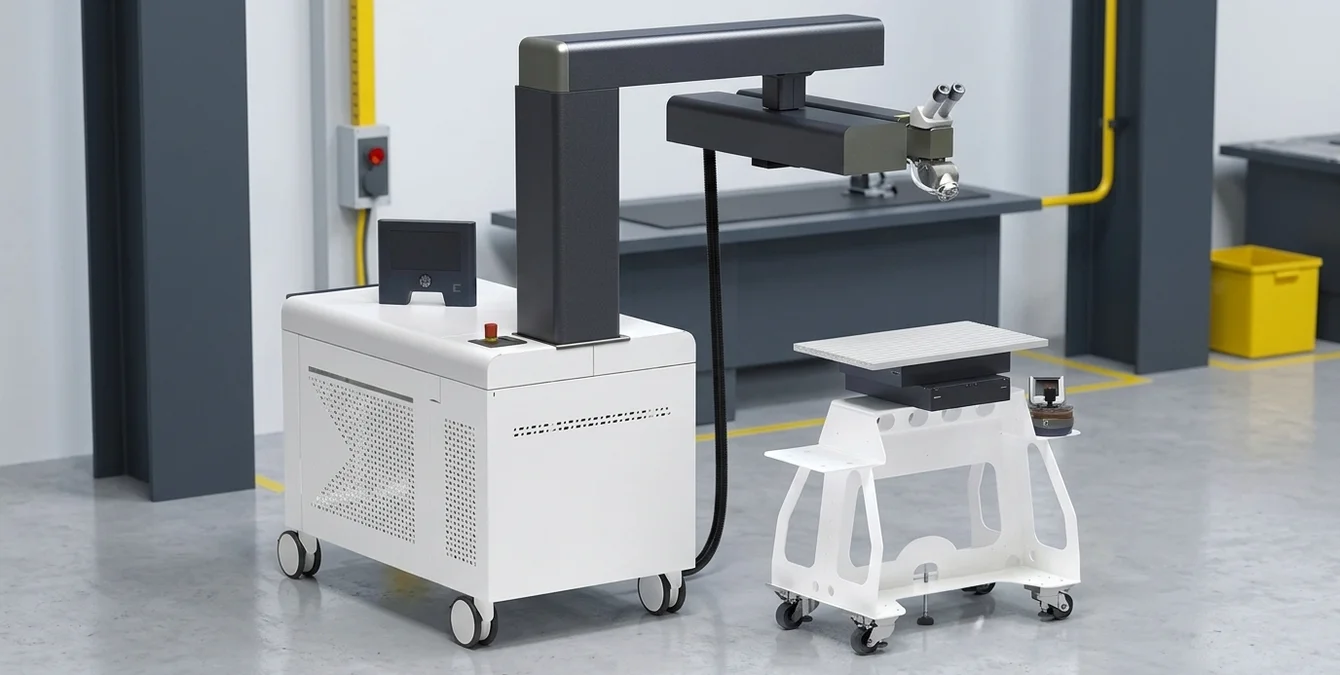
The power requirement of a laser welding machine is pivotal for achieving desired welding outcomes. It influences penetration depth, welding speed, and thermal input, which are critical factors in industrial applications. For instance, Sigma Laser’s Sineo Fibre offers a versatile power range, suitable for both thin metals and complex assemblies. The choice between a Fiber Laser Welding Machine and a Nd:YAG Laser often depends on the material thickness and the precision required. Consider your production needs, material types, and welding speeds to determine the optimal power setting.
Fiber lasers, typically operating at wavelengths around 1070 nm, offer high beam quality (M² < 1.1) and are well-suited for welding materials like stainless steel (e.g., AISI 304, 316) and aluminum alloys (e.g., 6061, 7075). Nd:YAG lasers, with wavelengths of approximately 1064 nm, are advantageous for applications requiring deeper penetration and are effective on reflective materials such as copper and brass. Power outputs for industrial laser welding systems commonly range from 500 W to 10 kW, with higher powers enabling greater penetration depths, typically up to 25 mm in steel.
Types of Laser Welding Machines
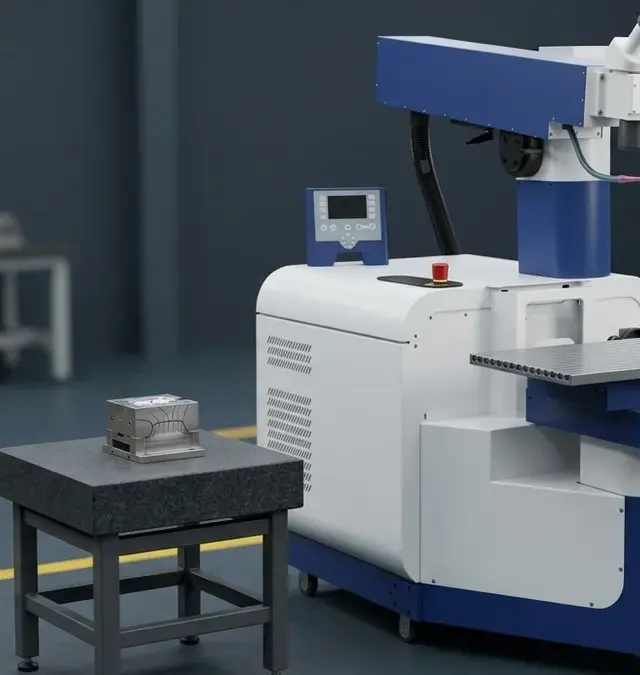
Understanding the different types of industrial laser welding machines is essential for selecting the right fit for your application. Continuous Wave Lasers are ideal for high-speed welding of thin materials, offering consistent power. On the other hand, Pulsed Laser Welding is beneficial for applications requiring precise control, such as intricate micro-welding tasks. Sigma Laser’s offerings, such as the Sidanus Fibre and Sirius Light, provide adaptable solutions with advanced features such as Swivel Optics, ensuring flexibility and precision across various tasks, ensuring flexibility and precision across various tasks.
Continuous wave lasers can achieve welding speeds up to 10 m/min, depending on material and thickness, while pulsed lasers allow for precise control over the heat-affected zone, minimizing distortion in sensitive components. The selection between these types should consider factors such as the required welding speed, material thickness, and the desired level of thermal input, in accordance with standards like ISO 15614-11:2002 for welding procedure qualification.
Case Studies in Industrial Applications
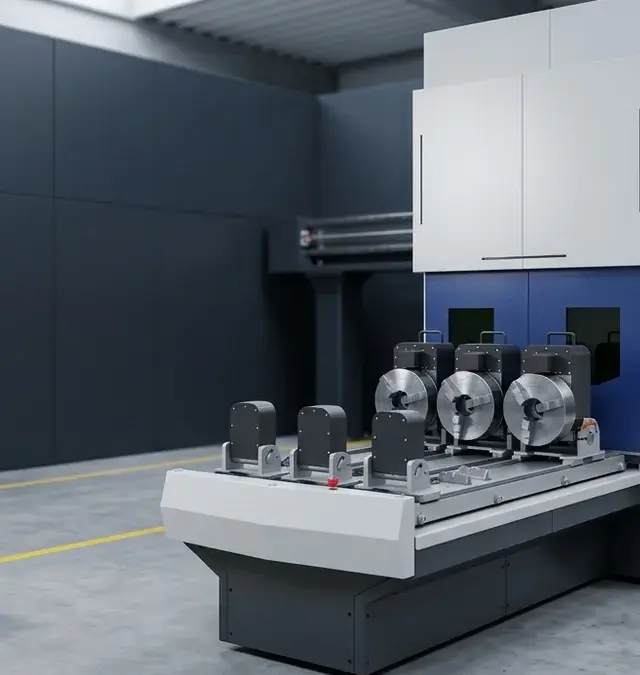
Real-world applications highlight the advantages of choosing the appropriate laser welding systems. In the automotive industry, Sigma Laser’s Simass Base Unit, combined with the Motor-driven Turning Device, has enhanced the welding precision of complex body panels, reducing production time by 30%. Similarly, in electronics manufacturing, the Sidanus Light has revolutionized the micro-welding of components, delivering high-quality welds with minimal distortion. These case studies underscore the importance of selecting a machine tailored to specific industrial needs, ensuring both efficiency and quality in production.
By considering these factors, procurement managers can optimize their laser welding investments, aligning with industry standards such as ISO 9001 and ISO 3834, and ensuring compliance with the European Committee for Standardization. The right choice will not only enhance your production capabilities but also provide a competitive edge in your market segment.
Which Laser Welding Consumables Are Essential?
In industrial applications, laser welding consumables are vital for optimizing the performance and efficiency of laser welding systems. These consumables are key to maintaining the precision and quality of welds, ensuring that operations meet high industry standards such as ISO 9001 and DIN EN ISO 14732. This laser welding buying guide is designed to help procurement managers understand the essential consumables required for seamless operations with Sigma Laser’s advanced systems like the Sidanus Light and Siega Fibre.
Types of Consumables
The primary consumables in laser welding include protective gases, filler materials, and lenses. Protective gases, such as argon and helium, shield the weld pool from atmospheric contamination, contributing to superior weld quality. Filler materials are used to bridge gaps or reinforce joints, particularly when working with thicker materials. Lenses, including those used in Sigma Laser’s Swivel Optics with Telescopic Lens, precisely focus the laser beam, ensuring high accuracy in welds.
When selecting protective gases, consider the material being welded; for example, helium is often preferred for aluminum alloys due to its higher thermal conductivity, while argon is commonly used for stainless steels. Filler materials must be compatible with the base materials, adhering to standards like AWS A5.21 for nickel alloys or AWS A5.18 for carbon steels.
Impact on Welding Quality
Consumables directly impact welding quality by influencing the stability and penetration of the laser beam. High-quality protective gases prevent oxidation and porosity, while precise lenses enable optimal laser welding power selection, crucial for applications requiring exact heat input. The choice of consumables can enhance the inherent advantages of laser welding, such as minimal distortion and high-speed operation, offered by industrial laser welding machines like the Sineo Fibre.
For instance, the beam quality (M²) of ≤1.2 in fiber lasers allows for deep penetration welding with minimal heat-affected zones, typically less than 2 mm in thickness for carbon steels. The focal length of lenses, typically ranging from 100 mm to 200 mm, should be matched to the specific application to ensure precision and repeatability, often within ±0.1 mm.
Sourcing Tips
For procurement managers, sourcing quality consumables involves evaluating suppliers against industry standards and certifications like ISO 3834. Establish relationships with reputable suppliers to ensure consistent quality and supply chain reliability. Consider working with partners who understand the specific needs of your laser welding technology, whether it’s for continuous wave laser operations or pulsed laser welding. By prioritizing quality over cost, you can ensure the long-term performance and reliability of your Sigma Laser systems.
Regular audits and supplier assessments can help maintain compliance and operational excellence.
How to Maintain a Laser Welding Machine?
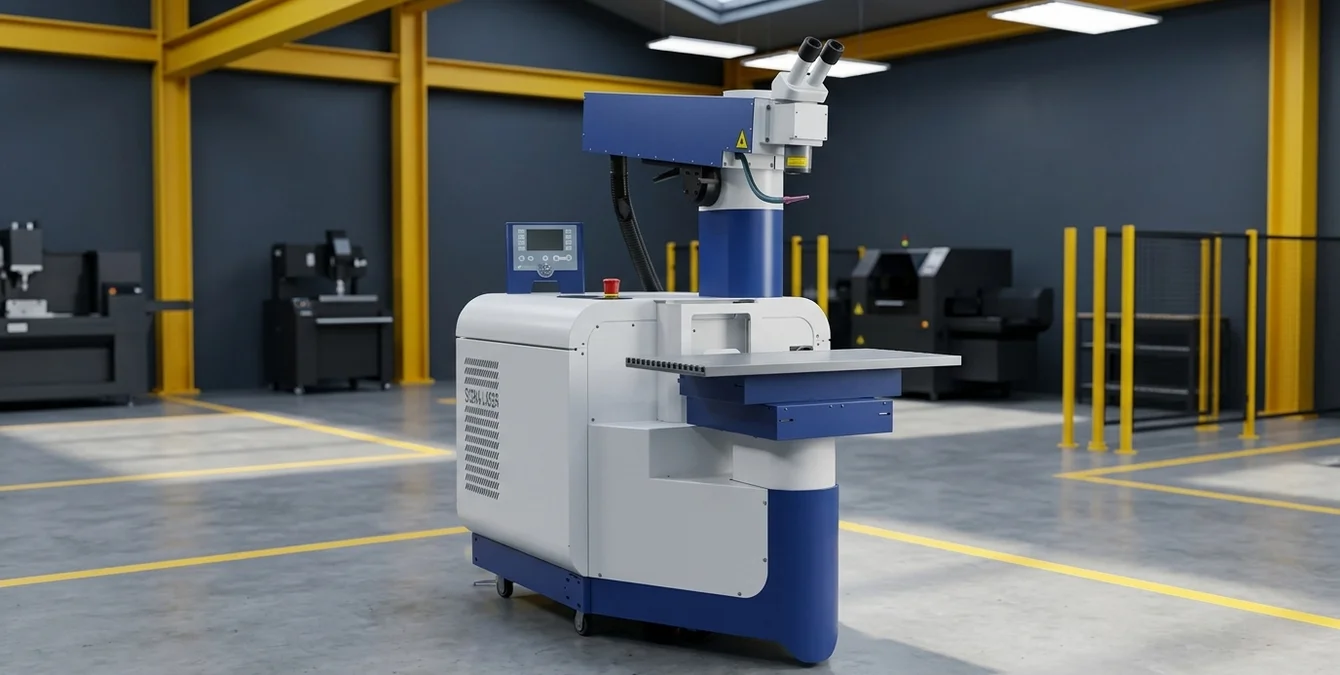
In the realm of precision manufacturing, laser welding machines such as those offered by Sigma Laser, including the Sidanus Light and Sirius Light models, are indispensable for achieving high-quality, repeatable welds. Proper maintenance of these industrial laser welding machines is crucial for ensuring their longevity and efficiency. This guide aims to provide a comprehensive laser welding buying guide with a focus on maintenance protocols.
Routine Maintenance Tasks
Routine maintenance is essential for sustaining the operational efficiency of laser welding systems. Key tasks include:
- Cleaning Optics: Regularly inspect and clean the optics, such as Swivel Optics with Telescopic Lens, to prevent contamination that can affect performance. Optics should be maintained to achieve a beam quality (M²) typically less than 1.2 for precision applications.
- Cooling System Inspection: Check the cooling system of the fiber laser welding machine to ensure it operates within specified temperature ranges, preventing overheating. Typically, the coolant temperature should be maintained between 20°C and 25°C to ensure optimal performance.
- Checking Consumables: Regularly assess laser welding consumables for wear and tear, replacing them as needed to maintain welding quality. This includes checking the condition of protective windows and nozzles, which can affect the focal length and spot size.
- Alignment Verification: Confirm the alignment of the laser beam and optics to ensure precision in welding applications. Misalignment can lead to deviations in weld seam accuracy, often requiring tolerances within ±0.1 mm for high-precision tasks.
Troubleshooting Common Issues
Even with regular maintenance, issues may arise. Here’s how to troubleshoot common problems:
- Inconsistent Welds: Check for misalignments in the optical path and ensure that the laser welding power selection is appropriate for the material being welded. For example, stainless steel typically requires power settings ranging from 1 kW to 4 kW depending on thickness and desired penetration depth.
- Overheating: Verify the functionality of the cooling system and ensure that the workspace is free from obstructions that might impede airflow. The heat-affected zone (HAZ) should be minimized to maintain material properties, typically less than 1 mm for thin sections.
- Power Fluctuations: Ensure that the power supply is stable and that all electrical connections are secure. Voltage fluctuations should be kept within ±5% to prevent impact on laser stability.
Importance of Regular Servicing
Regular servicing by experienced technicians is imperative for maintaining the high performance of Sigma Laser machines. Scheduled servicing not only ensures compliance with standards such as ISO 9001 and DIN EN ISO 14732 but also extends the lifespan of the equipment.
For procurement managers, maintaining a checklist that includes these maintenance tasks and scheduled servicing can significantly enhance the reliability and benefits of laser welding advantages. This proactive approach not only prevents downtime but also maximizes the return on investment in sophisticated systems like the Sigomatic Pro and Super Pulse Technology (SPT) enabled machines.
In summary, effective maintenance practices not only uphold the quality of welds but also ensure the competitive advantage of using advanced industrial laser welding machines in complex manufacturing environments. Adhering to standards such as ISO 15614-11:2002 for welding procedure qualification can further assure the integrity and consistency of welds across various materials, including carbon steel, aluminum alloys, and titanium.
Why Invest in Laser Welding Technology?
In the realm of precision manufacturing, laser welding technology represents a pivotal advancement, offering unmatched accuracy, efficiency, and adaptability for industrial applications. At Sigma Laser, our cutting-edge solutions, like the Sidanus Fibre and Sineo Light, are engineered to meet the rigorous demands of modern manufacturing, providing a strategic advantage in a competitive market.
Return on Investment
Investing in laser welding systems yields significant returns by enhancing production efficiency and reducing operational costs. Sigma Laser’s industrial laser welding machines, equipped with Super Pulse Technology (SPT), deliver precise energy control, minimizing material waste and rework. Studies indicate that integrating laser welding can reduce production time by up to 40%, directly impacting profit margins. Additionally, the longevity and durability of laser welding consumables further decrease maintenance expenses, ensuring a swift return on investment.
Our systems typically operate within a power range of 500W to 6kW, with beam quality M² values generally less than 1.2, ensuring high precision and consistency. The focal lengths of our optics range from 100mm to 300mm, allowing for deep penetration welding of up to 10mm in steel and 6mm in aluminum alloys, depending on material properties and thickness.
Competitive Advantages
Adopting laser welding technology offers substantial competitive benefits. With the ability to perform high-speed welding with minimal thermal distortion, products achieve superior structural integrity and aesthetic quality. Sigma Laser’s Swivel Optics and Motor-driven Turning Device enable unparalleled flexibility and precision, essential for complex geometries and tight tolerances. These capabilities provide manufacturers with a distinct edge, enabling them to exceed industry standards such as ISO 9001 and DIN EN ISO 14732, setting a benchmark for quality and innovation.
Our systems are compatible with a wide range of materials, including stainless steels (e.g., 304, 316), aluminum alloys (e.g., 6061, 7075), and special alloys such as Inconel and titanium. The precision of our laser systems typically achieves tolerances of ±0.05mm, with repeatability often within ±0.02mm, ensuring that even the most demanding specifications are met.
Future-Proofing Manufacturing
In an era of rapid technological evolution, investing in future-proof manufacturing solutions is crucial. Laser welding technology is adaptive, scalable, and integrates seamlessly with automated systems, aligning with Industry 4.0 initiatives. Sigma Laser’s advanced systems, like the Z-Axis Module and Swivelling Y Axis, are designed to evolve with manufacturing needs, ensuring long-term relevance and sustainability. As industries pivot towards eco-friendly practices, the energy-efficient nature of laser welding further supports environmental compliance and corporate responsibility.
This compliance is crucial for maintaining a safe working environment while leveraging the full potential of laser technology.
For procurement managers seeking a comprehensive laser welding buying guide, Sigma Laser offers the expertise and technology to navigate this transformative landscape, ensuring that your manufacturing processes remain at the forefront of innovation and efficiency.

Frequently Asked Questions
What are the benefits of laser welding over traditional welding?
Laser welding offers precision, speed, and minimal thermal distortion, which are significant advantages over traditional welding methods. It enables high-quality, repeatable welds with minimal post-processing. The process is highly automated, reducing labor costs and increasing efficiency. Its ability to weld dissimilar materials and thin sections makes it versatile for various industrial applications.
How to maintain a laser welding machine?
Regular maintenance of a laser welding machine includes cleaning optical components, checking and replacing consumables like nozzles and lenses, and ensuring proper cooling system function. Scheduled software updates and calibrations are essential for optimal performance. Routine inspections for wear and tear can prevent unexpected downtime and extend machine lifespan.
What factors should be considered when selecting a laser welding system?
Key factors include the material type and thickness, desired welding speed, and the specific application requirements. Consider the power output, beam quality, and compatibility with existing systems. Additionally, evaluate the availability of technical support and training from the manufacturer to ensure seamless integration and operation.
How does laser welding improve production efficiency?
Laser welding enhances production efficiency through high-speed operation and reduced cycle times. Its precision minimizes rework and scrap rates, while automation capabilities allow for continuous operation with minimal human intervention. This results in lower operational costs and increased throughput in manufacturing environments.
Can laser welding be used for all types of materials?
Laser welding is versatile and can be used on a wide range of materials, including metals like steel, aluminum, and titanium. However, material properties such as reflectivity and thermal conductivity must be considered. Some materials may require pre-treatment or the use of specific laser wavelengths for optimal results.
What distinguishes Sigma Laser systems in industrial procurement decisions?
Sigma Laser systems offer 5-axis CNC kinematics for precise, repeatable seams on complex geometries and unlimited workpiece size and weight capacity—ideal for large or immobile components. All machines feature Super Pulse Technology (SPT) for low-distortion, high-quality welds, and are developed and manufactured in Hanau, Germany, ensuring consistent quality and reliability.
Sources
- ISO 15614-11:2002 — Specification and qualification of welding procedures for metallic materials – Part 11: Electron and laser beam welding
- DIN EN ISO 4063:2011 — Welding and allied processes – Nomenclature of processes and reference numbers
- Laser Institute of America — Professional society dedicated to fostering lasers, laser applications, and laser safety worldwide.
- ASM Handbook Volume 6A: Welding Fundamentals and Processes — Comprehensive resource on welding fundamentals and processes, including laser welding.
- Journal of Laser Applications — Peer-reviewed journal covering the latest research in laser applications, including welding.
- Welding Journal — Monthly publication by the American Welding Society featuring articles on welding technology.