
- Key Takeaways
- Introduction to Laser Welding Technologies
- Principles of Laser Welding
- Comparison with Traditional Welding
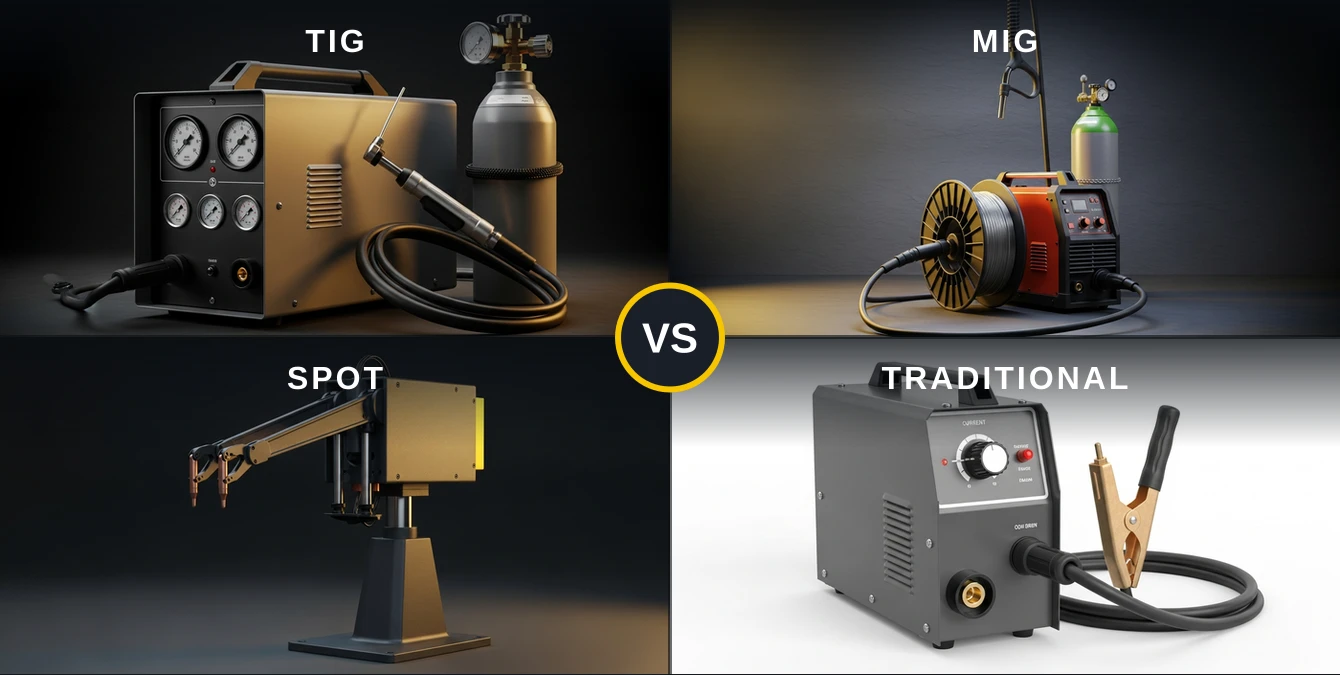
- Comparing Laser Welding with TIG, MIG, and Spot Welding
- TIG Welding vs Laser Welding
- MIG Welding vs Laser Welding
- Spot Welding vs Laser Welding
- What Are the Advantages of Laser Welding?
- Precision and Quality
- Speed and Efficiency
- Cost Comparison: Laser Welding vs Traditional Methods
- Initial Investment
- Operational Costs
- Environmental Impact of Laser Welding
- Energy Consumption
- Emissions and Waste
- Process Control in Laser Welding
- Key Process Parameters
- Monitoring and Adjustments
- Optimizing Laser Welding Processes
- Process Optimization Techniques
- Quality Control Measures
- Industrial Implementation of Laser Welding
- Equipment Requirements
- Training and Skill Development
- Challenges and Best Practices in Laser Welding
- Common Challenges
- Implementing Best Practices
- Frequently Asked Questions
- What are the advantages of laser welding over traditional welding?
- How does laser welding work?
- What materials are compatible with laser welding?
- What are the main types of laser welding systems?
- What factors affect the quality of a laser weld?
- How does laser welding compare in terms of energy efficiency?
- Related Articles
- Sources
Key Takeaways
In the realm of advanced manufacturing, choosing the right welding technique is critical for optimizing production efficiency and product quality. As the industry evolves, laser welding has emerged as a formidable alternative to traditional methods like MIG and TIG welding. Here’s a detailed comparison to guide your decision-making process.
- Laser welding offers superior precision and speed compared to MIG welding, making it ideal for high-volume production lines seeking to minimize cycle times.
- Unlike TIG welding, which requires skilled operators to maintain quality, laser welding systems can be automated, reducing labor costs and human error.
- With laser welding, heat input is significantly lower than both MIG and TIG, reducing thermal distortion and enabling welding of thin and delicate materials.
- The non-contact nature of laser welding minimizes contamination risks and results in cleaner welds, enhancing product reliability and aesthetics.
- Laser systems provide flexibility in welding various joint geometries and materials, offering a competitive edge in applications demanding versatility.
- While initial investment costs for laser welding are higher, the long-term ROI is favorable due to reduced rework, maintenance, and operational costs.
- Laser welding’s precision and repeatability align well with Industry 4.0 initiatives, supporting integration with smart manufacturing environments.
These insights set the stage for a deeper exploration into how laser welding stacks up against MIG and TIG in various industrial applications. Read on to understand the technical nuances and economic implications that can impact your welding strategy.
Introduction to Laser Welding Technologies
In the rapidly evolving landscape of industrial manufacturing, laser welding has emerged as a pivotal technology, offering unparalleled precision and efficiency. Sigma Laser, a leader in precision laser welding systems, is at the forefront of this technological revolution. This section provides an in-depth overview of laser welding, detailing its significance in modern manufacturing, the foundational principles that underpin its operation, and a comparison with traditional welding methods.
Principles of Laser Welding
Laser welding operates on the principle of using a concentrated light beam to melt and fuse materials together. This approach provides several advantages over traditional welding techniques, primarily due to its high precision and the ability to focus energy on a very small area. The laser’s intensity is sufficient to weld various materials, including metals and polymers, without causing significant distortion.
Sigma Laser’s innovative technologies, such as the Sidanus Light and Siega Fibre, harness the power of fiber lasers and Nd:YAG lasers to deliver consistent and precise welds. These systems are designed to minimize the heat-affected zone in welding, thereby preserving the structural integrity of the components. The use of Swivel Optics and the Motor-driven Turning Device further enhances flexibility and accuracy in complex welding applications.
The engineering community recognizes laser welding for its ability to produce high-quality welds with minimal post-processing. This is achieved by controlling parameters such as power density and pulse duration with precision, a capability enhanced by Sigma Laser’s proprietary Super Pulse Technology (SPT).
Typically, industrial laser systems operate with power ranges from 500 W to 6 kW, with wavelengths commonly around 1064 nm for Nd:YAG lasers and 1070 nm for fiber lasers. Beam quality, often measured by the M² factor, is crucial for precision, with values typically less than 1.5 indicating high-quality beams. Focal lengths in these systems can range from 100 mm to 300 mm, allowing for adjustable spot sizes to suit various applications.
According to ISO 15614-11:2002, laser welding can achieve penetration depths of up to 10 mm in steel, with welding speeds ranging from 1 m/min to 10 m/min, depending on material thickness and laser power. The heat-affected zone (HAZ) is typically less than 0.5 mm, ensuring minimal thermal impact on surrounding materials.
Comparison with Traditional Welding
While traditional welding methods, such as MIG, TIG, and Spot welding, have served the industry well for decades, they come with certain limitations. These methods often require extensive heat input, leading to larger heat-affected zones, which can compromise the mechanical properties of the welded materials.
In contrast, laser welding offers a highly controlled process that reduces thermal distortion and allows for the welding of thin materials with high precision. This is particularly beneficial in industries such as aerospace, automotive, and electronics, where component accuracy and material properties are critical.
- Precision: Laser welding provides superior precision, allowing for the joining of small and intricate components with minimal deformation. Tolerances can be maintained within ±0.1 mm, which is crucial for high-spec applications.
- Speed: The high energy density of lasers enables faster welding speeds, enhancing production efficiency. Welding speeds can reach up to 10 m/min for thin materials.
- Flexibility: Technologies like Sigma Laser’s Swivelling Y Axis and Z-Axis Module offer enhanced adaptability in automated manufacturing environments.
- Quality: Reduced heat-affected zones lead to better mechanical properties and surface finishes. This is particularly important for materials like 304 stainless steel and 6061 aluminum alloys, which are commonly used in precision industries.
For manufacturing engineers and procurement managers, the decision to implement laser welding systems like those from Sigma Laser is driven by these clear advantages. The integration of advanced technologies such as the Sigomatic Pro and Swivel Optics with Telescopic Lens further underscores the potential for innovation and efficiency in modern production lines.
In conclusion, laser welding represents a significant advancement over traditional methods, offering manufacturers a competitive edge in terms of precision, speed, and overall weld quality. As industries continue to demand higher standards, investing in cutting-edge laser welding technologies remains a strategic choice for forward-thinking companies.

| Welding Method | Precision | Speed | Thermal Distortion | Material Versatility | Automation | Post-Processing |
|---|---|---|---|---|---|---|
| Laser Welding | Superior (±0.1 mm tolerances) | High (up to 10 m/min) | Minimal | High (various metals, polymers) | Easily automated | Minimal |
| TIG Welding | Excellent (thin materials) | Low | Moderate | Good (thin materials) | Manual/Skilled operator | Moderate |
| MIG Welding | Moderate | High (thicker materials) | High | Good (thicker materials) | Semi-automated | Moderate |
| Spot Welding | Moderate | High (sheet metal) | High | Limited (sheet metal) | Automated | Moderate |
| Traditional Welding | Variable | Variable | High | Variable | Manual | Extensive |
All values are general process characteristics as described in the article. Numeric tolerances and speeds are typical ranges, not attributed to a specific Sigma Laser model.
Comparing Laser Welding with TIG, MIG, and Spot Welding
In the ever-evolving landscape of industrial welding, selecting the appropriate welding method is crucial for optimizing production efficiency, quality, and cost-effectiveness. As a leader in precision laser welding systems, Sigma Laser offers insight into how laser welding compares to traditional methods like TIG, MIG, and Spot welding. This laser welding comparison is vital for welding engineers, production managers, and procurement specialists seeking to enhance their operations.
TIG Welding vs Laser Welding
Tungsten Inert Gas (TIG) welding, known for its precision and control, is commonly used in applications requiring high-quality welds. However, laser welding stands out due to its enhanced precision and speed. Laser welding systems, such as those powered by Sigma’s Sidanus Light and Sineo Fibre, offer superior control over the heat-affected zone, minimizing thermal distortion. This is particularly advantageous for industries like aerospace and automotive manufacturing, where material integrity is paramount.
- Precision: Laser welding provides a focused heat source, reducing the size of the heat-affected zone compared to TIG welding. Typically, laser welding can achieve a heat-affected zone as narrow as 0.1 mm, depending on the material and thickness.
- Speed: Laser welding is significantly faster, allowing for higher throughput and reduced production times. Typical welding speeds range from 1 to 10 meters per minute, depending on the power and material.
- Versatility: While TIG welding is suitable for thin materials, laser welding can handle a broader range of thicknesses and materials, including high-strength steels and aluminum alloys such as 6061 and 7075.
- Standards Compliance: Laser welding processes are often guided by standards such as ISO 15614-11:2002, which ensures consistent weld quality and process validation.
MIG Welding vs Laser Welding
Metal Inert Gas (MIG) welding is prized for its ease of use and speed. However, when precision and minimal post-processing are prioritized, laser welding is often the preferred choice. Systems like Sigma Laser’s Siega Fibre and Simass Rotate enable precise welds with minimal spatter, thereby reducing the need for extensive cleaning.
- Quality: Laser welding yields cleaner welds with less spatter compared to MIG welding. The typical beam quality (M²) for industrial laser welding systems is below 1.5, allowing for high precision.
- Operational Costs: Despite higher initial costs, laser welding can lead to lower long-term operational expenses due to reduced rework and waste. Laser systems often have a repeatability of ±0.1 mm, ensuring consistent quality.
- Automation: Laser welding is more compatible with automated systems, enhancing efficiency in high-volume production environments. Integration with robotic systems is facilitated by standards such as ISO 11146, which defines laser beam parameters for automation.
Spot Welding vs Laser Welding
Spot welding, widely used in the automotive sector for joining sheet metals, excels in speed and simplicity for specific applications. However, laser welding, with technologies like Sigma’s Super Pulse Technology (SPT), offers advantages in terms of flexibility and precision.
- Flexibility: Laser welding can join a variety of joint configurations beyond the overlap joints typical of spot welding. It is capable of welding butt, lap, and T-joints with ease.
- Precision: The precision of laser welding allows for intricate and delicate operations that spot welding cannot achieve. Laser systems can achieve penetration depths of up to 25 mm in a single pass, depending on the material and power settings.
- Material Compatibility: Laser welding is compatible with a wider range of materials and thicknesses, including non-ferrous metals like titanium and copper alloys, which are challenging for spot welding.
In conclusion, while traditional welding methods like TIG, MIG, and Spot welding each have their strengths, laser welding offers unparalleled precision, speed, and flexibility. Leveraging Sigma Laser’s advanced technologies and systems, such as the Swivel Optics with Telescopic Lens and Motor-driven Turning Device, can transform your manufacturing processes, ensuring superior quality and efficiency in industrial applications.
What Are the Advantages of Laser Welding?
In the realm of precision manufacturing, laser welding stands out as a revolutionary technique, offering unparalleled advantages over traditional welding methods such as MIG, TIG, and spot welding. At Sigma Laser, our advanced systems like the Sidanus Light and Siega Fibre are engineered to meet the highest industrial standards, ensuring optimal performance and reliability. This section explores how laser welding surpasses conventional methods in terms of precision, speed, and quality.
| Parameter | Typical Value |
|---|---|
| Power Range | 500 W – 6 kW |
| Wavelength (Nd:YAG) | 1064 nm |
| Wavelength (Fiber) | 1070 nm |
| Beam Quality (M²) | < 1.5 |
| Focal Length | 100 – 300 mm |
| Penetration Depth (Steel) | up to 10 mm |
| Welding Speed | 1 – 10 m/min |
| Heat-Affected Zone (HAZ) | < 0.5 mm |
These are general industry parameters cited in the article and are not specific to any Sigma Laser product. For application-specific values, consult Sigma Laser technical documentation.
Precision and Quality
Laser welding is renowned for its exceptional precision and quality, making it the preferred choice for industries requiring exacting standards. Unlike traditional welding, which often results in wider seams and larger heat-affected zones, laser welding provides a focused heat application. This minimizes the heat-affected zone, reducing thermal distortion and maintaining the integrity of the base material.
Products like the Sigma Laser Sineo Fibre and Swivel Optics with Telescopic Lens deliver precision that is critical in industries such as aerospace, medical devices, and microelectronics. The concentrated laser beam ensures high-quality welds with minimal post-processing, reducing the need for costly and time-consuming finishing operations.
- Reduces heat-affected zones, maintaining material properties.
- Enables welding of intricate and delicate components with ease.
- Ensures repeatable, high-quality welds for critical applications.
- Typical laser power ranges from 500W to 6kW, with beam quality M² values typically below 1.2 for high precision applications.
- Welding speeds can reach up to 10 m/min depending on material and thickness, with penetration depths typically up to 10 mm for steel alloys.
- Compatible with a variety of materials, including stainless steels (e.g., 304, 316), aluminum alloys (e.g., 6061, 7075), and titanium alloys.
Speed and Efficiency
Speed and efficiency are crucial in high-volume manufacturing environments. Laser welding systems like the Sigma Laser Simass Rotate and Super Pulse Technology (SPT) enhance production throughput by significantly reducing cycle times. The concentrated energy of the laser allows for faster welding speeds compared to traditional methods, making it an ideal solution for automotive, electronics, and consumer goods sectors.
Moreover, the automation capabilities of systems such as the Sigomatic Pro and Motor-driven Turning Device streamline the welding process, allowing for continuous operation with minimal downtime. This translates to higher productivity and lower operational costs, a key advantage in competitive industrial markets.
- Increases production speed with rapid welding cycles.
- Enhances operational efficiency through automation and integration.
- Reduces labor costs and increases throughput in manufacturing lines.
- Automation systems are compliant with ISO 15614-11:2002 for welding procedure qualification.
- Operational constraints include maintaining optimal focus spot size, typically within ±0.1 mm, to ensure consistent weld quality.
In conclusion, Sigma Laser’s advanced laser welding systems offer significant advantages in terms of precision, speed, and quality. By integrating leading-edge technologies such as Fiber lasers and innovative automation solutions, manufacturers can achieve superior results, setting new benchmarks in industrial welding applications.
Cost Comparison: Laser Welding vs Traditional Methods
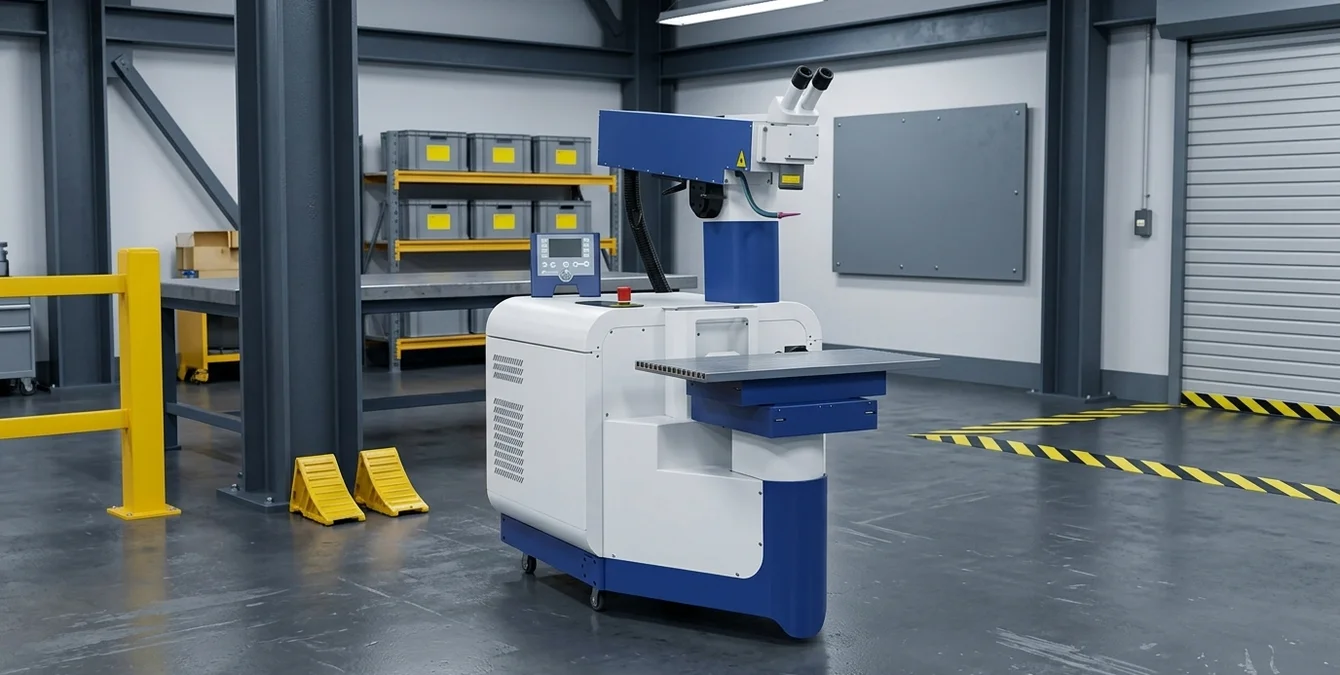
In modern manufacturing, choosing between laser welding and traditional methods like MIG, TIG, and spot welding significantly impacts cost and efficiency. Laser welding, particularly with systems like Sigma Laser’s Sidanus Light and Sirius Light, presents a compelling alternative due to its precision and advanced control over the heat-affected zone. This section offers an in-depth analysis of the cost factors involved in adopting laser welding technology compared to traditional methods, aimed at assisting welding engineers, production managers, and procurement managers in making informed decisions.
Initial Investment
Initially, laser welding systems may seem more expensive than traditional welding equipment. However, this view overlooks the broader industrial context where precision, automation, and scalability are crucial. Laser systems like Sigma Laser’s Siega Fibre and Sidanus Fibre incorporate technologies such as Swivel Optics and Super Pulse Technology (SPT), providing unmatched precision and flexibility. These features can significantly reduce the need for post-processing and rework, thus offsetting initial costs over time.
- Laser Welding Systems: The upfront cost includes purchasing advanced laser sources and integrating with automation modules like the Simass Base Unit and Z-Axis Module. Typical laser power ranges from 500W to 6kW, with beam quality M² values typically below 1.2, ensuring high precision and minimal heat-affected zones, often less than 0.5 mm.
- Traditional Welding Equipment: While generally lower in upfront cost, these systems often require extensive consumables and manual intervention, leading to additional expenses over the equipment’s lifecycle. For instance, TIG welding may require frequent replacement of tungsten electrodes and shielding gases like argon.
Investing in laser welding systems aligns with ISO 9001 and DIN EN ISO 4063 standards, enhancing compliance and quality assurance. This investment can lead to a rapid return through reduced waste and higher throughput in production environments. Laser welding is particularly advantageous for materials like stainless steel (e.g., 304, 316) and aluminum alloys (e.g., 6061, 7075), where precision and minimal distortion are critical.
Operational Costs
Operational costs include energy consumption, maintenance, and labor requirements, where laser welding systems show significant advantages. The automation capabilities of Sigma Laser’s systems, including the Motor-driven Turning Device and Swivelling Y Axis, contribute to lower long-term operational expenses.
- Energy Efficiency: Laser welding technologies such as fiber lasers are known for their efficient energy use, leading to lower electricity costs compared to traditional methods like TIG and MIG welding. Fiber lasers can achieve wall-plug efficiencies up to 30%, significantly higher than the 10-20% typical for traditional arc welding processes.
- Maintenance and Consumables: The precise nature of laser welding reduces wear and tear on components, minimizing maintenance frequency and costs. Traditional welding methods typically involve higher consumable use, including electrodes and shielding gases, which can escalate expenses. Laser systems require periodic maintenance of optics and beam delivery components, but these are less frequent and less costly.
- Labor Costs: The automation potential with systems like the Sigomatic Pro reduces the need for skilled manual labor, allowing for resource reallocation and cost savings. Automation can achieve repeatability within ±0.1 mm, significantly reducing the need for manual adjustments and inspections.
In conclusion, while the initial investment for laser welding may be higher, the operational efficiencies and precision offered by technologies such as Sigma Laser’s Super Pulse Technology (SPT) can lead to substantial cost savings over time. This makes laser welding a strategic choice for industries seeking to optimize their manufacturing processes in line with the latest European Committee for Standardization guidelines. The ability to achieve welding speeds of up to 10 m/min and penetration depths of up to 6 mm in a single pass further underscores the efficiency and capability of laser welding systems.
Environmental Impact of Laser Welding
As manufacturing industries increasingly prioritize sustainability, the environmental impact of production processes has become a critical consideration. Laser welding, renowned for its precision and efficiency, offers substantial environmental advantages over traditional welding methods. At Sigma Laser, we engineer our systems to not only meet industry standards but also to contribute positively to global sustainability efforts.
Energy Consumption
One of the primary benefits of laser welding is its energy efficiency. Compared to conventional methods such as MIG and TIG welding, laser welding systems, like those using Sigma Laser’s Fiber and CO2 technologies, require significantly less energy input. This efficiency stems from the process’s ability to focus energy precisely at the weld joint, minimizing heat loss and reducing the overall energy demand. For example, the Sidanus Light and Sirius Light models are equipped with advanced energy modulation capabilities that optimize power usage, ensuring that the laser operates only when necessary. This targeted energy application not only conserves power but also contributes to reduced operational costs for manufacturing plants.
Typically, fiber lasers used in industrial welding operate within a power range of 1 kW to 10 kW, with wavelengths around 1070 nm, providing high beam quality (M² < 1.5) that ensures precise energy delivery. The focused spot size can be as small as 0.1 mm, allowing for welding speeds of up to 10 m/min, depending on material thickness and type. These parameters contribute to energy savings by reducing the time and power needed for each weld.
Emissions and Waste
Laser welding also excels in minimizing emissions and waste, key factors in its environmental sustainability. Traditional welding techniques often produce substantial amounts of fumes and spatter, contributing to workplace pollution and requiring extensive fume extraction systems. In contrast, the precision of laser welding limits the formation of a heat-affected zone, significantly reducing the generation of harmful emissions. This is particularly relevant in industries where maintaining air quality is crucial.
Furthermore, the reduced heat-affected zone in welding with laser systems decreases the likelihood of material distortion, thus minimizing scrap rates and material wastage. Sigma Laser’s advanced systems, such as the Simass Rotate and Sidanus Fibre, incorporate technologies like Super Pulse Technology (SPT), which enhance control over the welding process, ensuring high-quality joins with minimal excess material use. This precision not only improves product quality but also aligns with zero-waste manufacturing goals.
Laser welding is compatible with a wide range of materials, including various steel grades (e.g., AISI 304, 316), aluminum alloys (e.g., 6061, 7075), and special alloys like Inconel and titanium. The process typically achieves penetration depths of up to 25 mm in steel, with a heat-affected zone as narrow as 0.5 mm, which is crucial for maintaining the mechanical properties of the base material.
In summary, the environmental benefits of laser welding are clear when compared to traditional welding methods. By reducing energy consumption, emissions, and material waste, laser welding supports sustainable manufacturing practices. Sigma Laser remains committed to advancing these technologies, providing solutions that help industries meet both their production and environmental objectives.
Process Control in Laser Welding
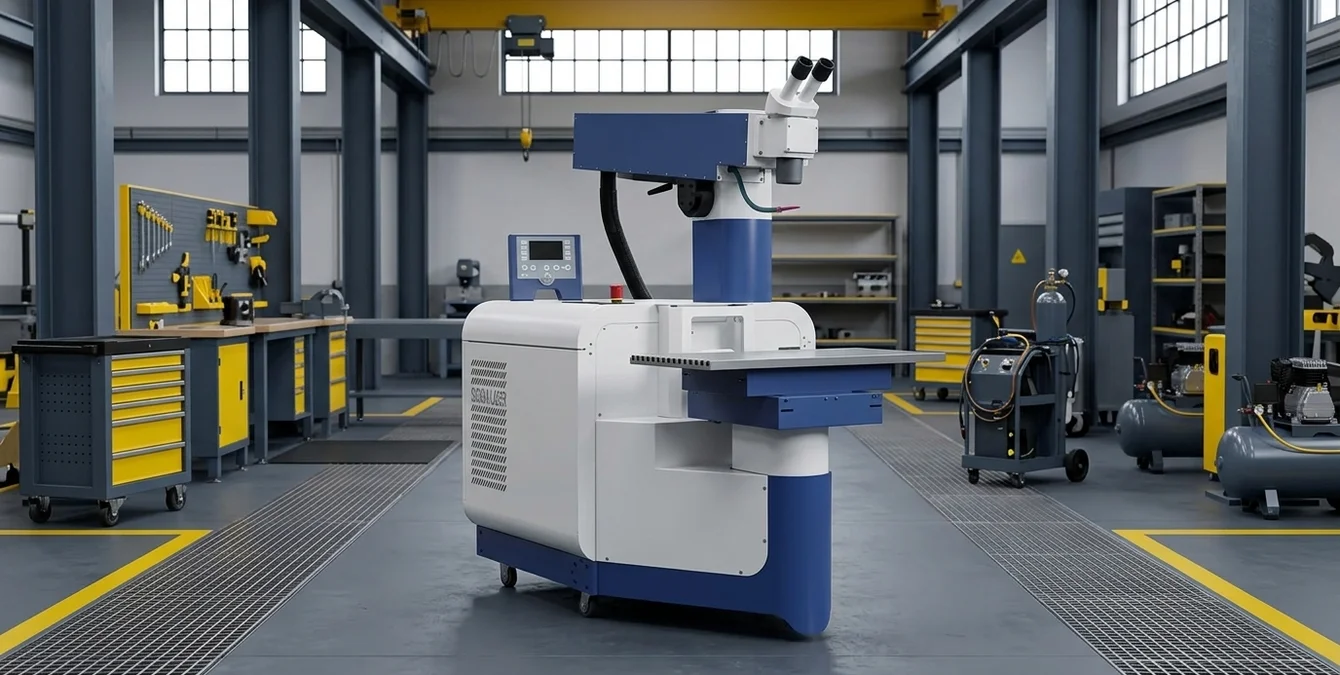
In the realm of precision manufacturing, laser welding offers unparalleled advantages over traditional welding methods. At Sigma Laser, we understand that achieving optimal results hinges on precise process control. Our systems, such as the Sidanus Light and Sirius Light, are engineered to deliver superior performance across a variety of industrial applications. This section explores the critical parameters and monitoring techniques that ensure exceptional laser welding precision, minimizing the heat-affected zone in welding processes.
Key Process Parameters
Understanding and controlling key process parameters is essential for achieving desired outcomes in laser welding. These parameters include:
- Laser Power: The intensity of the laser beam, measured in watts, directly affects penetration depth and weld quality. Typical industrial laser welding systems operate in the range of 500 W to 10 kW, depending on the application and material. Adjustments must be made based on material thickness and type, such as stainless steel or aluminum alloys.
- Welding Speed: The speed at which the laser traverses the material impacts the heat input and the size of the heat-affected zone. Industry standards suggest welding speeds typically range from 1 mm/s to 50 mm/s, with faster speeds reducing distortion but requiring higher power levels.
- Focus Position: Precise control over the focal point ensures optimal energy concentration. Using technologies like Swivel Optics with Telescopic Lens, Sigma Laser systems enable accurate focal adjustments, typically within ±0.1 mm tolerance, ensuring repeatability and precision in the welding process.
- Shielding Gas: Gas type and flow rate can influence the protection of the molten pool and the overall weld quality. Common gases used include argon, helium, and nitrogen, with flow rates typically ranging from 10 to 25 liters per minute, depending on the material and joint configuration.
By fine-tuning these parameters, companies can achieve a laser welding process that is not only efficient but also consistent with high-quality standards such as ISO 9001 and DIN EN ISO 4063.
Monitoring and Adjustments
Real-time monitoring and adaptive adjustments are critical for maintaining process integrity in laser welding applications. Sigma Laser integrates advanced sensors and feedback systems into products like the Sineo Fibre and Simass Base Unit, enabling continuous oversight of the welding process. Key aspects of monitoring include:
- Temperature Monitoring: Ensures that the heat input remains within optimal ranges, reducing the risk of excessive melting or inadequate fusion. Systems typically maintain temperatures within ±5°C of the target to ensure consistent weld quality.
- Seam Tracking: Automated systems can adjust the laser path dynamically, maintaining alignment and compensating for any deviations in the material or setup. This capability is crucial for materials with variable thicknesses, such as automotive steel grades like DP600 or TRIP780.
- Power Modulation: Technologies like Super Pulse Technology (SPT) allow for dynamic power adjustments to accommodate changes in material properties or thickness, ensuring compliance with standards such as ISO 15614-11:2002 for welding procedure qualification.
Implementing these advanced monitoring techniques allows for precise control, reducing defects and improving overall process reliability compared to other welding methods such as TIG welding or MIG welding. By leveraging Sigma Laser’s cutting-edge technology, manufacturers can ensure their operations meet stringent quality standards, ultimately enhancing productivity and reducing costs.
Optimizing Laser Welding Processes
In today’s competitive industrial landscape, optimizing laser welding processes is crucial for enhancing both efficiency and output quality. At Sigma Laser, our systems are engineered to deliver unparalleled precision and reliability, addressing the complex needs of modern manufacturing environments. Through strategic process optimization, engineers and production managers can achieve significant improvements in weld quality, operational efficiency, and cost-effectiveness.
Process Optimization Techniques
To optimize laser welding processes effectively, it is essential to consider various technical parameters and their impact on the final output. Our advanced laser welding systems, such as the Sidanus Light and Sineo Fibre, incorporate cutting-edge features like Super Pulse Technology (SPT) and Swivel Optics with Telescopic Lens to enhance performance. Here are some key techniques:
- Parameter Adjustment: Fine-tuning parameters such as laser power (typically ranging from 500 W to 10 kW), speed (generally between 0.5 to 10 m/min), and focus can significantly affect the heat-affected zone in welding, reducing thermal distortion and improving joint integrity. The beam quality, often characterized by an M² value of less than 1.5, ensures precise energy delivery.
- Material Compatibility: Selecting the appropriate laser type—whether Fiber laser (with wavelengths around 1070 nm) or CO2 laser (with wavelengths around 10.6 µm)—based on material properties ensures optimal penetration and bonding. For instance, fiber lasers are particularly effective for high-reflectivity materials such as aluminum alloys (e.g., 6061, 7075) and stainless steels (e.g., 304, 316).
- System Calibration: Regular calibration using our Sigomatic Pro ensures that the laser system maintains its precision over time, thereby enhancing welding consistency. Calibration should adhere to ISO 11145 and ISO 11146 standards to ensure beam parameter accuracy and repeatability, typically within ±0.1 mm.
- Integration of Automation: Leveraging automation with components like the Motor-driven Turning Device and Swivelling Y Axis reduces cycle times and increases throughput. Automated systems can achieve repeatability within ±0.05 mm, crucial for high-volume production environments.
Quality Control Measures
Implementing stringent quality control measures is crucial for maintaining high standards in laser welding operations. Sigma Laser’s commitment to quality is reflected in our adherence to international standards such as ISO 9001 and DIN EN ISO 4063. Key quality control measures include:
- Inspection and Testing: Utilize non-destructive testing methods, such as ultrasonic testing and radiographic inspection, to assess weld quality, ensuring that each joint meets the requisite strength and durability criteria as outlined in ISO 15614-11:2002.
- Comparative Analysis: Conduct a laser welding comparison against traditional methods like MIG welding and TIG welding to evaluate the advantages in terms of precision and efficiency. Laser welding typically offers superior penetration depth and reduced heat input, minimizing the heat-affected zone.
- Continuous Improvement: Implement a feedback loop with regular audits to identify areas for improvement, ensuring that processes evolve alongside technological advancements. This continuous improvement cycle is essential for maintaining compliance with evolving industry standards.
By focusing on these optimization and quality control techniques, manufacturers can harness the full potential of Sigma Laser’s precision welding systems. This not only leads to superior product quality but also enhances operational efficiency, giving businesses a competitive edge in European industrial markets.
Industrial Implementation of Laser Welding
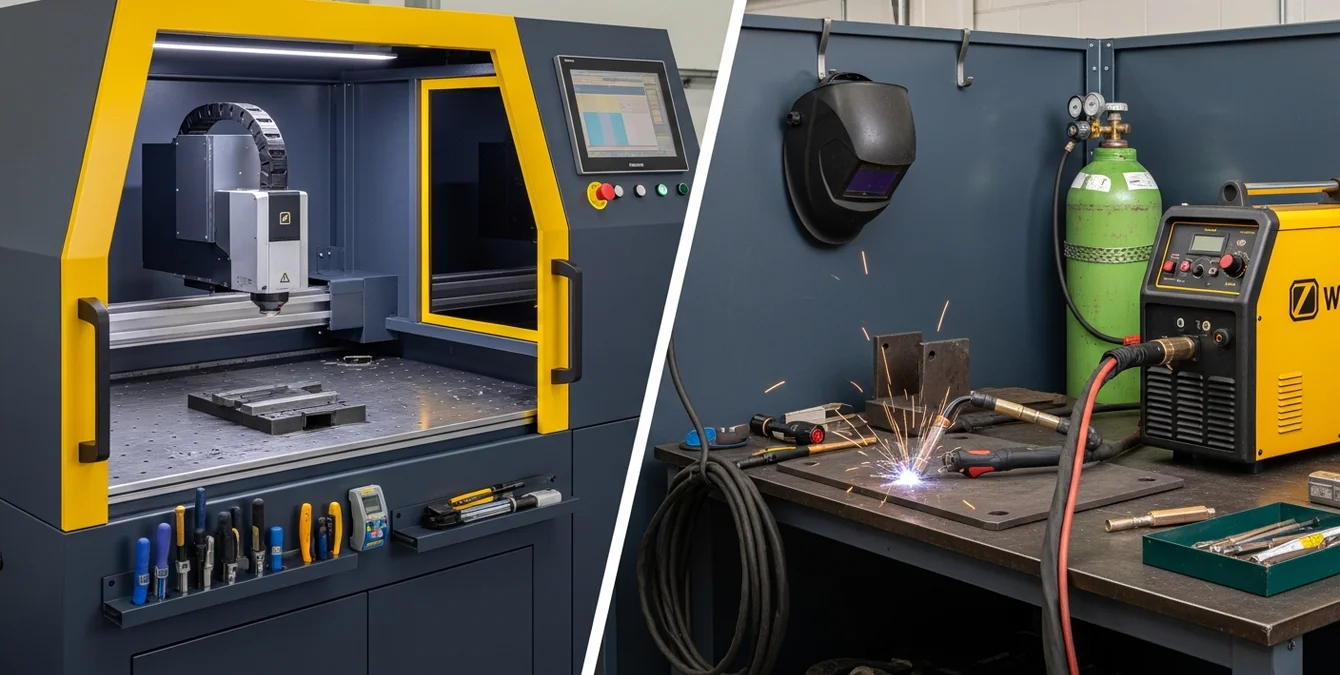
In the realm of industrial manufacturing, laser welding has emerged as a pivotal technology, offering unmatched precision and efficiency. Its integration into manufacturing lines can significantly enhance production quality and speed, particularly when compared to traditional welding methods like MIG and TIG. The precision of laser welding is especially beneficial in operations requiring minimal heat-affected zones, thereby preserving the integrity of the materials involved. As an industry leader, Sigma Laser provides an array of cutting-edge solutions designed to meet the unique demands of modern manufacturing environments.
Laser welding systems typically operate with power outputs ranging from 500W to 10kW, depending on the application requirements. The wavelength of industrial lasers often falls within the near-infrared spectrum, around 1064 nm for fiber lasers, which is ideal for metals such as stainless steel and aluminum alloys. The beam quality, often denoted by the M² factor, is typically less than 1.5, indicating a high-quality beam for precision applications. Typical welding speeds can range from 1 to 10 m/min, with penetration depths reaching up to 10 mm, depending on the material and laser power.
Equipment Requirements
Implementing laser welding in an industrial setting necessitates a thorough understanding of the equipment requirements. Sigma Laser’s portfolio, including products like the Sidanus Light and Siega Fibre, is engineered to provide robust performance across diverse applications. These systems are designed to tackle complex welding challenges by leveraging advanced features such as Super Pulse Technology (SPT) and Swivel Optics with Telescopic Lens.
When selecting laser welding equipment, consider the following factors:
- Material Compatibility: Ensure the chosen laser system is compatible with the materials used in your production line, from metals to advanced composites. Common compatible materials include austenitic stainless steels (e.g., 304, 316), aluminum alloys (e.g., 6061, 7075), and titanium alloys (e.g., Ti-6Al-4V).
- Power and Precision: The system’s power output and precision capabilities should align with your specific production requirements, whether that involves fine-scale welding or high-speed production. Typical tolerances for laser welding systems are within ±0.1 mm, ensuring high repeatability and precision.
- Modularity and Integration: Look for systems that offer modular components, such as Sigma’s Z-Axis Module and Swivelling Y Axis, which facilitate seamless integration into existing production lines. Compliance with standards like ISO 15614-11:2002 ensures that the welding procedures are qualified for industrial applications.
Training and Skill Development
The successful deployment of laser welding technology extends beyond equipment acquisition. It requires comprehensive training and skill development to ensure that operators can optimally utilize the capabilities of systems like Sigma’s Simass Base Unit and Motor-driven Turning Device. Tailored training programs can enhance operational efficiency and reduce potential downtime due to operator error.
Key training considerations include:
- Operator Certification: Encourage certification through recognized bodies such as the American Welding Society or the European Committee for Standardization to establish a foundation of expertise. Certification ensures familiarity with standards such as EN ISO 15614 for welding procedure specifications.
- Hands-on Experience: Provide operators with practical, hands-on training sessions using the specific laser systems to build confidence and proficiency. Emphasize the importance of understanding process parameters, such as beam focus and welding speed, to optimize weld quality.
- Continuous Education: Establish ongoing training programs to keep operators up-to-date with the latest advancements and techniques in laser welding. This includes staying informed about new materials and their welding characteristics, as well as advancements in laser technology.
By addressing both the technological and human elements of laser welding implementation, manufacturers can fully harness the benefits of this advanced technology, ensuring improved production outcomes and enhanced competitiveness in the market.
Challenges and Best Practices in Laser Welding
Laser welding, a pivotal technology in precision manufacturing, offers unmatched accuracy and efficiency for joining metal components, especially when compared to traditional methods like MIG or TIG welding. However, to fully leverage its potential, engineers must navigate specific challenges associated with laser welding systems. This section explores these challenges and provides actionable best practices to enhance welding performance and quality.
Common Challenges
While laser welding systems, such as those provided by Sigma Laser, are designed for precision and reliability, certain challenges remain prevalent across industries:
- Heat-Affected Zone (HAZ): In laser welding, controlling the heat-affected zone is critical to preventing structural weaknesses. The concentrated energy, though efficient, can lead to undesired thermal expansion in surrounding areas. Typically, the HAZ can be minimized to less than 0.5 mm in width with precise parameter control.
- Material Compatibility: Different materials react variably to laser welding. For instance, reflective metals like aluminum can reflect laser beams, reducing effectiveness and complicating the welding process. Aluminum alloys such as 6061 and 7075 require specific wavelength adjustments, often utilizing fiber lasers with wavelengths around 1070 nm for better absorption.
- Joint Fit-Up and Alignment: Precision in joint alignment is vital. Misalignment can result in incomplete penetration or weak joints, especially in high-precision applications. Tolerances for alignment are typically within ±0.1 mm to ensure optimal joint integrity.
- Process Control: Maintaining consistent quality requires precise control over laser parameters, such as power, speed, and focus, which can be challenging in dynamic production environments. Power settings commonly range from 500 W to 6 kW, and welding speeds can vary from 1 to 10 m/min depending on material thickness and type.
Implementing Best Practices
To overcome these challenges, implementing engineering best practices is essential. Here are strategies to enhance laser welding operations:
- Utilize Advanced Technologies: Leveraging Sigma Laser’s advanced technologies, like the Sidanus Fibre laser system, can optimize welding performance. Features such as Super Pulse Technology (SPT) allow for precise control over the energy input, minimizing the heat-affected zone. Beam quality, represented by M² values typically less than 1.5, ensures high precision.
- Material-Specific Solutions: Conduct thorough material analysis to tailor laser parameters to specific metals. For reflective metals, consider using fiber lasers to improve absorption and efficiency. For example, stainless steel grades like 304 and 316 require specific parameter adjustments to achieve optimal weld penetration and surface finish.
- Precision Positioning: Employ positioning aids like the Z-Axis Module and Swivel Optics with Telescopic Lens to ensure precise joint alignment and fit-up, reducing the risk of defects. Systems should achieve repeatability within ±0.05 mm to maintain consistent quality.
- Process Monitoring and Control: Implement real-time monitoring systems to adjust laser settings dynamically, ensuring consistent quality and reducing the likelihood of defects. Sigma Laser’s Sigomatic Pro can facilitate such process control. Compliance with standards like ISO 15614-11:2002 ensures that welding procedures meet industry benchmarks.
By addressing these common challenges with structured best practices, manufacturing engineers and production managers can enhance the efficacy of laser welding processes. The integration of advanced Sigma Laser systems and technologies ensures that precision and quality remain at the forefront of industrial applications, making laser welding a superior choice compared to traditional methods. This approach not only optimizes the production workflow but also aligns with stringent ISO standards, such as ISO 9001 and ISO 3834, ensuring compliance and excellence in manufacturing.
Frequently Asked Questions
What are the advantages of laser welding over traditional welding?
Laser welding offers precision and speed, reducing heat-affected zones and minimizing distortion. It enables deep penetration with narrow welds, suitable for high-strength applications. Automation compatibility enhances repeatability and reduces labor costs. Unlike traditional methods, laser welding can join dissimilar metals and complex geometries efficiently.
How does laser welding work?
Laser welding uses a concentrated beam of light to melt and fuse materials, creating a weld. The laser’s high energy density allows for rapid heating and cooling, resulting in minimal thermal distortion. It can be applied in continuous or pulsed modes, depending on the material and thickness.
What materials are compatible with laser welding?
Laser welding is compatible with a wide range of materials, including stainless steel, carbon steel, aluminum, titanium, and certain plastics. Its ability to join dissimilar metals makes it ideal for complex assemblies in industries like automotive, aerospace, and electronics.
What are the main types of laser welding systems?
There are primarily two types: solid-state lasers, such as Nd:YAG and fiber lasers, and gas lasers, like CO2 lasers. Fiber lasers are popular for their efficiency and low maintenance, while CO2 lasers are used for thicker materials due to their deeper penetration capabilities.
What factors affect the quality of a laser weld?
Key factors include laser power, welding speed, focus position, and material properties. Proper alignment and cleanliness of the workpieces are crucial. Additionally, the choice of shielding gas can influence weld quality by preventing oxidation and contamination.
How does laser welding compare in terms of energy efficiency?
Laser welding is highly energy-efficient compared to traditional methods. It delivers energy directly to the weld zone with minimal waste, reducing overall power consumption. Fiber lasers, in particular, offer high electrical efficiency, translating to lower operational costs.
Sources
- ISO 15614-11:2002 — Specification and qualification of welding procedures for metallic materials – Part 11: Electron and laser beam welding.
- DIN EN ISO 4063:2011 — Welding and allied processes – Nomenclature of processes and reference numbers.
- Journal of Laser Applications — A peer-reviewed journal covering the latest research in laser applications, including laser welding.
- Welding Journal — Published by the American Welding Society, this journal covers advancements in welding technology, including laser welding.
- Optics & Laser Technology — An international journal publishing research on the technology and application of lasers, including welding.