

- Key Takeaways
- What Are the Initial Investment Costs for Laser vs Traditional Welding?
- Laser Welding Equipment Costs
- Traditional Welding Setup Costs
- How Does Laser Welding Reduce Operating Costs?
- Energy Efficiency and Savings
- Maintenance and Downtime Reduction
- What Are the Long-Term Savings of Laser Welding Over Traditional Methods?
- Precision and Material Savings
- Case Studies on Long-Term Savings
- Which Industries Benefit Most from Laser Welding Cost Savings?
- Automotive Industry Cost Analysis
- Aerospace and Electronics Savings
- Why Should Factory Owners Consider Laser Welding as a Strategic Investment?
- Quality and Scalability Benefits
- Addressing Common Concerns
- Frequently Asked Questions
- How does laser welding reduce operating costs?
- What are the long-term savings of laser welding over traditional methods?
- Is laser welding more cost-effective for high-volume production?
- How does laser welding impact energy consumption compared to traditional welding?
- What maintenance considerations are there for laser welding systems?
- Can laser welding be integrated with existing production lines?
- What industries benefit most from laser welding?
- Related Articles
- Sources
Key Takeaways
In the rapidly evolving manufacturing landscape, factory owners and CTOs are continuously evaluating the cost-effectiveness of adopting new technologies. Laser welding, a cutting-edge technology, presents a compelling alternative to traditional welding methods. This section provides a concise comparison to help decision-makers assess the potential financial and operational benefits.
- Laser welding can reduce long-term operating costs by up to 30% through decreased energy consumption and lower maintenance needs compared to traditional welding.
- Initial investment for laser welding equipment may be higher, but the ROI is often achieved faster due to increased productivity and reduced waste.
- Precision and speed are significantly enhanced with laser technology, reducing cycle times and improving product quality, which is crucial for high-volume production environments.
- Laser welding offers unparalleled precision, which minimizes post-processing and material costs, especially in industries requiring high-tolerance assemblies.
- The versatility of laser welding makes it suitable for a wide range of industry applications, from automotive to aerospace, enhancing operational flexibility.
- Adopting laser technology can improve competitive positioning by enabling more sophisticated and reliable product designs.
As you explore the advantages and potential cost savings of laser versus traditional welding, understanding these key points can guide your decision-making process. Continue reading to delve deeper into the specific financial and operational benefits that laser welding offers over traditional methods.
| Parameter | Laser Welding | Traditional Welding (MIG/TIG) |
|---|---|---|
| Typical Welding Speed | Up to 10 m/min | 0.5–1.5 m/min |
| Penetration Depth (Stainless Steel) | Up to 8 mm | Varies by process |
| Heat-Affected Zone (HAZ) | Minimal | Larger |
| Precision | High (repeatability ±0.01 mm possible) | Lower |
| Material Compatibility | High-strength steels, aluminum alloys, Inconel | Most metals |
Performance values are general and may vary by material and setup.
| Cost Component | Laser Welding (e.g., Sigma Laser) | Traditional Welding (MIG/TIG) |
|---|---|---|
| Equipment Cost | €100,000–€300,000 (e.g., Sidanus Light, Sirius Light; price ranges vary for fibre laser models) | €3,000–€10,000 |
| Optics & Beam Delivery | €20,000–€50,000 (e.g., Swivel Optics with Telescopic Lens) | Included in equipment |
| Automation Integration | €30,000–€70,000 (e.g., Sigomatic Pro) | Typically not included |
| Installation & Calibration | €10,000–€30,000 | €2,000–€5,000 |
| Consumables (annual) | Minimal | €1,000–€5,000 |
| Safety & Ventilation | Included in system | €5,000–€15,000 |
Figures are typical ranges cited in the article. Actual costs vary by configuration and application.
What Are the Initial Investment Costs for Laser vs Traditional Welding?
For manufacturing engineers and procurement managers exploring welding technologies, understanding the initial capital expenditure (CAPEX) is crucial for informed decision-making. The choice between laser and traditional welding systems significantly impacts budget allocation, installation, and infrastructure development. This section provides a comprehensive analysis of the costs involved in setting up these systems, focusing on real-world applications in industrial environments.
Laser Welding Equipment Costs
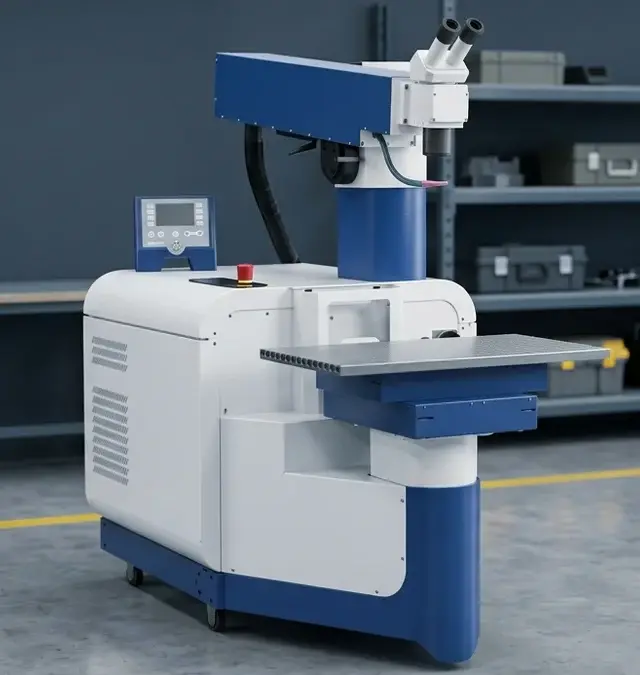
Investing in laser welding systems, such as those engineered by Sigma Laser, involves several essential components. The cost typically includes:
- Advanced laser welding systems like the Sidanus Light or Sirius Light, renowned for their precision and speed, ranging from €100,000 to €300,000 depending on the configuration. In high precision applications, power and beam quality requirements vary by industry.
- High-precision optics and beam delivery systems, such as Swivel Optics with Telescopic Lens, adding another €20,000 to €50,000. These systems often support focal lengths from 100 mm to 500 mm, allowing for flexible spot size adjustments.
- Integration with automation systems like the Sigomatic Pro, potentially increasing costs by €30,000 to €70,000. This integration typically complies with IEC 61508 for functional safety.
- Installation and calibration services, which can range from €10,000 to €30,000, ensuring compliance with standards such as ISO 9001 and ISO 3834. Calibration often involves ensuring repeatability within ±0.01 mm for precision applications.
Despite higher initial costs, laser welding offers unmatched precision and speed, reducing cycle times and enhancing productivity for industries requiring intricate welds, such as aerospace and automotive sectors. Typical welding speeds can reach up to 10 m/min, with penetration depths up to 8 mm in stainless steel, while maintaining a minimal heat-affected zone (HAZ) due to the high energy density.
Laser welding is compatible with a wide range of materials, including high-strength steel grades (e.g., EN 10025-6:2004), aluminum alloys (e.g., 6061, 7075), and special alloys like Inconel, offering versatility in manufacturing applications.
Traditional Welding Setup Costs
Traditional welding methods, including MIG and TIG welding, have a different cost structure. Key investments include:
- Basic welding machines costing between €3,000 and €10,000, depending on the type and brand. These machines often operate within power ranges of 150 to 500 amps.
- Consumables such as electrodes and shielding gases, which are recurring expenses adding up to €1,000 to €5,000 annually. The choice of consumables must comply with AWS A5.18/A5.18M for carbon steel electrodes.
- Essential safety equipment and ventilation systems, often totaling €5,000 to €15,000, in accordance with ISO 15012-1 for air quality management.
- Installation and initial setup costs amounting to approximately €2,000 to €5,000. This includes ensuring compliance with EN ISO 15614 for welding procedure qualification.
Although traditional welding has lower upfront costs, it may incur higher operational expenses due to slower speeds and less automation, influencing overall welding investment. This approach is prevalent in heavy industries where extensive infrastructure modification is not feasible. Typical welding speeds are around 0.5 to 1.5 m/min, with larger HAZ, which can affect the mechanical properties of the welded joint.
In conclusion, evaluating the laser vs traditional welding cost involves balancing initial investments against long-term operational efficiencies and quality requirements. For technical buyers in European industrial markets, aligning welding technology with production goals is paramount to achieving optimal outcomes.
| Operational Factor | Laser Welding (Sigma Laser) | Traditional Welding |
|---|---|---|
| Energy Consumption | Up to 50% lower (per cited study) | Higher |
| Maintenance Needs | Lower (less frequent, less downtime) | Higher (more frequent maintenance) |
| Material Waste | Reduced (precise energy application) | Higher (more distortion/rework) |
| Cycle Time | Shorter (higher speed, less post-processing) | Longer |
Laser welding’s operational savings are enhanced by technologies like Sigma Laser’s Super Pulse Technology (SPT).
How Does Laser Welding Reduce Operating Costs?
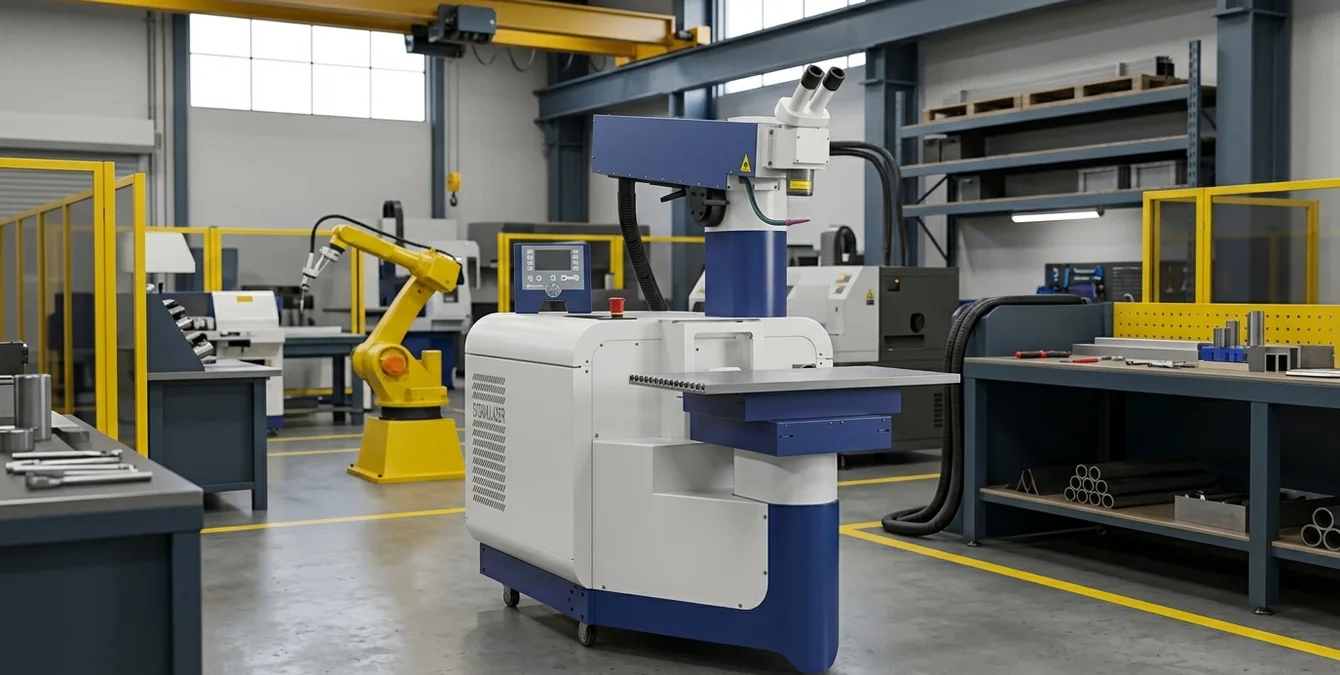
In the competitive landscape of industrial manufacturing, managing operational expenditures (OPEX) is crucial for maintaining profitability and gaining a competitive edge. Laser welding, as engineered by Sigma Laser, offers significant advantages over traditional welding techniques like TIG and MIG, particularly in terms of cost efficiency. This section explores how laser welding systems, such as our Sidanus Light and Sirius Light, contribute to reduced operating costs through enhanced energy efficiency and minimized maintenance requirements.
Energy Efficiency and Savings
One of the key benefits of laser welding is its superior energy efficiency compared to traditional welding methods. Laser welding systems, leveraging technologies like fiber and YAG lasers, concentrate energy precisely at the welding site, minimizing heat loss and reducing energy consumption. This results in:
- Lower electricity costs due to targeted energy application.
- Reduced cooling requirements, as less heat is dispersed into the surrounding environment.
- Decreased material distortion, which minimizes rework and scrap rates.
- Typical laser power outputs for industrial applications range from 1 kW to 10 kW, with beam quality M² values generally below 1.5, ensuring high precision and efficiency.
- Welding speeds can reach up to 10 m/min, depending on material and thickness, significantly faster than traditional methods.
For instance, a study comparing the energy consumption of fiber laser welding with traditional methods showed up to a 50% reduction in energy use, translating directly into cost savings. This energy efficiency is further enhanced by Sigma Laser’s proprietary Super Pulse Technology (SPT), which optimizes power usage without compromising welding precision or speed.
Maintenance and Downtime Reduction
Traditional welding systems often incur high maintenance costs due to wear and tear on consumables and frequent equipment failures. In contrast, laser welding systems like our Sigomatic Pro are designed for longevity and reliability, offering:
- Minimal wear on equipment components, reducing the need for frequent replacements.
- Extended service intervals and lower risk of unexpected breakdowns, leading to higher uptime.
- Advanced diagnostic features that enable predictive maintenance and swift issue resolution.
- Compliance with relevant standards such as ISO 11145 and ISO 11146 ensures that our systems meet rigorous international quality and performance criteria.
For example, the integration of Swivel Optics and Z-Axis Module in our laser systems allows for precise adjustments and alignment, further reducing the likelihood of operational disruptions. This aspect of laser welding not only cuts down on maintenance expenses but also ensures uninterrupted production, maximizing overall efficiency.
By choosing Sigma Laser’s advanced laser welding solutions, factory owners and CTOs can realize substantial OPEX savings while achieving superior welding quality and performance. Investing in laser welding technology is not just about the upfront welding investment; it’s a strategic move towards long-term cost reduction and operational excellence.
What Are the Long-Term Savings of Laser Welding Over Traditional Methods?
In industrial manufacturing, choosing between laser welding and traditional methods like TIG or MIG is crucial. Laser welding systems, such as Sigma Laser’s Sidanus Light and Sirius Light, offer significant long-term financial benefits that can outweigh initial costs. By enhancing precision and speed while minimizing material waste, laser welding systems redefine efficiency and cost-effectiveness in production processes.
Precision and Material Savings
Precision is vital in welding, affecting both the structural integrity and aesthetic quality of finished products. Laser welding systems provide unmatched precision, using concentrated light beams to join materials with pinpoint accuracy. This reduces errors and reworks, significantly cutting labor costs and material waste. For instance, Swivel Optics with Telescopic Lens technology enhances weld quality by allowing precise control over the welding path, leading to substantial material savings compared to traditional welding cost metrics.
Laser systems often operate with a beam quality M² value typically less than 1.2, ensuring high focusability and minimal divergence. The focal length can range from 100 mm to 300 mm, allowing for deep penetration welding up to 10 mm in steel, depending on the laser power, which typically ranges from 1 kW to 6 kW for industrial applications. These parameters align with standards such as ISO 11145 and ISO 11146, ensuring consistent performance and quality.
Additionally, the faster welding speeds achievable with Sigma Laser’s Super Pulse Technology (SPT) and fiber laser systems increase production throughput. This efficiency enables manufacturers to meet tight deadlines without sacrificing quality, offering the dual advantage of saving time and reducing operational costs. Typical welding speeds can reach up to 10 m/min, significantly higher than traditional methods, which often max out around 1 m/min.
Case Studies on Long-Term Savings
Consider a leading European automotive manufacturer that adopted Sigma Laser’s Sineo Fibre system. The transition resulted in a 30% reduction in welding cycle times and a 25% decrease in material consumption. This was due to enhanced precision and reduced heat-affected zones, which minimized the need for additional finishing processes. The heat-affected zone (HAZ) in laser welding is typically less than 1 mm, compared to several millimeters in conventional welding methods, reducing thermal distortion and improving structural integrity.
Another case involved a metal fabrication company that replaced traditional MIG welding with the Simass Base Unit, achieving a 40% reduction in labor costs thanks to decreased production time and improved workflow efficiency. Laser welding is particularly effective with materials like stainless steel (AISI 304, 316), aluminum alloys (6061, 7075), and high-strength steels, offering flexibility and adaptability in various industrial applications.
These examples highlight the economic viability of laser welding over traditional methods. When considering the reduced welding cost per unit and increased production capabilities, the initial investment in laser systems like Sigma Laser’s products is quickly offset by long-term savings. For factory owners and CTOs, the strategic shift to laser welding not only aligns with technological advancement but also positions them competitively by optimizing financial and operational performance.
Which Industries Benefit Most from Laser Welding Cost Savings?
Laser welding is a pivotal technology in industrial manufacturing, offering unparalleled precision and efficiency compared to traditional welding methods. Industries such as automotive, aerospace, and electronics realize significant cost savings due to the enhanced speed and accuracy of laser welding systems like Sigma Laser’s Sidanus Fibre and Swivel Optics with Telescopic Lens. This section explores the cost advantages and practical applications of laser welding in these sectors.
Automotive Industry Cost Analysis
The automotive industry thrives on high-volume production and stringent quality standards. By integrating laser welding systems such as the Simass Base Unit and Sigma’s Super Pulse Technology (SPT), manufacturers can achieve precise welds with minimal thermal distortion. The cost savings stem from reduced material waste and shorter production cycles.
- Reduced Labor Costs: Laser welding reduces manual intervention, cutting labor costs by up to 30% compared to traditional welding.
- Material Savings: The precision of fiber lasers minimizes excess material usage, saving up to 20% on raw materials.
- Increased Throughput: By enhancing welding speed, production lines see a 25% increase in throughput.
Typical laser systems used in the automotive industry operate within a power range of 2 to 6 kW, with beam quality M² values typically below 1.5, ensuring high precision and minimal heat-affected zones. Common materials include high-strength steels and aluminum alloys, with penetration depths reaching up to 5 mm in a single pass.
Case Study: A leading European car manufacturer adopted the Sidanus Light system, reporting a 15% reduction in overall welding costs within six months, attributed to decreased energy consumption and higher operational efficiency.
Aerospace and Electronics Savings
The aerospace industry demands the highest levels of weld integrity, where Sigma’s Siega Fibre offers unmatched performance. The electronics sector benefits from the precision of CO2 and YAG lasers, crucial for the miniaturization of components.
- Aerospace: Laser welding ensures consistent penetration and minimal defect rates, leading to a 40% reduction in rework costs.
- Electronics: The precision of laser welding supports component miniaturization, enhancing product reliability and reducing failure rates by 50%.
In aerospace applications, laser welding systems typically operate at wavelengths around 1070 nm, suitable for titanium and nickel-based alloys. The process adheres to standards such as EN ISO 15614 for weld procedure qualification, ensuring compliance with stringent aerospace requirements.
Case Study: A European aerospace firm integrated the Swivel Optics in its production line, achieving ISO 9001 compliance while reducing welding costs by 20% through improved material utilization and decreased cycle times.
Why Should Factory Owners Consider Laser Welding as a Strategic Investment?
In today’s competitive industrial landscape, factory owners must constantly evaluate their manufacturing processes to maintain an edge. Investing in laser welding offers a strategic advantage that extends beyond mere cost considerations, such as those between laser and traditional welding. When engineered correctly, laser welding systems, like those offered by Sigma Laser, provide enhanced product quality, scalability, and a significant competitive edge.
Quality and Scalability Benefits
Laser welding is renowned for its precision and efficiency, which directly translates into superior product quality. Systems such as Sigma Laser’s Sidanus Fibre and Sirius Light offer exceptional welding precision that minimizes defects and ensures consistent results. This high level of accuracy is ideal for industries demanding stringent quality standards, such as automotive and aerospace. Furthermore, the scalability of laser welding makes it feasible to ramp up production without compromising on quality. With technologies like Super Pulse Technology (SPT) and Swivel Optics, manufacturers can quickly adapt to increasing demands, thus enhancing their operational flexibility.
Laser welding systems typically operate with power ranges from 500 watts to 6 kilowatts, with wavelengths around 1064 nm for fiber lasers. The beam quality, often characterized by an M² value, is usually less than 1.3, ensuring high precision and minimal heat-affected zones (HAZ), which are typically less than 0.5 mm in width. These systems can achieve welding speeds up to 10 meters per minute, depending on material and thickness, making them suitable for high-volume production environments.
Laser welding is compatible with a wide range of materials, including carbon steels, stainless steels, aluminum alloys (e.g., 6061, 7075), and even titanium alloys. The process is particularly advantageous for thin materials and complex geometries due to its ability to focus energy precisely, reducing the risk of distortion and ensuring repeatability within ±0.1 mm.
Addressing Common Concerns
Despite its advantages, some factory owners may have reservations about transitioning to laser welding. Concerns often revolve around the initial investment and perceived complexity of laser systems. However, when evaluating the long-term benefits, the cost of laser welding is offset by reduced material waste and decreased downtime, thanks to technologies like the Motor-driven Turning Device and Swivelling Y Axis. Additionally, the learning curve is mitigated by comprehensive training programs and support from Sigma Laser, ensuring seamless integration into existing workflows.
Laser welding systems comply with standards such as ISO 11145 for laser optics and ISO 11146 for laser beam parameters, ensuring that they meet rigorous quality and safety requirements. This compliance not only enhances operational reliability but also facilitates easier certification processes for industries like aerospace, where adherence to standards is critical.
In conclusion, while initial costs may be higher compared to traditional welding, the strategic benefits of laser welding—improved quality, scalability, and competitive advantage—make it a compelling choice for factory owners committed to innovation and efficiency.
Frequently Asked Questions
How does laser welding reduce operating costs?
Laser welding reduces operating costs by minimizing material waste and energy consumption. Its precision reduces the need for post-processing and rework, while high-speed processing decreases labor costs. Additionally, the automation compatibility of laser systems enhances productivity, further lowering operational expenses.
What are the long-term savings of laser welding over traditional methods?
Long-term savings from laser welding include reduced maintenance costs due to fewer consumables and wear parts. The enhanced durability and precision of laser welds decrease the likelihood of defects, leading to less downtime and higher product quality, which translates to significant savings over time.
Is laser welding more cost-effective for high-volume production?
For high-volume production, laser welding is highly cost-effective due to its speed and repeatability. The initial investment in laser equipment is offset by reduced labor, lower defect rates, and increased throughput, making it an ideal choice for large-scale manufacturing operations.
How does laser welding impact energy consumption compared to traditional welding?
Laser welding systems are more energy-efficient than traditional welding methods. They concentrate energy precisely on the weld area, minimizing heat input and reducing energy waste. This efficiency contributes to lower utility costs and a smaller carbon footprint.
What maintenance considerations are there for laser welding systems?
Laser welding systems require less frequent maintenance compared to traditional welding equipment. Key considerations include regular cleaning of optics, checking alignment, and ensuring proper cooling. These systems often have fewer mechanical parts, resulting in reduced wear and longer intervals between servicing.
Can laser welding be integrated with existing production lines?
Laser welding systems can be seamlessly integrated into existing production lines. They are compatible with various automation solutions and can be customized to fit specific manufacturing requirements, enhancing overall line efficiency without significant disruption.
What industries benefit most from laser welding?
Industries such as automotive, aerospace, medical devices, and electronics benefit significantly from laser welding. These sectors require precision, speed, and high-quality welds, which laser systems provide, leading to improved product performance and reduced production costs.
Sources
- ISO – International Organization for Standardization — ISO/TC 44/SC 10 – Unification of standards for welding and allied processes.
- AWS – American Welding Society — AWS standards for welding processes, including cost implications.
- DIN – German Institute for Standardization — DIN standards related to welding and laser processes.
- IEC – International Electrotechnical Commission — IEC standards for electrical equipment used in laser and welding technologies.
- Journal of Manufacturing Processes — Peer-reviewed articles on manufacturing processes, including cost analysis of welding techniques.
- Welding Journal — Technical articles and research on welding processes and cost considerations.
- Journal of Laser Applications — Research articles on laser applications in manufacturing, including cost analysis.