
- Key Takeaways
- What Are the Key Benefits of Using Industrial Laser Welding Machines?
- Precision and Accuracy
- Speed and Efficiency
- Versatility Across Industries
- How Do Industrial Laser Welding Machines Compare to TIG Welding?
- Technology Differences
- Application and Use Cases
- Performance and Outcomes
- What Evaluation Criteria Should Buyers Consider?
- Machine Capabilities and Specifications
- Compatibility with Existing Systems
- Supplier Support and Service
- Cost Analysis: Are Industrial Laser Welding Machines Worth the Investment?
- Initial Investment vs. Long-term Savings
- Maintenance and Operating Costs
- ROI and Cost-saving Opportunities
- Which Industries Benefit Most from Laser Welding Technology?
- Automotive and Aerospace
- Medical Device Manufacturing
- Electronics and Precision Engineering
- Frequently Asked Questions
- What are the benefits of using laser welding machines?
- How do laser welding machines compare to TIG welding?
- What types of materials can be welded with industrial laser welding machines?
- What factors should be considered when selecting an industrial laser welding machine?
- What maintenance is required for industrial laser welding machines?
- Can laser welding machines be integrated into automated production lines?
- Sources
Key Takeaways
As procurement managers evaluate industrial laser welding machines, understanding the different types and their specific applications is crucial for making informed purchasing decisions. This guide provides key insights into the capabilities and considerations of various laser welding technologies to support your evaluation process.
- Fiber lasers offer high precision and efficiency, making them ideal for applications requiring minimal downtime and high throughput.
- CO2 lasers are well-suited for welding non-metal materials and can be a cost-effective option for specific industrial tasks.
- Solid-state lasers, including Nd:YAG, provide versatility with both pulsed and continuous wave operations, catering to diverse material requirements.
- Diode laser systems are compact and energy-efficient, making them suitable for integration into automated manufacturing lines.
- Key applications for laser welding include automotive, aerospace, electronics, and medical device manufacturing, each benefiting from the precision and speed of laser technology.
- Consider the power output and beam quality of the laser system to match your specific material and thickness requirements for optimal results.
- Evaluate the ease of integration with existing systems and the availability of after-sales support and training to ensure long-term operational success.
These takeaways provide a foundational understanding of industrial laser welding machines, empowering procurement managers to make strategic decisions. Dive deeper into the specifics of each type and application to align your procurement strategy with your organization’s manufacturing goals.
What Are the Key Benefits of Using Industrial Laser Welding Machines?
In modern manufacturing, the industrial laser welding machine is a cornerstone of innovation, offering unparalleled advantages over traditional welding techniques. These machines are crucial for procurement managers seeking precision, speed, and adaptability in their production processes, ensuring high-quality outputs in diverse industrial applications.
| Parameter | Typical Value / Range |
|---|---|
| Beam Quality (M²) | < 1.2 |
| Spot Size | Allows weld tolerances as tight as ±0.01 mm |
| Wavelength (Nd:YAG) | Around 1064 nm |
| Welding Speed | Up to 10 m/min (material-dependent) |
| Penetration Depth | Typically 0.1 mm – 25 mm |
| Power Output | 500 W – 10 kW |
Values are general industry ranges and not attributed to specific Sigma Laser models.
Precision and Accuracy
Industrial laser welding machines are renowned for their exceptional precision and accuracy, a critical factor in sectors where minute tolerances are non-negotiable. With technologies like Sigma Laser’s Swivel Optics and Super Pulse Technology (SPT), these machines achieve weld seams with pinpoint accuracy, reducing the risk of material distortion and ensuring structural integrity. This precision is invaluable in industries such as aerospace and medical device manufacturing, where even the slightest deviation can lead to significant failures.
Typically, laser welding systems operate with a beam quality M² < 1.2, ensuring a focused spot size that allows for precision welds with tolerances as tight as ±0.01 mm. The use of wavelengths around 1064 nm, common in Nd:YAG lasers, facilitates deep penetration welding with minimal heat-affected zones (HAZ), crucial for maintaining material properties in sensitive applications.
Speed and Efficiency
Speed and efficiency are hallmarks of laser welding technology, providing substantial productivity gains. Machines like the Sidanus Light and Sirius Light from Sigma Laser perform tasks in a fraction of the time required by conventional methods. This efficiency is particularly beneficial in the automotive industry, where fast-paced production lines demand rapid and reliable welding processes. The integration of a Motor-driven Turning Device further enhances throughput, allowing for seamless operation in multi-axis configurations.
Laser welding speeds can reach up to 10 m/min depending on material thickness and type, with penetration depths typically ranging from 0.1 mm to 25 mm. This capability is supported by power outputs ranging from 500 W to 10 kW, allowing for flexibility across various thicknesses and materials, including stainless steels, aluminum alloys, and titanium.
Versatility Across Industries
The versatility of industrial laser welding machines makes them indispensable across various sectors. From the delicate fabrication of electronics using Nd:YAG Laser Welding Machines to heavy-duty applications in shipbuilding with Fiber Laser Welding Machines, the adaptability of these systems is unmatched. Sigma Laser’s portfolio, including the Siega Fibre and Sineo Light, caters to diverse material requirements and complex geometries, ensuring that procurement managers can meet specific project demands with confidence.
Laser welding is compatible with a wide range of materials, including high-strength steels (e.g., AISI 4140), aluminum alloys (e.g., 6061-T6), and exotic metals such as Inconel and Hastelloy. This versatility is governed by standards such as ISO 15614-11:2002, which ensures the qualification of welding procedures for metallic materials, providing a framework for consistent quality assurance.
In conclusion, adopting industrial laser welding machines is a strategic move for manufacturing engineers and procurement managers seeking to enhance production capabilities. With the benefits of precision, speed, and versatility, these machines not only streamline operations but also elevate the quality of manufactured products across industries. For those aiming to stay competitive in the evolving industrial landscape, embracing laser welding technology is a prudent investment.
| Parameter | Industrial Laser Welding | TIG Welding |
|---|---|---|
| Heat Source | Concentrated laser beam (e.g., Fiber or Nd:YAG) | Electric arc with non-consumable tungsten electrode |
| Typical Wavelength | Fiber: ~1070 nm; Nd:YAG: 1064 nm | N/A |
| Power Output (General) | Fiber: 500 W – 20 kW; Nd:YAG: pulsed, various outputs | Varies by power supply (typically lower than laser systems) |
| Beam Quality (M²) | As low as 1.1 – 1.2 | N/A |
| Heat-Affected Zone (HAZ) | < 0.5 mm (typical) | Larger than laser welding |
| Welding Speed | Up to 10 m/min (material-dependent) | Slower, manual or semi-automatic |
| Penetration Depth | Up to 10 mm in a single pass (material-dependent) | Varies, typically less than laser welding in a single pass |
| Automation | Highly automatable (e.g., Sigma Laser Sidanus Light, Sineo Fibre) | Primarily manual |
| Typical Applications | Automotive, aerospace, electronics, medical devices | Manual tasks, repair, prototyping |
All values are general/industry figures and not attributed to specific Sigma Laser models.
How Do Industrial Laser Welding Machines Compare to TIG Welding?
In the realm of modern manufacturing, selecting the optimal welding technology is crucial for achieving high-quality outcomes. Industrial laser welding machines and TIG (Tungsten Inert Gas) welding are two prominent methods, each offering distinct advantages. Manufacturing engineers and procurement managers must consider factors such as technology, application, and performance outcomes when choosing between these methods.
Technology Differences
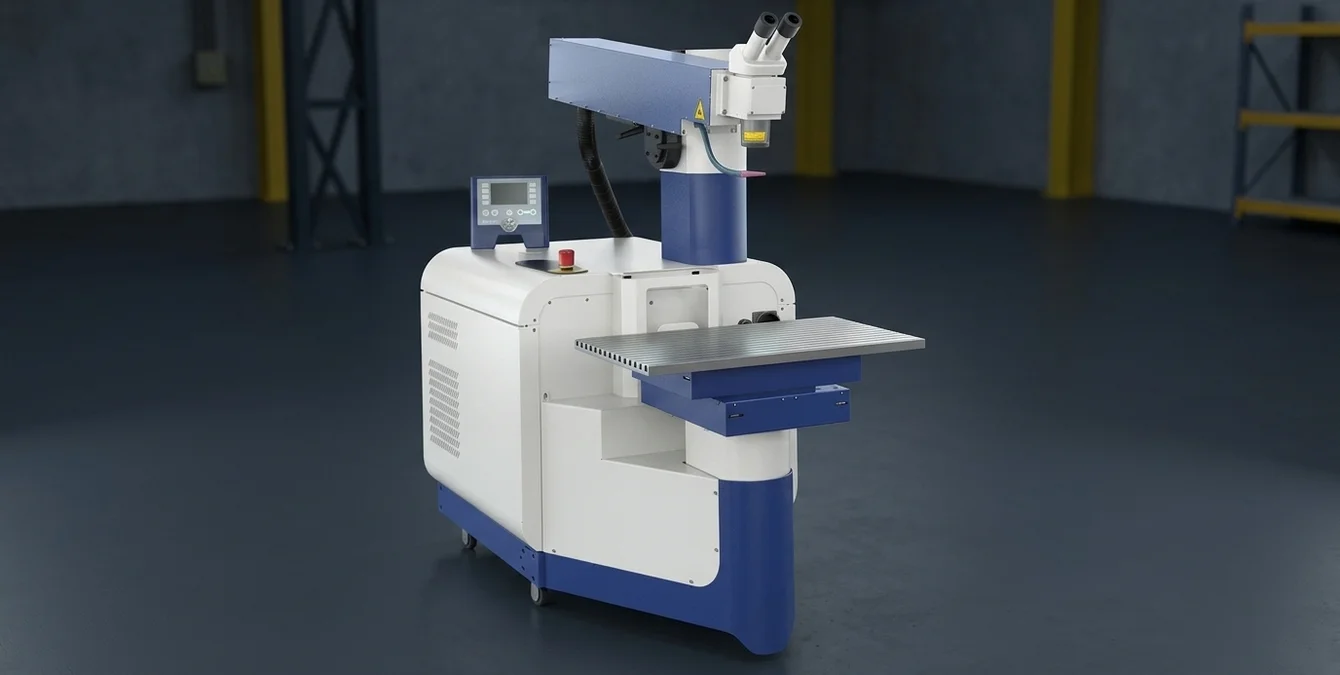
Industrial laser welding machines, such as those produced by Sigma Laser, utilize concentrated laser beams to fuse materials with precision. Technologies like Fiber Laser Welding and Nd:YAG Laser Welding enable deep penetration and high-speed processing. Fiber lasers typically operate at wavelengths around 1070 nm, with power outputs ranging from 500 W to 20 kW, and beam quality M² values as low as 1.1. Nd:YAG lasers, on the other hand, operate at 1064 nm and are often used in pulsed modes for precision applications. In contrast, TIG welding employs a non-consumable tungsten electrode to generate an arc that melts the workpiece. While TIG is known for its versatility and control over the weld pool, laser welding offers superior automation capability and minimal heat distortion, with typical heat-affected zones (HAZ) being significantly smaller, often less than 0.5 mm.
Application and Use Cases
Industrial laser welding is highly suitable for applications demanding precision and efficiency, such as in the automotive and aerospace industries. These industries benefit from laser welding’s ability to achieve welding speeds up to 10 m/min and penetration depths up to 10 mm in a single pass, depending on the material and laser power. The automation capabilities of systems like the Sigma Laser Sidanus Light and Sineo Fibre facilitate seamless integration into production lines. TIG welding, on the other hand, is preferred for tasks that require manual finesse and are often applied in industries like shipbuilding and construction where thicker materials are involved. TIG welding is particularly effective for materials such as stainless steel and aluminum alloys, offering excellent control over weld pool and bead appearance.
Performance and Outcomes
When examining performance, laser welding technology stands out for its ability to produce high-quality welds with minimal post-processing. The use of Super Pulse Technology (SPT) in Sigma Laser machines enhances penetration depth and welding speed, minimizing heat-affected zones. Laser welding systems typically offer positional accuracy within ±0.1 mm, ensuring repeatability and precision in automated processes. TIG welding, while offering excellent control, often requires more time due to its slower welding speeds and potential for higher thermal input, which can lead to material distortion and increased finishing requirements.
In conclusion, the choice between industrial laser welding machines and TIG welding heavily depends on specific project requirements. For applications demanding precision, speed, and automation, laser welding is the preferred method. Conversely, TIG welding remains a viable option when manual control and adaptability to various thicknesses are necessary. Compliance with standards such as ISO 15614-11:2002 for laser welding and DIN EN ISO 4063:2011 for TIG welding ensures that both methods can meet stringent quality and safety requirements.
| Criterion | Description |
|---|---|
| Power Output | Match to material thickness and type; higher power enables deeper penetration |
| Beam Quality | Low M² value (e.g., <1.2) ensures focused spot and precision |
| Material Compatibility | Ensure suitability for metals/alloys used in your production |
| Cooling System | Integrated or external; impacts uptime and maintenance |
| Automation & Integration | Ability to connect with existing production lines and automation systems |
| Support & Warranty | Manufacturer’s after-sales service, training, and warranty coverage |
| Energy Efficiency & Operating Costs | Affects long-term budgeting and sustainability |
| Compliance & Safety | Meets industry standards and safety regulations |
These criteria are general and apply to all industrial laser welding machines.
What Evaluation Criteria Should Buyers Consider?
When selecting an industrial laser welding machine, procurement managers must assess several crucial criteria to ensure optimal integration and performance within their manufacturing processes. The decision-making process should account for the unique capabilities of the machine, its compatibility with existing systems, and the level of support provided by the supplier. Each of these factors plays a pivotal role in achieving efficient and high-quality welding operations.
Machine Capabilities and Specifications
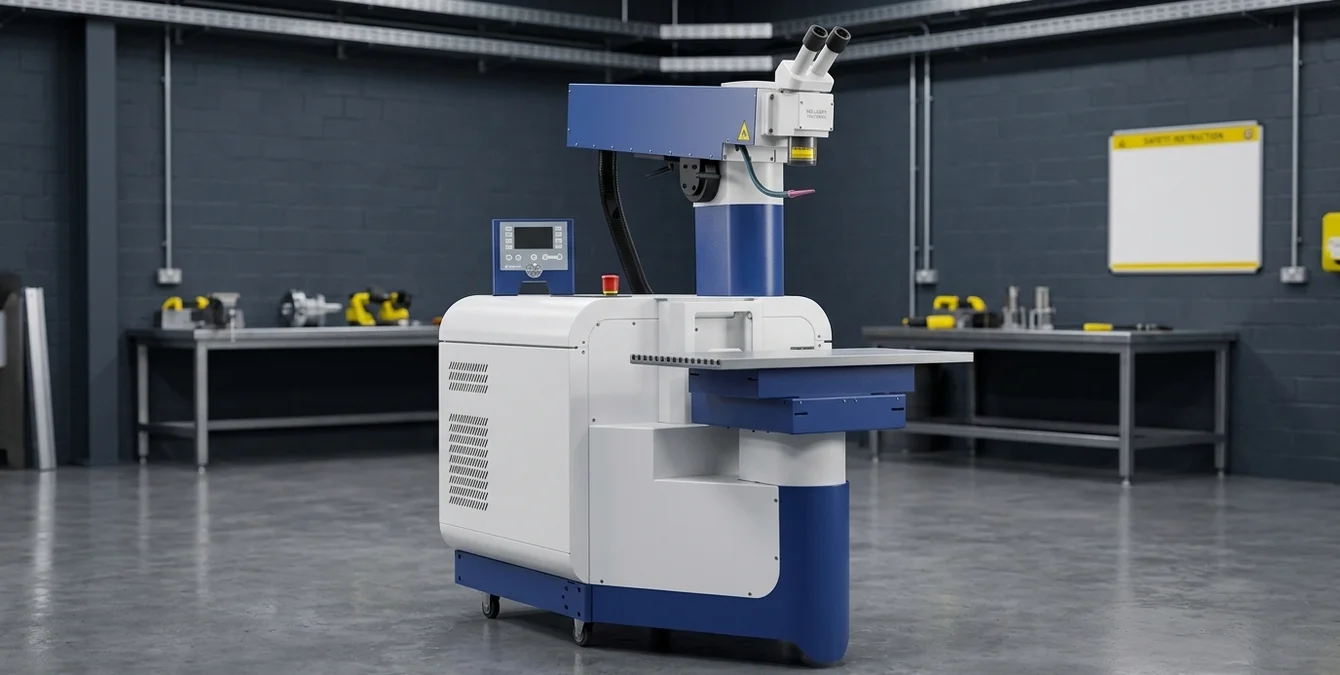
Understanding the specific capabilities and specifications of a laser welding machine is paramount. Sigma Laser offers a range of products such as the Sidanus Light and Sirius Light, each featuring advanced technologies like Super Pulse Technology (SPT) and Swivel Optics. These features are designed to enhance precision and flexibility, crucial for complex welding tasks in the automotive and aerospace industries. Procurement managers should evaluate the power output, beam quality, and pulse frequency, ensuring they align with the technical requirements of their production lines.
Typically, industrial laser welding machines operate with power outputs ranging from 500 W to 6 kW, depending on the application requirements. The beam quality, often expressed as the M² value, should ideally be less than 1.2 for high-precision tasks. Pulse frequencies can vary from 1 Hz to 5 kHz, allowing for fine control over the welding process. For applications involving materials such as stainless steel (e.g., AISI 304, AISI 316) and aluminum alloys (e.g., 6061, 7075), the wavelength of the laser, typically around 1064 nm for Nd:YAG lasers, is critical for optimal absorption and minimal heat-affected zones.
Compatibility with Existing Systems
Seamless integration with current manufacturing systems is essential for minimizing downtime and maximizing efficiency. Sigma Laser’s modular components, such as the Simass Base Unit and Swivelling Y Axis, allow for customization and adaptability. Evaluating how well the laser welding machine synchronizes with existing automation, control systems, and material handling equipment is critical. This ensures smoother transitions and sustained productivity across operations.
Integration should comply with standards such as ISO 15614-11:2002 for welding procedure qualification and DIN EN ISO 4063:2011 for process identification, ensuring compatibility and safety in automated environments. Additionally, the repeatability of the system should be within ±0.05 mm to maintain stringent quality control in high-precision industries.
Supplier Support and Service
The level of support and service provided by the supplier can significantly impact the long-term success of the investment. Sigma Laser is committed to ensuring customer satisfaction through comprehensive training, maintenance services, and technical support that adhere to standards such as ISO 9001 and ISO 3834. Procurement managers should seek suppliers who offer robust after-sale support, including regular updates and prompt assistance to address potential technical challenges.
By thoroughly assessing these criteria, procurement managers can make informed decisions, ensuring that their investment in laser welding technology not only meets current production demands but also supports future growth and innovation.
Cost Analysis: Are Industrial Laser Welding Machines Worth the Investment?
In the fast-paced world of manufacturing, deciding to invest in an industrial laser welding machine can be pivotal. With precision and efficiency at its core, laser welding technology is redefining production lines across Europe. But how does it compare to traditional welding methods in terms of cost? Here, we delve into a comprehensive cost analysis to aid procurement managers in making informed decisions.
Initial Investment vs. Long-term Savings
At first glance, the initial investment for an industrial laser welding machine, such as Sigma Laser’s Sidanus Light or Sirius Light, can appear substantial compared to conventional welding setups. These machines, equipped with advanced features like Super Pulse Technology (SPT) and Swivel Optics, promise significant operational advantages. However, the long-term savings they offer are compelling. By delivering unparalleled precision, reducing material waste, and enhancing production speed, laser welding systems provide substantial cost reductions over time.
Typically, these machines operate with laser power ranging from 500W to 6kW, suitable for various materials including stainless steel, aluminum alloys, and high-strength steels. The beam quality, often characterized by an M² value of less than 1.2, ensures high precision and minimal heat-affected zones (HAZ), which are crucial for maintaining material integrity.
Maintenance and Operating Costs
Maintenance and operating costs are crucial factors in evaluating the total cost of ownership. Unlike traditional welding methods that often incur high consumable and labor costs, industrial laser welding machines require minimal upkeep. Sigma Laser’s systems, for instance, are designed with robust components and ISO-certification standards like ISO 9001 and ISO 3834, ensuring reliability and extending service life. The energy efficiency of laser technology further reduces operational expenses, making it a cost-effective solution for industries ranging from automotive to aerospace.
Operational constraints such as the need for precise alignment and clean environments are mitigated by the machines’ design, which often includes closed-loop control systems and integrated sensors to maintain accuracy within ±0.1 mm. This precision aligns with ISO 15614-11:2002 standards for laser welding processes.
ROI and Cost-saving Opportunities
Return on investment (ROI) is a decisive metric for procurement managers. Industrial laser welding machines deliver a higher ROI by enhancing productivity and reducing cycle times. The precision of laser welding minimizes rework and scrap rates, translating into direct cost savings. Sigma Laser’s products, such as the Sineo Fibre and Simass Base Unit, are engineered to optimize welding processes, driving efficiency in applications like automotive frame assembly and precision electronics manufacturing.
Furthermore, the integration of laser welding systems aligns with modern smart manufacturing trends, offering data-driven insights into production efficiency and allowing for predictive maintenance strategies. This adaptability not only enhances operational efficiency but also positions businesses to capitalize on Industry 4.0 advancements.
- Reduced material waste and rework
- Enhanced production speed and precision
- Lower energy consumption and maintenance costs
- Alignment with Industry 4.0 standards
In conclusion, while the upfront cost of an industrial laser welding machine may be higher than traditional methods, the long-term financial benefits and operational efficiencies make it a wise investment for forward-thinking manufacturing sectors. By embracing laser welding technology, companies can achieve superior quality, efficiency, and sustainability in their production processes.
Which Industries Benefit Most from Laser Welding Technology?
Industrial laser welding machines, such as the Sidanus Light and Sirius Light from Sigma Laser, have transformed manufacturing processes across various sectors. By delivering precise, efficient, and high-quality welds, these machines play a crucial role in boosting production efficiency and product quality. Below, we explore the industries that have seen significant improvements from adopting laser welding technology.
Automotive and Aerospace
The automotive and aerospace industries demand precision and reliability, making them ideal candidates for industrial laser welding. In automotive manufacturing, laser welding is utilized for body-in-white assemblies, battery pack production, and transmission components, significantly reducing cycle times and material distortion. Aerospace companies leverage laser welding for turbine components and fuselage assembly, benefiting from the technology’s ability to produce consistent and high-strength welds, which are essential for safety and performance.
Laser welding systems in these industries typically operate with power ranges from 2 kW to 10 kW, utilizing wavelengths around 1064 nm for fiber lasers, as specified in DIN EN ISO 4063:2011. The beam quality, often characterized by an M² value of less than 1.1, ensures high precision and minimal heat-affected zones, typically less than 0.5 mm, which is crucial for maintaining structural integrity. Welding speeds can reach up to 10 m/min, depending on material thickness and type, such as high-strength steels (e.g., DP980) and aluminum alloys (e.g., 6061-T6).
Medical Device Manufacturing
Medical device manufacturing requires extreme precision and cleanliness. Sigma Laser’s fiber laser welding machines, such as the Siega Fibre, are pivotal in assembling intricate components like surgical instruments and implantable devices. This technology ensures minimal heat input, reducing thermal distortion, and thereby maintaining the integrity of sensitive materials and components. With certifications like ISO 13485, laser welding in medical applications meets stringent regulatory standards, ensuring product safety and efficacy.
Medical laser welding typically involves lower power settings, often between 50 W and 500 W, to accommodate the delicate nature of materials such as titanium and stainless steel alloys (e.g., 316L). The process parameters are tightly controlled, with tolerances often within ±0.02 mm, ensuring repeatability and compliance with ISO 15614-11:2002 standards for welding procedure qualification.
Electronics and Precision Engineering
In electronics and precision engineering, the demand for miniaturization and complex geometries has positioned laser welding as a vital solution. The Sigomatic Pro and other advanced systems from Sigma Laser enable the welding of microcomponents in semiconductors, sensors, and connectors. These applications benefit from laser welding’s precision, which allows for high-speed production without compromising on accuracy, thus improving throughput and reducing production costs.
Typical laser systems in this sector operate with power levels from 20 W to 200 W, focusing on beam diameters as small as 20 µm to achieve the necessary precision. The repeatability of these systems is crucial, often within ±0.005 mm.
Overall, laser welding technology has become indispensable in industries where precision, efficiency, and product quality are paramount. By integrating advanced systems like those offered by Sigma Laser, manufacturers can achieve superior outcomes, reinforcing their competitive edge in the market.
Frequently Asked Questions
What are the benefits of using laser welding machines?
Laser welding machines offer high precision, minimal thermal distortion, and the ability to weld complex geometries. They provide faster welding speeds and greater flexibility in materials compared to traditional methods. This translates to lower production costs and increased efficiency, making them ideal for high-volume industrial applications.
How do laser welding machines compare to TIG welding?
Laser welding is faster and more precise than TIG welding, offering deeper penetration with less heat input, which reduces distortion. It is better suited for automation and can handle a wider range of materials and thicknesses. TIG welding, while versatile, is slower and more labor-intensive.
What types of materials can be welded with industrial laser welding machines?
Industrial laser welding machines can weld a variety of materials, including carbon steel, stainless steel, aluminum, titanium, and certain plastics. They are particularly effective for materials that are difficult to weld using traditional methods, such as dissimilar metals.
What factors should be considered when selecting an industrial laser welding machine?
Key factors include the type of materials to be welded, required welding speed, precision, joint configuration, and the specific application needs. Additionally, consider the machine’s power output, beam quality, and compatibility with existing production lines.
What maintenance is required for industrial laser welding machines?
Regular maintenance includes cleaning optical components, checking beam alignment, and ensuring that cooling systems function properly. Routine inspections and calibration are necessary to maintain performance and prevent downtime. Following manufacturer guidelines for maintenance schedules is crucial.
Can laser welding machines be integrated into automated production lines?
Yes, laser welding machines are highly compatible with automated systems. They can be integrated into robotic arms or CNC machines for seamless operation, enhancing production efficiency and consistency. Their precision and speed make them ideal for automated environments.
Sources
- ISO 15614-11:2002 — Specification and qualification of welding procedures for metallic materials – Welding procedure test – Part 11: Electron and laser beam welding
- DIN EN ISO 4063:2011 — Welding and allied processes – Nomenclature of processes and reference numbers
- Laser Institute of America — An organization dedicated to fostering lasers, laser applications, and laser safety worldwide
- ASM Handbook Volume 6A: Welding Fundamentals and Processes — Comprehensive resource on welding processes, including laser welding
- Journal of Laser Applications — A peer-reviewed journal covering the latest developments in laser technology and applications
- Welding Journal — A publication by the American Welding Society providing insights into welding technology and industry trends