
- Why laser welding preserves the original geometry
- Compared with conventional welding processes
- Where preserving geometry is non-negotiable
- What still needs finishing afterwards
- Getting distortion-free results in practice
- Frequently Asked Questions
- How does laser welding minimize distortion in precision components?
- Is laser welding suitable for repairing molds and tools with tight tolerances?
- What finishing steps are required after laser welding a precision part?
- What best practices help ensure distortion-free laser welding repairs?
Quick Answer: Laser welding is ideally suited for repairing precision components without causing distortion. Its highly localized, low heat input minimizes thermal effects, preserving the original geometry and dimensional accuracy—making it the preferred process for molds, tools, and other critical parts.
Why laser welding preserves the original geometry
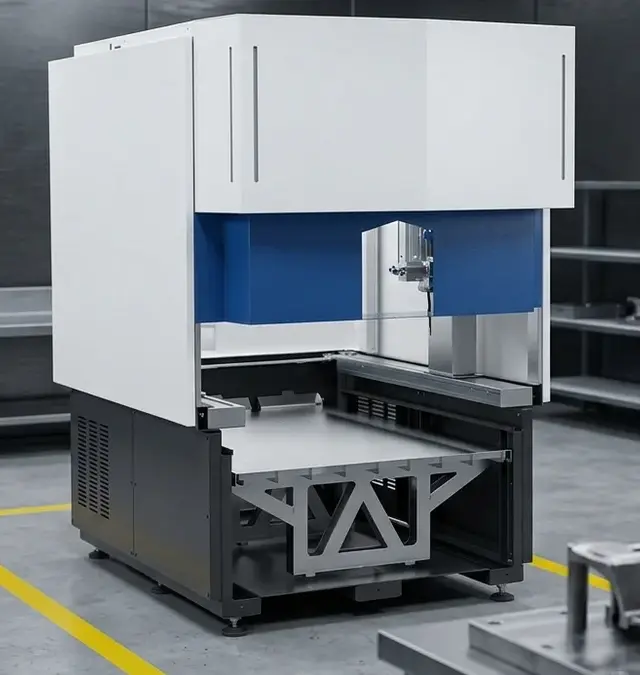
Laser welding is distinguished by its ability to deliver extremely low and highly localized heat input to the workpiece. This is achieved by focusing the laser beam precisely on the repair area, which means that only a small volume of material is heated and melted during the process. As a result, the surrounding material remains largely unaffected by the thermal cycle, and the risk of heat-induced changes to the overall geometry of the component is drastically reduced.
For production managers and toolmakers, this characteristic is especially valuable when working with components where even minor deviations from the original dimensions can compromise performance or lead to costly rework. The controlled and focused nature of laser energy allows for targeted repairs, ensuring that only the area requiring attention is altered, while the rest of the component retains its original shape and properties.
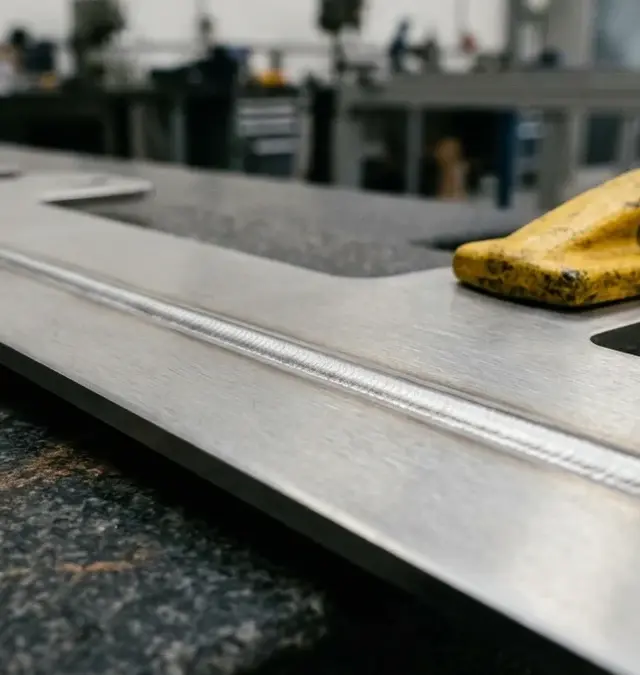
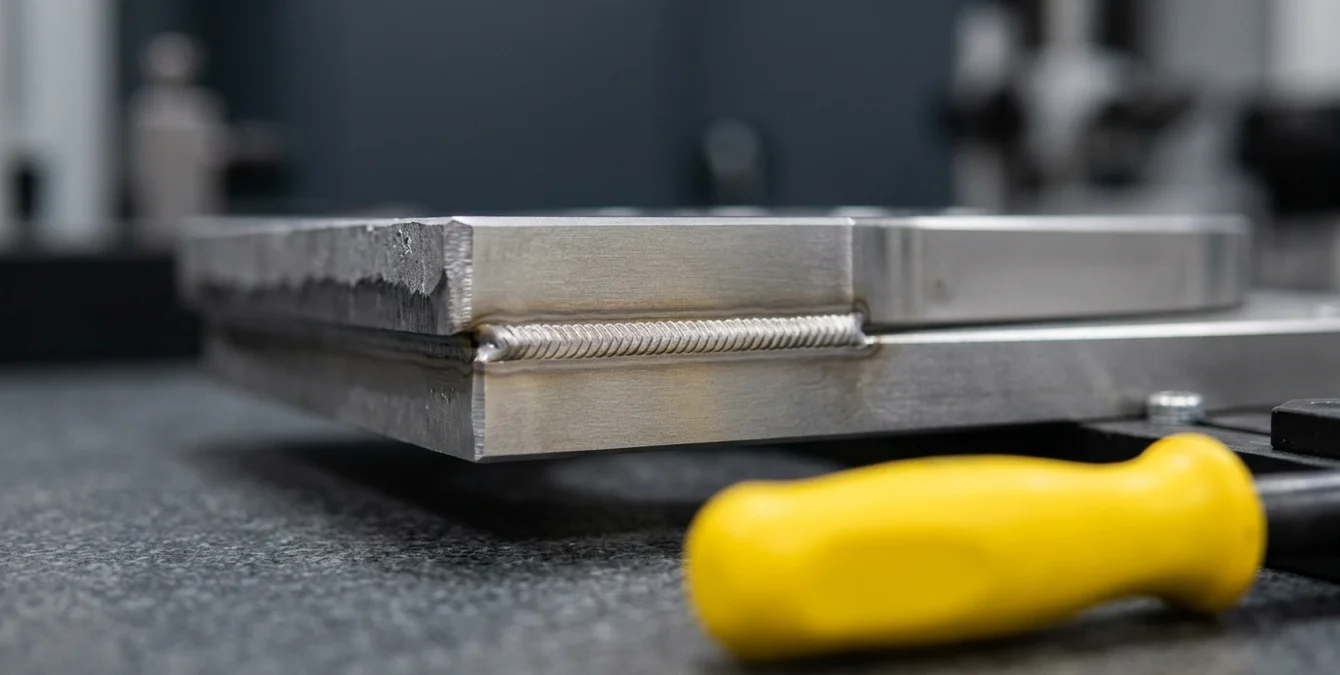
In practice, this means that laser welding can be used to repair fine features, edges, or surfaces on precision components without introducing the warping or distortion commonly associated with traditional welding methods. The process is particularly effective for intricate molds, dies, and high-tolerance parts where dimensional accuracy is paramount. By minimizing the heat-affected zone, laser welding supports the retention of tight tolerances and original geometries, reducing the risk of downstream issues in assembly or operation.
| Parameter | Laser Welding | Conventional Welding (TIG, MIG, Arc) |
|---|---|---|
| Heat Input | Highly localized, low heat input | Broader, higher heat input |
| Thermal Distortion | Minimal to virtually none | Significant risk of warping/distortion |
| Heat-Affected Zone | Small, confined to repair area | Large, affects wider area |
| Dimensional Accuracy | Preserved; tight tolerances maintained | Often compromised; dimensional changes possible |
| Suitability for Precision Components | Preferred process for molds, tools, high-tolerance parts | Less suitable; risk of downstream issues |
Compared with conventional welding processes
Compared to conventional welding techniques—such as TIG, MIG, or arc welding—laser welding offers a significant advantage in terms of minimizing thermal distortion. Traditional welding methods typically involve broader heat input, which can cause expansion and contraction across a larger area of the component. This often leads to warping, residual stresses, and dimensional changes that are difficult to predict and control, especially in precision applications.
Laser welding, on the other hand, confines the thermal influence to a much smaller region. The result is minimal to virtually no thermal distortion, even when repairing delicate or complex parts. This is a critical factor for industries where the integrity of the original geometry must be maintained after repair. For example, in the toolmaking and mold industries, any deviation from the specified dimensions can affect the final product quality or the fit of assembled components.
For a deeper understanding of the underlying thermal mechanisms and how advanced technologies such as Super Pulse Technology (SPT) further optimize energy input, see our detailed discussion on thermal behavior in metal welding with SPT. This resource provides insights into how controlling pulse characteristics can further reduce the risk of distortion, especially in challenging materials or geometries.
Where preserving geometry is non-negotiable
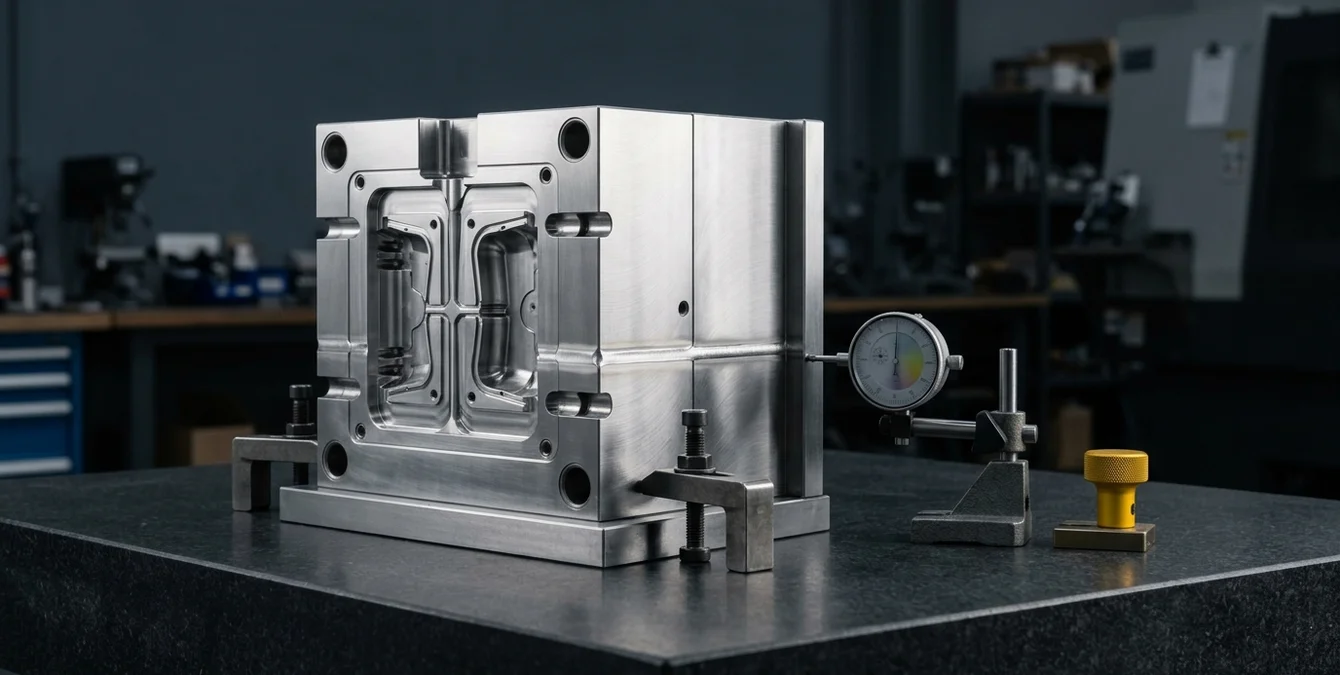
There are many scenarios in production and repair where preserving the original geometry of a component is absolutely non-negotiable. Precision components, high-value molds, and complex tools are prime examples. In these cases, even slight changes in shape or dimension can render a part unusable, disrupt downstream processes, or compromise the quality of finished products.
For mold and die professionals, the stakes are particularly high. The geometry of a mold directly determines the accuracy and surface quality of the parts it produces. Any distortion introduced during repair can lead to defects in molded parts, increased scrap rates, or the need for extensive reworking. Similarly, in the maintenance of precision components—such as those used in aerospace, automotive, or medical device manufacturing—dimensional integrity is often critical to safety, function, and regulatory compliance.
Laser welding’s ability to maintain original geometries makes it the process of choice in these demanding applications. By enabling targeted repairs without affecting the surrounding material, it supports the continued use of high-value assets and helps avoid the significant costs and delays associated with remanufacturing or replacing precision parts. For decision-makers, this capability translates directly into reduced downtime, lower repair costs, and higher overall equipment effectiveness.
| Finishing Operation | Purpose | Application Example |
|---|---|---|
| Grinding | Restore sharpness, remove excess material | Edges of mold inserts |
| Milling | Achieve dimensional specification | Flat or contoured surfaces |
| Polishing | Restore surface gloss/texture | Cavity surfaces in molds |
Finishing is limited to the repair site, not the entire component.
What still needs finishing afterwards
While laser welding excels at preserving the overall geometry of precision components, it is important to recognize that the repair area will typically require some degree of mechanical finishing after welding. The localized nature of the process means that only the affected zone—where filler material has been added or damage has been addressed—needs to be brought back to the required surface quality and dimensional specification.
Common finishing operations include grinding, milling, or polishing, depending on the material, the geometry of the repair, and the required surface finish. For example, a repaired edge on a mold insert may need to be ground to restore sharpness, while a polished cavity surface may require careful finishing to match the original gloss and texture. The key advantage is that these operations are limited to the repair site, minimizing the time and effort required compared to reworking an entire component.
Production managers should plan for this finishing step as part of the overall repair workflow. The time and resources needed will depend on the extent of the repair and the final quality requirements. However, because the original geometry is preserved, post-weld finishing is typically straightforward and does not involve compensating for warping or distortion—a major benefit over conventional welding repairs.
Getting distortion-free results in practice
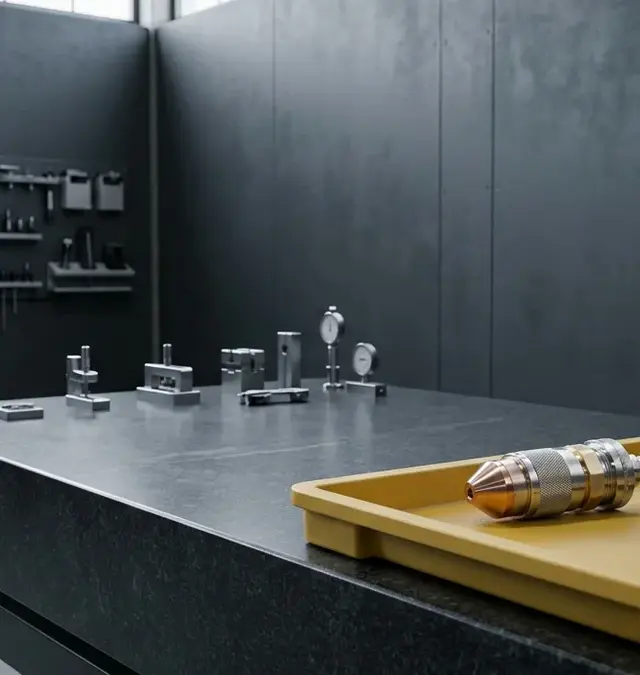
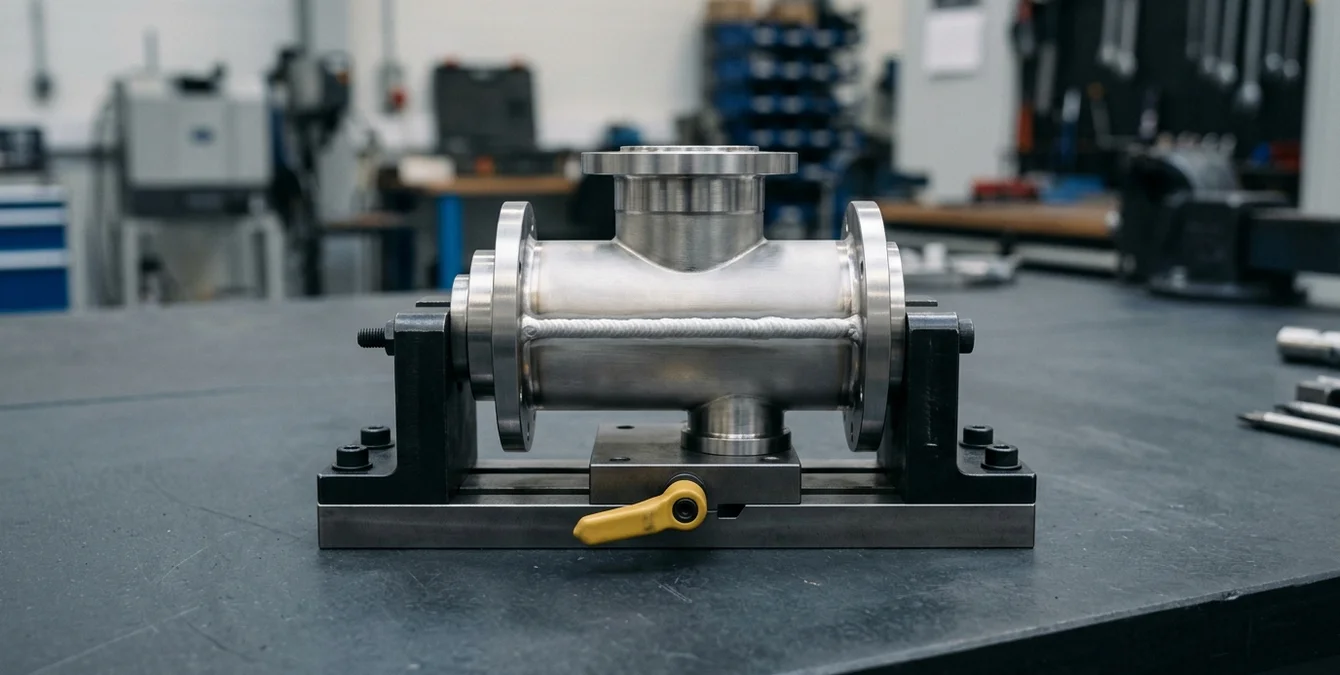
Achieving distortion-free results with laser welding is not solely a function of the welding process itself; it also depends on following best practices in preparation and execution. Rigid fixturing is essential to hold the component securely during welding, preventing any movement that could introduce misalignment or stress. Proper joint preparation—ensuring clean, well-fitted surfaces—facilitates consistent weld quality and minimizes the risk of defects.
Setting conservative welding parameters, such as lower power and shorter pulse durations, helps further reduce heat input, especially when working with thin sections or heat-sensitive materials. It is also industry best practice to perform a test weld on a scrap piece of the same alloy before working on the actual component. This allows for fine-tuning of parameters and verification that the process will not introduce unwanted thermal effects.
By combining the inherent advantages of laser welding with these practical measures, production teams can reliably achieve repairs that maintain the original geometry and dimensional accuracy of precision components. For more detailed answers to operational and technical questions, see the full set of customer questions on laser welding machines.
Frequently Asked Questions
How does laser welding minimize distortion in precision components?
Laser welding applies heat in a highly localized and controlled manner, resulting in a small heat-affected zone. This minimizes thermal expansion and contraction, preserving the original geometry and dimensional accuracy of precision components.
Is laser welding suitable for repairing molds and tools with tight tolerances?
Yes, laser welding is ideal for repairing molds, tools, and other precision components where tight tolerances are critical. Its low heat input ensures minimal distortion, making it the preferred process for high-accuracy repairs.
What finishing steps are required after laser welding a precision part?
After laser welding, only the repaired area typically requires mechanical finishing—such as grinding, milling, or polishing—to restore the required surface quality and dimensional accuracy. The rest of the component remains unaffected.
What best practices help ensure distortion-free laser welding repairs?
Best practices include using rigid fixturing, preparing clean and well-fitted joints, selecting conservative welding parameters, and performing test welds on scrap material. These steps help ensure distortion-free results in precision repairs.