
- Key Takeaways
- What is Thin Sheet Laser Welding?
- Definition and Principles
- Importance in Precision Metalwork
- How Does Laser Welding Minimize Distortion in Thin Sheets?
- Mechanisms of Distortion Reduction
- Role of Heat Input Control
- What are the Benefits of Laser Welding for Thin Sheet Metal?
- Precision and Speed
- Cost-Effectiveness and Quality
- Comparison of Laser Welding with Other Welding Methods for Thin Sheets
- Laser vs. TIG Welding
- Laser vs. MIG Welding
- Case Studies: Laser Welding in Specific Industries
- Automotive Industry Applications
- Aerospace Industry Applications
- Which Industries Benefit Most from Thin Sheet Laser Welding?
- Key Industries Utilizing Laser Welding
- Reasons for Preference
- Frequently Asked Questions
- What are the benefits of laser welding for thin sheet metal?
- How does laser welding minimize distortion in thin sheets?
- What types of lasers are typically used for welding thin sheets?
- Can laser welding be used for all types of thin sheet metals?
- What are the key considerations when setting up a laser welding system for thin sheets?
- How does laser welding compare to traditional welding methods for thin sheets?
- Related Articles
Quick Answer: Thin sheet laser welding is a precision technique ideal for joining delicate metal sheets with minimal heat distortion. Utilizing a focused laser beam, this method ensures high-quality welds with excellent control over penetration depth and weld width. It is particularly beneficial in industries requiring meticulous detail, such as aerospace and electronics, where maintaining the integrity of thin materials is crucial. Laser welding offers enhanced speed, accuracy, and repeatability, making it a preferred choice for engineers aiming to achieve superior results in metalwork.
Key Takeaways
Thin sheet laser welding has emerged as a pivotal technology for industries requiring precision and efficiency. With its ability to produce high-quality welds with minimal distortion, it has become an essential tool for modern manufacturing processes.
- Laser welding offers unparalleled precision for thin sheets, reducing the risk of burn-through and distortion, which is crucial for maintaining the integrity of the material.
- The concentrated heat source of laser welding ensures minimal heat-affected zones, preserving the mechanical properties of the base material.
- Industries such as automotive, aerospace, and electronics benefit from laser welding’s speed and accuracy, enhancing production throughput and product quality.
- Laser welding systems are highly adaptable, allowing for automation and integration into existing production lines, thus optimizing operational efficiency.
- Advanced laser control systems facilitate complex welding patterns and geometries, enabling intricate designs and lightweight structures.
- By reducing the need for filler materials and post-processing, laser welding significantly lowers production costs and material waste.
- Enhanced energy efficiency of laser systems contributes to a smaller environmental footprint, aligning with sustainable manufacturing goals.
As industries continue to demand higher precision and efficiency, understanding the advantages of thin sheet laser welding is crucial. These insights set the stage for a deeper exploration into its applications and benefits in the following sections.
| Parameter | Typical Value / Range |
|---|---|
| Laser Power | 100 – 1000 W |
| Wavelength (Nd:YAG) | 1064 nm |
| Wavelength (Fibre) | 1070 nm |
| Focus Spot Size | as small as 50 μm |
| Focal Length (Optics) | 100 – 200 mm |
| Welding Speed | 1 – 10 m/min |
| Penetration Depth (e.g., 304 SS) | up to 2 mm |
| Heat-Affected Zone | < 0.5 mm |
| Joint Tolerance | ±0.1 mm |
All values are general process ranges for thin sheet laser welding, not attributed to a specific Sigma Laser model.
What is Thin Sheet Laser Welding?
Definition and Principles
Thin sheet laser welding is a cutting-edge technique used in the precision metalwork industry, especially for joining thin sheet metals with exceptional accuracy and minimal distortion. By utilizing advanced laser welding systems like Sigma Laser’s Sidanus Light and Siega Fibre, this method employs concentrated laser beams to deliver high-energy precision on delicate materials. Unlike traditional welding methods, which often rely on excessive heat and pressure, laser welding precision creates seamless joints without compromising the structural integrity of thin sheets.
Typically, laser systems used for thin sheet welding operate within a power range of 100 to 1000 watts, with a wavelength around 1064 nm for Nd:YAG lasers and 1070 nm for fibre lasers, ensuring efficient energy absorption by metals like stainless steel and aluminum alloys. The beam quality, characterized by an M² value close to 1, allows for a focused spot size as small as 50 micrometers, enabling precise control over the weld seam. Focal lengths of commonly used optics range from 100 to 200 mm, providing flexibility in beam delivery.
Importance in Precision Metalwork
The significance of thin sheet laser welding in precision metalwork is immense. This technique is crucial in industries where high-quality welds are essential, such as aerospace, automotive, and electronics manufacturing. Sigma Laser’s systems, enhanced by Super Pulse Technology (SPT), maintain tight tolerances and produce clean welds on thin sheet metals with unmatched precision. By minimizing heat-affected zones, thin sheet metal welding ensures both durability and aesthetic appeal, which are vital for components subjected to rigorous use or visible applications.
Welding speeds typically range from 1 to 10 meters per minute, depending on material thickness and type, with penetration depths reaching up to 2 mm for materials such as 304 stainless steel. The heat-affected zone is minimized, often less than 0.5 mm, preserving the mechanical properties of the base material. Tolerances for welded joints can be maintained within ±0.1 mm, ensuring repeatability and consistency across production batches.
Furthermore, the integration of features like Swivel Optics and the Z-Axis Module in Sigma Laser’s offerings provides enhanced flexibility and adaptability, addressing complex geometries and tight spaces often encountered in industrial applications. With compliance to standards such as ISO 9001 and DIN EN ISO 4063, Sigma Laser ensures that its thin sheet laser welding systems not only meet but exceed industry demands, setting a benchmark for quality and performance in the European industrial markets.
Materials commonly compatible with thin sheet laser welding include austenitic stainless steels (e.g., 304, 316), aluminum alloys (e.g., 6061, 7075), and specialized alloys like Inconel. However, care must be taken with reflective materials such as copper and brass, which may require specific wavelengths or coating techniques to enhance absorption.
Operational constraints include the necessity for precise alignment and cleanliness of the workpieces to avoid defects such as porosity and cracking.
How Does Laser Welding Minimize Distortion in Thin Sheets?
In precision manufacturing, managing distortion in thin sheet metal welding is a significant challenge. Sigma Laser’s advanced laser welding systems, such as the Sidanus Light and Sirius Light, provide exceptional control over the welding process, significantly reducing distortion. By focusing on heat input control and leveraging laser welding precision, manufacturers can achieve superior results in sheet metal fabrication.
Mechanisms of Distortion Reduction
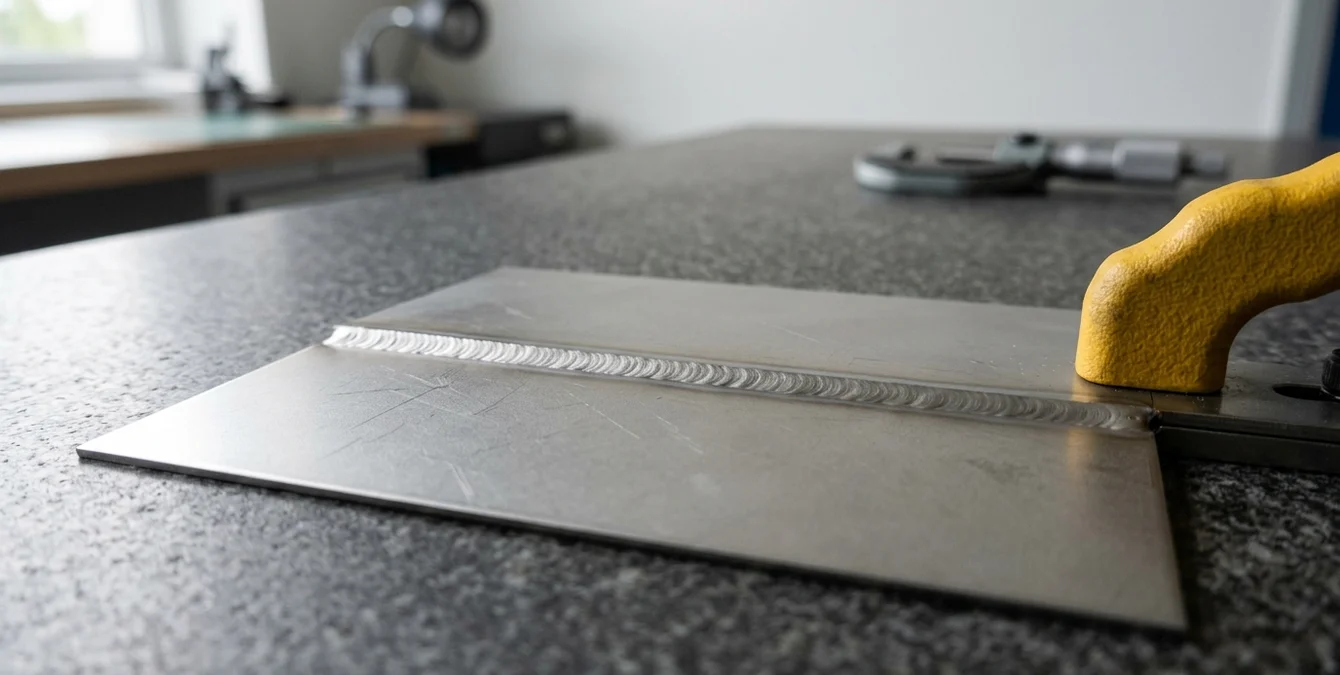
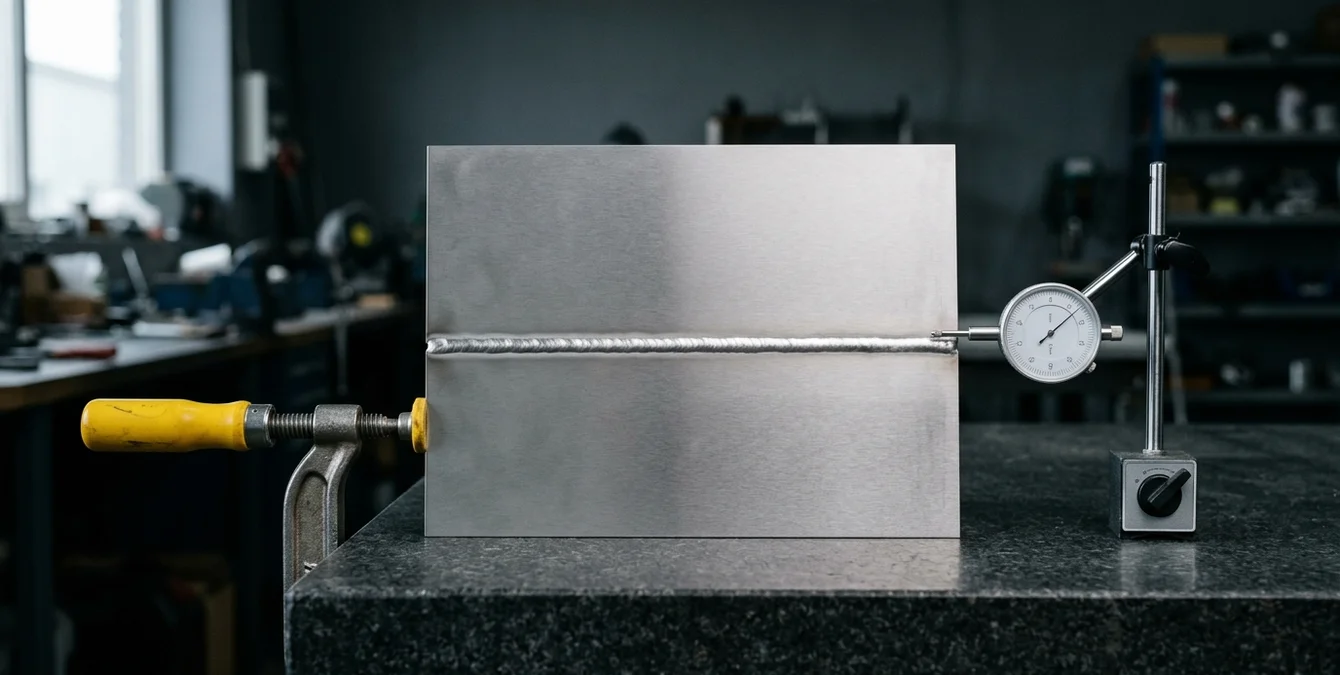
Distortion in welding primarily arises from uneven thermal expansion and contraction during the heating and cooling phases. Laser welding minimizes this distortion by precisely controlling the energy input, thereby reducing thermal gradients. The focused laser beam enables a rapid welding process, minimizing the heat-affected zone (HAZ) and consequently reducing thermal distortion. This precision is especially crucial when working with thin sheet metals, as excessive heat can easily warp these materials.
Products like Sigma Laser’s Sineo Fibre and Siega Fibre utilize advanced fiber laser technology to deliver concentrated energy to a small area, ensuring that the thin sheets maintain their structural integrity. By using these systems, manufacturers can consistently produce high-quality welds that meet stringent standards such as ISO 9001 and DIN EN ISO 4063.
Common parameters in thin sheet laser welding include laser power levels typically ranging from 500 W to 600 W, with wavelengths around 1070 nm for fiber lasers. Beam quality, often characterized by an M² value of less than 1.2, ensures high precision and minimal distortion. Typical welding speeds can range from 1 to 10 m/min, depending on material thickness and type.
Materials like AISI 304 stainless steel, 6061 aluminum alloy, and titanium grades are commonly used in thin sheet applications, each requiring specific parameter adjustments to optimize weld quality and minimize distortion.
Role of Heat Input Control
Effective heat input control is essential for minimizing distortion in thin sheet laser welding. Sigma Laser’s Super Pulse Technology (SPT) allows for precise modulation of the laser’s power output, enabling welding engineers to tailor the heat input to the specific material and thickness. This adaptability is crucial for maintaining the tight tolerances required in industries such as automotive and aerospace.
- The rapid cooling rates associated with laser welding further contribute to reduced distortion by limiting the time the material remains at elevated temperatures.
- Utilizing components like the Simass Rotate and Swivelling Y Axis enhances operational flexibility, allowing for complex weld geometries with minimal distortion.
By integrating Sigma Laser’s cutting-edge systems into their production lines, manufacturers can achieve unparalleled levels of precision and quality in thin sheet metal welding. This technological advancement not only improves product performance but also aligns with the rigorous standards set by the European Committee for Standardization (CEN) and the American Welding Society (AWS).
| Material Type | Examples |
|---|---|
| Austenitic Stainless Steels | 304, 316 |
| Aluminum Alloys | 6061, 7075 |
| Specialized Alloys | Inconel |
| Reflective Metals (require special handling) | Copper, Brass |
| Other | Titanium grades |
Material compatibility may require specific parameter adjustments or techniques for optimal results.
What are the Benefits of Laser Welding for Thin Sheet Metal?
In the realm of manufacturing and fabrication, laser welding has emerged as a transformative technology, particularly for thin sheet metal applications. This advanced method offers unparalleled precision, speed, and quality, making it an invaluable tool for welding engineers. Sigma Laser’s cutting-edge systems, such as the Sidanus Light and Sineo Fibre, leverage the latest in laser welding technology to deliver exceptional results.
Precision and Speed
Precision in laser welding is critical when dealing with thin sheet metals, where even minor errors can lead to significant defects. Sigma Laser systems utilize fiber laser technology, offering a concentrated and consistent beam that ensures exact welds. This precision minimizes the risk of heat distortion, a common issue in traditional welding methods. Moreover, the speed of laser welding is unmatched. Systems like the Sidanus Fibre enable rapid processing without sacrificing quality, significantly increasing throughput in industrial settings.
Laser welding systems typically operate with power ranges from 500 W to 6 kW, providing the flexibility to handle various materials like stainless steel (e.g., 304, 316) and aluminum alloys (e.g., 6061, 5052). The beam quality, characterized by an M² value typically below 1.5, allows for a focused spot size that can achieve weld penetration depths of up to 3 mm in thin sheets. Welding speeds can reach up to 10 m/min depending on the material and thickness, with a heat-affected zone (HAZ) minimized to less than 0.5 mm, ensuring minimal thermal distortion.
According to ISO 15614-11:2002, these systems maintain high repeatability, often within ±0.1 mm, which is crucial for maintaining tight tolerances in precision applications.
Cost-Effectiveness and Quality
While the initial investment in laser welding equipment might seem substantial, the long-term cost benefits are considerable. Laser welding reduces the need for additional materials and labor, making it a cost-effective choice for mass production. The quality of the welds produced by Sigma Laser systems meets the high standards outlined by the European Committee for Standardization (CEN) and the American Welding Society (AWS), ensuring durable and reliable joints. Additionally, laser welding typically requires less post-processing, such as grinding or polishing, saving time and resources in the production cycle.
Real-world applications of thin sheet laser welding span across various industries, from automotive to aerospace, where precision and durability are paramount. Using Sigma Laser’s advanced systems, manufacturers can achieve superior results, meeting stringent quality standards like ISO 9001 and DIN EN ISO 4063. As industries continue to demand higher efficiency and precision, laser welding stands out as the optimal solution for thin sheet metal fabrication.
Comparison of Laser Welding with Other Welding Methods for Thin Sheets
In modern industrial applications, selecting the right welding method is crucial for fabricating thin sheet metals. Each technique presents unique advantages and challenges, particularly regarding precision, speed, and application suitability. This section explores the comparative aspects of laser welding, a specialty of Sigma Laser, versus traditional TIG and MIG welding methods for thin sheet applications.
Laser vs. TIG Welding
Laser welding, exemplified by Sigma Laser’s Sidanus Light and Sineo Fibre systems, is renowned for its exceptional precision and control, making it particularly suitable for thin sheet welding where high accuracy is essential. The concentrated laser beam enables deep penetration with minimal thermal distortion, a critical factor in maintaining the structural integrity of thin sheet metals. In contrast, TIG welding, while versatile, often requires a skilled operator to manage heat input and avoid warping, which can be challenging in thin materials.
- Precision: Laser welding provides superior precision, focusing on minuscule areas and reducing the risk of thermal distortion. Typical beam quality for precision applications is characterized by an M² value of less than 1.2, ensuring tight focus and high energy density.
- Speed: Laser systems deliver faster welding speeds, crucial for high-throughput environments. Welding speeds can reach up to 10 m/min, depending on material and thickness.
- Application Suitability: Laser welding is ideal for applications demanding high precision, such as in the aerospace and electronics industries. It is particularly effective for materials like stainless steel (e.g., 304, 316) and aluminum alloys (e.g., 6061, 5052).
- Process Parameters: Typical laser power used in thin sheet applications ranges from 500 W to 3 kW, with penetration depths reaching up to 3 mm in a single pass, depending on the material.
Laser vs. MIG Welding
When comparing laser welding to MIG welding, the differences in speed and precision become even more pronounced. MIG welding, known for its efficiency in thicker materials, can struggle with thin sheets due to the potential for spatter and burn-through. Laser welding, with the capabilities of Sigma Laser’s Super Pulse Technology (SPT), excels in delivering clean, high-quality welds without the need for filler material, often essential in MIG processes.
- Precision: The precision of laser welding is unmatched, crucial for industries where the aesthetic and functional quality of welds is non-negotiable. Laser systems can achieve positional accuracy within ±0.1 mm, ensuring repeatability and consistency.
- Speed: The rapid processing capability of laser systems enhances productivity, essential for sectors like automotive manufacturing where time is of the essence. Laser welding can reduce cycle times by up to 50% compared to traditional methods.
- Application Suitability: Laser welding is particularly beneficial in applications where minimal post-weld finishing is desired, reducing overall production costs and time. The minimal heat-affected zone (HAZ), typically less than 0.5 mm, ensures minimal thermal impact on surrounding material.
- Standards Compliance: Laser welding processes for thin sheets are often conducted in accordance with ISO 15614-11:2002, ensuring rigorous quality and performance standards are met.
In conclusion, while TIG and MIG welding have their places in metal fabrication, laser welding systems from Sigma Laser offer unparalleled advantages in thin sheet metal welding, delivering high precision and speed with minimal thermal impact, making them a preferred choice across various industrial sectors.
Case Studies: Laser Welding in Specific Industries
Laser welding, a cornerstone technology in advanced manufacturing, offers unmatched precision and efficiency. Sigma Laser’s systems, such as the Sidanus Light and Siega Fibre, are engineered to meet the rigorous demands of industries like automotive and aerospace, where thin sheet laser welding is crucial for producing high-quality, durable components. This section explores detailed case studies showcasing the application of laser welding in these industries, addressing challenges and solutions.
Automotive Industry Applications
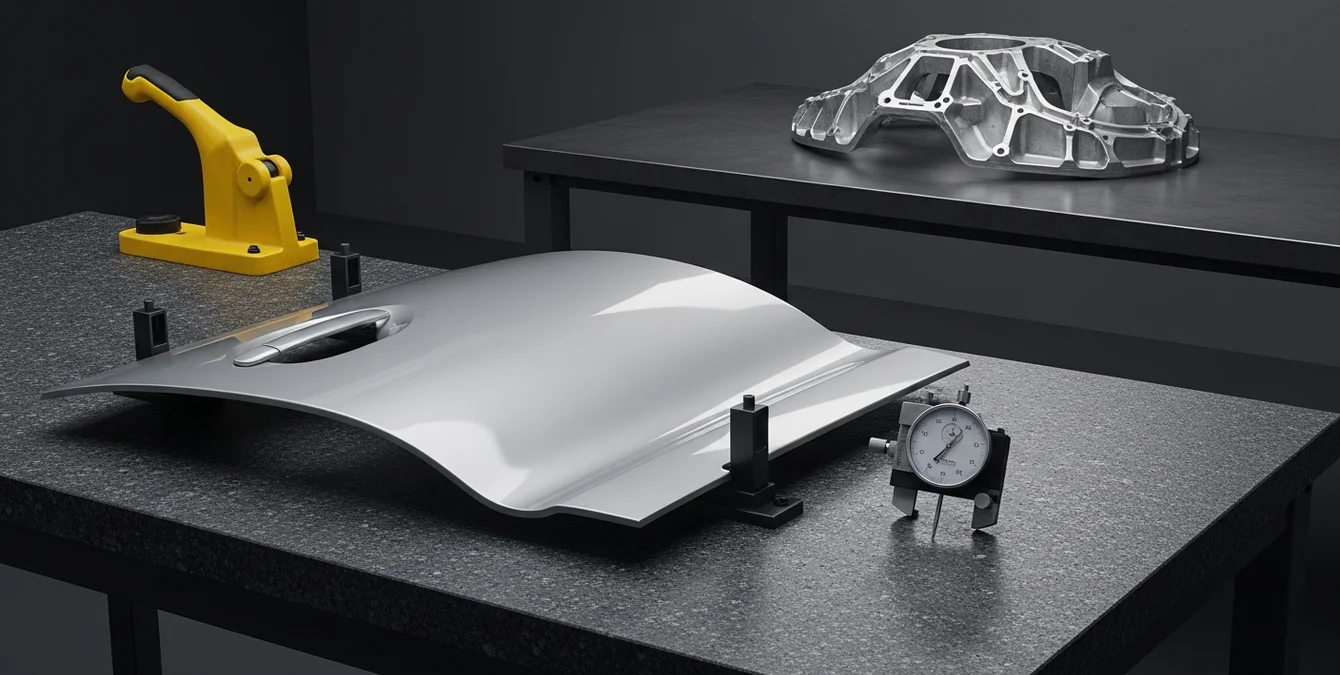
In the automotive sector, the demand for lightweight and fuel-efficient vehicles has driven the adoption of thin sheet metal welding. The precision of laser welding is critical in joining components such as car doors, panels, and frames. Sigma Laser’s Sidanus Fibre system has been employed to tackle the challenge of minimizing thermal distortion while ensuring robust welds.
- Challenge: Welding thin sheet metals without causing warping or compromising structural integrity.
- Solution: Utilization of Sigma Laser’s Super Pulse Technology (SPT) to control heat input and achieve precise weld seams.
- Outcome: Enhanced quality and performance of automotive components, meeting ISO 3834 standards.
- Specifications: The Sidanus Fibre system operates at a power range of 300 to 600 W, with a wavelength of 1070 nm, and a beam quality M² of less than 1.2, ensuring high precision.
- Process Parameters: Welding speeds can reach up to 5 m/min with penetration depths of up to 2 mm, depending on material thickness and type.
- Material Compatibility: Commonly used materials include high-strength low-alloy (HSLA) steels and aluminum alloys such as AA6061, which are frequently employed in automotive applications.
Aerospace Industry Applications
The aerospace industry requires materials that can withstand extreme conditions. Laser welding systems like the Sirius Light are instrumental in joining high-strength alloys used in aircraft structures. The primary challenge is ensuring consistent, defect-free welds on complex geometries.
- Challenge: Achieving high-quality welds on intricate components with variable thickness.
- Solution: Implementation of advanced Swivel Optics with Telescopic Lens for adaptable beam delivery.
- Outcome: Improved component reliability and compliance with DIN EN ISO 4063 standards, contributing to the industry’s stringent safety requirements.
- Specifications: The Sirius Light system operates with a power range of 60 to 500 W, a wavelength of 1064 nm, and a focal length adjustable from 100 to 300 mm for optimal focus control.
- Process Parameters: Welding speeds generally range from 0.5 to 3 m/min, with a heat-affected zone (HAZ) typically less than 0.5 mm, crucial for maintaining material properties.
- Material Compatibility: High-strength titanium alloys (e.g., Ti-6Al-4V) and nickel-based superalloys are commonly used, requiring precise control over thermal input to prevent cracking.
Through these applications, Sigma Laser demonstrates its commitment to innovation and excellence in laser welding technology, setting benchmarks in precision and quality for thin sheet metal welding in demanding industrial sectors.
| Advantage | Description |
|---|---|
| Minimal Distortion | Reduces risk of warping and burn-through in thin materials |
| High Precision | Enables tight tolerances and repeatable results |
| Small Heat-Affected Zone | Preserves base material properties |
| Automation Ready | Easily integrated into production lines |
| Reduced Post-Processing | Minimizes need for filler and finishing |
| Energy Efficient | Lower environmental impact |
| Supports Complex Geometries | Advanced control for intricate welds |
These advantages apply to thin sheet laser welding processes in general and are supported by Sigma Laser systems.
Which Industries Benefit Most from Thin Sheet Laser Welding?
Thin sheet laser welding is an advanced manufacturing technique that delivers high precision and efficiency in joining thin sheet metals. This method is highly valued in industries where precision and minimal thermal distortion are critical. Sigma Laser’s cutting-edge systems, such as the Sidanus Light and Sirius Light, are engineered specifically to meet these demands, offering unparalleled accuracy and repeatability.
Key Industries Utilizing Laser Welding
Several industries have adopted thin sheet laser welding due to its superior capabilities:
- Automotive Industry: Automotive manufacturers rely on laser welding precision to join body panels and complex assemblies, ensuring lightweight construction without compromising strength. Typical laser parameters include power ranges from 1 kW to 6 kW, with welding speeds up to 10 m/min, ensuring efficient production cycles.
- Aerospace Sector: In aerospace, thin sheet metal welding is crucial for fabricating components that withstand high stress and temperature variations, such as turbine blades and fuselage sections. The process often involves welding aluminum alloys (e.g., 2024, 7075) and titanium alloys (e.g., Ti-6Al-4V), requiring precise control over the heat-affected zone (HAZ) to maintain material properties.
- Electronics Manufacturing: The electronics industry uses laser welding for assembling intricate components, where precision and minimal heat input prevent damage to sensitive parts. Beam quality (M²) of less than 1.5 is commonly used to ensure fine focus and minimal thermal impact.
- Medical Device Fabrication: Medical devices often require micro-welding for stainless steel and titanium components, making thin sheet laser welding ideal for producing safe and reliable devices. Compliance with ISO 13485 and ISO 10993 standards is critical for ensuring biocompatibility and safety.
Reasons for Preference
The preference for thin sheet laser welding over traditional welding methods is driven by several factors:
- Precision and Control: Laser welding offers unmatched precision, essential for industries that demand tight tolerances and intricate geometries. Typical tolerances are within ±0.1 mm, with repeatability often better than ±0.05 mm.
- Minimal Thermal Distortion: The localized heat application reduces thermal distortion, preserving the integrity and appearance of the welded parts. This is particularly important in high-stress applications where structural integrity is paramount.
- High-Speed Automation: Laser welding systems, like those featuring Sigma Laser’s Super Pulse Technology (SPT), facilitate rapid production cycles, enhancing productivity. Systems are often integrated with robotic automation, adhering to ISO 10218 standards for safety in robot operations.
- Versatility with Materials: The capability to weld various metals, including challenging alloys such as Inconel and Hastelloy, makes it a versatile choice across different sectors. This versatility is supported by adherence to standards such as ISO 15614-11:2002 for welding procedure qualification.
By leveraging Sigma Laser’s advanced offerings, industries can achieve superior welding outcomes, maintaining high standards of quality and efficiency in line with ISO 9001 and other relevant standards.
Frequently Asked Questions
What are the benefits of laser welding for thin sheet metal?
Laser welding offers high precision and minimal heat input, reducing the risk of warping or distortion in thin sheet metal. It provides a high welding speed and produces a narrow, deep weld seam, which enhances the structural integrity and aesthetics of the joint. Additionally, laser welding allows for automation and repeatability, improving production efficiency.
How does laser welding minimize distortion in thin sheets?
Laser welding minimizes distortion in thin sheets by concentrating energy in a small area, resulting in a narrow heat-affected zone. This localized heating reduces thermal expansion and contraction, which are the primary causes of distortion. The process’s high speed further limits heat exposure, maintaining the sheet’s dimensional stability.
What types of lasers are typically used for welding thin sheets?
Fiber lasers and CO2 lasers are commonly used for welding thin sheets. Fiber lasers are preferred for their high beam quality and efficiency, allowing for precise control over the welding process. CO2 lasers, while older technology, are still used for specific applications requiring deeper penetration or when working with certain materials.
Can laser welding be used for all types of thin sheet metals?
Laser welding is suitable for a wide range of thin sheet metals, including stainless steel, aluminum, and titanium. However, material properties such as reflectivity and thermal conductivity can affect weld quality. For highly reflective materials like copper, specialized lasers or surface treatments may be necessary to achieve optimal results.
What are the key considerations when setting up a laser welding system for thin sheets?
Key considerations include selecting the appropriate laser type and power, optimizing focus and beam alignment, and ensuring proper fixture and clamping to prevent movement during welding. Additionally, controlling parameters such as speed, pulse duration, and shielding gas can significantly impact weld quality and consistency.
How does laser welding compare to traditional welding methods for thin sheets?
Laser welding offers superior precision and speed compared to traditional methods like TIG or MIG welding. It requires less post-processing due to minimal spatter and distortion. However, initial setup costs can be higher, and operators may need specialized training to fully leverage the technology’s capabilities.