
- Key Takeaways
- What Are the Common Defects in Laser Welding Aluminum?
- Porosity in Aluminum Welds
- Cracking and Its Causes
- Reflectivity Challenges
- How Does Laser Welding Compare with Traditional Welding Methods for Aluminum?
- Advantages of Laser Welding
- Disadvantages and Limitations
- Comparison with TIG and MIG
- Which Laser Types Are Best for Welding Aluminum?
- Fiber Lasers vs. CO2 Lasers
- Suitability for Aluminum Alloys
- Industry Applications
- Why Is Managing the Heat-Affected Zone Important in Aluminum Laser Welding?
- Understanding the Heat-Affected Zone
- Effects on Aluminum Welds
- Strategies to Minimize HAZ
- Can Case Studies Illustrate Successful Laser Welding Applications in Different Industries?
- Automotive Industry Case Study
- Aerospace Industry Success
- Electronics and Consumer Goods
- Frequently Asked Questions
- What are the common defects in laser welding aluminum?
- How does laser welding compare with traditional welding methods for aluminum?
- What laser types are best suited for welding aluminum?
- How do you prevent porosity in laser-welded aluminum joints?
- What role does shielding gas play in laser welding aluminum?
- Is pre-heating necessary for laser welding aluminum?
- What are the advantages of using laser welding for aluminum in automotive applications?
Quick Answer: Laser welding aluminum presents challenges such as high reflectivity and thermal conductivity, which can lead to defects like porosity and cracking. To overcome these, precise control of laser parameters is essential. Using a fiber laser with appropriate beam quality and energy density helps achieve deeper penetration and better weld quality. Pre-heating the aluminum and employing filler materials can also mitigate cracking, while optimizing shielding gases reduces porosity. Understanding these techniques allows welding engineers to enhance the efficiency and quality of aluminum laser welding processes.
Key Takeaways
Laser welding aluminum presents unique challenges and opportunities for welding engineers, particularly with the advent of fiber laser technology. Understanding the nuances of this process can significantly enhance weld quality and operational efficiency.
- Fiber lasers offer superior beam quality and flexibility, making them ideal for welding aluminum with precision and minimal distortion.
- Aluminum’s high thermal conductivity requires careful control of heat input to avoid defects such as porosity and cracking.
- Implementing real-time monitoring systems during fiber laser welding can help detect and mitigate defects early in the process.
- Optimizing parameters such as laser power, speed, and focus can reduce common welding defects, improving joint strength and appearance.
- Post-weld heat treatment can be beneficial in alleviating residual stresses and improving the mechanical properties of aluminum welds.
- Using alloy-specific filler materials can enhance the weldability of aluminum, reducing the risk of defects.
- Collaboration with laser equipment manufacturers can provide tailored solutions that enhance weld quality and production efficiency.
By delving into the specifics of fiber laser welding and understanding common aluminum welding defects, engineers can develop more robust and efficient welding processes. The following article explores these aspects in detail, providing insights and solutions for optimizing aluminum laser welding operations.
| Defect | Causes | Impact | Typical Mitigation |
|---|---|---|---|
| Porosity | High thermal conductivity, hydrogen absorption, rapid solidification | Reduced mechanical strength, potential for failure under load | Pre-weld cleaning, optimize power density and travel speed (1–10 m/min) |
| Cracking | Thermal stresses, alloy brittleness, improper cooling rates | Structural failure, especially in dynamic load-bearing applications | Adjust laser power (1–6 kW), post-weld heat treatment (EN 1011-7:2004) |
| Reflectivity Challenges | High reflectivity of aluminum, suboptimal laser settings | Insufficient weld penetration, joining failures | Use lasers at ~1.064 µm, optimize beam focus (focal length 100–200 mm) |
Mitigation strategies are general best practices and not specific to any Sigma Laser model.
What Are the Common Defects in Laser Welding Aluminum?
In precision manufacturing, laser welding aluminum presents unique challenges that demand a thorough understanding of its material properties and the specific needs of industrial applications. Aluminum, known for its high thermal conductivity and reflectivity, often leads to defects that can compromise weld integrity. Grasping these defects is essential for welding engineers focused on producing high-quality aluminum alloy components using advanced systems like Sigma Laser’s Sidanus Fibre or Sirius Light (Nd:YAG).
Porosity in Aluminum Welds
Porosity is a common issue in laser welding aluminum, primarily due to rapid cooling rates and high hydrogen solubility in molten aluminum. This defect appears as cavities within the weld seam, leading to weakened structural integrity. In applications where aluminum components must withstand high stress, such as in aerospace or automotive sectors, porosity can significantly undermine product reliability.
- Causes: High thermal conductivity, hydrogen absorption, and rapid solidification.
- Impact: Reduced mechanical strength and potential for failure under load.
- Typical Mitigation: Employing pre-weld cleaning to minimize hydrogen sources and optimizing laser parameters such as power density and travel speed, typically ranging from 1 to 10 m/min, to control cooling rates effectively.
Cracking and Its Causes
Cracking in aluminum welds is another critical concern, especially for high-strength aluminum alloys. This defect is often linked to the material’s high thermal expansion coefficient and the presence of alloying elements that may cause brittleness in the heat-affected zone. Our fiber laser solutions, like the Siega Fibre, are designed to mitigate these risks by providing precise control over heat input and welding parameters.
- Causes: Thermal stresses, alloy brittleness, improper cooling rates.
- Impact: Structural failure, especially in dynamic load-bearing applications.
- Typical Mitigation: Adjusting the laser power, commonly between 1 kW and 6 kW, and using post-weld heat treatments to relieve residual stresses, adhering to guidelines from EN 1011-7:2004.
Reflectivity Challenges
Aluminum’s high reflectivity poses a significant challenge in laser welding, as it can lead to inefficient energy absorption and inconsistent weld penetration. Fiber lasers, such as those integrated with Super Pulse Technology (SPT) from Sigma Laser, offer an effective solution by enhancing energy coupling and reducing reflection losses.
- Causes: High reflectivity of aluminum, suboptimal laser settings.
- Impact: Insufficient weld penetration, leading to joining failures.
- Typical Mitigation: Utilizing lasers with wavelengths around 1.064 µm, which are better absorbed by aluminum, and optimizing beam focus with a typical focal length of 100-200 mm to improve energy absorption.
By leveraging advanced technologies and adhering to standards like ISO 9001 and DIN EN ISO 4063, Sigma Laser ensures the delivery of high-performance laser welding systems that address these challenges, paving the way for superior weld quality in demanding industrial applications.
| Aspect | Laser Welding (Fiber) | TIG/MIG Welding |
|---|---|---|
| Speed | Up to 5 m/min | Typically slower |
| Precision | High (beam quality M² < 1.5) | Moderate |
| Heat-Affected Zone | <1 mm (thin sections) | Larger |
| Material Compatibility | 5xxx, 6xxx series alloys | Broad, but may require more prep |
| Initial Investment | $100,000–$500,000 | Lower |
| Joint Preparation Tolerance | ±0.1 mm | Less stringent |
| Operational Limitations | Requires precise alignment/focus | More forgiving |
Values are typical for industrial applications and not attributed to specific Sigma Laser models.
How Does Laser Welding Compare with Traditional Welding Methods for Aluminum?
In the realm of industrial manufacturing, precision and efficiency are paramount, particularly when working with aluminum and its alloys. Laser welding, especially using fiber laser technology, has emerged as a formidable alternative to traditional techniques such as TIG and MIG welding. This section delves into the comparative advantages and limitations of laser welding aluminum, providing insights for welding engineers who seek to optimize their processes.
Advantages of Laser Welding
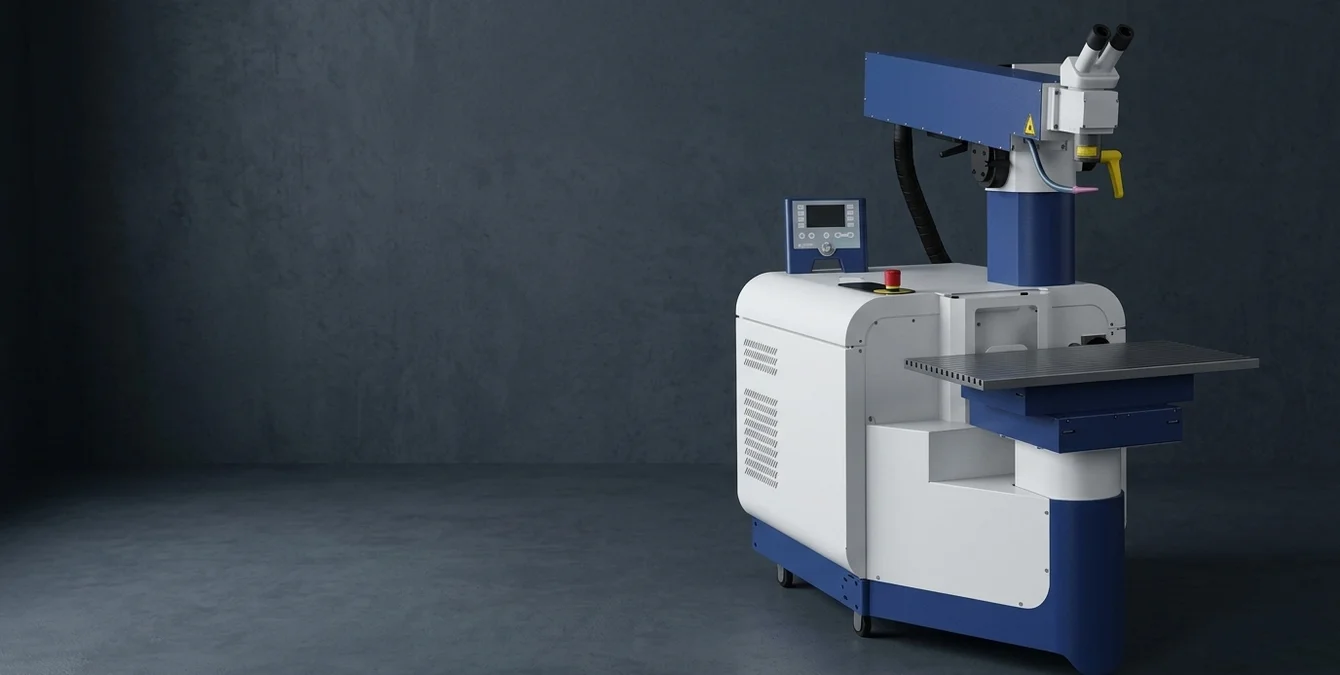
Laser welding, known for its precision and minimal heat-affected zone, offers significant benefits over conventional welding methods. Sigma Laser’s advanced systems, such as the Sidanus Light and Siega Fibre, enable welding processes that are not only faster but also highly controllable:
- Speed and Efficiency: Laser welding aluminum is considerably faster, reducing cycle times and improving throughput. Typical welding speeds can reach up to 5 m/min depending on the alloy and thickness.
- Precision: The focused heat source allows for intricate welds with minimal distortion, essential for complex geometries. Beam quality (M²) values of less than 1.5 are common, ensuring high precision.
- Minimal Thermal Effects: The reduced heat-affected zone, typically less than 1 mm for thin sections, limits the potential for warping and maintains the integrity of sensitive aluminum alloys.
- Material Compatibility: Laser welding is compatible with various aluminum alloys, including 5xxx and 6xxx series, which are commonly used in automotive and aerospace applications.
Disadvantages and Limitations
While laser welding aluminum provides numerous advantages, it is not without its challenges. Certain factors must be considered to ensure optimal operation:
- Initial Investment: The cost of fiber laser systems can be higher compared to traditional welding equipment, with initial costs ranging from $100,000 to $500,000 depending on power and configuration.
- Material Reflectivity: Aluminum’s high reflectivity can require special considerations to prevent energy loss, such as using lasers with wavelengths around 1 µm, which are absorbed more efficiently.
- Joint Preparation: The precision required in joint preparation is more stringent, demanding higher levels of accuracy, typically within ±0.1 mm, to ensure consistent weld quality.
- Operational Limitations: The need for precise alignment and focus control can limit the applicability in less controlled environments.
Comparison with TIG and MIG
When comparing laser welding with TIG (Tungsten Inert Gas) and MIG (Metal Inert Gas) welding, clear distinctions arise:
- TIG Welding: While TIG offers excellent control for thin materials, it is slower and can result in a larger heat-affected zone, affecting the strength of aluminum components. TIG welding speeds are generally below 1 m/min.
- MIG Welding: Known for its speed, MIG welding is less precise and can introduce spatter, leading to additional post-processing steps. MIG welding can achieve speeds up to 2 m/min but often requires post-weld cleaning.
- Laser Welding: The precision and speed of laser welding make it ideal for high-volume production lines where quality cannot be compromised. Laser welding can achieve penetration depths of up to 6 mm in a single pass for certain aluminum alloys.
In conclusion, for industrial applications requiring precise, high-quality welds in aluminum, laser welding—backed by Sigma Laser’s cutting-edge technology—provides a superior alternative to traditional methods, aligning with rigorous standards like ISO 9001 and ISO 3834.
Which Laser Types Are Best for Welding Aluminum?
In the realm of precision welding, selecting the appropriate laser type for aluminum is vital for achieving optimal outcomes. Sigma Laser, known for its cutting-edge laser systems engineered in Germany, provides advanced solutions tailored for complex aluminum welding applications. Understanding the capabilities of fiber lasers and CO2 lasers is essential for manufacturing engineers aiming to enhance efficiency and weld quality.
Fiber Lasers vs. CO2 Lasers
Fiber lasers have become a top choice for laser welding aluminum due to their high energy efficiency and ability to produce a concentrated beam. This results in a narrower heat-affected zone, reducing distortion and improving weld integrity. Sigma Lasers’ Siega Fibre and Sidanus Fibre are examples of state-of-the-art systems utilizing fiber laser technology.
Fiber lasers typically operate at wavelengths around 1070 nm, which is well-suited for the high reflectivity of aluminum. They offer power ranges from 500 W to 10 kW, with beam quality M² values typically below 1.5, ensuring precise energy delivery.
Conversely, CO2 lasers, while effective for certain materials, often struggle with the reflective nature of aluminum, leading to less efficient energy absorption. However, they still find their place in specific industrial contexts where surface finish and material thickness align with CO2 capabilities. CO2 lasers operate at a wavelength of 10.6 µm and are generally more effective for thicker sections of aluminum, though they require careful management of reflectivity issues.
Suitability for Aluminum Alloys
Aluminum alloys vary in their thermal conductivity and reflectivity, making fiber lasers particularly advantageous due to their adaptability across various compositions. The fiber laser welding process is highly suitable for welding aluminum alloys used in the automotive and aerospace sectors, where precision and strength are paramount. Additionally, Sigma Laser’s Super Pulse Technology (SPT) enhances control over the welding process, further minimizing thermal distortion.
Typical welding speeds for fiber lasers in aluminum applications range from 1 to 10 m/min, depending on the alloy and thickness, with penetration depths up to 6 mm in a single pass. The heat-affected zone is generally limited to a few millimeters, ensuring minimal impact on the surrounding material properties.
Industry Applications
Fiber laser systems like the Sidanus Light and Sineo Fibre are extensively used in the automotive industry for manufacturing lightweight, high-strength vehicle components. In the aerospace sector, these systems ensure precise joining of critical components, adhering to stringent ISO 9001 and ISO 3834 standards. The use of Swivel Optics and Motor-driven Turning Device further enhances the flexibility and precision required for complex geometries in these applications.
In conclusion, fiber lasers, supported by Sigma Laser’s advanced technologies, offer superior performance in welding aluminum, meeting the rigorous demands of modern industrial applications.
Why Is Managing the Heat-Affected Zone Important in Aluminum Laser Welding?
Understanding the Heat-Affected Zone
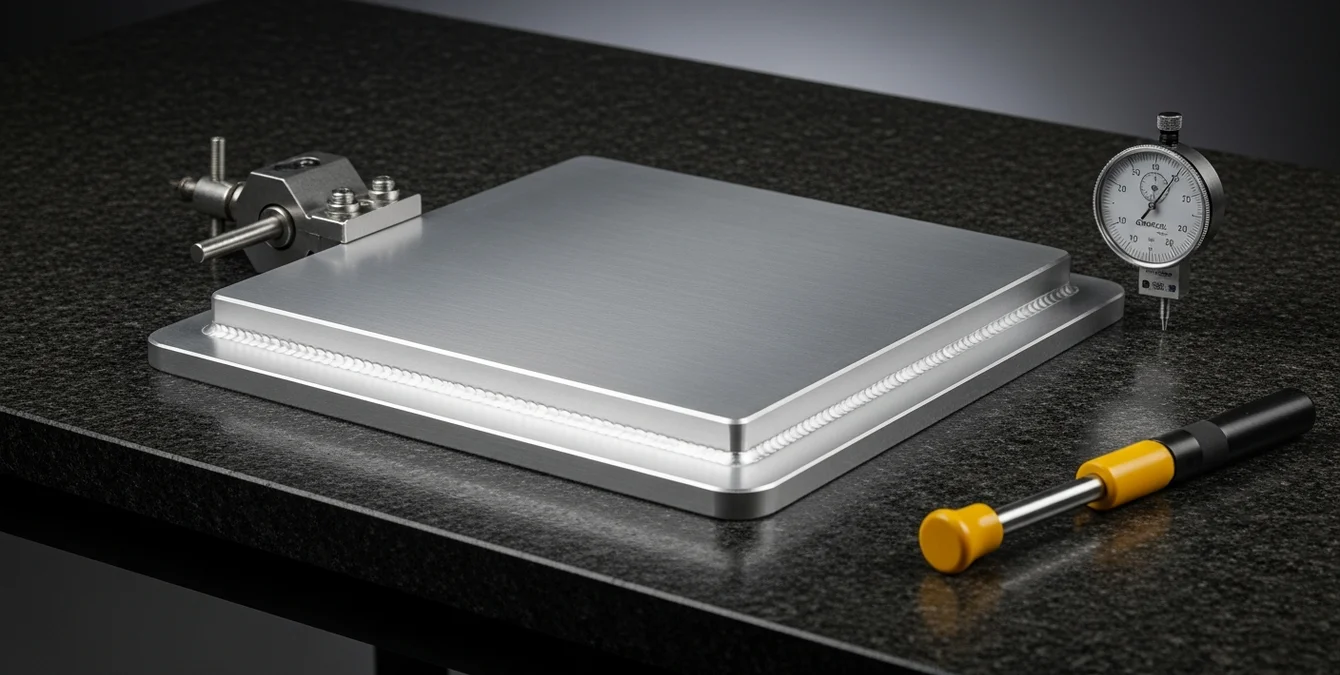
In laser welding aluminum, the heat-affected zone (HAZ) is the area of the base material that undergoes microstructural changes due to the welding heat. Although this zone does not melt, it experiences thermal cycles that can alter its mechanical properties. For welding engineers working with aluminum alloys, managing the HAZ is crucial to ensure the weld joint’s integrity and performance.
Typically, the HAZ is influenced by the laser’s power density and interaction time. In practice, aluminum alloys such as 6061 and 7075 are often used, requiring careful control of the HAZ to prevent issues like hot cracking and porosity. According to ISO 15614-11:2002, maintaining a consistent welding procedure qualification is essential to manage these effects effectively.
Effects on Aluminum Welds
The HAZ in aluminum laser welding presents several metallurgical challenges. Aluminum is highly sensitive to heat, and the thermal cycles can lead to grain growth, reduced hardness, and increased susceptibility to corrosion. These changes can compromise weld quality, resulting in reduced structural performance and potential service failures. Therefore, controlling the HAZ is vital in applications such as automotive components and aerospace structures, where precision and durability are essential.
Empirical data from the Journal of Laser Applications suggests that the typical HAZ width in aluminum laser welding can range from 0.5 mm to 2 mm, depending on the laser parameters used. The precise control of these parameters is crucial to maintaining the mechanical properties as outlined in EN 1011-7:2004, which provides guidelines for the welding of aluminum and its alloys.
Strategies to Minimize HAZ
To address HAZ-related issues, Sigma Laser employs advanced techniques and technologies like fiber laser systems. Products such as the Siega Fibre and Sidanus Light are designed to optimize heat input and minimize thermal distortion. Key strategies include:
- Optimized Laser Parameters: Adjusting laser power, speed, and pulse duration to balance penetration and minimize excessive heat transfer. Common industrial settings include laser power ranging from 1 kW to 6 kW, with welding speeds typically between 1 m/min to 5 m/min.
- Use of Super Pulse Technology (SPT): Reducing peak temperatures and controlling thermal gradients to limit the extent of HAZ. This technique can enhance the beam quality (M² < 1.5) and improve focusability, crucial for precision applications.
- Swivel Optics with Telescopic Lens: Enhancing beam focus to restrict heat application to the weld seam. This approach can achieve focal lengths of 100 mm to 200 mm, allowing for precise control over the weld profile.
Implementing these strategies enables welding engineers to maintain structural integrity and enhance the longevity of aluminum welds. By leveraging Sigma Laser’s state-of-the-art fiber laser solutions, manufacturers can achieve superior weld quality while adhering to stringent standards such as ISO 9001 and ISO 3834.
Can Case Studies Illustrate Successful Laser Welding Applications in Different Industries?
Automotive Industry Case Study
In the automotive industry, the precision and efficiency of laser welding aluminum are crucial for manufacturing lightweight, high-strength vehicle components. A notable example is the integration of Sigma Laser’s Sidanus Fibre system in the production line of a leading European car manufacturer. The challenge was to weld complex aluminum alloy components with minimal heat-affected zones (HAZ) to maintain the material’s integrity and performance.
By deploying our fiber laser technology, the manufacturer achieved enhanced weld penetration and quality. The Sidanus Fibre’s capability to precisely control the welding parameters allowed for optimal thermal management, significantly reducing defects commonly associated with traditional welding methods. This advancement improved the structural performance of the aluminum components, contributing to overall vehicle efficiency and safety.
Typically, the Sidanus Fibre system operates within a power range of 2 to 6 kW, with a wavelength of 1070 nm, and a beam quality M² of less than 1.1, ensuring high precision and minimal HAZ. Welding speeds can range from 1 to 5 m/min, depending on the aluminum alloy and thickness, which are often 5xxx or 6xxx series alloys due to their favorable welding characteristics. The process adheres to standards such as ISO 15614-11:2002, ensuring the welds meet industry quality benchmarks.
Aerospace Industry Success
In aerospace, the use of laser welding aluminum has proven transformative, particularly in the fabrication of fuel-efficient aircraft parts. An aerospace component supplier implemented Sigma Laser’s Sineo Light system to address the challenge of welding lightweight aluminum alloys while ensuring high tensile strength and resistance to environmental conditions.
The fiber laser’s precision facilitated the creation of robust welds with minimal distortion, meeting stringent industry standards such as ISO 14731. This not only enhanced the components’ performance but also streamlined production processes, contributing to reduced manufacturing costs and improved delivery timelines, thereby reinforcing the supplier’s competitive edge.
The Sineo Light system typically operates at power levels of 3 to 8 kW, with a focal length of 150 mm, allowing for deep penetration welds up to 6 mm in aluminum alloys like 2xxx and 7xxx series, which are known for their high strength-to-weight ratios. The welding process is optimized to minimize distortion, with tolerances typically within ±0.1 mm, crucial for maintaining the aerodynamic integrity of aerospace components.
Electronics and Consumer Goods
In the electronics and consumer goods sector, the demand for miniaturized, high-performance aluminum components necessitates advanced welding techniques. A leading manufacturer of consumer electronics adopted Sigma Laser’s Super Pulse Technology (SPT) to overcome the challenges of welding delicate aluminum parts without compromising their electrical conductivity or structural integrity.
The implementation of SPT allowed for precise energy control, ensuring minimal HAZ and preserving the microstructure of the aluminum alloys. This innovation resulted in superior product reliability and performance, enabling the manufacturer to meet the evolving demands of the consumer electronics market while adhering to industry standards such as ISO 9001.
SPT systems typically operate with pulse durations in the range of microseconds to milliseconds, allowing for precise control over heat input. This is critical when working with thin aluminum sheets, often less than 1 mm thick, where maintaining electrical conductivity and minimizing thermal distortion are paramount. The process is compatible with a variety of aluminum alloys, including 1xxx series for their excellent conductivity and 3xxx series for their corrosion resistance.
Frequently Asked Questions
What are the common defects in laser welding aluminum?
Common defects in laser welding aluminum include porosity, cracking, and incomplete fusion. Porosity often results from hydrogen entrapment, while cracking can occur due to high thermal expansion and contraction rates. Incomplete fusion may result from inadequate laser power or improper focus. Proper parameter control and pre-weld cleaning can mitigate these issues.
How does laser welding compare with traditional welding methods for aluminum?
Laser welding offers higher precision and speed compared to traditional methods like TIG or MIG welding. It produces narrower heat-affected zones, reducing distortion in aluminum parts. Additionally, laser welding can be automated for consistent quality, though it requires higher initial investment and precise parameter control.
What laser types are best suited for welding aluminum?
Fiber lasers and disk lasers are particularly effective for welding aluminum due to their high power density and ability to handle reflective materials. These lasers provide deep penetration and stable weld pools, essential for achieving high-quality welds in aluminum applications.
How do you prevent porosity in laser-welded aluminum joints?
To prevent porosity, ensure thorough cleaning of aluminum surfaces to remove contaminants and oxides. Using shielding gases like argon or helium can reduce hydrogen absorption. Additionally, optimizing laser parameters such as power and speed can minimize the occurrence of porosity.
What role does shielding gas play in laser welding aluminum?
Shielding gas protects the weld pool from atmospheric contamination and stabilizes the welding process. For aluminum, argon or helium is often used to prevent oxidation and hydrogen absorption, which can lead to defects like porosity and weak welds.
Is pre-heating necessary for laser welding aluminum?
Pre-heating is not always necessary but can be beneficial for thick aluminum sections to reduce thermal gradients and minimize cracking. It helps in achieving uniform penetration and reducing stress in the weld area, especially for alloys prone to cracking.
What are the advantages of using laser welding for aluminum in automotive applications?
Laser welding in automotive applications offers high-speed processing, precision, and reduced thermal distortion, essential for lightweight aluminum components. It facilitates complex joint geometries and enables automation, leading to improved production efficiency and consistent weld quality.