
- Key Takeaways
- What Are the Benefits of Laser Welding for Mold Repair?
- Precision and Accuracy
- Efficiency and Speed
- Reduced Heat Impact
- How Does Laser Welding Compare to TIG Welding for Molds?
- Precision and Heat Distortion
- Material Compatibility
- Ease of Use
- Which Laser Welding Machines Are Best for Mold Repair?
- Top Laser Welding Machine Models
- Key Features and Specifications
- User Feedback and Reviews
- Can Laser Welding Save Costs in Mold Repair?
- Reducing Material Waste
- Minimizing Downtime
- Case Studies of Cost Savings
- Why Choose Laser Welding Over Traditional Methods?
- Precision and Quality Improvements
- Speed and Efficiency
- Overall Benefits
- Frequently Asked Questions
- What are the benefits of laser welding for mold repair?
- How does laser welding compare to TIG welding for molds?
- Can laser welding be used on all types of mold materials?
- What is the typical turnaround time for mold repair using laser welding?
- Is laser welding suitable for repairing large molds?
- What safety precautions are necessary when using laser welding for mold repair?
- Sources
Key Takeaways
In the competitive field of mold repair, welding engineers are constantly seeking solutions that offer precision and efficiency. Laser welding machines have emerged as a pivotal technology in this niche, providing unparalleled accuracy and reducing downtime. Here are key takeaways for leveraging laser welding machines in mold repair:
- Laser welding machines offer micron-level precision, ensuring minimal distortion and maintaining the integrity of the mold’s original design.
- Advanced laser systems can significantly reduce repair times, enhancing overall operational efficiency and productivity.
- The non-contact nature of laser welding minimizes thermal stress, preserving the material properties of the mold and extending its lifespan.
- Laser welding technology allows for the seamless integration of complex geometries, accommodating intricate mold designs with ease.
- Automated laser systems enable consistent and repeatable results, reducing the dependency on manual skill and increasing throughput.
- Cost-effectiveness is achieved through reduced material waste and decreased post-processing requirements, optimizing repair budgets.
- Enhanced safety features in modern laser welding machines protect operators from hazards, promoting a safer working environment.
These insights highlight the transformative impact of laser welding machines on mold repair processes. Dive into the article to explore how these technologies can revolutionize your operations and deliver a competitive edge.
| Benefit | Description |
|---|---|
| Micron-level Precision | Ensures minimal distortion and maintains original mold geometry; tolerances as tight as ±0.05 mm. |
| Reduced Heat Impact | Minimizes heat-affected zone (typically <0.5 mm), preserving material properties and reducing risk of cracking. |
| Efficiency & Speed | Rapid setup and operation; welding speeds up to 10 mm/s; optimized for minimal downtime and high throughput. |
| Material Compatibility | Suitable for tool steels (AISI P20, H13), aluminum alloys, and more. |
| Automation & Repeatability | Automated systems enable consistent, repeatable results and reduce manual dependency. |
| Enhanced Safety | Modern safety features protect operators and promote a safer working environment. |
All values are general or industry-standard figures as stated in the article.
What Are the Benefits of Laser Welding for Mold Repair?
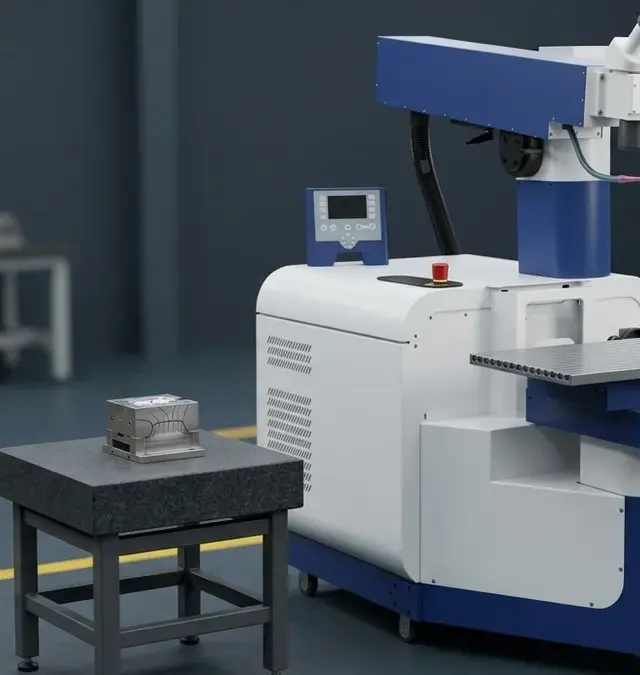
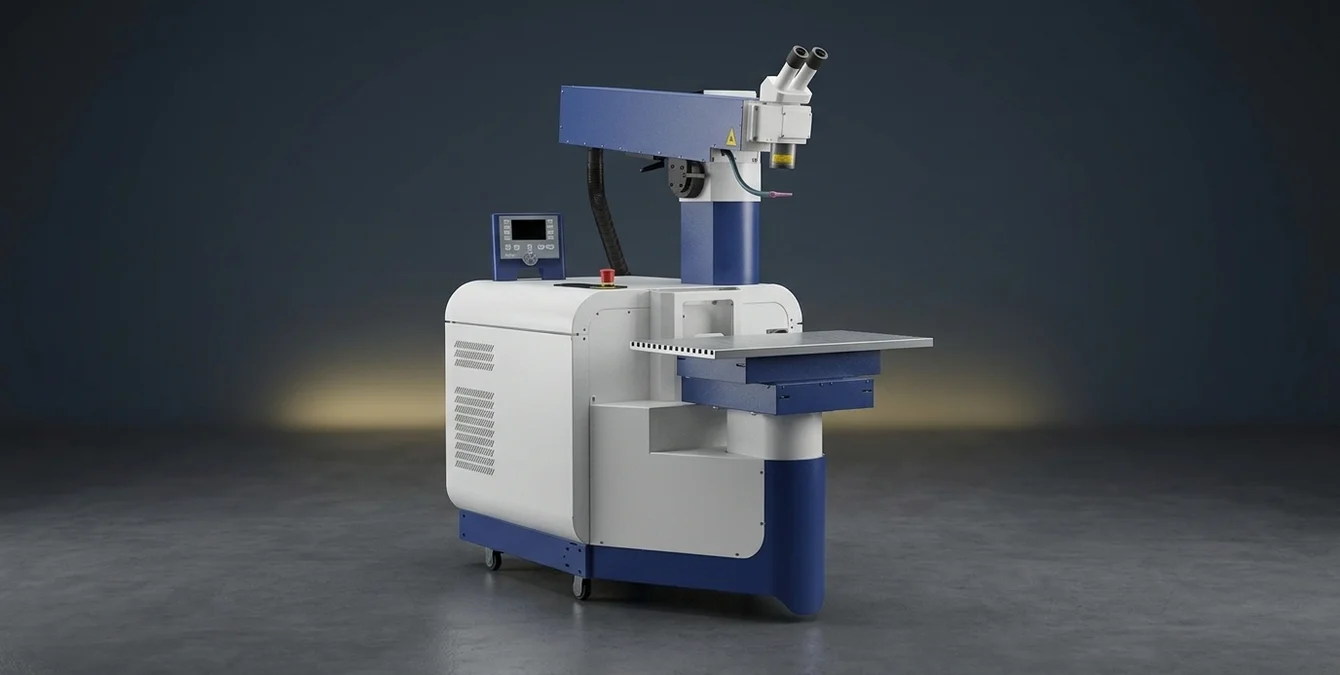
In the fast-paced world of industrial manufacturing, maintaining the integrity and precision of molds is paramount. Laser welding machines, such as those from Sigma Laser, provide a cutting-edge solution for mold repair. These machines offer significant advantages in precision, efficiency, and reduced heat impact, contributing to improved mold longevity and quality.
Precision and Accuracy
One of the foremost benefits of using a laser welding machine for mold repair is its unparalleled precision. Sigma Laser’s Super Pulse Technology (SPT) allows for meticulous control over the welding process, ensuring minimal material distortion. This technology is ideal for intricate mold geometries, providing repeatable accuracy that meets the high standards of ISO 9001 and DIN EN ISO 14732. The Swivel Optics with Telescopic Lens further enhances precision, enabling engineers to focus the laser beam precisely on the repair site, reducing the need for extensive post-weld machining.
Typically, these systems operate with laser powers ranging from 100W to 500W, with wavelengths around 1064 nm, suitable for a variety of materials including tool steels (e.g., AISI P20, H13) and aluminum alloys. The beam quality, often with an M² value below 1.2, ensures a focused spot size down to 0.2 mm, allowing for welding tolerances as tight as ±0.05 mm. This precision is crucial for maintaining the dimensional accuracy of complex mold features.
Efficiency and Speed
Efficiency is critical in mold repair operations, and laser welding machines excel in this area. By employing the Simass Base Unit and Motor-driven Turning Device, these systems facilitate rapid setup and operation. The ability to perform high-quality welds quickly reduces downtime and increases throughput. Moreover, technologies like the Swivelling Y Axis and Z-Axis Module allow for seamless access to complex mold surfaces, streamlining the repair process and minimizing production halts.
Welding speeds can reach up to 10 mm/s, depending on the material and thickness, with penetration depths typically ranging from 0.1 mm to 2 mm. These parameters are optimized to ensure minimal distortion and maximum efficiency, adhering to the guidelines set forth in DIN EN ISO 4063:2011 for laser welding processes.
Reduced Heat Impact
Traditional welding methods often introduce significant heat into the mold, causing thermal distortion and potential damage. In contrast, Sigma Laser’s precision laser welding machines deliver a concentrated energy input that minimizes heat-affected zones. This reduced thermal impact not only preserves the structural integrity of the mold but also extends its operational lifespan. As a result, manufacturers achieve a higher quality end product with fewer defects and less material wastage.
The heat-affected zone (HAZ) is typically confined to less than 0.5 mm from the weld seam, significantly reducing the risk of thermal stress-induced cracking.
In conclusion, the application of laser welding machines for mold repair represents a significant advancement in mold repair technology. By leveraging precision, efficiency, and reduced heat impact, these machines ensure optimal mold performance and durability, ultimately leading to enhanced production quality and efficiency in European industrial markets.
| Factor | Laser Welding | TIG Welding |
|---|---|---|
| Precision | Pinpoint accuracy; tolerances within ±0.01 mm; minimal heat input | Good, but higher risk of thermal distortion and misalignment |
| Heat-Affected Zone (HAZ) | <0.5 mm (minimal thermal impact) | Larger HAZ; greater risk of thermal distortion |
| Material Compatibility | Effective with hardened steels, aluminum, copper alloys | Versatile, but may require more preparation for specialized alloys |
| Speed & Efficiency | Rapid setup and operation; reduced downtime | Slower, more manual intervention required |
| Ease of Use | Automated, less dependent on operator skill | Manual skill required; less automation |
All figures are general process values, not attributed to a specific Sigma Laser model.
How Does Laser Welding Compare to TIG Welding for Molds?
In the realm of mold repair, choosing the right welding technology is vital for maintaining precision and functionality. Laser welding machines, like those from Sigma Laser, offer a cutting-edge solution for mold repair, presenting distinct advantages over traditional TIG welding. This comparison will explore key factors including precision, heat distortion, material compatibility, and ease of use.
Precision and Heat Distortion
Precision is crucial in mold repair, where even minor deviations can impact the final product. Laser welding machines, especially those with Sigma Laser’s Super Pulse Technology (SPT), excel in delivering pinpoint accuracy. The focused laser beam allows for minimal heat input, reducing the risk of thermal distortion. In contrast, TIG welding, while versatile, often introduces higher levels of heat, leading to greater thermal distortion and potential misalignment of the mold components.
Laser systems typically operate within a power range of 50 to 500 watts, with a wavelength commonly around 1064 nm for Nd:YAG lasers, which are frequently used in precision applications. The beam quality, characterized by an M² value close to 1, ensures high precision and minimal heat-affected zones (HAZ), often less than 0.5 mm. This precision is crucial for maintaining tolerances within ±0.01 mm, a common requirement in high-precision mold repair.
Material Compatibility
The ability to work with diverse materials is essential in mold repair technology. Laser welding machines demonstrate superior adaptability, effectively handling a wide range of materials including hardened steels, aluminum, and copper alloys. The precision and control offered by laser welding minimize the risk of metallurgical inconsistencies. TIG welding, although capable of working with various metals, requires more extensive preparation and may not achieve the same level of consistency in specialized applications.
Laser welding is particularly effective with tool steels such as AISI H13 and P20, as well as aluminum alloys like 6061 and 7075, which are commonly used in mold manufacturing. The process adheres to standards such as ISO 15614-11:2002, which governs the qualification of welding procedures for metallic materials, ensuring high-quality results.
Ease of Use
From an operational standpoint, the ease of use of laser welding machines is a significant advantage. Systems like Sigma Laser’s Sidanus Light and Sirius Light are engineered with user-friendly interfaces and advanced features such as the Swivel Optics with Telescopic Lens, enhancing operator control and reducing setup time. TIG welding, while a staple in many industries, necessitates more skill and experience, potentially increasing training costs and the likelihood of operator error.
The intuitive controls and automation capabilities reduce the learning curve, making it easier for operators to achieve consistent results.
In conclusion, for manufacturing engineers and technical buyers considering mold repair options, laser welding machines offer a compelling alternative to TIG welding. The precision, material compatibility, and ease of use provided by Sigma Laser’s advanced systems position them as a superior choice for maintaining mold integrity and performance.
| Parameter | Typical Value / Range |
|---|---|
| Laser Power | 100–500 W |
| Wavelength | 1064 nm |
| Beam Quality (M²) | <1.2 |
| Focus Spot Size | Down to 0.2 mm |
| Welding Tolerance | ±0.05 mm |
| Welding Speed | Up to 10 mm/s |
| Penetration Depth | 0.1–2 mm |
| Heat-Affected Zone | <0.5 mm |
Parameters are general for laser welding in mold repair, not specific to any Sigma Laser model.
Which Laser Welding Machines Are Best for Mold Repair?
In the precision-driven world of mold repair, selecting the right laser welding machine is crucial for welding engineers aiming to achieve exacting standards and high-quality results. Laser welding machines offer unparalleled control and precision, making them ideal for repairing intricate mold components without compromising the integrity of the original design. As technological advancements continue to evolve, Sigma Laser leads the charge with cutting-edge solutions designed specifically for mold repair applications.
Top Laser Welding Machine Models
When it comes to laser welding machines for mold repair, several models stand out for their exceptional performance and reliability. Here are some of the top choices:
- Sidanus Light: This model is renowned for its compact design and ease of use, making it perfect for delicate mold repair tasks. It typically operates within a power range of 50 to 200 watts, offering a wavelength of 1064 nm, which is optimal for precision welding of tool steels and other common mold materials.
- Sirius Light: With its advanced Super Pulse Technology (SPT), the Sirius Light offers precision control for intricate welding operations. It features a beam quality M² of less than 1.2, ensuring high precision and minimal heat-affected zones, critical for maintaining mold integrity.
- Siega Fibre: Known for its high-strength fiber laser source, the Siega Fibre delivers consistent power and efficiency in demanding repair scenarios. It supports welding speeds up to 5 mm/s with penetration depths typically reaching 0.5 mm in standard mold steels.
- Sidanus Fibre: This machine combines fiber laser technology with user-friendly interfaces, ideal for both novice and experienced technicians. It is compatible with a variety of materials, including stainless steel (AISI 304, 316), and aluminum alloys (6061, 7075), commonly used in mold manufacturing.
Key Features and Specifications
Understanding the key features and technical specifications is essential for making an informed decision:
- Super Pulse Technology (SPT): Provides enhanced control over energy delivery, ensuring precise welds on sensitive mold materials. The technology allows for pulse durations as short as 0.1 ms, reducing thermal distortion.
- Swivel Optics: Offers a flexible approach to accessing difficult-to-reach areas within molds, increasing operational versatility. The optics can be adjusted to a focal length of up to 150 mm, accommodating various mold geometries.
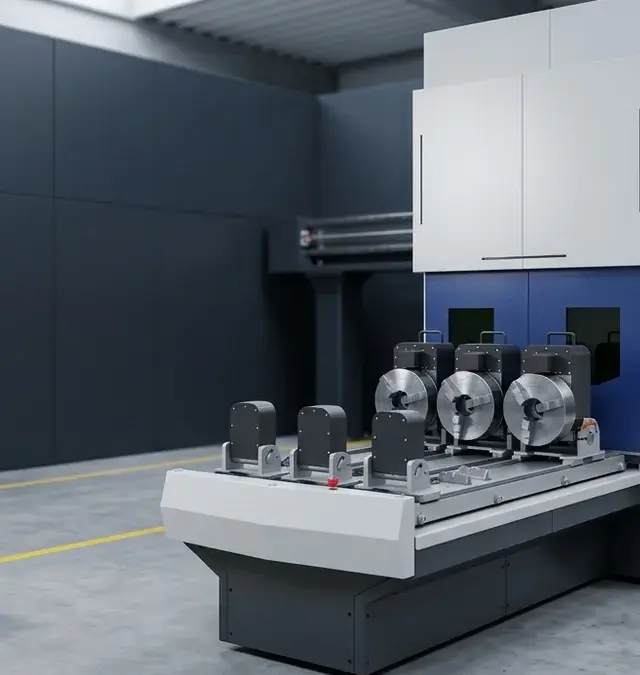
- Motor-driven Turning Device: Facilitates the manipulation of molds during the welding process, improving accuracy and efficiency. Tolerances are typically maintained within ±0.05 mm, ensuring consistent weld quality.
- Compliance with Standards: All Sigma Laser machines comply with ISO 9001, DIN EN ISO 14732, and ISO 3834 standards, ensuring top-notch quality and safety.
User Feedback and Reviews
Industry professionals and welding engineers have positively reviewed Sigma Laser’s range of laser welding machines for mold repair. Users commonly highlight the following:
- Precision and Control: Many engineers have praised the machines for their ability to deliver precise welds, crucial for maintaining mold integrity. The repeatability of these machines is typically within ±0.02 mm, which is essential for high-precision applications.
- Reliability and Durability: The robust construction of Sigma Laser machines ensures long-term reliability, reducing downtime and maintenance costs. These machines are designed to operate continuously for up to 10,000 hours, depending on usage and maintenance.
- Ease of Use: The intuitive interface and advanced features make these machines accessible for operators with varying levels of expertise. Training programs aligned with Laser Institute of America guidelines are available for operators to enhance their skills.
- Product Support: Sigma Laser’s customer service and technical support are highly commended for their responsiveness and expertise. Support teams are trained to handle complex technical queries, ensuring minimal disruption to operations.
In conclusion, selecting a laser welding machine for mold repair involves careful consideration of the machine’s capabilities, features, and user feedback. Sigma Laser offers a range of solutions that meet the stringent demands of precision mold repair, ensuring that welding engineers can achieve superior results in their projects.
Can Laser Welding Save Costs in Mold Repair?
In the realm of industrial manufacturing, the precision and efficiency of a laser welding machine for mold repair have become indispensable. This advanced technology, particularly as engineered by Sigma Laser, offers significant cost-saving advantages by reducing material waste, minimizing downtime, and extending the operational life of molds. Understanding these benefits is crucial for welding engineers looking to optimize production processes.
Reducing Material Waste
Laser welding machines, such as those featuring Sigma Laser’s Super Pulse Technology (SPT), allow for pinpoint accuracy in mold repair. This precision reduces the need for excessive filler material, cutting material costs and improving repair quality. The enhanced precision provided by technologies like Swivel Optics with Telescopic Lens ensures that only the necessary areas of the mold are targeted, minimizing waste and promoting sustainable practices within manufacturing environments.
Typically, laser welding systems for mold repair operate with power outputs ranging from 50 to 500 watts, allowing for fine control over the weld bead size and penetration depth. The beam quality, often expressed as M², is crucial for achieving the desired focus and is typically maintained below 1.5 for high precision applications. This ensures minimal heat-affected zones (HAZ), reducing thermal distortion and preserving the integrity of the mold’s surface.
Minimizing Downtime
Downtime can be a major cost driver in manufacturing. The use of a high-performance laser welding machine, such as the Sineo Fibre from Sigma Laser, accelerates the repair process. By significantly reducing the time required for mold servicing, production lines can resume operations swiftly. The integration of Motor-driven Turning Device and Swivelling Y Axis facilitates seamless handling of complex mold geometries, enhancing operational efficiency and minimizing costly delays.
Laser welding systems typically achieve welding speeds of up to 5 meters per minute, depending on the material and thickness, which is particularly beneficial for high-volume production environments. The precision of these systems allows for repeatability within ±0.01 mm, ensuring consistent quality across multiple repair cycles.
Case Studies of Cost Savings
Consider a European automotive parts manufacturer who adopted the Sigomatic Pro for their mold repair operations. Before implementing this technology, the company faced frequent production halts due to mold wear and tear. With the precision laser welding capabilities of Sigma Laser, they reported a 30% reduction in repair-related downtime and a 20% decrease in material costs. Another example includes a leading packaging firm that utilized the Simass Rotate to extend the lifecycle of their molds, witnessing a notable boost in productivity and a reduction in maintenance expenses.
In conclusion, investing in a sophisticated laser welding machine for mold repair can lead to substantial cost savings, improved efficiency, and enhanced product quality. Sigma Laser offers a suite of solutions tailored to the demanding needs of the industrial sector, ensuring that your operations remain competitive and cost-effective.
Why Choose Laser Welding Over Traditional Methods?
In the industrial landscape, selecting the right welding technique can significantly impact the quality and efficiency of manufacturing processes. Sigma Laser’s advanced laser welding machines, engineered for precision and reliability, offer substantial advantages over traditional welding methods like TIG and MIG. Here’s why laser welding, especially in mold repair applications, is increasingly favored by welding engineers.
Precision and Quality Improvements
Laser welding stands out for its exceptional precision, enabling intricate welds with minimal heat-affected zones. Unlike TIG and MIG, which can introduce distortions due to excessive heat, laser welding machines allow for precise energy control. This results in cleaner welds and reduced post-processing, making laser welding the ideal choice for mold repair technology where tolerance and surface finish are critical.
Typical laser welding systems operate with power outputs ranging from 100 W to 6 kW, with wavelengths commonly around 1064 nm for Nd:YAG lasers, providing excellent control over penetration depth, which can be as precise as ±0.1 mm. The beam quality, often characterized by an M² value of less than 1.5, ensures high precision in focusing, crucial for maintaining dimensional tolerances within ±0.05 mm.
Materials such as tool steels (e.g., AISI H13, D2) and aluminum alloys (e.g., 6061, 7075) are commonly processed, with the ability to handle thicknesses from 0.1 mm to 10 mm, adhering to standards like ISO 15614-11:2002 for qualification of welding procedures.
Speed and Efficiency
Efficiency is paramount in industrial operations, and laser welding excels in this regard. The concentrated laser beam can achieve higher welding speeds compared to TIG and MIG, resulting in faster production cycles. For applications like mold repair, this speed not only reduces downtime but also enhances throughput, enabling manufacturers to meet tight deadlines without compromising on quality.
Typical welding speeds can range from 0.5 m/min to 5 m/min, depending on material and thickness, with penetration depths reaching up to 3 mm in a single pass. The reduced heat input minimizes the heat-affected zone to less than 0.5 mm, preserving the mechanical properties of the base material.
Overall Benefits
- Reduced Thermal Distortion: The precision of laser welding minimizes thermal distortion, preserving the integrity of the component.
- Versatility: Laser welding machines, such as those featuring Sigma Laser’s Super Pulse Technology (SPT), are versatile enough to handle various materials and thicknesses, essential for complex industrial tasks.
- Automation Compatibility: Sigma Laser’s machines integrate seamlessly with automated systems, utilizing innovations like the Swivelling Y Axis and Motor-driven Turning Device for enhanced operational efficiency.
For manufacturing engineers considering mold repair solutions, choosing a laser welding machine from Sigma Laser promises precision, efficiency, and superior quality, ensuring compliance with stringent industry standards like ISO 9001 and DIN EN ISO 14732.

Frequently Asked Questions
What are the benefits of laser welding for mold repair?
Laser welding offers precision and control, minimizing heat-affected zones and reducing thermal distortion in molds. This precision enhances the longevity of molds by preserving their integrity and reducing the need for post-weld machining. Additionally, laser welding is highly efficient, allowing for faster repairs and minimal downtime.
How does laser welding compare to TIG welding for molds?
Laser welding provides superior precision over TIG welding, making it ideal for intricate mold repairs. It produces less heat, reducing the risk of warping and preserving the mold’s original properties. TIG welding, while versatile, often requires more extensive post-processing due to larger heat-affected zones.
Can laser welding be used on all types of mold materials?
Laser welding is compatible with a wide range of materials, including tool steels, aluminum, and copper alloys commonly used in molds. The process can be tailored to match the specific thermal and physical properties of different materials, ensuring optimal bonding and minimal thermal distortion.
What is the typical turnaround time for mold repair using laser welding?
Turnaround time for laser welding mold repair is generally faster than traditional methods, often completed within a few hours to a couple of days, depending on the complexity and extent of the damage. This efficiency reduces production downtime significantly.
Is laser welding suitable for repairing large molds?
Laser welding is effective for both small and large molds. The process can be scaled to accommodate various sizes, with robotic systems enabling precise welding over large surfaces. This versatility makes it an excellent choice for large-scale industrial applications.
What safety precautions are necessary when using laser welding for mold repair?
Operators should wear appropriate personal protective equipment, including laser safety goggles, and ensure that the work area is equipped with proper ventilation. Additionally, using enclosures or barriers can help contain laser radiation and protect personnel from exposure.
Sources
- ISO 15614-11:2002 — Specification and qualification of welding procedures for metallic materials – Part 11: Laser beam welding
- DIN EN ISO 4063:2011 — Welding and allied processes – Nomenclature of processes and reference numbers
- Laser Institute of America — An authoritative body providing resources and standards for laser safety and applications.
- ASM International — A materials information society that provides resources and standards for materials and processes, including laser welding.
- Journal of Laser Applications — A peer-reviewed journal covering the latest research in laser applications, including welding technologies.
- Welding Journal — Published by the American Welding Society, this journal covers advancements in welding technology.