
- Key Takeaways
- Introduction to Laser Welding Technology
- Basic Mechanisms of Laser Welding
- Historical Development of Laser Welding
- Foundational Systems in Laser Welding
- Types of Laser Sources
- Beam Delivery Mechanisms
- How Does Laser Welding Compare to Traditional Methods?
- Efficiency and Precision
- Material Compatibility
- Key Process Parameters in Laser Welding
- Power and Energy Density
- Speed and Feed Rates
- Focus Spot Size
- Process Control in Laser Welding
- Sensors and Monitoring Techniques
- Adaptive Control Systems
- Optimization Techniques for Laser Welding
- Optimization Algorithms
- Parameter Adjustment Strategies
- Industrial Implementation of Laser Welding
- Integration into Production Lines
- Case Studies of Industrial Use
- Challenges and Best Practices in Laser Welding
- Overcoming Technical Barriers
- Ensuring Safety and Compliance
- Cost Analysis of Laser Welding Technology
- Initial Investment and Maintenance Costs
- Long-term Economic Benefits
- Frequently Asked Questions
- How does laser welding work?
- What are the advantages of laser welding over traditional methods?
- What materials can be welded using laser technology?
- What are the typical applications of laser welding in industry?
- How does laser welding ensure quality and consistency?
- What are the maintenance requirements for laser welding systems?
- How does laser welding impact production efficiency?
- Related Articles
- Sources
Key Takeaways
Laser welding technology is revolutionizing the field of welding with its precision and versatility. As welding engineers explore its potential, understanding its applications and inherent advantages and disadvantages becomes crucial for informed decision-making.
- Laser welding offers unparalleled precision, making it ideal for industries requiring high accuracy, such as aerospace and medical device manufacturing.
- The technology is highly adaptable, capable of welding a diverse range of materials including metals, plastics, and even dissimilar materials.
- One significant advantage is its ability to produce deep, narrow welds with minimal distortion, enhancing the structural integrity of the final product.
- Laser welding is a non-contact process, reducing contamination and wear on equipment, thus prolonging machine life and reducing maintenance costs.
- While initial setup costs can be high, the long-term benefits include increased production speeds and reduced labor costs, offering a compelling ROI.
- Challenges include the need for precise joint alignment and potential issues with reflective materials, which require careful consideration during the planning phase.
- Continuous advancements in laser technology are expanding its applications, promising further innovations and efficiencies in the future.
Understanding the intricacies of laser welding technology allows welding engineers to harness its full potential. Delve deeper into each subtopic to equip yourself with the knowledge needed to leverage this cutting-edge technology effectively.
Introduction to Laser Welding Technology
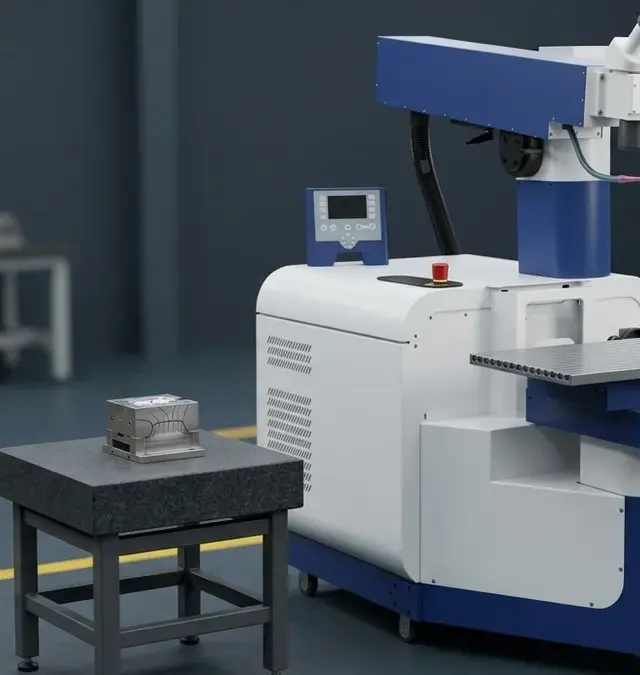
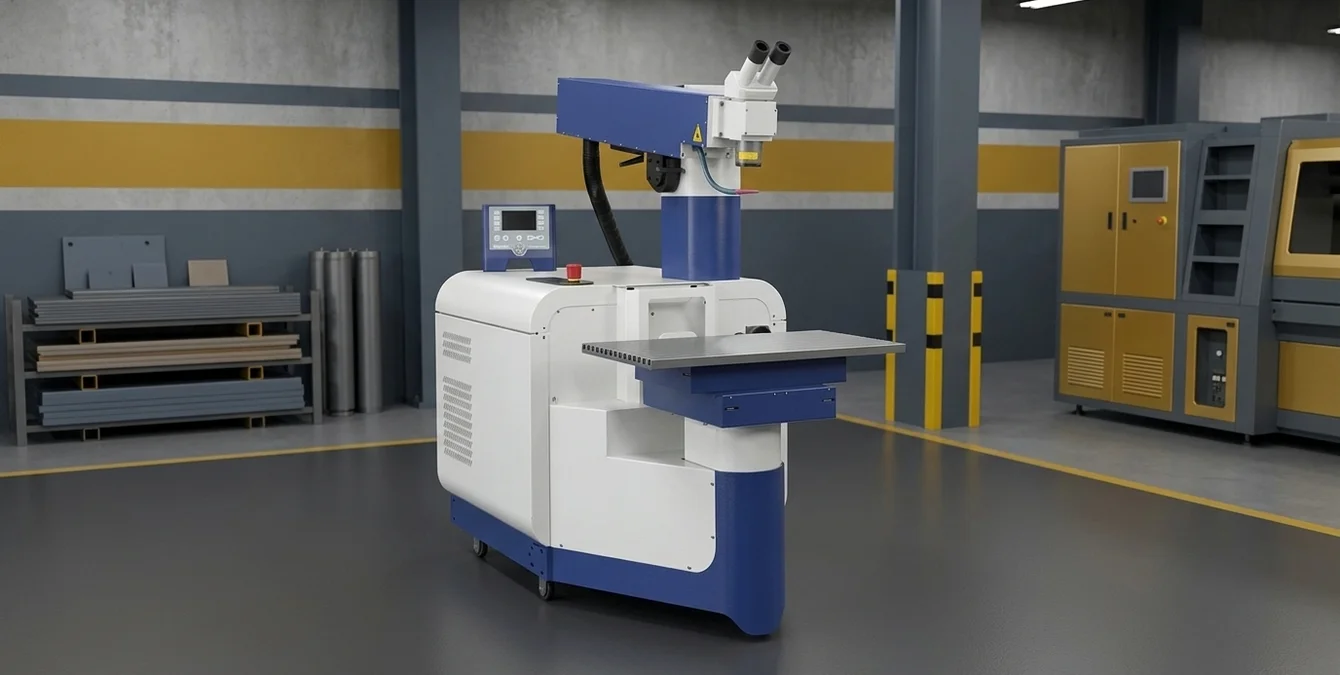
In the realm of advanced manufacturing, laser welding technology has emerged as a pivotal solution for precision joining applications. Employed in industries ranging from automotive to aerospace, laser welding offers unparalleled accuracy and efficiency. Sigma Laser offers a portfolio of advanced laser welding systems, with distinct models such as the Sidanus Light (stationary) and Sirius Light (heavy-duty mobile), each engineered to meet rigorous industrial demands.
Basic Mechanisms of Laser Welding
At its core, laser welding technology utilizes a concentrated beam of light to generate sufficient heat for melting and fusing materials. This process begins with the absorption of laser energy, resulting in localized heating. The high-intensity light beam, often generated by fiber lasers or Nd:YAG lasers, allows for deep penetration and high welding speeds. The precision of this method enables intricate welding patterns without affecting surrounding materials, thus minimizing thermal distortion.
Typically, laser systems operate within power ranges from 500 watts to several kilowatts, with wavelengths around 1064 nm for Nd:YAG lasers and 1070 nm for fiber lasers. Beam quality, often characterized by an M² value close to 1, ensures high precision and focusability, which is crucial for achieving penetration depths up to 10 mm in steel and 5 mm in aluminum alloys.
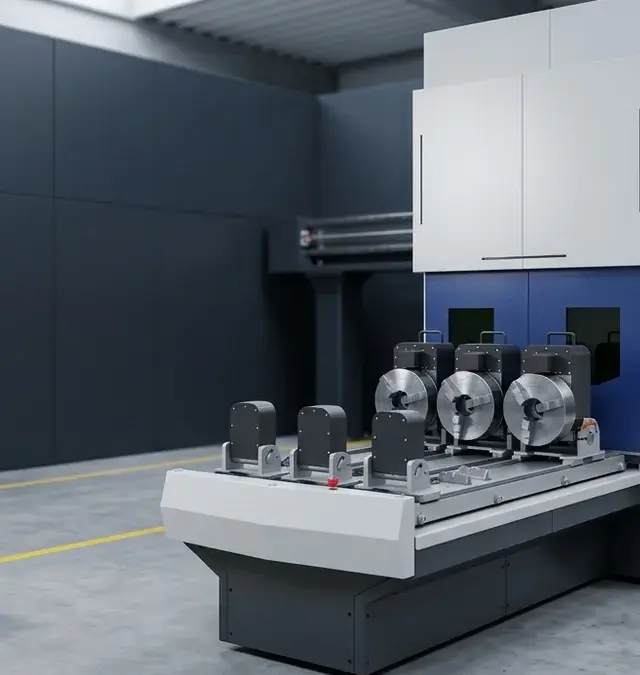
Laser welding systems, such as Sigma Laser’s Sineo Fibre and Siega Fibre, are engineered for precision, CNC-controlled automated applications. The integration of technologies like Swivel Optics and Super Pulse Technology (SPT) further enhances the adaptability of these systems across various industrial settings. With components like the Motor-driven Turning Device and Swivelling Y Axis, complex geometries can be addressed with precision and repeatability.
These systems typically achieve welding speeds of up to 10 m/min, with a heat-affected zone (HAZ) that is minimal, often less than 0.5 mm, depending on material and process parameters. The precision and repeatability of laser welding are maintained within tolerances of ±0.1 mm, making it suitable for high-precision applications.
Historical Development of Laser Welding
The evolution of laser welding technology traces back to the mid-20th century, a period marked by significant breakthroughs in laser development. Initially, laser welding was limited to small-scale applications due to technical constraints and high costs. However, advancements in laser sources and optics have expanded its utility across a multitude of industries.
Today, laser welding technology is governed by standards such as ISO 9001 and DIN EN ISO 4063, ensuring quality and safety in its application. Additionally, standards like ISO 15614-11:2002 provide guidelines for the qualification of welding procedures, ensuring that the processes meet stringent quality requirements. The competitive landscape includes major players like Trumpf and IPG Photonics, but Sigma Laser distinguishes itself through innovation and precision engineering.
Industrially, laser welding is indispensable in the automotive sector for applications like body-in-white assembly, where high-speed and high-precision welding are crucial. In aerospace, the technology is vital for fabricating lightweight structures. The electronics industry also leverages laser welding for its ability to create small, precise welds in delicate components.
- Automotive: Body panels, exhaust systems, and gear components.
- Aerospace: Engine components, fuel systems, and structural assemblies.
- Electronics: Circuit boards, micro-sensors, and connectors.
As industries continue to demand higher performance and efficiency, laser welding technology, supported by comprehensive systems like those from Sigma Laser, remains at the forefront of innovative manufacturing solutions.
Foundational Systems in Laser Welding
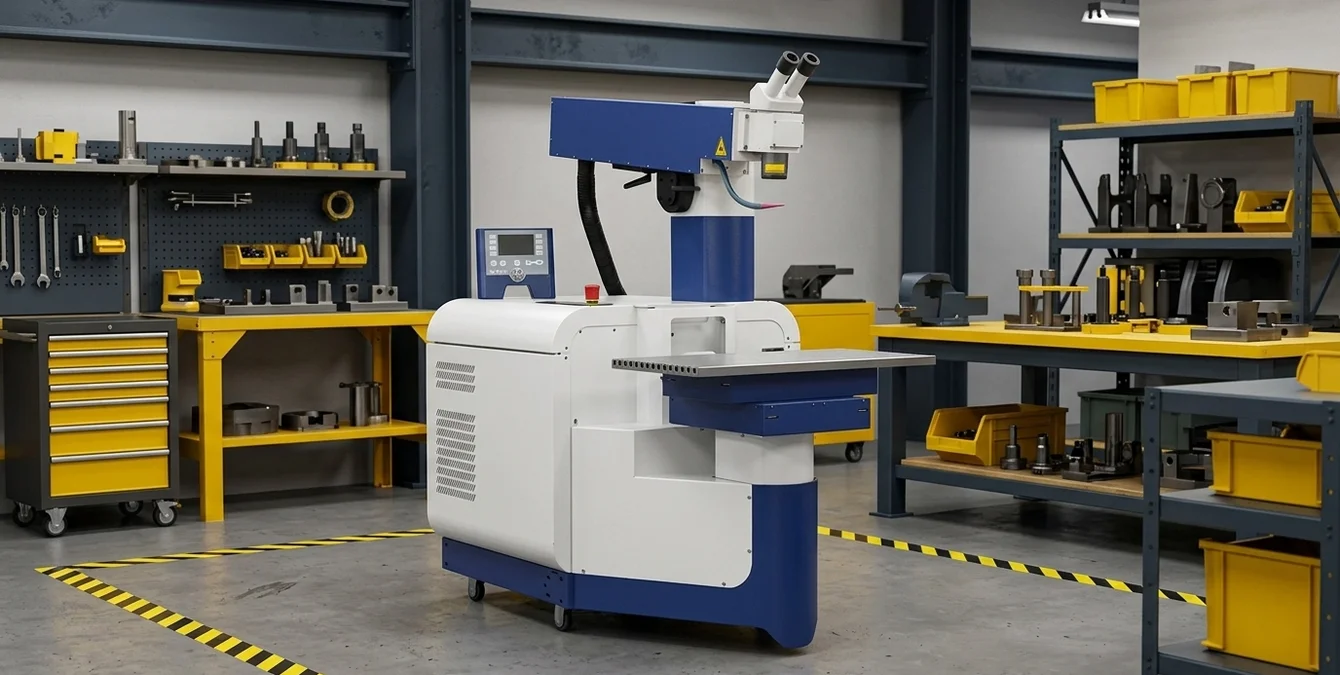
Laser welding technology is a cornerstone of precision manufacturing, offering unmatched accuracy and efficiency. Sigma Laser’s systems are engineered to meet the rigorous demands of modern industrial applications, integrating cutting-edge components that ensure optimal performance. Understanding the foundational systems involved in laser welding is crucial for welding engineers looking to enhance production capabilities and achieve superior joint quality.
| Laser Type | Typical Wavelength | Power Output | Key Advantages | Common Applications |
|---|---|---|---|---|
| Fibre Laser | 1070 nm | Up to 600 W | High beam quality (M² < 1.5), energy efficient, ideal for automation | Stainless steel, aluminum alloys, high-volume production |
| Nd:YAG Laser | 1064 nm | Up to 500 W (average), kilowatt-range peak (pulsed) | Versatile, effective for reflective metals, pulsed operation | Titanium, nickel-based alloys, precision welding |
Values reflect general ranges and attributes as described in the article; not attributed to specific Sigma Laser models.
Types of Laser Sources
The choice of laser source is critical in determining the efficiency and effectiveness of laser welding systems. Sigma Laser provides a range of solutions tailored to specific industrial needs:
- Fiber Lasers: With models like Siega Fibre and Sidanus Fibre, fiber lasers offer high beam quality (M² typically < 1.5) and energy efficiency, making them ideal for high-volume automated laser welding processes. These lasers typically operate at wavelengths around 1070 nm with power outputs of up to 600 W, suitable for materials like stainless steel and aluminum alloys.
- Nd:YAG Lasers: The Sidanus Light and Sineo Light systems utilize Nd:YAG lasers, known for their versatility in welding reflective metals and compatibility with pulsed operation only. Operating at a wavelength of 1064 nm, these lasers deliver average power up to 500 W, with peak power in the kilowatt range during pulsed operation, making them effective for precision welding of titanium and nickel-based alloys.
These laser sources are pivotal in addressing diverse material challenges while ensuring compliance with standards such as ISO 9001 and DIN EN ISO 4063. The systems are designed to achieve weld penetration depths typically up to 10 mm, with welding speeds ranging from 1 to 10 m/min depending on material and thickness.
Beam Delivery Mechanisms
Effective beam delivery is essential for maintaining precision and consistency in laser welding technology. Sigma Laser integrates advanced beam delivery systems to accommodate various industrial applications:
- Swivel Optics: Utilizing Swivel Optics with Telescopic Lens, these mechanisms provide flexibility and accuracy, crucial for complex geometries and intricate weld paths. These systems typically maintain a focal length range of 100 to 300 mm, allowing for precise beam focus adjustments.
- Motor-driven Turning Device: This device enhances the adaptability of laser welding systems, allowing for seamless operation across multi-axis setups, thereby improving productivity in automated environments. Repeatability in positioning is typically within ±0.01 mm, ensuring high precision.
- Z-Axis Module: Offering precise control over beam focus and alignment, the Z-Axis Module is vital for applications requiring fine-tuned adjustments, such as micro-welding tasks. These modules often support a travel range of up to 50 mm with positioning accuracy of ±0.02 mm.
Incorporating these beam delivery mechanisms ensures that Sigma Laser systems maintain high precision and repeatability, which are essential for industries seeking to streamline processes and uphold stringent quality standards such as ISO 3834. Additionally, these systems are designed to minimize the heat-affected zone (HAZ), typically maintaining a width of less than 0.5 mm in thin section materials.
In conclusion, understanding the components of laser welding systems is imperative for manufacturing engineers who aim to leverage this technology for enhanced production efficiency and quality. Sigma Laser’s solutions are engineered to support the evolving needs of European industrial markets, providing reliable and adaptable systems for a wide range of applications.
How Does Laser Welding Compare to Traditional Methods?
In industrial manufacturing, welding technology is crucial for ensuring the structural integrity and precision of assembled components. As technology advances, laser welding, championed by brands like Sigma Laser, offers significant enhancements over traditional methods such as MIG, TIG, and arc welding. This section explores how laser welding measures up against these conventional techniques, focusing on efficiency, precision, and material compatibility.
| Parameter | Typical Value / Range | Impact on Welding |
|---|---|---|
| Power | 500 W to several kW | Determines penetration depth and speed |
| Wavelength | 1064 nm (Nd:YAG), 1070 nm (fibre) | Affects material absorption and weld quality |
| Welding Speed | Up to 10 m/min | Higher speeds enable high-volume production |
| Penetration Depth | Up to 10 mm (steel), 5 mm (aluminum) | Defines maximum joint thickness |
| Heat-Affected Zone (HAZ) | < 0.5 mm | Minimizes thermal distortion |
| Precision / Tolerance | ±0.1 mm | Enables high-precision applications |
All figures are general process values, not attributed to specific Sigma Laser models.
Efficiency and Precision
Laser welding technology provides unmatched efficiency and precision, making it a preferred choice in high-stakes manufacturing environments. The core advantage of laser welding systems is their ability to deliver concentrated heat with minimal thermal distortion, unlike traditional methods that often create significant heat-affected zones. This precision allows for the joining of intricate components without compromising their dimensional accuracy.
With the integration of automated laser welding systems, such as Sigma Laser’s Sidanus Light and Sirius Light, manufacturers achieve rapid production cycles with consistent quality. These systems are designed to handle complex geometries and fine details, which are challenging for manual welding techniques. Automated systems reduce human error, ensuring a higher level of repeatability and minimizing the need for post-weld processing.
In sectors like automotive and aerospace, where precision is paramount, laser welding ensures components meet rigorous standards of fit and finish, adhering to ISO 9001 and ISO 3834 certifications. The ability to maintain tight tolerances across large production runs underscores laser welding’s superiority in efficiency and precision.
Typical industrial laser specifications include power ranges from 500 W to 10 kW, wavelengths commonly around 1064 nm for Nd:YAG lasers, and beam quality M² values typically below 1.5, ensuring high focusability. Welding speeds can reach up to 10 m/min, with penetration depths varying depending on material thickness and laser power, typically achieving depths of up to 10 mm in steel. The minimized heat-affected zone is a critical advantage, often less than 1 mm, which is crucial for maintaining material properties and dimensional accuracy.
Material Compatibility
Another distinct advantage of laser welding is its broad material compatibility. While traditional methods often struggle with dissimilar materials, laser welding readily accommodates metals and alloys with varying melting points and thermal conductivities. This adaptability is crucial in industries such as electronics and medical device manufacturing, where materials like titanium, stainless steel, and aluminum are frequently used.
Advanced laser welding systems, including the Siega Fibre and Sineo Fibre models, utilize both fiber and Nd:YAG laser technologies to tailor welding settings according to specific material properties. This flexibility enables the seamless welding of thin sheets and delicate components, areas where traditional methods might falter due to excessive heat input or spatter.
Laser welding is compatible with a wide range of materials, including various steel grades such as 304 and 316 stainless steels, aluminum alloys like 6061 and 7075, and even challenging materials like Inconel and titanium alloys. This capability is supported by standards such as DIN EN ISO 4063:2010, which classifies laser welding processes and materials.
Moreover, laser welding’s ability to join dissimilar materials opens doors to innovative design and engineering solutions, enhancing product performance and longevity. As industries increasingly demand lightweight yet strong materials, laser welding technology provides the versatility required to meet these evolving challenges.
In conclusion, while traditional welding methods have their place, the precision, efficiency, and material versatility offered by laser welding technology make it an indispensable tool in modern manufacturing. Sigma Laser’s commitment to developing cutting-edge laser welding systems ensures that industries continue to benefit from advancements that drive productivity and innovation.
Key Process Parameters in Laser Welding
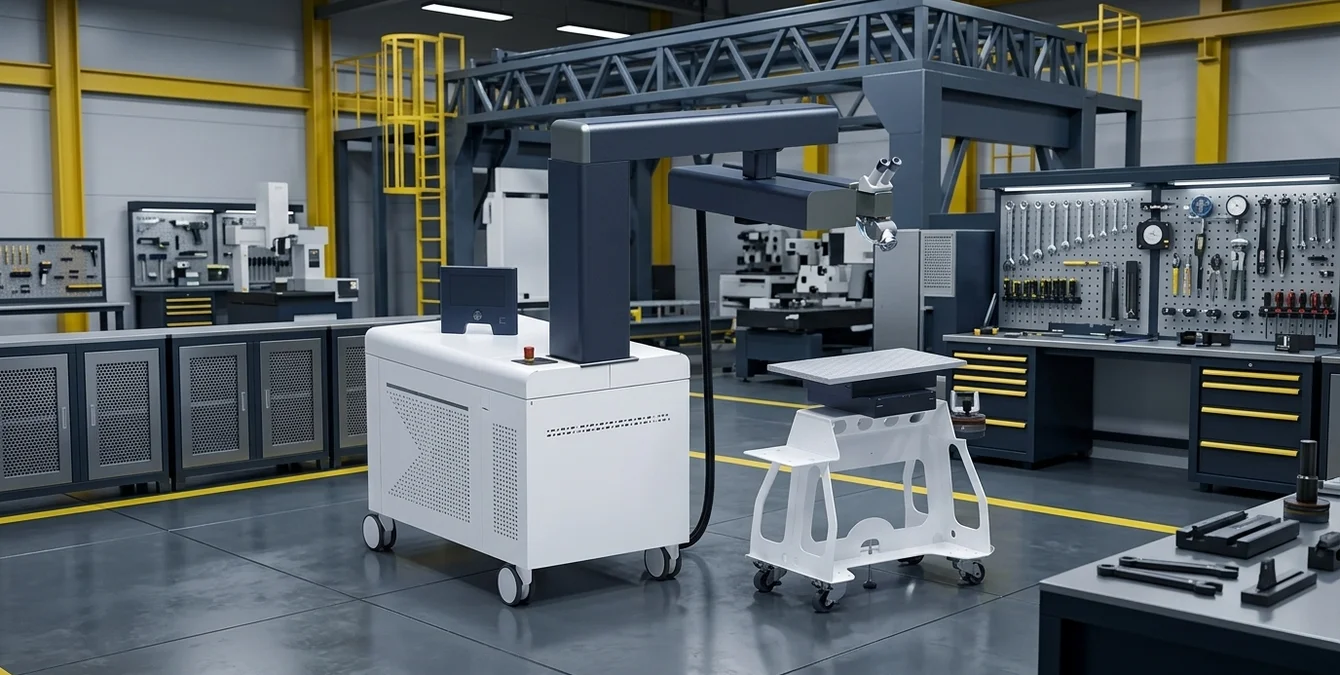
In the realm of precision manufacturing, laser welding technology stands as a pinnacle of modern engineering, offering unparalleled accuracy and efficiency. At Sigma Laser, our advanced laser welding systems are meticulously designed to optimize industrial welding operations. Understanding the critical parameters of laser welding is essential for achieving superior weld quality and operational efficiency. This section delves into the key process parameters that influence laser welding, focusing on essential factors such as power and energy density, speed and feed rates, and focus spot size.
Power and Energy Density
The power and energy density of a laser are fundamental parameters that directly impact weld penetration and overall quality. In laser welding systems, power refers to the rate of energy delivery to the material, while energy density is the concentration of energy over a specific area. Sigma Laser’s Sineo Fibre and Sidanus Fibre models offer robust energy outputs, ensuring deep penetration and minimal thermal distortion across various materials. By optimizing these parameters, welding engineers can achieve stronger and more precise welds, particularly in high-strength alloys and intricate assemblies.
Typically, industrial laser welding systems operate within a power range of 500 W to 10 kW, with a wavelength commonly around 1064 nm for fiber lasers. The beam quality, often characterized by an M² value, is crucial for focusing capabilities, with values typically less than 1.3 for high-precision applications. Energy densities can reach up to 10^6 W/cm², allowing for effective welding of materials such as stainless steel (e.g., AISI 304, 316), aluminum alloys (e.g., 6061, 7075), and titanium.
Speed and Feed Rates
Speed and feed rates are critical to maintaining a balance between productivity and weld integrity. The speed at which the laser traverses the material affects the heat input and, consequently, the microstructure of the weld zone. Sigma Laser’s automated laser welding solutions, such as the Simass Slide and Motor-driven Turning Device, allow for precise control over movement, enabling seamless integration into automated production lines. By adjusting the speed and feed rates, manufacturers can tailor the welding process to specific applications, from thin-gauge sheet metals to thicker structural components.
Welding speeds typically range from 0.5 to 5 meters per minute, depending on the material and thickness. For example, welding thin stainless steel sheets may require speeds closer to the upper range to minimize heat-affected zones (HAZ), which are typically kept under 1 mm to maintain material properties. The feed rate must also consider the thermal conductivity of the material, with aluminum requiring faster speeds due to its higher thermal conductivity compared to steel.
Focus Spot Size
The focus spot size of a laser beam is a crucial determinant of weld quality, influencing the concentration of energy and the precision of the weld seam. A smaller focus spot size increases the energy density, enabling finer welds with high aspect ratios. Sigma Laser’s Swivel Optics with Telescopic Lens technology provides flexibility in adjusting the focus spot size, catering to diverse industrial applications such as aerospace and automotive manufacturing. By fine-tuning this parameter, welding engineers can enhance precision and reduce the risk of defects, ensuring compliance with stringent standards like ISO 9001 and DIN EN ISO 4063.
Focus spot sizes can typically range from 0.1 mm to 0.6 mm, with smaller sizes used for precision applications requiring high aspect ratio welds. The choice of focal length, often between 100 mm and 200 mm, affects the depth of focus and spot size, with a shorter focal length providing a smaller spot size and higher precision. Tolerances in laser welding can achieve repeatability within ±0.05 mm, crucial for applications demanding high precision and consistency.
In conclusion, mastering the key process parameters in laser welding is vital for engineering teams aiming to leverage the full potential of laser welding technology. Sigma Laser continues to innovate, providing cutting-edge solutions that meet the evolving needs of European industrial markets, ensuring efficiency, reliability, and superior weld quality.
Process Control in Laser Welding
In the realm of precision manufacturing, controlling laser welding technology processes is vital for ensuring the quality and integrity of welds. This is especially true in industries where precision and strength are paramount, such as aerospace, automotive, and medical device manufacturing. Sigma Laser’s advanced laser welding systems, including the Sidanus Light and Siega Fibre, are designed to meet these exacting standards, offering robust solutions for diverse industrial applications.
These systems typically operate within a power range of 500W to 6kW, with wavelengths around 1064 nm for fiber lasers, which are optimal for high-reflectivity materials like aluminum and copper. The beam quality, often characterized by an M² value of less than 1.2, ensures precise energy delivery, crucial for achieving deep penetration welds with minimal heat-affected zones (HAZ), typically less than 0.5 mm in width.
Sensors and Monitoring Techniques
The deployment of sensors and monitoring techniques in laser welding systems is a critical component in achieving consistent weld quality. These technologies provide real-time data that can be used to adjust parameters on-the-fly, ensuring optimal performance. Common methods include:
- Optical Sensors: These sensors detect variations in light intensity during welding, which can indicate changes in weld penetration and surface quality. This is particularly useful in maintaining weld consistency across varying thicknesses and material types, such as stainless steel (ISO 15614-11:2002).
- Thermal Cameras: By monitoring heat distribution, thermal cameras help prevent overheating and ensure uniform welds. They are essential for maintaining a stable temperature profile, reducing the risk of thermal distortion in sensitive alloys.
- Acoustic Sensors: These sensors pick up sound waves emitted during welding, providing insights into the stability of the process. Acoustic monitoring can identify defects such as porosity or cracking, which are critical in applications requiring high structural integrity.
Incorporating these sensors into automated laser welding systems, like the Sidius Fibre, enhances process reliability and reduces the need for post-weld inspections, streamlining production and reducing costs.
Adaptive Control Systems
Adaptive control systems represent a leap forward in the control of laser welding technology. By utilizing algorithms that respond to sensor data in real-time, these systems autonomously adjust laser parameters such as power, speed, and focal position. This adaptability is crucial in maintaining consistent weld quality across varying materials and complex geometries.
For example, Sigma Laser’s Super Pulse Technology (SPT) allows for precise modulation of laser energy, making it ideal for materials sensitive to heat. The integration of Swivel Optics with a telescopic lens further enhances the system’s flexibility, allowing for complex welding tasks to be performed with ease. These systems typically achieve welding speeds of up to 10 m/min, with penetration depths reaching 5 mm in steel, depending on the material and thickness.
In practice, adaptive control systems are essential for applications that require high precision and repeatability, such as the production of components in the semiconductor industry or the fabrication of intricate medical devices. By employing these advanced control methods, manufacturers can achieve higher productivity and improve the overall efficiency of their operations. The systems’ repeatability is typically within ±0.1 mm, ensuring tight tolerances are consistently met.
As industries continue to demand higher quality and faster production times, the role of advanced process control in laser welding technology becomes increasingly pivotal. Sigma Laser remains at the forefront of this innovation, providing solutions that not only meet but exceed the rigorous demands of modern manufacturing.
Optimization Techniques for Laser Welding
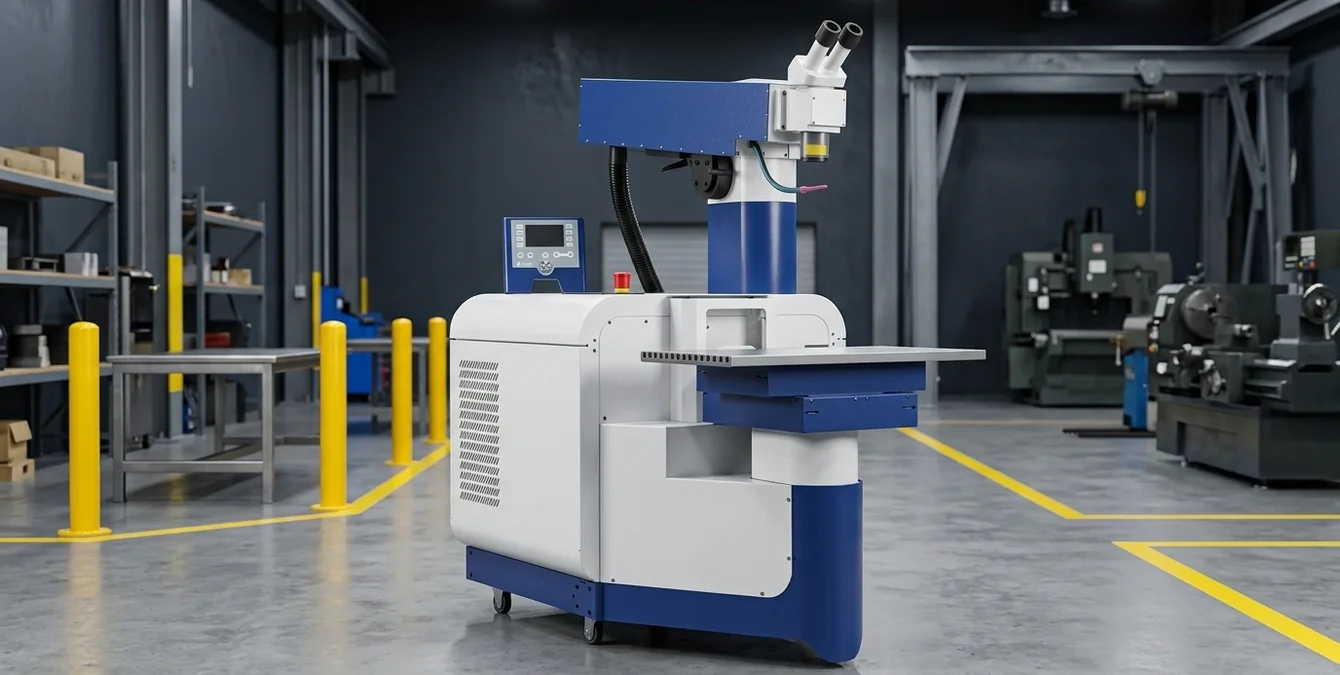
In the realm of industrial manufacturing, optimizing laser welding processes is crucial for enhancing both efficiency and quality. Sigma Laser’s innovations in laser welding technology offer a pathway to achieving superior welds while minimizing defects and production costs. Our advanced laser welding systems, such as the Sidanus Light and Siega Fibre, are engineered to meet the demanding requirements of modern manufacturing, offering precision and reliability across a variety of applications.
Optimization Algorithms
Optimization algorithms play a pivotal role in refining laser welding processes. By leveraging computational models, engineers can simulate and predict the outcomes of different welding scenarios. This enables the identification of optimal parameters that balance speed, penetration depth, and thermal input. For instance, the integration of real-time feedback systems with advanced algorithms allows for dynamic adjustments during welding, ensuring consistency and reducing the likelihood of defects.
Applications in the automotive and aerospace industries often require precision joins in complex geometries, where traditional welding techniques fall short. Here, automated laser welding systems equipped with our Simass Rotate and Swivel Optics technologies provide unparalleled flexibility and precision. These systems can be programmed to execute complex welding paths with high repeatability, optimizing cycle times and ensuring adherence to stringent quality standards such as ISO 9001 and DIN EN ISO 4063.
Laser welding systems, like those from Sigma Laser, typically operate within a power range of 500 W to 6 kW, with wavelengths around 1.064 µm for fiber lasers. Beam quality, often characterized by an M² value of less than 1.5, ensures high precision and minimal heat-affected zones, which are critical in maintaining the structural integrity of thin-walled components.
Parameter Adjustment Strategies
The adjustment of laser welding parameters is a fundamental strategy for optimization. Key parameters include laser power, welding speed, and focal position, each influencing the heat input and resultant weld quality. Engineers must consider the material properties and joint configurations to fine-tune these parameters effectively.
For example, in fiber laser welding applications, adjusting the laser power and speed in relation to material thickness can significantly impact the weld’s penetration and surface finish. Sigma Laser’s Super Pulse Technology (SPT) allows for precise control over pulse duration and intensity, providing engineers with the tools to tailor weld profiles for specific applications.
Additionally, the use of automated systems like the Sineo Light and Sineo Fibre, which incorporate features like the Motor-driven Turning Device and Swivelling Y Axis, facilitates seamless transitions between different welding tasks. This capability is particularly beneficial in industries such as electronics and medical device manufacturing, where component miniaturization and complex assemblies demand exceptional precision and adaptability.
Typical welding speeds range from 1 mm/s to 20 mm/s, depending on the material and thickness, while penetration depths can reach up to 10 mm in single-pass operations for materials like stainless steel and aluminum alloys. The precision of these systems is often within ±0.1 mm, ensuring high repeatability and adherence to design specifications.
In conclusion, the optimization of laser welding processes through advanced algorithms and parameter adjustments is essential for achieving high-quality, efficient production. By adopting state-of-the-art laser welding systems from Sigma Laser, manufacturing engineers can ensure their operations remain at the forefront of technological advancement, delivering superior results across diverse industrial applications.
Industrial Implementation of Laser Welding
Laser welding technology, renowned for its precision and efficiency, has become a pivotal component in modern industrial manufacturing. This technology employs concentrated laser beams to join materials with high accuracy, resulting in minimal thermal distortion and superior joint quality. In sectors ranging from automotive to aerospace, laser welding systems are integral to achieving high throughput and consistent quality.
Typical laser welding systems operate with power outputs ranging from 500 watts to 10 kilowatts, depending on the application. The wavelength of these lasers is often in the near-infrared range, around 1064 nm for Nd:YAG lasers, which are commonly used due to their ability to weld a wide variety of metals including stainless steel, aluminum alloys, and titanium. The beam quality, often quantified by the M² factor, typically ranges from 1.1 to 1.5, ensuring a high focusability for precision applications.
Integration into Production Lines
Seamlessly integrating laser welding systems into existing production lines requires a strategic approach. The flexibility of automated laser welding allows for adaptation to diverse manufacturing environments. Key considerations include:
- System Compatibility: Ensure the laser welding system, such as Sigma Laser’s Sidanus Light or Sineo Fibre, is compatible with current production technologies. Consider the laser’s focal length, typically ranging from 100 mm to 300 mm, to match the specific application requirements.
- Process Optimization: Utilize features like Super Pulse Technology (SPT) and Swivel Optics to tailor welding speeds and accuracy according to material properties. Welding speeds can vary from 1 mm/s to 100 mm/s, depending on the material thickness and desired penetration depth, which can reach up to 10 mm for thicker sections.
- Robust Automation: Incorporate automation components like the Simass Rotate and Simass Slide to enhance productivity and reduce cycle times. Typical repeatability in automated systems is within ±0.05 mm, ensuring consistent quality.
- Standards Compliance: Adhere to relevant standards such as ISO 9001 and DIN EN ISO 4063 to maintain quality and safety benchmarks.
This integration not only optimizes production efficiency but also reduces operational costs by minimizing material waste and decreasing cycle times. The heat-affected zone (HAZ) is typically minimized to less than 1 mm, preserving the mechanical properties of the base material.
Case Studies of Industrial Use
Successful implementation of laser welding technology across various industries highlights its versatility and impact:
- Automotive Industry: Leading manufacturers have integrated Sigma Laser’s Sirius Light systems for welding critical components like chassis and engine parts, improving structural integrity and reducing vehicle weight. The process typically involves welding high-strength steels with tolerances of ±0.1 mm to ensure precise assembly.
- Aerospace Sector: The adoption of Siega Fibre lasers in fabricating aircraft components has enhanced precision and reliability, crucial for meeting stringent aerospace standards such as ISO 15614-11:2002 for welding procedure qualification.
- Electronics Manufacturing: In the electronics sector, automated laser welding is employed for micro-welding applications, where the Sidanus Fibre offers unparalleled precision necessary for joining delicate components. The typical spot size for such applications can be as small as 50 micrometers, ensuring minimal thermal impact on sensitive electronics.
These case studies exemplify how Sigma Laser solutions contribute to innovation and efficiency, providing manufacturers with a competitive edge in their respective markets. As advancements in laser welding systems continue, industries can expect even greater integration and performance improvements.
Challenges and Best Practices in Laser Welding
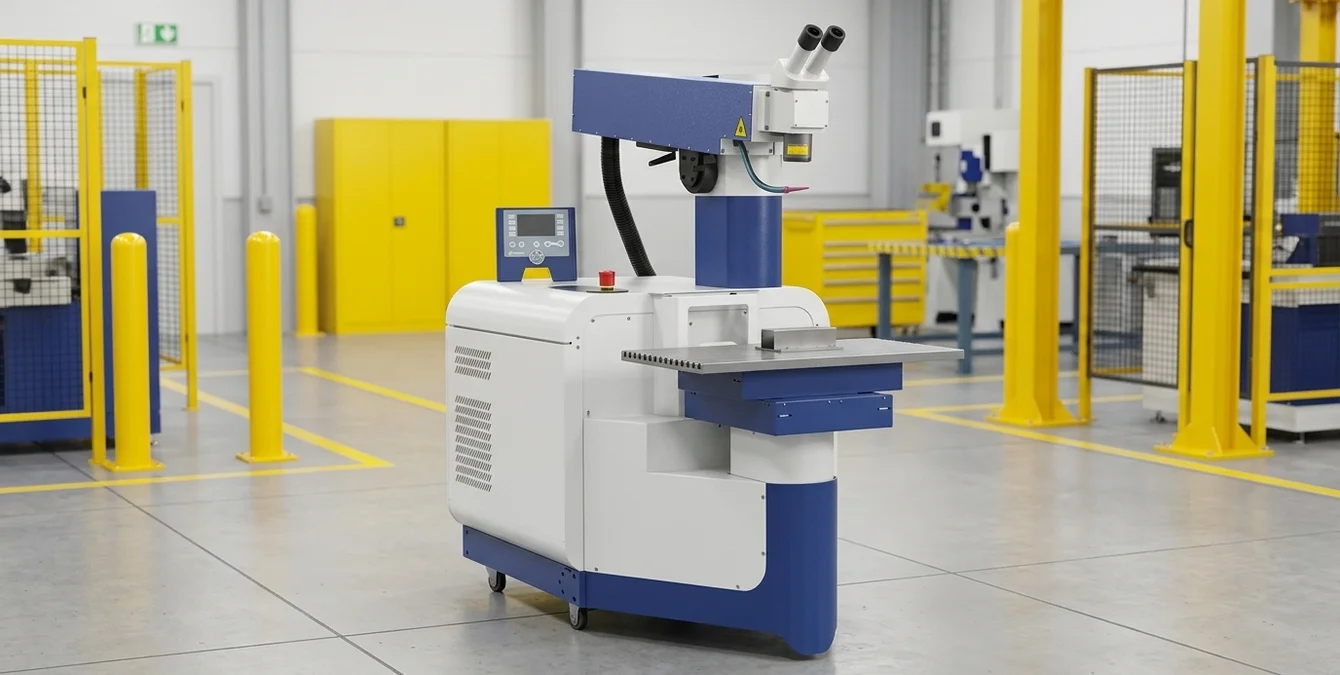
In the realm of modern manufacturing, laser welding technology stands out for its precision, speed, and adaptability. However, like any advanced engineering solution, it presents unique challenges that require a comprehensive understanding and strategic approach. This section addresses common issues faced in laser welding and outlines best practices to enhance efficiency and quality.
Overcoming Technical Barriers
Laser welding systems, such as those produced by Sigma Laser, are engineered to achieve high precision and repeatability. Despite this, technical barriers can arise, particularly in the integration of automated laser welding processes. Key challenges include:
- Material Compatibility: Different materials absorb laser energy variably, affecting weld quality. For instance, fiber laser welding is optimal for reflective metals like aluminum and copper, while Nd:YAG laser welding is suited for thicker sections. For example, aluminum alloys like 6061 and copper alloys such as C11000 can be effectively welded using fiber lasers due to their high absorption at wavelengths around 1070 nm.
- Thermal Distortion: Excessive heat input can lead to thermal distortion of components. Utilizing Super Pulse Technology (SPT) can mitigate this by delivering energy in controlled bursts. Typical pulse durations range from milliseconds to microseconds, allowing for precise control of heat input and minimizing the heat-affected zone (HAZ) to less than 1 mm in many applications.
- Precision Alignment: Maintaining precise alignment is crucial, especially in applications requiring intricate welds. The use of Sigma Laser’s Swivel Optics with Telescopic Lens provides enhanced control and accuracy. Beam quality, often quantified by the M² factor, should typically be less than 1.2 for high-precision applications, ensuring minimal divergence and optimal focus.
Implementing these solutions ensures that engineers can leverage the full potential of laser welding systems, optimizing production workflows and maintaining high-quality standards. Typical welding speeds can range from 1 m/min to 10 m/min, depending on material thickness and laser power, which can be up to 10 kW for industrial applications.
Ensuring Safety and Compliance
The integration of laser welding technology into industrial processes must adhere to rigorous safety and compliance standards. Ensuring workplace safety and regulatory compliance is paramount, particularly in European markets where standards such as ISO 9001, DIN EN ISO 4063, and ISO 3834 are prevalent. Best practices include:
- Safety Protocols: Implement comprehensive safety protocols, including protective equipment and training for operators to prevent exposure to laser radiation.
- Regular Maintenance: Conduct routine maintenance and calibration of laser welding systems like the Sidanus Light and Sineo Fibre to prevent malfunctions and ensure consistent performance. Maintenance should include alignment checks, lens cleaning, and power calibration, typically every 500 hours of operation or as specified by the manufacturer.
- Compliance Audits: Regularly conduct compliance audits to ensure all equipment and processes meet or exceed industry standards, facilitating both safety and operational efficiency. Audits should verify adherence to standards such as ISO 15614-11:2002 for welding procedure qualification.
By prioritizing safety and compliance, manufacturers can avoid costly disruptions and enhance their reputation for reliability and quality. Sigma Laser’s commitment to engineering excellence and adherence to global standards supports manufacturers in navigating these challenges effectively.
Cost Analysis of Laser Welding Technology
As manufacturing processes evolve, laser welding technology is increasingly recognized for its precision, efficiency, and cost-effectiveness in industrial applications. Sigma Laser’s advanced laser welding systems, such as the Sidanus Light and Siega Fibre, are engineered to meet the demands of high-volume production environments while ensuring compliance with standards like ISO 9001 and DIN EN ISO 4063. This section provides a comprehensive cost analysis of laser welding technology compared to other welding methods, offering insights into both initial and long-term financial implications for industrial operations.
Initial Investment and Maintenance Costs
The initial investment in laser welding systems can be significant, with costs varying based on the complexity and capabilities of the equipment. For instance, the integration of advanced features such as Super Pulse Technology (SPT) and Swivel Optics with Telescopic Lens in Sigma Laser’s systems may drive initial costs higher than traditional welding methods. However, the precision and automation offered by automated laser welding can reduce labor costs and material waste, offsetting the initial expenditure over time.
- Equipment Cost: Fiber laser welding systems, like the Sirius Light, typically have higher upfront costs compared to MIG or TIG welding equipment. However, the durability and efficiency of fiber lasers contribute to their long-term cost benefits. Typical power ranges for industrial fiber lasers are between 500 W to 6 kW, with beam quality M² values generally below 1.2 for high precision applications.
- Maintenance: Laser welding systems require less frequent maintenance due to fewer consumable parts, unlike other welding methods that rely on electrodes or filler materials. The Motor-driven Turning Device and Swivelling Y Axis components are engineered for longevity, further reducing maintenance costs.
- Training and Setup: Initial training for operators may incur additional costs but is essential for maximizing system efficiency and performance. Sigma Laser provides comprehensive training solutions to ensure seamless integration into existing production lines. Training often covers laser safety standards, such as those outlined in ISO 11553-1, to ensure operator safety and compliance.
Long-term Economic Benefits
The long-term economic advantages of laser welding technology are substantial, particularly in high-volume manufacturing sectors. By integrating Sigma Laser’s automated laser welding systems, companies can achieve higher throughput, improved weld quality, and reduced cycle times, leading to substantial cost savings.
- Operational Efficiency: Automated laser welding allows for continuous operation with minimal manual intervention, increasing productivity and reducing labor costs. Systems like the Simass Rotate and Simass Slide enhance flexibility and precision in complex welding tasks. Typical welding speeds can range from 5 to 50 mm/s, depending on material and thickness.
- Material Savings: The precision of laser welding minimizes waste and rework, optimizing material usage. This is particularly beneficial in industries like automotive and aerospace, where material costs are significant. Laser welding can achieve penetration depths of up to 10 mm in steel, with minimal heat-affected zones (HAZ) typically less than 1 mm, ensuring high-quality joints.
- Energy Consumption: Laser welding systems are typically more energy-efficient than conventional welding methods, reducing operational costs and environmental impact over time. Energy efficiency is enhanced by the high absorption rates of laser light in metals, particularly in reflective materials like aluminum alloys.
In conclusion, while the initial investment in laser welding technology may be higher, the long-term economic benefits, including reduced maintenance, increased operational efficiency, and material savings, present a compelling case for its adoption in industrial applications. Sigma Laser’s range of products, such as the Sineo Light and Sineo Fibre, combines cutting-edge technology with proven engineering expertise to deliver reliable and cost-effective solutions for modern manufacturing challenges.
Frequently Asked Questions
How does laser welding work?
Laser welding uses a concentrated beam of light to melt and fuse materials together. The laser’s high energy density allows for precise control over the weld, producing minimal distortion. The process can be conducted in continuous or pulsed modes, depending on the material and thickness requirements.
What are the advantages of laser welding over traditional methods?
Laser welding offers numerous advantages including high precision, deeper penetration, and minimal heat-affected zones. It enables faster processing speeds and is suitable for joining complex geometries. Additionally, it provides excellent repeatability and is ideal for automation in high-volume production environments.
What materials can be welded using laser technology?
Laser welding is versatile and can join a wide range of materials, including carbon steels, stainless steels, aluminum, titanium, and certain plastics. Its adaptability makes it suitable for dissimilar material welding, which is often challenging with traditional methods.
What are the typical applications of laser welding in industry?
Laser welding is extensively used in the automotive, aerospace, medical device, and electronics industries. Applications include the welding of battery components, precision medical instruments, automotive body parts, and electronic connections where precision and reliability are paramount.
How does laser welding ensure quality and consistency?
Laser welding systems are equipped with advanced monitoring and control systems that ensure consistent energy delivery and weld quality. Real-time feedback mechanisms adjust parameters on-the-fly, reducing defects and ensuring high-quality welds across production runs.
What are the maintenance requirements for laser welding systems?
Regular maintenance is crucial for optimal performance of laser welding systems. This includes cleaning optical components, checking alignment, and ensuring cooling systems function properly. Scheduled maintenance helps prevent downtime and extends the lifespan of the equipment.
How does laser welding impact production efficiency?
Laser welding significantly enhances production efficiency by reducing cycle times and minimizing post-weld processing. Its ability to automate and integrate with existing production lines allows for seamless operation and increased throughput, thus lowering overall manufacturing costs.
Sources
- ISO 15614-11:2002 — Specification and qualification of welding procedures for metallic materials – Part 11: Electron and laser beam welding
- DIN EN ISO 4063:2010 — Welding and allied processes – Nomenclature of processes and reference numbers
- Journal of Laser Applications — Peer-reviewed articles on laser applications in materials processing, including welding
- Welding Journal — Publication by the American Welding Society covering welding technology and research
- Optics and Lasers in Engineering — Research on the development and application of laser technology in engineering