
- Key Takeaways
- What are the Key Components of a Laser Welding Machine?
- Laser Source and Optics
- Control System and Software
- Cooling Mechanisms
- How Does Laser Welding Compare to Traditional Welding Methods?
- Precision and Speed Advantages
- Material Compatibility and Limitations
- Cost and Efficiency Comparison
- Which Laser Welding Machine Architecture is Best for Your Needs?
- Evaluating Production Needs
- Material and Industry Considerations
- Cost-Benefit Analysis
- Integration of AI in Laser Welding Systems
- AI-Driven Precision Control
- Predictive Maintenance with AI
- Enhancing System Efficiency
- Why is Precision Control Important in Laser Welding?
- Impact on Product Quality
- Technologies for Precision Control
- Consistency in Welding Processes
- Frequently Asked Questions
- What are the key components of a laser welding machine?
- How does laser welding compare to traditional welding methods?
- What factors should be considered when selecting a laser welding machine?
- How does the laser source affect welding performance?
- What maintenance is required for laser welding machines?
- Can laser welding be automated for high-volume production?
Quick Answer: Laser welding machine architecture encompasses the core components and design principles that ensure precision and efficiency in industrial applications. Key elements include the laser source, beam delivery system, workpiece handling, and control unit. The laser source, often fiber or CO2, determines the power and wavelength for specific materials. Beam delivery systems, like galvanometers or robotic arms, guide the laser with precision. Workpiece handling ensures stability and alignment, while advanced control units manage parameters for consistent weld quality. Understanding this architecture aids procurement managers in selecting systems that optimize performance and reliability.
Key Takeaways
As procurement managers delve into the consideration stage of selecting a laser welding machine, understanding its architecture is crucial. This section highlights the essential components and precision engineering aspects that influence machine performance and selection criteria.
- Ensure the machine’s laser source aligns with your material requirements; fiber lasers offer high efficiency and are suitable for most metals.
- Evaluate the beam delivery system, as precision in mirrors and lenses directly affects welding accuracy and quality.
- Consider the importance of a robust motion system; linear motors provide precise control and speed, crucial for complex welding tasks.
- Examine the cooling system; an efficient thermal management solution prevents overheating and maintains consistent laser performance.
- Assess the machine’s control software capabilities; advanced systems offer better integration with existing production lines and enhanced process monitoring.
- Factor in the availability of modular components, which allow for future upgrades and scalability of the laser welding machine.
- Prioritize precision engineering features such as real-time feedback loops and adaptive control mechanisms for superior weld quality.
These key takeaways provide a foundation for understanding the critical components and engineering considerations in laser welding machines. With this knowledge, procurement managers can make informed decisions that align with their operational and production goals.
What are the Key Components of a Laser Welding Machine?
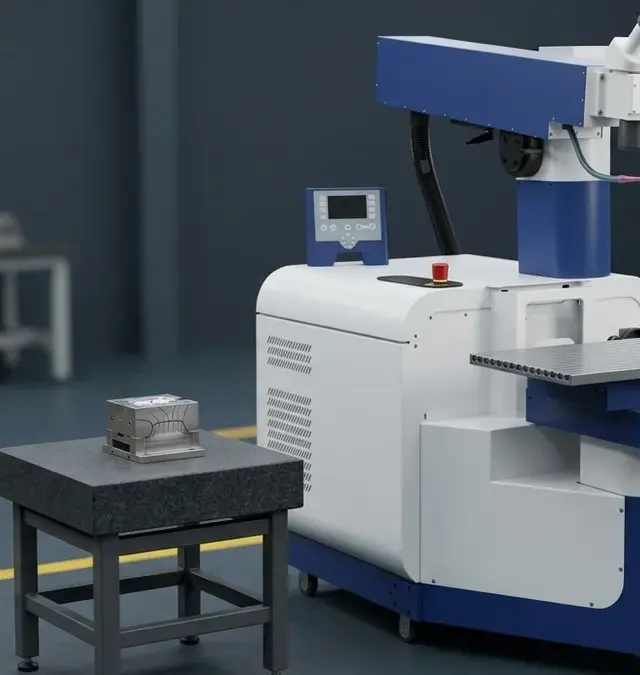
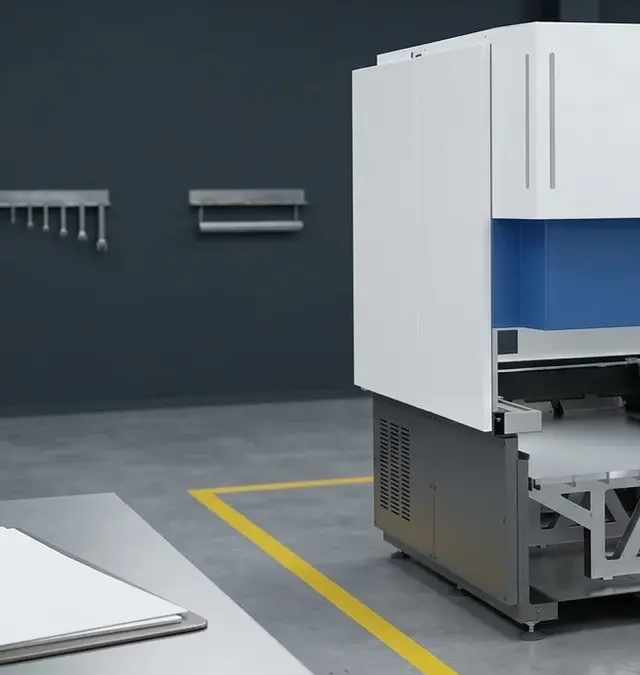
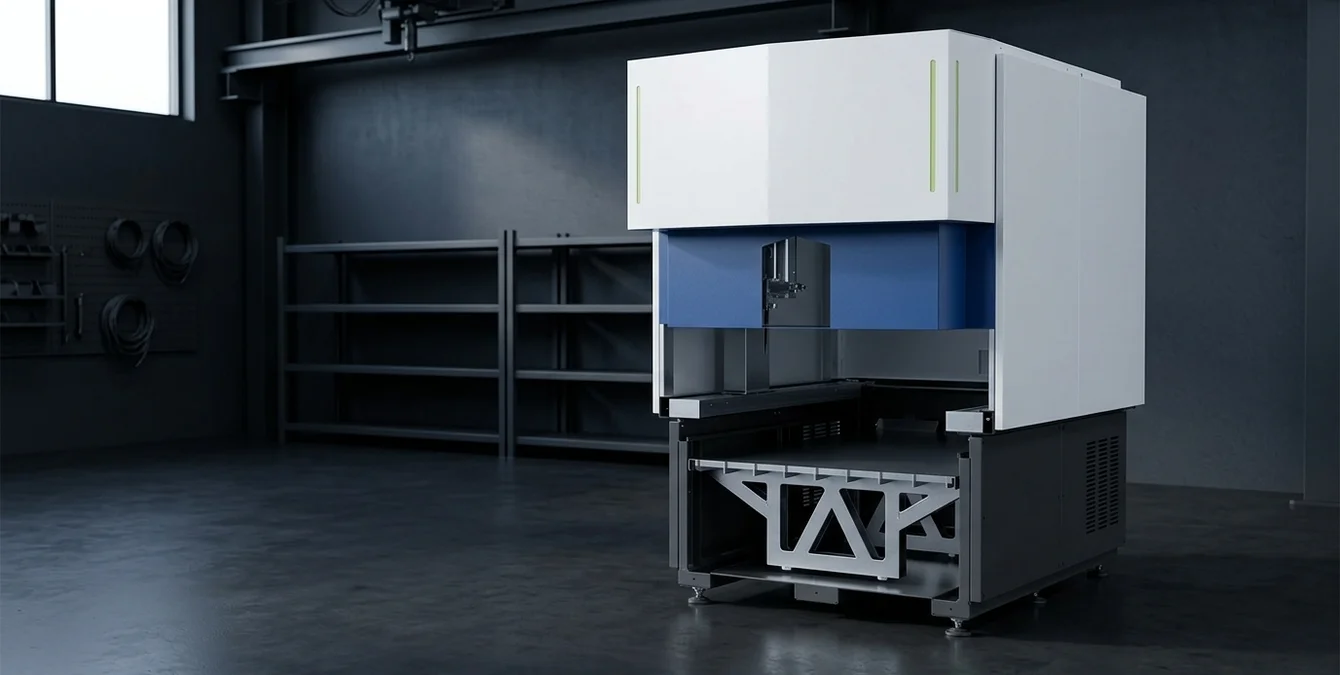
In the precision-driven world of industrial manufacturing, understanding the architecture of a laser welding machine is crucial for ensuring optimal performance and efficiency. Sigma Laser’s range of systems, such as the Sidanus Light and Siega Fibre, are engineered to meet the stringent demands of various industrial applications. Let’s delve into the primary components that make up these sophisticated machines.
| Parameter | Typical Value / Range |
|---|---|
| Laser Power | 500 W – 6 kW |
| Wavelength (Nd:YAG) | 1064 nm |
| Wavelength (Fiber) | 1070 nm |
| Beam Quality (M²) | < 1.5 (high-quality welding) |
| Focal Length of Optics | 100 – 300 mm |
| Welding Speed | 1 – 10 m/min |
| Repeatability | ±0.01 mm |
| Cooling System Temperature | 18°C – 22°C |
These are general industry values for laser welding systems, not specific to any Sigma Laser model. For Sigma Laser product specs, consult the official product documentation.
Laser Source and Optics
The heart of any laser welding machine is its laser source, which can be a Fiber Laser or an Nd:YAG Laser, depending on the specific application and material requirements. The laser source’s role is to generate a coherent beam of light directed onto the workpiece to achieve precise welds. Swivel Optics and Swivel Optics with Telescopic Lens are then used to focus and steer the laser beam accurately, allowing for high precision control in laser welding. These components are essential for applications that demand exacting standards, such as aerospace or medical device manufacturing.
Typical power ranges for industrial laser welding systems vary from 500 W to 6 kW, with wavelengths generally around 1064 nm for Nd:YAG and 1070 nm for fiber lasers. Beam quality, often expressed as M², is crucial for precision applications, with values typically below 1.5 for high-quality welding. The focal length of optics is generally between 100 mm and 300 mm, allowing for variable spot sizes to accommodate different welding requirements.
Materials commonly welded include stainless steels (e.g., 304, 316), aluminum alloys (e.g., 6061, 7075), and special alloys like titanium, each requiring specific parameter adjustments to optimize penetration depth and minimize the heat-affected zone (HAZ). Typical welding speeds range from 1 to 10 m/min, depending on material thickness and desired weld quality.
Control System and Software
The control system is the brain of the laser welding machine. Sigma Laser employs advanced control units like the Sigomatic Pro, which ensure seamless integration and real-time adjustments during the welding process. The software interface allows for intricate programming and monitoring, facilitating precision control in laser welding. This is particularly vital in industries where repeatability and traceability are critical, such as automotive assembly lines.
Control systems typically offer repeatability within ±0.01 mm, ensuring consistent weld quality. Compliance with standards such as ISO 11145 for laser equipment and ISO 11146 for beam measurement ensures the reliability and accuracy of the control systems.
Cooling Mechanisms
Effective cooling mechanisms are indispensable in maintaining the integrity and performance of a laser welding machine. Systems like the Laser Cooling System are designed to dissipate the heat generated during welding, preventing thermal damage to both the machine components and the workpiece. This is achieved through a combination of water or air cooling techniques, ensuring that the laser operates within optimal temperature ranges. Such cooling solutions are integral in high-duty cycles found in heavy industrial operations.
Cooling systems must maintain the laser source at temperatures typically between 18°C and 22°C to prevent thermal drift and ensure beam stability. This is especially critical in continuous operation environments where thermal management directly impacts the laser’s lifespan and performance.
Understanding the interplay of these components not only enhances procurement decisions but also ensures that the selected laser welding machine architecture aligns with specific industrial requirements and standards, such as ISO 9001 and DIN EN ISO 14732. Sigma Laser’s commitment to quality and precision is reflected in every aspect of our machine design, ready to meet the challenges of today’s demanding production environments.
| Aspect | Laser Welding | Traditional Welding (MIG/TIG) |
|---|---|---|
| Precision | Extremely high; spot sizes 50–100 μm; M² < 1.2 | Lower; larger heat-affected zones |
| Speed | 1–10 m/min | Typically slower |
| Material Compatibility | Wide (stainless steel, aluminum, titanium, etc.) | Wide, but may require more prep |
| Heat Distortion | Minimal | Higher |
| Repeatability | ±0.01 mm | Typically less precise |
| Automation | Easily automated with advanced control units | Automation possible but less common |
Values are general and not attributed to specific Sigma Laser models. For detailed product specs, refer to Sigma Laser’s official documentation.
How Does Laser Welding Compare to Traditional Welding Methods?
In the intricate world of industrial welding, laser welding stands out for its precision and adaptability. Unlike traditional methods such as Metal Inert Gas (MIG) and Tungsten Inert Gas (TIG) welding, laser welding utilizes advanced machine architecture to achieve unmatched precision and speed. This article explores the differences between these welding techniques, focusing on key advantages and potential limitations.
Precision and Speed Advantages
Laser welding systems, like those offered by Sigma Laser’s Sidanus Light and Sirius Light series, use focused laser beams to achieve extreme precision and minimal heat distortion. This technology allows for tight control over the welding process, ensuring high-quality joins even in complex assemblies. Compared to MIG and TIG, laser welding offers:
- Higher Precision: The focused laser beam allows for intricate welds, ideal for micro-welding applications in electronics and medical devices. Typical beam quality (M²) values are less than 1.2, allowing for spot sizes in the range of 50 to 100 micrometers.
- Increased Speed: Laser welding processes are significantly faster, reducing cycle times and increasing throughput. Welding speeds can range from 1 to 10 meters per minute, depending on material and thickness.
Material Compatibility and Limitations
Laser welding is compatible with a wide range of materials, from stainless steel to aluminum and exotic alloys, making it a versatile choice for industries such as aerospace, automotive, and electronics. However, certain limitations exist:
- Reflective Materials: Materials like copper and gold can pose challenges due to their reflective properties, requiring specific laser wavelengths or coatings. For instance, using a 1064 nm wavelength laser can improve absorption rates in copper.
- Material Thickness: While effective on thin materials, laser welding can be less efficient on thicker sections without specialized setups. Typically, for materials thicker than 5 mm, multi-pass welding or hybrid techniques may be required.
Cost and Efficiency Comparison
The initial investment in laser welding equipment, such as Sigma Laser’s Siega Fibre series, can be higher than traditional welding machines. However, the long-term cost benefits are substantial due to:
- Reduced Labor Costs: The automation capabilities of laser welding reduce the need for manual intervention and skilled labor. Systems often integrate with robotic arms, achieving repeatability within ±0.1 mm.
- Higher Efficiency: Faster welding speeds and precision control lead to less rework and material waste. The heat-affected zone (HAZ) is typically less than 0.5 mm, minimizing thermal distortion and post-processing.
While laser welding presents a higher upfront cost, its efficiency and precision often lead to lower operational costs over time, making it an attractive option for procurement managers focused on long-term ROI. Compliance with standards such as ISO 15614-11:2002 ensures process consistency and quality assurance in industrial applications.
| Component | Function |
|---|---|
| Laser Source (Fiber, Nd:YAG, Diode) | Generates the coherent beam for welding |
| Beam Delivery System (Swivel Optics, Robotic Arm) | Directs and focuses the laser beam |
| Workpiece Handling | Ensures stability and alignment of parts |
| Control Unit (e.g., Sigomatic Pro) | Manages parameters and process control |
| Cooling System | Maintains optimal temperature and prevents overheating |
| Software Interface | Allows programming, monitoring, and integration |
| Modular Components | Enable upgrades and scalability |
Component roles are described generally; specific implementations may vary by manufacturer and model.
Which Laser Welding Machine Architecture is Best for Your Needs?
Evaluating Production Needs
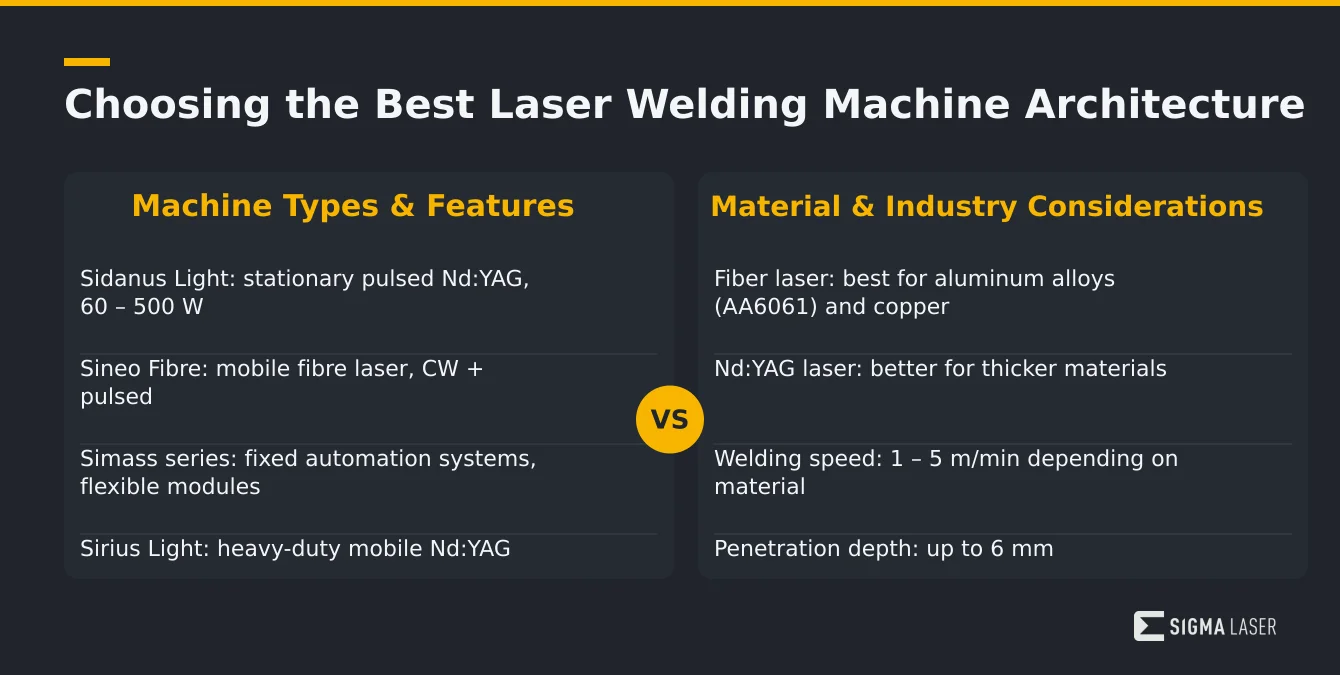
Choosing the right laser welding machine architecture requires a thorough understanding of your production requirements. High-volume production lines, for instance, might benefit from Sigma Laser’s Sidanus Light and Sineo Fibre models, renowned for their robust durability and precise control in laser welding. For smaller batch productions, customizable options like the Simass Base Unit with Swivel Optics offer flexibility and efficiency. Consider the scale of your operations and the frequency of welding tasks to ensure that the machine architecture aligns perfectly with your throughput demands.
Laser welding systems, such as the Sidanus Light, typically operate within a power range of 1 kW to 6 kW, with a beam quality M² value of < 1.2, ensuring high precision and repeatability. The focal length can range from 100 mm to 300 mm, depending on the application requirements. These parameters are crucial for achieving consistent weld penetration and minimizing the heat-affected zone (HAZ), particularly in high-volume production environments.
Material and Industry Considerations
The type of material you are working with plays a significant role in selecting the appropriate laser welding machine. For example, Fiber Laser technology is ideal for reflective metals like aluminum and copper, while Nd:YAG Laser systems may be better suited for thicker materials. Industries such as automotive and aerospace, which demand high precision and compliance with standards like ISO 15614-11, can benefit from the advanced features of our Super Pulse Technology (SPT) and Swivelling Y Axis options. Tailoring the machine to your specific application ensures optimal results and adherence to industry standards.
When welding aluminum alloys such as AA6061 or stainless steels like 304L, fiber lasers provide superior results due to their wavelength compatibility and high absorption rates. The welding speed can typically range from 1 m/min to 5 m/min, with penetration depths up to 6 mm, depending on the material thickness and laser power. Adhering to standards such as ISO 11145 for laser optics and ISO 11146 for beam quality ensures the precision and reliability of the welding process.
Cost-Benefit Analysis
While upfront costs are a crucial consideration, procurement managers should also assess the long-term benefits of investing in advanced laser welding machine architectures. The initial investment in models like Sidanus Fibre or Sirius Light can be offset by their longevity, reduced maintenance requirements, and energy efficiency. Incorporating features such as the Z-Axis Module and Motor-driven Turning Device can enhance operational efficiency, thereby increasing the return on investment. Weigh these factors against the backdrop of industry standards and the offerings of established manufacturers to make a well-informed purchasing decision.
The energy efficiency of these systems can lead to operational cost reductions of up to 30% over traditional welding methods, providing a compelling argument for their adoption in industries focused on sustainability and cost-effectiveness.
Integration of AI in Laser Welding Systems
In the dynamic world of industrial manufacturing, integrating artificial intelligence into laser welding systems brings unprecedented advancements in precision and efficiency. When embedded within the robust laser welding machine architecture of Sigma Laser’s systems, AI technologies enhance operational capabilities and provide procurement managers with tangible improvements in production outcomes.
AI-Driven Precision Control
AI-driven precision control systems are transforming laser welding execution, elevating the quality and accuracy of welds. By employing machine learning algorithms, Sigma Laser’s Sidanus Fibre and Simass Rotate units can automatically adjust parameters such as laser power, typically ranging from 500W to 6kW, and welding speed, which can vary from 0.5 to 10 m/min, in real-time. This ensures optimal weld quality across varying material conditions, adhering to stringent standards like ISO 15614-11. Integrating AI enhances the ability to execute complex welding tasks with minimal human intervention, a key advantage for procurement managers seeking efficiency in production lines.
These systems are capable of maintaining a beam quality M² typically less than 1.2, ensuring high precision and minimal heat-affected zones (HAZ), which are crucial when working with sensitive materials such as 316L stainless steel and 6061-T6 aluminum alloys. The precision control allows for penetration depths up to 10mm, depending on the material and application.
Predictive Maintenance with AI
Incorporating AI for predictive maintenance is crucial to minimizing downtime and extending the lifespan of laser welding systems such as Siega Fibre and Sineo Light. AI algorithms analyze operational data to predict potential failures before they occur, allowing maintenance teams to address issues proactively. This proactive approach not only reduces unexpected disruptions but also optimizes resource utilization, aligning with the procurement strategy of maximizing return on investment.
The systems are designed to operate within a tolerance of ±0.1mm for repeatability, ensuring consistent performance and reliability in high-volume production environments.
Enhancing System Efficiency
AI enhances system efficiency by streamlining workflow processes. In complex manufacturing environments, Sigma Laser’s systems, equipped with features like Super Pulse Technology (SPT) and Swivel Optics with Telescopic Lens, leverage AI to optimize energy consumption and reduce material waste. By continuously learning from operational data, these systems adapt to production demands, ensuring high throughput and consistency in output. For procurement managers, this means a reliable and cost-effective solution that meets modern industrial challenges.
The evolution of laser welding machine architecture through AI integration reflects a commitment to innovation and excellence, positioning Sigma Laser at the forefront of technological advancement in the European industrial market.
Why is Precision Control Important in Laser Welding?
In industrial manufacturing, precision control in laser welding is vital for meeting exacting standards in product quality and consistency. At Sigma Laser, our laser welding machine architecture is crafted to deliver unmatched precision, empowering manufacturers to consistently produce high-quality, reliable welds. This section explores the importance of precision control and the technologies that make it possible.
Impact on Product Quality
Precision control has a direct impact on the quality of welded products. High precision ensures welds are clean, strong, and free from defects like porosity or misalignment. In industries such as automotive and aerospace, where component integrity is crucial, the precision offered by our Sidanus Light and Sirius Light laser systems ensures components meet rigorous quality standards. By minimizing thermal distortion and maximizing weld penetration, precision control enhances the durability and performance of the final product.
Our systems typically operate within power ranges of 500W to 6kW, with a wavelength of 1064 nm, suitable for welding materials such as stainless steel (e.g., 304, 316), aluminum alloys (e.g., 6061, 7075), and titanium alloys. The beam quality (M²) is typically ≤ 1.2, ensuring high precision and focusability, which is crucial for achieving penetration depths of up to 10 mm while maintaining a minimal heat-affected zone (HAZ) as per ISO 15614-11:2002 standards.
Technologies for Precision Control
Sigma Laser utilizes advanced technologies to achieve precision control in laser welding. Our Swivel Optics with Telescopic Lens and Super Pulse Technology (SPT) provide fine control over the laser beam, enabling precise targeting and energy distribution. The integration of a Z-Axis Module and Swivelling Y Axis in the laser welding machine architecture allows for multi-dimensional manipulation, offering the flexibility needed to tackle complex welding tasks. These technologies ensure that even the most intricate welding requirements are met with precision.
The systems are designed for repeatability with a positional accuracy of ±0.01 mm, which is critical for applications requiring tight tolerances. The welding speed can be adjusted typically between 0.5 to 5 m/min depending on material and thickness, ensuring optimal fusion without excessive heat input, thus preventing warping and maintaining structural integrity.
Consistency in Welding Processes
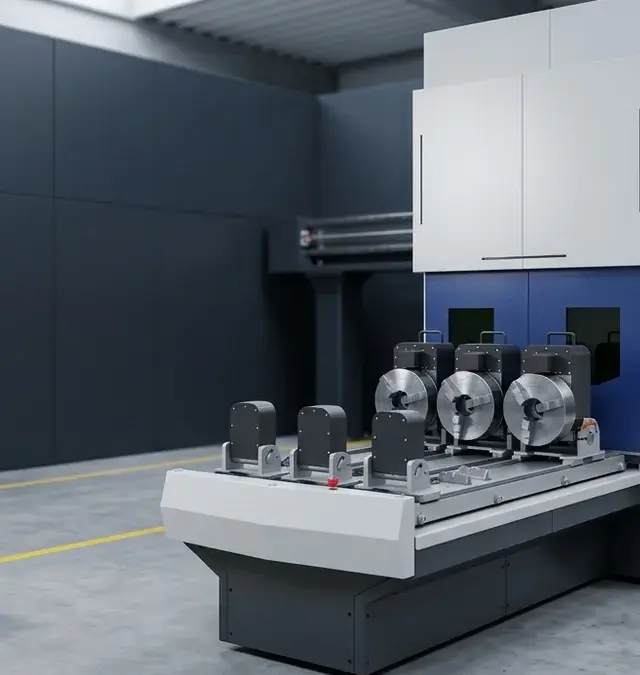
Consistency is a hallmark of high-quality manufacturing processes. With Sigma Laser’s precision control capabilities, manufacturers can replicate exact weld parameters across large production runs, ensuring uniformity and reducing scrap rates. Our Simass Base Unit and Simass Rotate systems offer stable platforms for repeatable welding operations, which is crucial for sectors like medical device manufacturing and electronics, where precise and consistent welds are essential. By maintaining consistency, Sigma Laser helps manufacturers meet ISO 9001 standards and other industry-specific certifications.
This compliance is crucial for maintaining high safety standards in production environments.
Frequently Asked Questions
What are the key components of a laser welding machine?
A laser welding machine consists of several critical components: the laser source (fiber, diode, or CO2), beam delivery system, focusing optics, workpiece positioning system, and control unit. Each component plays a vital role in ensuring precision and efficiency in the welding process, with the laser source determining the power and type of welding possible.
How does laser welding compare to traditional welding methods?
Laser welding offers higher precision, faster processing speeds, and minimal thermal distortion compared to traditional welding methods. It is ideal for welding thin materials and complex geometries. While initial costs can be higher, its efficiency and reduced need for post-processing often result in lower overall production costs.
What factors should be considered when selecting a laser welding machine?
When selecting a laser welding machine, consider the material type and thickness, required weld speed, joint configuration, and desired weld quality. Additionally, evaluate the machine’s power capacity, compatibility with existing systems, and the availability of technical support and training.
How does the laser source affect welding performance?
The laser source determines the beam quality, power, and wavelength, impacting penetration depth and welding speed. Fiber lasers are known for high efficiency and beam quality, making them suitable for precision tasks, while CO2 lasers are better for thick materials due to their higher power output.
What maintenance is required for laser welding machines?
Regular maintenance includes cleaning optical components, checking and aligning beam delivery systems, and ensuring cooling systems function properly. Periodic software updates and inspections of electrical connections are also crucial to maintain optimal performance and prevent downtime.
Can laser welding be automated for high-volume production?
Laser welding is highly compatible with automation, making it ideal for high-volume production environments. Integrating robotic arms and CNC systems can enhance precision and repeatability, reducing labor costs and increasing throughput while maintaining consistent weld quality.