
- Key Takeaways
- How Does Laser Welding Work for Different Precious Metals?
- Principles of Laser Welding
- Techniques for Gold and Silver
- Approaches for Platinum and Palladium
- What Are the Safety Precautions for Laser Welding in Jewelry?
- Essential Personal Protective Equipment
- Safe Handling of Laser Equipment
- Workspace Safety Protocols
- Why Choose Laser Welding Over Traditional Methods?
- Precision and Efficiency
- Cost Analysis: Laser vs Traditional
- Long-term Benefits
- What is the Environmental Impact of Laser Welding?
- Energy Consumption
- Emissions and Waste
- Eco-friendly Practices
- Can Laser Welding Be Used for All Types of Jewelry?
- Versatility in Jewelry Applications
- Benefits for Specific Jewelry Types
- Limitations and Challenges
- Frequently Asked Questions
- How does laser welding work for different precious metals?
- What laser parameters are crucial for welding precious metals?
- Can laser welding be used for repairing precious metal jewelry?
- What are the advantages of laser welding over traditional methods for precious metals?
- How does the reflectivity of precious metals affect laser welding?
- What types of lasers are typically used for welding precious metals?
Key Takeaways
Laser welding of precious metals is revolutionizing the jewelry industry by offering precision, efficiency, and quality that traditional welding methods cannot match. Understanding the key advantages and comparisons with conventional techniques is crucial for welding engineers aiming to optimize their processes.
- Laser welding provides pinpoint accuracy, reducing the risk of damage to delicate jewelry pieces and minimizing material waste.
- The process results in a cleaner weld, eliminating the need for post-processing and reducing overall production time.
- Unlike traditional methods, laser welding allows for the joining of dissimilar metals, expanding creative possibilities in jewelry design.
- The heat-affected zone (HAZ) is significantly smaller in laser welding, preserving the structural integrity of precious metals.
- Laser welding offers greater control over weld depth and width, enabling customization to suit different jewelry applications.
- Compared to traditional methods, laser welding reduces the environmental impact by minimizing emissions and energy consumption.
- Automation compatibility with laser systems enhances production efficiency and consistency, crucial for mass manufacturing.
These takeaways highlight the transformative impact of laser welding on jewelry manufacturing. Dive deeper into the article to explore detailed comparisons and understand how these advantages can be leveraged in your operations.
How Does Laser Welding Work for Different Precious Metals?
Principles of Laser Welding
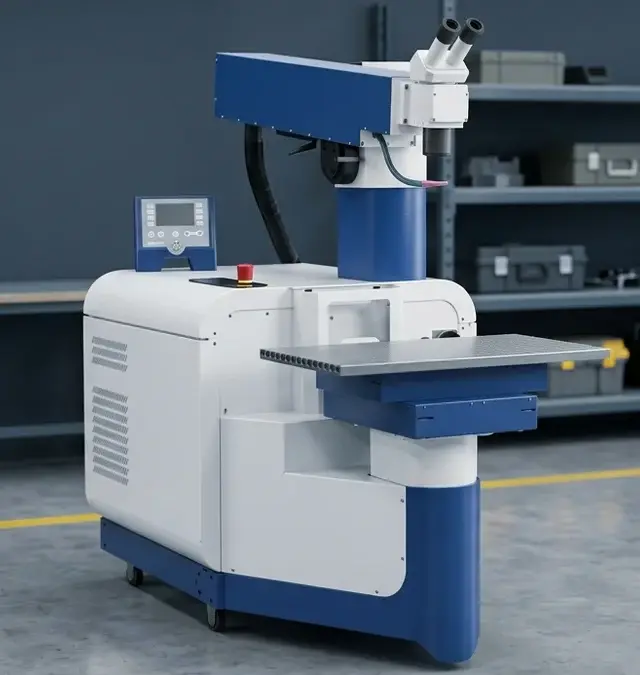
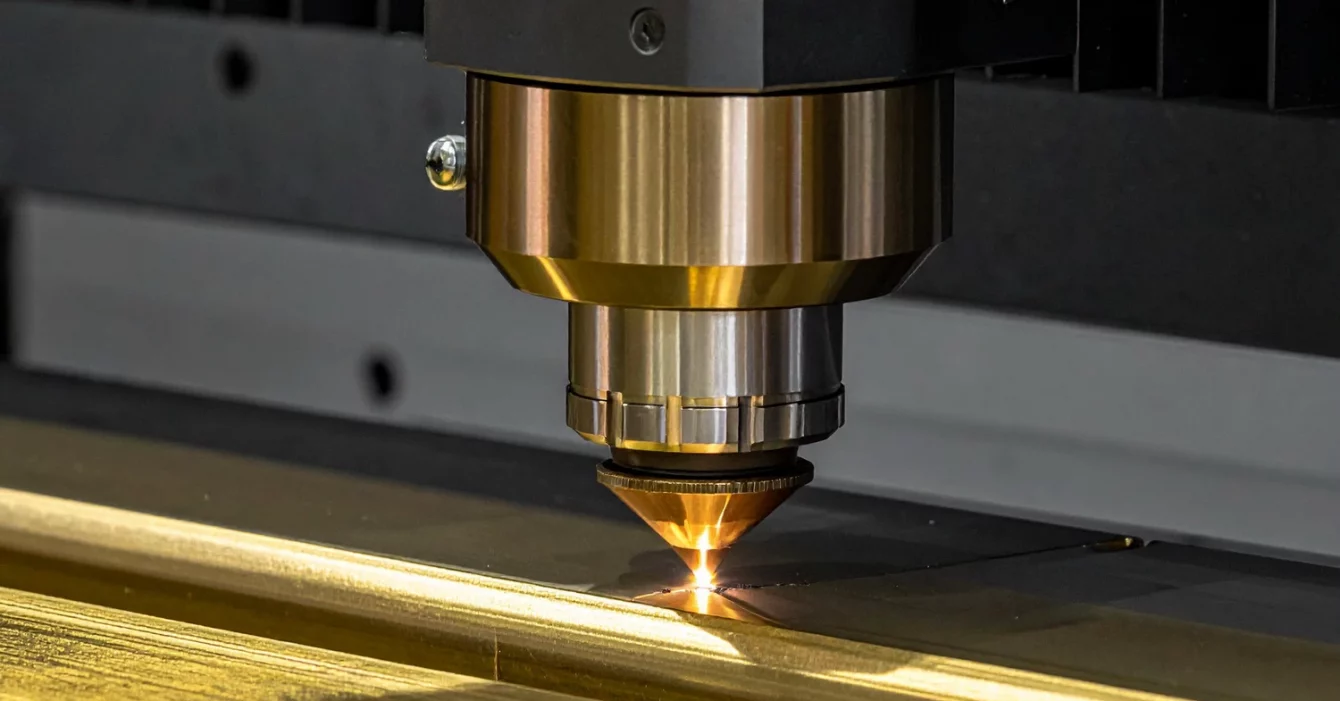
Laser welding uses concentrated laser beams to fuse materials with high precision, making it ideal for precious metals. At Sigma Laser, our systems like the Sidanus Light and Sineo Fibre utilize Super Pulse Technology (SPT) to ensure optimal energy delivery, minimizing thermal distortion. This precision is crucial for working with precious metals such as gold, silver, platinum, and palladium, commonly used in high-value applications like jewelry and electronics.
Our systems typically operate within a wavelength range of 1064 nm, which is optimal for most precious metals due to reduced reflectivity at this wavelength. The beam quality, characterized by an M² value of less than 1.2, ensures excellent focusability and minimal divergence, essential for precision welding tasks.
Techniques for Gold and Silver
Gold and silver, known for their excellent conductivity and reflectivity, require specialized laser welding approaches. Gold’s high reflectivity necessitates the use of Swivel Optics with Telescopic Lens to focus the beam precisely, reducing energy loss. The Sineo Light effectively controls pulse parameters to handle gold’s unique thermal properties, ensuring seamless joints in intricate jewelry designs.
For gold, typical laser power settings range from 50 to 200 watts, with a welding speed of 2 to 10 mm/s, depending on the thickness and design intricacy. The heat-affected zone (HAZ) is minimized to less than 0.5 mm, preserving the material’s aesthetic qualities.
Silver, with its superior thermal conductivity, demands precise control over laser parameters to prevent overheating. Our Sidanus Fibre system, featuring a Z-Axis Module, allows for fine-tuning of focal position, essential for achieving clean welds without surface damage. Welding silver typically requires power levels in the range of 100 to 300 watts, with a focus on maintaining a shallow penetration depth to prevent thermal distortion.
Approaches for Platinum and Palladium
Platinum and palladium present different challenges due to their high melting points and lower reflectivity compared to gold and silver. The robust design of the Siega Fibre, complemented by Swivel Optics, offers the flexibility needed to manage these metals’ unique welding requirements. The Motor-driven Turning Device enhances control during the process, facilitating consistent welds in platinum-based components.
For platinum, laser power settings typically range from 150 to 400 watts, with a welding speed of 1 to 5 mm/s, ensuring adequate penetration without excessive heat input. The process adheres to ISO 15614-11:2002 standards for welding procedure qualification, ensuring high-quality results.
Palladium, often used in catalytic converters and electronics, benefits from Super Pulse Technology (SPT), which provides high peak power with minimal heat input, preserving the metal’s intrinsic properties. By adhering to ISO 9001 and DIN EN ISO 14732 standards, Sigma Laser ensures that our solutions meet the stringent demands of both the jewelry industry and high-tech manufacturing sectors.
Operational constraints include maintaining a stable environment with humidity levels below 60% and ambient temperatures between 20-25°C to ensure optimal laser performance and material compatibility.
What Are the Safety Precautions for Laser Welding in Jewelry?
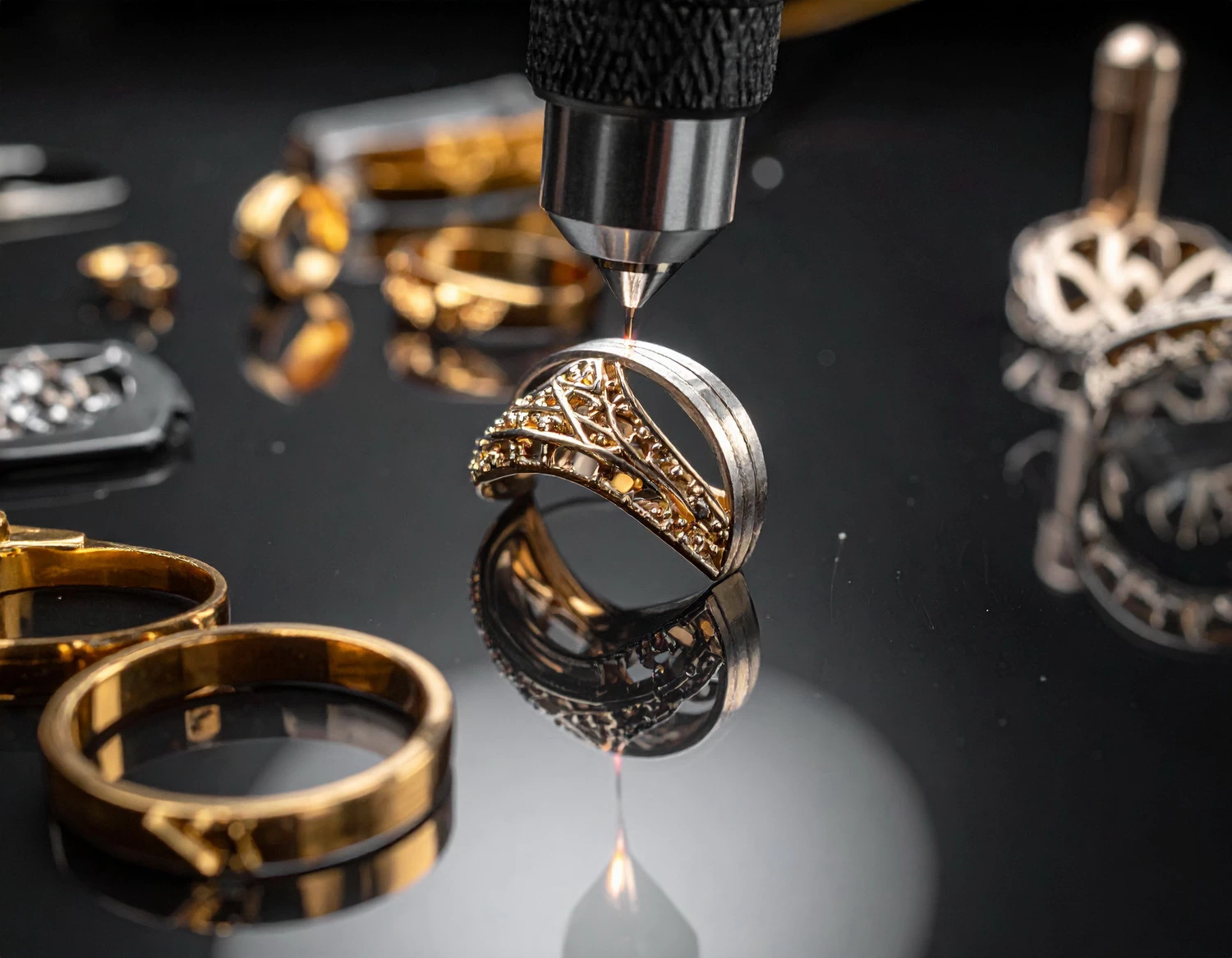
Laser welding of precious metals, such as gold, silver, and platinum, is a critical process in the jewelry industry, demanding precision and safety. Sigma Laser offers advanced systems like the Sidanus Light and Sirius Light to ensure meticulous results. However, implementing stringent safety measures is crucial to protect operators and ensure optimal performance.
Essential Personal Protective Equipment
When engaging in laser welding jewelry, it is vital to equip operators with appropriate personal protective equipment (PPE). This includes:
- Laser Safety Glasses: Specific to the wavelength used in your Sigma Laser system, like those equipped with Super Pulse Technology (SPT). Typically, laser systems for precious metal welding operate in the 1064 nm range, requiring glasses that provide OD 6+ protection.
- Heat-Resistant Gloves: To protect against accidental contact with heated components. These gloves should comply with EN 407 standards for thermal risks.
- Protective Clothing: Flame-retardant materials should be worn to prevent burns from sparks or hot metal. The clothing should meet ISO 11612 standards for protection against heat and flame.
Safe Handling of Laser Equipment
Proper handling of laser welding equipment is essential to maintain safety and precision. Ensure that all operators are trained according to ISO 9001 and DIN EN ISO 14732 standards. Key considerations include:
- System Calibration: Regularly calibrate your equipment, such as the Siega Fibre, to maintain accuracy when working with precious metals. Calibration should be verified against ISO 11146 standards for laser beam parameters.
- Equipment Maintenance: Conduct routine checks and maintenance of the Sidanus Fibre and other units to prevent malfunctions. Maintenance schedules should align with manufacturer recommendations and ISO 15614-11:2002 guidelines for laser welding.
Workspace Safety Protocols
Creating a safe workspace is as crucial as personal and equipment safety. Implement these protocols:
- Ventilation: Ensure adequate ventilation to disperse fumes generated during the welding of precious metals. This is critical as metals like silver can produce hazardous fumes when welded.
- Emergency Procedures: Clearly display emergency shut-off instructions and ensure all operators are familiar with these protocols. Emergency procedures should be compliant with AWS D17.1/D17.1M:2017 standards for aerospace welding safety, which can be adapted for jewelry applications.
- Controlled Environment: Maintain a clean and organized workspace to avoid accidents and improve efficiency. The workspace should be designed to minimize reflections and stray beams, following EN ISO 11553-1 standards for laser safety.
By adhering to these safety precautions, manufacturers can leverage Sigma Laser’s precision welding systems to produce high-quality jewelry while ensuring the safety of their workforce.
Why Choose Laser Welding Over Traditional Methods?
In the realm of industrial manufacturing, selecting the optimal welding technique is crucial, especially when working with precious metals like gold, silver, and platinum. Sigma Laser’s advanced laser welding systems, such as the Sidanus Light and Siega Fibre, provide cutting-edge solutions that surpass traditional methods in both precision and efficiency. For welding engineers, understanding the advantages of laser welding is vital for enhancing quality and productivity in high-value industries, including the jewelry sector.
Precision and Efficiency
Laser welding technology offers unmatched precision, essential for applications requiring intricate work with precious metals. Unlike traditional welding techniques, laser welding provides a concentrated and controlled heat application, resulting in minimal thermal distortion and high-quality seams. Sigma Laser’s Super Pulse Technology (SPT) enhances this precision, enabling engineers to achieve optimal results even in challenging conditions. Additionally, the Swivel Optics with Telescopic Lens further refine the accuracy of laser welding, making it ideal for the precision welding of jewelry and other high-precision applications.
Typical laser systems for precious metal applications operate within a power range of 50 to 200 watts, with wavelengths around 1064 nm for optimal absorption. The beam quality, often characterized by an M² value of less than 1.2, ensures tight focus and high energy density. The focal length of the optics can be adjusted to accommodate varying thicknesses, typically achieving penetration depths of up to 1 mm with a heat-affected zone (HAZ) limited to less than 0.5 mm, thereby preserving the material integrity.
In terms of precision, laser welding systems can achieve tolerances within ±0.01 mm, making them suitable for applications requiring exacting standards. The repeatability of these systems is typically within ±5 microns, ensuring consistent quality across production runs.
Cost Analysis: Laser vs Traditional
While the initial investment in laser welding systems may be higher compared to traditional equipment, the long-term cost benefits are significant. Reduced material waste, lower energy consumption, and decreased labor costs contribute to a more cost-effective operation. Traditional welding often requires extensive post-processing to correct distortions and imperfections, whereas laser welding minimizes these issues, reducing both time and expense. When evaluating the cost-efficiency of laser welding, it’s crucial to consider the overall reduction in resource expenditure and increased throughput.
Laser welding systems typically operate with energy efficiencies of up to 25%, which is significantly higher than traditional arc welding methods. This efficiency translates to lower operational costs and reduced environmental impact, aligning with ISO 14001 environmental management standards.
Long-term Benefits
Laser welding offers several long-term advantages over traditional methods. The durability and strength of laser-welded joints ensure a prolonged lifespan and reliability of products, particularly in sectors adhering to stringent standards like ISO 9001 and DIN EN ISO 14732. Furthermore, Sigma Laser’s systems, such as the Sidanus Fibre and Sineo Light, are designed for versatility, allowing for seamless integration into existing production lines. This adaptability not only enhances operational flexibility but also maximizes return on investment by extending the capability to handle a diverse range of materials and applications.
Laser welding is compatible with a wide range of materials, including precious metals and common alloys such as stainless steel (e.g., 304, 316) and aluminum alloys (e.g., 6061, 7075), expanding its applicability across various industries. However, engineers should be aware of potential limitations, such as reflectivity challenges with certain metals like copper, which may require specific wavelength adjustments or surface treatments to optimize weld quality.
In conclusion, for welding engineers and procurement managers seeking to enhance their manufacturing processes, particularly in the context of laser welding precious metals, Sigma Laser’s technologies offer a compelling suite of benefits that traditional methods simply cannot match. The precision, cost-effectiveness, and long-term value of laser welding make it an indispensable tool in the modern industrial landscape.
What is the Environmental Impact of Laser Welding?
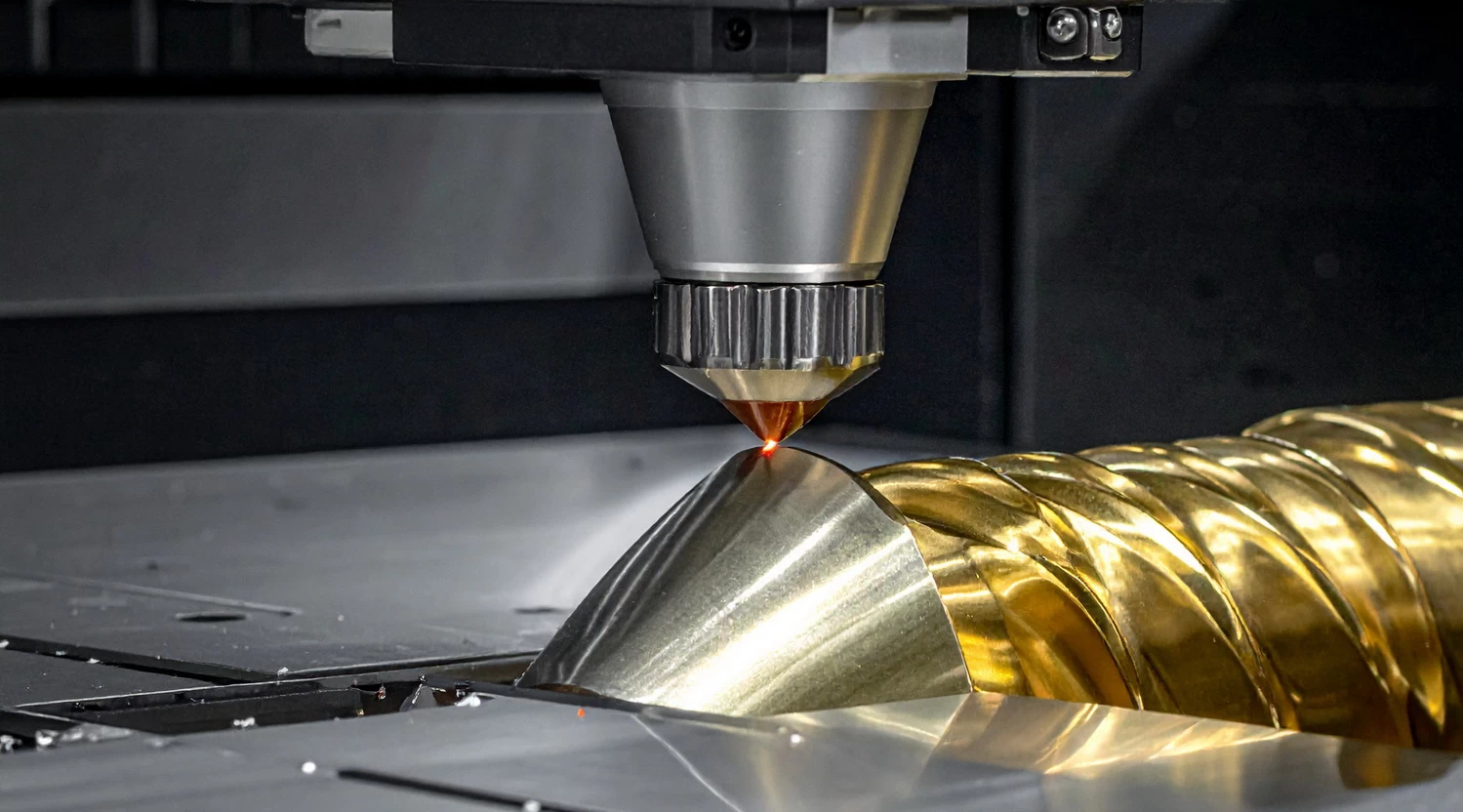
In modern industrial manufacturing, understanding the environmental footprint of laser welding is crucial for engineers and procurement managers. Laser welding systems, like those developed by Sigma Laser, offer precision and efficiency, particularly in welding precious metals such as gold, silver, and platinum. These systems are designed to tackle the environmental challenges posed by traditional welding methods.
Energy Consumption
Laser welding is renowned for its efficient energy use compared to conventional methods. Technologies like Sigma Laser’s Super Pulse Technology (SPT) enable precise energy delivery, reducing overall consumption. This efficiency is especially beneficial in applications such as laser welding jewelry, where precision is paramount, and excessive energy use is undesirable. Compared to traditional techniques, laser welding systems can achieve substantial energy savings, supporting eco-conscious manufacturing goals.
Industrial laser welding systems typically operate within the power range of 100 to 500 watts for precious metals, with wavelengths commonly around 1064 nm for Nd:YAG lasers or 1070 nm for fiber lasers. The beam quality, often characterized by an M² value of less than 1.2, ensures high precision and minimal heat-affected zones, typically less than 0.5 mm in delicate materials. This precision is crucial when dealing with the low thermal conductivity of precious metals, which can be efficiently managed with controlled welding speeds ranging from 0.5 to 5 mm/s.
Emissions and Waste
A key environmental advantage of laser welding is the reduction in emissions. Traditional welding processes often release harmful fumes and particulates, whereas laser welding minimizes these emissions through its focused energy application. The precision in laser welding of precious metals also reduces material waste, further enhancing its eco-friendly profile. This efficiency is critical for industries complying with strict European environmental standards, such as those enforced by the European Committee for Standardization (CEN).
According to ISO 15614-11:2002, the process qualification for laser welding of metallic materials ensures reproducible weld quality. The minimized material waste is achieved through precise control of the welding parameters, leading to a typical material utilization efficiency of over 95%, which is significantly higher than conventional welding methods.
Eco-friendly Practices
Adopting laser welding supports sustainable manufacturing practices. Sigma Laser’s systems, including the Sidanus Light and Siega Fibre, incorporate advanced technologies that promote eco-friendly production. Features like Swivel Optics with Telescopic Lens ensure minimal resource use while maintaining high-quality welds. By integrating these advanced systems, manufacturers can reduce their environmental impact, fostering a greener industrial landscape while maintaining precision in applications like laser welding jewelry.
In compliance with AWS D17.1/D17.1M:2017, the aerospace standard for fusion welding, these systems ensure repeatability and precision with tolerances typically within ±0.1 mm, which is critical for maintaining high-quality standards in environmentally sensitive applications. The operational constraints, such as maintaining a stable focal length of 100 to 200 mm, are essential to achieve the desired weld quality without compromising environmental goals.
Can Laser Welding Be Used for All Types of Jewelry?
Laser welding, especially the precision welding of precious metals, has become an essential technology in the jewelry industry. With Sigma Laser’s advanced solutions like the Sidanus Light and Super Pulse Technology (SPT), manufacturers can achieve unmatched precision and efficiency. This section explores how laser welding is applied across different jewelry types, highlighting its versatility, benefits, and existing challenges.
Versatility in Jewelry Applications
Laser welding offers significant versatility, accommodating various jewelry designs and metal types. It is particularly effective in working with intricate designs and delicate components, where traditional welding techniques might fall short. Our Sineo Fibre and Sirius Light systems are engineered to handle complex geometries with ease, catering to the bespoke demands of jewelry artisans.
Typically, laser systems used in jewelry applications operate within a power range of 20-200 watts, with a wavelength of approximately 1064 nm, suitable for most precious metals. The beam quality, often characterized by an M² value of less than 1.2, ensures high precision and minimal heat-affected zones, crucial for maintaining the integrity of fine jewelry.
Benefits for Specific Jewelry Types
Jewelry made from precious metals such as gold, silver, and platinum benefits greatly from laser welding. The technology’s ability to perform precision welding of precious metals ensures minimal thermal distortion, preserving the delicate details of fine jewelry pieces. Sigma Laser’s Swivel Optics and Z-Axis Module provide enhanced accuracy and control, making them ideal for high-value items like engagement rings, custom pendants, and detailed bracelets.
For instance, the welding speed can typically range from 5 to 50 mm/s, depending on the metal thickness and desired penetration depth, which can be as shallow as 0.1 mm for intricate designs. The precision of laser welding allows for tolerances as tight as ±0.01 mm, ensuring repeatability and consistency across production batches.
Limitations and Challenges
Despite its advantages, laser welding jewelry does face some limitations. For example, certain alloys may present challenges such as cracking or porosity, requiring careful parameter optimization. Additionally, while technologies like Motor-driven Turning Devices enhance operational efficiency, the initial investment in high-quality laser systems can be a barrier for small-scale jewelers. Adhering to Welding Safety Standards and Jewelry Industry Standards, as set by the European Committee for Standardization (CEN), remains essential to mitigate these challenges.
The selection of appropriate laser parameters is critical, as improper settings can lead to defects such as porosity or excessive heat-affected zones. Compliance with ISO 15614-11:2002 for laser welding procedures is essential to ensure consistent quality.
In conclusion, while laser welding offers transformative benefits for many types of jewelry, careful consideration of material properties and investment costs is crucial for optimal results.
Frequently Asked Questions
How does laser welding work for different precious metals?
Laser welding for precious metals like gold, silver, and platinum involves using a concentrated laser beam to join metal surfaces with precision. The key is adjusting the laser’s wavelength and pulse duration to accommodate each metal’s thermal conductivity and reflectivity. Gold requires lower energy due to its high thermal conductivity, while silver’s reflectivity necessitates higher power settings.
What laser parameters are crucial for welding precious metals?
Key parameters include laser power, pulse duration, and beam focus. These must be adjusted based on the metal’s properties. For example, gold typically requires lower power settings, while silver may need increased power due to its reflective nature. Fine-tuning these parameters ensures optimal weld quality.
Can laser welding be used for repairing precious metal jewelry?
Laser welding is ideal for repairing precious metal jewelry as it allows for precise, localized heating, minimizing thermal distortion. This precision is particularly beneficial for intricate designs and delicate pieces, enabling seamless repairs without compromising the jewelry’s integrity.
What are the advantages of laser welding over traditional methods for precious metals?
Laser welding offers superior precision, reduced heat-affected zones, and minimal distortion compared to traditional methods. This results in cleaner welds and preserves the aesthetic and structural integrity of precious metal items, making it highly suitable for high-value applications like jewelry manufacturing.
How does the reflectivity of precious metals affect laser welding?
Reflectivity significantly influences laser welding efficiency. Metals like silver and gold have high reflectivity, which can reduce laser energy absorption. To counteract this, higher power settings or specialized laser wavelengths are often used to ensure sufficient energy absorption and effective welding.
What types of lasers are typically used for welding precious metals?
Nd:YAG and fiber lasers are commonly used for welding precious metals due to their ability to deliver high precision and control. These lasers can be finely tuned to accommodate the specific thermal and reflective properties of different precious metals, ensuring optimal weld quality.