
- Key Takeaways
- What is Nickel Alloy Laser Welding?
- Introduction to Nickel Alloys
- Basics of Laser Welding
- Importance in Industrial Applications
- How Does Laser Welding Improve the Quality of Nickel Alloy Joints?
- Precision and Control
- Strength and Durability
- Consistency and Repeatability
- What are the Key Parameters in Nickel Alloy Laser Welding?
- Laser Power and Speed
- Focus and Beam Quality
- Material Considerations
- Challenges in Laser Welding Nickel Alloys
- Thermal Conductivity Issues
- Cracking and Distortion
- Mitigation Strategies
- Laser Welding vs. Other Methods for Nickel Alloys: A Comparison
- Traditional Welding Methods
- Comparative Analysis
- Choosing the Right Method
- Case Studies: Successful Applications of Nickel Alloy Laser Welding
- Case Study 1: Aerospace Industry
- Case Study 2: Automotive Industry
- Lessons Learned
- Frequently Asked Questions
- What are the best practices for laser welding nickel alloys?
- How does laser welding improve the quality of nickel alloy joints?
- What challenges are associated with laser welding nickel alloys?
- Which laser types are most suitable for welding nickel alloys?
- Can laser welding be automated for nickel alloy applications?
- What are the material preparation requirements for laser welding nickel alloys?
- How do you mitigate cracking in laser-welded nickel alloys?
Key Takeaways
Nickel alloy laser welding is a sophisticated process that offers numerous advantages in various industrial applications. Understanding the nuances of laser welding can significantly enhance the quality and performance of nickel alloy joints, making it an essential skill for welding engineers seeking to optimize their techniques.
- Laser welding of nickel alloys offers superior precision and minimal distortion due to its concentrated heat source, making it ideal for complex geometries.
- High welding speeds and deep penetration capabilities of lasers can significantly reduce production times and costs when working with nickel alloys.
- Key parameters such as laser power, welding speed, and focal position must be meticulously controlled to achieve optimal weld quality in nickel alloys.
- Laser welding minimizes the need for filler materials, which can reduce the potential for contamination and enhance the corrosion resistance of nickel alloy joints.
- Proper shielding gas selection, such as argon or helium, is crucial to protect the weld pool from oxidation and ensure high-quality welds.
- Understanding the thermal properties of specific nickel alloys can help tailor the laser welding process to prevent cracking and other metallurgical defects.
- Advanced monitoring technologies, such as real-time feedback systems, can be integrated to maintain consistent weld quality and adapt to material variations.
With these key takeaways in mind, welding engineers can explore the detailed intricacies of nickel alloy laser welding. This article will delve deeper into each aspect, providing a comprehensive guide to mastering this advanced welding technique.
What is Nickel Alloy Laser Welding?
Introduction to Nickel Alloys
Nickel alloys are renowned for their exceptional corrosion resistance, high-temperature stability, and strength, making them indispensable in demanding industrial applications such as aerospace, chemical processing, and power generation. Their unique properties require specialized welding techniques to ensure joint integrity and performance. Consequently, nickel alloy laser welding has emerged as a preferred method for joining these materials due to its precision and adaptability.
Common nickel alloys used in laser welding include Inconel 718, Hastelloy X, and Monel 400, each offering specific advantages in terms of mechanical properties and corrosion resistance. According to ISO 15614-11:2002, the qualification of welding procedures for these alloys demands rigorous testing to ensure compliance with industry standards.
Basics of Laser Welding
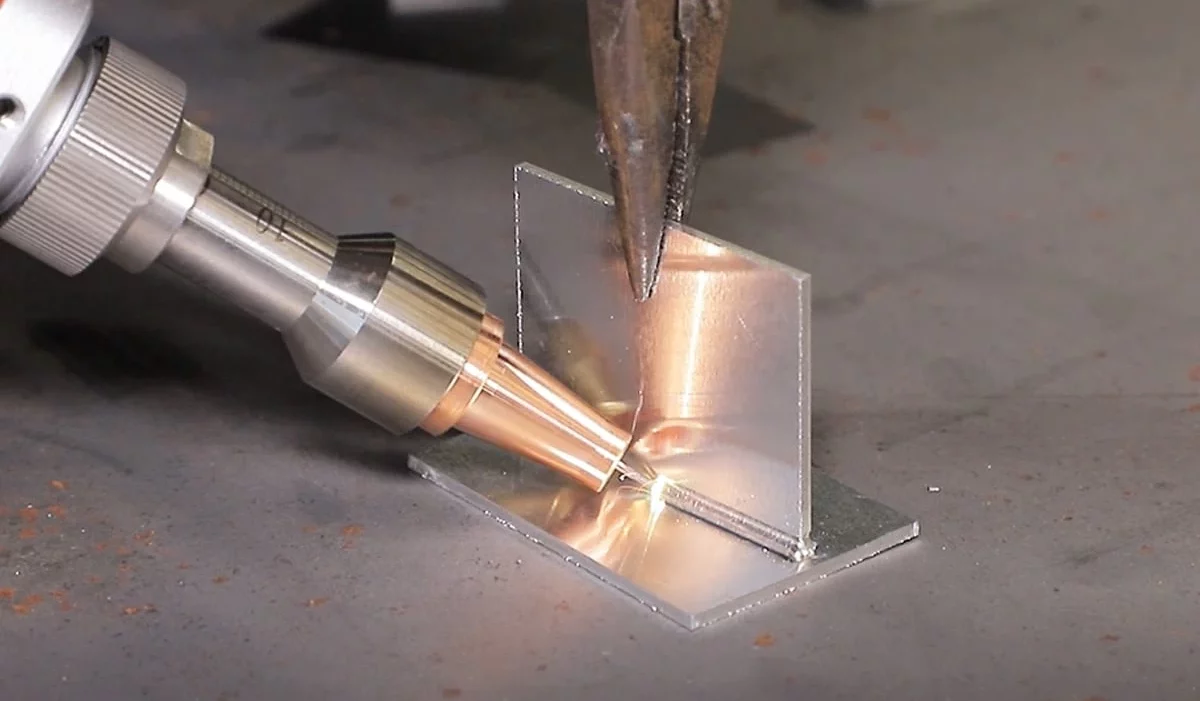
Laser welding involves using a concentrated laser beam to melt and fuse materials together. This method offers unparalleled precision and control, which is especially important when working with complex geometries and thin sections common in nickel alloys. Unlike traditional welding methods, laser welding minimizes the heat-affected zone (HAZ), reducing the risk of thermal distortion and preserving the mechanical properties of the base material. By adjusting laser welding parameters such as power density and beam focus, engineers can achieve optimal weld quality and efficiency.
Typical laser systems for nickel alloy welding operate within a power range of 1 kW to 6 kW, utilizing a wavelength of approximately 1064 nm for fiber lasers. The beam quality, often characterized by an M² value of less than 1.2, ensures high precision and minimal divergence. Focal lengths generally range from 100 mm to 300 mm, allowing for deep penetration and fine control over the weld pool.
Industry standards such as AWS D17.1/D17.1M:2017 provide guidelines for the welding of aerospace components, emphasizing the importance of maintaining a controlled environment to prevent contamination and ensure high-quality welds. Welding speeds typically range from 0.5 m/min to 2.5 m/min, with penetration depths achievable up to 5 mm in a single pass, depending on the material thickness and laser power.
Importance in Industrial Applications
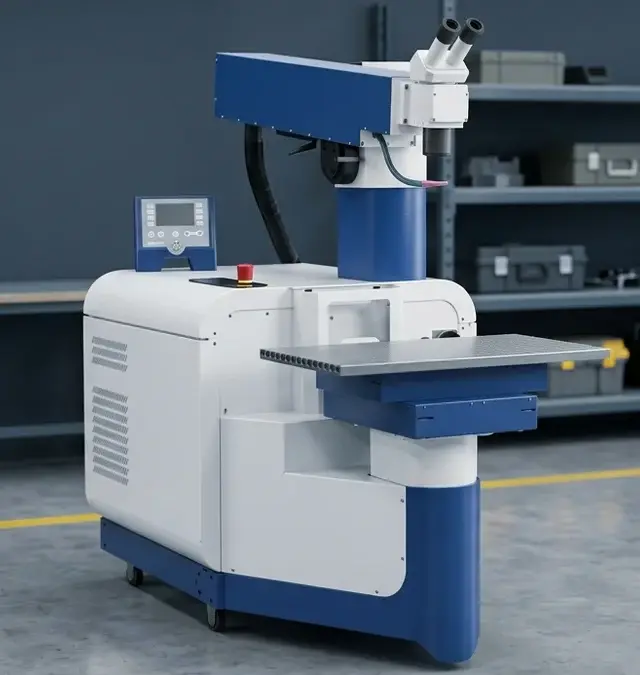
In industrial settings, nickel alloy laser welding is critical for producing components that withstand extreme conditions. For instance, in the aerospace sector, the ability to join nickel alloys with minimal distortion and high strength is crucial for manufacturing turbine blades and engine components. Similarly, in chemical processing, the corrosion resistance afforded by nickel alloy welds ensures the long-term durability of reaction vessels and piping systems. Sigma Laser’s advanced systems, such as the Sidanus Light and Sirius Light, integrate cutting-edge technologies like Super Pulse Technology (SPT) and Swivel Optics, enabling precise control and adaptability across diverse industrial applications.
Operational constraints such as maintaining a stable power supply and precise alignment of optical components are crucial for achieving repeatability and consistency in weld quality, with tolerances typically within ±0.1 mm.
How Does Laser Welding Improve the Quality of Nickel Alloy Joints?
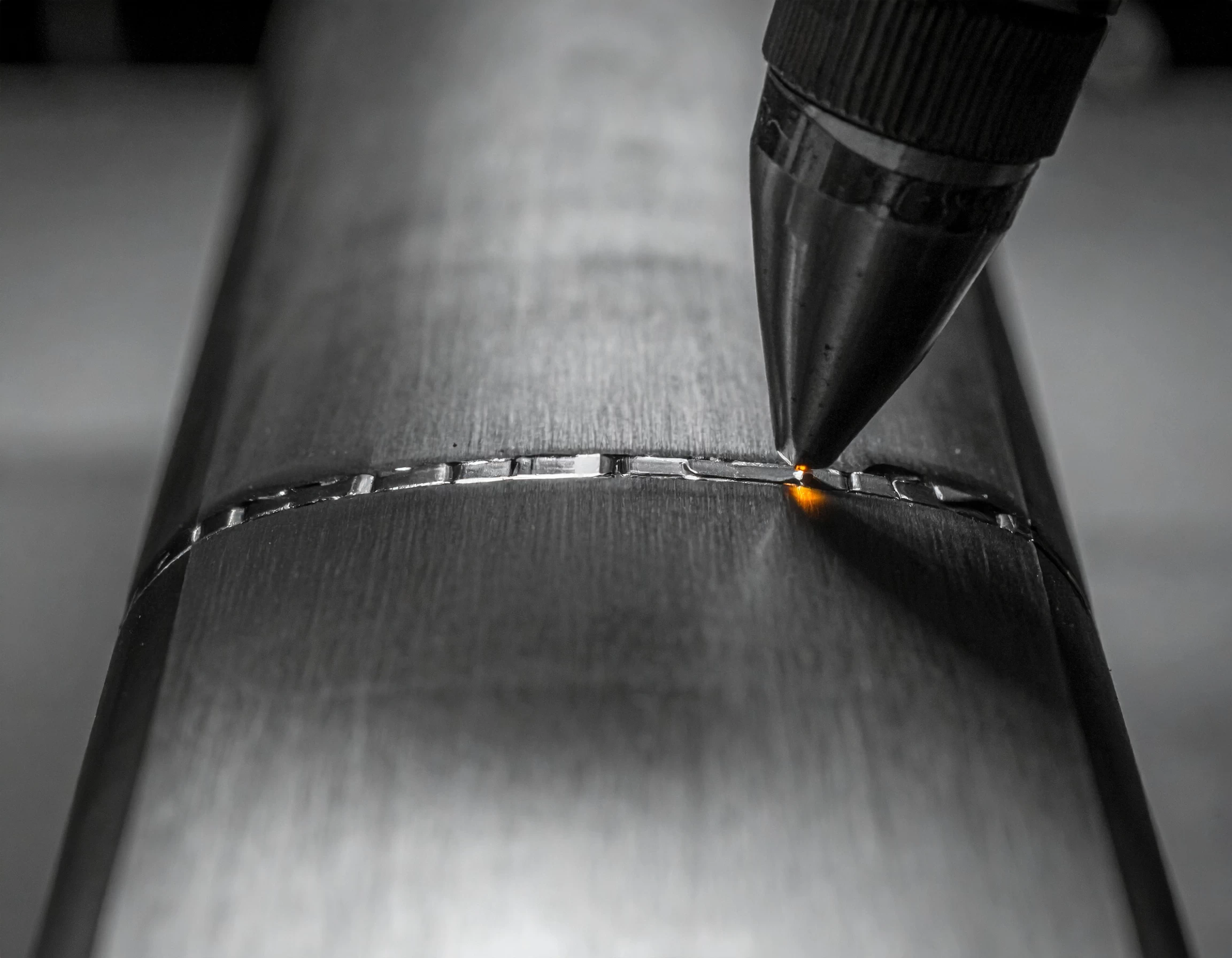
For manufacturing engineers focused on the integrity of nickel alloy joints, laser welding represents a transformative advancement over traditional welding methods. By leveraging the precise capabilities of Sigma Laser’s advanced systems like the Sidanus Light and Sineo Fibre, industries can achieve superior joint quality that meets stringent standards such as ISO 9001 and AWS D17.1. This section delves into the key benefits of laser welding in enhancing the quality of nickel alloy joints, emphasizing precision, strength, and consistency.
Precision and Control
Laser welding provides unmatched precision and control, crucial when dealing with the intricate properties of nickel alloys. The focused energy input allows for minimal heat-affected zones, reducing the risk of thermal distortion and ensuring the integrity of the material. Systems such as the Swivel Optics with Telescopic Lens offer precise beam placement, enabling engineers to execute complex welding patterns with micron-level accuracy. This precision is particularly beneficial in aerospace and automotive industries where nickel alloys are common, and exacting joint configurations are required.
Laser systems typically operate at power levels ranging from 1 kW to 6 kW, with wavelengths around 1064 nm for fiber lasers. Beam quality, characterized by an M² value of less than 1.5, ensures high focusability, crucial for maintaining tight tolerances. Typical focal lengths range from 100 mm to 200 mm, allowing for optimal depth of focus and minimal beam divergence, which is essential for high-precision applications.
Strength and Durability
Nickel alloy laser welding facilitates the creation of joints that boast enhanced strength and durability. By utilizing laser welding parameters optimized for material properties, welds exhibit superior tensile strength and fatigue resistance compared to traditional MIG or TIG welds. This is achieved by the homogenous microstructure that laser welding can maintain across the joint. In high-demand applications such as turbine blades and heat exchangers, this increased durability translates to longer service life and reduced maintenance costs.
Welding speeds typically range from 500 mm/min to 2000 mm/min, depending on the alloy and thickness, with penetration depths up to 10 mm achievable on single-pass welds. The heat-affected zone (HAZ) is minimized, often less than 1 mm, reducing metallurgical changes that could compromise joint integrity.
Consistency and Repeatability
One of the most significant advantages of nickel alloy laser welding is the consistency and repeatability it offers. Sigma Laser’s Super Pulse Technology (SPT) provides a stable welding environment that ensures replicable results across multiple production runs. This consistency is vital for maintaining quality assurance in sectors where batch consistency is critical, such as in medical device manufacturing and petrochemical processing. With the integration of advanced automation solutions like the Simass Slide and Motor-driven Turning Device, manufacturers can achieve uniform welds with minimal human intervention.
Typical repeatability for laser welding systems is within ±0.1 mm, ensuring high-quality production runs with minimal variability. Compliance with standards such as ISO 15614-11:2002 ensures that welding procedures are qualified for the specific material and thickness, providing a framework for achieving consistent quality.
In summary, laser welding of nickel alloys not only enhances the precision, strength, and consistency of joints but also aligns with modern manufacturing demands for efficiency and quality. By adopting Sigma Laser’s cutting-edge technology, industries can ensure their products meet and exceed the rigorous expectations of today’s market.
What are the Key Parameters in Nickel Alloy Laser Welding?
Nickel alloy laser welding is a critical process in high-performance industrial applications where precision and strength are paramount. To achieve optimal results, it’s essential to control various laser welding parameters that directly influence weld quality. Understanding these parameters allows engineers to tailor the process to specific requirements, ensuring reliable and efficient production. Below, we delve into the primary factors that impact the nickel alloy laser welding process.
Laser Power and Speed
Laser power and speed are fundamental parameters in nickel alloy laser welding. The laser power determines the heat input into the material, which affects penetration depth and weld pool size. Higher power levels can achieve deeper penetration but risk excessive heat-affected zones, leading to undesirable metallurgical changes in nickel alloys. Conversely, insufficient power may result in incomplete fusion.
- For thin sheets, lower power settings with moderate speed, such as those achievable with the Sidanus Light or Sineo Fibre, ensure precision without compromising material integrity. Typical power settings for thin sheets range from 500 to 1500 watts, with speeds of 1 to 3 m/min.
- Thicker sections benefit from the use of our Super Pulse Technology (SPT), allowing for controlled high-energy pulses that facilitate deep penetration without excessive heat input. Power levels can reach up to 6 kW for thicker sections, with penetration depths typically ranging from 3 to 10 mm.
- Optimal speed settings are crucial: too fast and the energy per unit area decreases, too slow and excessive heat input may occur. A typical range is 0.5 to 2 m/min, balancing penetration and heat input.
Focus and Beam Quality
Focus and beam quality significantly influence the precision and efficiency of nickel alloy laser welding. The focal position affects the concentration of energy at the weld joint. Accurate focusing ensures maximum energy transfer to the material, promoting efficient melting and solidification.
- The use of Swivel Optics with Telescopic Lens by Sigma Laser enhances beam quality and focus precision, crucial for achieving consistent welds in varying joint configurations. Beam quality, often characterized by an M² value, is typically below 1.5 for high-precision applications.
- High beam quality ensures uniform energy distribution, reducing spatter and improving overall weld appearance and strength. The focal length is generally set between 100 to 200 mm, depending on the specific application requirements.
Material Considerations
Nickel alloys present unique challenges due to their thermal and physical properties, such as high melting points and thermal expansion coefficients. Therefore, adapting laser welding parameters to these characteristics is vital.
- Pre-weld cleaning and surface preparation are essential to avoid issues like porosity and cracking. According to ISO 15614-11:2002, proper surface preparation is critical for ensuring weld integrity.
- Utilizing Sigma Laser’s Sirius Light series, engineers can adjust parameters dynamically to accommodate specific alloy compositions and thicknesses, ensuring robust welds. This adaptability is crucial for alloys like Inconel 718 and Hastelloy, which require precise control of heat input.
- Attention to cooling rates is necessary to prevent thermal stresses that can lead to distortion or cracking. Cooling rates should be managed to maintain a balance between rapid solidification and avoiding excessive thermal gradients.
By mastering these parameters, engineers can effectively utilize nickel alloy laser welding in various industrial applications, from aerospace components to high-temperature engine parts, where precision and durability are non-negotiable.
Challenges in Laser Welding Nickel Alloys
In the realm of industrial manufacturing, nickel alloy laser welding presents unique challenges that demand precise engineering solutions. Nickel alloys, known for their high strength and corrosion resistance, are pivotal in sectors like aerospace and chemical processing. Nevertheless, the laser welding of these materials requires careful consideration of specific metallurgical and thermal properties.
Thermal Conductivity Issues
Nickel alloys exhibit varying thermal conductivities, which can significantly affect the laser welding process. Poor thermal conductivity can lead to localized heat retention, causing uneven weld beads and potential defects. Additionally, these issues complicate the control of laser welding parameters, especially when working with high-precision systems like Sigma Laser’s Sidanus Light and Siega Fibre. Understanding and adjusting for these thermal properties is crucial to achieving optimal weld quality.
For instance, typical laser parameters for nickel alloy welding might include a power range of 1 to 6 kW and a beam quality M² of less than 1.2 to ensure a focused and efficient energy delivery. The wavelength, often around 1070 nm for fiber lasers, is chosen to optimize absorption in nickel alloys.
Cracking and Distortion
Cracking and distortion are prevalent issues in nickel alloy laser welding. The rapid thermal cycles involved can cause thermal stress, leading to cracking, especially in alloys with high carbon content. Moreover, the differential cooling rates can induce distortion, affecting component tolerances. These challenges underscore the importance of selecting the appropriate laser technology, such as fiber lasers, which provide a more controlled heat input.
Weld penetration depth is typically controlled to 1 to 3 mm for thin sections, with a heat-affected zone (HAZ) limited to 0.5 to 1 mm to minimize metallurgical changes. Adhering to standards like AWS D17.1/D17.1M:2017 ensures that the welds meet aerospace quality requirements.
Mitigation Strategies
To overcome these challenges, engineers can employ several strategies:
- Optimized Laser Parameters: Adjusting laser power, speed, and focus can mitigate thermal issues. Sigma Laser’s advanced control systems, like the Super Pulse Technology (SPT), allow precise modulation of energy input.
- Preheating Techniques: Preheating the workpiece can reduce thermal gradients, minimizing the risk of cracking and distortion. Preheating temperatures are typically set between 100°C and 200°C, depending on the alloy composition.
- Material Selection: Choosing appropriate nickel alloy compositions can aid in reducing susceptibility to welding defects. Alloys such as Inconel 718 and Hastelloy X are commonly used due to their favorable welding characteristics.
- Advanced Fixturing: Employing robust fixturing solutions, such as the Simass Rotate and Z-Axis Module, ensures stability during welding, reducing distortion risks. Fixturing systems should maintain positional tolerances within ±0.1 mm to ensure repeatability and precision.
In conclusion, mastering nickel alloy laser welding requires an in-depth understanding of material properties and the integration of sophisticated technologies. With Sigma Laser’s cutting-edge solutions, manufacturers can address these challenges effectively, ensuring high-quality welds that meet stringent industrial standards like DIN EN ISO 15614-11 and ISO 3834.
Laser Welding vs. Other Methods for Nickel Alloys: A Comparison
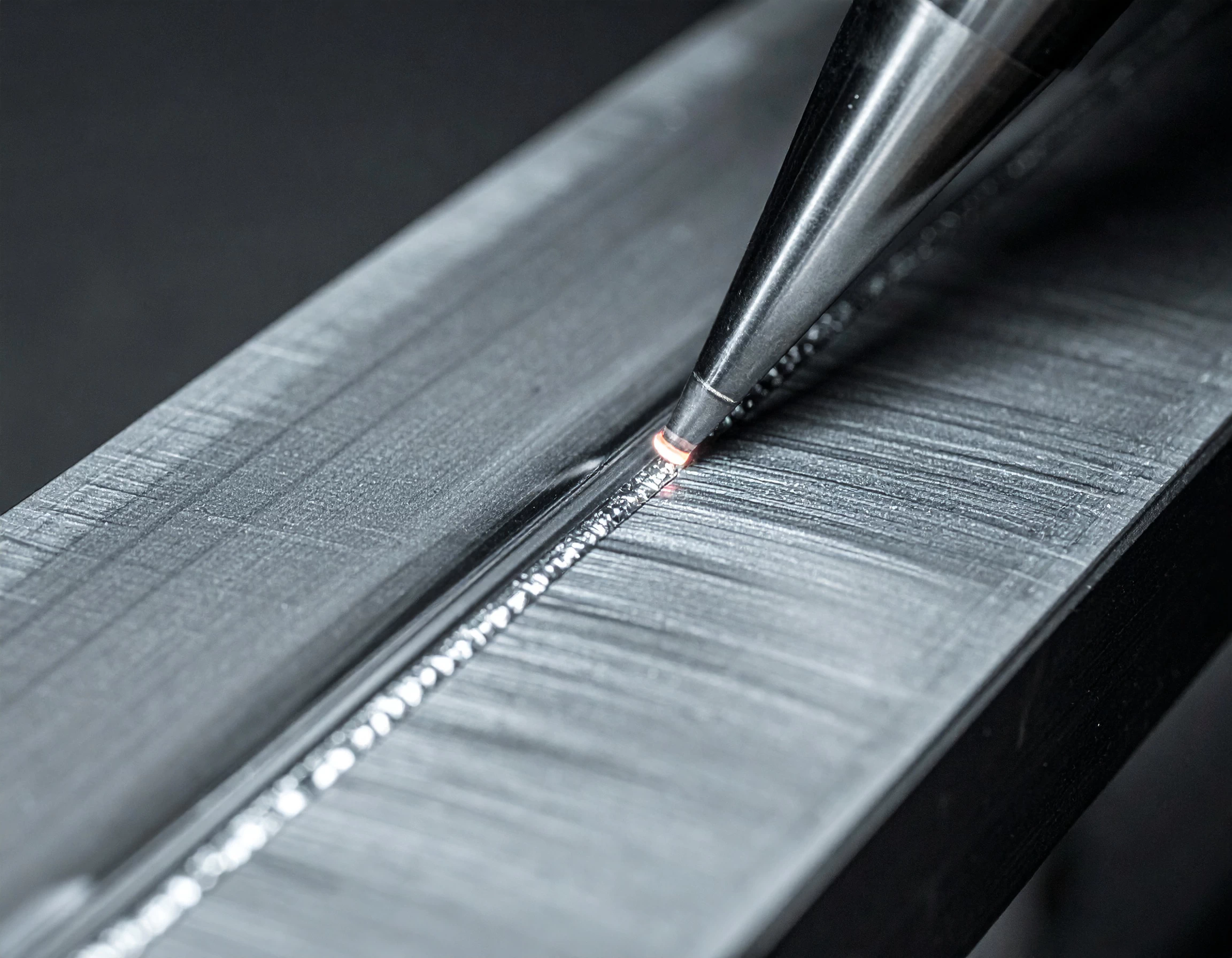
In the intricate world of manufacturing, welding engineers are continuously exploring optimal methods for joining nickel alloys, known for their robustness and corrosion resistance. Nickel alloy laser welding, a precision-focused technique, offers distinct advantages over traditional welding processes, particularly in high-complexity applications. Understanding these differences is crucial for making informed decisions in industrial settings.
Traditional Welding Methods
Conventional welding techniques such as TIG (Tungsten Inert Gas) and MIG (Metal Inert Gas) are prevalent in the industry for handling nickel alloys. These methods are suitable for various applications but have limitations in terms of precision and heat input control. TIG welding, for example, provides excellent heat control and is ideal for thinner sections of nickel alloys. However, it can be time-consuming and requires significant skill. MIG welding, on the other hand, allows for faster deposition rates but can introduce higher heat input, potentially compromising the material properties of nickel alloys.
It is important to note that the heat-affected zone (HAZ) in TIG and MIG welding can extend significantly, up to several millimeters, depending on the thickness and type of nickel alloy used, which may lead to undesirable microstructural changes.
Comparative Analysis
When comparing laser welding with traditional methods, several key factors emerge:
- Efficiency: Laser welding, especially with Sigma Laser’s advanced products such as the Sidanus Light and Sineo Fibre, offers high-speed processing, significantly reducing cycle times compared to TIG and MIG techniques. Typical laser welding speeds can reach up to 10 meters per minute, depending on the material thickness and laser power.
- Cost: While the initial investment in laser welding systems may be higher, the long-term benefits of reduced labor costs and minimal post-processing requirements often justify the expense. The precision of laser welding typically results in a weld repeatability of ±0.1 mm, minimizing the need for rework.
- Application Suitability: Laser welding is particularly advantageous in applications requiring high precision and minimal thermal distortion, such as aerospace components and medical devices. It excels in scenarios where maintaining the mechanical integrity of nickel alloys is critical. The narrow HAZ, often less than 1 mm, reduces the risk of thermal distortion and residual stress.
Choosing the Right Method
The choice between laser welding and traditional methods should align with specific project requirements and industrial standards like ISO 9001 and AWS D17.1. For instance, if a project demands high precision, low heat input, and reduced distortion, nickel alloy laser welding with Sigma Laser’s Super Pulse Technology (SPT) or Swivel Optics might be the superior choice. Conversely, for less demanding applications where budget constraints are a priority, traditional methods may suffice.
Laser systems used for welding nickel alloys typically operate at wavelengths around 1064 nm (near-infrared), with power outputs ranging from 500 watts to several kilowatts, depending on the thickness of the material and the desired penetration depth, which can reach up to 5 mm in a single pass.
Ultimately, the decision should be guided by a comprehensive analysis of project needs, cost implications, and the desired quality of the weld. By leveraging Sigma Laser’s cutting-edge technology, manufacturers can achieve superior results in demanding industrial applications involving nickel alloys.
Case Studies: Successful Applications of Nickel Alloy Laser Welding
Nickel alloy laser welding is an advanced manufacturing process that utilizes the precision and control of laser welding techniques to join nickel-based materials, known for their high-temperature and corrosion resistance. Here, we explore two case studies that highlight the successful application of this technology, with Sigma Laser systems as the backbone of these industrial achievements.
Case Study 1: Aerospace Industry
In the aerospace sector, the demand for lightweight yet durable components is crucial. A leading European aerospace manufacturer implemented Sigma Laser’s Sidanus Fibre system to weld nickel alloy components for jet engines. The precise control of laser welding parameters, including beam intensity and focus, enabled minimal thermal distortion, a critical factor in maintaining the structural integrity of complex aerospace parts. This project not only met but exceeded the ISO 9001 and AWS D17.1 standards for aerospace manufacturing.
- Application: Jet engine components
- Challenges: Minimizing thermal distortion and ensuring structural integrity
- Outcomes: Enhanced component performance and compliance with aerospace standards
- Laser Specifications: Typically utilizing a wavelength of 1070 nm with a beam quality M² ≤ 1.2 for optimal focus and penetration
- Process Parameters: Welding speeds ranging from 1 to 3 m/min with penetration depths up to 3 mm, maintaining a heat-affected zone (HAZ) width of less than 0.5 mm
- Tolerances: Achieving dimensional tolerances within ±0.1 mm, crucial for aerospace component assembly
Case Study 2: Automotive Industry
The automotive industry, with its relentless pursuit of efficiency and durability, has also embraced nickel alloy laser welding. An automotive exhaust system manufacturer utilized the Sirius Light system to weld nickel alloy exhaust components. The integration of Sigma Laser’s Super Pulse Technology (SPT) ensured deep penetration welds without compromising the material’s inherent corrosion resistance. This innovation led to longer-lasting exhaust systems, reducing warranty claims and increasing customer satisfaction.
- Application: Exhaust systems
- Challenges: Achieving deep penetration welds while maintaining corrosion resistance
- Outcomes: Extended product life and reduced warranty claims
- Laser Specifications: Operating power levels up to 6 kW, with a typical focal length of 200 mm to achieve precise welds
- Process Parameters: Penetration depths typically reaching 5 mm, with welding speeds adjusted to 2 m/min to balance penetration and heat input
- Material Compatibility: Designed for nickel alloys such as Inconel 625, ensuring optimal weldability and corrosion resistance
Lessons Learned
These case studies demonstrate the critical importance of selecting the right laser welding parameters and equipment for welding nickel alloys. The aerospace and automotive industries have benefited from Sigma Laser’s cutting-edge technology, which delivers precision and reliability. The lessons learned emphasize the necessity of a tailored approach to laser welding, considering the specific demands of each industrial application. By optimizing these parameters, manufacturers can achieve superior weld quality, compliance with stringent industry standards, and enhanced product performance.
Operational Limitations: It is crucial to consider the limitations of laser welding in terms of joint accessibility and material thickness, as excessive thickness can lead to incomplete penetration and potential weld defects.
Frequently Asked Questions
What are the best practices for laser welding nickel alloys?
For optimal laser welding of nickel alloys, maintain a clean work environment to prevent contamination. Use appropriate laser parameters such as power, speed, and focus to match the alloy’s thermal conductivity. Preheating may be necessary to reduce thermal stress, and using an inert gas shielding can protect the weld pool from oxidation.
How does laser welding improve the quality of nickel alloy joints?
Laser welding enhances the quality of nickel alloy joints by providing precise control over heat input, reducing thermal distortion. It produces narrow, deep penetration welds with minimal heat-affected zones, ensuring superior mechanical properties. The process also allows for high repeatability and consistency, crucial for demanding applications.
What challenges are associated with laser welding nickel alloys?
Challenges include managing high reflectivity and thermal conductivity, which can affect energy absorption. Nickel alloys are prone to cracking due to their metallurgical properties, requiring careful parameter optimization. Additionally, maintaining weld pool stability and avoiding porosity is critical for achieving high-quality welds.
Which laser types are most suitable for welding nickel alloys?
Fiber lasers and Nd:YAG lasers are commonly used for welding nickel alloys. Fiber lasers offer high power density and efficiency, ideal for precise applications. Nd:YAG lasers provide flexibility in pulse shaping, beneficial for controlling heat input and minimizing thermal stress on the material.
Can laser welding be automated for nickel alloy applications?
Yes, laser welding can be effectively automated for nickel alloy applications. Automation enhances precision, repeatability, and throughput. Robotic systems equipped with vision and feedback controls can adapt to variations in joint geometry, ensuring consistent weld quality across production batches.
What are the material preparation requirements for laser welding nickel alloys?
Material preparation involves thorough cleaning to remove contaminants like oxides, oils, and dirt, which can compromise weld integrity. Proper edge preparation and alignment are essential to ensure uniform penetration and prevent defects. In some cases, applying a suitable surface coating can improve weldability.
How do you mitigate cracking in laser-welded nickel alloys?
To mitigate cracking, control the cooling rate by adjusting laser parameters and preheating the material if necessary. Using filler materials compatible with the base alloy can help accommodate thermal expansion differences. Post-weld heat treatment may also be employed to relieve residual stresses and enhance joint ductility.