
Revolutionizing Weld Seam Integrity with Super Pulse Technology
Imagine a world where weld seam defects become a thing of the past—a breakthrough that would redefine standards in the welding industry. This vision is closer to reality than ever before, thanks to advancements in Super Pulse Technology (SPT). By employing sophisticated pulse shaping techniques, SPT minimizes the occurrence of common weld seam defects, ensuring the structural integrity and safety of welded constructions.
The significance of mitigating weld seam defects cannot be overstated. Structural failures, product recalls, and increased repair costs are just a few consequences that can arise from undetected or unresolved defects. Harnessing the power of Super Pulse Technology offers a streamlined approach to welding, addressing these challenges head-on by optimizing heat input and distribution, thus reducing the incidence of spatter, cracks, and porosity.
Furthermore, the integration of AI-enhanced defect detection pushes this innovation further. By incorporating predictive analytics, real-time monitoring systems can identify and rectify potential flaws before they escalate, shifting the paradigm from reactive to proactive quality assurance. This not only enhances productivity but also reduces cognitive load on engineers by automating routine monitoring processes.
As we delve deeper into the technological underpinnings of Super Pulse Technology, it becomes evident how this approach extends beyond mere defect prevention. The adaptability of SPT across various materials—from thin sheets to robust thick plates—illustrates its versatility and relevance in diverse welding applications. This versatility is augmented through comparative analyses with traditional detection methods like real-time imaging and X-ray analysis, underscoring the superior efficacy of SPT in preventing defects at their source.
This article will guide you through the complexities of weld seam defects SPT, revealing the insights and potential that Super Pulse Technology brings to the welding industry. With its capacity to transform traditional practices, SPT offers not only immediate benefits in defect reduction but also promising future prospects as it continues to evolve alongside emerging technologies like machine learning. Let’s explore how these technological innovations shape the future of welding.
Understanding Weld Seam Defects and Super Pulse Technology
In the realm of welding, maintaining high-quality seam integrity is crucial for structural safety and performance. The latest advancements in Super Pulse Technology (SPT) offer promising solutions to mitigate common weld seam defects by deploying advanced pulse shaping techniques. Here, we delve into the most impactful takeaways on preventing weld seam defects through these technological innovations.
- Advanced Pulse Shaping Eliminates Defects: Super Pulse Technology refines pulse shapes during welding, minimizing common defects like spatter, cracks, and porosity by optimizing heat input and distribution.
- Integration of AI Enhances Defect Detection: Beyond traditional methods, incorporating AI for predictive analytics in defect detection allows real-time analysis and correction, reducing errors before they propagate.
- Optimized Welding for Various Materials: SPT adapts to different material properties, enabling precise control over weld quality across diverse applications, including thin sheets and thick plates.
- Comparison of Detection Methods Highlights SPT’s Efficacy: While real-time imaging and X-ray analysis are prevalent, Super Pulse Technology’s precise control mechanisms offer improved defect prevention at the source.
- Reducing Decision Fatigue with Predictive Technologies: Leveraging smart technologies like AI reduces cognitive load on decision-makers by automating routine monitoring and adjustments, ensuring consistent weld quality.
- Proactive Quality Assurance with Continuous Feedback: Continuous feedback loops in SPT enhance quality assurance processes by identifying potential issues early and allowing for immediate rectification.
- Future Prospects in Welding Technology: Beyond defect reduction, further integration of emerging technologies like machine learning promises to revolutionize the welding industry by enhancing efficiency and output quality.
As welding practices evolve, Super Pulse Technology stands at the forefront of addressing weld seam defects through precise technological advancements and smart integrations. In the following sections, we explore the nuances of these innovations, delve into various detection methods, and highlight the practical applications of SPT in welding operations.

Understanding Weld Seam Defects
Common Weld Seam Defects
Weld seam defects can significantly affect the quality and integrity of welding joints. The most prevalent defects include porosity, which results from trapped gas bubbles during solidification, and cracks that may occur due to thermal stress. Other common issues are incomplete fusion, where there is a lack of proper bonding between the weld metal and the base material, and spatter, which involves drops of molten metal being expelled and adhering to various surfaces.
Porosity often occurs due to excessive moisture or improper gas shielding during welding. Incomplete fusion usually results from inadequate heat input or inappropriate welding speed. Understanding these welding defects is crucial for implementing effective SPT in welding, which strives to mitigate such issues with precision and control.
Impacts of Weld Seam Defects on Structural Integrity
The presence of weld seam defects can severely compromise the structural integrity of welded components. Porosity and cracks can serve as initiation points for fracture under stress, reducing the load-bearing capacity of the components. This can lead to catastrophic failures, especially in high-stress environments such as bridges or pressure vessels. Incomplete fusion compromises the intended load transfer paths, leading to unexpected failures during operational use.
Super Pulse Technology (SPT) offers a solution by implementing advanced pulse shaping technology, which precisely controls thermal input, reducing the likelihood of defects. By using quality assurance in welding methodologies, SPT can significantly lower the incidence of weld defects. Implementing advanced technologies in weld defect detection adds an extra layer of confidence, ensuring structural reliability and extending the lifespan of welded structures.
What is Super Pulse Technology (SPT) in Welding?
Fundamentals of Super Pulse Technology
Super Pulse Technology (SPT) represents an advanced welding methodology designed to enhance weld quality by utilizing precise control over the pulse characteristics during the welding process. Unlike traditional welding methods, Super Pulse Technology welding leverages sophisticated pulse shaping technology to manipulate the waveform parameters such as peak current, background current, and pulse duration. This control enables a refined heat input management, which is pivotal in reducing common welding defects such as porosity and cracking in weld seams.
The core function of SPT in welding is to deliver pulses of varying intensities, allowing for temperature regulation and minimizing the thermal stress imposed on the welded materials. By controlling the pulsing pattern, SPT can effectively maintain the structural integrity of the weld metal, thereby reducing the incidence of weld seam defects SPT aims to address. This technology is particularly effective in welding applications where precision and defect-free seams are critical.
Key Advantages of Using SPT in Welding
The integration of Super Pulse Technology in welding offers several significant advantages that contribute to improved weld quality and reliability:
- Enhanced Defect Prevention: SPT minimizes the risk of weld defects by providing a controlled thermal cycle. This results in fewer issues related to weld porosity and inconsistent penetration, commonly encountered during conventional welding.
- Quality Assurance in Welding: With the ability to adjust pulse parameters, welders can ensure consistent quality across varying materials and thicknesses, reflecting a substantial advance in quality assurance in welding.
- Customization for Complex Geometries: Super Pulse Technology facilitates the welding of complex or thin-walled components, where meticulous heat control is vital to prevent distortion and maintain dimensional accuracy.
- Adaptability to Automated Systems: SPT can be seamlessly integrated with automated welding systems, enhancing manufacturing efficiency and precision through advanced technological adaptability.
By incorporating SPT, industries can greatly improve their weld seam defect detection and prevention strategies. For more insights on best practices for preventing weld seam defects, industrial experts are encouraged to explore advanced technologies in weld defect detection.
How Super Pulse Technology Prevents Weld Defects
Role of Advanced Pulse Shaping
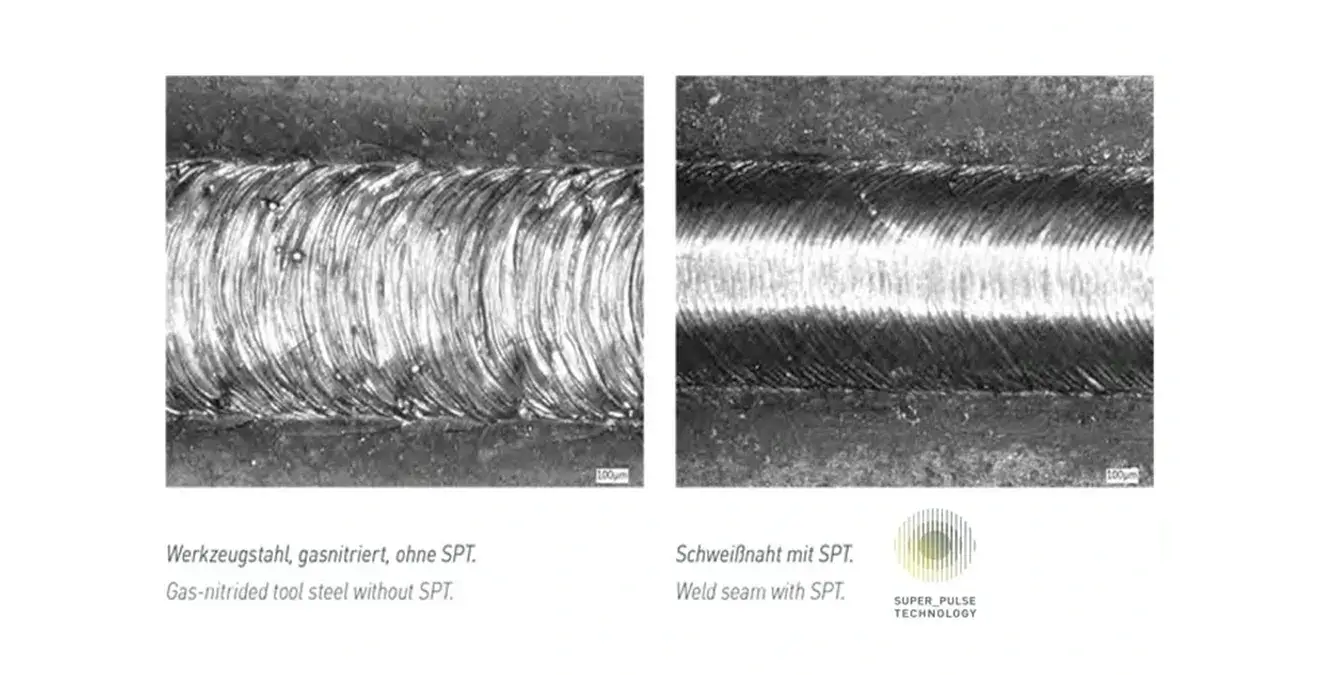
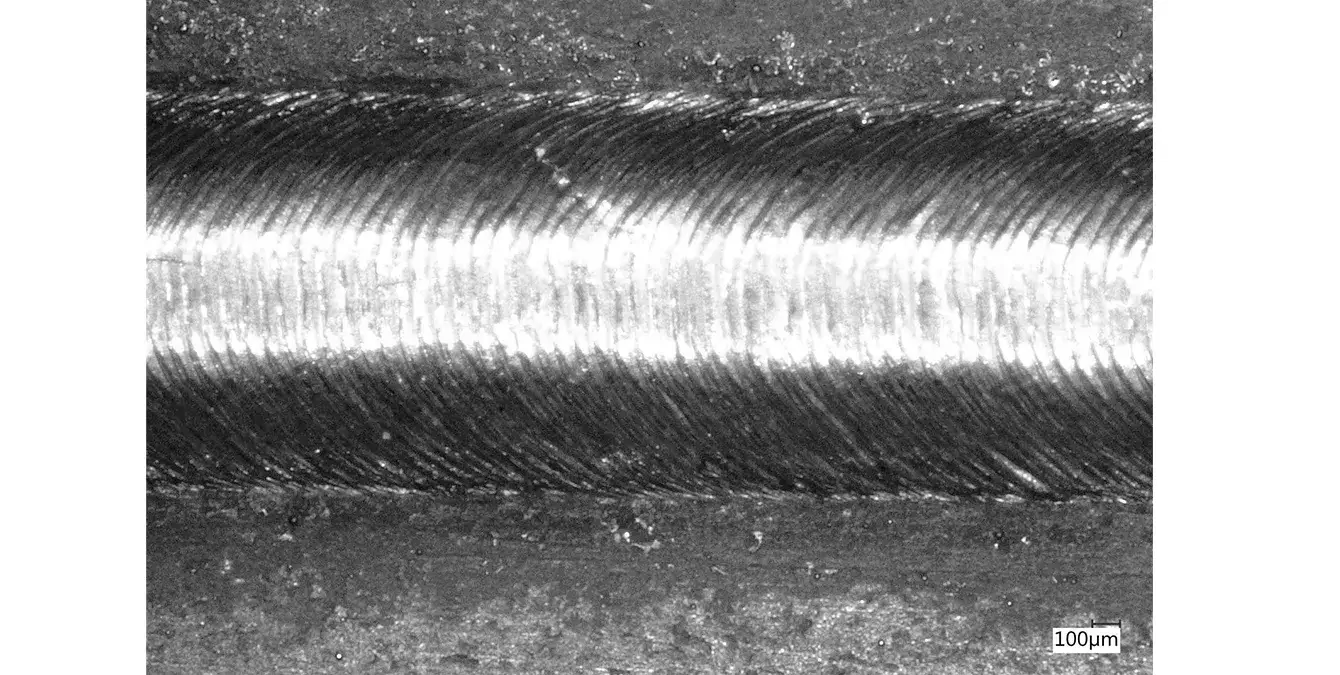
Super Pulse Technology (SPT) employs advanced pulse shaping techniques that play a critical role in weld defects prevention. By precisely controlling the power and energy input during the welding process, SPT effectively reduces thermal stress, which is a primary cause of weld seam defects.
Pulse shaping technology used in SPT adjusts the waveform of the welding current, thereby optimizing heat distribution. This reduces the likelihood of distortions and mitigates the formation of common welding defects such as cracks and porosity. The ability to control these parameters allows for a more consistent weld profile, enhancing the overall integrity and strength of welded joints.
Moreover, by minimizing the heat input, SPT reduces the cooling rate, decreasing the chances of cold cracking. These features highlight the potential of SPT in welding to achieve high-quality welds, offering a robust solution to combat traditional methods prone to defects.
Minimizing Common Defects with SPT
The application of Super Pulse Technology in welding significantly minimizes the occurrence of defects that are prevalent in conventional welding techniques. By utilizing SPT, welders can prevent commonly encountered issues such as incomplete penetration and fusion, which often arise from improper heat application.
SPT ensures enhanced control over the welding process, enabling welders to adjust parameters dynamically. This adaptability is particularly beneficial in advanced technologies in weld defect detection. With the improved ability to detect anomalies early in the process, the probability of defect occurrence is considerably reduced.
The question of how do Super Pulse Technology reduce weld seam defects? is answered through its ability to provide precise energy management and pulse control. This not only improves the weld’s appearance but also reinforces its structural integrity by limiting the formation of voids and inclusions. Furthermore, SPT’s integration with existing quality assurance in welding frameworks allows for real-time adjustments during the welding process, thereby promoting best practices for preventing weld seam defects.
Implementing SPT in modern welding scenarios enhances detection capabilities and response times, facilitating a superior quality weld outcome that meets industry standards. As companies continue to adopt these advanced technologies, the incidence of weld seam defects is anticipated to decline, setting a new benchmark for quality in fabrication processes.
Integration of AI for Enhanced Defect Detection
AI in Welding Technology
As welding technology continues to evolve, the incorporation of Artificial Intelligence (AI) plays a pivotal role in advanced technologies in weld defect detection. AI systems enhance the welding process by providing real-time monitoring and adaptive control measures that detect and prevent weld seam defects. By leveraging AI, welders can achieve higher precision in identifying potential flaws while minimizing human error.
The integration of AI into Super Pulse Technology (SPT) adds a layer of intelligence that addresses challenges in weld defects prevention effectively. AI algorithms analyze data patterns to predict possible defect occurrences, contributing to superior quality assurance in welding. This not only reduces the likelihood of defects but also optimizes the entire welding operation through automation.
Predictive Analytics for Real-Time Defect Detection
Predictive analytics, a subset of AI, plays a crucial role in real-time defect detection and prevention within SPT in welding. By analyzing historical and real-time data, predictive models can forecast potential issues before they occur, allowing for timely interventions. This application of AI significantly reduces downtime and enhances productivity.
Through continuous learning and data analysis, AI-powered systems identify patterns indicative of weld seam defects. This empowers welders to make informed decisions during the welding process, ensuring higher quality welds and reducing costly rework. The proactive nature of predictive analytics underlines why it’s integral to best practices for preventing weld seam defects.
As the industry continues to explore how Super Pulse Technology can reduce weld seam defects, the role of AI and predictive analytics becomes increasingly vital. These technologies offer an intelligent and systematic approach to welding defects prevention, transforming traditional welding practices and setting new benchmarks for efficiency and reliability.

Comparative Analysis of Detection Methods
Traditional Detection Methods: Pros and Cons
Traditional methods of detecting weld seam defects have long been foundational in quality assurance in welding. Common techniques include visual inspections, magnetic particle testing, and ultrasonic testing. Each of these methods offers unique benefits and limitations.
- Visual Inspections: Simple and cost-effective for surface-level weld defects prevention; however, they lack the ability to detect subsurface issues.
- Magnetic Particle Testing: Effective for detecting surface and near-surface defects in ferromagnetic materials, but it cannot be applied to non-ferrous materials.
- Ultrasonic Testing: Capable of identifying subsurface defects with relatively high precision. However, it requires skilled operators and can be time-consuming.
While these methods are useful, they often have limitations in accurately identifying deeper weld seam defects. This is where advanced techniques such as Super Pulse Technology (SPT) in welding come into play.
Advantages of SPT in Defect Prevention
The integration of Super Pulse Technology in defect detection offers significant advantages over traditional methods. SPT enhances weld quality by reducing the likelihood of defects occurring in the first place. By employing advanced pulse shaping technology, SPT delivers precise control over the welding process, minimizing common issues such as porosity and cracking.
An interesting aspect of SPT is its ability to be used in conjunction with existing detection methods, thus providing a more robust approach to weld seam defect prevention. It optimizes the welding parameters effectively, leading to fewer defects and improved overall quality.
Studies have shown that SPT can significantly reduce the incidence of weld seam defects by ensuring thorough fusion and consistent penetration. This advanced technology not only supports better prevention strategies but also integrates seamlessly with current practices, enhancing their efficacy.
For professionals looking to advance their understanding of Super Pulse Technology welding, it’s critical to explore how it complements traditional methods to deliver superior outcomes in weld quality. Understanding the pros and cons of various detection strategies will assist in making informed decisions about implementing these technologies in their processes.
Optimized Welding for Various Materials
SPT’s Adaptability to Material Properties
Super Pulse Technology (SPT) offers significant advantages in optimizing welding processes across various materials. The key to its effectiveness lies in pulse shaping technology, which intelligently modulates the welding parameters to adapt to different material properties. Whether it’s steel, aluminum, or titanium, SPT ensures a superior weld seam by minimizing common welding defects such as porosity, cracking, and incomplete fusion.
In traditional welding, maintaining quality across diverse materials often requires extensive parameter adjustments. However, SPT simplifies this process by automatically configuring pulse patterns to suit specific material characteristics. This not only increases the efficiency of weld defects prevention but also significantly enhances quality assurance in welding, reducing the chances of errors.
Applications of SPT in Diverse Welding Environments
The versatility of Super Pulse Technology makes it an ideal choice for various industrial sectors requiring high precision. For instance, in aerospace, where lightweight and strong joints are crucial, SPT can be employed to weld aluminum and titanium alloys effectively, ensuring reliability and longevity of the components.
Similarly, in the automotive industry, where different materials are frequently joined, SPT minimizes distortion and reduces the requirement for post-weld treatments. This adaptability not only contributes to quality assurance in welding but also enhances production efficiency by maintaining consistent weld quality over a range of material types.
Moreover, the advanced control mechanisms of SPT allow it to be implemented in environments with varying temperature and pressure conditions, further demonstrating its adaptability and robustness. By leveraging these properties, industries can achieve optimal welding results while effectively reducing the occurrence of weld seam defects SPT is designed to address.

Future Prospects in Welding Technology
Trends in Welding Technology
The welding industry is undergoing significant advancements, as technological innovations like Super Pulse Technology (SPT) continue to redefine ways to address weld seam defects. SPT not only enhances weld quality but also sets the stage for future developments. Emerging trends point towards the increased use of automation and advanced monitoring systems, crucial for advanced technologies in weld defect detection. Such technologies aim to refine the manufacturing process by providing real-time feedback and precision, leading to substantial improvements in the quality assurance in welding.
The Role of Machine Learning in Future Welding Innovations
Machine learning stands at the forefront of future welding innovations, poised to enhance the capabilities of Super Pulse Technology. By analyzing extensive datasets from welding processes, machine learning algorithms can predict potential defects and suggest optimal settings, facilitating effective weld defects prevention. This integration propels the industry towards achieving higher efficiency and lower defect rates, revolutionizing traditional approaches.
In particular, machine learning can enhance pulse shaping technology, optimizing the pulse parameters to mitigate defects more efficiently. The future prospects of SPT in welding include not only defect reduction but also the potential for remote operations and predictive maintenance. By leveraging machine learning, the welding industry can anticipate future trends and adapt to new challenges, incorporating advances in artificial intelligence to refine and perfect the welding process.
Conclusion
In the realm of welding, understanding and mitigating weld seam defects is crucial for ensuring structural integrity and reliability. This article has illuminated key insights into common types of weld defects, including porosity, cracks, incomplete fusion, and spatter, which are well-documented challenges affecting weld quality. By highlighting their causes—such as improper gas shielding and inadequate heat input—there’s a clear pathway to improvement through targeted strategies and technologies.
The introduction of Super Pulse Technology (SPT) marks a significant advancement in welding practices. SPT’s ability to manipulate pulse characteristics like peak current and background current provides precise thermal control, which is instrumental in reducing defects such as porosity and cracking. Its integration into the industry aligns with broader efforts in welding defect detection and prevention, placing a strong emphasis on quality assurance.
Moreover, the adaptability of SPT across different materials and welding environments showcases its versatility. By customizing welding parameters to suit material-specific properties, SPT optimizes welding outcomes, a critical factor in demanding sectors such as aerospace and automotive industries. This adaptability ensures enhanced weld quality, reducing the incidence of defects and promoting reliability in diversified manufacturing environments.
Equally significant is the role of AI and predictive analytics in enhancing welding technology. The integration of AI enables real-time monitoring and adaptive control measures, significantly elevating defect detection mechanisms while minimizing human error. Predictive analytics extends these capabilities by forecasting potential issues, thus allowing proactive interventions which lead to fewer defects and optimized operations.
Traditional methods of weld defect detection, while foundational, often face limitations in detecting deeper flaws. The comparative analysis provided in the article underscores how Super Pulse Technology not only complements but advances these traditional methods by introducing precision and adaptability that were previously unattainable.
Looking forward, the integration of machine learning in SPT promises transformative impacts. By leveraging vast datasets and advanced analytics, machine learning can refine pulse parameters to further reduce the presence of defects. Future prospects include enhanced remote operations and predictive maintenance capabilities, positioning the welding industry to proactively anticipate and address emerging challenges.
This continuous evolution within the sector demonstrates that the adoption of technologies like SPT, coupled with artificial intelligence, not only resolves current issues but also sets the stage for future advancements in welding integrity and reliability. As manufacturers aim for precision and quality, embracing these technological innovations will be vital.
In conclusion, the welding industry’s march towards automated, precise, and reliable practices solidifies its path to innovation. Super Pulse Technology in particular offers robust solutions for maintaining weld quality, fostering an era where seamless and strong welds become not just an aspiration but a standard. As industries embrace these advancements, the potential to revolutionize welding practices aligns closely with the goals of reducing defects and enhancing process efficiency, underscoring a promising future for the technology and its evolving impact on industrial applications.