
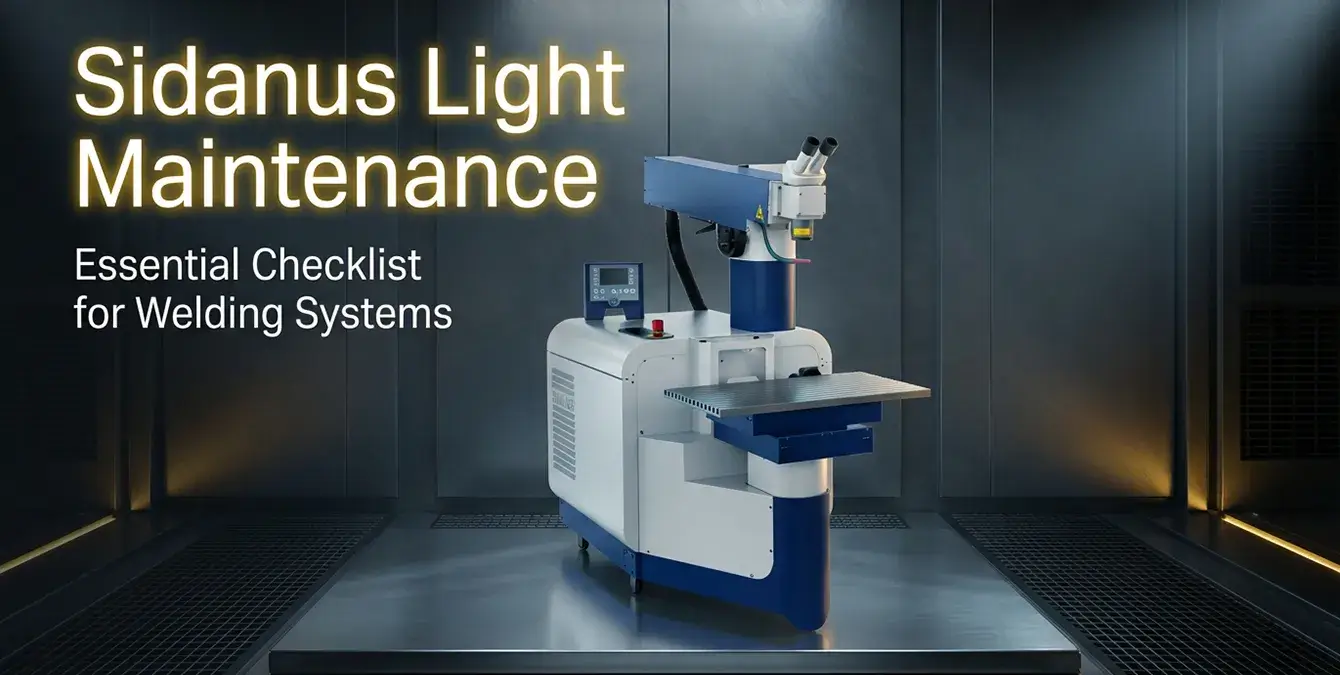
Mastering Sidanus Light Maintenance: Your Essential Welding System Checklist
Precision is the heartbeat of any successful industrial operation, and in laser welding, the Sidanus Light system epitomizes this standard. But to sustain its unparalleled accuracy and reliability, a robust maintenance strategy is essential. How can you ensure that your welding system runs at peak performance, consistently delivering quality results?
Understanding the importance of Sidanus Light maintenance isn’t just about keeping your machinery operational—it’s about enhancing its lifespan and efficiency, saving time and reducing costs in the long run. Regular inspections are critical; they help you detect wear and tear early, preserving the system’s functionality. Cleaning laser components, such as optics and lenses, guards against degradation, thus preventing beam distortion that could compromise your work.
Moreover, consistent calibration maintains the precision of your laser welding, significantly reducing the possibility of defects. By addressing issues swiftly—be they minor or major—through timely repairs and detailed troubleshooting steps, you can forestall disaster and maximize machine life. Documenting each maintenance activity further streamlines processes for future servicing, ensuring continuity and efficiency.
Let’s explore how a detailed preventive maintenance checklist can not only prevent downtimes but also elevate the overall performance of your Sidanus Light welding system. By leveraging the support available for complex issues, you maintain an edge in operational excellence. Dive into our comprehensive guide to ensure your system is always ready to meet the challenges of industrial demands.
The Sidanus Light Welding System stands as a pinnacle of precision in industrial laser welding. Ensuring its long-term reliability and maintaining consistent weld quality demands a rigorous maintenance regimen. Below, we outline a comprehensive checklist to assist you with efficient upkeep practices for the Sidanus Light.
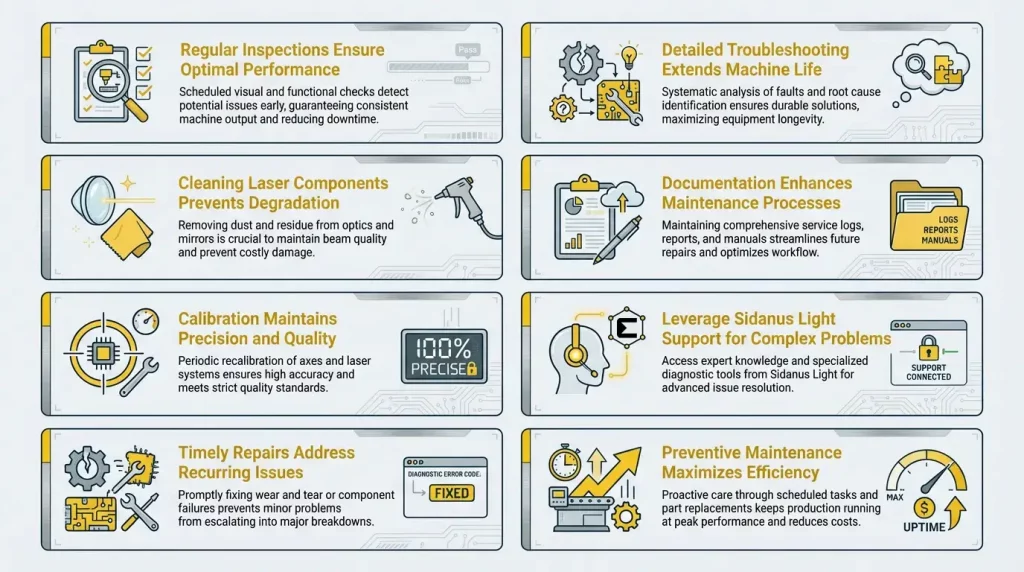
- Regular Inspections Ensure Optimal Performance: Conduct thorough inspections of the welding system components regularly to detect wear and tear early, preserving system functionality.
- Cleaning Laser Components Prevents Degradation: Routine cleaning of laser optics and lenses is crucial in maintaining high-performance standards, preventing beam distortion and system inefficiencies.
- Calibration Maintains Precision and Quality: Regular calibration and alignment checks ensure precision in welding operations, reducing defects and maintaining high-quality output.
- Timely Repairs Address Recurring Issues: Immediate attention to repair needs such as system malfunctions or warning alerts can prevent minor issues from escalating into major failures.
- Detailed Troubleshooting Extends Machine Life: Implement standard troubleshooting steps for common issues to quickly resolve anomalies and extend the operational lifespan of the equipment.
- Documentation Enhances Maintenance Processes: Keep detailed records of all maintenance activities and updates to streamline future inspections, repairs, and service audits.
- Leverage Sidanus Light Support for Complex Problems: Utilize technical support for intricate issues not addressed by routine maintenance, ensuring expert handling of specialized complications.
- Preventive Maintenance Maximizes Efficiency: A well-structured preventive maintenance program minimizes downtime and operational disruptions, boosting the overall efficiency of the laser welding system. Ensuring the Sidanus Light Welding System runs smoothly requires dedicated attention to its maintenance regimen.
As we delve deeper, each checklist item will be elaborated to guide you through thorough maintenance, enhancing both the longevity and performance of the Sidanus Light.
Regular Inspection Procedures
Frequency of Regular Inspections
To maintain the optimal operation of the Sidanus Light Welding System, regular inspections should be conducted every three to six months. These inspections are crucial for minimizing downtime and ensuring consistent weld quality. The frequency may vary based on usage intensity and the working environment. For instance, systems used in high-demand industrial settings may require more frequent checks.
Identifying Signs of Wear and Tear
During routine maintenance for welding machines like the Sidanus Light, it’s essential to look for signs of wear and tear. Common indicators include frayed cables, overheating components, unusual noises, and decreased performance. Identifying these issues early can prevent costly repairs and enhance the system’s lifespan. Additionally, maintaining a detailed log of these observations can aid in tracking the system’s health over time.
Tools and Techniques for Effective Inspection
Effective inspection of the Sidanus Light welding system requires a methodical approach using appropriate tools. A digital caliper, thermal camera, and multimeter are indispensable for measuring parts, detecting heat variations, and checking electrical continuity, respectively. Visual inspections should be combined with these tools to ensure comprehensive analysis.
- Use a guide on inspection techniques for step-by-step procedures.
- Utilize calibration tools to ensure precise alignment and performance.
- Log and document inspection results for future reference and analysis.
Incorporating these preventive maintenance activities will ensure that the Sidanus Light operates efficiently, reducing the likelihood of unexpected breakdowns. Regular inspections are integral to the preventive maintenance checklist for Sidanus Light, facilitating early detection of potential issues and supporting long-term system reliability.
Cleaning and Upkeep of Laser Components
Best Practices for Cleaning Laser Optics
Regular cleaning of the Sidanus Light welding system’s laser optics is crucial for preventive maintenance of laser systems. Keeping these components clean prevents beam distortion and maintains precision during operations. To effectively clean laser optics, follow these steps:
- Use a gentle stream of compressed air to remove loose debris.
- Employ lint-free optical wipes dampened with a recommended lens cleaner to gently clean the surface.
- Avoid direct contact with hands or unapproved cleaning solutions to prevent residue and potential damage.
Preventive Measures Against Degradation
To prevent degradation of the laser components and ensure consistent operation, adhere to the following laser welding system upkeep measures:
- Conduct daily inspections for visible dirt or fingerprints on laser optics.
- Schedule periodic professional cleaning sessions to maintain optimal performance.
- Use protective covers when the laser is not in use, reducing dust accumulation.
Recommended Cleaning Products and Tools
Utilizing the right products is vital for effective cleaning and long-term maintenance for welding machines like the Sidanus Light. Consider these recommended product guides:
- Optical Cleaning Solvents: Suitable for safely removing contaminants from delicate surfaces.
- Lint-Free Wipes: Essential for preventing scratches and remaining residue-free.
- Soft Brush or Compressed Air: Ideal tools for initial cleaning steps to dislodge loose particles.
For additional support, consult Sidanus Light support documentation for comprehensive guidelines on industrial laser maintenance. These resources are invaluable for anyone looking to effectively maintain their welding systems, thus ensuring long-term reliability and consistent weld quality.
Calibration and Alignment Checks
Steps for Accurate Calibration
One of the most critical aspects of Sidanus Light maintenance is ensuring precise calibration. Regular calibration is essential for maintaining the accuracy and efficiency of laser welding system upkeep. To begin:
- Verify that all components are clean and free of obstructions.
- Use certified calibration tools to measure output parameters.
- Adjust the laser settings to match the manufacturer’s specifications.
- Document all calibration results and adjustments for future reference.
How to Perform Alignment Checks
Alignment is just as vital as calibration in keeping the Sidanus Light welding system running smoothly. Proper alignment ensures the laser’s beam hits the target accurately and efficiently. Here’s how to perform alignment checks:
- Inspect and clean all optical components before beginning.
- Use a beam alignment tool to verify the laser’s path.
- Adjust mirrors and lenses for optimal beam focus and direction.
- Test the system on a controlled sample to confirm alignment accuracy.
Common Calibration Errors and Fixes
Even a well-maintained system can encounter calibration issues. Being able to identify and correct common errors is a part of effective maintenance for welding machines:
- Discrepancy in Output Power: Ensure the power levels are within acceptable ranges. Re-calibrate if necessary.
- Inconsistent Beam Quality: Check for dirt on lenses, and realign or replace defective components.
- Irregular Focus: Verify the lens positioning and adjust focus settings systematically.
For an in-depth guide, visit our calibration tutorial to enhance your understanding of preventive maintenance checklist for Sidanus Light systems.
Timely Repairs and Troubleshooting
Identifying Common System Malfunctions
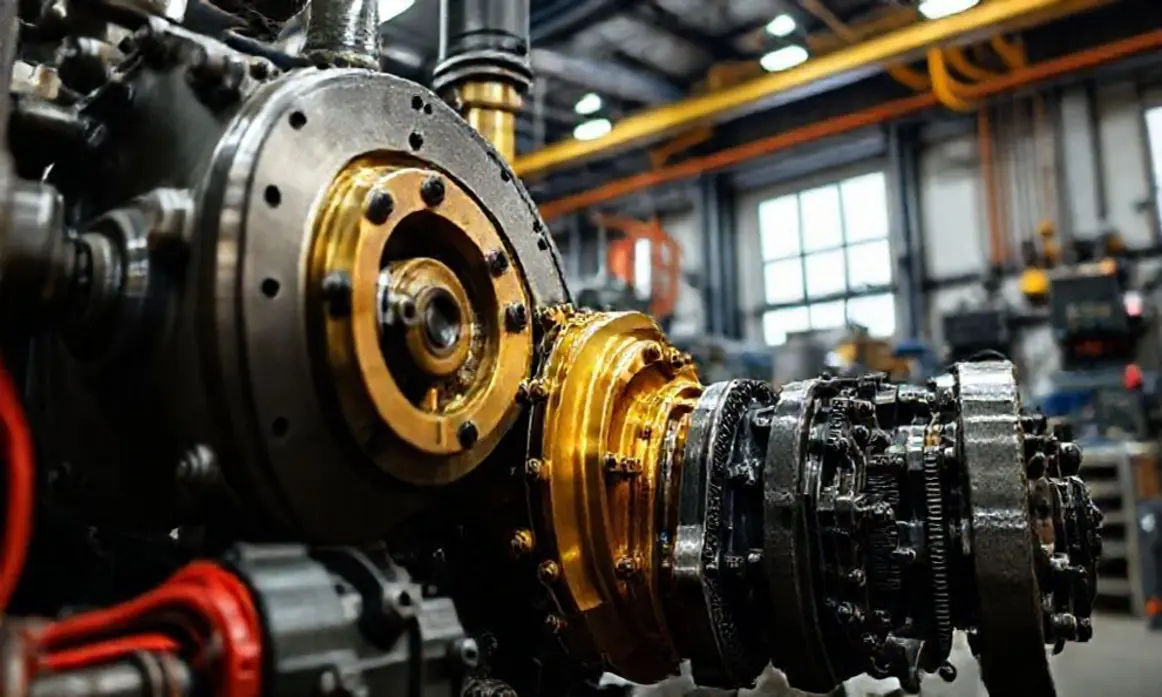
Troubleshooting for the Sidanus Light welding machine begins with identifying typical issues that might arise. Common malfunctions include irregular laser output, unexpected shutdowns, and alignment problems. It’s crucial to address these issues promptly to maintain optimal performance. Regular monitoring and preventive maintenance for laser systems can help in early detection of these problems.
Quick Troubleshooting Techniques
Implementing effective troubleshooting techniques is essential for resolving minor issues before they escalate. Here are some troubleshooting tips for the Sidanus Light welding machine:
- Check Laser Components: Regularly inspect components for dirt or damage, as cleanliness is pivotal for function. Perform routine cleaning and upkeep of laser components to prevent unnecessary wear.
- Calibration and Alignment: Ensure that the system is properly calibrated and aligned. Misalignment can lead to poor weld quality.
- System Diagnostics: Utilize built-in diagnostic tools to quickly assess system performance and identify any anomalies.
For detailed guidance, refer to professionally curated troubleshooting guides available for the Sidanus Light system.
Importance of Timely Repairs
The importance of timely repairs cannot be overemphasized. Addressing repair needs promptly helps in maintaining the integrity and efficiency of the welding system. Procrastination in repairs can lead to larger issues that not only disrupt operations but also incur higher costs.
Engaging in regular maintenance for welding machines and investing in professional Sidanus Light support services ensures longevity and consistent performance. Understand the role of preventive maintenance as essential in mitigating repair demands and securing the system’s productivity.
With these steps, not only can you prevent significant downtime, but you can also extend the lifespan of your equipment, ensuring reliable results for your industrial laser maintenance needs.
Documentation and Record-Keeping
Essential Records to Maintain
For optimal Sidanus Light maintenance, maintaining detailed records is crucial. These records should include a preventive maintenance checklist for Sidanus Light, logs of inspections, component replacements, and any Sidanus Light repair activities undertaken. By systematically recording information, the longevity and efficiency of the laser welding system can be ensured.
How to Streamline Documentation Processes
To streamline documentation processes, consider utilizing digital tools for real-time updates and easy access to records. Solutions such as document management software facilitate improved organization of maintenance records, ensuring that all technicians are on the same page. Regular updates to the records should include calibration and alignment checks, and cleaning activities to ensure comprehensive industrial laser maintenance.
Benefits of Comprehensive Documentation
Comprehensive documentation offers several benefits, including improved tracking of maintenance history, aiding in troubleshooting tips for Sidanus Light welding machine, and planning future preventive maintenance. Understanding what components require regular attention can prevent unnecessary Sidanus Light repair costs and enhance system reliability.
Moreover, detailed records support consistent system care, leading to enhanced weld quality and reduced downtime. By maintaining an effective documentation system, businesses can enhance their long-term reliability and consistent operation of the Sidanus Light Welding System.
Utilizing Sidanus Light Support
When to Seek Expert Support
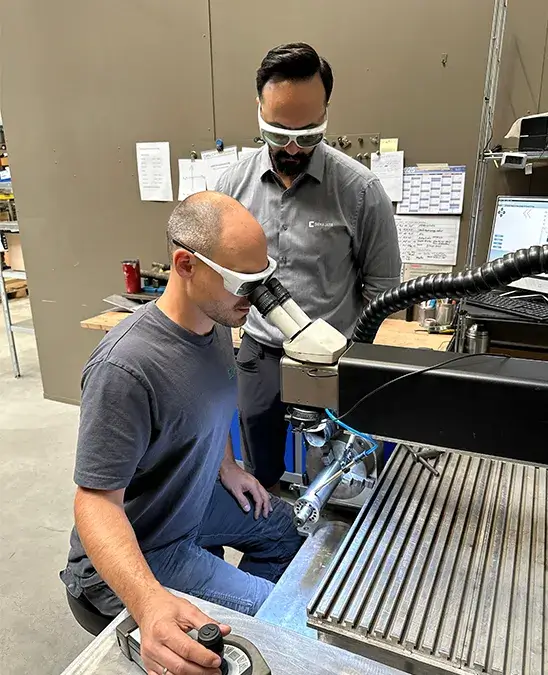
While regular maintenance for welding machines like the Sidanus Light is essential, there are times when leveraging Sidanus Light support becomes necessary. Complex issues such as significant alignment discrepancies or persistent performance decline indicate the need for professional assistance. Engaging expert support ensures that minor problems do not escalate into costly repairs.
Types of Support Available from Sidanus Light
Sidanus Light offers diverse support options designed to cater to various user needs:
- Technical Consultation: Detailed guidance for addressing specific issues in your system.
- On-Site Service: Available for more severe problems that require direct intervention.
- Remote Assistance: Access support via online tools for quick troubleshooting.
- Repair Services: Comprehensive solutions for Sidanus Light repair and parts replacement.
Each type of support is tailored to help maintain optimal performance, ensuring that the Sidanus Light welding system remains reliable and efficient.
For more info about our services view this page: Sigma Laser industrial laser welding Services
Maximizing Benefits from Technical Support
To fully benefit from Sidanus Light support, it is crucial to prepare detailed descriptions of any issues and provide system logs when possible. Promptly addressing small problems with professional guidance can prevent future breakdowns, enhancing the system’s longevity. Additionally, regular training sessions offered by Sidanus Light can improve your team’s ability to perform preventive maintenance for laser systems and reduce the frequency of technical issues.
For more information, users are encouraged to visit the official support pages or contact Sidanus Light directly for personalized assistance.
Implementing Preventive Maintenance
Creating a Preventive Maintenance Schedule
Establishing a preventive maintenance for laser systems schedule is crucial for maintaining the Sidanus Light welding system. Start by identifying key components that need regular attention. These include:
- Optics and laser components
- Cooling systems
- Electrical connections and power sources
Structure your schedule based on manufacturer recommendations and your operational frequency. Routine checks and systematic cleaning minimize the risk of unexpected failures and ensure efficient maintenance for welding machines.
Benefits of Preventive Maintenance
Implementing a robust preventive maintenance program enhances your Sidanus Light maintenance efforts by increasing system efficiency, minimizing downtime, and extending the lifespan of your equipment. Consistent laser welding system upkeep ensures weld quality remains high, which is vital for production reliability.
Moreover, regular preventive maintenance helps in early detection of potential issues, allowing for timely Sidanus Light repair before they escalate into more significant problems.
Case Studies of Successful Maintenance
Various industries have reaped the benefits of structured preventive maintenance for their Sidanus Light systems. For instance, a manufacturing company reported a 20% increase in operational uptime after implementing a detailed maintenance plan outlined in a preventive maintenance checklist for Sidanus Light.
Such proactive approaches not only support operational goals but also enable teams to dedicate more time to strategic tasks rather than frequent troubleshooting.
Research various case studies and reports on the efficacy of maintenance schedules to adapt best practices into your operations. Understanding how to maintain the Sidanus Light welding system efficiently ensures both short and long-term success.
Conclusion and Best Practices Summary
Summary of Key Maintenance Tips
Proper maintenance of the Sidanus Light Welding System is crucial for its efficiency and longevity. Regular inspection procedures, such as checking for wear and tear, are essential. The cleaning and upkeep of laser components should be performed frequently to prevent build-up of debris. Calibration and alignment checks are also fundamental to maintaining precision in the welding process.
Final Recommendations for System Longevity
To ensure the long-term reliability of the Sidanus Light, it is important to implement a comprehensive preventive maintenance program. This should include a detailed log of all maintenance activities, scheduling regular servicing, and adhering to manufacturer guidelines. Additionally, having a set troubleshooting protocol can mitigate potential issues swiftly. Proactive measures like these not only extend the life of the system but also enhance its performance.
Resources for Further Learning
- For detailed guidelines on preventive maintenance for laser systems, visit our comprehensive resource center.
- Explore the importance of industrial laser maintenance to understand the best upkeep practices.
- For troubleshooting tips and support, learn more about our Sidanus Light support services.
Conclusion: Ensuring Efficiency and Longevity in Sidanus Light Welding Systems
The maintenance of the Sidanus Light Welding System emerges as a cornerstone of ensuring peak operational efficiency and prolonged equipment life. Regular and well-structured maintenance activities, including thorough inspections, precise cleaning, and meticulous calibration, are integral to preventing unexpected breakdowns and sustaining high-quality welds. These actions contribute significantly to minimizing downtime and enhancing overall productivity within industrial settings.
Key to this process is the understanding that regular inspection procedures are not merely a recommendation but a necessity for the system’s health. By routinely monitoring signs of wear and tear, maintenance teams can preemptively address small issues before they escalate into costly repairs. This proactive approach is vital, especially in high-demand environments where the Sidanus Light Welding System’s consistent performance is crucial.
Additionally, the cleanliness of laser components cannot be overstated. Regular cleaning of optics using the appropriate techniques and products ensures that the laser’s precision remains uncompromised. Employing methods such as using compressed air and lint-free optical wipes prevents beam distortion, thereby maintaining operational integrity.
The importance of regular calibration and alignment checks also plays a crucial role. These processes ensure that the laser system operates with maximum precision and efficiency. By utilizing certified tools and maintaining documentation of each calibration activity, organizations can track and verify system accuracy over time, further reinforcing the reliability of their equipment.
Furthermore, the strategic implementation of preventive maintenance schedules underscores the benefits of foresight in managing complex machinery. By identifying key components requiring attention and adhering to a detailed schedule, businesses can safeguard against unforeseen failures, thereby optimizing production cycles and ensuring consistent quality.
In cases where technical challenges exceed internal capabilities, engaging with Sidanus Light support becomes invaluable. The array of supports available, from technical consultations to on-site services, ensures that expert insights are readily accessible, empowering teams to address issues efficiently and effectively.
Thorough documentation and record-keeping practices enhance the ability to implement comprehensive maintenance strategies effectively. By leveraging digital tools for accurate and real-time logs, maintenance technicians can access detailed histories, aiding both in troubleshooting and in devising forward-looking maintenance plans.
Ultimately, the methodologies outlined—ranging from regular inspections to the use of professional support—paint a comprehensive picture of how optimal maintenance of the Sidanus Light Welding System can be achieved. This not only preserves the system’s operational life but also enhances its performance across various applications, proving invaluable to organizations aiming to maintain efficiency and competitiveness in their operations.
Moving forward, adopting these best practices offers a clear pathway to ensuring that the Sidanus Light continues to operate at its best, delivering unwavering precision and reliability. By arming yourself with the right knowledge and resources, and by consistently applying these strategies, you can maintain the durability and functionality of your welding systems, thereby securely positioning your industrial practices for future success.