
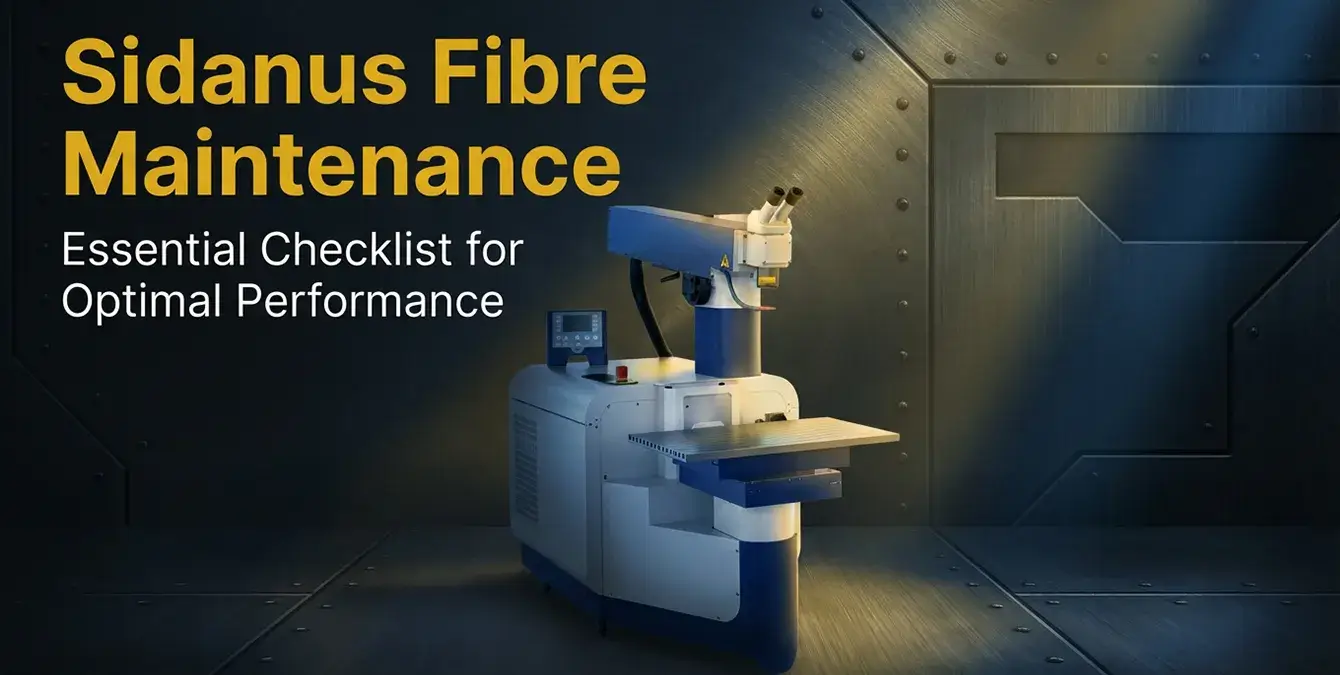
Elevate Your Welding Game: Mastering Sidanus Fibre Maintenance
In the realm of industrial fibre laser welding, maximizing efficiency and reliability doesn’t just happen by chance—it requires meticulous attention to maintenance. The Sidanus Fibre Laser Welding System is a testament to cutting-edge technology, yet its remarkable performance hinges on consistent upkeep. Imagine ensuring that your welding operations never falter, minimizing downtimes, and dodging costly repairs. How is this possible? Through a strategic maintenance approach tailored specifically for the Sidanus Fibre system.
Proper Sidanus Fibre maintenance is not merely a routine; it’s a commitment to maintaining peak efficiency and extending the lifespan of your fibre laser system. Regular calibration not only enhances precision but also secures the quality of your welding outcomes, yoking the system’s advanced capabilities to deliver unparalleled results. Meanwhile, implementing rigorous cleaning practices ensures that your system’s efficiency remains uncompromised by ensuring clear optics and preventing beam path obstructions.
The stakes are high when it comes to operational longevity, and routine inspections are your first line of defense. By identifying potential wear and tear before they become critical issues, you can preemptively manage repairs and ensure that your fibre laser system remains operational at all times. Further, timely replacements of consumables like optics and filters, aligned with manufacturer guidelines, ward off unnecessary system inefficiencies.
Organizational best practices such as documented maintenance routines promote consistency and accountability, providing a clear purpose for every scheduled service or part replacement. This comprehensive checklist, when paired with expert training and environmental controls, empowers your team to operate the Sidanus Fibre system with heightened proficiency and minimized risk.
Let’s explore how understanding and implementing these meticulous maintenance strategies can significantly boost the performance and durability of your Sidanus Fibre system. By following these guidelines, businesses can experience seamless productivity and operational excellence, ensuring their fibre laser systems remain robust and enduring.
Continue reading to delve deeper into each maintenance aspect, unlocking expert insights and detailed instructions geared toward optimizing your system’s longevity.
Maintaining the Sidanus Fibre Welding System is crucial for ensuring it operates at peak efficiency and longevity. This guide outlines the essential maintenance tasks and best practices tailored specifically for the Sidanus Fibre system. By following these tips, users can optimize their fibre laser system and extend its lifespan, avoiding potential downtimes and costly repairs.
- Regular Calibration Enhances Precision: Consistently calibrating the Sidanus Fibre system ensures precise laser output, vital for high-quality welding results.
- Cleaning Improves System Efficiency: Regularly cleaning optics and components within the fibre laser system helps maintain clear beam paths and prevents output degradation.
- Routine Inspections Prevent Downtime: Scheduled inspections allow early detection of wear and tear, enabling proactive repairs before issues escalate.
- Timely Replacement of Consumables: Replacing optics and filters as per manufacturer guidelines sustains optimal performance and prevents system inefficiencies.
- Avoid Overloading with Defined Operating Parameters: Adhering to the recommended operating parameters reduces strain and prevents early system failure.
- Documentation Ensures Consistent Maintenance: Keeping detailed maintenance records promotes accountability and aids in tracking service intervals and replacements.
- Expert Training Reduces Operational Risks: Providing thorough training for personnel minimizes operational risks and enhances system handling efficiency.
- Environmental Control Preserves Laser Integrity: Maintaining recommended temperature and humidity levels ensures the Sidanus Fibre system remains stable and reliable.
- Firmware Updates Enhance System Capabilities: Regular software updates keep the system’s capabilities up-to-date and improve operational efficiency.
- Customized Maintenance Plans for Unique Needs: Tailor your maintenance plan based on specific usage patterns to extend the system’s lifecycle effectively.

By implementing these maintenance strategies, businesses can significantly enhance the Sidanus Fibre system’s performance and durability. In the following sections, we will delve deeper into each aspect of the maintenance process, providing detailed instructions and expert insights to support your system’s longevity.
Understanding the Sidanus Fibre System
Key Features of the Sidanus Fibre Laser Welding System
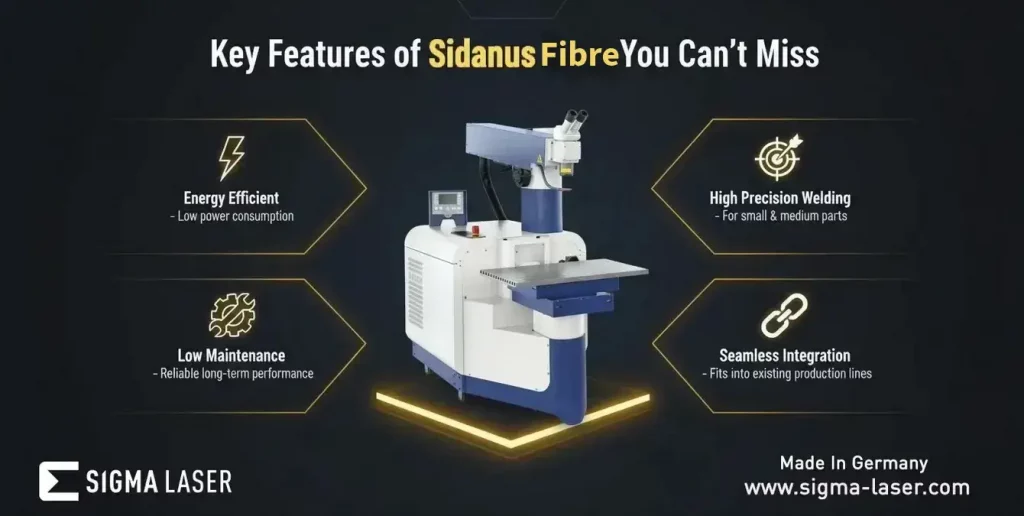
The Sidanus Fibre Welding System is renowned for its precision and reliability in industrial applications. It utilizes advanced fibre laser technology, which incorporates energy-efficient laser systems and virtually maintenance-free lasers, ensuring optimal operation.
Among its key features are its Ytterbium fiber laser, known for stability and performance. The system is designed with robust components that meet the demands of high-speed and high-volume production environments.
Regular fibre laser system upkeep is essential to maintain its high efficiency and extend its lifecycle. The design also allows for easy integration into existing setups, making it a versatile choice for various industrial needs.
Benefits of Using the Sidanus Fibre in Industrial Settings
The use of the Sidanus Fibre Welding System in industrial settings offers numerous benefits. High precision and reduced maintenance costs are among its greatest advantages. The system provides consistent quality, minimizing production downtime and enhancing overall manufacturing efficiency.
Furthermore, regular Sidanus Fibre maintenance ensures the system operates at peak levels. By following a tailored Sidanus Fibre system maintenance checklist, businesses can maximize their return on investment and achieve high performance standards.
Adopting Sidanus Fibre performance tips not only ensures system longevity but also keeps operational costs lower, making it an indispensable tool in modern industrial processes.
Regular Calibration for Enhanced Precision
Steps to Calibrate the Sidanus Fibre System
Regular calibration is critical for maintaining the precision of the Sidanus Fibre laser welding system. This ensures that welding outputs are consistent and of the highest quality. Calibration involves several steps to verify the system’s accuracy and alignment.
- First, power down the system and allow it to cool. This helps prevent any thermal distortion during the calibration process.
- Consult the manufacturer’s manual for specific calibration guidelines tailored to the Sidanus Fibre system.
- Use a precision calibration tool to test the laser’s alignment and adjust if necessary.
- Check the laser output power and adjust settings to ensure they meet the desired specifications.
- Finally, document the calibration outcomes and any changes made to maintain a record of system upkeep.
For a more detailed guide on maintaining your system, refer to our comprehensive maintenance guide.
Impact of Calibration on Welding Quality
Regular calibration not only ensures the mechanical integrity of the system but also plays a vital role in enhancing the quality of welding. Precise calibration can significantly boost the performance of the Sidanus Fibre system by ensuring that energy-efficient laser systems operate within optimal parameters.
Improperly calibrated systems can lead to misaligned laser beams, resulting in poor-quality welds and increased defects. This affects the overall efficiency and can lead to higher operational costs. Moreover, maintaining a precise calibration schedule is part of best practices for industrial laser maintenance.
Thus, adhering to a regular calibration routine not only extends the lifespan of the system but also maximizes the benefits of maintaining fibre laser systems, ensuring they remain virtually maintenance-free and deliver consistent, high-quality results.
Comprehensive Cleaning and Inspections
Cleaning Optics and Pathways for Clear Beam Performance
To ensure consistent performance and longevity of the Sidanus Fibre laser welding system, regular cleaning of optics and pathways is imperative. Dirt and residue can accumulate on laser components, impacting the beam’s clarity and precision. Start by safely powering down the system and allowing it to cool. Use a lint-free cloth and a recommended cleaning solution to gently wipe the optical surfaces. This routine is crucial for maintaining fibre laser system upkeep and ensuring the unit functions as a virtually maintenance-free laser.
Additionally, check the alignment of the fibre pathways. Misalignment can lead to performance inefficiencies and increased wear. Schedule regular cleaning sessions based on usage frequency to prevent build-up and ensure optimal output. For more detailed guidance, refer to our maintenance guidelines.
Scheduled Inspections: Detecting Wear and Tear Early
Regularly scheduled inspections are vital for detecting early signs of wear and tear in industrial laser maintenance. These inspections should include a thorough check of all mechanical and electronic components. Pay close attention to connections, mounts, and pathways. Identifying potential issues early allows for proactive maintenance and prevents unexpected downtimes. Inspect the system’s cooling units and power supply for signs of aging or damage, which can affect the Sidanus Fibre performance.
Moreover, keep a detailed log of all inspection findings. This log will help track the system’s condition over time, providing insight into patterns requiring attention. Consistent monitoring aligns with best practices for system longevity and optimizes the benefits of maintaining fibre laser systems. For more information, explore our resources on system inspection techniques.
Timely Replacement of Consumables
Guidelines for Replacing Optics and Filters
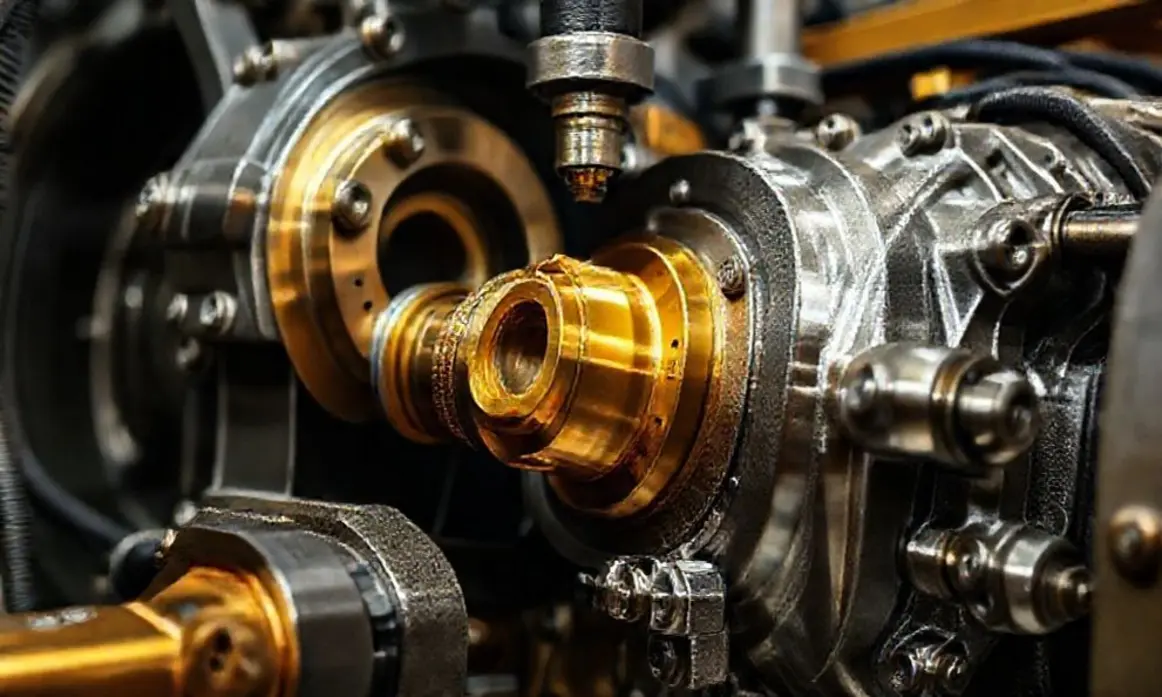
One of the key components of Sidanus Fibre maintenance involves the timely replacement of consumables, such as optics and filters. These parts play a crucial role in maintaining the operational excellence of your fibre laser system. Regular inspection and replacement of these items are necessary to prevent degradation in performance.
- Optics: Examine the laser optics regularly for any signs of wear or contamination. Clean or replace them as needed to ensure optimal light transmission and focus.
- Filters: Filters are essential for maintaining the purity of the laser process environment. Replace them according to the manufacturer’s guidelines to avoid any contamination that could affect laser performance.
Keeping a detailed log of routine inspections and replacements can help track the life cycle of these components and schedule timely replacements.
Consequences of Delayed Consumable Replacement
Delaying the replacement of consumables can lead to significant issues within the system. Cracked or dirty optics can result in misaligned beams or reduced laser efficiency. Similarly, clogged filters can lead to overheating and compromised laser quality.
Impact on Ytterbium fiber laser maintenance: The Sidanus Fibre’s Ytterbium fiber laser requires specific attention to consumable replacements to sustain its energy-efficient operating status. Any lapse in replacing optics or filters in due time could transform a virtually maintenance-free laser into a high-maintenance challenge.
Understanding these Sidanus Fibre performance tips can not only prevent unnecessary downtime but also extend the longevity of the entire system. Adhering to a disciplined maintenance checklist ensures that the industrial laser remains in top operating condition.
Regularly engaging with these maintenance practices provides numerous benefits of maintaining fibre laser systems, such as cost savings, enhanced precision, and improved system reliability.
Optimized Operational Parameters
Adhering to Defined Operating Parameters
The Sidanus Fibre system’s performance can be dramatically enhanced by adhering to its defined operating parameters. Regularly checking and calibrating these parameters is crucial for maintaining system stability and ensuring that the fibre laser system operates efficiently. This involves monitoring temperature ranges, power levels, and other critical settings which can affect both the quality and precision of the output.
An energy-efficient laser system like the Sidanus Fibre demands adherence to its operational parameters to maximize its lifecycle and performance. These steps not only contribute to minimizing downtime but also extend the system’s longevity, ensuring a virtually maintenance-free laser operation over time.
Environmental and Firmware Considerations
The environment in which the Sidanus Fibre system operates plays a significant role in its maintenance requirements. Ensure that the system is installed in a controlled environment where temperature fluctuations and humidity are minimal, as these can impact system stability and performance. Implementing environmental controls can prevent unnecessary wear and tear, contributing to the overall fibre laser system upkeep.
Additionally, keeping the system’s firmware up to date is essential. Regular software updates can provide new features, enhance the system’s efficiency, and eliminate bugs that might impair its functionality. Scheduling routine inspections and updates will help maintain optimal Sidanus Fibre performance. For more detailed guidance on maintaining your fibre laser system, refer to our Sidanus Fibre system maintenance checklist.

Documentation and Training for Maintenance Efficiency
Importance of Detailed Maintenance Records
Maintaining detailed records of all maintenance activities performed on the Sidanus Fibre laser welding system is crucial for ensuring optimal performance. Comprehensive documentation helps in identifying patterns of system behavior over time and assists in diagnosing potential issues before they escalate. Effective industrial laser maintenance hinges on systematic record-keeping, which not only aids in compliance with operational standards but also enhances the accountability and traceability of maintenance tasks.
Regularly updated logs that include information on inspections, repairs, and part replacements play a pivotal role in supporting efficient maintenance schedules. This proactive approach not only contributes to the reliability of the system but also extends its lifespan, maximizing the productivity gains associated with well-maintained energy-efficient laser systems.
Training Personnel for Effective System Handling
Training is an essential component of the Sidanus Fibre maintenance strategy and is vital for ensuring that personnel are equipped with the skills necessary for effective system handling. Well-trained staff can significantly improve the handling and upkeep of the fibre laser system upkeep, leading to reduced operational risks and enhanced system reliability.
Continuous professional development programs, focusing on both routine and complex maintenance procedures, are integral to maintaining the Sidanus Fibre performance tips. Such programs should cover comprehensive aspects of Ytterbium fiber laser maintenance, enabling staff to stay updated with the latest techniques and best practices for system longevity. This not only helps in minimizing downtime but also ensures that maintenance activities are aligned with achieving the maximum operational efficiency of the laser system.
Customizing the Maintenance Approach
Developing a Custom Maintenance Schedule
To optimize the longevity and efficiency of the Sidanus Fibre welding system, it’s crucial to develop a maintenance schedule tailored to its specific usage patterns. Different environments and frequencies of use can significantly impact the performance of your fibre laser system. Regular evaluations help in identifying the precise intervals required for maintenance tasks.
Routine inspections should be scheduled to address potential issues before they escalate. By aligning the maintenance tasks with the operational demands, the system remains in peak condition, ensuring it continues to provide energy-efficient laser system operations.
Evaluating System Needs Based on Usage
Assessing the system needs based on usage is a vital component of the Sidanus Fibre maintenance plan. For high-intensity usage, more frequent servicing may be necessary, while systems used sporadically may require less. Understanding these needs contributes significantly to maximizing the benefits of maintaining fibre laser systems.
Regular monitoring of system parameters, such as Ytterbium fiber laser maintenance requirements, helps in adapting maintenance schedules effectively. Moreover, this proactive approach contributes to the extended lifespan of your industrial laser.
By employing these strategies, you not only enhance system performance and longevity but also uphold the advantages offered by regular maintenance. Such advantages include reduced downtime and consistent operational reliability, pivotal aspects of any robust maintenance protocol.
Conclusion
The Sidanus Fibre Welding System stands as a testament to the advancements in industrial laser welding technology. By integrating energy-efficient laser systems with virtually maintenance-free operations, it offers a robust solution for high-speed and high-volume production needs. Its reliance on the Ytterbium fiber laser, known for its stability and precision, underscores its performance efficacy.
To maximize the benefits of the Sidanus Fibre System, enterprises must ensure regular maintenance, including calibration, cleaning, inspections, and timely replacement of consumables like optics and filters. Calibration is particularly crucial as it guarantees precision and quality in welding outputs, enhancing overall system efficiency and reducing defects and wear over time. Likewise, thorough inspections and conscientious logging of maintenance activities can preemptively identify and mitigate potential issues before they lead to costly downtimes.
Environment and firmware updates also play significant roles. Maintaining a controlled setting and up-to-date software ensures the system operates under optimal conditions, further extending its lifespan. Additionally, comprehensive documentation and thorough training for maintenance personnel are imperative in fostering an efficient system upkeep routine. Well-trained staff who adhere to a customized maintenance schedule are better equipped to handle the system, leading to minimized operational risks.
The importance of developing a custom maintenance approach tailored to the system’s specific usage patterns cannot be overstated. By regularly assessing the system’s operational parameters and aligning maintenance tasks accordingly, businesses can sustain the Sidanus Fibre system’s performance excellence. This customized schedule not only preserves system longevity but also maximizes the return on investment by fostering energy efficiency and reducing downtime.
Ultimately, the key takeaway from leveraging the Sidanus Fibre Welding System lies in the pivotal role of proactive and consistent maintenance in optimizing its operations. With proper care, the system not only maintains high efficiency and reliability but also supports the broader objectives of increased productivity and cost savings within industrial settings.
As technology and industrial needs evolve, staying informed and adaptive to new techniques in laser system maintenance will remain critical. Organizations should strive to continuously update and refine their practices to uphold the robust advantages of the Sidanus Fibre system. By doing so, they secure not just current operational gains but also a strategic edge for future technological advancements.