
Mastering the Art of Laser Welding in Tight Spaces
Imagine completing intricate welding tasks in spaces so confined that conventional methods falter. That’s where laser welding steps in, offering precision and adaptability in scenarios where every millimeter counts. The ability to execute high-quality welds in restricted areas is not just a remarkable skill—it’s an essential one for industries demanding meticulous accuracy and efficiency.
Why does this matter? In environments where space is at a premium, the stakes are high: from microelectronics to modern automotive assemblies, the need for precise welds can dictate the success of a project. By mastering laser welding techniques, businesses can enhance production outcomes and maintain a competitive edge. Whether it’s through precision beam control, micro welding techniques, or leveraging fiber lasers, understanding these methodologies can transform your operational capabilities.
Let’s explore the powerful techniques and strategic machine selections that enhance efficiency in laser welding tight spaces, providing solutions to overcome the unique challenges posed by narrow gaps. Discover the technology that’s reshaping the landscape of confined space laser welding, propelled by innovation and expert recommendations.
Laser welding in tight spaces is a specialized skill essential for industries that require precision and efficiency in restricted areas. In this article, we explore the key techniques and considerations for machine selection, providing insights to enhance your understanding and application of laser welding in confined environments.
- Optimize welds with precision beam control: Advanced techniques such as precision beam control allow for targeted energy delivery, crucial for success in narrow gaps.
- Micro welding masters confined challenges: Micro welding techniques are indispensable for handling the unique challenges of confined spaces with high accuracy.
- Leverage fiber lasers for adaptability and reach: Fiber lasers offer flexibility and adaptability, making them ideal for accessing and welding in tight spots effectively.
- Compact welding machines excel in small areas: Select compact laser welding systems specifically designed for maneuverability and performance in constrained regions.
- Prioritize safety with enhanced protective measures: Implement rigorous safety protocols to safeguard operators while working in constrained environments.
- Enhance efficiency through precision equipment selection: Tailoring machine choices to specific operational needs ensures optimum productivity in narrow gap applications.
- Lightweight equipment eases spatial restrictions: Using lightweight laser welding equipment reduces handling complexity and improves ease of access.
- Innovative nozzles optimize confined space performance: Specialized nozzle designs improve gas flow and welding precision within limited work areas.
Understanding the nuances of laser welding in tight spaces enables improvements in industrial applications, enhancing overall workflow efficiency and product quality. Continue reading as we delve into specific techniques, suitable machines, and expert recommendations for achieving superior welds in challenging environments.
Understanding the Fundamentals of Laser Welding in Tight Spaces
Significance of Laser Welding for Confined Areas
Laser welding is a critical technique in industrial environments, especially when dealing with confined spaces. The precision and control offered by laser welding make it a vital process for joining materials in tight and narrow gaps. Unlike traditional welding methods, which often struggle with accessibility issues, laser welding in tight spaces employs focused beams to deliver heat and energy accurately, minimizing material distortion and enhancing weld quality.
This method’s precision is particularly advantageous in sectors such as aerospace, automotive, and electronics, where intricate and delicate components often require joining. Advantages of laser welding in tight spaces include reduced thermal damage, higher weld quality, and the ability for automation, which streamlines operations and increases productivity.
Key Applications in Industry
Laser welding is extensively utilized across various industries due to its adaptability and efficiency in confined environments. In the electronics industry, laser welding techniques are used to assemble components where space is limited. The ability to focus the laser precisely ensures that even the smallest components can be welded without damage.
- read more about laser welding in the electronics industry in here: laser welding in the electronics industry
In aerospace, the demand for lightweight yet strong materials necessitates the use of laser welding techniques that can operate effectively in confined spaces. The precision of precision laser welding allows for manufacturing high-quality parts that meet stringent safety standards.
- read more about laser welding in the aerospace industry in here: laser welding in the aerospace industry
Automotive industries also benefit from this technology. Manufacturers employ laser welding narrow gaps in the production of complex assemblies that require a high degree of precision. The application of laser welding in automotive production has increased efficiency and enabled innovative design solutions.
Ultimately, the selection of the appropriate laser welding machinery is crucial for successful operations in tight spaces. Companies need to consider their specific needs, such as power, beam quality, and automation capabilities, to select the best laser welding systems for small areas that meet their industrial requirements.

Techniques for Precise Laser Welding in Narrow Gaps
Advanced Precision Beam Control
When dealing with laser welding in tight spaces, precision beam control becomes a critical factor. This technique involves adjusting the laser beam’s focus and intensity to ensure accurate welds in narrow gaps. By utilizing computer numerical control (CNC) systems, operators can achieve a high degree of precision necessary for intricate and detailed work. Advanced systems allow for the modulation of laser parameters in real-time, providing greater control over heat input and minimizing the risk of damage—a crucial aspect in industrial applications where precision is paramount.
Precision laser welding not only demands technical expertise but also the latest in laser technology. Fiber lasers, known for their efficiency and compact form, are often preferred for such applications. These lasers are capable of delivering beams with high power density, enabling deeper penetration with minimal distortion. For more information on selecting suitable equipment, see best laser welding systems for small areas.
Micro Welding: Mastering Confined Challenges
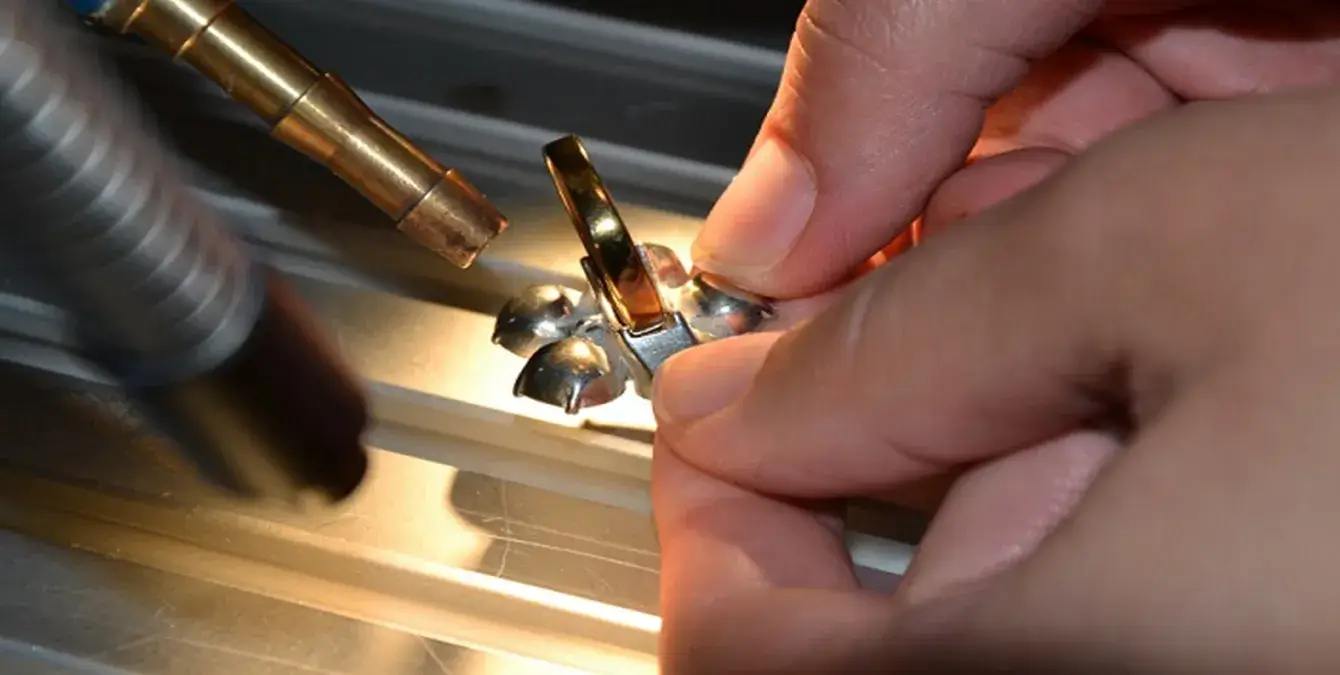
Micro welding is essential for handling welding tasks in confined spaces. This technique involves working with smaller components, necessitating a steady hand and precise control. Micro welding challenges often arise from the need to handle delicate parts without causing damage. Here, employing a specialized micro-laser that provides a narrow beam diameter is crucial.
Micro welding in tight spaces demands skillful manipulation of the welding equipment to achieve the desired result. Techniques such as pulse shaping and waveform control are commonly used to manage the heat affected zone (HAZ) effectively. The ability to maintain a stable beam and consistent weld quality even in challenging environments is what sets successful welders apart. For further insights, explore techniques for welding in confined spaces.
Additionally, selecting the right machine for micro welding is imperative. Machines with customizable settings and user-friendly interfaces can make the difference between successful and flawed welds. Equipment compatibility with various materials also plays a significant role in overcoming micro welding challenges.
Selecting the Right Laser Welding Machines for Confined Spaces
Characteristics of Effective Machines
When it comes to laser welding tight spaces, choosing the right machine is crucial. Effective machines must have a compact design that allows for easy maneuverability in restricted areas. Additionally, these machines should feature enhanced precision laser welding capabilities to ensure quality joints even in narrow gaps.
Other essential characteristics include:
- Flexibility: Machines should adapt to various welding positions, accommodating confined space laser welding challenges.
- User-Friendly Interface: Intuitive controls and settings enable operators to perform adjustments efficiently, critical for the demands of micro welding.
- High Power Density: Ensures penetration in restricted gaps, providing the strength needed for industrial laser welding applications.
Review: Best Laser Welding Systems for Small Areas
Exploring the best laser welding systems for small areas involves evaluating their features against the demands of specific industrial applications. Some of the top systems in the market offer innovative solutions to the challenges of laser welding in tight spaces.
- Fiber Laser Systems: Known for their versatility and precision, fiber lasers are ideal for delicate tasks involving laser welding narrow gaps.
- Siega Fibre Laser System: This machine is efficient for high-speed welding and provide excellent control in compact settings. for more info please visit this page: Siega Fibre Laser Welding System
- Sineo Fibre Laser System: Often used in various industries, these machine ispreferred for its ability to handle diverse materials efficiently. for more info please visit this page: Sineo Fibre – Advanced Five-Axis Fibre Laser Welding System
- Sidanus Fibre Laser System: It is an advanced, stationary laser welding system powered by a maintenance-free Ytterbium fibre laser, engineered for high-performance applications across industries such as tool and mold making, medical technology, and precision mechanics. for more info please visit this page: Sidanus Fibre Laser Welding System
Choosing the right machine can significantly affect the outcomes of welding operations. Employing the best techniques for welding in confined spaces ensures optimal performance and extends the advantages of laser welding in these challenging environments.

Overcoming Challenges in Confined Space Laser Welding
Typical Obstacles in Narrow Gap Welding
Laser welding in tight spaces often presents unique challenges that necessitate precise techniques and equipment. One of the primary obstacles is access, as confined spaces complicate the positioning of welding tools and materials. This makes achieving consistent weld quality more difficult, especially when working with small or complex geometries.
Micro welding challenges are also significant in tight spaces, where maintaining accuracy and control is paramount. Factors such as heat management and the prevention of distortion become critical due to the reduced working area. Additionally, ensuring safety in such restricted environments can be challenging, requiring specialized equipment and training.
Further complicating narrow gap welding is the need for a highly focused beam to reach intricate areas without damaging adjacent components. In industrial settings, this requires advanced techniques and precise equipment setup to meet the high standards required for precision laser welding.
Strategies to Enhance Welding Efficiency
To overcome these challenges, several strategies can be employed to enhance efficiency and quality in confined space laser welding. Firstly, selecting the appropriate laser welding machines tailored for small area work is crucial. Machines with adjustable laser beams and robust focusing capabilities are ideal for accessing and welding narrow gaps.
Another effective strategy is implementing automated systems and robotic solutions, which can provide consistent and precise control over the welding process. Automation can minimize human error and enhance control over tight operations, significantly improving the quality of the weld.
Utilizing specialized welding techniques such as laser beam weaving or power modulation can also aid in managing heat distribution and reducing the risk of distortion. These techniques, when correctly applied, can optimize the performance of confined space laser welding operations.
Finally, investing in comprehensive training and safety protocols ensures that operators are equipped with the knowledge and skills necessary to manage the complexities of laser welding in confined spaces effectively. This strategic approach not only improves operational safety but also enhances overall productivity and weld quality.
- Advanced automation and robots for precision control
- Specialized laser welding techniques for heat management
- Efficient machine selection tailored for small areas
- Rigorous training programs to enhance operator skill
The Role of Fiber Lasers in Tight Space Applications
Advantages of Fiber Lasers
Fiber lasers are increasingly preferred for laser welding tight spaces due to their adaptability and superior reach. One of the primary advantages is their compact design, which enables them to access narrow gaps and confined spaces that other laser types struggle with. This feature makes them ideal for complex industrial environments where precision is crucial.
Another compelling advantage is the high power efficiency of fiber lasers, which allows for precise control during the welding process. This control minimizes the risk of damage to surrounding materials and ensures high-quality welds, critical for applications requiring precision laser welding. Fiber lasers also offer a longer lifespan and lower maintenance needs compared to traditional welding methods, contributing to cost-effective operations.
The beam quality of fiber lasers is superior, allowing for deeper penetration and faster welding speeds without compromising accuracy. This advantage is evident in scenarios demanding high productivity, where time efficiency is critical. The advantages of laser welding in tight spaces are thus amplified by employing fiber lasers, facilitating intricate tasks with minimal thermal distortion.
Real-World Applications of Fiber Lasers in Industry
In industries like aerospace and automotive manufacturing, where components are often densely packed, the use of fiber lasers for confined space laser welding is growing. Their ability to provide consistent, high-quality welds in challenging environments makes them a preferred choice for manufacturers aiming to maintain productivity while achieving precise results.
Fiber lasers are also prominently utilized in micro welding challenges, particularly where small workpieces or delicate components are involved. Their fine beam control ensures that even the most delicate tasks are executed with precision, reducing the risk of errors or reworks.
Some of the best laser welding systems for small areas incorporate fiber laser technology, leveraging their capability to handle both small-scale and large-scale welding tasks effectively. As industries continue to prioritize innovative approaches, the role of fiber lasers will undoubtedly expand, making them an integral component of techniques for welding in confined spaces.

Safety and Efficiency in Confined Space Laser Welding
Implementation of Safety Protocols
Working with laser welding in tight spaces necessitates a comprehensive focus on safety. Such environments can impose unique hazards, making it crucial to implement robust safety protocols. Operators should prioritize safety with enhanced protective measures, including the use of personal protective equipment (PPE) specifically designed for laser operations in confined spaces. Regular safety audits and training are essential to ensure that all personnel are updated on safety guidelines.
Furthermore, the use of environmental controls such as ventilation systems can mitigate the concentration of laser emissions and fumes. The application of these protocols not only protects workers but also ensures compliance with industry standards.
Enhancing Operational Efficiency
To achieve operational efficiency in laser welding narrow gaps, it is vital to adapt techniques suited to confined spaces. Precise alignment of laser beams and strategic positioning of materials are necessary for optimal results. Techniques for welding in confined spaces often include the use of specialized nozzles and mirrors to direct the laser accurately.
Utilizing the best laser welding systems for small areas can significantly enhance productivity. These systems should be compact and flexible, allowing for easy maneuvering in restricted environments. Advanced laser technologies equipped with automatic control systems can further streamline the process by minimizing manual adjustments.
Moreover, integrating real-time monitoring tools can provide instant feedback, allowing operators to adjust parameters promptly to maintain high-quality welds. By focusing on both safety and efficiency, industries can overcome the challenges of laser welding in tight spaces, ensuring both safety and productivity.
Future Trends and Innovations in Laser Welding for Small Areas
Innovations in Nozzle Design and Technology
In the realm of laser welding techniques for confined spaces, emerging innovations in nozzle design are significantly enhancing performance. Innovative nozzles are now being developed to optimize welding in areas with minimal clearance. These advanced nozzles facilitate more precise control over the laser beam, crucial for achieving high-quality welds in narrow gaps. By adjusting to the constraints of tight environments, these nozzles help ensure precision laser welding.
Their design focuses on reducing the impact of external variables such as air turbulence and contamination, which can disrupt welding processes. Additionally, newer materials used in these nozzles provide improved thermal stability and durability, ensuring longer operational life even under challenging conditions. These advancements make it possible to tackle the challenges of confined space laser welding more efficiently.
Predictions for Future Industry Developments
The future of laser welding in tight spaces looks promising with projected developments enhancing overall efficiency and versatility. As industries push the boundaries of micro welding, more compact and adaptable laser welding systems are expected to emerge. These systems will likely incorporate AI-based controls that adjust laser parameters in real-time, optimizing performance for even the most complex tasks.
Moreover, the transition towards smart manufacturing will likely see greater integration of laser welding technologies with IoT-enabled devices, allowing for enhanced monitoring and real-time data analysis. This integration is expected to lead to more cost-effective and streamlined operations, reducing downtime and increasing productivity across various industrial applications.
With continued advances in precision technology and innovative solutions to micro welding challenges, laser welding in small areas will remain at the forefront of industrial laser welding applications. The ongoing development and refinement of these technologies promise to deliver superior results, offering significant advantages over traditional welding methods.

Conclusion: The Critical Importance and Future of Laser Welding in Confined Spaces
As explored in this article, laser welding emerges as an indispensable technique when addressing the complexities of working within confined spaces across multiple industries. With its unparalleled precision, reduced thermal distortion, and capacity for automation, laser welding meets the rigorous demands of sectors such as aerospace, automotive, and electronics, where traditional methods often fall short.
Laser welding’s adaptability and precision are key in applications requiring the assembly of intricate and delicate components. Its ability to minimize thermal damage and ensure high-quality welds positions it as a transformative force in industrial manufacturing. The article emphasizes the necessity for manufacturers to select the right machinery tailored to their unique needs, such as best laser welding systems for small areas, to optimize performance in confined environments.
Moreover, advanced techniques such as precision beam control and micro welding further enhance this process, demonstrating the relevance of laser welding in achieving precise results despite spatial constraints. With the integration of technologies like automated systems and flexible, user-friendly machines, industries can negate accessibility issues, streamline operations, and enhance both safety and productivity.
The role of fiber lasers is particularly noteworthy, given their powerful adaptable design and superior beam quality, facilitating efficient and effective welds in narrow gaps. Their utilization strengthens emerging innovations and designs for advanced nozzle applications that further the capabilities of laser welding in restricted spaces.
Looking forward, ongoing advancements in laser welding promise enhanced utility through AI-driven systems, improved smart manufacturing integration, and IoT device connectivity. These developments anticipate a future where laser welding not only keeps pace with the accelerating demands of modern industries but fundamentally transforms how they meet production and manufacturing challenges.
The industry’s continued focus on refining laser technologies, safety measures, and precision tools will ensure that laser welding remains at the frontiers of manufacturing innovation. As we conclude our exploration into future trends, it’s evident that the implications of laser welding in tight spaces will continue to expand, offering unparalleled benefits in efficiency, cost-effectiveness, and quality assurance.
In summary, the article highlights not only the current significance of laser welding techniques but also underscores their potential to redefine industry standards in the near future. As manufacturers strive to meet ever-increasing demands for precision and quality in confined spaces, laser welding stands as a vital tool, promising further advancements and continued reliability in high-stakes industrial applications.