
Laser welding, heralded for its precision and efficiency, stands at the forefront of modern manufacturing techniques. Yet, even the most experienced operators are not immune to laser welding mistakes that can compromise weld quality and efficiency. If you think minor oversights can be overlooked, think again. Imagine completing a complex weld project only to discover flaws that could have been avoided with a few adjustments. These are not small missteps but pivotal errors that can significantly impact outcomes.
The significance of addressing laser welding mistakes is profound, not only for ensuring the structural integrity of welded components but also for optimizing resource use and reducing costly reworks. The stakes are high: each misstep can lead to weakened structures, failed inspections, or, worse, catastrophic failures in demanding applications. Understanding and correcting these errors offers you, the industry professional, the opportunity to enhance both product quality and operational efficiency.
In the following discussion, we’ll dissect ten common pitfalls in the laser welding process and illuminate effective strategies to overcome them. From maintaining consistent shielding gas coverage to ensuring proper laser power settings, each section will delve into the intricacies of these common errors. Expect actionable insights designed to elevate your welding standards, minimize defects, and leverage the full potential of laser technology. Let’s explore how mastering these techniques can transform your welding practices and set a new benchmark in quality and efficiency.
Laser welding is a precise and efficient method commonly used in various industries. However, achieving optimal weld quality requires understanding common errors and how to address them. Below are the key takeaways from the article that highlight frequent laser welding mistakes and provide actionable solutions to improve the quality and efficiency of your welding processes.
- Ensure consistent shielding gas coverage for superior protection: Insufficient shielding gas can lead to oxidation and weld defects, underscoring the importance of maintaining adequate gas flow throughout the welding process.
- Optimize laser power settings for precision: Incorrect laser power can cause inadequate penetration or excessive heat input, highlighting the necessity to adjust power settings tailored to material and thickness.
- Address weld seam defects with environmental controls: Environmental factors like humidity and temperature can affect weld quality; therefore, maintaining a controlled environment is crucial to minimizing defects.
- Enhance operator training for minimized errors: Skilled operators are essential for preventing common welding errors, making comprehensive training programs vital for maintaining high-quality standards.
- Implement rigorous testing to identify and correct defects: Regular inspections and testing protocols can uncover faults early, allowing for timely corrections and continuous improvement in weld quality.
- Prioritize precision in joint alignment to avoid flaws: Misalignment of welding joints can result in poor fusion and weak welds, emphasizing the importance of precise setup and fixture alignment.
- Use proper cleaning techniques to prevent contamination: Contaminated surfaces lead to defects in weld formation; thus, implementing effective cleaning practices is essential before initiating the welding process.
- Adapt to material specifications to prevent cracking: Understanding material properties and adjusting techniques accordingly can prevent cracking and other material-specific defects.
- Leverage best practices to enhance process efficiency: Staying informed about industry best practices helps in adopting methods that improve overall efficiency and weld quality.
- Recognize the impact of advanced technologies on welding quality: Utilizing cutting-edge technologies can significantly enhance accuracy and quality in laser welding, ensuring robust and durable weld seams.
By understanding and addressing these frequent laser welding mistakes, you can improve welding efficiency and quality. In the following sections, we’ll dive deeper into each mistake, offering detailed explanations and further tips for optimal laser welding outcomes.
The Consequences of Inadequate Shielding Gas Coverage
Impact of Shielding Gas on Weld Quality
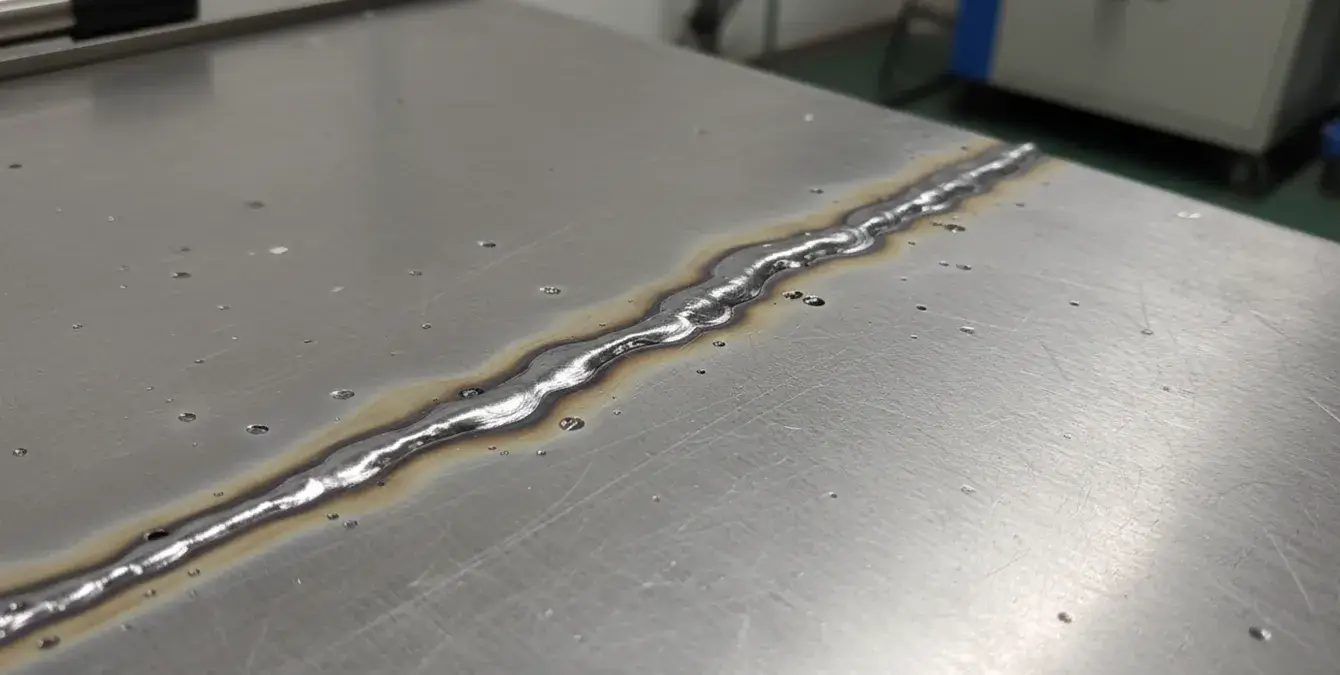
In laser welding, ensuring adequate shielding gas coverage is crucial for achieving high-quality welds. Inadequate or insufficient shielding gas can lead to several laser welding problems such as oxidation, porosity, and poor fusion. When the supply of shielding gas is disrupted, it exposes the weld pool to atmospheric gases, leading to weld seam defects and laser welding quality issues.
These common laser welding errors stem from the role shielding gas plays in protecting the molten weld pool. The gas prevents contamination and excessive burn-off, both of which can degrade the structural integrity of the weld. The lack of appropriate shielding gas can also cause discoloration and compromise the weld’s aesthetic quality, which might be critical for visible welds in certain applications.
Strategies for Ensuring Consistent Gas Coverage
To avoid these laser welding mistakes, it is essential to maintain a consistent gas flow. Here are some strategies to achieve this:
- Regularly inspect the gas flow system for leaks and ensure all connections are secure. This minimizes the risk of intermittent gas supply.
- Use a flowmeter to monitor the gas flow in laser welding continuously. This will help ensure the correct amount of shielding gas is supplied during welding operations.
- Maintain the appropriate pressure settings according to the material and thickness of the workpiece. Different materials require different levels of gas coverage, so understanding the specific needs can prevent common defects in weld formation.
- Adopt preventive maintenance practices for welding equipment, including regular checks of the gas delivery system to prevent leaks or blockages that could impact gas coverage.
By implementing these best practices for laser welding, you can enhance the overall quality and efficiency of your welding operations, ensuring robust and defect-free welds.

Optimizing Laser Power Settings for Superior Welds
Effects of Incorrect Laser Power
Laser power settings play a crucial role in the quality of welds produced. Incorrect power settings are a common cause of defects in weld formation. Insufficient power can lead to poor penetration and weak joints, while excessive power may cause overheating and burn-through, leading to weld seam defects.
To address common laser welding errors, it is essential to balance the power setting with other parameters such as speed and focus. This ensures that the weld is solid and free from distortions.
Methods to Calibrate Laser Power for Different Materials
Calibrating laser power settings appropriately for different materials helps in mitigating laser welding quality issues. Here are some methods to achieve optimal power calibration:
- Material Testing: Start by testing various power settings on scrap materials. This helps identify the optimal settings that produce strong, defect-free welds.
- Determining Penetration Depth: Adjust power settings by gradually increasing it until the desired penetration depth is achieved. This method ensures that the weld has sufficient strength.
- Welding Power Settings Adjustment: Regularly adjust and record the settings as per material type and thickness. This creates a reference point for future welding tasks.
- Monitoring Feedback: Utilize feedback from sensors to make real-time adjustments to the welding power settings. This helps in maintaining the integrity of the weld seam.
Understanding how to avoid laser welding mistakes through precise power calibration not only enhances weld quality but also improves overall efficiency.
Tackling Weld Seam Defects Through Environmental Controls
Influence of Temperature and Humidity on Welds
Temperature and humidity play critical roles in laser welding quality, directly impacting weld seam defects. Excessive heat can cause materials to become too fluid, leading to laser welding quality issues such as burn-through or warping. Conversely, low temperatures can result in brittle welds that are susceptible to cracking.
Humidity similarly affects the welding environment. High moisture levels can introduce contaminants into the laser beam path, disrupting the energy transfer required for a stable weld. This can lead to porosity and other common defects in weld formation, making it essential to manage environmental parameters effectively.
Maintaining Optimal Environmental Conditions
To mitigate laser welding problems stemming from environmental factors, it’s crucial to maintain optimal temperature and humidity levels. Setting up climate-controlled welding environments can drastically reduce the chances of weld seam defects.
- Temperature Control: Aim to keep the temperature consistent. Ideally, the welding area should be maintained at a room temperature that suits the material being welded. Avoid drafts that can introduce temperature fluctuations.
- Humidity Management: Utilize dehumidifiers or air conditioners to stabilize humidity levels. Keeping humidity below 60% is recommended to prevent moisture-induced laser welding errors.
- Regular Monitoring: Implement monitoring systems that provide real-time data on environmental conditions. This proactive approach allows for immediate adjustments, ensuring the welding environment remains within optimal parameters.
By establishing these controls, manufacturers can significantly reduce defects in laser welding caused by environmental factors, enhancing both productivity and weld quality. This proactive strategy addresses the question, why do defects occur in laser welding?, focusing on how to avoid laser welding mistakes effectively.

Training and Operator Precision: Keys to Minimizing Errors
Importance of Skilled Operators in Laser Welding
Skilled operators play a crucial role in preventing laser welding mistakes that can lead to significant laser welding quality issues. With the intricate nature of laser welding technology, operators must understand the nuances involved in welding power settings, the impact of gas flow in laser welding, and how to manage weld seam defects. Knowledgeable operators can swiftly address common laser welding errors, minimizing downtime and material wastage.
Poor handling or misjudgments by untrained operators often result in common defects in weld formation, which not only compromise the integrity of the weld but also the overall quality of the finished product. Industry-specific training and continuous education can significantly reduce these errors, enhancing both productivity and quality.
Developing Effective Training Programs
An effective training program is essential for equipping operators with the skills necessary to avoid laser welding problems. Training should focus on the comprehensive understanding of equipment, proper techniques to achieve consistent results, and the importance of maintaining precise settings. Key areas to concentrate on include:
- Understanding the proper management of laser equipment and settings.
- Identifying the optimal laser power settings to avoid potential defects.
- Ensuring adequate shielding gas coverage to prevent weld defects.
By instituting a robust training program that incorporates the latest technologies and methodologies, companies can ensure their operators are armed with the knowledge to minimize errors. Integrating real-world simulations and regular assessments can further aid in maintaining high standards in best practices for laser welding.
For detailed insights and resources on developing effective training programs, visit our training resources page.
Rigorous Testing Regimes to Identify and Correct Defects
Common Testing Techniques in Laser Welding
Effective testing methodologies are crucial in identifying and rectifying laser welding mistakes. Among the most effective techniques is non-destructive testing (NDT), which includes methods such as ultrasonic testing and X-ray inspections. These techniques help detect common laser welding errors, including weld seam defects, without compromising the integrity of the welded components.
An essential aspect of NDT is its ability to identify laser welding quality issues early in the production process, allowing for timely interventions. Another effective approach is the use of thermographic testing, which provides real-time data on heat distribution and weld quality. Such methods help answer the question, “how to avoid laser welding mistakes?”
Case Studies of Successful Defect Detection
Numerous companies have implemented testing regimes that significantly reduced laser welding problems. For instance, a leading automotive manufacturer incorporated a comprehensive testing system that included automated visual inspections alongside NDT methods. This strategy not only improved the detection of weld seam defects but also enhanced overall product reliability.
In another case, a manufacturer in the aerospace industry successfully employed infrared thermography to monitor gas flow in laser welding. The data obtained through this testing method highlighted incorrect laser power settings, allowing the engineers to adjust parameters and eliminate recurrent defects. These examples demonstrate how thorough testing can preemptively address issues, reducing downtime and improving production outcomes.
To explore more about maintaining optimum welding quality, visit our section on best practices for laser welding and discover how to ensure no defects occur during production. Understanding the root causes of defects and implementing rigorous testing is paramount to producing flawless welds and achieving manufacturing excellence.

Precision Joint Alignment for Flawless Welds
Consequences of Poor Joint Alignment
Poor joint alignment is a significant contributor to laser welding mistakes. Misaligned joints can lead to various common laser welding errors, such as incomplete penetration, misaligned weld seams, and overall weld strength reduction. These defects not only affect the aesthetics of the weld but also compromise its structural integrity, leading to potential failure in application.
One of the primary welding quality issues arising from poor alignment includes the occurrence of weld seam defects. These imperfections can result in stress concentration areas, making the weld susceptible to cracking under load. Moreover, joint misalignment may lead to excessive heat input, causing distortion and weakening the welded component.
Tools and Techniques for Precise Alignment
Achieving precise joint alignment is vital for minimizing laser welding problems and improving welding outcomes. Utilizing the correct tools and techniques is among the best practices for laser welding to ensure that the joints are perfectly positioned before starting the welding process.
- Clamping Devices: Use clamping devices to secure parts in place, preventing movement during welding. This stabilizes the workpieces and ensures that alignment remains consistent.
- Alignment Jigs: Custom jigs designed for specific projects can facilitate accurate alignment by holding parts in the required position.
- Precision Measurement Tools: Utilize laser levels and calipers to measure and adjust joint alignments accurately. Precision measurement tools help detect any deviations from the desired alignment before welding begins.
Additionally, operators should regularly check and adjust welding power settings to accommodate alignment changes, as these settings play a critical role in achieving flawless weld seams. Remember, the key to avoiding laser welding mistakes lies in meticulous preparation and attention to detail.
By emphasizing precise joint alignment and leveraging appropriate tooling, welders can significantly enhance their welding results, reducing defects and improving the overall strength of the welds. For more tips on enhancing laser welding quality, consider seeking expert guidance and continual practice.
Advanced Technologies in Laser Welding for Enhanced Quality
Emerging Technologies Transforming Laser Welding
The adoption of advanced technologies in laser welding has significantly reduced common laser welding mistakes, which often arise from traditional methods. One major advancement is the use of automation and precision robotics. These innovations ensure consistent weld seam quality by accurately maintaining the weld path and speed, thereby minimizing human errors.
Additionally, real-time adaptive control systems, which adjust laser power settings dynamically, have become instrumental in addressing common laser welding errors. These systems help in achieving optimal energy distribution, reducing defects such as porosity and lack of fusion. This technology is crucial in answering the question, why do defects occur in laser welding?, as it directly tackles the issue of inconsistent energy application.
Integrating New Tools for Better Welds
The integration of high-resolution cameras and sensors into laser welding setups allows for comprehensive monitoring of the weld process. This capability helps detect weld seam defects early, allowing for immediate correction before significant quality issues arise. These tools are also essential in enhancing laser welding quality issues identification by providing visual and data feedback.
Furthermore, advanced shielding gas technologies, such as intelligent gas nozzles, optimize the gas flow in laser welding. Proper gas coverage is vital for protecting the weld pool from contaminants and preventing oxidation. Ensuring sufficient shielding helps maintain the integrity of the weld and is a direct solution to potential laser welding problems.
To avoid these mistakes, it is recommended to continuously update your equipment with these emerging technologies, ensuring a significant boost in weld quality and efficiency. By incorporating these advancements, industries can not only solve existing problems but also prevent potential ones, leading to overall improved laser welding processes.

Conclusion: Ensuring Excellence in Laser Welding
In examining the complexities and nuances of laser welding, it becomes evid10 laser welding mistakes and how to fix them10 laser welding mistakes and how to fix them10 laser welding mistakes and how to fix them10 laser welding mistakes and how to fix them10 laser welding mistakes and how to fix them10 laser welding mistakes and how to fix them10 laser welding mistakes and how to fix thement that the integration of meticulous practices and advanced technologies is crucial to achieving optimal weld quality. The influence of shielding gas on weld quality cannot be overstated. Shielding gases provide vital protection against atmospheric contamination, preventing oxidation and porosity that compromise weld quality. As such, ensuring consistent and adequate gas coverage is a fundamental aspect of the welding process that aids in producing structurally sound and aesthetically pleasing outcomes.
The strategic articulation of laser power settings also plays a pivotal role. By calibrating laser power to suit specific materials, welders can greatly mitigate the risks of defects, such as poor penetration and overheating. The incorporation of best practices in calibration—such as material testing and monitoring feedback—supports precision and efficiency in welding operations.
Moreover, maintaining precise environmental controls like temperature and humidity is essential to minimizing external impacts on weld integrity. Environmental pollutants can introduce defects, emphasizing the need for environment-controlled spaces during laser welding. Such control is part of a proactive strategy that encompasses preemptive testing techniques, including non-destructive tests, which are effective in identifying and remedying potential issues before they escalate into significant weld seam defects.
The discussion also highlights the integral role of operator skill and training. Skills training should focus on equipping operators with the knowledge to handle shielding gas coverage and adjust welding power settings adeptly. A robust training regime enhances the ability to navigate equipment nuances and maintain high standards in laser welding quality.
Advanced technologies are transforming laser welding practices, reducing errors common in traditional methods. Adaptive control systems and real-time monitoring tools are instrumental in ensuring consistent weld quality. Moreover, innovations in robotic precision and intelligent gas technologies demonstrate how technological advances can address defects resulting from manual errors and inconsistent energy application.
The drive toward precision joint alignment further underscores the importance of preparation and accuracy. Utilizing tools such as clamping devices and alignment jigs ensures the stability and alignment of workpieces, a vital component in reducing errors and enhancing weld seam quality.
In conclusion, the path to excellence in laser welding is paved with conscientious attention to detail, continuous learning, and technological integration. The insights provided offer pathways to significantly enhance laser welding processes, addressing the root causes of defects and ensuring robust, flawless welds. As welding continues to evolve, those in the field must remain vigilant—embracing emerging technologies and strategies to meet and exceed industry standards. By doing so, they contribute to the advancement of the field and the delivery of superior, reliable welded products.