

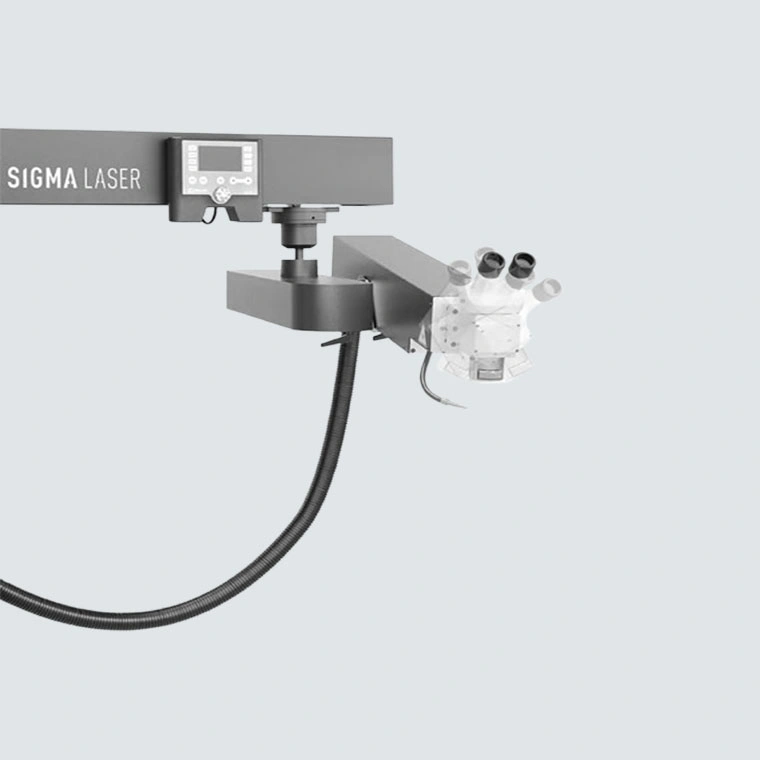
Sigma Laser GmbH is a trusted manufacturer of high-performance laser welding systems for industrial applications. Since 2005, we have been delivering precision, innovation, and reliability to industries worldwide.

Die Sigma Laser GmbH ist ein vertrauenswürdiger Hersteller von Hochleistungs-Laserschweißsystemen für industrielle Anwendungen. Seit 2005 stehen wir weltweit für Präzision, Innovation und Zuverlässigkeit.

A Sigma Laser GmbH é uma fabricante confiável de sistemas de soldagem a laser de alto desempenho para aplicações industriais. Desde 2005, somos reconhecidos mundialmente por nossa precisão, inovação e confiabilidade.

Sigma Laser GmbH es un fabricante de confianza de sistemas de soldadura láser de alto rendimiento para aplicaciones industriales. Desde 2005, hemos proporcionado precisión, innovación y fiabilidad a industrias de todo el mundo.

Contacts
Location
Liebigstr. 2 , 63477 Maintal
Germany
Email
info (at) sigma-laser.com
Follow us
Folge uns
Siga-nos
Síganos

Laser Welding in Medical Device Manufacturing

In the highly regulated and precision-driven world of medical device manufacturing, laser welding has emerged as an essential technology. From pacemakers and surgical tools to catheters and implantable devices, the demand for ultra-clean, hermetic, and micro-precision welds is higher than ever. Laser welding provides unmatched accuracy, minimal thermal impact, and biocompatible joining—making it the go-to solution for modern medtech applications.

Quick Access to Sections:

    Recommended Laser Welding Systems for Medical Device Industry Applications

    Medical device manufacturing demands exceptional precision, reliability, and material compatibility. Sigma Laser offers a range of advanced laser welding systems tailored to meet the stringent requirements of this industry. Below are the recommended Sigma Laser products ideal for medical device applications, along with explanations of why each system is a perfect fit.

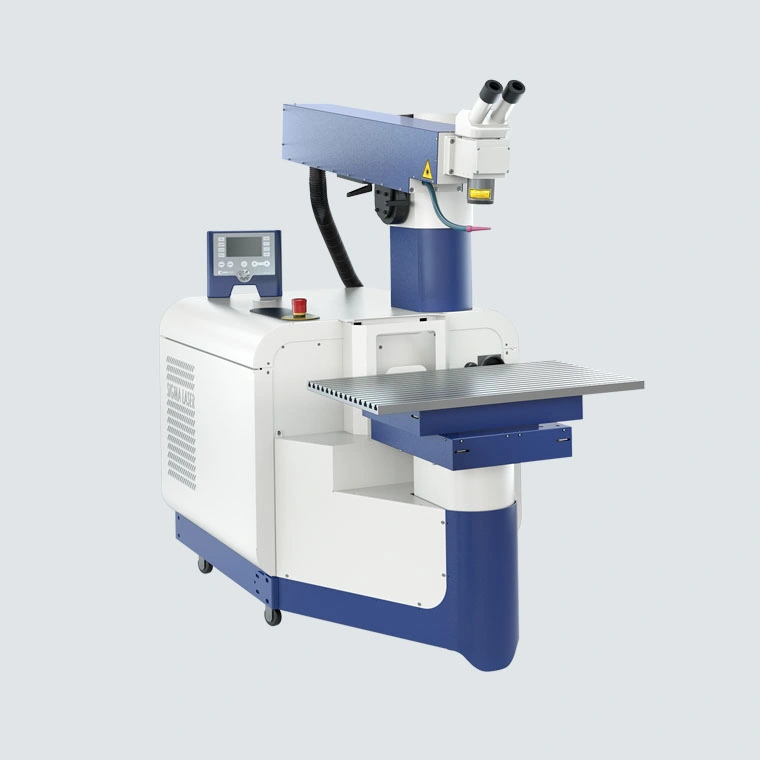
    sidanus fibre laser welding machine

    Sidanus Fibre

    High-Precision Stationary Fibre Laser Welding System

    Why it’s suitable:
    Sidanus Fibre provides up to 450 W of Ytterbium fiber laser power with a four-axis motorized setup, delivering micron-level precision essential for welding delicate medical components such as surgical instruments, implants, and stents. Its ergonomic design with motorized vertical adjustment reduces operator fatigue during long shifts in cleanroom environments.

    Key advantages:

    • Ultra-fine spot size and pulse control for minimal heat-affected zones
    • Robust stability for reproducible, high-quality welds
    • Compatibility with titanium, stainless steel, and other medical alloys

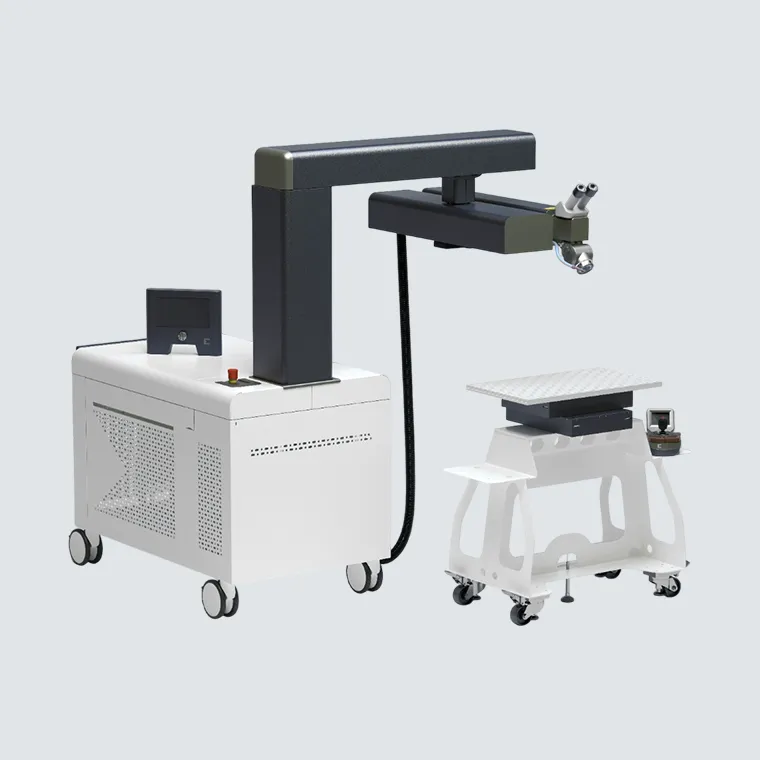
    four-axis industrial sineo fibre laser welding system

    Sineo Fibre

    Mobile Fibre Laser Welding System with Four-Axis Mobility

    Why it’s suitable:
    Sineo Fibre’s mobile design and extendable swivel arm offer exceptional reach and flexibility, allowing welding of large or complex medical assemblies directly on the production floor. This mobility is ideal for welding medical device subassemblies and prototypes requiring access to hard-to-reach spots.

    Key advantages:

    • Flexible four-axis motion (X, Y, Z, C) for complex geometries
    • Energy-efficient Ytterbium fiber laser source
    • Compact footprint suitable for cleanroom environments

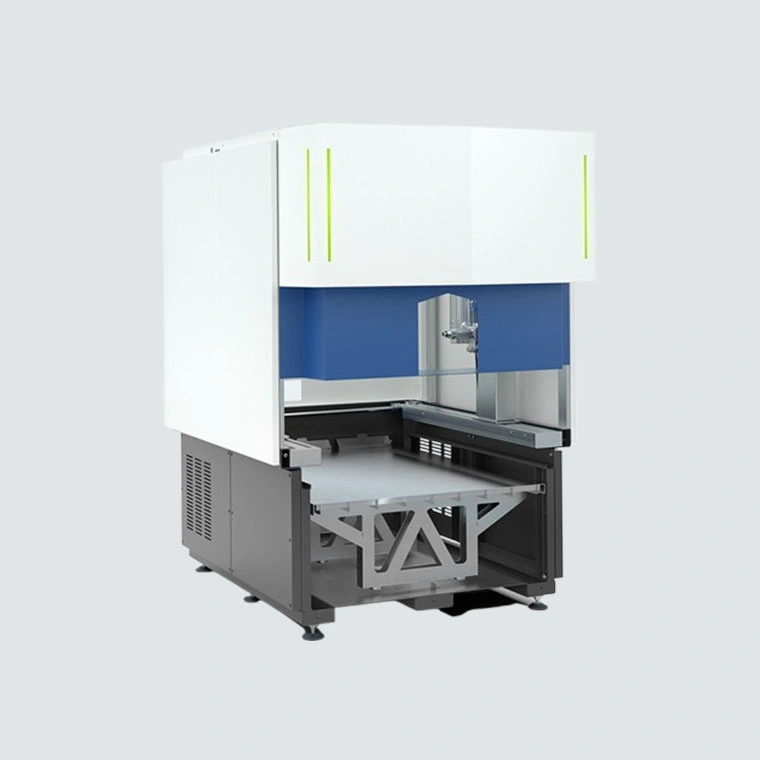
    simass laser welding base unit img

    Simass Base Unit

    Modular Welding Platform

    Why it’s suitable:
    The Simass Base Unit serves as a stable and configurable foundation for assembling automated medical device welding systems. Its modularity allows integration with rotary axes, wire feeders, and precision optics, providing a customizable platform for high-throughput or research-focused applications.

    Key advantages:

    • Precise motion control with multiple configurable axes
    • Heavy-duty mechanical stability for consistent performance
    • Ideal for integration with advanced automation software

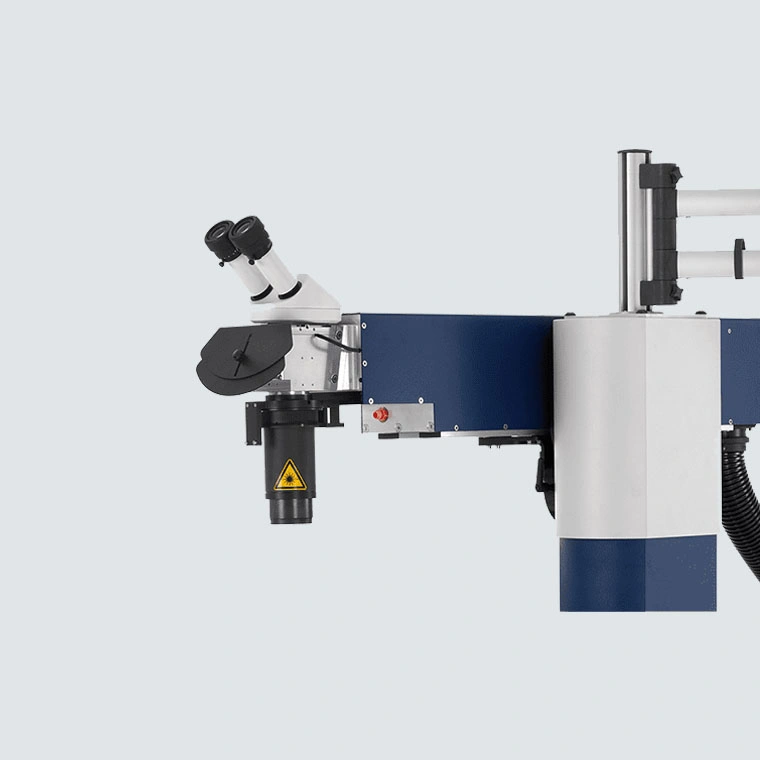
    motor driven z axis vertical laser welding

    Motor-driven Z Axis

    Precision Vertical Positioning Module

    Why it’s suitable:
    This module enables exact vertical positioning of the laser focal point, critical for 3D welding of small, complex medical parts with variable thickness. Integration with Sigomatic Pro software allows for programmable, repeatable vertical movements, ensuring weld consistency across batches.

    Key advantages:

    • 100 mm travel range with micron-level repeatability
    • Plug-and-play setup reduces downtime
    • Perfect for tube joints, implants, and delicate assemblies

    swivelling y axis for laser welding machines img

    Swivelling Y axis

    Enhanced Angular Flexibility

    Why it’s suitable:
    The Swivelling Y Axis adds ±30° rotational movement to the welding head, allowing precise welding on angled or inclined surfaces often found in medical devices. This enhances access to complex weld joints without manual repositioning, improving productivity and weld quality.

    Key advantages:

    • Facilitates fillet and inclined welds on medical components
    • Maintains high precision with smooth motion control
    • Suitable for multi-axis automated production lines

    sigomatic pro advanced laser welding automation software control system img

    Sigomatic Pro

    Advanced Laser Welding Automation Software

    Why it’s suitable:
    Sigomatic Pro provides an intuitive platform for programming and automating complex welding paths, ideal for the high precision and repeatability required in medical device production. Its real-time visualization, G-code output, and camera monitoring support stringent quality controls and regulatory compliance.

    Key advantages:

    • User-friendly interface accessible to operators of all skill levels
    • Supports multi-axis welding with real-time process feedback
    • Enables traceability and documentation critical for medical manufacturing

    Sigma Laser’s comprehensive range of fiber laser welding systems and modules offers unmatched precision, flexibility, and reliability tailored specifically for medical device manufacturing. Whether you require stationary or mobile platforms, multi-axis automation, or advanced software control, Sigma Laser solutions empower you to meet strict industry standards while maximizing production efficiency and weld quality.


    Have Questions? We’re Here to Help!

    Speak with our specialists to explore the best laser welding systems for your specific industry challenges:

    📞 +49 (0) 6109 715 973-0
    📧 info (at) sigma-laser.com

    ApplicationsKey Use Cases in Medical Device Industry

    The medical device industry demands unparalleled precision, reliability, and biocompatibility in manufacturing processes. Laser welding technology has become indispensable for producing intricate and high-performance medical components. Its ability to deliver micron-level accuracy, minimal heat impact, and versatile material compatibility makes it the preferred choice for critical applications such as implantable devices, surgical tools, and micro-instruments. Below, we explore the most important use cases where laser welding enhances product quality, safety, and longevity in the medical sector.

    Hermetic Sealing of Implantable Devices


    Laser welding provides airtight and biocompatible seals essential for implantable devices such as pacemakers, neurostimulators, and drug delivery systems, ensuring long-term reliability and patient safety.

    Micro-Welding of Miniaturized Components


    Medical devices often contain tiny, delicate parts that require micron-level precision welding—such as catheters, stents, and micro-instruments—where laser welding excels due to its focused beam and minimal heat distortion.

    Joining Dissimilar Materials


    Laser welding can seamlessly join metals with different properties (e.g., titanium to stainless steel) and metal-to-polymer interfaces used in complex medical assemblies, enabling innovative device designs.

    Surface Patterning and Marking


    Permanent, high-contrast laser markings for traceability, part identification, and compliance with medical regulations are done without compromising material integrity or sterility.

    Repair and Refurbishment of Surgical Tools


    Precision laser welding extends the life of expensive surgical instruments by enabling localized repairs without affecting the overall tool quality or geometry.

    Fabrication of Catheter and Guidewire Components


    Laser welding allows high-speed, accurate joining of small-diameter tubes and wires critical for minimally invasive surgical devices, ensuring strength without adding bulk.

    Seam Welding for Fluid and Gas Channels


    Creating leak-proof weld seams in fluid delivery systems or microfluidic devices where contamination-free, precise joins are mandatory.
    Summary of Key Use Cases for Laser Welding in Medical Devices

    Laser welding offers unique advantages that address the complex challenges of medical device manufacturing. From hermetic sealing of implants to micro-welding of delicate components, it ensures precise, durable, and contamination-free joins. Its flexibility to work with diverse materials and geometries, combined with minimal thermal distortion, results in superior device performance and patient safety. By integrating laser welding into your production line, you invest in cutting-edge technology that optimizes efficiency, reduces costs, and elevates the quality standards in medical device fabrication.

    Choosing the Right Laser Welding System for Medical Device Industry

    Selecting the optimal laser welding system for medical device manufacturing is crucial to achieving precision, repeatability, and regulatory compliance. The unique requirements of medical components—such as biocompatibility, minimal heat impact, and complex geometries—demand careful consideration of several key factors when choosing your laser solution.

    Key Factors to Consider When Choosing a Laser Welding System for Medical Devices

    1. Material Compatibility
      Medical devices are commonly made from biocompatible metals like titanium, stainless steel, cobalt-chrome alloys, and nitinol. Ensure the laser system is capable of welding these materials with minimal thermal distortion and without compromising their mechanical properties or surface finish.
    2. Precision and Spot Size Control
      For micro-welding of tiny parts such as stents, catheters, or implantable components, look for a laser with a fine spot size (≤0.2 mm) and advanced beam control. This allows for highly accurate weld seams and reduces the risk of damage to surrounding sensitive structures.
    3. Pulse Mode and Power Range
      Pulsed fiber lasers with adjustable pulse durations and peak powers provide the best control over heat input, which is essential for thin materials and delicate assemblies. Typical power ranges for medical device welding systems fall between 50 W to 300 W, depending on application complexity.
    4. Multi-Axis and 3D Positioning
      Complex medical parts often require welding from multiple angles. Systems with motorized multi-axis (X, Y, Z, and rotary C) capabilities enable seamless access to all weld points without repositioning the workpiece manually, enhancing throughput and consistency.
    5. Automation and Software Integration
      Consider laser systems equipped with user-friendly software (like Sigomatic Pro) that offer programmable weld paths, real-time monitoring, and automated control. These features reduce operator dependency and improve repeatability in highly regulated production environments.
    6. Cleanroom Compatibility and Ergonomics
      Medical device manufacturing often occurs in cleanroom environments. Choose a laser welding system designed with compact footprints, enclosed workstations, and ergonomic controls to maintain hygiene standards and operator comfort.

    Summary: Make an Informed Choice for Medical Device Welding

    Choosing the right laser welding system directly impacts product quality, manufacturing efficiency, and regulatory compliance in the medical industry. Sigma Laser’s portfolio of fiber laser and pulse-controlled welding systems offers:

    • Superior precision and minimal heat input to protect delicate medical materials
    • Flexible multi-axis platforms for complex geometries
    • Advanced automation software to streamline production and ensure traceability
    • Robust build quality designed for cleanroom-compatible environments

    Investing in the appropriate laser welding solution will enhance your manufacturing capabilities, reduce defects, and accelerate your time-to-market for life-saving medical devices.

    Laser Welding for Medical Devices: Precision, Purity, and Performance in Every Weld

    In the medical device industry, there is zero tolerance for error. Whether manufacturing surgical instruments, implantable devices, or diagnostic components, the need for flawless joining methods is critical—not just for performance, but for patient safety and regulatory compliance. Laser welding has emerged as the gold standard for assembling intricate, delicate, and high-purity components with exceptional reliability.

    Unlike traditional joining methods, laser welding offers a contactless, highly controlled process that minimizes thermal distortion and ensures precise energy delivery. This is essential when working with biocompatible materials such as titanium, stainless steel, or specialized polymers used in medical implants and micro-scale assemblies. From pacemakers and catheters to orthopedic implants and endoscopic tools, laser welding ensures hermetic seals, smooth joints, and repeatable results at a microscopic level.

    As medical technology advances, device miniaturization and material complexity are pushing conventional welding methods to their limits. Sigma Laser systems are designed to meet these new challenges head-on—offering high-precision fiber and pulsed laser solutions optimized for cleanroom environments, GMP manufacturing, and high-throughput production lines.

    Whether you’re producing in small batches for clinical trials or scaling up for mass production, laser welding empowers your operation with the accuracy, consistency, and cleanliness required to bring safe, life-saving devices to market—fast and with confidence.

    Why Choose Laser Welding for Medical Device Industry?

    In medical device manufacturing, precision, biocompatibility, and reliability are absolutely essential. Whether you are fabricating implantable devices, surgical instruments, or micro-components, the welding method you select significantly affects product safety, performance, and regulatory compliance.

    Conventional joining techniques—such as ultrasonic welding or traditional spot welding—often struggle to meet the stringent demands of medical applications. They can introduce excessive heat, cause material distortion, and increase the risk of contamination, all of which compromise device quality. In contrast, laser welding has become the preferred technology for both manufacturing and repair of intricate medical components.

    Thanks to its micron-level accuracy, minimal heat input, and compatibility with biocompatible alloys such as titanium and stainless steel, laser welding empowers manufacturers to meet strict tolerances and functional requirements without sacrificing structural integrity or sterility.

    How Laser Welding Advances Medical Device Manufacturing

    Aspect Conventional Methods Laser Welding Advantage
    Heat Input High, risking distortion and material damage Ultra-localized heat minimizes thermal impact
    Precision Limited by operator skill and tool size Micron-level accuracy ideal for fine, delicate parts
    Material Compatibility Often limited to specific alloys Works flawlessly with titanium, stainless steel, and cobalt alloys
    Post-Processing Extensive cleaning and finishing required Minimal finishing needed, reducing contamination risk
    Access to Tight Areas Difficult in micro-scale zones and complex geometries Focused laser beam accesses microstructures and deep joints
    Repeatability Operator-dependent, variable results Fully programmable and consistent across batches
    Structural Integrity Potential weakening of material Strong metallurgical bonding preserving biocompatibility

    Why Medical Device Manufacturers Trust Laser Welding

    Whether you produce life-saving implants or delicate surgical tools, laser welding offers unmatched control and quality. Here’s why industry leaders rely on it:

    • Preserves device integrity and biocompatibility — critical for implants and sterile tools
    • Minimizes heat-affected zones to protect sensitive materials and coatings
    • Compatible with advanced biomaterials including titanium alloys and stainless steel
    • Reduces manufacturing defects and costly rework, improving production uptime
    • Supports complex geometries and micro-scale welding in minimally invasive devices
    • Enables rapid prototyping, repairs, and design iterations without compromising quality

    Applications Throughout the Medical Device Lifecycle

    Laser welding plays a vital role beyond manufacturing:

    • During production: Enables fine joining of micro-components, assembly of multi-material parts, and creation of hermetic seals
    • During repair: Restores worn or damaged implant parts and surgical instruments with precision
    • During customization: Facilitates device modifications and add-ons without full reprocessing

    Future-Proof Your Medical Device Production with Laser Welding

    From implant fabrication to precision instrument assembly, laser welding delivers unparalleled accuracy, control, and efficiency. Its minimal thermal impact and broad material compatibility make it the ideal solution for modern medical device manufacturing.

    Sigma Laser’s cutting-edge welding systems meet the highest industry standards, providing medical device manufacturers with reliable, precise, and flexible technology to advance product quality and patient safety.

    innovationsLaser Technologies Used in Medical Device Industry

    In the medical device industry, the choice of laser technology is critical to achieving the highest standards of precision, biocompatibility, and reliability. Sigma Laser offers a range of advanced laser welding solutions tailored to meet the unique demands of medical device manufacturing—from micro-welding delicate implants to assembling complex surgical instruments.

    Fiber Laser Systems

    Fibre lasers deliver high beam quality with exceptional precision and energy efficiency. Their stable, focused beam enables micron-level welds on thin biomaterials such as titanium, stainless steel, and cobalt-chrome alloys. With adjustable pulse parameters, fibre lasers minimize heat input, preventing material distortion and preserving biocompatibility—ideal for implant manufacturing and micro-assembly.

    Pulsed Laser Welding

    Pulsed laser technology provides precise energy control, allowing exact weld penetration and heat management. This is essential for joining thin sheets, delicate wires, and micro-scale components without damaging surrounding areas. Pulsed lasers excel in reducing thermal distortion and enhancing weld quality in intricate medical parts.

    Laser Marking and Engraving

    Beyond welding, laser marking provides permanent, high-contrast, and sterile identification marks on medical devices for traceability, branding, and regulatory compliance. Laser engraving achieves high resolution on various surfaces without compromising material properties.

    Multi-Axis Laser Welding Systems

    Medical devices often have complex geometries requiring welding from multiple angles. Sigma Laser’s multi-axis systems with 3D positioning enable seamless access to hard-to-reach areas, ensuring uniform welds and consistent quality in components like surgical tools and implantable devices.

    Why Sigma Laser? Key Advantages of Sigma Laser for the Medical Device Industry

    Manufacturing medical devices demands the highest standards of precision, reliability, and compliance. Sigma Laser’s advanced laser welding systems offer a unique combination of cutting-edge technology and user-centric design, making them the preferred choice for medical device manufacturers worldwide. Here are the key advantages that set Sigma Laser apart in this specialized industry:

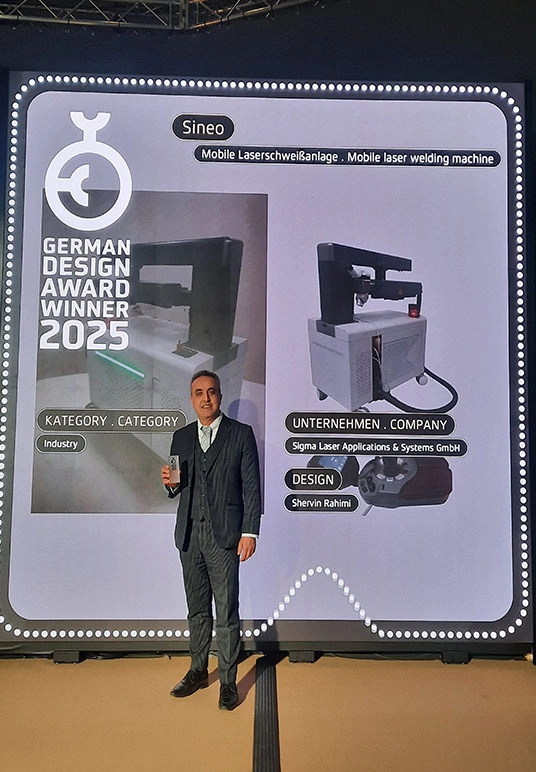
    german design award winner photo
    Play Video
    Micron-Level Precision for Complex Geometries

    Sigma Laser systems deliver ultra-fine laser spots and highly controllable pulse parameters, enabling precise welding of intricate medical components such as implants, surgical tools, and microfluidic devices. This precision ensures minimal heat input, preserving material properties and preventing distortion.

    Minimal Heat-Affected Zone (HAZ)

    Thanks to fiber laser technology and advanced pulse modulation, Sigma Laser machines minimize thermal impact on sensitive materials like titanium, stainless steel, and Nitinol. This reduces residual stress and micro-cracks, resulting in stronger, longer-lasting welds crucial for medical safety.

    Exceptional Material Compatibility

    Sigma Laser’s solutions are compatible with a wide range of medically relevant alloys, including hardened steels, cobalt-chrome, and biocompatible materials. This versatility supports diverse device manufacturing needs, from orthopedic implants to dental tools.

    Flexible Multi-Axis Motion and Automation

    With motorized X, Y, Z, and rotary axes, plus optional swivelling optics and wire feed systems, Sigma Laser platforms handle complex 3D geometries and enable full automation. This flexibility boosts throughput, repeatability, and process reliability.

    User-Friendly Software Integration

    Sigma’s Sigomatic and Sigomatic Pro software offer intuitive teach-in programming, real-time process visualization, and seamless G-code integration. These features simplify operator training, reduce setup times, and enhance quality control—essential in regulated medical manufacturing environments.

    Ergonomic and Cleanroom-Compatible Designs

    Recognizing the strict environmental and safety standards in medical production, Sigma Laser systems are engineered with compact footprints, ergonomic controls, and easy-to-clean surfaces. Mobile units and modular platforms further support cleanroom workflows.

    Comprehensive Support and Service

    Sigma Laser provides global remote diagnosis, rapid technical assistance, and customized training programs. This ensures minimal downtime and sustained high performance, vital for meeting production schedules and regulatory demands.

    Sigma Laser’s precision, advanced technology, and industry-specific features make it the ideal partner for medical device manufacturers seeking to improve product quality, enhance operational efficiency, and maintain strict compliance. Investing in Sigma Laser systems means investing in innovation, reliability, and long-term success in the competitive medical device market.

    We have worked for you
    since 2005

    Laser Welding Workflows in Medical Device Manufacturing

    Efficient and precise laser welding workflows are critical to producing high-quality medical devices that meet stringent industry standards. Sigma Laser’s advanced systems enable seamless integration of laser welding into the entire manufacturing process, ensuring consistent results from prototype to full-scale production.

    By integrating Sigma Laser’s precision laser welding into your medical device manufacturing workflows, you ensure superior quality, enhanced repeatability, and regulatory compliance. This streamlined process—from design and programming to final inspection—maximizes efficiency and product safety, empowering manufacturers to meet the growing demands of the healthcare industry.

    Key Tips for Using Laser Technology in Medical Device Industry

    Implementing laser welding technology effectively in medical device manufacturing requires careful planning and adherence to best practices. Here are essential tips to maximize performance, quality, and compliance:

    1. Select the Right Laser Parameters

    Optimize pulse duration, power, and frequency based on material type and thickness. Using pulsed fiber lasers with adjustable parameters helps minimize heat-affected zones, preventing material distortion and preserving biocompatibility.

    2. Ensure Clean and Controlled Environments

    Maintain cleanroom standards during welding to avoid contamination. Proper fixturing and surface preparation are critical for defect-free welds, especially for implantable or surgical instruments.

    3. Leverage Multi-Axis Precision Movement

    Use laser systems with 4-axis or more motion control to access complex geometries and tight spaces. This flexibility ensures consistent welding on intricate components such as microfluidic devices or fine tubing.

    4. Integrate Real-Time Monitoring

    Employ integrated camera and sensor systems to track weld quality during operation. Real-time feedback enables immediate correction of deviations, reducing scrap rates and ensuring compliance with stringent medical standards.

    5. Utilize Advanced Software for Automation

    Implement user-friendly, teach-in programming software like Sigomatic Pro to reduce setup times and enhance repeatability. Automated workflows increase throughput while maintaining precision, crucial for high-volume medical device production.

    6. Prioritize Operator Training

    Ensure operators receive comprehensive training on laser safety, system controls, and process optimization. Skilled personnel are key to maintaining high-quality standards and minimizing operational risks.

    7. Maintain Rigorous Documentation & Traceability

    Keep detailed records of welding parameters, inspections, and maintenance for regulatory compliance. Traceability is essential for audits and quality assurance in the medical industry.

    Summary

    By following these best practices, medical device manufacturers can harness the full potential of laser welding technology—achieving superior precision, reliability, and regulatory adherence. Sigma Laser’s tailored solutions support these tips, helping you deliver safe, high-quality medical products consistently.

    FAQsFrequently Asked Questions about Laser Welding In Medical Device Industry

    Laser welding has become a vital technique in medical device manufacturing, but many questions arise when adopting this technology for precision-critical and regulated applications. Below are answers to the most common concerns manufacturers face when integrating laser welding into their processes.

    Why is laser welding preferred in medical device manufacturing?

    Laser welding offers unmatched precision, minimal thermal distortion, and clean seams—ideal for delicate, miniaturized components used in medical devices. It also supports biocompatibility and regulatory compliance.

    Which materials used in medical devices can be laser welded?

    Commonly laser-weldable materials include stainless steel, titanium, nitinol, cobalt-chromium alloys, and even certain medical-grade plastics, depending on the laser system used.

    Can laser welding be used for implantable medical devices?

    Yes. Laser welding is highly suitable for implantables as it produces hermetic, contamination-free joints with no added filler materials, making it ideal for pacemakers, stents, and catheters.

    Is laser welding safe for devices that require sterilization?

    Absolutely. Laser welds are clean, smooth, and resistant to corrosion—ensuring they remain intact and safe after repeated sterilization processes such as autoclaving or gamma irradiation.

    How does laser welding compare to traditional welding methods in this industry?

    Laser welding provides greater accuracy, lower thermal input, and less material distortion compared to TIG or resistance welding. It’s also better suited for automation and cleanroom environments.

    Do I need a cleanroom to perform laser welding for medical parts?

    While not always mandatory, a clean and controlled environment significantly improves weld quality and reduces risk of contamination—especially for implantable or invasive devices.

    What certification or compliance standards apply to laser-welded medical devices?

    Devices must comply with standards like ISO 13485, FDA 21 CFR Part 820, and possibly others depending on the market. A robust documentation and traceability system is key to maintaining compliance.

    Which Sigma Laser welding system is best for medical applications?

    Devices like Sidanus Light, Sirius Fibre, and Sigomatic Pro are ideal, offering high precision, automation, and compatibility with cleanroom standards. See the “Recommended Systems” section above for details.

    Educational Resources & Related Articles

    Explore our curated selection of expert-written content to help you deepen your understanding of laser welding in the medical device industry. Whether you’re designing micro-scale components or implementing high-precision welding processes, these resources offer valuable insights and practical guidance.

    Have Questions? We’re Here to Help!

    Speak with our specialists to explore the best laser welding systems for your specific industry challenges:

    📞 +49 (0) 6109 715 973-0
    📧 info (at) sigma-laser.com