
- Optimizing Laser Welding Precision with the Right Telescope Lens
- Understanding the Role of Telescope Lenses in Laser Welding
- Importance of Telescope Lenses
- Impact on Laser Beam Control
- Overview of 100mm, 200mm, and 300mm Telescope Lenses
- Characteristics of 100mm Lens
- Suitability of 200mm Lens
- Advantages of 300mm Lens
- Material Thickness and Focal Optimization
- Matching Lens with Material Thickness
- Focal Length and Weld Penetration
- Effects of Lens Selection on Weld Penetration and Quality
- Shallow vs. Deep Penetration
- Energy Efficiency in Welding
- Operational Benefits of Proper Lens Selection
- Cost Reduction through Efficient Energy Use
- Enhanced Beam Control for Quality Welding
- Achieving Desired Weld Characteristics with Tailored Lens Choice
- Customizing Lens Selection for Requirements
- Result-Based Approach to Lens Choice
- Conclusion: The Intersection of Precision and Efficiency in Laser Welding
- Summary of Key Insights
- Final Recommendations
- Conclusion: Balancing Precision and Efficiency in Laser Welding
- Emphasizing the Value of Telescope Lens Selection
- Integration of Material and Lens Characteristics
- Strategic Benefits and Forward-Looking Perspectives
Optimizing Laser Welding Precision with the Right Telescope Lens
Precision in laser welding hinges significantly on the selection of the appropriate laser welding telescope lens. Consider this: the difference between a shallow weld and a robust connection may be as simple as the lens size you choose. In the realm of laser technology, understanding the impact of lens focal length on weld penetration and quality is not just beneficial; it’s essential for any industry professional aiming to enhance process efficiency and product quality.
This comprehensive guide delves into the critical role of optical lenses in laser welding, specifically focusing on the 100mm, 200mm, and 300mm telescope lenses. Each lens size offers unique advantages, tailoring to specific material thicknesses and desired welding characteristics. With a 100mm lens, achieve fine-tuned precision for thinner materials, while the 300mm counterpart provides the necessary depth for tackling thicker, more resilient materials. The choice between these lenses does more than affect the end weld—it optimizes beam control, energy efficiency, and ultimately, operational costs.
By exploring the technical intricacies of each lens option, you’ll be equipped to make informed decisions that ensure superior weld quality and efficiency in your operations. The coming sections will provide a detailed comparison, elucidating how lens selection impacts material compatibility, focal optimization, and laser beam control to enhance your welding process.
Choosing the correct telescope lens for laser welding is crucial for enhancing weld quality and optimizing the laser welding process. This article will provide an in-depth comparison of the 100mm, 200mm, and 300mm lenses, focusing on their effects on material thickness, weld penetration, and focal point precision. Understanding these aspects will equip you with the necessary knowledge to make informed decisions about lens selection, ultimately improving laser welding outcomes.
- Precision-focused welding through optimal lens choice: Selecting the right telescope lens, such as the 100mm, 200mm, or 300mm, significantly influences the precision of the weld by controlling the laser’s focus and diameter.
- Material thickness dictates lens selection: Different lens sizes cater to varying thicknesses of materials; a 100mm lens is suitable for thinner materials, while a 300mm lens handles thicker materials with ease.
- Focal length affects weld penetration depth: The focal length of lenses determines how deeply the laser penetrates materials. A shorter focal length like 100mm offers shallow penetration for delicate tasks, whereas a 300mm lens provides deep penetration for robust welding.
- Optimized beam control enhances weld quality: The choice of lens directly impacts the control over the laser beam, affecting the quality and consistency of the weld.
- Efficient laser energy utilization through proper optics: Proper selection of telescope lenses ensures optimal laser power usage, fostering energy efficiency and reducing operational costs.
- Role of optics in effective laser beam delivery: Optical lenses for laser welding are integral to precise beam delivery, ensuring effective focus and minimizing beam divergence for high-quality welding.
- Achieving desired weld characteristics with tailored lens choice: By choosing the appropriate telescope lens size, operators can customize welding characteristics to meet specific requirements.
In this comprehensive guide, we’ll delve further into how each telescope lens size impacts the laser welding process, focusing on factors such as material compatibility, operational efficiency, and achieving desired results. Explore the technical nuances to enhance your welding operations effectively.
Understanding the Role of Telescope Lenses in Laser Welding
Importance of Telescope Lenses
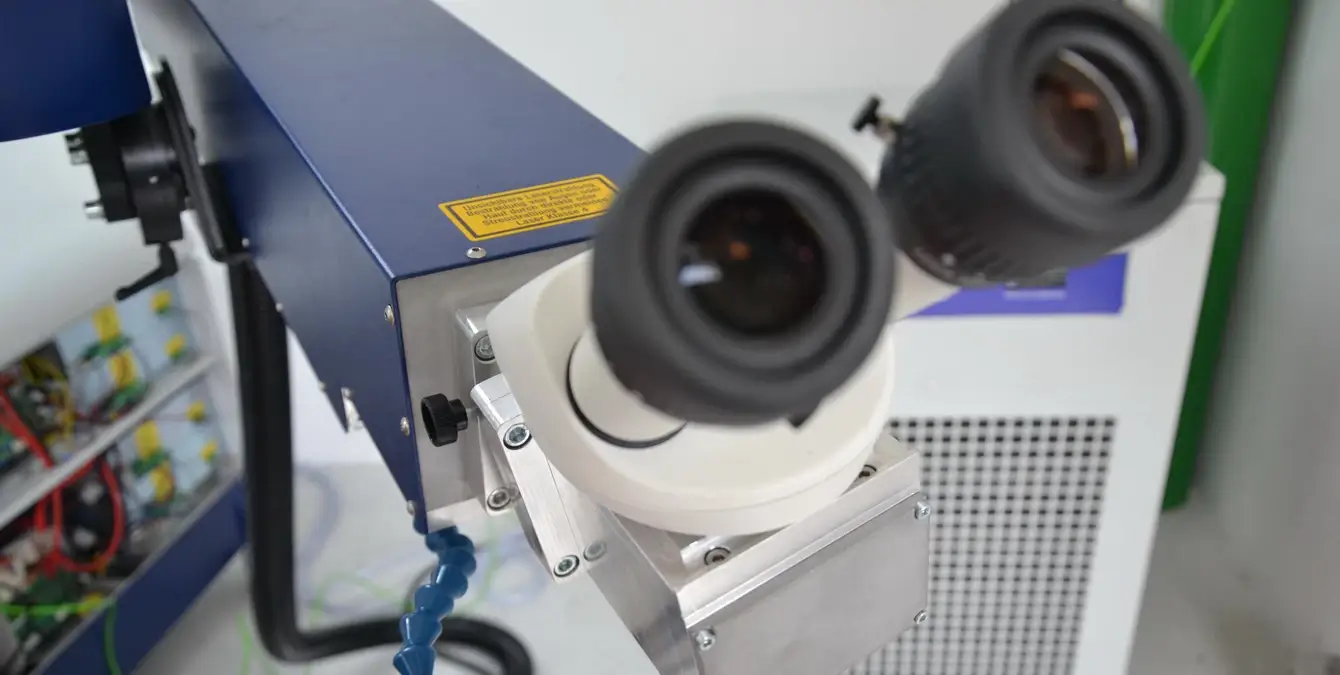
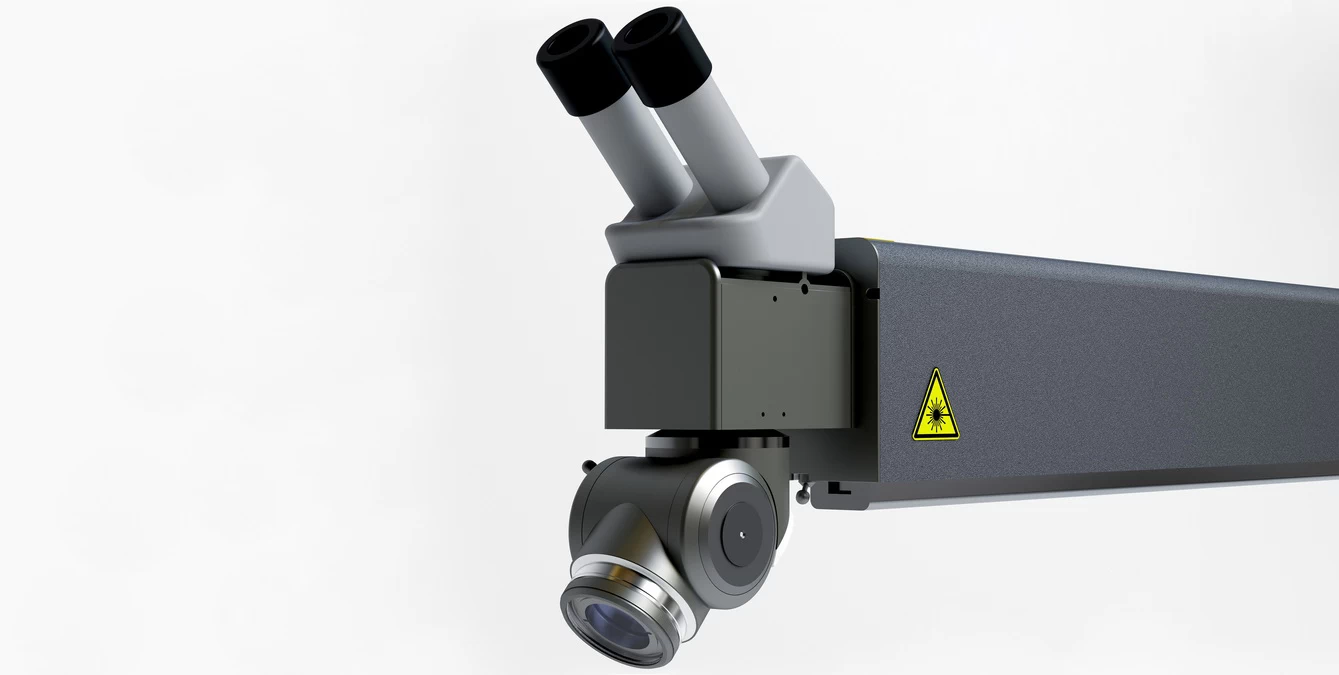
Telescope lenses play a pivotal role in enhancing the efficiency and quality of laser welding processes. These optical lenses for laser welding are designed to focus the laser beam precisely, ensuring accurate alignment with the material being welded. The choice of lens size, such as 100mm, 200mm, or 300mm, directly influences the focal length, which is crucial for achieving desired beam concentration and depth of penetration.
The laser welding lens not only determines the focal length but also impacts how the energy from the laser is applied to the material. Selecting the right lens enables the laser to penetrate materials effectively, optimizing weld penetration and ensuring high-quality welds. For further insights on optimizing lens selection, consider the article on how to choose the right welding lens.
Impact on Laser Beam Control
The control of the laser beam is significantly affected by the choice of telescope lens. A precisely selected lens size ensures that the beam maintains its desired shape and intensity, which is essential for effective laser welding. The focal length for laser welding, dictated by the lens, impacts the laser’s ability to melt and fuse materials at specific depths and widths.
Beam control is integral to maintaining weld consistency and quality. An optimized optical setup using the appropriate lens allows for superior laser beam control, reducing the likelihood of defects and increasing the overall efficiency of the welding process. This is especially critical in applications requiring precise weld penetration and quality. Explore more about impact of lens size on laser welding to understand how specific lens choices can optimize your welding operations.
Overview of 100mm, 200mm, and 300mm Telescope Lenses
Characteristics of 100mm Lens
The 100mm telescope lens is a versatile option in laser welding applications, providing a balance between precision and penetration depth. It is often chosen for its ability to focus laser beams effectively at moderate distances, making it suitable for delicate and intricate welding procedures. This lens is particularly effective for jobs requiring pinpoint accuracy where excessively high energy concentration is not necessary.
When considering how to choose the right welding lens, the 100mm option offers advantages in scenarios where thin materials or fine detail work is the focus. Its focal length allows for improved control over the laser beam, helping to optimize the laser welding process for projects with specific detail-oriented demands.
Suitability of 200mm Lens
The 200mm lens serves as a middle-ground option, often preferred in operations that require a balance between focal precision and deeper penetration. This makes it a favored choice for a wide range of industrial applications, from automotive to aerospace sectors, where varying material thicknesses are involved. The 200mm lens’s capacity to regulate laser intensity over a broader area helps in achieving consistent weld quality without sacrificing precision.
In terms of impact of lens size on laser welding, the 200mm lens can handle thicker materials better than its 100mm counterpart, while still providing the necessary focal adjustments required for high-quality welds. This lens’s flexibility is enhanced by its ability to support diverse welding optics and beam control strategies.
Advantages of 300mm Lens
For more challenging tasks, particularly those involving significantly thicker materials, the 300mm telescope lens proves advantageous. Its larger focal length allows for greater laser penetration and coverage, making it ideal for constructing welds that require robust structural integrity. This lens is commonly implemented in heavy-duty projects where maximum penetration depth is critical.
The 300mm lens’s capabilities in adjusting laser beam distribution mean it excels in improving weld penetration and quality for substantial material endeavors. Moreover, its longer focal length supports a broader spectrum of welding optics, enhancing its applicability across varied welding environments. The lens’s proficiency in controlling laser outputs helps in creating seamless welds with minimal defects, assisting in the long-term durability of welded structures.
In conclusion, the selection among 100mm, 200mm, and 300mm telescope lenses should consider the specific requirements of the welding task at hand. Assessing the optimize laser welding process with correct lenses through the understanding of each lens’s unique attributes will lead to improved welding outcomes and operational efficiency.
Material Thickness and Focal Optimization
Matching Lens with Material Thickness
Selecting the appropriate laser welding telescope lens is crucial for achieving desired weld quality. The thickness of the material has a profound impact on the selection of the lens, primarily due to the required focal length for laser welding. Thinner materials typically require lenses with shorter focal lengths, allowing for precise laser beam control and minimizing heat diffusion. Conversely, thicker materials benefit from longer focal lengths to ensure deeper penetration and optimal heat distribution.
For instance, a 100mm lens may suffice for materials up to a few millimeters thick. In contrast, a 200mm or 300mm lens could be preferable for materials exceeding 10mm in thickness. The ability to adjust the focal length according to material thickness directly correlates with increased weld quality and efficiency, underscoring the importance of optical lenses for laser welding.
Focal Length and Weld Penetration
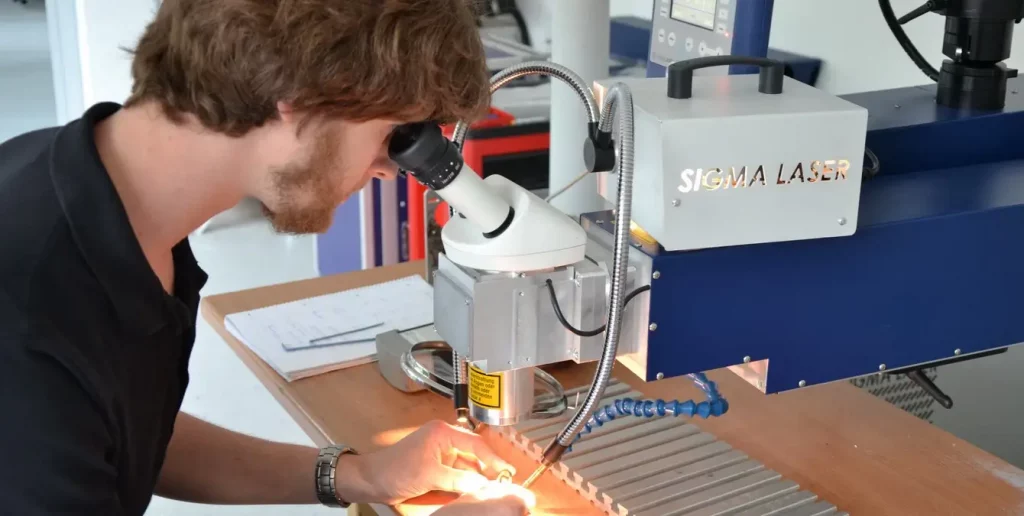
The focal length of a telescope lens for welding significantly influences the depth of weld penetration. A precise focal length is critical to optimizing the laser welding process as it determines where the laser energy is concentrated on or within the material. Shorter focal lengths focus the laser energy into a smaller, more intense spot, ideal for surface or shallow penetration tasks. On the other hand, longer focal lengths spread the energy over a larger area, permitting enhanced deep weld penetration.
The impact of lens size on laser welding becomes evident when considering the need for precise control over weld penetration. As the focal length increases from 100mm to 300mm, the laser’s interaction with the material changes, affecting the melting point and overall weld integrity. Understanding these variations can aid in the selection of the right welding lens, effectively linking lens size with material requirements and enhancing the optimization of the laser beam control.
Effects of Lens Selection on Weld Penetration and Quality
Shallow vs. Deep Penetration
The choice of a telescope lens in laser welding plays a crucial role in determining the penetration depth of the weld. Different focal lengths, specifically those of 100mm, 200mm, and 300mm lenses, impact the laser beam control and, consequently, the weld penetration. A laser welding lens with a shorter focal length, like the 100mm, tends to provide shallow penetration, which is ideal for applications requiring precision in thinner materials.
Conversely, lenses with longer focal lengths, such as the 300mm type, allow deeper penetration. This is beneficial for welding thicker materials where a deeper weld pool is necessary to ensure joint stability and structural integrity. Understanding the benefits of different focal lengths in laser welding is essential for optimizing weld quality. Proper lens selection helps in maintaining the desired penetration level, thereby providing control over the welding optics and enhancing the final product.
Energy Efficiency in Welding
When optimizing the laser welding process with the correct lenses, energy efficiency becomes a significant factor. The efficiency of energy conversion from the laser source to the work piece is largely affected by the lens’s focal length. Lenses that are precisely designed for optical lenses for laser welding can maximize energy transfer, minimizing energy loss and increasing the process’s overall efficiency.
Lenses with a longer focal length, though capable of deep penetration, might disperse energy over a larger area, potentially reducing the effectiveness of energy utilization. In contrast, shorter focal length lenses concentrate energy into a smaller area, which might improve energy efficiency but could lead to overheating if not properly managed. Therefore, aligning the telescope lens for welding with the intended application ensures an optimized, energy-efficient welding process.
Operational Benefits of Proper Lens Selection
Cost Reduction through Efficient Energy Use
Selecting the appropriate telescope lens for laser welding, like the laser welding telescope lens, plays a critical role in reducing operational costs. By optimizing the laser welding process, operators can achieve efficient energy use. Proper lens selection ensures the laser beam is focused accurately, minimizing energy waste and reducing electricity consumption significantly. This efficiency translates into lower operational expenses as the process requires less power to achieve desired welds.
Moreover, with the right optical lenses for laser welding, the amount of material consumed can be reduced while maintaining high quality. Particularly, lenses such as 100mm, 200mm, and 300mm telescope lenses impact the focal length and penetration depth, altering how energy is distributed during the welding process, thus optimizing resources.
Enhanced Beam Control for Quality Welding
Enhanced beam control is crucial for quality welding, which is significantly influenced by the choice of welding optics. Utilizing the correct telescope lens for welding allows precise laser beam control, ensuring optimal focus. This level of control is vital for maintaining consistent weld penetration and quality, especially when dealing with varying material thicknesses.
Different lens sizes offer distinct benefits regarding focal length for laser welding. For instance, a 100mm lens may provide sharper focus for smaller projects, while a 300mm lens might be better suited for larger, more complex materials. This versatility in lens selection ensures that operators can tailor their approach to match specific welding requirements, enhancing operational effectiveness and overall weld quality.
Additionally, ideal lens selection prevents issues such as over-penetration or heat damage, which could lead to increased costs through materials waste or additional repairs. Therefore, understanding the benefits and applications of various telescope lenses can significantly enhance the quality and efficiency of laser welding operations.
Achieving Desired Weld Characteristics with Tailored Lens Choice
Customizing Lens Selection for Requirements
In laser welding applications, the choice of telescope lens for welding is instrumental in determining the efficiency and quality of the weld. A tailored selection process helps in achieving desired weld characteristics by adapting the lens choice to suit specific material and thickness needs. For example, optical lenses for laser welding vary in their ability to concentrate laser energy, thus affecting penetration depth and weld integrity.
The use of a 100mm lens can be beneficial for welding thinner materials, providing sufficient focus and minimizing excess heat dispersion. In contrast, a 200mm lens might be ideal for moderate thickness, balancing energy concentration and penetration. For thicker materials, a 300mm lens is often preferred to optimize focal length for laser welding, offering deeper penetration capabilities without sacrificing weld quality.
Result-Based Approach to Lens Choice
Adopting a result-based approach to lens selection emphasizes the importance of precise laser beam control and the role of lens size in the process. This approach not only impacts weld penetration and quality but also enhances the overall efficacy of the laser welding system. Understanding impact of lens size on laser welding helps in customizing the process parameters to achieve optimal results.
By fine-tuning the focal length for laser welding according to the specific welding scenario, one can ensure that the laser energy is used most effectively. This optimization process enhances the quality of the weld and reduces defects, ultimately improving production outcomes and consistency. For further guidance on optimizing your laser welding process with the correct lenses, consider consulting technical resources that focus on welding optics.
The strategic selection of the right laser welding lens, whether it be the 100mm, 200mm, or 300mm option, is essential for achieving target weld characteristics. With informed and meticulous choices, achieving high-quality and reliable welds becomes a predictable outcome.
Conclusion: The Intersection of Precision and Efficiency in Laser Welding
Summary of Key Insights
The selection of the appropriate telescope lens, whether it be a 100mm, 200mm, or 300mm lens, plays a pivotal role in the laser welding process. The significance of optical lenses for laser welding lies in their ability to control the laser beam, directly affecting the quality of the weld. Different focal lengths yield varying penetration depths and weld characteristics, enhancing precision in complex welding tasks.
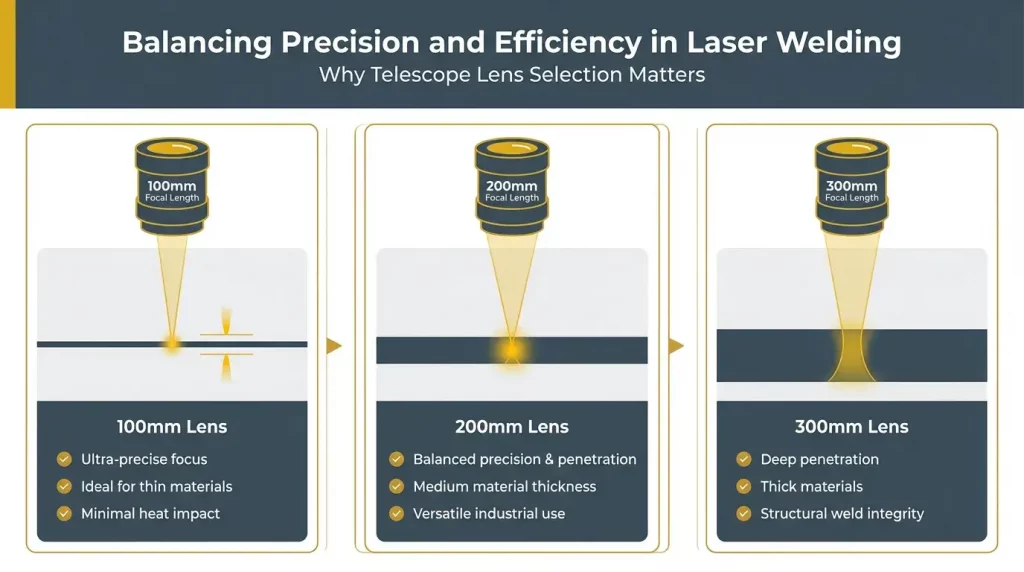
Understanding the impact of lens size on laser welding is crucial. While the 100mm lens provides excellent precision for thin materials, the 200mm lens offers a balance between precision and moderate thickness. The 300mm lens is ideal for deeper penetration on thicker materials, showcasing the adaptability of telescope lenses in diverse welding scenarios.
Final Recommendations
When choosing a telescope lens for welding, consider the specific application requirements to optimize the laser welding process. Tailor the lens selection to the material thickness and desired focal depth to merge precision with operational efficiency. This approach ensures improved weld penetration and quality, underlining why telescope lenses are vital in laser welding systems.
To further enhance efficiency, it’s recommended to maintain regular assessments of lens performance and compatibility with your specific laser welding setup. This strategic focus on lens selection not only improves welding precision but also contributes to the operational efficiency of the entire welding process.
Conclusion: Balancing Precision and Efficiency in Laser Welding
Emphasizing the Value of Telescope Lens Selection
The article highlights the essential role of telescope lenses in laser welding, emphasizing the importance of choosing the right lens size to optimize both precision and efficiency. A key takeaway is how these lenses, such as the 100mm, 200mm, and 300mm options, directly influence the quality and characteristics of the weld. By controlling the focal length and laser beam distribution, each lens offers distinct advantages tailored to specific material thicknesses and welding requirements.
Telescope lenses for laser welding are pivotal due to their ability to manage beam concentration and penetration depth. The 100mm lens offers precision for thin materials, ensuring minimal heat damage with pinpoint accuracy. Meanwhile, the 200mm lens strikes a balance between precision and penetration, suitable for moderate-thickness tasks across various industries, from automotive to aerospace. Lastly, the 300mm lens is engineered to enhance deep penetration, making it indispensable for welding thicker materials where structural integrity is paramount.
Integration of Material and Lens Characteristics
An insightful discussion throughout the article is the integration of material properties with lens selection, where the thickness of materials dictates the appropriate focal length. Selecting lenses with shorter focal lengths, such as 100mm, is recommended for thinner materials to ensure precision without excessive energy dispersal. Alternatively, longer focal lengths, offered by lenses like the 300mm, are preferred for thicker materials, allowing for superior penetration depth and optimal thermal dynamics.
Matching lens choice with material needs not only optimizes the quality of the weld but also enhances energy efficiency. This integration is fundamental in reducing operational costs by ensuring that the laser energy is precisely focused and effectively utilized, aligning energy consumption with desired welding outcomes.
Strategic Benefits and Forward-Looking Perspectives
The strategic selection of telescope lenses offers profound operational benefits, stemming from efficient energy use and enhanced beam control. Proper lens selection directly contributes to cost reductions; by focusing energy accurately, the lenses minimize unnecessary power usage and reduce material waste—resulting in significant savings. Furthermore, the capability of these lenses to maintain stable beam control ensures consistency in weld quality, minimizing defects and rework.
Looking forward, the ongoing development and fine-tuning of lens technologies promise continuous improvements in laser welding applications. As materials and welding techniques evolve, so will the lenses designed to enhance these processes. It is essential for industries to stay informed on advancements in lens technology, ensuring their welding operations remain at the forefront of precision and efficiency.
In conclusion, understanding the intersection of precision and laser welding’s efficiency underscores the serious impact telescope lens selection has on welding outcomes. For those in the realm of manufacturing and materials science, capitalizing on the benefits of accurately chosen lenses can significantly elevate the quality and reliability of welding projects. Thus, embedding a systematic and informed approach to lens selection will serve as a pivotal factor in optimizing laser welding practices and achieving superior results.